Landscape & Outdoor Services

Get expert advice and DIY tips on landscaping and outdoor projects in Whittier, CA from design to installation and maintenance.

How to Clean a Concrete Patio

How to Clean a Concrete Patio | Quick & Effective Solutions

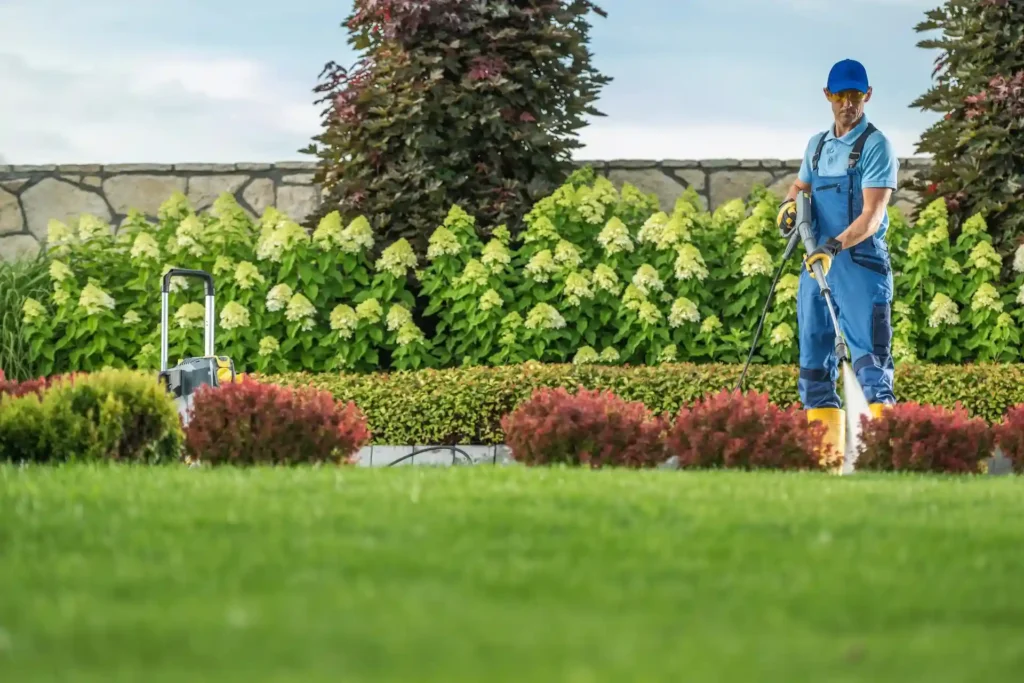
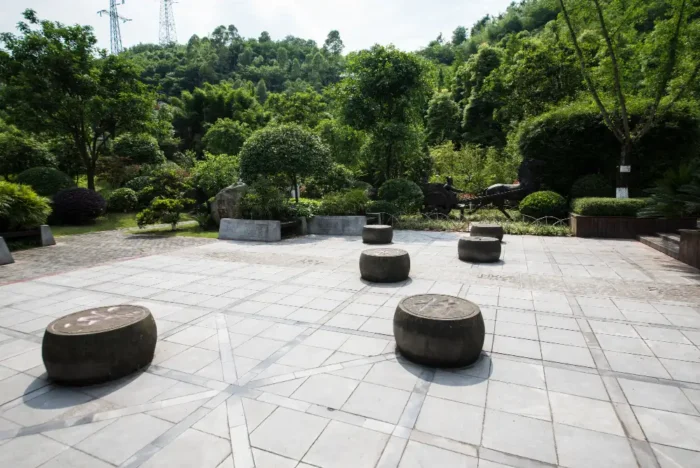
Maintaining your concrete patio is not only a great way to improve the appearance of your outdoor area, but also prolong its life. Over time, patios develop dirt, stains, mold, and algae, dulling the surface, and contributing a slippery surface. Fortunately, if you know the best ways to approach cleaning your patio, you can achieve a fresh and clean appearance in short order. From simple household cleaning methods, to specialized concrete stain removers, there are many options for cleaning up tough stains and build-up. For extra cleaning on patios and deeper stains, many homeowners turn to their favorite concrete cleaning product, which can effectively break down dirt, stains, and algae, without damaging the surface. Your ideal cleaner will often vary based on the stains, and the amount of build-up you have on your patio (patio). Whether you prefer eco-friendly, biodegradable solutions, or your favorite patio cleaner formula, this post will cover the most effective cleaning steps to revive the outdoor space. Before You Begin Make sure to remove everything from your concrete patio before applying any concrete patio cleaner. Furniture, grills, plants, or even children’s toys should all be removed so that you have a clear space to work in. You can use a sturdy push broom or even a leaf blower, and just sweep away dust, leaves or any loose debris. After you have cleared the patio, you can spray it down with a garden hose and nozzle to moisten the concrete prior or to help loosen any stuck-on dirt. When to Clean a Concrete Patio To keep a concrete patio in good shape, it should be cleaned periodically. Seasonal cleaning can help remove dirt, stains, and algae, while a deep cleaning will be needed after heavy use or weather changes. A concrete stain remover works best for stubborn stains, while quality concrete cleaning solutions can help refresh the surface. If you want long-lasting results, use the best concrete patio cleaner that is intended for outdoor use. A dependable patio cleaner will help ensure that your outdoor space is safe, smells nice, and is inviting for all seasons. Tools Need To Clean Clean A Concrete Patio   Stiff-Bristle Brush – Ideal for scrubbing stains after applying a patio cleaner. Pressure Washer or Garden Hose – Helps rinse away dirt, algae, and cleaning products thoroughly. Bucket & Measuring Cup – For mixing the best concrete patio cleaner with water. Protective Gear – Gloves and goggles keep you safe while using concrete cleaning products. Scraper or Putty Knife – Useful for removing dried gum, paint, or stubborn debris before applying a concrete stain remover. Mop or Squeegee – Speeds up drying and prevents water spots. Directions for Cleaning a Concrete Patio A concrete patio that has recently been cleaned looks appealing and will last longer when you regularly maintain it. The right products and the right tools will help you remove mildew, dirt, stains, and buildup, without damaging the concrete surface. Below is a straightforward process that anyone can easily do. Step 1 — Prepare the Area Remove furniture, plants, and other décor. Using a stiff broom, sweep the surface to remove dust, leaves, and debris. Step 2 — Spot Treat Stains Use a concrete stain remover directly on oil, rust, or grease stains. Let it sit according to the manufacturer instructions and lightly rinse. Step 3 — Mix Your Cleaner Select the suitable concrete patio cleaner for your needs. For the most part, a solution that is mild but effective works best on protecting the surface. Step 4 — Scrub the Patio Use a stiff brush or deck brush to scrub the cleaner into the concrete. For larger areas, a pressure washer on low will speed up the process. Step 5 — Rinse and Maintain Rinse the patio thoroughly with a garden hose, continuing until all residue is gone. A reliable patio cleaning routine every few months is a good way to keep your outdoor area looking fresh and inviting.  Common Mistakes to Avoid When Cleaning Your Concrete Patio Maintaining a concrete patio is easy, but many homeowners make mistakes that shorten its life or make it dull looking. The main principle is to use the appropriate tools and products and be cautious of practices that can cause damage. Here are some common mistakes to avoid: Using Harsh Chemicals Without Testing If you pour strong cleaners directly on the surface, this could cause stains or erosion. Always begin with a concrete stain remover that is safe for outdoor use, and try it on a small spot first. Choosing the Wrong Cleaning Products Household detergents or bleach may seem convenient but can leave streaks and discoloration. Invest in quality concrete cleaning products specifically designed for patios. Over-Scrubbing the Surface Brushing concrete with metal brushes may scratch the surface. You should instead use the best concrete patio cleaner with a soft-bristle brush or low-pressure washer to achieve the best results. Forgetting to Rinse Thoroughly If you do not rinse away your patio cleaner, this can leave residue, attract dirt, and dull the finish. Make sure to always rinse thoroughly to ensure a spotless finish on your patio.   Conclusion:   Having a clean concrete patio not only improves appearance but can increase lifespan and make outdoor spaces more enjoyable. The best method will depend on the stains present and what chemical agents you are able to use. For normal dirt and mildew build-up, widely used concrete cleaning agents with a scrub brush can make your concrete patio look new again in no time. If you have tough stains like stubborn oil, rust, or mold, then a specialized concrete stain removal agent will work effectively, breaking down deeper stains without damaging the concrete surface.  For any homeowner who would rather use a ready-to-use option, your best bet is to invest in a good concrete patio cleaner. A good cleaner is designed to address multiple stains and provide the best and fastest results with the least effort and scrubbing. You may also consider

How to Clean a Concrete Patio | Quick & Effective Solutions Read More »

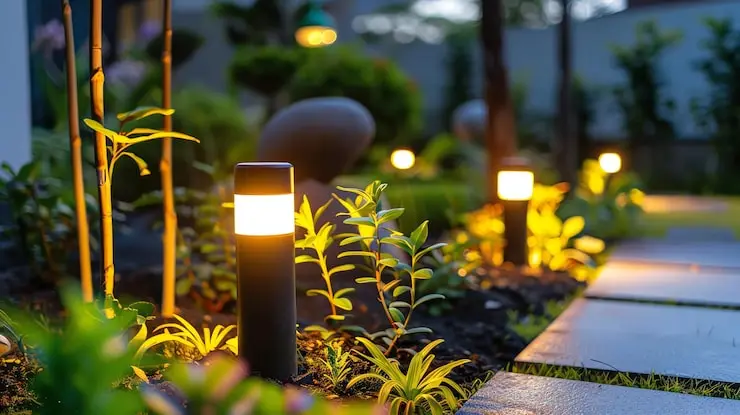
How to install low voltage landscape lighting in a modern front yard with LED path lights, tree uplighting, and a clean, professional layout at dusk.

Easy Guide to Low Voltage Lighting Setup

There’s something deeply satisfying about stepping back at dusk and seeing your yard come alive with soft warm glows. I’ve done dozens of landscape lighting projects over the years both as a professional and DIYer and I can tell you that low voltage outdoor lighting isn’t just about beauty it’s about safety, curb appeal and smart home function. If you are wondering exactly how to install low voltage landscape lighting this guide will discuss the entire process from planning your layout to wiring everything properly using a low voltage landscape lighting wiring diagram. Why Choose Low Voltage Outdoor Lighting? Before jumping into tools and wire connectors let’s talk about why you’re making this choice. Low voltage lighting installation uses a transformer to reduce the standard 120V current down to a safer 12V, making it perfect for homes with kids, pets or heavy foot traffic. Unlike high voltage systems installing low voltage outdoor lighting is safer more energy efficient and doesn’t require professional electrical licensing in most states with smart low voltage lighting system options and dusk to dawn landscape lighting setup you can automate your yard lighting completely. Planning Your Landscape Lighting Layout Trust me the biggest mistakes I’ve seen happen before a single fixture is installed. Spend time upfront to plan your landscape lighting layout thoughtfully. Walk your yard at night with a flashlight. Highlight areas like walkways, trees, water features and architectural elements. Then sketch a rough design. Think in terms of three light types: Path lighting using LED low voltage path lights Accent lighting for trees, shrubs, or statues Ambient lighting around patios or fences A good rule is to start small. You can always add more lights later using splitters or extending wires with cable connectors for landscape lighting. What You’ll Need: Tools & Materials Here’s what’s usually in my toolkit for a landscape lighting installation: Fixtures (path lights, spotlights) Transformer for landscape lights 12-gauge direct burial wire for landscape lighting Low voltage cables (check landscape lighting wire gauge) Cable connectors for landscape lighting Wire stripper/cutter Multimeter (for checking outdoor lighting voltage drop) Don’t forget your outdoor low voltage transformers should be rated for at least 20% more wattage than your total lighting load. Which brings us to… Understanding Wattage and Wire Runs Knowing the wattage requirements for low voltage lighting is key. Add up the wattage of all your fixtures. For example, ten 5W lights = 50W. If your transformer is 75W, you’re in the safe zone. When it comes to wiring the longer your wire run the more voltage drop you’ll get. Use a heavier landscape lighting wire gauge (like 12 AWG) for longer distances to keep your lights evenly bright. Wiring and Connection Tips If you’re asking yourself how to wire landscape lighting you’re not alone this is where most people hesitate. But wiring is easier than it looks. Use a low voltage landscape lighting wiring diagram (you can find free ones online or in product manuals). Start from the transformer and run the wire along your planned route. Use wiring for low voltage landscape lighting rated for outdoor use. Wiring low voltage lights means creating parallel circuits daisy-chaining the lights together while keeping consistent polarity. That’s critical. When using cable connectors for landscape lighting make sure they are waterproof and designed for direct burial. Installing the Lights: Step-by-Step Now we’re into the fun part installing landscape lighting. Place your fixtures where you want them. Run the wires loosely from the transformer to each light. Strip the wire ends and use connectors to join them to each fixture. Mount your transformer for landscape lights on a wall near a GFCI outlet. Connect the wires to the transformer, observing polarity (+ to +, – to -). Test the system before burying anything. Install outdoor lighting by burying wires at least 6 inches deep (especially direct burial wire for landscape lighting). I always recommend keeping a printed landscape lighting wiring diagram in your garage it’ll save you headaches if you troubleshoot later. Testing, Troubleshooting, and Adjustments Once everything’s connected flip the switch. If some lights are dim or flickering you may have a voltage drop issue. Use a multimeter to measure voltage at the farthest fixture. You can split your run into two shorter branches if needed. This is why how to connect low voltage lights properly using sealed watertight connectors is crucial. Bonus: Automate with Smart Lighting Want to take it a step further? Add dusk to dawn landscape lighting setup using timers, photocells, or smart home integration. A smart low voltage lighting system lets you control your entire yard from your phone. Final Tips & Safety Reminders Always follow outdoor lighting safety tips. Avoid overloading your transformer, keep connections dry, and regularly inspect buried wires. Installing low voltage landscape lighting may feel overwhelming at first, but once you’ve done it, it becomes second nature. Whether you’re doing a diy low voltage landscape lighting project or simply adding new fixtures to an existing system, it’s one of the most satisfying upgrades you can do to your home. Bring Your Outdoor Space to Life Let our experts handle your landscape lighting installation with precision and care.  Call (562) 208-0148 Book Lighting Service

Easy Guide to Low Voltage Lighting Setup Read More »

How Long Does Sod Take to Root

How Long Does Sod Take to Root? A Comprehensive Guide to Ensuring a Healthy Lawn

When you install sod in your yard, one of the most common questions homeowners have is, “How long does sod take to root?” While the answer can vary depending on several factors, it’s necessary to understand the rooting process to ensure your sod establishes itself properly. In this article, we will explore the key elements that influence how long it takes for sod to root, how to care for it, and tips to speed up the rooting process for a healthy and vibrant lawn. What Does Rooting Mean for Sod? Rooting refers to the process where the sod’s roots penetrate into the soil beneath it, forming a connection between the grass and the earth. This crucial stage allows the grass to take in nutrients, water, and air, helping it grow strong and healthy. So, how long for sod to establish its roots? Typically, the rooting process can take anywhere from 2 to 3 weeks under ideal conditions. How Long Does Sod Take to Grow? After you lay the sod, it’s essential to understand that the grass won’t grow at the same pace as other plants or seeds. While sod comes pre-grown, it still requires time to settle in and start growing. On average, it can take up to 2 to 3 weeks for new sod to take root. However, several factors like climate, soil quality, and maintenance play a role in determining the exact time it will take for sod to grow and become established. How Long for Sod to Take Root? The time it takes for sod to take root depends on several factors, including soil temperature, moisture levels, and the type of grass you’re using. Generally speaking, how long until sod takes root can range from 2 weeks to 4 weeks. During this time, the roots are growing into the soil, forming the base for healthy lawn development. However, in hot weather, this process may be slower unless proper care is taken. How Long Does It Take New Sod to Root? New sod requires careful attention to ensure it roots properly. The initial rooting period can take up to 3 weeks, but if the weather is too hot or the soil isn’t ideal, it might take longer. The key is to provide the best way to water sod and ensure it receives adequate sunlight and nutrients during this period. How to Help Sod Root To help sod root effectively, you need to focus on providing the right conditions. Regular watering, proper soil preparation, and adequate sunlight all contribute to faster root development. In addition to watering, how to get sod to grow more efficiently includes making sure the soil is well-aerated and free from any debris that could hinder root penetration. How to Water New Sod Watering is a critical factor in helping your sod take root. The first step after installation is to water thoroughly, soaking the sod and the soil beneath it. How long to water sod after installation depends on the weather, but it’s typically recommended to water the sod twice a day for the first few weeks. In hot weather, you might need to increase watering frequency to prevent the sod from drying out. How Long Should You Water New Sod? Generally, you should water your new sod for about 15-20 minutes per session for the first few weeks. This ensures the water penetrates deep into the soil and encourages the roots to grow deeper. During the initial stages, ensure that the soil beneath the sod stays moist but not soggy. Watering New Sod in Hot Weather Watering new sod in hot weather requires extra attention. In high temperatures, sod can dry out quickly, so you may need to water more frequently. Consider watering your sod early in the morning or late in the evening to minimize evaporation and ensure the roots have enough moisture to develop. What to Do After Sod is Laid After sod installation, it’s essential to keep sod moist and make sure the grass receives the right nutrients. The sod after 1 week should show signs of root development, and you should start to see the grass growing as it becomes more established. It’s important to avoid walking on the sod during the first few weeks to prevent damaging the fragile roots. Can You Walk on Sod Right Away? It’s advisable not to walk on sod immediately after installation. Can you walk on sod right away? While it’s tempting to admire your new lawn, it’s best to avoid walking on it until the roots have had a chance to establish themselves. Walking on freshly laid sod can disrupt the roots and slow down the rooting process. How Long Does Sod Take to Root in Hot Weather? If the temperatures are high, rooting will take longer. How long does sod take to root in hot weather can extend to 4 weeks or more, depending on how well you manage watering and care. High heat and direct sunlight can stress the sod, making it harder for the roots to establish. During hot weather, ensure you water more frequently, especially in the early morning or late evening. Signs That Sod Has Taken Root As the sod roots into the soil, there are a few signs that sod has taken root. One of the first indicators is when you try to lift a piece of sod and feel resistance, showing the roots are attached to the soil. Additionally, healthy sod will begin to show signs of growth, and the grass will become greener and more vibrant. How to Speed Up Sod Rooting If you’re wondering how to speed up sod rooting, there are several tips that can help. First, ensure you are consistently watering the sod, but avoid over-watering. Additionally, make sure the sod gets adequate sunlight and doesn’t sit in overly shaded areas. You can also use a fertilizer designed for new sod to give it a boost. Factors Affecting Sod Rooting Time Several factors can influence how long for turf to

How Long Does Sod Take to Root? A Comprehensive Guide to Ensuring a Healthy Lawn Read More »

how much does landscaping cost

How Much Does Landscaping Cost? | Average Pricing Guide for Landscaping Services

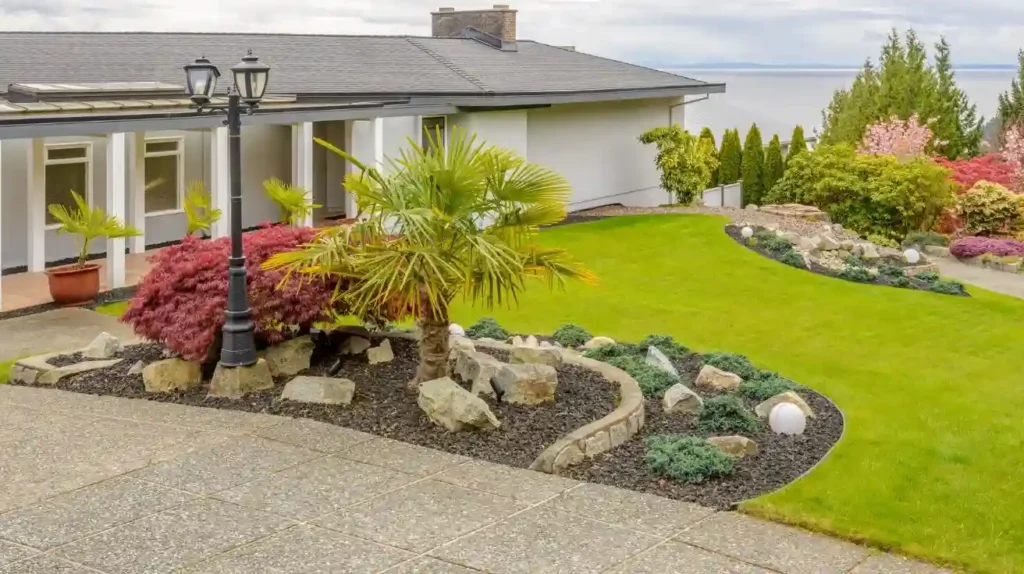
I called three landscapers last spring because my yard looked like a jungle. The first guy said $2,100. The second said $800. The third quoted me $4,500. I had no idea what was right or wrong. That’s when I started actually digging into what landscaping costs, and honestly, it’s messier than people think. Most landscapers I talked to said they’d charge somewhere between $1,400 and $3,650 for a decent project. But that number means almost nothing without context. A patio guy might give you $1,200 for a small job. A tree removal person wants $2,000 just for the tree. It’s all over the place. What’s Really Eating Your Budget? Here’s what nobody tells you straight up. When you pay a landscaper, about 80 percent of your money is going to pay them to work. The plants and materials? That’s only like 20 percent of the bill. A crew of two working eight hours at landscaping rates per hour of $50 to $100 quickly adds up to $400 to $800 in labor for just one day. Once you factor in plants, soil, mulch, and other materials, it’s easy to see how total landscaping costs reach $2,000 to $3,000 fast. Some guys charge by the square foot. They’ll tell you $4 to $12 per square foot. Let’s say your project is 1,000 square feet and they charge $8 per square foot. That’s $8,000. You know what you’re getting. I like that method because it’s straightforward. Then there’s the flat fee thing. The landscaper comes look at your yard, you tell them what you want, and they give you one price. Done. No surprises. This works better for bigger jobs because both of you know what’s happening. Small Yard Projects Cost More Per Square Foot I have a small yard. That’s why my quotes were all over the place. Small spaces are weird for pricing. My front yard is maybe 500 square feet. One guy quoted me for $800 to do new grass, mulch beds, and three shrubs. Another guy said $2,200. The expensive guy was explaining that small yards have nowhere to hide mistakes and everything needs to be precise. He had a point actually. So if you’ve got a small front yard, you’re probably looking at $500 to $2,500. Back yard? Maybe $800 to $3,500. This covers new sod, some plants, fresh mulch, and maybe a walkway or something. The good part about small yards is they get done quick. The contractor can probably finish in a week or two instead of dragging out for a month. Landscape Design Will Cost You Extra I didn’t think about this at first. Turns out most landscapers want you to pay a designer before they start digging. These designers charge all different ways. Some want $1,900 to $6,800 for the whole thing. Some charge by the hour, like $75 to $150. Some actually just charge you nothing and mark up whatever plants you buy from them later. What you get is basically drawings and a plan. Simple consultations are just someone talking to you about ideas. The expensive versions come with detailed drawings showing exactly where every plant goes, what materials, how water drains, all that stuff. I was skeptical about paying for this until one designer showed me that bad planning wastes thousands. You buy plants that won’t grow in your yard. You put hardscape in spots that flood. You spend money fixing problems that cost way more than the design would have. Robert Complete Care does landscape installation services in Whittier and includes design consultations. It’s worth asking if your contractor includes this or charges separate. Breaking Down What Specific Work Actually Costs I spent like an hour on the phone with different contractors writing down prices for different services. Here’s what they told me. If you just want someone to mow and clean up every couple weeks, that’s $150 to $350 per visit. Nothing fancy. You can usually get a discount if you sign up for monthly service instead of calling them random times. New sod was the thing that shocked me. The grass itself is cheap. But installed it’s $1 to $2 per square foot. A basic lawn is 1,000 square feet. So you’re at $1,000 to $2,000 easy. That’s why one of my quotes was so high. Mulch is way cheaper. That’s $75 to $200 per cubic yard once they spread it. You probably need three to five cubic yards depending on how many beds you have. Do the math and you’re at $225 to $1,000. Shrubs are $25 to $150 each to plant. Trees cost way more. A regular size tree landed in my yard costs $700 to $1,000. That includes getting the tree, digging the hole, the soil, everything. Patios and walkways are expensive. $50 to $100 per square foot. My wife wanted a patio that’s like 200 square feet. That’s $10,000 to $20,000. I said no. Sprinkler systems add significantly to the average landscaping cost, running around $3,200 for most homes. Depending on yard size and layout, prices can range from $2,500 to $5,000, while drip irrigation is more affordable at $300 to $800 per zone. I started seeing why my quotes were so different. One contractor was just doing mulch and shrubs. Another was quoting sod for the whole yard. Of course they cost different amounts. 8 Things I Actually Did to Save Money After getting those crazy quotes, I looked for ways to spend less. Some of this worked, some didn’t. Doing it in stages. I decided to do the front this year. Back patio next year. Full bed renovation the year after. This spreads money out and honestly it’s less stressful than huge construction everywhere at once. Picking plants that actually grow here. This is just smart. Native plants cost less, don’t need watering as much, don’t need fancy fertilizer. They’re made for our area. Less work, less money. Buying smaller plants. I bought three-gallon instead of five-gallon plants. Saved probably $30

How Much Does Landscaping Cost? | Average Pricing Guide for Landscaping Services Read More »

how much to water new turf

How Much to Water New Turf | 2025 Guide

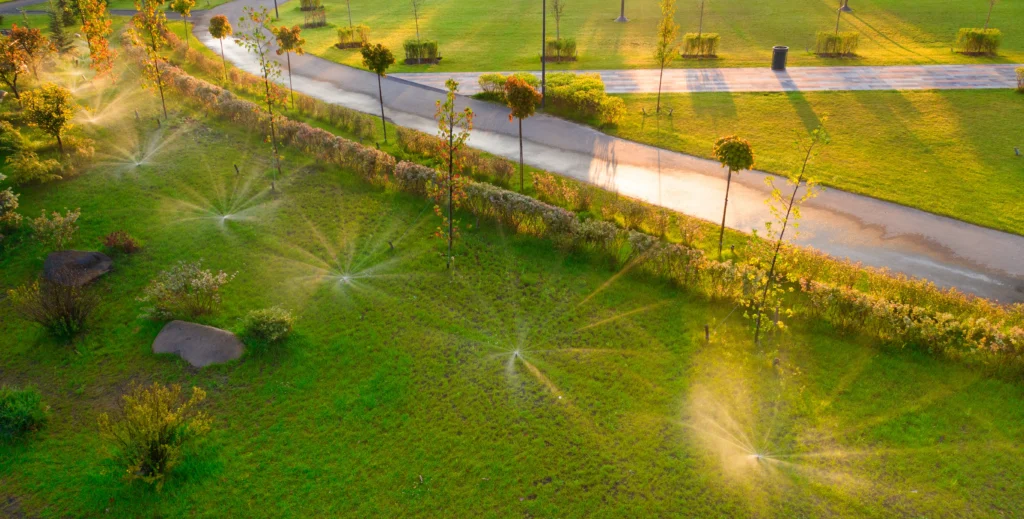
If you’ve recently installed new turf in Whittier, California, one of the most important questions you’re probably asking how much to water new turf. Proper watering is the key to healthy turf establishment and long-term lawn success, especially in Southern California’s warm and dry climate. Why Proper Watering Matters for New Turf   Water is essential to help new sod develop strong roots and thrive in your yard. Underwatering can cause brown patches, while overwatering can lead to fungal growth or turf that never properly roots. Finding the right balance is critical. How Much Water Does New Turf Need? In general, new turf needs about 1 to 1.5 inches of water per day for the first week after installation. This typically means watering 2 to 3 times per day, ensuring the soil stays moist but not soggy. Watering Schedule for New Turf: Week 1: Water 2-3 times per day (morning, midday, early evening) Week 2: Reduce to 1-2 times per day as roots begin to establish Week 3-4: Water deeply 1 time per day or every other day After 4 weeks: Transition to a regular lawn watering schedule (2-3 times per week) Whittier Turf Watering Guide In Whittier, where summers are hot and dry, it’s especially important to water in the early morning or late afternoon to reduce evaporation. Pay attention to any Whittier water restrictions that may limit watering days or times. Local Tips: New Turf in Whittier CA Choose drought-resistant grass varieties – These grasses require less water and perform better in Whittier’s dry climate. Use a smart irrigation controller – It automates watering and adjusts based on weather conditions to avoid overuse. Check the City of Whittier’s water department website – Stay informed about local watering guidelines and drought regulations. Signs You’re Watering Correctly Soil is moist but not puddled – This indicates water is reaching the root zone without causing saturation. Turf is green and springy – Healthy turf will bounce back when you walk on it. Footprints disappear quickly – A well-watered lawn recovers its shape quickly after being stepped on. Signs of Overwatering New Turf Squishy or soggy soil – Too much water prevents proper root development. Yellowing or wilting turf – Can be a sign of water stress caused by overwatering. Algae or mold growth – Indicates excess moisture and poor drainage. Signs of Underwatering New Turf Dry, brittle blades of grass – A clear indicator that your turf isn’t getting enough water. Brown or grayish patches – These areas signal dehydration and turf stress. Turf edges lifting up from the soil – Shows that roots aren’t anchoring properly due to insufficient moisture. Conclusion Knowing how much to water new turf in Whittier can make or break your lawn’s success. Stick to a proper watering schedule, adjust for Southern California’s climate, and watch for signs of over or underwatering. With the right care, your new lawn will thrive in no time. Looking for professional turf installation or lawn care services in Whittier? Contact our local landscaping expert who understands the unique needs of turf in this area. FAQs About Turf Watering in Whittier How long should I water new turf in hot weather? In hot weather, water more frequently and deeply to prevent the turf from drying out. Each session should last 10–15 minutes, depending on your sprinkler system. Can I overwater new turf? Yes. Overwatering prevents roots from growing deep and can lead to fungus or rot. What time of day is best to water new sod in Whittier? Early morning is best before 9 a.m. to reduce evaporation and fungal risks. How often should I water new turf in Whittier, California? In the first week after installation, water your new turf 2-3 times a day to ensure the soil remains moist but not soggy. After that, gradually reduce watering to once per day or every other day as the grass establishes its roots.

How Much to Water New Turf | 2025 Guide Read More »