Landscape & Outdoor Services

Get expert advice and DIY tips on landscaping and outdoor projects in Whittier, CA from design to installation and maintenance.

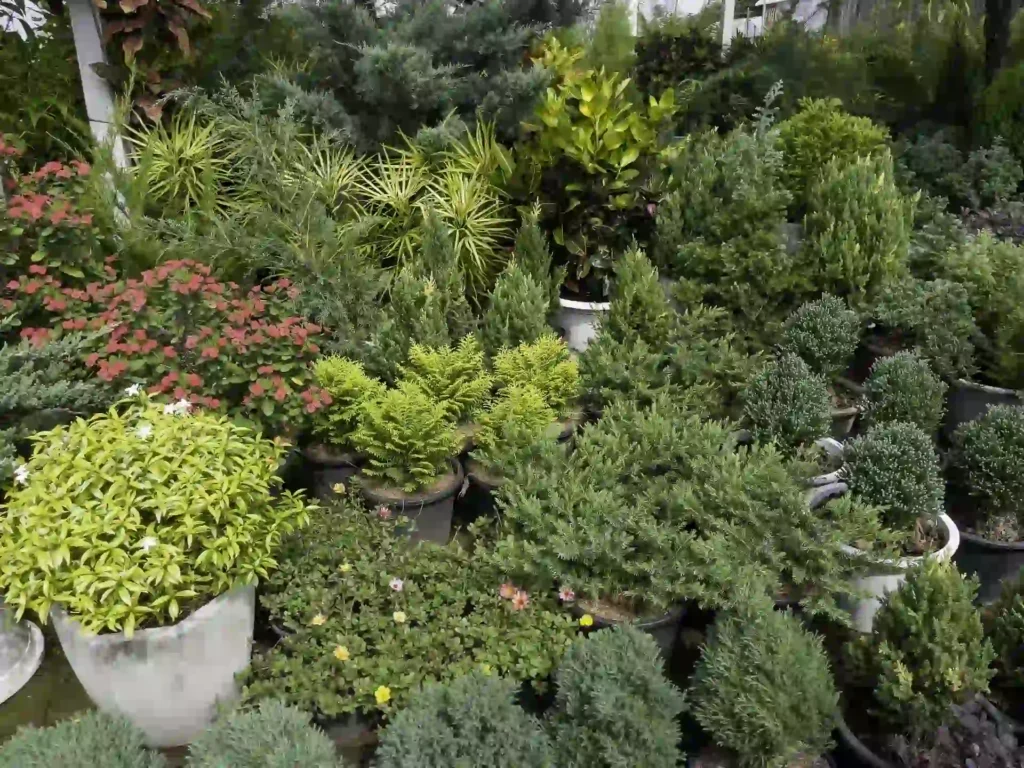
What type of plants are involved landscaping with evergreen shrubs, ornamental grasses, and potted garden plants

What Type of Plants Are Involved Landscaping?

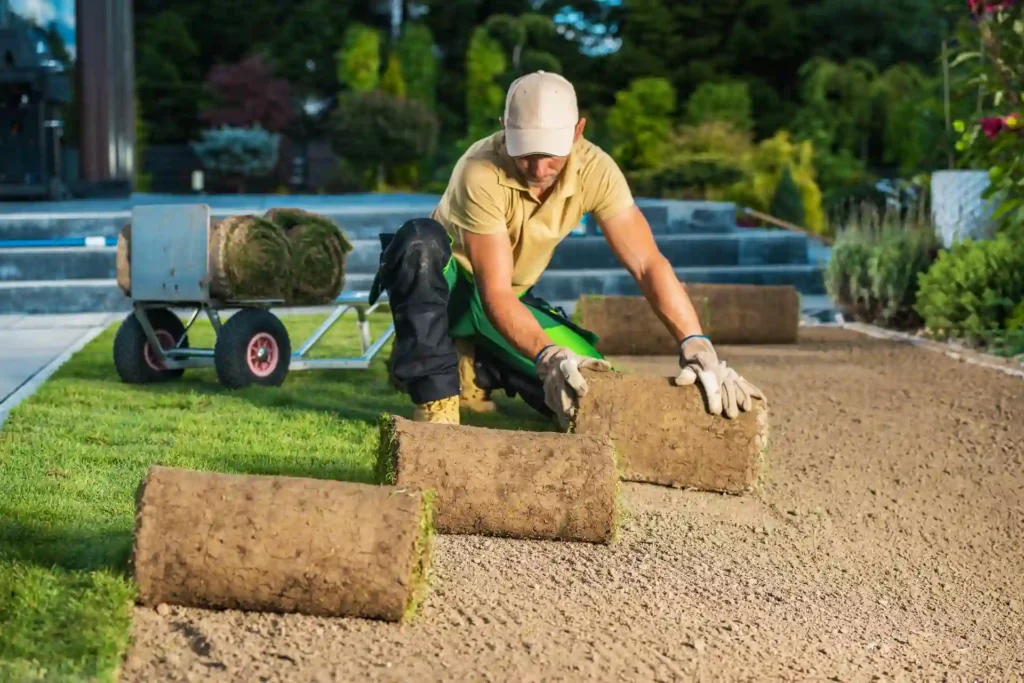
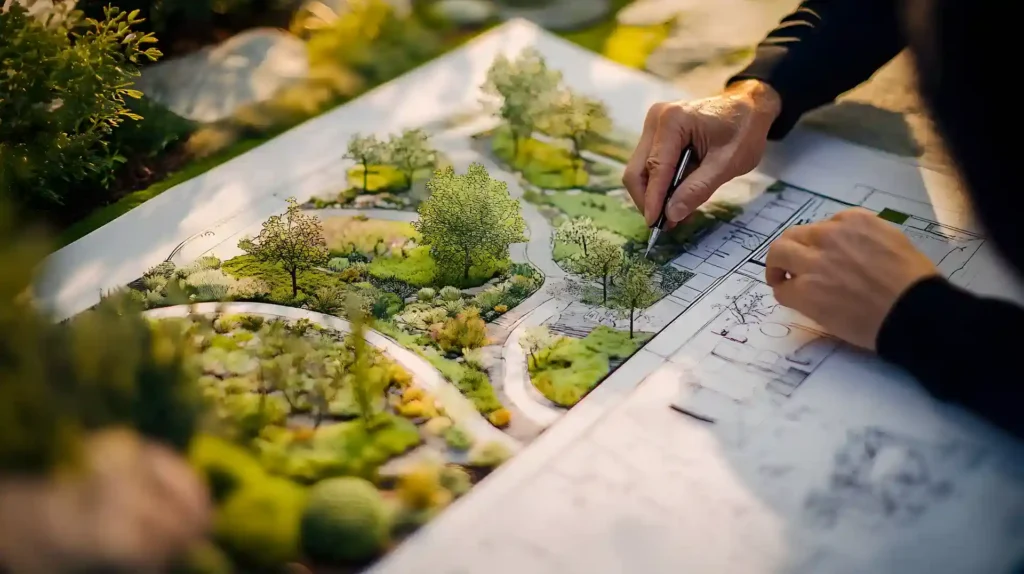
When homeowners ask, “What kind of plants are involved  landscaping?” They really want to know how to make their yard look nice, grow well, and stay easy to care for over time. Putting in a few flowers is not enough for landscaping. You need to pick the right combination of trees, shrubs, grasses, ground covers, and flowering plants that all work together to make a whole design. The right plants for landscaping can make your home look better from the street, raise its value, and make your outdoor spaces more fun. But if you pick the wrong plants, you might have to spend a lot of time and money on them. That’s why it’s so important to know what kinds of plants you want to grow, how much care they need, and what type of weather they need before you start planting. Landscaping for Beginners: Choosing the Right Plants Choosing plants can be hard if you’re new to landscaping. There are a lot of options, and not all plants go well together. The most important thing is to start small. Most beautiful landscapes have a mix of plants that don’t need much care, plants that give structure, and plants that change color with the seasons. Beginners should start with hardy, forgiving, and well-known yard plants that grow well in their area.  Choosing the right plants for landscaping: Works with your climate and plant hardiness zones. Works with the amount of sun and shade you have. Fits how much time you want to spend on your career, not just in one season, but all year long. Starting with the right plants will save you money, water, and stress. Landscaping Plant Categories Knowing the different types of plants makes it easier to figure out what type of plants are involved  landscaping. To make a yard that is healthy and balanced, every kind of plant has a job to do. Trees Most landscapes are built around trees. They give your yard height and balance, as well as shade, privacy, and structure. Some common choices are shade trees like oak and maple, ornamental trees like crepe myrtle and Japanese maple, and evergreen trees that stay green all year. It’s very important to pick the right tree right away because they grow slowly and live for a long time. Shrubs Shrubs fill in the gaps between trees and flowers and help shape the overall look. People like evergreen shrubs because they stay green all year and don’t need much care. Shrubs are an important part of professional landscaping plant design because they are often used to make privacy screens, borders, and add structure. Perennial Plants Perennial plants come back every year, so they are a reliable and cost-effective choice for landscaping. They add color to the garden in the spring and summer, draw in pollinators like bees and butterflies, and cut down on the need to replant. Lavender, daylilies, and coneflowers are some of the most common perennials. Annual Flowers Annual flowers grow and bloom quickly, adding bright colors to gardens, but they only last for one season. They look best in pots, along walkways, and in borders where you want seasonal color. If you’re not sure what flowers are good for landscaping, annuals are a good choice because they grow quickly but need more care than perennials. How to Choose Plants for Landscaping Design It’s easier to pick the right plants if you follow these simple steps. This method helps homeowners pick plants for their landscaping design without any stress or guesswork. Know Your Sun and Shade Plants need a certain amount of sunlight to grow well. Some plants do well in full sun with six or more hours of light, while others do better in partial or full shade. Matching plants to how much sun your yard gets keeps them healthy and cuts down on the work you have to do to care for them. Understand Plant Maintenance Levels Different plants need different amounts of care. Plants that don’t need much care don’t need to be watered or pruned very often, but plants that do need a lot of care do. Choose native plants, evergreen shrubs, and drought-tolerant varieties if you want low maintenance plants all year round plants. Consider Plant Hardiness Zones Plant hardiness zones tell you which plants can live in your area’s weather. Plants grown outside of their recommended zone often have a hard time, even with extra care. This step is very important for long-term success. Match Plants to Your Lifestyle Think about how much time you can spend on yard work, whether you want plants that stay green all year or ones that change color with the seasons, and if saving water is important to you. These things are very important when choosing plants for your landscape that will last.  Top Landscaping Plants by Category Different types of land need different things. It’s easier to make a healthy and beautiful yard when you choose plants by type. Best Low Maintenance Landscaping Plants for Hot Climates Plants that can handle a lot of sun and not much water are needed in hot climates. Lavender, agave, bougainvillea, and ornamental grasses are all great options because they can handle heat and don’t need as much water once they are established. Landscaping Plants for Small Garden Spaces Small gardens benefit from plants that grow neatly without overcrowding. Dwarf shrubs, compact ornamental trees, vertical vines, and container-friendly perennials help keep the space open while still adding beauty and structure. Top Landscaping Plants for Front Yard In hot places, you need plants that can live in a lot of sun and not much water. These plants, like lavender, agave, bougainvillea, and ornamental grasses, are all great choices because they can handle heat and don’t need as much water once they are established. Beginner Friendly Landscaping Plants and Trees Choose plants that are easy to grow and will forgive you if you make mistakes if you are new to gardening. If you give them
What Type of Plants Are Involved Landscaping? Read More »

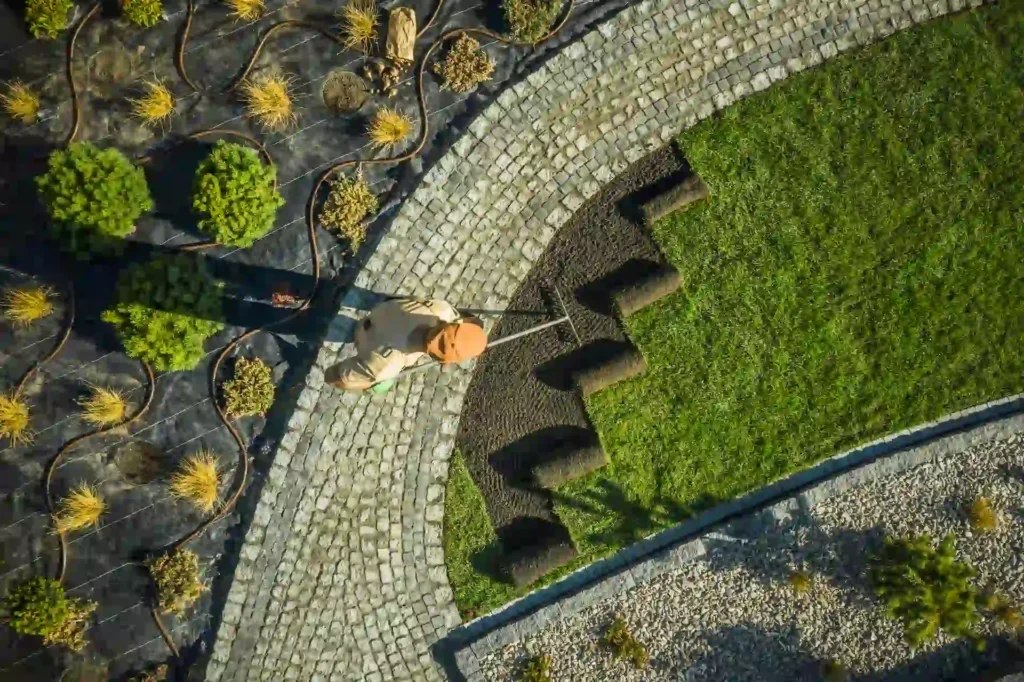
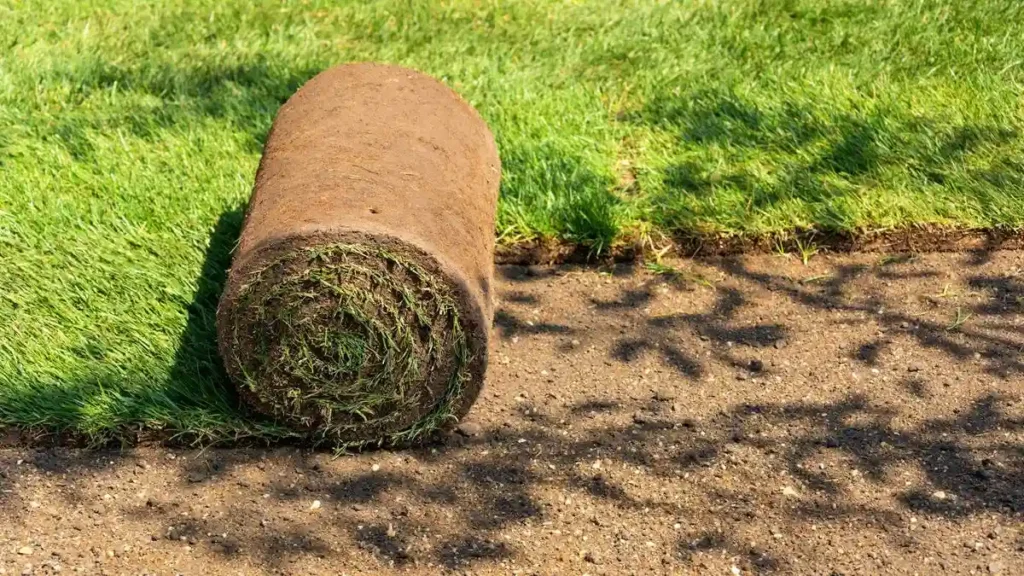
Lawn professional laying fresh sod rolls, showing how much does it cost to install sod for a new green lawn

How Much Does It Cost to Install Sod?

One of the quickest ways to achieve a green, healthy lawn is to install sod. You won’t have to wait months for grass seed to develop. Before they start, homeowners generally want to know how much does  it costs to install sod.  Several things affect the response, such as the size of the lawn, the type of grass, the amount of work needed, and the preparation of the soil. This detailed guide will go over the cost of installing sod, what factors determine the price, and help you decide whether to do it yourself or hire a pro. Average Sod Installation Cost Most homeowners spend between $2,000 and $5,000 to sod a standard lawn. The national average sits around $3,200, including materials and professional labor. Here’s a simple snapshot: Project Scope Estimated Cost Materials only (1,000 sq ft) $400 – $800 Professional install (1,000 sq ft) $1,000 – $3,000 Full install (materials + labor) $2,000 – $5,000 Large yards (5,000+ sq ft) $8,000 – $18,000+ Prices shift based on the grass type, your region, soil condition, and whether you’re sodding a fresh area or replacing old turf. Cost of Installing Sod per Square Foot Understanding sod installation cost per square foot helps you estimate your total budget more easily. Cost Type Price Range (Per Sq Ft) Sod material only $0.40 – $1.20 Labor only $0.80 – $2.00 Installed total $1.50 – $4.00 Most homeowners pay around $2.50 per square foot for a standard lawn with no major problems, so if you’re wondering how much sod costs per square foot installed, that’s about what you can expect. What Factors Affect Sod Installation Cost? Several elements directly influence sodding cost. Knowing these ahead of time helps avoid surprise expenses. 1. Lawn Size Bigger lawns cost more overall, but the cost per square foot often drops at larger volumes. Contractors frequently offer bulk discounts once you clear 2,500 square feet. 2. Grass Type Premium warm-season grasses like Zoysia and St. Augustine cost more per pallet than basic Bermuda or fescue blends. More on this below. 3. Soil Preparation If your soil needs grading, tilling, or amendment, that adds $0.50 to $1.50 per square foot to the job. Poor soil is the most common hidden cost homeowners miss. 4. Lawn Condition Replacing an existing lawn costs more than sodding bare ground. Old sod removal runs $1 to $2 per square foot as a separate line item. 5. Site Accessibility Steep slopes, narrow gates, or hard-to-reach areas make the job harder. That extra labor shows up on your invoice. 6. Season and Region Spring and fall are peak seasons for sodding. Pricing in the South is generally lower due to material availability. Northern states pay more for cool-season grasses that are harder to source. Sod Cost by Grass Type Grass choice plays a big role in sod replacement cost. Grass Type Average Installed Cost (Per Sq Ft) Bermuda $1.50 – $3.00 Fescue $2.00 – $4.00 St. Augustine $2.50 – $4.50 Zoysia $3.00 – $5.00 Kentucky Bluegrass $2.00 – $4.00 Your climate, sun exposure, and maintenance goals should guide grass selection, not just price. Labor Costs for Sod Installation The cost of labor to install sod is usually 40–60% of the total cost. The work includes taking out the old lawn. Grading and leveling the soil. Putting down sod the right way, rolling and cutting the edges. Most professionals charge by the square foot or by the project. For seams that are even, strong roots, and long-term success with turf installation, you need good workers. Cost Estimator by Lawn Size Here’s a quick reference table for sodding cost by common lawn sizes: Lawn Size Sod Material Cost Labor Cost Total Estimated Cost 500 sq ft $200 – $400 $500 – $1,500 $700 – $1,900 1,000 sq ft $400 – $800 $1,000 – $3,000 $1,400 – $3,800 2,000 sq ft $800 – $1,600 $2,000 – $6,000 $2,800 – $7,600 5,000 sq ft $2,000 – $4,000 $5,000 – $15,000 $7,000 – $19,000 These are ballpark estimates. Your actual cost depends on the grass variety, soil work needed, and your contractor’s rates. Cost by Location Where you live has a real impact on resodding lawn cost. Here’s a regional overview: Region Average Cost per Sq Ft (Installed) Southeast (FL, GA, TX) $1.50 – $3.00 Midwest $2.00 – $4.00 Northeast $2.50 – $5.00 West Coast $2.00 – $4.50 Southern states benefit from a longer growing season and stronger local supply chains for warm-season grasses. Northern states importing cool-season varieties face higher material costs and a shorter install window. Local labor rates, water access, and permit requirements (yes, some municipalities require them) also push costs up or down by 10% to 20%. DIY vs Professional Sod Installation Cost DIY sodding can cut your total cost by 30% to 50%, but it’s physically demanding and mistakes are expensive. If the sod isn’t laid flat and firm with tight seams, it can die within weeks. Here’s a real comparison: DIY Professional Sod materials (1,000 sq ft) $400 – $800 $400 – $800 Equipment rental $100 – $300 Included Labor $0 (your time) $1,000 – $3,000 Risk of failure Higher Lower Total $500 – $1,100 $1,400 – $3,800 DIY makes sense for small patches under 500 square feet or if you have landscaping experience. For anything larger, or if your yard has slopes, irrigation, or drainage issues, professional installation protects your investment.One common mistake with DIY installs is skipping soil preparation. No matter how fresh the sod is, it won’t root properly in compacted, nutrient-poor soil. Does Installing Sod Increase Home Value Indeed. A well-kept lawn can add 5–15% to the value of a house and enhance curb appeal. Unlike seeding, which requires patience and time, new sod produces results instantly. A well-executed grass installation also conveys to potential buyers that the property is well-maintained. Why Proper Installation Matters for Lawn Health During the rooting phase, improperly installed sod could malfunction. Strong roots are rapidly established by sod when it is properly watered,

How Much Does It Cost to Install Sod? Read More »

Landscape designer creating a detailed garden plan with plants, paths, and outdoor layout on paper

How to Become a Landscape Designer?

Most people who love the outdoors never realize they could turn that passion into a real career. If you’ve ever looked at a beautifully planned garden or a perfectly arranged outdoor space and thought, “I could do that,” you probably can. Knowing how to become a landscape designer is less complicated than it looks, and the path is more open than most careers in the built environment. This article gives you a straight line from where you are now to a working career in landscape design. We’ll cover the skills you need, the training options available, how to get your first real projects, and what day-to-day work actually looks like. Whether you’re starting from scratch or already working in a related field, you’ll find a clear, honest picture of what the job requires. What Is a Landscape Designer? A landscape designer plans and creates outdoor spaces, including gardens, patios, pathways, and green areas for residential and commercial properties. They work with plants, terrain, and structures to make outdoor areas both functional and visually appealing. Unlike landscape architects, they typically don’t need a licensed degree, but they do need strong design knowledge. Think of a landscape designer as the interior decorator of the outdoors. They read the land, understand the client’s lifestyle, and create a plan that makes the space work. Their work includes plant selection, soil analysis, irrigation planning, hardscape design, and project coordination Learn Landscape Design Basics Before anything else, you need to understand what landscape design actually involves. It’s not just planting flowers or mowing grass. It’s about understanding space, drainage, soil types, plant biology, climate zones, and how people actually use outdoor spaces. Core subjects you should get comfortable with: Horticulture: How plants grow, what they need, and how they behave in different climates Soil science: pH levels, drainage, compaction, and nutrient content Grading and drainage: How water moves across a property Design principles: Balance, proportion, unity, rhythm, and contrast applied to outdoor spaces Plant identification: Latin names, growth habits, seasonal changes, and maintenance needs Construction basics: Hardscaping elements like patios, retaining walls, and pathways You don’t need to master all of this overnight. Start with plant identification and basic design principles. These two areas will carry you furthest in the early stages. Landscape Design Steps You Should Know Here’s a step-by-step look at what the actual design process looks like on a real project. 1. Site Analysis Before drawing a single line, good designers walk the property. They note sun and shade patterns, existing plants, slope, drainage problems, and how the space connects to the home or building. 2. Client Consultation You sit down with the client and ask questions. What do they want to use the space for? Do they have kids or pets? What’s their maintenance tolerance? What’s their budget? 3. Concept Plan This is a rough sketch that shows general zones: entertaining areas, planting beds, lawn areas, walkways. It’s a framework, not a final plan. 4. Design Development Here you get specific. Plant selections, materials, dimensions, and grades get worked out in detail. This is where software becomes helpful. 5. Construction Documents For larger or more complex projects, you produce detailed drawings that contractors can build from. These include planting plans, grading plans, and detail drawings. 6. Project Oversight Some designers stay involved during installation to make sure the work matches the plan. This is especially important for grading and structural elements. Build a Portfolio Your portfolio is your most powerful marketing tool. It’s how potential clients and employers decide whether to trust you before they ever meet you. Start documenting every project you work on, even small ones. Include before-and-after photos, design sketches, plant lists, and a brief description of the challenge and your solution. For digital portfolios, platforms like Squarespace, Adobe Portfolio, or even Instagram work well for visual work. What matters most is clarity and presentation quality. If you’re just starting out, create three to five speculative projects. Design a real location you know well, even if you weren’t hired to do it. The work is real, even if the client relationship isn’t. Link to an educational article like “What Are the Basic Elements of Landscape Design?” to prove that you know how to design. Only use it once. Become a member of professional groups Joining professional associations gives you access to continuing education, industry news, job boards, and a network of peers who’ve solved the same problems you’re facing. Key organizations to consider: Association of Professional Landscape Designers (APLD): Focused specifically on landscape design (not architecture). Offers the Certified Professional Landscape Designer (CPLD) credential. American Society of Landscape Architects (ASLA): More relevant if you pursue a licensed landscape architect path. Strong network and advocacy presence. National Association of Landscape Professionals (NALP): Broad industry group covering maintenance, design, and installation businesses. Membership fees vary, but student rates are often available and very affordable. The connections you make at regional chapter events can directly lead to job offers. Landscape Architecture vs Landscape Design Landscape architecture requires a licensed, accredited degree (usually a 4-year Bachelor of Landscape Architecture or a Master’s), a state license, and the ability to legally stamp construction documents. Landscape design has no universal licensing requirement, giving it a lower barrier to entry, though it also comes with more limited legal scope on certain projects. The practical difference: landscape architects can work on large-scale public projects like parks, highways, and urban planning. Landscape designers typically focus on residential and smaller commercial properties. If your goal is to work on private gardens and residential properties, the landscape design path is faster and more direct. If you want to shape public spaces, landscape architecture is the route. Learn More Through Training Programs Formal education isn’t the only path, but it’s one of the fastest ways to build a solid foundation. There are flexible options for every schedule and budget. Degree Programs: A two-year associate degree or four-year bachelor’s in landscape design, horticulture, or environmental design gives you structured training and

How to Become a Landscape Designer? Read More »

Overhead view of hardscape stone path beside green lawn and landscaped plants showing design contrast

What is the Difference Between Hardscape and Landscape?

There are two basic sections to your yard. One is made. One is grown. You can plan and spend better if you know how they function together. Hardscape is made up of substantial things like walls, patios, and paths. Plants, grass, soil, and trees are all part of the landscape, which is sometimes called softscape. Both are important. They make a space that looks good and works well when they are balanced. What is the Difference Between Hardscape and Landscape is simple at its core. Hardscape is a permanent part of the structure. The terrain is alive and always changing. Most great outdoor areas use both of these things in the correct amounts. How to Tell the Difference Between Hardscape and Landscape A lot of homeowners mix these words up. That makes for bad planning and wasted money. It’s not about picking one over the other when it comes to hardscape and landscape. It’s about recognizing what each one is best at. Hardscape affects how you use and move around in the area. The landscape changes how the area feels and grows over time. You need to know both from the start if you want a yard that lasts and is easy to take care of. What Is Hardscape? Hardscape is everything in your yard that is solid and not alive. This comprises steps, patios, walks, roads, retaining walls, fire pits, and sitting walls. These traits don’t change or grow with the seasons. They stay in place for years after they are put in. The hardscape definition is simple.  It includes anything made of stone, concrete, brick, or wood that gives shape. Hardscape in landscaping design affects how people move, how water drains, and how things work. A patio is a place to sit. A wall keeps dirt in place. A path shows people where to walk. A yard can feel cluttered or hard to use without a hardscape. What Is Softscape? Landscape includes everything that lives in your yard. The plants and soft surfaces in your outdoor space make it look alive and beautiful. Important parts of the landscape are: Turf and lawns Bushes and trees Flower beds Ornamental grasses and ground coverings Vegetable patches and gardens Landscaping not only makes things look better, but it also helps the environment by improving air quality, supporting local species, and keeping the temperature stable. A well-kept landscaping gives hardscape features texture, colour, and a natural look. How to Use Hardscape and landscape to Make Your Yard Look Great The best yards have a mix of hardscape and landscape to make them seem good. For instance: A stone path (hardscape) with flowers and shrubs (landscape) on either side makes a welcome entrance. A patio in the rear (hardscape) with trees and a lawn (landscape) around it is a great place to relax. Adding flowering plants (landscape) to retaining walls (hardscape) makes them both useful and pretty. You make things work together by thinking about both parts. Hardscape gives things shape and strength, whereas landscape makes things softer and more alive. What is the difference between permeable and non-permeable pavers Not all hardscape works the same way. Water can get through the gaps in permeable pavers. This helps keep the soil healthy and cuts down on runoff. They are great for patios and walks. Pavers that don’t let water through block it. This group includes concrete slabs and sealed stone. They are sturdy, but if the drainage isn’t good, they might cause pools. Choosing the proper kind has an impact on long-term care and water management. In dry places, permeable solutions are frequently better. Hardscape vs Landscape Explained This is a clear method to see the difference. Hardscape is made. Plants grow throughout the landscape. The hardscape stays the same. Changes in the landscape. Hardscape costs more up front, but it lasts longer. Initially, landscaping costs less, but it needs regular attention. Both change how your yard appears and works. If you don’t pay attention to one, you’ll have difficulties later. This is why understanding What Is the Difference Between Hardscape and Landscape matters before any project starts. Understanding the Key Differences Let’s make it simpler. Stone, brick, and concrete are all examples of hardscape materials. Soil, plants, and mulch are all types of landscape materials. Hardscape doesn’t need as much water. Landscape has to be watered on a regular basis. Hardscape doesn’t need as much care. The landscape has to be trimmed, fed, and cared for. Hardscape makes things work. Landscape makes everything more comfortable and beautiful. Important things to think about when hardscaping Think about the long term before putting in hardscape. Look at the drainage. If water doesn’t flow well, it might crack concrete and move pavers. Think about the heat. In the summer, stone and concrete get hot. Shade trees or pergolas can help. Plan how to get there. Paths should not seem awkward; they should feel natural. Pick materials that go with your home. This makes the room look neat and planned. Expert Hardscaping in Whittier, for example, focuses on function and climate demands for local projects. Important things to think about when it comes to landscapes Plants are more than just pretty things. Pick plants that will grow well in your area. This saves water and time spent on care. Think about how to grow. Small plants today could get in the way of walkways later. Combine different heights and textures. This gives it more dimension without making it look messy. Soil that is healthy is more important than showy plants. Everything grows better in good soil. A lot of the time, people don’t think of this planning stage when they question what landscaping is. Adding hardscaping to your landscape design Hardscape should help shape the design, not take over. Put patios where they can get shade, and plants around the edges to soften the lines. Use walls to make raised beds, which is a mix of hardscape and softscape. Paths should connect important areas, not

What is the Difference Between Hardscape and Landscape? Read More »

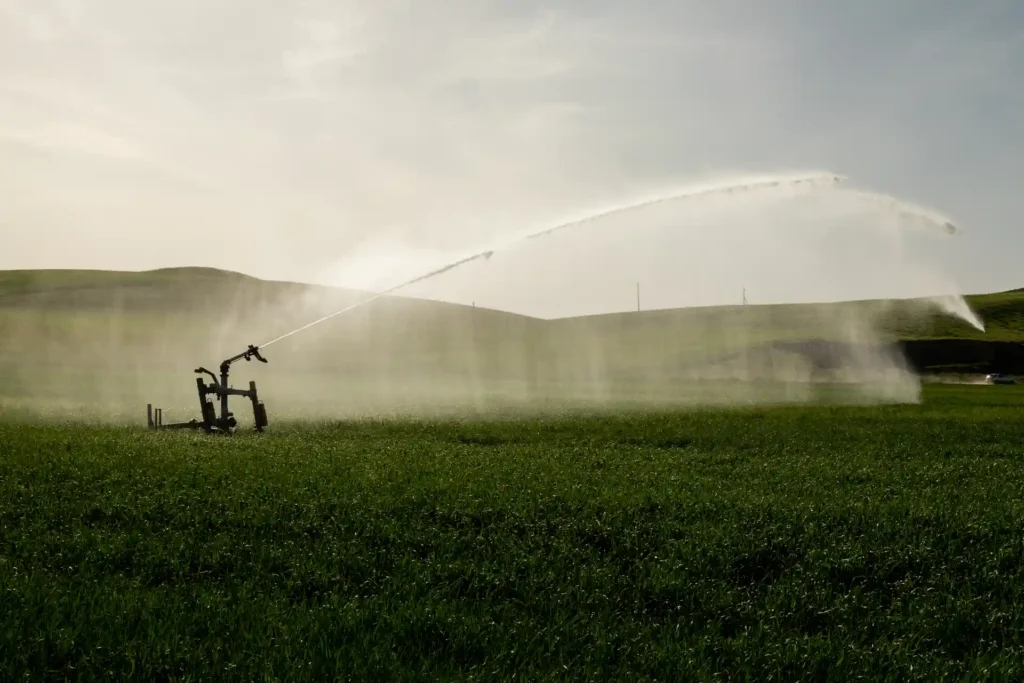
What is a irrigation system shown by a sprinkler irrigating green farmland with controlled water spray

What Is a Irrigation System?

Most people water their plants when they remember to. That’s the problem. Inconsistent watering stresses plants, wastes water, and quietly kills lawns and gardens over time. If you’ve watched a garden struggle despite your best efforts, the fix might be simpler than you think. What is an irrigation system? It’s a network of pipes, valves, and emitters that delivers water directly to plants, lawns, or crops on a controlled schedule. It removes guesswork from watering and makes sure every plant gets the right amount of water, at the right time, without waste. What is an irrigation system, and how does it work? An irrigation system is a structured setup that moves water from a source, like a municipal supply or a well, to plants through a series of pipes, valves, and outlets. The system is controlled manually or by a timer, delivering water to specific zones. Most residential systems run on 20 to 30 PSI of water pressure. At its core, the system works in three stages: water intake, distribution, and delivery. A backflow preventer protects your water supply, a pressure regulator keeps the flow steady, and emitters or sprinkler heads release water at ground level or above. A basic controller (timer) automates the whole process so you don’t have to think about it. Modern systems can connect to soil moisture sensors and weather-based smart controllers. These tools adjust watering schedules based on real-time data, like rainfall or soil saturation, which reduces runoff and prevents overwatering. Different kinds of irrigation systems are great for gardens. There are several kinds of irrigation systems, and each one has a different job. The type of plant, soil, and climate all play a role in choosing the proper one. Irrigation on the Surface This is one of the oldest ways of irrigation. Gravity pulls water through the soil. Farmers commonly use this in big fields. It’s easy to use, but if you don’t take care of it, it wastes water. Irrigation using sprinklers Like rain, sprinklers blast water into the air. This kind is common for gardens and lawns. It does a good job of covering everything, though wind can cause it to lose water. Irrigation via Drip Drip systems let water out slowly at the roots of plants. This strategy reduces waste and makes plants healthier. Many experts call it the most efficient irrigation system for gardens. Irrigation underneath the surface Water is sent below Earth’s surface. Roots take in water directly. This keeps leaves dry and slows down evaporation. There are good and bad things about each choice. Knowing these things will help you make a good choice. The Secret Weapon of a Garden: Drip Irrigation Drip irrigation is the most water-efficient option for home gardens, and it’s not even close. According to the U.S. Environmental Protection Agency, drip systems can be up to 90% efficient, compared to 50 to 70% for conventional sprinklers. For a drip irrigation system for tomato plants, you’d run half-inch mainline tubing along each row, then use quarter-inch feeder lines with 0.5 to 1 GPH emitters at each plant base. Tomatoes need deep, infrequent watering, so a twice-weekly schedule of 30 to 45 minutes works well in most climates. Drip irrigation in maize is equally effective. Farmers using subsurface drip irrigation for maize report water savings of 30 to 50% compared to surface methods, while maintaining or even improving yields. Underground drip irrigation in maize fields also suppresses weeds because the soil surface stays dry. A Simple Explanation of Parts of Irrigation Systems Knowing the parts of irrigation helps you maintain your system better.  Most systems have the same basic parts. Water source: a city line, a well, or a tank Pipes: Move water between areas Valves: Manage the flow of water Controller: Sets times for watering Sprinklers or emitters: Bring water Regulators and filters: Keep components of the system safe These parts of irrigation work together to ensure that water reaches where it needs to go safely and evenly. A malfunction in one element of the system impacts the whole system. Managing water use well in irrigation systems Water efficiency isn’t just good for the environment. It saves money. The average American household spends about $1,000 per year on water, and roughly 30% of that goes to outdoor use, according to the EPA. A few practices that actually make a difference: Schedule by zone, not by property. Grass needs different watering than flower beds. A single schedule for everything leads to overwatering or underwatering in at least one area. Use the 30/30 rule for irrigation. Water for 30 minutes, pause for 30 minutes, then water again. This lets water soak in rather than run off, especially useful on slopes or clay-heavy soils. Time irrigation to early morning. Watering between 4 AM and 8 AM reduces evaporation significantly. Midday watering can lose up to 30% of water to evaporation before it reaches roots. Install a rain sensor. A $20 to $40 rain shut-off device can prevent your system from running during or after rainfall. Some municipalities require them by code. Things to think about when picking a lawn irrigation system Planning ahead is necessary to pick the proper system. Not every lawn needs the same kind of setup. First, think about the size and shape of your grass. Sprinklers with zones are often needed for big lawns. Drip or hose systems could be all that small lawns need. The type of soil is also important. Sandy earth drains quickly. Clay keeps water longer. The type of plant and how much sun it gets also determine how much water it needs. Local laws about water use can limit when you can water. A skilled installer can help you find the correct solution for your lawn. Benefits of Irrigation Systems Beyond a Pretty Lawn The obvious benefit is a green lawn. But the real advantages go deeper. Consistent plant health. Plants watered on a schedule grow stronger root systems. Erratic watering stresses plants and makes them more vulnerable

What Is a Irrigation System? Read More »

How Much Landscape Maintenance Cost

How Much Landscape Maintenance Cost?

Keeping your yard in good shape sounds simple until you get the first quote. Most homeowners are genuinely surprised by what professional landscape maintenance actually costs, especially when they don’t know what’s included, what’s not, and why prices vary so much between neighbors. If you’ve been wondering how much landscape maintenance cost before committing to a service, you’re not alone. Here’s the short answer: most homeowners spend between $100 and $200 per month on basic landscape maintenance, while more detailed service plans with seasonal care can push that number to $400 or higher. What you pay depends on your yard’s size, the services included, and your location. This article breaks all of it down so you know exactly what to expect before calling anyone. What Is Included in Landscape Maintenance Services? Landscape maintenance involves general everyday jobs needed to keep an outdoor area healthy and attractive. These services are intended to slow down plant growth, treat plants, and keep the outdoor areas clean and accessible all year long. Regular services include mowing, edging, weeding, shrub pruning, fertilizing, leaf removal, and testing of the irrigation system. A few companies provide pest control, mulching, and seasonal flower replacement services for the full bundles. The services to be performed have a direct impact on the cost. Maintenance plans are cheaper and cover fewer tasks, while full-service plans are more expensive and take care of your lawn year-round. Knowing what’s covered Makes It Easier for Homeowners to Compare Quotes Apples to apples. Factors That Influence Landscaping Maintenance Cost Not every yard costs the same to maintain. Several variables directly affect your landscaping service cost, and understanding them helps you compare quotes more accurately. Yard size is the biggest factor. A 2,000 sq. ft. lawn costs significantly less to maintain than a 10,000 sq. ft. property with multiple garden beds and tree lines. Terrain and complexity also matter. Slopes, tight corners, ornamental gardens, and water features require more time and specialized equipment. That time gets added to your bill. Other factors that influence cost: Visit frequency (weekly, bi-weekly, monthly) Local labor rates (costs in California differ from the Midwest) Condition of the yard at the start of service Number of trees and shrubs requiring pruning Presence of irrigation systems Seasonal demand peaks (spring and fall are busier and sometimes pricier) Average Cost of Landscaping for Residential Properties The average landscaping maintenance cost for a standard residential property falls between $125 and $250 per month when bundled as a recurring service. Here’s a general breakdown by yard size: Yard Size Estimated Monthly Cost Small (under 1,000 sq. ft.) $80 – $130 Medium (1,000 – 5,000 sq. ft.) $130 – $250 Large (5,000 – 10,000 sq. ft.) $250 – $450 Estate (10,000+ sq. ft.) $450 – $1,200+ These are ballpark ranges. Pricing in high cost-of-living areas like Southern California, New York, or Seattle will skew higher. Rural or Midwest pricing often lands on the lower end. You may read What Is Landscape Maintenance? Monthly Landscaping Cost: What Homeowners Can Expect Most homeowners pay $100 to $300 per month for standard landscape maintenance that includes mowing, edging, trimming, and cleanup. Properties with additional garden beds, irrigation, or seasonal work run $300 to $500 monthly. Premium full-service plans with fertilization and pest control can reach $600 or more. For a typical suburban home with an average-sized yard, bi-weekly service with basic lawn care averages around $150 per month. Weekly service for the same yard jumps to $200 to $280 monthly. If you’re on a tight budget, bi-weekly or monthly service plans can help reduce the landscaping maintenance cost per month without sacrificing too much curb appeal. Just know that longer gaps between visits sometimes mean more work per visit, which some companies charge extra for. How Much Landscape Maintenance Cost Based on Service Type Various landscaping options have different price tags, depending on the complexity of the work, how long it takes, and what materials you have to work with. Knowing the service categories makes it clear where the money is going. Lawn Care and Routine Upkeep Lawn care services include mowing, edging, and blowing away debris. They are generally the least expensive duties, and they serve as pillars of maintenance packages. It is also less expensive when lawns are in good shape and are attended to routinely. Uncared-for lawns may also necessitate extra work, leading to higher costs for a little while. Predictable pricing is consistent. Tree, Shrub, and Plant Maintenance Pruning, trimming, and PHM (Plant Health Management) demand more expertise. These services are higher priced because of the skill needed and the safety factors involved. Seasonal pruning enhances plant health and beauty, and it also helps avoid future injuries and expensive removals. Well-timed scheduling allows costs to be distributed evenly over the year. Seasonal and Specialized Services Seasonal clean-ups, mulching, fertilization, and irrigation repairs may be charged separately or in addition to a premium plan. These services ensure protection of the landscape investments and enhance the long-term sustainability. While specialized services raise the costs in the short term, they minimize the chances that the landscape will be severely compromised and require costly restoration. Hidden Costs Homeowners Often Overlook This is a gap most competitor articles skip entirely, but it matters. Several costs catch homeowners off guard after they’ve already signed a service agreement. Travel fees apply when your property is outside a company’s standard service zone. Some contractors charge $20 to $50 per trip if you’re in a lower-density area. Equipment surcharges occasionally appear during drought or overgrowth recovery situations when heavy-duty equipment is needed. Seasonal price increases are common in spring. Demand spikes and some companies quietly raise rates without clear notice. Cancellation or contract fees vary by company. Month-to-month contracts are more flexible but sometimes priced higher than annual agreements. Initial cleanup fees are nearly universal. If your yard hasn’t been serviced recently, most companies charge a one-time setup fee ranging from $75 to $200 before starting regular maintenance. Always read the contract and ask about any fees that aren’t explicitly listed. Landscaping Costs Near Whittier: Local Pricing Considerations Location plays a big role in

How Much Landscape Maintenance Cost? Read More »

When Is the Best Time to Water Your Lawn? A Complete Guide

When to Water Your Grass When it’s Best to Water Your Lawn for the Health of Your Grass Maybe it’s never really crossed your mind as you’ve been turning on your sprinklers, or dragging hoses around patchy areas of your lawn. Overwater your lawn but the grass will drown; under water your lawn but it will dry out and eventually die. If your turf or plants get hardly any rain, watering time under such conditions is a guess for certain. Too much, Too little or at the wrong time of day can waste water and injure your grass. In this Lawn Time to Water guide, we’re going to teach you when the best time of day to water your lawn is, how long should your water your grass for best results, and if watering your lawn in the evening are best or worst principles to follow. Why Watering Time Matters Grass needs water to grow profond, strong roots. Yet, watering schedule do make a difference regarding: How much of the water gets into the roots How much evaporates before it gets soaked in The risk of fungal disease Overall lawn appearance and health Watering at the wrong time can cause shallow roots, yellowing grass, and even lawn diseases. When Is the Best Time to Water Your Lawn? Watering your lawn should take place early in the morning between 4:00 AM and 9:00 AM is considered the best time to water your lawn. Why Early Morning Is Ideal Lower temperature means less evaporation Usually the Wind is less Enough time for drying grass before dark Water is more effective when it reaches the soil Early morning sprinkling encourages deeper soaking of ground moisture, leading to deeper root systems not more diseases. Best Time of Day to Water Lawn: Morning vs. Afternoon vs. Night To better understand why morning is best for watering, let’s review a few comparisons of watering times. Morning Watering (Best Option) Pros: Little water waste from evaporation Fast drying grass Reduced risk of disease Water is used efficaciously Cons: Needs to be scheduled early or sprinklers installed This is the advised option for almost all grass varieties. Afternoon Watering Pros: Grass may look refreshed temporarily Cons: High evaporation rates Water wasted Can stress grass during extreme heat Watering in the heat of the day is inefficient and should be avoided unless your lawn is under severe drought stress. Watering Lawn at Night Pros: No evaporation Convenient for some homeowners Cons: Grass stays wet overnight Increased risk of fungus and mold Attracts pests While watering lawn at night might seem water-efficient, it creates the perfect environment for disease. This makes nighttime watering a poor long-term choice. Is Watering Lawn at Night Ever Okay? There are a few exceptions where nighttime watering may be acceptable: Extreme heat waves when grass is severely stressed Temporary drought restrictions that limit watering times Emergency hydration for newly laid sod Even in these cases, water early evening, not late at night, and keep sessions short to allow some drying time. How Long to Water Grass for Healthy Growth How long to water the grass is as important as when to water it. General Rule You should expect to give your lawn around 1 to 1 ½ inch of water per week, rain included. Watering Duration Guidelines Sprinklers: 20-30 minutes for each zone Soaker hoses: 30 to 45 minutes Drip irrigation: 45-60 minutes Pressure, soil and sprinkler output will affect these times. Soil Type and Watering Time Not all soil types drain at the same rate. Clay Soil Slowly absorbs Water less but longer. Risk of runoff if watered too fast Sandy Soil Fast Draining Needs shorter stretches of watering, but more of them. Loamy Soil Perfect Balance Hold moisture well It requires moderate watering during the growing season How long to water for healthy grass with your soil is one of the easiest things to get right in lawn care. Seasonal Watering Tips Spring Water once or twice a week. Encourage root growth. Summer Water thoroughly 2 to 3 times per week. Change the length, not the amount, of watering. Fall Cut down on watering gradually. How to Prep Your Grass for Dormancy. Winter Only water during dry spells. Don’t let them freeze. Seasonal adjustments keep your lawn healthy all year long. Common Lawn Watering Mistakes Stay clear of the following mistakes: Water Splash every day Water on shallow depth Don’t water in the heat of the day. Don’t ignore rainfall. Water your trees too much! These errors can kill and weaken grass and certainly invite storms of disease and weed take-over. You may read How Much Does Lawn Care Cost? Tips to Improve Lawn Watering Efficiency Use a smart sprinkler timer Zones are individually watered Repair broken or misaligned heads. Determine the water output from your sprinkler with a rain gauge Modify the program for heat waves Saving these fees by watering efficiently also helps your lawn stay healthy and green. How to Tell If Your Lawn Needs Water The signs that your lawn is thirsty: Grass is turning bluish-gray Footprints are still visible Dry or crunchy texture Stop growing If you get these symptoms, water up early the next morning. Final Thoughts The best time to water your lawn is early morning, when cooler temperatures reduce evaporation and promote deeper root growth. Knowing when to water your lawn, how long to water lawn areas, and avoiding mowing right after watering helps prevent disease and stress. With consistent scheduling, your lawn stays greener and healthier while using less water. Strong lawns start with smart care and proper timing. Trust Robert’s Complete Care, your expert lawn care and maintenance service in Whittier CA, for professional results. Contact us today to keep your lawn thriving year-round. FAQs How many minutes should you water your grass for? Most lawns need 20–30 minutes per zone to allow water to soak deeply into the roots. Soil type and sprinkler output may affect timing. What is the best time to water grass in hot weather? Early morning between 4 a.m. and 9 a.m. is best to reduce evaporation and heat stress. This timing also helps prevent lawn disease. When not to water grass? Avoid watering in the afternoon heat or late at night, as it causes water loss and promotes fungal growth. Windy conditions also reduce efficiency. What is the best

When Is the Best Time to Water Your Lawn? A Complete Guide Read More »

How to Install Artificial Turf | Step-by-Step Guide

How to Install Artificial Turf | A Step-by-Step Professional Guide

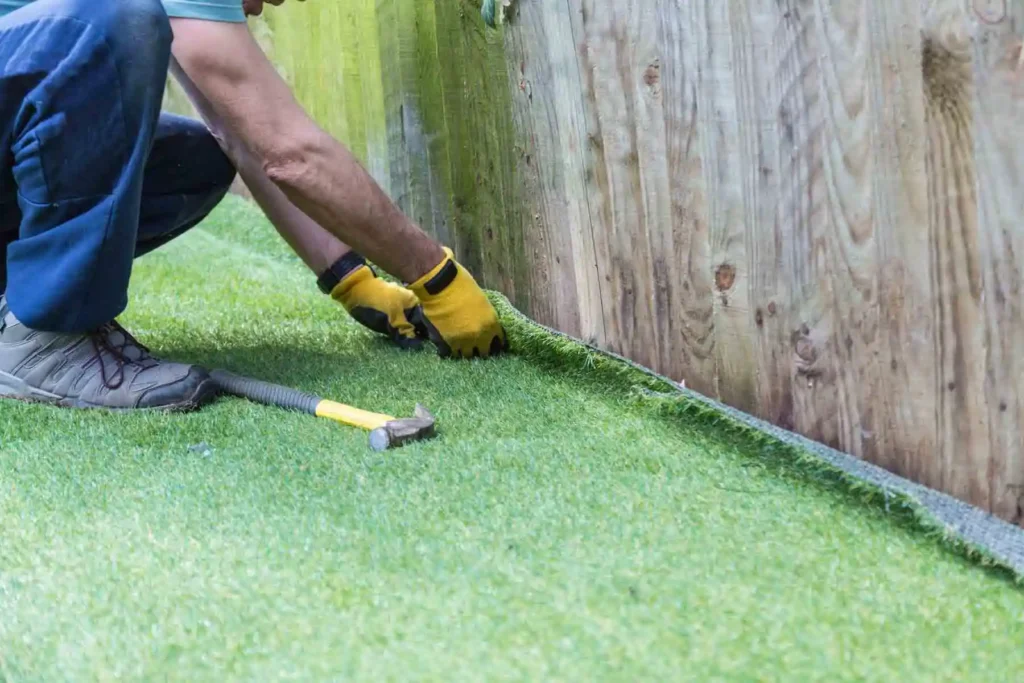
Knowing how to install artificial turf is the secret to having a green, beautiful yard without the upkeep of real grass. Artificial turf has grown in popularity for both residential and commercial applications as a solution to drastically reduce water consumption, stop mowing, and maintain a clean, uniform landscape all year long. This all-new guide to the artificial turf installation process will help you understand what it takes to make your turf look real, drain well, and perform for years. Whether you are hiring a professional or doing a DIY artificial turf installation yourself, these tips will help you install your turf easily and effectively. How To Install Artificial Turf In A Small Yard Putting down turf in a small area is more about planning than strength. You have less space to cover, but every cut and seam is easier to see. The first thing you should do is clear the space. You need to dig up at least 3 inches of dirt, even in a small yard. This depth makes it possible to have a strong base of crushed stone. Your turf may soon sag or get “potholes” if you don’t have it. A weed barrier is needed as soon as the dirt is out. It keeps wayward sprigs from getting through your new green carpet. If you don’t have a lot of space, roll out the turf and let it rest in the sun for two hours. This “relaxes” the backing, which makes it much easier to cut around fences and edges. Planning and Site Evaluation Measuring the Area Accurately Planning is essential prior to installation. Measure the area where you will be laying artificial grass to the length and width, considering of curves, slopes, walkways, trees and any other obstacles. Precise measurements also allow you to calculate the quantity of turf, edging and base material that you need, which minimizes waste and unexpected costs. Doing the site evaluation properly also assists in identifying any drainage problems. These issues can be dealt with prior to installation, preventing problems like water pooling or uneven settling down the road. Artificial Turf Base Preparation Removing Existing Grass and Soil Among the most critical steps in the whole installation process is proper artificial turf base preparation. All grass and all the roots of the weeds or whatever you have, need to be removed. Leave organic material beneath the turf and you can have sinking, uneven surfaces and weeds growing through them over time. Typically, the earth is dug out to a depth that provides room for the base materials, plus the thickness of the turf. This digging out provides a firm base and makes the artificial lawn sit flush with neighboring surfaces. Installing and Compacting the Base Layer After digging, a crushed stone or decomposed granite base has been laid out and evenly leveled over the space. That material is also compacted so that the end result is a firm, flat surface. A well-compacted base is critical to the success of the artificial turf installation process, stability and drainage can’t be stressed enough. Pro installers usually use a plate compactor to get a compact and even base. For the at home job work, you should definitely rent the right compaction equipment, and if do not want to deal with IRS on you in the future. You may read How Much Does Artificial Turf Cost ? Step-by-Step how to install artificial grass on soil Following a specific order is the only way to get a professional result. Here is how I handle every project to ensure it looks natural and stays put. 1. Preparation and Excavation Remove the existing sod and soil. Aim for a depth of 3 to 4 inches. I always check for underground utilities or irrigation lines first. You don’t want to accidentally slice a sprinkler pipe while digging. 2. Base Installation Spread your crushed stone evenly. Use a rake to create a slight slope away from your home. This prevents water from pooling against your foundation. Wet the stone slightly, then run the plate compactor over it until it’s rock hard. 3. Laying the Turf Unroll your grass. One of the most important things I can tell you is to look at the “grain” or pile direction. All of the blades should point toward the main viewing area, which is like your back porch. This helps the grass look fuller and cuts down on glare. 4. Seaming and Trimming If you’re putting artificial grass in a wide area, you’ll have seams. Line the pieces up so they touch but don’t overlap. Use your utility knife to trim the edges from the backside. Apply glue to the seam tape and join the sections. Press firmly to ensure a bond. 5. Securing and Infill Every 6 inches along the outside, drive your 6-inch nails. Once it’s safe, spread your infill. I use a drop spreader to make sure the layer is even. This sand keeps the turf from wrinkling when the temperature changes by weighing it down. Installing the Artificial Turf Positioning and Aligning the Turf After the base is installed, the synthetic grass is laid on top. Be sure all turf pieces are oriented the same way so the blades look uniform and natural. Bad seaming can cause noticeable color banding across the lawn. The grass is cut exactly to the edges, curves and corners. Accuracy at this stage also contributes to a seamless look and eliminates gaps between borders and hardscapes. Joining Seams and Securing the Turf When more than one piece of turf is needed, seams are joined with special tape and adhesive. The right seam placement and bonding hides the joints in seams and ensure they will remain solid, hidden and reliable for many years. The grass is secured along the perimeter and also along seams with landscaping nails or staples. This step ensures that the turf will not move, not even under heavy foot traffic, pets, or garden furniture. Artificial Turf Infill Installation and Finishing Touches Applying Infill Material Artificial turf infill installation is a pivotal final step that improves the appearance and functionality of the lawn. Infill products, like silica sand or

How to Install Artificial Turf | A Step-by-Step Professional Guide Read More »

Can You Lay Turf Over Existing Grass – Step‑by‑Step

Can You Lay Turf Over Existing Grass?

So, can you lay turf over moss or another layer of old lawn? It sounds so simple – just spread fresh new turf on top of your tired old lawn and get instant results. But is that really such a great idea? At Robert Complete Care, we get this question a lot from homeowners who want a quick and affordable yard fix. In this turf-over-lawn guide, we’ll tell you: Does putting turf over grass even work? What happens if you do? And how can you get the best chance of success with long-lasting, healthy turf? Can You Lay Turf Over Existing Grass? Can you lay turf over grass? The short answer is: yes, you can—but it’s not recommended. Although it might seem like the easy way out, layering turf on top of old lawn grass will almost always result in disappointment. New turf requires crisp contact with prepared ground in order to develop strong roots. Existing grass inhibits the —growth of—new grass by blocking vital nutrients, water and oxygen. So many lawns have failed for lack of preparation, and we have helped many homeowners breathe new life into their yards. Will Turf Grow on Top of Grass? Among the most common questions I receive from homeowners: can I lay turf over existing grass? Strictly speaking, turf can live for a little while, but it won’t flourish. Why Turf Struggles on Existing Grass Roots cannot access soil adequately. Water percolates unevenly. The existing grass takes nutrients. Old grass rots away, which creates air pockets. Turf can lift, shift or die in slabs. Within weeks, you may notice: Yellowing turf. Uneven surfaces. Developing roots poorly Increased weed growth In order to be successful over the long term, turf should be laid on a soil that has been prepared, and not laid on top of grass. Why Laying Turf Over Existing Grass Is a Bad Idea It causes problems later on even though it saves time at that point in time. Poor Root Establishment Turf needs to be rooted in soil. The grass underneath stops this, making for shallow roots and weak turf. Uneven Lawn Surface As the old grass dies and rots, the earth subsides unevenly, resulting in undulations. Drainage Problems Between the turf and the layer of old grass, water is trapped, resulting in root rot and fungal infections. Increased Maintenance Lawn over grass usually needs more frequent watering, reseeding and patch mending. Robert Complete Care, we always recommend a good preparation to prevent the expense of these problems. When Might Laying Turf Over Old Lawn Be Considered? Rarely homeowners choose to lay sward without working up the soil in the following instance: There is virtually no grass at all The lawn is almost dead “Temporary grass is required for an event” Even so the effect is brief. Not so for permanent lawns – those professionals don’t recommend this route. The Right Way to Lay Turf (Professional Method) Don’t Cesarean-section your lawn—follow this process vetted by the pros behind Robert Complete Care. Step 1: Remove Existing Grass The first and most essential step is taking out the old grass. How to Remove Grass Use a sod cutter (best option) Dig manually with a shovel Use a non-toxic grass killer (Wait for the grass to completely die.) Removing grass allows the turf roots to have direct contact with the soil. Step 2: Prepare the Soil Soil preparation is essential for a good lawn. Soil Prep Checklist Loosen soil 4–6 inches deep Eliminate stones and garbage Remove the stones, dust, sticks, rusted metals, and any other garbage from your soil. Add compost or topsoil Flatten the surface Level[tukar Bread Council Member] Do not place top soil in more than 1 inch Layers. Lightly compact the soil It’s building the perfect foundation for new turf. Step 3: Lay the Turf Correctly Now you’re ready to install your turf. Best Practices Best Practices Lay turfs immediately after delivery Begin along straight edges Begin along straight edges of the room first Stagger the seams like you would when you are laying bricks. Press edges tight to gether Press the edges of the turf tightly together Do not stretch the turf. There shouldn’t be gaps at Robert Complete Care, we make sure every piece fits snugly and tight to each”other. Step 4: Water Thoroughly Watering is crucial after turf installation. Watering Schedule Water immediately after laying turf Keep turf moist for the first 2 weeks Avoid heavy foot traffic Gradually reduce watering once roots establish Proper watering helps turf bond with the soil quickly. You may read How Much Does Artificial Turf Cost? What Happens If You Skip Grass Removal? Homeowners who attempt laying turf over existing grass often experience: Turf lifting within weeks Dead patches Fungal disease Weed growth through seams Costly replacement At Robert Complete Care, we’re often called to fix these problems—something that could have been avoided with proper preparation. Cost Comparison: Proper Turf Installation vs. Shortcut Method Method Initial Cost Long-Term Cost Laying turf over grass Lower High (repairs & replacement) Proper turf installation Moderate Low (long-lasting lawn) Choosing the correct method saves money in the long run. Why Choose Robert Complete Care for Turf Installation? Professional turf installation ensures: Ensures Proper grass removal Soil testing and preparationCorrect turf placement Correct turf placement Even leveling Expert watering guidance At Robert Complete Care, we feel your pain – we design turf to keep your yard looking great year after year. Our team works hard so you could be assured your turf looks great – and stays that way. Final Thoughts So, can you lay turf over existing grass? You shouldn’t if you want a healthy, long-lasting lawn.For turf that grows well, looks great, and lasts, the old lawn must be removed and the soil properly prepared. Skipping this step can lead to poor growth and costly repairs. Robert Complete Care offers expert lawn installation services in Whittier for flawless results every time. Trust our team for professional turf installation that saves you time and effort. Call Robert Complete Care today and enjoy a beautiful, durable lawn you can rely on! Frequently Asked Questions Can I lay turf directly over weeds? No. Weeds make the same problems as grass and they get grow up through the seams of turf. How long after grass removal can I lay

Can You Lay Turf Over Existing Grass? Read More »

Can Dogs Pee on Artificial Turf Without Smell Issues?

Can Dogs Pee on Artificial Turf?

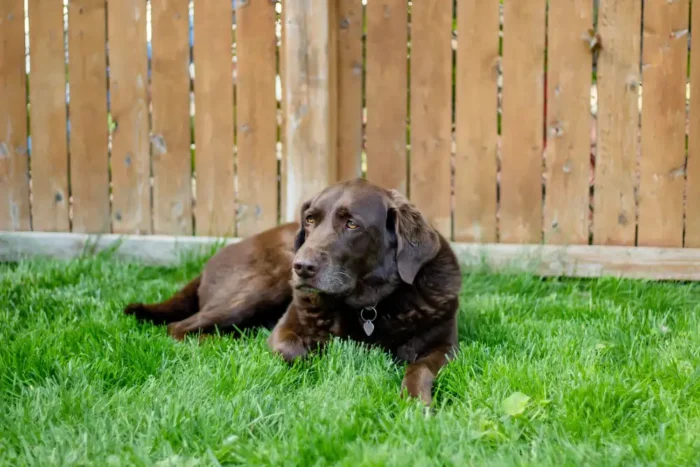
If you’ve ever stood in your backyard watching your dog sniff every corner before finally choosing a spot, you already know the struggle. Most dog owners who switch to artificial turf ask the same thing right away: can dogs pee on artificial turf without ruining it? The short answer is yes, dogs can absolutely pee on artificial turf. In fact, modern pet-friendly turf is specifically designed to handle it. But here’s the thing: not all turf is built the same, and how you maintain it makes all the difference. This guide covers everything from how urine drains through synthetic grass, to odor control, cleaning routines, and training tips. By the end, you’ll know exactly what to expect and how to keep your lawn looking (and smelling) clean year-round. Why Dogs Can Safely Pee on Artificial Turf Yes, dogs can safely pee on artificial turf. Quality pet-grade turf uses permeable backing that lets liquids drain through quickly, preventing pooling on the surface. Unlike natural grass, synthetic turf doesn’t absorb urine into the soil, so with the right drainage base and routine rinsing, it stays clean and safe for dogs. Natural grass absorbs urine into the root system, which causes those familiar brown dead patches. Artificial turf has no roots to burn. The surface stays green regardless of how often your dog uses it. Most pet-friendly turf products come with a perforated or open-weave backing. This allows urine to pass through at a rate of 30 to 60 inches per hour. The liquid drains into the aggregate base layer underneath, then into the ground below. How Dog Urine Interacts With Artificial Turf When a dog urinates on synthetic grass, the liquid immediately moves downward through the turf fibers and backing. It doesn’t sit on top the way it might on a sealed patio or deck. The drainage rate depends on three factors: the turf’s backing type, the infill material used, and the quality of the base installation underneath. Standard crumb rubber infill retains heat and can trap odor-causing bacteria. Antimicrobial infill products like zeolite or silica sand work better for dog areas. They absorb ammonia and reduce bacterial growth, which directly reduces odor. The fiber material also plays a role. Polyethylene fibers are soft and non-porous, making them easier to rinse clean. Polypropylene turf is denser but can trap debris between fibers more easily. Benefits of Installing Turf for Dog Owners Switching to artificial turf isn’t just about convenience. There are real, practical advantages that make it worth the upfront cost for most dog owners. No More Dead Patches Dog urine kills natural grass. Nitrogen overload at a single spot burns the roots, leaving yellow and brown patches. With synthetic turf, those dead zones disappear permanently. Mud-Free Zone Dogs dig. They also track mud inside after every rainstorm. Artificial turf drains quickly and doesn’t turn into a muddy mess. Your floors will thank you. Year-Round Green Appearance Natural grass goes dormant, turns yellow in heat, and gets patchy in drought. Artificial turf stays consistently green through every season without watering or reseeding. Reduced Water Use The average American lawn uses 55 gallons of water per square foot each year for irrigation. Artificial turf uses none. For homeowners in drought-prone areas, this is significant. Parasite Reduction Fleas and ticks thrive in natural grass and soil. Synthetic turf gives these pests fewer places to live, which means fewer treatments for your dog. How to Maintain Turf for Dog Pee Artificial turf used by dogs needs regular rinsing, occasional deep cleaning, and infill top-ups to stay odor-free and hygienic. Rinse the turf with water at least twice per week in high-traffic areas. For homes with multiple dogs, a weekly enzyme cleaner application keeps bacteria levels low. Here’s a practical maintenance schedule: Daily Pick up solid waste immediately Rinse the used area with a garden hose Weekly Hose down the entire turf area thoroughly Apply a diluted enzyme-based cleaner to the spots your dog uses most Monthly Brush the turf fibers with a stiff-bristle broom to keep them upright Check infill levels and top up if necessary Every 6 to 12 months Deep clean with a pet-safe turf deodorizer Inspect the drainage base for any compaction or blockage Enzyme cleaners are worth mentioning specifically. Products like Simple Green Outdoor Odor Eliminator or turf-specific formulas break down uric acid at the molecular level. Regular water alone doesn’t eliminate the odor source  it just dilutes it temporarily. Does Artificial Turf Smell Because of Dog Pee? Artificial turf can develop odor from dog urine if it’s not cleaned regularly. The smell comes from ammonia and bacteria breaking down in the infill layer, not from the turf fibers themselves. With the right infill material and a consistent cleaning routine, odor is manageable and largely preventable. The most common reason turf smells is an infill problem. Crumb rubber holds heat and creates an environment where bacteria multiply faster. Switching to a zeolite-based infill or adding a deodorizing infill layer dramatically reduces this issue. Temperature plays a role too. In summer, heat activates the ammonia compounds in urine faster. Morning rinses before the heat builds up are more effective than evening rinses for odor control. If you notice persistent odor even after cleaning, it may indicate the drainage base is compacted and retaining liquid. In that case, a professional assessment of the base layer is the right next step. Choosing the Best Artificial Turf for Pets Not all turf products were created with the same matter-of-fact standards in mind. When choosing a system for your pets, look for: High Drainage Rate Select the turf with a fully perforated backing for efficient drainage. Quicker drainage reduces odor and keeps the surface comfortable for dogs. Antimicrobial Technology A few turf products have antimicrobial coatings or backing layers to help control bacteria and odors. Dense, Durable Fiber Structure Dense fibers are more resistant to wear from digging and rough playing. Tough blades keep their shape even in homes with several dogs. Odor-Control Infill Infill also has an important role in neutralizing odors.

Can Dogs Pee on Artificial Turf? Read More »