How to Edge Your Lawn: A Complete Step-by-Step Guide
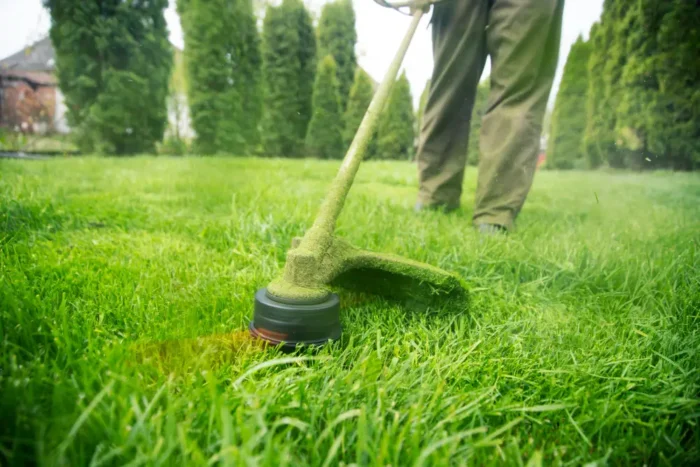
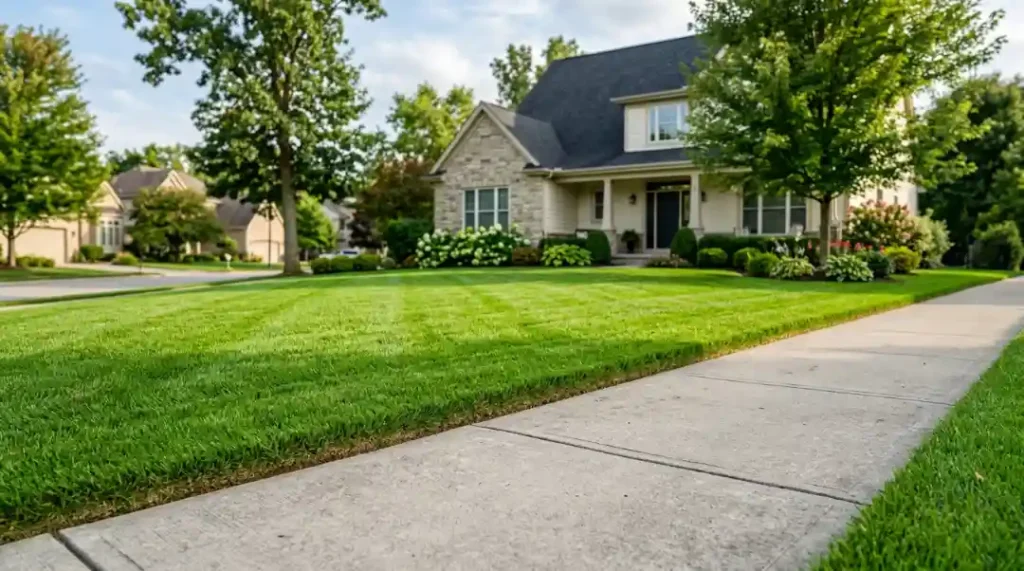
If you don’t clean up the margins, your grass will still look unfinished even if you mow it right. Most people spend hours cutting grass, yet they don’t do the one thing that makes a yard seem outstanding. If the boundaries of your lawn are blurry, too long, or not level, edging is the answer. Learning how to edge your lawn properly takes about 30 minutes and transforms the entire look of your outdoor space. In this guide, you’ll get the right tools, a clear step-by-step method, creative edging ideas, and answers to the most common questions. By the end, your lawn borders will look like a professional handled them. What Is Edging in Lawn Care? Edging in lawn care means cutting a clean, defined line between your grass and surrounding areas like flower beds, driveways, or sidewalks. It stops grass from creeping into places it shouldn’t be and gives your lawn a structured, finished appearance. Think of your lawn like a picture frame. Even the best painting looks messy without a clean frame around it. Edging is that frame. It draws the eye, separates spaces, and signals that someone actually takes care of this yard. How to Create a Lawn Edge: Right Tools First Choosing the right tool is half the job. The wrong tool wastes time and leaves a sloppy result. Manual Half-Moon Edger This is your go-to for precision work. It cuts deep, clean lines through tough turf and creates crisp transitions along walkways, patios, and garden beds. It’s slow but accurate, and it’s the best choice when you’re shaping a brand-new edge from scratch. String Trimmer (Weedeater) A string trimmer is fast and flexible. It handles curved areas, soft garden bed transitions, and weekly touch-ups well. Rotate the head vertically to cut downward along the border instead of trimming horizontally. Rotary / Power Edger A rotary edger uses a spinning blade to cut along long, straight edges quickly. It’s ideal for driveways and sidewalks where you need consistent depth across a long run. It also performs better in compact or clay-heavy soils where a manual tool struggles. Edging Shears and Flat-Backed Spade Edging shears handle the fine detail work. After the main cut, use shears to clip stray blades in corners and curves. A flat-backed spade helps lift and remove the turf strip after you’ve made your edge cut. Tool Comparison at a Glance Tool Best For Effort Level Cost Range Half-Moon Edger New edges, beds High $20 – $40 String Trimmer Curves, touch-ups Medium $50 – $150 Rotary / Power Edger Long straight lines Low $80 – $300 Edging Shears Detail finishing Medium $15 – $35 Learn How to Edge Your Lawn With the Right Tools Prior to using a tool, please ensure you understand its purpose in that specific situation. Prior to using a tool, please ensure you understand its purpose in that specific situation. A power edger is not the right tool for a curved garden bed. Using a manual edger on a 40-foot driveway is tiring. Use the right tool for the job. A rotating edger makes the smoothest edge along a sidewalk or driveway with the least amount of work. A string trimmer lets you go around shrubs and plants without hurting their roots. If you’re just starting to make a fresh bed, use the half-moon edger to set the line and then use a trimmer to keep it up. Keep the blades sharp. A dull blade doesn’t cut the grass; it shreds it, creating ragged edges that weeds love. After each use, clean your tools and check the blades before each session. Easy Steps to Edge a Lawn With a Clean Finish Here’s the exact process used to get a sharp, professional-looking edge every time. Step 1: Mow Your Lawn First Always mow before you edge. Mowing reveals the natural fall of the grass and gives you a clear surface to work from. Edging on an unmowed lawn leads to uneven cuts and missed spots. Step 2: Mark Your Edge Line Use a garden hose, rope, or a chalk line to mark where you want the edge to fall. For straight edges, a taut string tied between two stakes works perfectly. For curves, a garden hose gives you flexibility to adjust the shape before committing to a cut. Step 3: Choose Your Edge Style Straight edges work best along driveways, sidewalks, and formal garden layouts. Curved edges feel more natural and soften the look around beds and foundation plantings. Walk around your yard and look at the overall shape before deciding. Step 4: Cut Along the Line Hold your edging tool vertical. A sloped blade creates a slanted edge that looks uneven and erodes faster. Work slowly in small overlapping passes. Avoid sawing motions — one smooth, deliberate push gets the cleanest result. The edge depth should be around 7.5 cm (3 inches). That’s deep enough to define the border and prevent grass from creeping back quickly. Step 5: Remove Excess Turf Slide a flat-backed spade under the cut turf strip and lift it away cleanly. This reveals the trench and creates strong visual contrast between the lawn and the bed. Compost the removed grass or stack it to rot down separately. Step 6: Clean Up Debris Sweep or blow away all clippings from the hard surface. A well-cut edge looks ten times better against a clean sidewalk or driveway. This final step makes the difference between “done” and “done right.” Step 7: Touch Up With Shears Go back over corners, curves, and tight spots with edging shears. Trimmers and power edgers miss fine detail. Shears give you control in narrow zones and leave a tidy finish throughout. Edging Ideas That Go Beyond the Basics Once your basic edge is clean, you can take the design further. Metal Edging: Low-profile and long-lasting. It holds bed shapes precisely and requires very little maintenance. Good for modern or minimalist landscape styles. Stone or Brick Paver Edging: Adds weight and permanence.
How to Edge Your Lawn: A Complete Step-by-Step Guide Read More »