How to Get Rid of Ants in Flower Bed
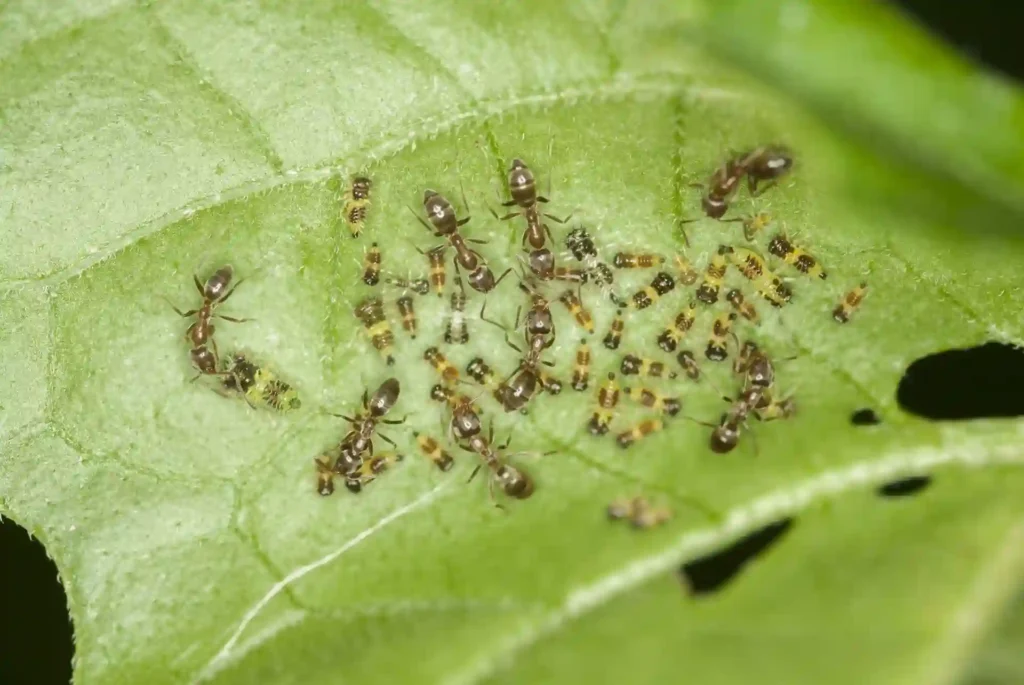
Ants in your flower bed can go from a minor annoyance to a full-blown infestation faster than you’d expect. You spot a small mound, ignore it for a week, and suddenly there’s an entire colony tunneling through your soil and guarding aphid colonies on your favorite plants. If you’re nodding right now, you’re not alone. This guide covers exactly how to get rid of ants in flower bed setups of all sizes, from a few scouts to an established colony. We’ll walk through natural remedies, organic methods, what actually kills the queen, and how to keep ants from coming back. By the end, you’ll know exactly what to do and in what order. Are Ants Actually Hurting Your Flowers? Ants don’t directly damage most flowering plants. They don’t chew leaves, strip stems, or transmit plant diseases. But they do cause indirect harm by protecting aphids, weakening root systems through excessive tunneling, and in the case of fire ants, delivering painful stings to anyone working in the garden. The key is figuring out whether your situation needs action or just monitoring. A handful of black garden ants (Lasius niger) moving through your mulch is very different from a fire ant mound sitting against your rose bushes. Here’s a quick reference to help you decide: Ant Type Risk to Flowers Action Needed Black garden ant Low Monitor; treat if colony grows Red garden ant (Myrmica rubra) Low-Medium Treat if biting is an issue Fire ant (Solenopsis invicta) High Treat immediately Carpenter ant Medium Treat if near structures What Attracts Ants to Flower Beds Before treating the symptom, it helps to understand the cause. Ants don’t settle in your flower bed by accident. Aphids are the number-one attractant. These tiny insects feed on plant sap and produce a sweet, sticky substance called honeydew. Ants are drawn to it like a magnet. In fact, they’ll actively “farm” aphid colonies, protecting them from ladybugs and other predators just to keep the food supply going. Other common attractants include: Thick wood chip mulch warm, moist, and perfect for nesting Compost or rotting organic matter the sweet smell draws foragers Loose, dry soil easy for the queen ant to tunnel and establish a nest Nectar-rich flowers peonies are notorious for pulling ants to their buds during bloom season If you want to keep ants away from the garden long-term, cutting off these attractants is step one. How to Get Rid of Ants in Flower Bed: 7 Methods That Work Here are the most effective methods ranked from fastest results to longest-lasting. Use one or combine a few for stubborn colonies. 1. Boiling Water (Fastest Method) Pouring boiling water directly into the ant mound kills ants on contact and destroys eggs deep in the tunnels. It works within hours and requires no products. For large nests, you’ll likely need two to three applications over consecutive days. Boil a full kettle and pour it slowly into the mound opening. Try to hit the center of the nest where the queen and larvae live. This method works best in the morning when ants are most active near the surface. One downside: boiling water can harm nearby plant roots if poured too close to stems. Keep it focused on the mound itself. 2. Borax and Sugar Bait (Best for Full Colony Elimination) A 1:3 mix of borax and powdered sugar placed near the nest is one of the most effective ways to wipe out an entire ant colony. Worker ants carry the bait back to feed the queen and larvae, and the colony collapses within 2 to 3 days. Mix one part borax with three parts sugar and place it in a shallow container near ant activity. Don’t put it directly on the mound or ants will avoid it. You want them to take it back underground. Be cautious if you have pets or young children. Borax is low-toxicity but should still be kept out of reach. It’s also worth noting that borax won’t harm most beneficial insects since it’s delivered as bait rather than a spray. 3. Food-Grade Diatomaceous Earth (Best Overall for Safety) Diatomaceous earth (DE) is a powder made from crushed fossilized algae. Its microscopic sharp edges cut through the ant’s exoskeleton, causing death by dehydration within 1 to 2 weeks. It’s completely safe for plants, humans, and pets when you use the food-grade version. Sprinkle it around and on top of the mound. Ants walk through it, carry it into the nest, and it spreads through the colony over time. Reapply after rain since moisture reduces its effectiveness. This is the method we recommend first for anyone with pets or kids regularly in the garden. 4. Citrus Spray / d-Limonene (Safe for Plants) Citrus peels contain a natural compound called d-Limonene that strips the protective coating from ants, causing them to suffocate. You can buy citrus-based horticultural oil or make your own by boiling orange or lemon peels in water and letting it cool before spraying. Spray directly on the nest, around plant bases, and along ant trails. This also destroys their pheromone trail, which disrupts their ability to navigate back to food sources. It’s food-grade, plant-safe, and biodegradable. 5. Insecticidal Soap (Best for Aphid-Related Ant Problems) If ants are clustering on your flower stems, there’s a good chance aphids are the real problem. Mix a few drops of dish soap with water in a spray bottle and apply it directly to ant trails and plant stems. Insecticidal soap kills both the ants and the pheromone trail they leave behind. It also suffocates soft-bodied insects like aphids and whiteflies on contact. Important tip: Spray during cooler parts of the day. Applying it in direct sunlight or high heat can burn plant leaves. 6. Cinnamon (Best Natural Repellent) Cinnamon won’t kill ants, but it’s one of the best natural options to repel ants in garden beds and keep them away from specific plants. The strong scent disrupts their scent trail and deters worker ants from returning. Sprinkle