Landscape & Outdoor Services

Get expert advice and DIY tips on landscaping and outdoor projects in Whittier, CA from design to installation and maintenance.

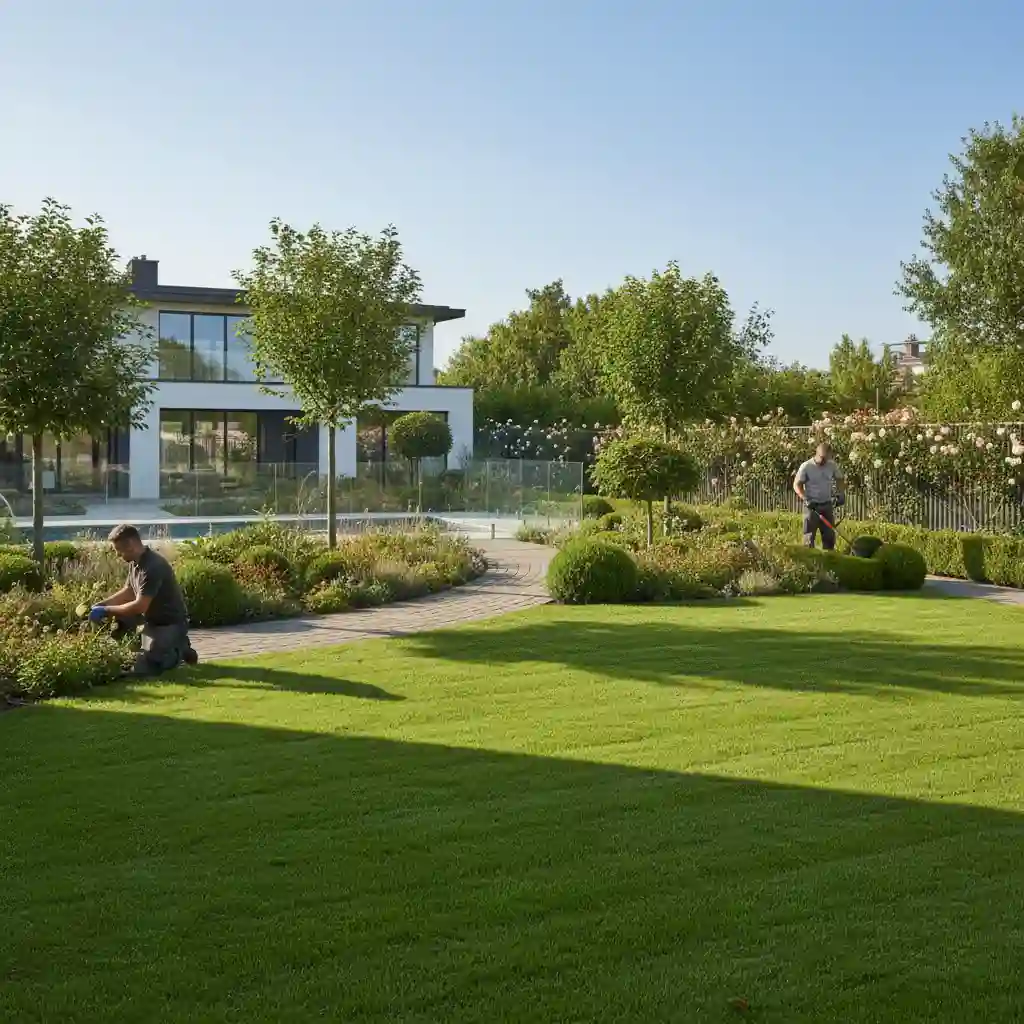
Gardeners trimming shrubs and lawn at a modern home demonstrating what is landscape maintenance in action

What Is Landscape Maintenance?

Your lawn is the first thing people see. And if it looks neglected, it reflects poorly on the entire property. But here’s the truth: most people have no idea how much work goes into a beautiful outdoor space, or what landscape maintenance actually covers. You’re not alone if you’ve been wondering what is landscape maintenance and whether it’s worth the cost. In this article, we’ll walk through everything from what landscape maintenance includes day-to-day, to the real-world landscape maintenance cost you should budget for. By the end, you’ll have a clear picture of what services your property needs and how to get the best results for your money. Understanding Landscape Maintenance Taking care of your outdoor spaces on a regular basis is called landscape maintenance. This includes mowing the lawn, trimming it, fertilising it, pruning it, managing the irrigation, controlling pests, and cleaning up after the seasons. Regular, planned work is what keeps a property looking good, tidy, and well-managed all year round. You can think of it as taking care of your car. You don’t merely fix your car when it breaks down. You get regular check-ups, oil changes and tyre rotations. The same goes for maintaining a landscape. What is the main idea of landscape maintenance? It’s a system. A list of things to do that keep small problems from turning into big ones. Even the best-planned garden will develop into a jumble of weeds in just a few seasons without it. What’s the Difference Between Landscaping and Lawn Maintenance? Landscaping refers to the design and installation of outdoor features, such as planting trees, building retaining walls, or creating garden beds. Lawn maintenance, on the other hand, is the routine upkeep of those existing features. In short, landscaping is what you build; lawn maintenance is how you preserve it. A lot of people use these terms interchangeably, but they’re quite different in scope and cost. Landscaping is typically a one-time or project-based investment. Maintenance is recurring. For example, installing a new irrigation system is landscaping. Checking and adjusting that system every spring is maintenance. Both matter, but they serve different purposes. What Does Landscape Maintenance Include? Landscape maintenance includes mowing, edging, fertilization, weed control, pruning, mulching, pest and disease management, irrigation system checks, leaf removal, and seasonal planting. The exact services depend on the property type, size, and the maintenance plan you choose. Here’s a breakdown of the most common services included in a standard residential landscape maintenance services package:   Lawn mowing and edging: Typically done weekly or bi-weekly during the growing season   Trimming and pruning: Keeping shrubs, hedges, and trees shaped and healthy   Fertilization programs: Seasonal treatments to feed grass and plants   Weed control: Pre-emergent and post-emergent applications to suppress weeds   Mulching: Replenishing mulch in beds to retain moisture and prevent weeds   Irrigation management: Adjusting and maintaining sprinkler and drip systems   Seasonal cleanups: Spring and fall removal of leaves, debris, and dead plant material   Pest and disease control: Treating infestations before they spread   Aeration and overseeding: Improving soil health and lawn density What Are the Benefits of Landscape Maintenance? Regular landscape maintenance improves curb appeal, increases property value, prevents costly repairs, supports plant health, and creates a safer, more enjoyable outdoor space. Consistent upkeep is always more cost-effective than neglect followed by restoration. Here’s why property owners who invest in routine maintenance come out ahead: 1. Higher Property Value Studies from the American Society of Landscape Architects show that well-maintained landscaping can add up to 15% to a home’s value. That’s a significant return on a relatively modest investment. 2. Lower Long-Term Costs Catching problems early, whether it’s a dying tree, a broken irrigation line, or spreading weeds, is far cheaper than addressing them after the damage is done. The average cost of landscaping maintenance is a fraction of what restoration typically runs. 3. Better Curb Appeal First impressions matter, especially if you’re planning to sell or rent your property. A clean, maintained yard signals that the entire property is well cared for. 4. Healthier Plants and Lawn Lawns and plants thrive under consistent care. Proper fertilization, watering, and pruning lead to stronger root systems, thicker turf, and more vibrant plant growth. 5. Fewer Pest and Weed Problems Regular maintenance disrupts the conditions that pests and weeds need to establish themselves. Prevention is always easier than treatment.  How Often Do You Need Landscape Maintenance? Most residential properties need landscape maintenance every one to two weeks during the growing season (spring through fall), and monthly or as needed during winter. The frequency depends on your climate, grass type, plant density, and the level of appearance you want to maintain. Here’s a general frequency guide:   Weekly: Mowing during peak growth, especially in warm, wet months   Bi-weekly: Edging, blowing, minor trimming   Monthly: Fertilization, weed treatment, irrigation check   Seasonally: Pruning, mulching, aeration, overseeding, cleanup   Annually: Deep root fertilization, soil testing, large pruning jobs Most landscape companies offer service packages that bundle these into a monthly plan. That’s often the most cost-effective route for homeowners who want consistent results without managing it themselves. How Much Does Landscape Maintenance Cost? On average, residential landscape maintenance costs between $100 and $350 per month for standard services. The monthly landscape maintenance cost varies based on property size, service frequency, regional labor rates, and the specific services included in your plan. If you’re asking how much does landscaping cost for a full-service maintenance plan, here’s a realistic breakdown: Service Average Cost Frequency Lawn mowing $30–$80 per visit Weekly / Bi-weekly Edging and blowing Included in mow Per visit Fertilization $50–$150 per treatment Seasonal Weed control $50–$100 per application Monthly Pruning and trimming $75–$200 per session Monthly / Seasonal Mulching $100–$300 per bed refresh Annually / Seasonally Full monthly plan $100–$350/month Monthly Keep in mind that how much landscaping cost also depends on your region. Labor costs in California or New York tend to run higher than in the Midwest or Southeast.
What Is Landscape Maintenance? Read More »

How to Install Landscape Fabric

How to Install Landscape Fabric Right | Step by Step Guide

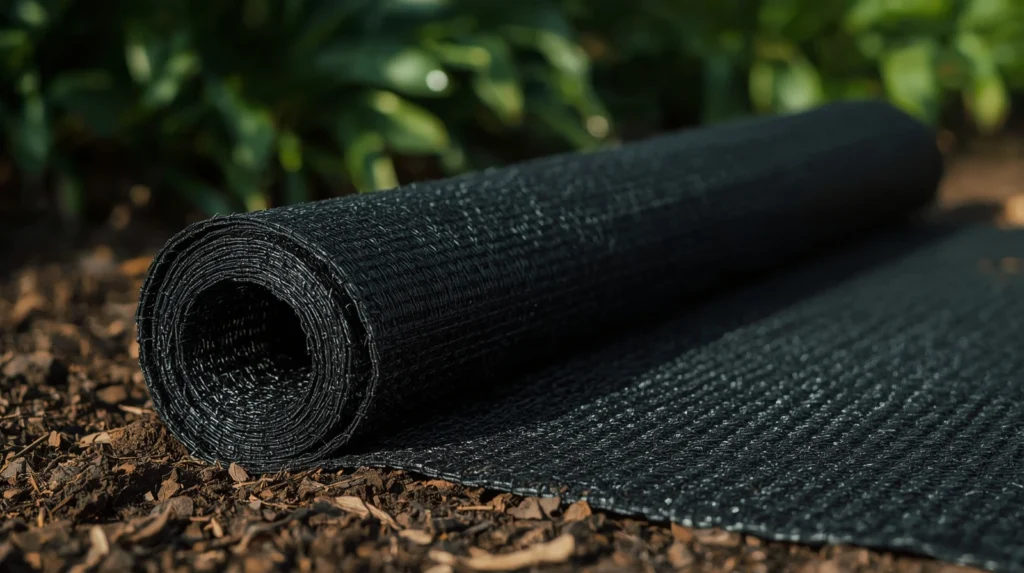
Most individuals lay down the landscape fabric, walk back and think the job is over. Two seasons later weeds are pushing up and it appears worse than it did before. It’s not the landscape fabric itself, it’s how it was rushed or poorly prepped before it was installed. Knowing how to properly install landscape fabric from the start saves you money, time and a lot of frustration in the long run. This tutorial covers everything: the tools you need, the specific methods to follow, fabric types, unusual use cases and the blunders that silently undermine even the best installations. By the time you get through this, you will know precisely what to do and what to avoid, whether you are putting fabric under gravel, in a garden bed, or along a walkway What is Landscape Fabric Landscape fabric also called weed barrier fabric or weed barrier is a sheet of woven or non woven material placed over the soil to block sunlight and reduce weed growth. Some people call it garden liner or geotextile fabric. It is mostly used under mulch gravel or rocks. It works as a weed control cloth but still allows water to pass through. Pros and Cons of Landscape Fabric Is landscape fabric worth it? The answer depends entirely on your surface cover and the specific site conditions. +——————————————————–+ | LANDSCAPE FABRIC UTILITY TEST | | | | [ Surface Material ] | | | | | +—> Rock / Gravel / Decorative Stone | | | | | | | +—> [ HIGH UTILITY ] | | | Prevents stone sinking, separates | | | soil, highly recommended. | | | | | +—> Organic Wood Mulch | | | | | +—> [ LOW UTILITY ] | | Mulch decomposes into soil on top | | of fabric; weeds grow above barrier.| +——————————————————–+ The Pros Long-Term Soil Separation: Beneath decorative gravel, river rock, or unpaved paths, a heavy-duty barrier stops stone from sinking into raw dirt. It keeps your clean rock installations from turning into muddy messes during heavy rain. Initial Weed Suppression: It completely blocks sunlight from reaching the soil surface. This process stops dormant weed seeds from germinating in the early spring. Moisture Conservation: The material slows down surface evaporation, keeping root zones cool and saving water in arid climates. The Cons The Mulch Breakdown Trap: Organic wood mulch breaks down into rich compost directly on top of the fabric. Windblown weed seeds land in this new organic layer and root right through the top of the material, making them incredibly difficult to pull. Soil Suffocation Risk: Cheap, plastic-like barriers choke the ground. They restrict the natural flow of oxygen and water, which starves beneficial earthworms and destroys soil microbiology over time. Maintenance Is Still Required: No fabric provides a zero-maintenance yard. Dust, dirt, and organic matter accumulate on top of the barrier every single year, creating a seedbed for new weeds. Tools and Materials Needed Getting set up properly before you start makes the whole job go faster. Here’s what you need on-site before you begin. Tools: Flat-head spade or hoe (for clearing and edging) Garden rake (for smoothing soil surface) Tape measure Utility knife or heavy-duty scissors Rubber mallet or hammer Kneeling pad (your knees will thank you) Materials: Landscape fabric roll (sized to your project area, plus 10% extra) Landscape staples or U-pins (at least one bag per 100 sq. ft.) Mulch, gravel, or decorative rock for top cover Garden edging (optional but recommended for clean borders) Non-selective herbicide (optional, for persistent perennial weeds  apply 2–3 weeks before installation) How much fabric do you need? Measure length x width of the area. Add 10% for overlaps and edges. For example, a 10 ft x 20 ft bed = 200 sq. ft. of base area. Buy at least 220 sq. ft. to be safe. Step by Step Installation Guide This is the core of knowing how to install landscape fabric right  and most guides skip the details that actually matter. Step 1: Clear and Prepare the Area Remove all existing weeds  roots and all. If you skip this, weeds grow right back under the fabric. For perennial weeds with deep root systems (like bindweed or nutsedge), apply a non-selective herbicide at least 2–3 weeks before installation. Once weeds are gone, remove rocks, sticks, and debris. Use your rake to smooth the soil to a flat, even surface. Any lumps or bumps will show through the fabric and cause uneven coverage. Step 2: Define and Edge Your Borders This step gets skipped constantly, and it leads to messy, uneven edges. Dig a shallow trench (about 2–3 inches deep) along the perimeter of the area. This is where the fabric edge will tuck in and get buried, giving you a clean line. If you’re installing edging material (metal, plastic, or stone), set it in place now. It holds the fabric border down and gives your beds a defined look. Step 3: Choose the Right Fabric for the Job Not all landscape fabric is the same. There are two main types: Woven polypropylene fabric is the stronger option. It handles heavy top materials like gravel and rock well. It’s more durable under foot traffic and in high-sun areas. Look for UV-stabilized versions if the fabric will be exposed. Non-woven (spunbond) fabric allows better water and air flow. It’s the better pick for planted beds where you still want some soil breathing. Lighter weight, easier to cut, but less durable under heavy rock. For driveways, paths, and gravel areas, always go woven. For garden beds with plants, non-woven is the safer choice  though many experienced landscapers skip fabric altogether in these areas. Step 4: Roll Out and Cut the Fabric Start at one end of the area and unroll the fabric across the length. Keep it taut but don’t stretch it — stretching causes it to pull back and create gaps later. If your area is wider than one roll, overlap adjacent sheets

How to Install Landscape Fabric Right | Step by Step Guide Read More »

how to install a sliding patio screen door

How to Install a Sliding Patio Screen Door: A Complete Step-by-Step Guide

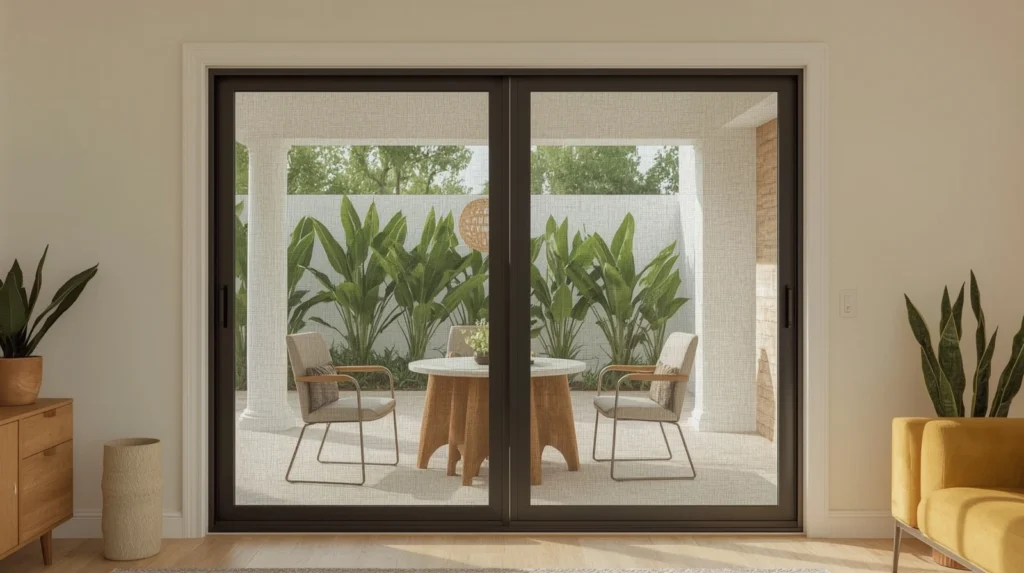
If you’ve been battling a missing, broken, or sagging screen door all summer, you already know the frustration. Bugs get in, fresh air stays out, and every trip to the patio feels like an obstacle course. The good news? Learning how to install a sliding patio screen door is a manageable DIY project that most homeowners can finish in a couple of hours with basic tools. This guide walks you through everything, from measuring the opening correctly to adjusting the rollers for a perfect glide. We’ll also cover when to repair instead of replace, what tools you actually need, and the most common mistakes that cause new screen doors to stick, sag, or fall off track. What Is a Sliding Patio Screen Door and Why It Matters A sliding patio screen door is a lightweight framed screen that runs along a top and bottom track, parallel to your sliding glass door. It lets in fresh air while keeping out insects, debris, and dust. Most frames are made from aluminum or vinyl, and the mesh is typically fiberglass or aluminum screen material. Beyond comfort, a working screen door actually reduces how often you run the AC. The U.S. Department of Energy notes that natural ventilation through open windows and doors can significantly reduce cooling costs in mild climates. For Whittier homeowners dealing with warm Southern California summers, that’s a real benefit worth protecting. When to Replace vs. Repair Your Sliding Screen Door If your screen door is sagging, sticking, or off track, you don’t always need a new one. Roller adjustment fixes most sliding and alignment problems in under 20 minutes. But if the frame is bent, the mesh has large tears, or the track is cracked, replacement makes more sense than patching. Here’s a quick way to decide: Repair if: rollers are intact but dirty, the door slides rough, the screen has a small hole, or it’s just off the track. Replace if: the frame is warped or cracked, the mesh is badly deteriorated, rollers are broken beyond adjustment, or there’s a large gap between the screen and the door frame that can’t be fixed by tensioning. A brand-new adjustable-fit sliding screen door typically costs $40 to $120 at a home improvement store. Professional installation adds $75 to $200 depending on door size and condition of the existing track. Tools and Materials You’ll Need Before You Start Getting the right tools together before you start saves a lot of back-and-forth. Here’s what you’ll need for a standard sliding patio screen door installation: Tools: Phillips head screwdriver Flathead screwdriver Pry bar or putty knife Measuring tape Level Robertson screwdriver (for some brands) Materials: Replacement sliding screen door (sized to your opening) Dry spray lubricant (silicone-based only, never oil-based) Replacement rollers (if existing ones are worn) Bug seal or weatherstrip (if not included with the door) One important note on lubricant: oil-based sprays attract dirt and debris over time, which makes the door stick worse. Always use a dry silicone spray on screen door tracks. How to Measure for the Right Sliding Patio Screen Door Size To measure for a sliding patio screen door, measure the width of the screen track opening from inside edge to inside edge, and the height from the top channel to the bottom track. Use the smallest measurement if you get slightly different readings at different points. Most standard sliding patio doors use screen doors between 60 and 72 inches wide and 80 inches tall, but openings vary. Here’s the process: Measure the width of the track opening at the top, middle, and bottom. Note the smallest number. Measure the height on both the left and right sides. Note the smallest number. Check if your opening uses a fixed fin track (screen door slides into a groove) or a surface-mounted track (rollers ride on a raised rail). This affects which door style you buy. If you’re buying an adjustable-fit door, choose a size slightly larger than your opening since adjustable models expand to fit. Buying a door that’s even half an inch too small means it won’t sit properly in the track. Getting the measurement right the first time saves a return trip. Step-by-Step: How to Install a Sliding Patio Screen Door This is the core of the project. Follow these steps and you’ll have your screen door running smoothly in about an hour. Step 1: Prepare the Track Start by cleaning both the top channel and the patio screen door bottom track. Dirt, old debris, and dried lubricant cause more installation problems than anything else. Use a stiff brush or old rag to clear both tracks completely. Check the tracks for dents or bends. A bent track won’t let the door slide freely. Minor dents can sometimes be gently pressed back with pliers, but if the track is seriously damaged, replacing it is the cleaner fix. Step 2: Attach the Rollers to the Door If your screen door is new and unassembled, attach the rollers to the bottom of the door frame first. Most rollers click or screw into a pocket at each end of the bottom rail. Make sure they spin freely before you move on. Set the roller adjustment screws to the middle position so you have room to raise or lower them after installation. Step 3: Insert the Door into the Top Channel Tilt the top of the screen door frame into the upper track at an angle. Slide it all the way into the top channel until it seats firmly. The door should have enough vertical slack in the top channel to allow the bottom to swing inward. Step 4: Set the Bottom Rollers onto the Lower Track With the top of the door seated in the upper channel, use a pry bar or putty knife at the bottom corner of the door to gently depress the rollers. Lower the bottom of the door onto the patio screen door bottom track one side at a time. The rollers should click or

How to Install a Sliding Patio Screen Door: A Complete Step-by-Step Guide Read More »

How Much Turf on a Pallet

How Much Turf on a Pallet? The Answer Might Surprise You!

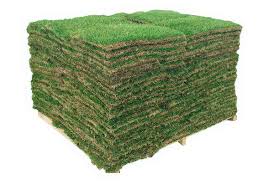
You’re planning to lay turf, and the last thing you want is to order too little  or waste money ordering way too much. It’s a common problem, and it usually starts with one missing piece of information: how much turf actually comes on a pallet? The short answer is that a standard turf pallet covers between 400 and 500 square feet, but that number shifts based on where you buy, what grass type you choose, and how the sod farm cuts and packages it. In this guide, we’ll walk through exactly how much turf on a pallet you can expect, what affects coverage, how to calculate the right amount for your yard, and what each pallet weighs. By the end, you’ll have everything you need to place a confident order and avoid costly surprises on install day. What Is a Turf Pallet? A turf pallet is a wooden shipping platform stacked with pre-cut pieces of sod, ready for installation. Each pallet holds enough grass to cover a specific area of your lawn, typically measured in square feet. The sod itself is harvested from a farm, cut into uniform pieces, and stacked tightly for transport. Turf and sod are the same thing. “Turf” is just the more common term used in Canada and parts of the UK, while “sod” is the go-to word in the United States. Whether your supplier calls it turf or sod, you’re getting pre-grown grass with the soil and root system still attached. Think of a pallet of turf like a flat-pack of puzzle pieces. Each piece is a ready-made section of lawn. You lay them out, and within days the roots knit into the soil below. Understanding Sod Pallet Coverage (Without the Corporate Jargon) Let me break this down the way I’d explain it to a friend over coffee. When sod arrives at your house, you’re getting grass that’s been grown for months. It comes with soil attached, roots and all. It’s basically instant lawn. Each piece measures about 16 inches by 24 inches—think of it like a small yoga mat made of grass. That one piece covers about 2.67 square feet. Here’s what actually matters: A typical pallet of sod square feet usually lands somewhere around 450 square feet. But I’m saying “usually” because I’ve genuinely seen variation. One supplier we work with regularly gives us about 165 pieces per pallet. Another gives us 155. Same grass, different farms, different coverage. The difference comes down to a few things. Some grass types are just naturally thinner. Bermuda grass, for instance, isn’t as dense as St. Augustine. So when they lay it on a pallet, you get more pieces but they’re lighter overall. St. Augustine is thicker and heavier, so fewer pieces but denser coverage. Both end up covering roughly the same area, just differently. Then there’s thickness. Some suppliers grow their sod thicker for durability during transport. Others keep it thin to save money. The standard size of a piece of sod doesn’t change, but that thickness affects how many pieces fit on a pallet and how the grass performs after installation. When we order for Robert Complete Care customers, we’ve learned to ask our suppliers exactly what we’re getting. Not just the price. Not just the coverage number they put in their brochure. We actually ask questions like: “How many pieces?” “How thick?” “Is that 450 square feet measured how?” This matters. Turf vs. Sod: Is There a Difference? No. They’re interchangeable terms for the same product. In Canada, “turf” is more widely used by homeowners and landscapers. In the US, most farms and suppliers say “sod.” When searching online, you’ll find results for both. If a Canadian supplier calls it turf and a US site calls it sod, they’re describing the same thing. One separate question worth addressing: some people searching “how much turf on a pallet” are thinking about artificial turf, not natural grass. Artificial turf is sold by the roll, not by the pallet, and coverage is completely different. This guide focuses on natural, live sod pallets. What Factors Affect Grass Cost in Whittier Now let’s talk about the part that actually hits your wallet. The pallet of sod cost in Whittier isn’t fixed. I wish it were. It’s influenced by things you’d expect and things you wouldn’t. First, the grass itself. Not all sod is created equal. In Whittier, your main options are typically Bermuda, St. Augustine, or Zoysia. Bermuda is usually the most affordable—usually runs you around $150 to $250 per pallet depending on the supplier. St. Augustine is middle ground, hitting somewhere between $250 and $350. Zoysia? That’s the premium option. You’re looking at $300 to $400 per pallet, sometimes more if you want specialty varieties. Why the price difference? It’s about growing time, durability, and performance in our Whittier climate. Cheaper grass isn’t necessarily bad. It just means different characteristics and different establishment speed. We recommend whatever matches your yard conditions and your water access honestly. Timing matters way more than people think. Spring and summer? That’s peak season. Everyone wants their lawn installed May through September. Prices are higher because demand is crushing supply. Fall and winter, especially September through February? Prices drop. You’ll find better deals, though you’re installing into a slower-growth season. We’ve had customers save 20 to 30 percent ordering in fall versus spring. Where you buy from changes the price. Some suppliers include delivery if you’re within a certain distance (like 10 miles). Others charge per mile after that. Some just give you one flat price and you figure it out. We always get the actual total cost to your property, not just the pallet price. There’s a massive difference. And here’s something most people don’t think about: Quality affects pricing, and pricing affects outcome. We’ve seen homeowners buy the cheapest sod available, have it installed, and then watch it struggle in our heat. Then they’re calling us six months later asking why it’s not thriving. Turns out, that cheap sod

How Much Turf on a Pallet? The Answer Might Surprise You! Read More »

How to Clean a Concrete Patio

How to Clean a Concrete Patio (The Right Way, Without Damaging It)

Your concrete patio looks rough stained, grimy, maybe spotted with rust or black mildew patches. You’ve tried hosing it down and the stains barely budged. That’s a frustrating place to be. Learning how to clean a concrete patio properly means knowing which cleaner works on which stain, which tools to use, and what to avoid so you don’t end up making things worse. This guide covers all of it, from a basic wash to the toughest stains on the slab. Sweep the patio, pre-wet the surface, apply a cleaner suited to your stain type (vinegar for general grime, bleach for mildew, oxalic acid for rust), scrub with a nylon-bristle brush, and rinse thoroughly with a garden hose or pressure washer. For a standard cleaning, the whole job takes under an hour. Why Concrete Patios Get Dirty (and Why Plain Water Won’t Fix It) Concrete looks solid, but it’s porous. Think of it like a sponge with a hard shell. When liquids hit the surface, they don’t just sit on top. They sink in. That’s why a quick rinse rarely does the job on stains. The texture of a concrete slab also works against you. Every small groove and crevice is a pocket where dirt, algae, moss, and organic debris can settle in and build up over time. Rain pushes them deeper. Sun bakes them in. Common causes of concrete patio staining include: Mildew and algae growth from moisture and shade Rust from metal furniture legs, grills, or planters Grease and oil drips from BBQ grills Red mud and iron-rich soil tracked in from the yard Efflorescence (a white, chalky powder formed when water draws calcium salts to the surface) General dirt and debris from leaves and outdoor use What You’ll Need Before You Start Getting the right tools upfront saves time. Here’s what a standard concrete patio cleaning job requires. Tools: Push broom or leaf blower Garden hose with spray nozzle (or pressure washer) Nylon-bristle scrub brush (long-handled to save your back) Plastic bucket Sponge mop (for manual application) Protective eyewear and waterproof gloves Cleaning materials (varies by stain type): Distilled white vinegar Baking soda Chlorine bleach Oxalic acid-based cleaner (for rust) Cat litter or cornstarch (for grease absorption) Commercial concrete degreaser Concrete sealer (for after cleaning) Avoid wire brushes entirely. Metal particles break off, sink into the pores of the concrete, and form rust stains later. A nylon-bristle brush does the job without that risk. How to Clean a Concrete Patio: Step-by-Step This is the standard process for an outdoor concrete slab that’s due for a general cleaning. For specific stains, follow the targeted sections below after completing steps 1 through 3. Step 1: Clear the Patio Remove all furniture, planters, grills, and anything else sitting on the surface. Use a push broom or leaf blower to clear leaves, dirt, and loose debris. Don’t skip this. Scrubbing over loose grit just scratches the surface. Step 2: Pre-Wet the Concrete Rinse the slab with a garden hose. Wetting the surface first stops your cleaning solution from absorbing too fast. It also loosens surface dirt before you apply any product. Step 3: Apply Your Cleaner For general cleaning on unsealed concrete, mix one cup of baking soda with two cups of distilled white vinegar in a bucket. The mixture foams up. Mix it slowly to keep the consistency thick. Spread it over the concrete with a sponge mop. For heavier buildup, a commercial concrete cleaner applied through a pressure washer detergent tank works faster. Use a biodegradable, non-corrosive formula to protect your lawn and nearby soil. Step 4: Let It Sit, Then Scrub Allow the cleaner to sit on the surface for at least 10 to 30 minutes. Don’t let it dry. Scrub with a nylon-bristle brush, paying extra attention to stained areas. Work in sections so the cleaner stays wet throughout. Step 5: Rinse Thoroughly Rinse with clean water at the highest pressure your hose allows. If you’re using a pressure washer, keep the nozzle at least two feet from the surface and hold it perpendicular to the slab. Getting too close can damage the surface. Work in small sections and repeat the apply, scrub, rinse sequence until the whole patio is done. Cleaning Methods Compared Not everyone has a pressure washer. Not every stain needs one. Here’s how the main methods stack up: Method Best For Cost Difficulty Notes Vinegar + Baking Soda (manual) General grime, unsealed concrete Under $5 Easy Mix fresh each use; won’t kill mildew spores Bleach solution (manual) Mildew and black stains $5 to $10 Easy Use 1 part bleach to 2 parts water; protect lawn Commercial cleaner (manual) Grease, oil, multi-stain $10 to $30 Easy-Medium Check label for surface compatibility Pressure washer (no detergent) Surface dirt, general refresh Equipment cost Medium 1,500 to 3,000 PSI is the safe range for concrete Pressure washer + detergent Heavy buildup, large areas Equipment + cleaner Medium Most effective method for full patio cleaning Oxalic acid cleaner Rust and red mud stains $10 to $25 Medium Never use bleach on rust; it intensifies the stain PSI guidance for pressure washing concrete: Stay between 1,500 and 3,000 PSI. Below 1,500 PSI won’t remove stubborn buildup. Above 3,000 PSI risks etching or pitting the surface, especially on older concrete. How to Remove Specific Stains from Your Concrete Patio How Do You Remove Rust Stains from Concrete? An oxalic acid-based cleanser is the best way to get rust stains from concrete. Place it on the stain, work it in with a nylon bristle brush, and rinse. Never use bleach on rust stains chlorine reacts with the iron compounds and makes the discoloration deeper and more difficult to remove. In areas with iron-rich soil, red mud tracks might look a lot like rust. Treat those the same. Lemon juice can be a modest substitute for oxalic acid for light discoloration. How Do You Remove Mildew from Concrete? To remove mildew from a concrete patio, mix one part chlorine bleach with two

How to Clean a Concrete Patio (The Right Way, Without Damaging It) Read More »

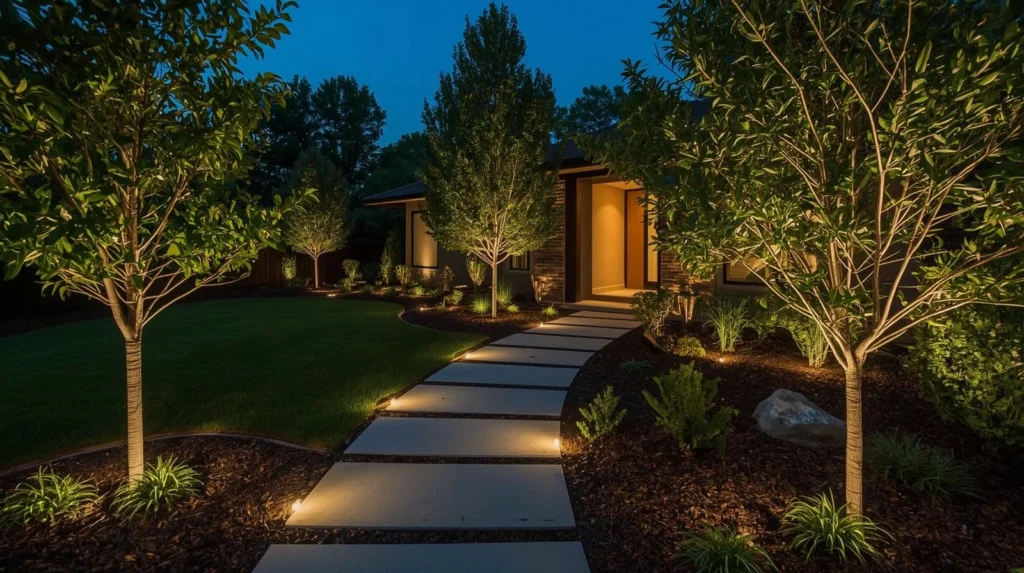
How to install low voltage landscape lighting in a modern front yard with LED path lights, tree uplighting, and a clean, professional layout at dusk.

Easy Guide to Low Voltage Lighting Setup

There’s something deeply satisfying about stepping back at dusk and seeing your yard come alive with soft warm glows. I’ve done dozens of landscape lighting projects over the years both as a professional and DIYer and I can tell you that low voltage outdoor lighting isn’t just about beauty it’s about safety, curb appeal and smart home function. If you are wondering exactly how to install low voltage landscape lighting this guide will discuss the entire process from planning your layout to wiring everything properly using a low voltage landscape lighting wiring diagram. Why Choose Low Voltage Outdoor Lighting? Before jumping into tools and wire connectors let’s talk about why you’re making this choice. Low voltage lighting installation uses a transformer to reduce the standard 120V current down to a safer 12V, making it perfect for homes with kids, pets or heavy foot traffic. Unlike high voltage systems installing low voltage outdoor lighting is safer more energy efficient and doesn’t require professional electrical licensing in most states with smart low voltage lighting system options and dusk to dawn landscape lighting setup you can automate your yard lighting completely. Planning Your Landscape Lighting Layout Trust me the biggest mistakes I’ve seen happen before a single fixture is installed. Spend time upfront to plan your landscape lighting layout thoughtfully. Walk your yard at night with a flashlight. Highlight areas like walkways, trees, water features and architectural elements. Then sketch a rough design. Think in terms of three light types: Path lighting using LED low voltage path lights Accent lighting for trees, shrubs, or statues Ambient lighting around patios or fences A good rule is to start small. You can always add more lights later using splitters or extending wires with cable connectors for landscape lighting. What You’ll Need: Tools & Materials Here’s what’s usually in my toolkit for a landscape lighting installation: Fixtures (path lights, spotlights) Transformer for landscape lights 12-gauge direct burial wire for landscape lighting Low voltage cables (check landscape lighting wire gauge) Cable connectors for landscape lighting Wire stripper/cutter Multimeter (for checking outdoor lighting voltage drop) Don’t forget your outdoor low voltage transformers should be rated for at least 20% more wattage than your total lighting load. Which brings us to… Understanding Wattage and Wire Runs Knowing the wattage requirements for low voltage lighting is key. Add up the wattage of all your fixtures. For example, ten 5W lights = 50W. If your transformer is 75W, you’re in the safe zone. When it comes to wiring the longer your wire run the more voltage drop you’ll get. Use a heavier landscape lighting wire gauge (like 12 AWG) for longer distances to keep your lights evenly bright. Wiring and Connection Tips If you’re asking yourself how to wire landscape lighting you’re not alone this is where most people hesitate. But wiring is easier than it looks. Use a low voltage landscape lighting wiring diagram (you can find free ones online or in product manuals). Start from the transformer and run the wire along your planned route. Use wiring for low voltage landscape lighting rated for outdoor use. Wiring low voltage lights means creating parallel circuits daisy-chaining the lights together while keeping consistent polarity. That’s critical. When using cable connectors for landscape lighting make sure they are waterproof and designed for direct burial. Installing the Lights: Step-by-Step Now we’re into the fun part installing landscape lighting. Place your fixtures where you want them. Run the wires loosely from the transformer to each light. Strip the wire ends and use connectors to join them to each fixture. Mount your transformer for landscape lights on a wall near a GFCI outlet. Connect the wires to the transformer, observing polarity (+ to +, – to -). Test the system before burying anything. Install outdoor lighting by burying wires at least 6 inches deep (especially direct burial wire for landscape lighting). I always recommend keeping a printed landscape lighting wiring diagram in your garage it’ll save you headaches if you troubleshoot later. Testing, Troubleshooting, and Adjustments Once everything’s connected flip the switch. If some lights are dim or flickering you may have a voltage drop issue. Use a multimeter to measure voltage at the farthest fixture. You can split your run into two shorter branches if needed. This is why how to connect low voltage lights properly using sealed watertight connectors is crucial. Bonus: Automate with Smart Lighting Want to take it a step further? Add dusk to dawn landscape lighting setup using timers, photocells, or smart home integration. A smart low voltage lighting system lets you control your entire yard from your phone. Final Tips & Safety Reminders Always follow outdoor lighting safety tips. Avoid overloading your transformer, keep connections dry, and regularly inspect buried wires. Installing low voltage landscape lighting may feel overwhelming at first, but once you’ve done it, it becomes second nature. Whether you’re doing a diy low voltage landscape lighting project or simply adding new fixtures to an existing system, it’s one of the most satisfying upgrades you can do to your home. Bring Your Outdoor Space to Life Let our experts handle your landscape lighting installation with precision and care.  Call (562) 208-0148 Book Lighting Service

Easy Guide to Low Voltage Lighting Setup Read More »

How Long Does Sod Take to Root

How Long Does Sod Take to Root? (Full Timeline + Care Guide)

You’ve just put down some fresh sod and you’re looking at it thinking, is it really accomplishing anything? That’s the bit they don’t tell you about, the waiting. For good reason, one of the most common questions new lawn owners ask is how long does sod take to root. Get the timing wrong and you could be left with dead areas, wasted money and a lawn that looks worse than it did before. Here’s the good news: If you get the correct care regimen, most sod starts growing shallow roots within 10 to 14 days. Full deep root establishment takes about 30 to 45 days. This guide will lead you through each step in the rooting process, what to watch out for and what to do week by week so your lawn does not only survive, it thrives. What Does Rooting Mean for Sod? Rooting is the process where the pre-grown grass beneath the sod pieces sends new roots down into the native soil beneath it. Until those roots connect, the sod is essentially sitting on top of the ground  alive but not anchored. Full rooting means the grass is drawing water and nutrients from your soil independently. Think of it like a transplanted tree. The tree looks fine in the ground on day one, but it won’t truly “take” until its roots spread into the surrounding soil. Sod works the same way. Unlike grass seed which germinates from scratch over weeks  sod arrives with an established root mat already attached. That’s its biggest advantage. But that root mat still needs to bond with your soil before it can sustain itself without daily watering. How Long Does Sod Take to Root? Shallow roots will begin to grow on most sod within 10 to 14 days of placement. Given sufficient care, the deep roots take 30 to 45 days to fully emerge. The average sod establishment window from install day to a completely self-sustaining lawn is generally 6 to 8 weeks. These are based on perfect watering, good soil preparation and installation at the right time of year. Skip any of those phases, and the timeline stretches out. Here’s the straight scoop: Your sod starts to take hold of the soil at the 10-14 day mark. It’s really hanging around the 30-45 day range. But “fully established” as in can withstand normal foot traffic, mowing and less watering is more like week 6 or 8. Sod Root Growth Stages Sod doesn’t root all at once. It happens in two distinct phases, and each one requires different care from you. Stage 1: Shallow Root Formation (Days 10–14) During the first two weeks, the grass pushes fine, shallow roots down into the top layer of soil. These roots are delicate. They dry out fast, and any disruption can break them off before they have time to strengthen. This is the most critical stage of the sod establishment timeline. Daily watering is non-negotiable here. Keep the soil beneath the sod consistently moist  not soaked, not dry. Stay off the lawn during this period. Even light foot traffic puts downward pressure on roots that haven’t gripped anything yet. Stage 2: Deep Root Development (Days 30–45) Once the shallow roots are in place, the grass starts pushing deeper  down through the soil in search of moisture. This is actually how you train a healthy root system: by watering less frequently but more deeply, you force the roots downward. At this stage, you can shift from daily watering to every other day. Each session should run longer than before so water penetrates deeper into the soil. This encourages the roots to follow the moisture down rather than staying shallow. By day 45, a properly cared-for lawn should have a root system that’s genuinely anchored. You can test this yourself  we’ll cover that below. How to Tell If Your Sod Is Rooting (The Tug Test) Gently lift one corner of a sod piece. If it pulls up with little to no resistance, the roots haven’t connected yet. If it resists and feels like it’s attached to the ground, rooting is underway. The more resistance you feel, the more established the root system. This simple tug test is the most reliable way to check progress without any equipment. Do it around day 10 to 12 for your first check, then again at day 30. You can also look for color. Healthy, rooting sod stays a rich green and lies flat against the soil. Sod that’s struggling often shows yellowing at the edges, slight lifting at the seams, or a spongy feel underfoot. How to Water New Sod Watering is the single biggest factor in how fast  or how slowly  your sod roots. Too much water causes fungal growth and root rot. Too little causes the roots to dry out and die before they ever connect. Here’s a practical week-by-week watering schedule: Week Frequency Duration Per Session Goal Week 1 3–4x daily 5–10 minutes Keep sod and top 1–2″ of soil moist Week 2 2x daily 10–15 minutes Maintain moisture, begin tapering Week 3 Once daily 15–20 minutes Encourage shallow roots to deepen Week 4–5 Every other day 20–25 minutes Push roots deeper into soil Week 6+ 2–3x per week 25–30 minutes Standard lawn maintenance schedule Always water in the early morning. Afternoon watering loses significant moisture to evaporation. Evening watering leaves the grass wet overnight, which promotes mold and fungal disease. Don’t hand-water if you can avoid it. An automated irrigation system gives more consistent coverage and prevents the dry patches that often appear near buildings, concrete edges, or asphalt where reflected heat pulls moisture out faster. How Long Does Sod Take to Root in Hot Weather? In hot weather  soil temperatures above 85°F  sod roots faster but also dries out faster. Shallow roots can form in as little as 7 to 10 days during summer. The trade-off is that the sod needs more frequent watering and is more vulnerable to heat stress in the first two weeks.

How Long Does Sod Take to Root? (Full Timeline + Care Guide) Read More »

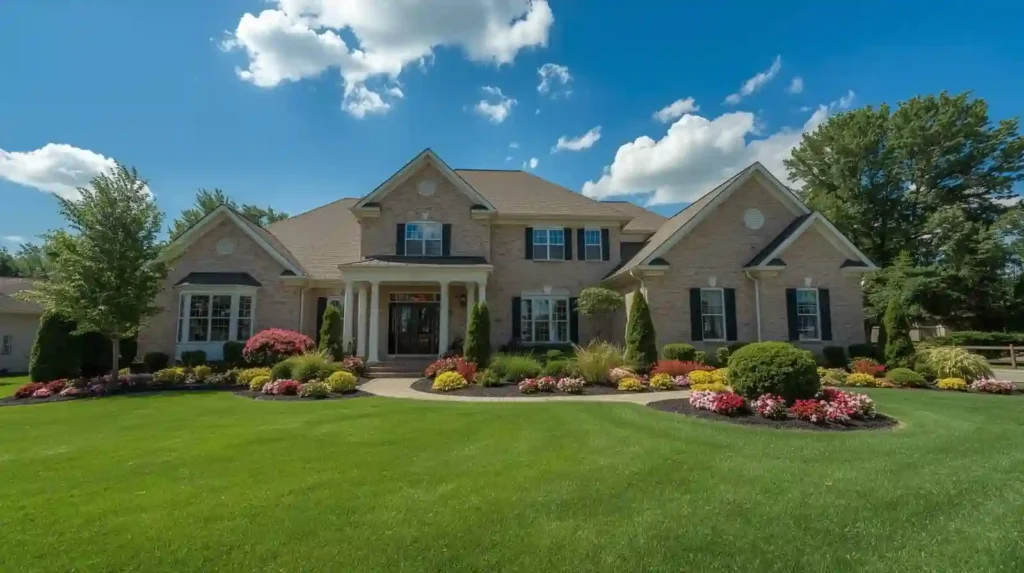
Beautiful front yard with lush lawn, flower beds, and shrubs showing how much does landscaping cost for a home

How Much Does Landscaping Cost?

Introduction   Landscaping transforms your home`s outdoors right into a stunning area everybody can enjoy. Well-designed landscaping ties the residence to the outside for a cohesive, harmonious property. Landscaping is frequently properly really well worth the value, too. An universal panorama improve or maybe smaller tasks like backyard renovation or garden provider will pay for themselves upon sale of the residence.  Landscaping costs $2,600 at the low give up for a easy lawn refresh and $13,700 at the excessive give up for a whole overhaul. The common value of landscaping is about $8,150.   The cost of landscaping varies in step with the dimensions of the area, the substances used, and the sort of landscaping project. Whether you higher expert landscapers or in case you do a number of the paintings your self additionally has a bearing at the price of the landscaping.  Landscaping Cost Per Square Foot  Determining the price of landscaping per square foot is precious to get a trendy experience of the general price of the project. You can assume landscaping to price from $4 to $17 per square foot. The common price of landscaping in step with rectangular foot is around $11 in step with per Sq foot.  Most residential homes are 0.2 acre or over 8,000 square feet, except for the house.2 Keep in head  that now no longer all the belongings can be landscaped.  Area Landscaped Cost  250 square feet $3,250  500 square feet $5,500   750 square feet $8,250  1,000 square feet $11,000  Factors That Influence The Cost of landscaping   Let`s study many of the elements that have an effect on the price of landscaping initiatives:   The length of the landscaping area   A project can be short and smooth for a smaller space. The length of the yard/working quarter might be a massive aspect in the way you fee your services. On average, landscaping expenses about $12 consistent with sq foot. This will increase or decreases relying at the complexity of the project.    The complexity of layout and implementation   Some landscaping designs can be simple. Others can also additionally need a custom stone walkway and a three-tiered waterfall. The preferred layout will have an effect on the pricing model. The extra complex, the extra highly-priced the project might be.    The preference of plant life and substances   Some plant life and substances price some distance extra than others. Not each home owner can come up with the money for the maximum highly-priced stones and uncommon flowers. But for people who can, the price/ cost of the project will pass up accordingly.     The availability of stated substances   On the notice of substances – now no longer the entirety is with no trouble available. Supply chains and places will have an effect on this. If positive substances should be eparticularly ordered and postpone the assignment, this may be extra highly-priced.    The place and get entry to considerations   Hopefully, the project is out there and smooth to get substances to. However, there might be a few project sites which can be tougher to get to. If a domain calls for multiplied exertions to get substances to and from, the price have to mirror that.      Machine paintings and land moving   Some landscaping initiatives require gadget working to relevel floor or carve out hillsides. Many landscaping agencies will should agreement out for this. The price of operating/renting equipment isn`t cheap.    Automation and generation integration   Even the excellent exterior can`t keep away from generation. Many house owners will desire for automatic structures of their yards. This can be sprinkler structures, lighting, or maybe audio system stressed out into extraordinary areas.   Landscaping Cost Breakdown   Landscaping is a blanket time period for an array of services. Because of this, the rate factors can get a piece confusing. How one carrier is priced might not align with how you`d rate a extra complex job.    Here are the various panorama fees that have to be evaluated:   Initial Costs Vs. Long-Term cost   The preliminary price of landscaping can also additionally appear expensive, however it will pay off. Homeowners can count on a 15-20% boom in domestic value. Landscapers have to sense assured that their expenses are really well worth the investment.    Material Costs Vs. Labor Costs   Materials and exertions are the 2 largest elements in price. Labor normally bills for approximately 50% of the entire venture price, even as substances account for maximum of the opposite half. Labor has a tendency to be extra bendy and variable.    Cost Variations Based on Project Scale   Costs and pricing will range consistent with the dimensions of the job. The complexity, the size, the substances, and the exertions will all element into this. Pricing can and have to be adjusted for extra exertions-extensive work.     Hidden Costs to Consider Before Starting   Some cost can also additionally sneak up on you. Things like transport cost for rare substances, extra time hours, water regulations, and allowing can all upload up. Keep in thoughts that matters happen, and little costs can also additionally begin to pile on.  Landscaping Services Cost with the aid of using Service Type  Different offerings have special pricing structures.  Lawn Installation  Includes seeding or sod placement.  Tree Planting  Costs range primarily based totally on tree length and species.  Mulching  Typically one of the greater low-cost panorama improvements.  Irrigation Installation  Depends on assets length and gadget complexity.  Landscape Lighting  Pricing varies in line with fixture amount and wiring requirements.  Hardscaping  Usually many of the highest-fee landscaping offerings due to exertions and fabric demands.  Get a Landscaping Estimate in Whittier, CA If you’re in the Whittier area and want honest, accurate pricing without the runaround, Robert’s Complete Care handles full Landscape Installation Services in Whittier  from initial design consultations through complete installation and ongoing care. The team works across softscaping and hardscaping projects, including irrigation systems, hardscape design, lawn installation, tree and shrub services, and more. A free estimate takes the guesswork out of budgeting and gives you real numbers for your specific yard. Call

How Much Does Landscaping Cost? Read More »

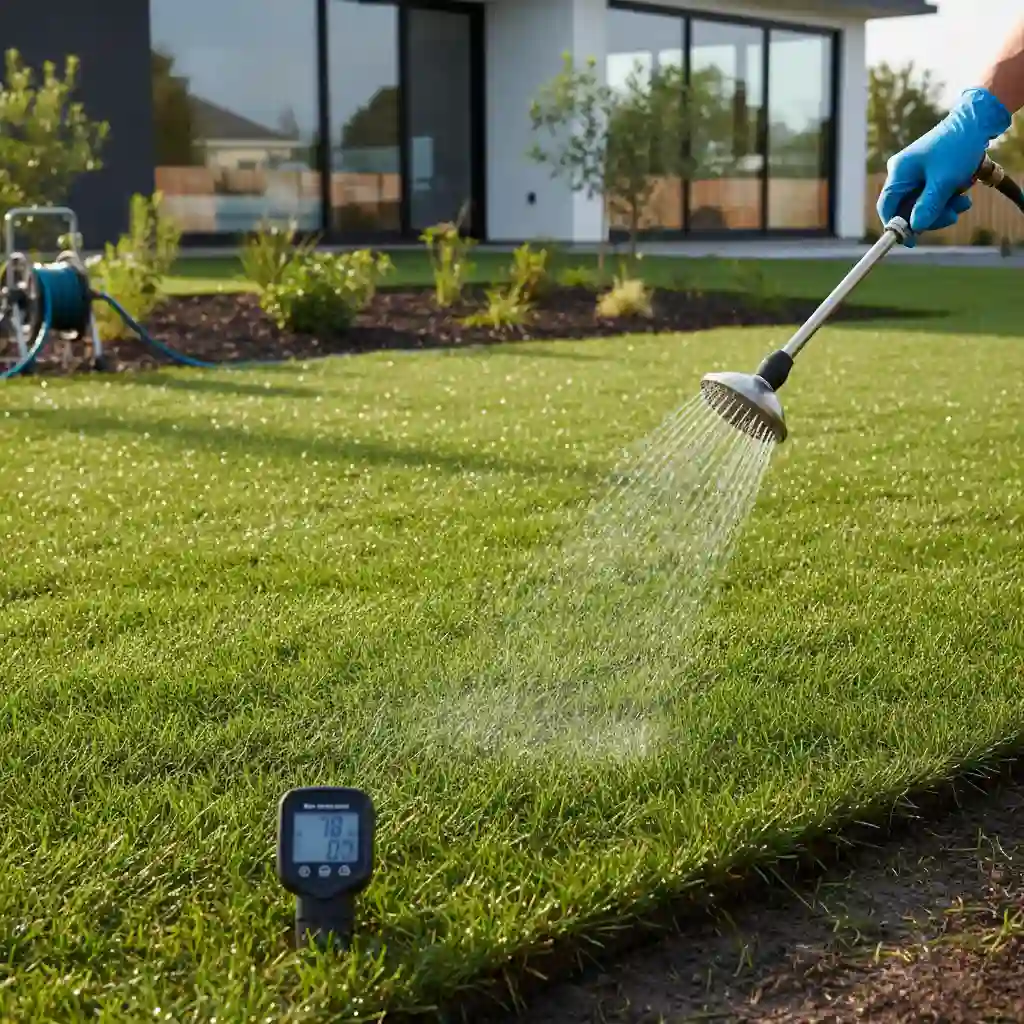
Watering new turf lawn with a sprinkler to show how much to water new turf properly

How Much to Water New Turf? The Complete Guide to a Healthy Lawn

It’s fun to lay new turf, but most homeowners make mistakes when it comes to keeping it alive. If you’ve recently laid down new sod or had a lawn put in by a contractor, you might be wondering how much to water new turf for the best chance of living. It dries out if you don’t give it enough. It drowns if it becomes too much. Getting this properly in the first few weeks is the most important thing. This book explains in simple terms how much water fresh grass requires, when to water it, what to do each season, and the mistakes you should never make. Why Proper Watering Is Critical for New Turf A new lawn is not the same as an old one. When you lay sod, the roots are just approximately half an inch to an inch deep. The grass needs you for water until their roots reach the ground below. The lawn establishing period is the first few weeks after planting. It can run from 2 to 6 weeks, depending on the species of grass and the time of year. The top inch of soil must keep wet throughout this period. If there isn’t any water farther down, the roots can’t chase it. You could lose sections of grass for good if the soil dries up even once during this time. Think of it this way: new turfgrass sod is like a person who has just had surgery. It needs careful, regular care right after the surgery, not neglect, and not too much work. The Role of Root Establishment Root establishment is the process where the new grass sends roots down into your native soil, anchoring itself and becoming self-sustaining. Until this happens, watering is your number one job. Once roots are 2–3 inches deep and you can no longer easily lift a corner of sod, you’re entering the maintenance phase where watering becomes less frequent but deeper. When to Water New Sod What Is the Best Time to Water New Turf? The optimal time to water fresh grass is in the morning, between 5 and 9 AM. The weather is cool right now, the wind is usually calm, and the sun hasn’t started to speed up the evaporation rate yet. Instead of evaporating off the surface, water soaks into the ground. Don’t water in the middle of the day. Because of the heat and bright sun, most of the water evaporates before it can get into the ground. You squander water and don’t give the roots enough to drink. People typically worry about watering in the evening. If the grass stays wet all night, it can get fungal diseases, which is an easy way to damage a young lawn that is otherwise healthy. Quick Tip: If you absolutely must water during the day due to extreme heat in the first 24–48 hours after installation, do it. Heat stress can kill new sod faster than fungal risk in that critical window. How to Water New Sod Proper technique matters just as much as timing. Here’s how to do it right. Step 1  Water Immediately After Installation The moment new sod goes down, it needs water. Don’t wait until the next morning. Apply water within 30 minutes of laying each section. The first watering should saturate the soil 3–4 inches deep. Step 2  Check Soil Moisture Daily Every morning for the first two weeks, lift one corner of the sod. The dirt below should feel like a wet sponge, but not too wet. If it’s dry and crumbly, do it more often. If water is pooling or squishing, stop. Step 3  Water in Overlapping Passes Whether you’re using a sprinkler or an irrigation system, make sure your sprinkler coverage overlaps by about 30%. This prevents dry spots where the sprinkler patterns don’t quite reach; those are the brown patches you’ll notice in week two if you’re not careful. Step 4  Reduce Frequency as Roots Establish Slowly cut back on how often you water after the first two weeks. In week 3, stop watering every day and start watering every other day. In weeks 4–6, water 2–3 times a week. This makes the roots grow deeper, which is what you want because they are looking for water. How Much Water Does a New Turf Need? The Daily Water Target New grass needs around 1 to 1.5 inches of water every day for the first two weeks. This sounds like a lot, but keep in mind that the idea is to keep the top 3–4 inches of soil wet all the time while the roots are growing. After the establishment stage (weeks 3–6), cut back to 1 inch of water per week, which is the usual amount of water for most varieties of grass. Is 30 Minutes of Watering Grass Enough? This relies only on the sort of sprinkler you have and how much water pressure you have. A regular oscillating sprinkler might provide you with approximately 0.5 inches in 30 minutes, which isn’t enough during the establishment phase. A well-installed in-ground irrigation system with rotor heads might give you 0.75 inches in the same amount of time. You can only be sure by measuring. For more on that, see the How to Measure Water Accurately section below. New Turf Watering Schedule Here’s a practical week-by-week watering new sod schedule for most climates: Week 1–2: Heavy Establishment Phase Water 2–3 times per day, with sessions of 15–20 minutes each. Focus on morning watering, adding a mid-afternoon session only if temperatures are very high. The goal is to keep the top 3–4 inches of soil moist at all times. This is the most critical window of the entire new lawn watering guide. Week 3–4: Tapering Phase Reduce to once per day in the morning, extending each session to 20–30 minutes. By this point, roots should be starting to anchor into the soil 4–6 inches deep. You’ll notice the sod feels more firm underfoot. Week 5–6: Transition to Maintenance

How Much to Water New Turf? The Complete Guide to a Healthy Lawn Read More »