Landscape Maintenance

Keep your landscape clean, healthy, and attractive year-round.

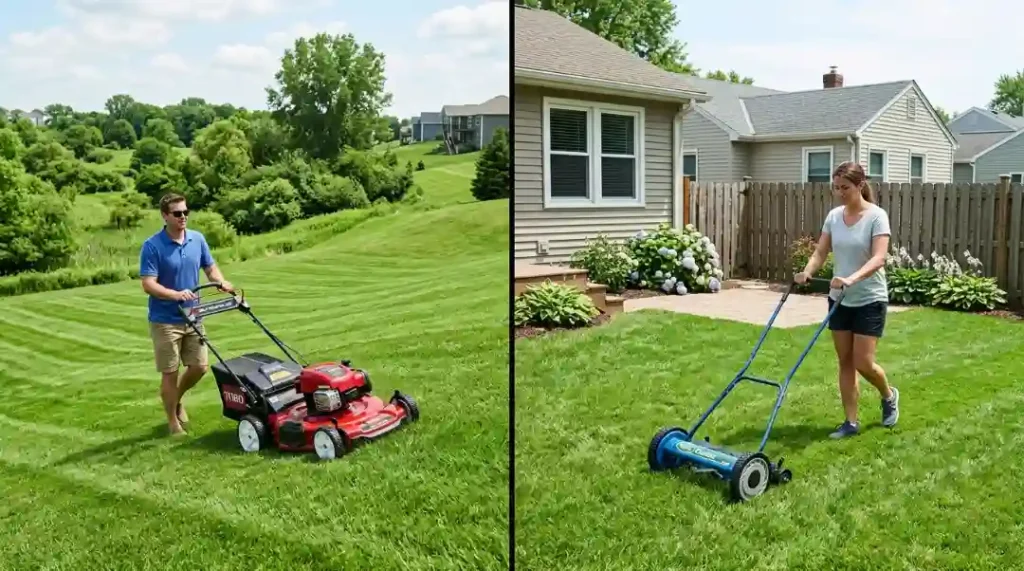
Self propelled vs push mower side by side comparison showing a man using a red self-propelled mower on a large hilly lawn and a woman pushing a blue reel mower in a small flat backyard

Self-Propelled vs Push Mower: Which One Do You Actually Need?

It’s like buying hiking boots for a beach vacation if you get the incorrect mower. It works, but you’ll always regret it. Most homeowners either buy a self-propelled mower they don’t need or have to deal with a big, steep yard with a simple push mower. You wasted time, energy, and money on both mistakes. This tutorial goes over everything you need to know about the self propelled vs push mower argument, including engine power, performance on different types of terrain, pricing, and maintenance. By the end, you’ll know exactly which mower is best for your grass, your budget, and your body. What Is a Self-Propelled Mower? A self-propelled mower uses a built-in drive system to move itself forward. You guide it; the motor does the pushing. This drive system connects to the wheels, not just the blades, which is what separates it from a standard push mower. Most models let you control the speed through a lever or bail bar on the handlebar. Some offer variable speed, which means you can match the mower’s pace to your walking speed. Gas-powered models typically run between 140cc and 220cc, while battery-powered versions range from 20V to 120V. Types of Drive Systems: FWD, RWD, and AWD Not all self-propelled mowers drive the same way, and this matters more than most buyers realize. Front-Wheel Drive (FWD): Best for flat, obstacle-filled yards. FWD mowers are easy to pivot around flower beds and trees, but they lose traction on slopes when you lift the front wheels slightly to turn. Rear-Wheel Drive (RWD): The go-to for hilly or uneven terrain. The rear wheels grip the ground better on inclines, giving you more stability and control going uphill. All-Wheel Drive (AWD): Handles the toughest terrain, including wet grass, steep slopes, and mixed landscapes. AWD mowers cost more, but for complex yards, they’re worth it. What Is a Push Mower? A push mower moves only because you push it. The engine (if it has one) powers the cutting blades, but your legs power the forward movement. It’s straightforward, reliable, and low-maintenance. Bold answer: A push mower is a walk-behind mower where the operator provides all forward movement manually. The engine or motor runs only the cutting blades. Push mowers are lighter, cheaper, and easier to maintain than self-propelled models, making them ideal for small, flat lawns under 1/4 acre. Push mowers come in three main types, and choosing the right one makes a real difference. Types of Push Mowers to Consider Manual Reel Mowers: No engine at all. The spinning cylindrical blades are powered entirely by your forward motion. They’re quiet, eco-friendly, and perfect for small, well-maintained lawns. They won’t handle tall or thick grass well. Electric Push Mowers: Corded or battery-powered. They run the blades with an electric motor while you provide forward movement. Quieter than gas, zero emissions, and lower maintenance. Battery models typically range from 20V to 60V. Gas-Powered Push Mowers: Engine displacement usually falls between 125cc and 160cc. More cutting power than electric models, but noisier and they produce exhaust. Best for slightly larger flat lawns where you need reliable blade power. Head-to-Head Comparison: Self-Propelled vs Push Mower Here’s a direct breakdown across the categories that actually matter to most homeowners. Ease of Use Self-propelled mowers reduce physical strain significantly. If you have a bad back, knee problems, or simply don’t want to break a sweat, a self-propelled model handles the heavy work. Push mowers are simpler to operate on small, flat lawns since there’s no drive system to manage. Power and Engine Size Self-propelled mowers carry more powerful engines to handle both propulsion and blade rotation. Gas models run 140cc to 220cc. Push mowers use smaller engines, 125cc to 160cc, because 100% of that power goes straight to the blades. Speed and Cutting Efficiency Self-propelled mowers hold a steady 3 to 4 mph regardless of fatigue. Push mowers depend entirely on your pace, which slows down naturally as you tire, especially on warm days or large areas. Inconsistent speed often leads to uneven cuts. Weight and Maneuverability Push mowers weigh between 35 and 65 pounds. Self-propelled models range from 45 to 110 pounds due to the added drive system hardware. However, because the drive system carries the mower’s weight during use, you rarely feel that extra weight while mowing. In tight spaces with lots of obstacles, a push mower still wins on pure maneuverability. Fuel Efficiency Push mowers are more fuel-efficient because the engine only runs the blades. Self-propelled mowers use 10% to 25% more fuel to power the drive system on top of the blades. Over a full season, that difference adds up. Noise Levels Gas-powered self-propelled mowers typically operate at 85 to 95 decibels. Gas push mowers are similar, around 80 to 90 decibels. Electric versions of both types drop to roughly 60 to 75 decibels, a noticeable difference in suburban neighborhoods with close neighbors. Maintenance Requirements Push mowers are much simpler to maintain. Annual gas model maintenance covers an air filter change, spark plug replacement, and oil change. Electric versions need only battery checks and blade sharpening. Self-propelled mowers require all of the above, plus regular inspection of the drive belt, drive cable lubrication, gear cleaning, and speed control adjustments. More moving parts means more potential failure points. Cost Comparison Push Mower Self-Propelled Mower Entry-Level $60 (reel) / $130 (gas) $330 Mid-Range $250 to $400 $500 to $900 Premium $600 to $800 $1,000 to $2,200+ The price gap is real. But for large or hilly yards, a self-propelled mower pays for itself in saved time and physical effort over a single season. Self-Propelled Mowers: Which Drive Type Is Right for You? Consider your yard’s layout before deciding between front-wheel drive (FWD), rear-wheel drive (RWD), or all-wheel drive (AWD). For yards that are generally level with a few trees and garden beds scattered about, front-wheel drive makes turning and maneuvering a breeze. A vehicle with rear wheel drive (RWD) has superior grip and control on moderately hilly terrain. The most

Self-Propelled vs Push Mower: Which One Do You Actually Need? Read More »
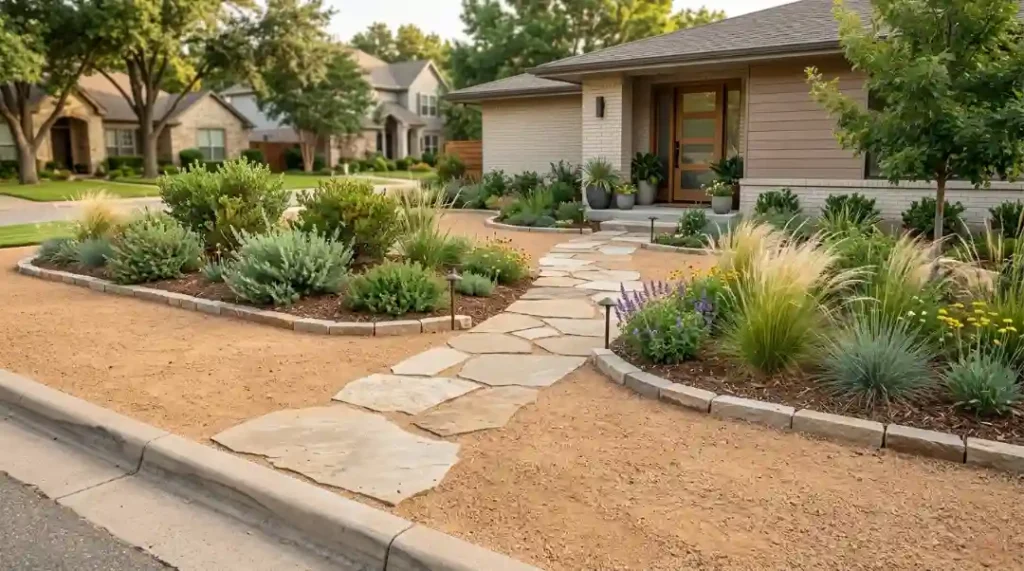
Low maintenance front yard landscape ideas with flagstone path, ornamental grasses, native shrubs, and decomposed granite ground cover.

Low Maintenance Front Yard Landscape Ideas That Actually Work

Most individuals want their front yard to look nice without taking up all their free time. You already know how annoying it is to mow, water, and weed your lawn, which never seems to end. The truth is that a pretty front yard doesn’t have to mean a lot of work all the time. The correct low-maintenance front yard landscaping ideas can cut your yard effort in half or more. This article has useful tips for every budget, from basic plant swaps to complete hardscaping plans. No matter if you’re beginning from scratch or want to change things up, you’ll find something here that works for your space, your climate, and your schedule. What Makes a Front Yard Truly Low Maintenance? A truly low-maintenance front yard relies on three things: the right plants for your climate, smart ground coverage that blocks weeds, and hardscaping that does not need seasonal attention. When these three elements work together, you spend minutes per week on upkeep instead of hours. Think of it like building a system. Each plant, rock, and pathway plays a role. When everything is chosen with purpose, the yard practically runs itself. The biggest mistake most homeowners make is choosing plants they love the look of, without checking if those plants suit their local soil and rainfall. That one decision leads to more watering, more fertilising, and more replacement plants every season. Use Rocks and Mulch for a Beautiful, Low-Maintenance Front Yard Rocks and mulch are two of the most useful things you can use to make your yard seem nice without having to do a lot of work. They keep weeds from growing, preserve moisture in the soil, and make your yard look neat with little to no work. You need to refill your mulch once a year. Rocks don’t need to be taken care of for years. Both are far better than bare soil, which lets weeds grow and dries up quickly. Put a layer of garden cloth under your rock or mulch beds to make them look more polished. This stops weeds from growing at the root level before they even start. Popular Options for Low-Maintenance Landscape Materials Material Best For Maintenance Level Avg. Cost Per Sq. Ft. Decorative gravel Pathways, borders Very Low $1–$3 River rock Dry creek beds, focal areas Very Low $2–$5 Wood chip mulch Plant beds, tree rings Low (annual refresh) $0.50–$1.50 Decomposed granite Driveways, open zones Low $1–$3 Rubber mulch Play areas, slopes Very Low $3–$6 Designing Your Front Yard for Minimal Effort Good design is what separates a yard that looks planned from one that just looks neglected. You do not need a landscape architect to get this right. Start by reducing the size of your lawn. Every square foot of grass you replace with gravel, ground cover, or hardscaping is one less area to mow and water. Even replacing 30% of your lawn makes a visible difference in time spent. Group plants by water needs. This is called hydrozoning, and it’s one of the most practical things you can do. When thirsty plants and drought-tolerant plants share the same zone, one group always suffers. Hardscaping Ideas That Require Zero Watering Rocks and mulch are two of the most useful things you can use to make your yard seem nice without having to do a lot of work. They keep weeds from growing, preserve moisture in the soil, and make your yard look neat with little to no work. You just need to refill your mulch once a year. Rocks don’t need to be taken care of for years. Both are far better than bare soil, which lets weeds grow and dries up quickly. Put a layer of garden cloth under your rock or mulch beds to make them look more polished. This stops weeds from growing at the root level before they even start. Trade Your Front Yard Lawn for Edibles Replacing grass with edible plants is one of the most creative easy landscaping ideas you can try. Dwarf fruit trees, herb borders, and low-growing berry plants give your yard seasonal interest and something useful in return. Dwarf citrus trees  lemon, orange, or fig  work well in smaller front yards. They add verticality, produce real fruit, and need far less water than a maintained lawn. Just choose varieties suited to your USDA Hardiness Zone. Herb borders along pathways are another smart move. Lavender, rosemary, and thyme are tough plants that smell great, require almost no water once established, and naturally deter pests. Low Maintenance Front Yard Landscape Ideas on Any Budget You do not need a big budget to get results. Here’s a realistic breakdown: Under $300  Simple Swaps That Work Replace one lawn section with wood chip mulch and two or three drought-tolerant shrubs Add landscape fabric under existing garden beds to cut weeding time in half Plant creeping thyme or clover between stepping stones for a natural, no-mow look $300–$1,000  More Coverage, Less Grass Install a gravel pathway with stone edging from the street to your front door Add a mix of ornamental grasses and native perennials to replace part of your lawn Use river rock to build a dry creek bed that also manages rainwater runoff $1,000–$3,000  Full Low-Maintenance Makeover Replace the entire lawn with decomposed granite, flagstone paths, and native plant groupings Install a drip irrigation system to automate watering for remaining plants Add a low stone retaining wall to frame the yard and stop soil erosion Best Plants for a Low Maintenance Front Yard Plant selection is the single most important decision you’ll make. Choose wrong, and you’re constantly watering, replacing, and managing. Choose right, and the plants do the work for you. Drought-Tolerant Perennials Perennials come back every year without replanting. That alone makes them worth the initial investment. Top picks: Lavender  fragrant, deer-resistant, thrives in dry conditions Black-eyed Susan bright yellow blooms, needs little water after the first season Sedum (Stonecrop)  spreads naturally, handles poor soil, very low water Russian Sage  tall,

Low Maintenance Front Yard Landscape Ideas That Actually Work Read More »

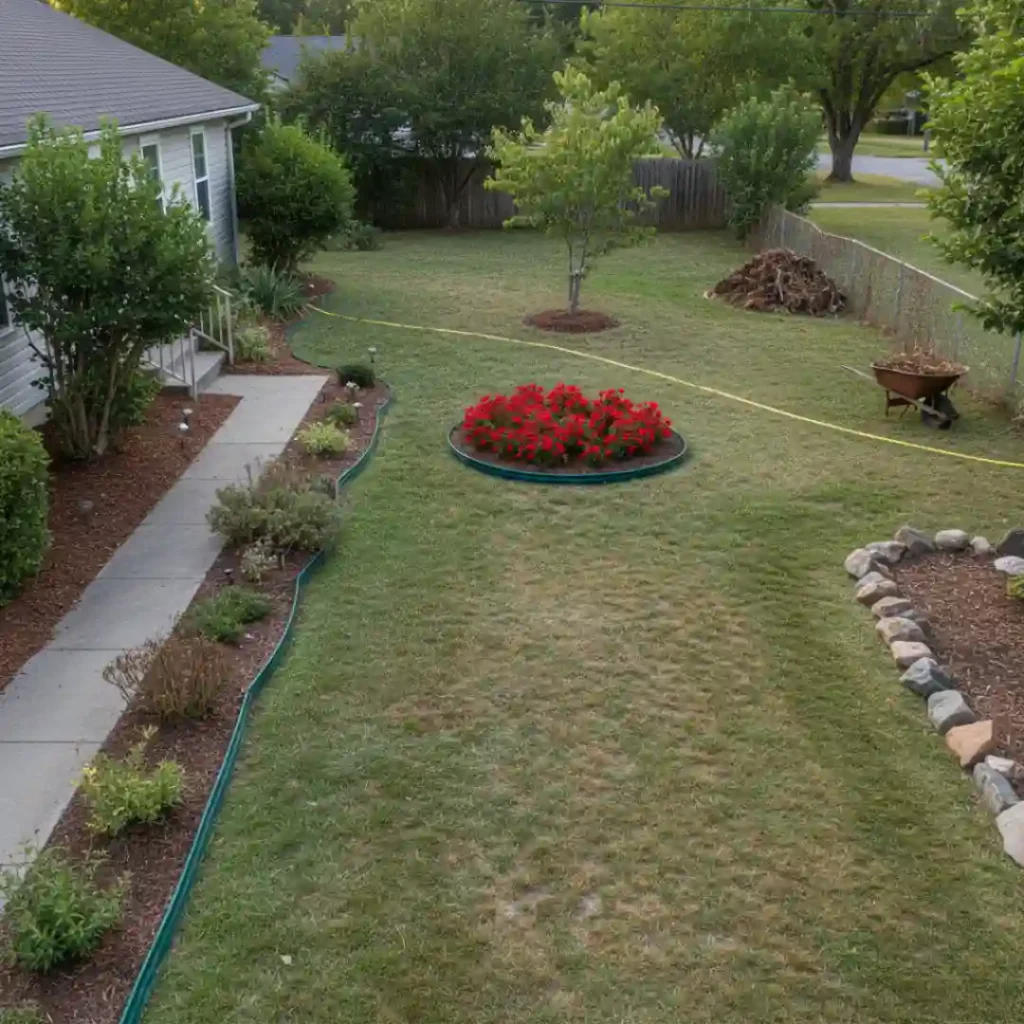
Backyard lawn with circular flower bed, curved borders, mulch beds, and landscaping layout in progress

10 Landscaping Mistakes to Avoid in Your Yard?

Most homeowners put real effort into their yard, then wonder why it still looks off. You’ve mowed, planted, and maybe even added a patio  but something isn’t working. That’s because good-looking yards aren’t just about effort. They’re about avoiding the wrong moves. This guide covers the 10 landscaping mistakes to avoid in your yard  the ones that quietly drain your budget, stress your plants, and kill your curb appeal. Whether you’re starting fresh or fixing what’s already there, you’ll walk away knowing exactly what to change and why. 1. Steer Clear of Lawn Care Slip-Ups The most damaging lawn care mistake is inconsistency \ mowing too short one week, skipping irrigation the next, and never following a set schedule. This kind of irregular care stresses grass roots, opens the door to weeds, and creates bare patches that spread fast. Cutting your grass too short (called “scalping”) is one of the most frequent errors. Most cool-season grasses need to stay at 3 to 4 inches. Cutting below that exposes soil, burns roots in heat, and weakens the turf’s ability to crowd out weeds. Overwatering is just as damaging as drought. Grass roots need oxygen. Soggy soil suffocates roots and creates the perfect condition for fungal diseases like brown patch and dollar spot. Focus on Soil Health Good landscaping starts underground. If your soil is compacted or lacks nutrients, no amount of water will make your grass green. Soil health issues are a primary reason why yards look dull. Test your soil to see if it needs lime, sulfur, or organic compost. Proper Mowing Heights To keep your lawn healthy, never remove more than one-third of the grass blade at a time. This keeps the soil shaded and moist, preventing overwatering needs and stopping invasive seeds from sprouting. 2. Wrong Plant, Wrong Place Putting the wrong plant in the wrong location is one of the fastest ways to lose money on landscaping. A shade-loving plant baked in full sun won’t just look bad  it’ll die, and you’ll replace it every season. Before buying anything, check two things: your USDA hardiness zone and your soil type. A plant rated for Zone 9 won’t survive a Zone 6 winter, no matter how much you mulch it. Clay-heavy soil that drains poorly will drown deep-rooted species like lavender or rosemary. Native plants are a smart fix here. They’re already adapted to your local rainfall, soil chemistry, and temperature swings. They need less fertilizer, less water, and less babysitting once established. 3. Outdoor Sitting Areas Gone Wrong The biggest mistake with outdoor seating and patios is placing them without considering sun exposure, privacy, and foot traffic flow. A patio in direct afternoon sun in July becomes unusable, no matter how nice the furniture is. Scale is another common issue. A tiny patio attached to a large home looks awkward and limits how many people can use it comfortably. Standard guidance from landscape architects suggests a patio should be at least 12×12 feet for basic seating, with 16×18 feet or larger for dining areas. Also, think about the transition from interior to exterior. A patio that’s several steps below the back door creates a disconnected feel and can be a safety risk, especially for older family members. 4. Impulse Plant Purchasing Without a Buying plants on impulse  because they looked good at the nursery   without a plan is how yards become cluttered and chaotic. You end up with a random mix of species that bloom at different times, clash in color, and compete for the same nutrients. A basic landscape plan doesn’t need to be complex. It should cover: what grows in each zone of your yard, the mature size of each plant, and the seasonal sequence of color or texture. Many landscapers use a “right plant, right place” framework that starts with function first  privacy screen, ground cover, focal point  then selects plants to fill those roles. Skipping this step is one of the core 10 landscaping mistakes to avoid in your yard that costs homeowners the most money over time. 5. Mistake: Not Recycling Your Fall Yard Waste Bagging and tossing fall leaves instead of composting or mulching them is a missed opportunity. Those leaves are free organic matter that can feed your soil, suppress weeds, and reduce moisture loss around tree roots. Leaf mulch (simply shredding leaves with a mower and leaving them on the lawn) adds nitrogen back to the soil as it breaks down. Studies from Michigan State University Extension show that mulched leaves improve soil structure and reduce weed germination when applied at a depth of 3 to 4 inches around beds. Composting yard waste also cuts down on what goes to landfill. In the U.S., yard trimmings make up about 12% of municipal solid waste, most of which could be composted instead. 6. Prioritizing Your Front Yard Too Much It is easy to focus on curb appeal pitfalls because that’s what the neighbors see. However, neglecting your backyard means you are losing out on living space. Creating a Balanced Layout A nice design for a landscape. An expert from Landscape Design Whittier, will advise you that your backyard should be your own private space. Don’t use up all of your money on the front yard. Make sure that your investment is balanced so that you have a nice, useful environment where you spend time. 7.Neglecting Lawn Care Basics Skipping soil testing, fertilizing on a random schedule, and ignoring thatch buildup are the lawn care basics that quietly destroy grass health over several seasons. Soil testing costs between $15 and $30 at most county extension offices, and it tells you exactly what your lawn is missing  nitrogen, phosphorus, potassium, or pH correction. Without it, you’re guessing. And most homeowners who guess apply too much nitrogen in summer, which burns turf and feeds weeds instead. Thatch  that layer of dead grass stems and roots that builds up between the soil and living grass  blocks water and nutrients from reaching roots

10 Landscaping Mistakes to Avoid in Your Yard? Read More »

How to care for a pothos plant indoors using water propagation in a glass vase near bright indirect light

How to Care for a Pothos Plant? (Complete Indoor Care Guide)

Pothos plants are hard to kill  and that’s exactly why millions of people grow them. Whether you’re a first-time plant parent or someone who’s already lost a few houseplants to neglect, the pothos meets you where you are. It’s forgiving, fast-growing, and genuinely beautiful. Knowing how to care for a Pothos plant doesn’t take a horticulture degree. In fact, the biggest mistake most people make is overcomplicating it. This guide gives you everything you need  watering schedules, soil choices, light requirements, propagation steps, and more  so your pothos thrives instead of just survives. What Is a Pothos Plant? A pothos plant (Epipremnum aureum) is a tropical vining houseplant native to the Solomon Islands. It’s one of the most popular indoor plants in the world, known for its heart-shaped leaves, trailing growth habit, and tolerance of low-maintenance care. It belongs to the Araceae family and is sometimes called devil’s ivy because it stays green even in the dark and is nearly impossible to kill. The nickname says a lot about its resilience. Pothos can grow in soil, water, or even just hang in a pot with no drainage. It adapts to almost any indoor environment, which is why it’s a staple in homes, offices, and even hospital waiting rooms. Types of Pothos There are over a dozen varieties of pothos, each with distinct leaf patterns, colors, and growth rates. The most common types include Golden Pothos, Marble Queen, Neon Pothos, Manjula, Cebu Blue, and Pearls and Jade. Here’s a quick breakdown of the most popular ones: Golden Pothos  The classic. Green leaves with golden-yellow variegation. Very fast grower and the most widely available. Marble Queen Pothos  White and green marbled leaves. Grows a little slower because the white parts have less chlorophyll for photosynthesis. Neon Pothos  Bright chartreuse-green leaves. No variegation, but the color is striking. Loves brighter light to keep that vivid hue. Njoy Pothos  Small leaves with white and green patches. More compact than other varieties, great for small spaces. Cebu Blue Pothos  Blue-green leaves that develop fenestrations (natural splits) as the plant matures. More of a collector’s variety. The Basics of Pothos Plant Care Let’s examine the fundamentals of pothos plant maintenance. Although pothos houseplants are surprisingly forgiving, knowing a few fundamentals will help your plant flourish. Requirements for Pothos Light Is direct sunlight necessary for pothos? This is one of the most often asked topics. The good news is that the answer is no. In actuality, pothos plants favor bright, indirect light. In their native tropical setting, imagine the dappled sunshine that comes through a tree canopy. Your pothos will thrive next to a window that provides it with ample light without harsh, direct rays. The best windows are those that face east or north. Can pothos endure in dimly lit environments? Of course! They are so well-liked in part because of this. They may lose some variegation and grow more slowly in darker environments, but they will still live. Your pothos needs additional light if you see that the leaves are getting smaller or the tendrils are getting sparser. Conversely, you are exposing it to too much direct sunlight if the leaves begin to appear scorched or withered. It should bounce back if you move it a few feet away from the window. Needs for Humidity and Temperature Pothos likes warmth and humidity because it is a tropical houseplant. 65°F to 85°F is the optimal temperature range. Pothos, however, can withstand temperatures as low as 50°F. Anything less than that could harm your plant. Your pothos most likely feel at ease in your house if you do. Does humidity appeal to pothos? Indeed, it does! Although pothos can tolerate typical home humidity levels, additional moisture in the air will help them grow even more. If your house is extremely dry, especially in the winter, think about misting your plant from time to time or putting it close to other plants to create a little humid environment. If you want to go above and beyond, you can also use a humidifier or a pebble tray filled with water. The Ideal Soil for Pothos Plants The ideal soil for pothos plants retains some moisture while draining efficiently. Although regular potting mix is perfect, you can improve it by adding a little amount of perlite or orchid bark to provide additional drainage. Avoiding wet soil is crucial. Waterlogged soil can cause root rot, which is one of the few ways you can really damage these hardy plants. Pothos roots require air. Choose a potting mix that is labeled “houseplant” or “indoor plant” if you’re using one that has already been prepared. Usually, the proper balance is used in their formulation. Pothos Lowest Temperature Pothos plants can tolerate a minimum temperature of 50°F (10°C), but they really prefer staying above 60°F. Prolonged exposure to cold drafts or temperatures below 50°F causes wilting, blackened leaves, and root damage. Keep your pothos away from air conditioning vents in summer and drafty windows in winter. Cold stress doesn’t always show up immediately  sometimes you’ll notice yellowing or sudden leaf drop days after the cold exposure. If you live in USDA hardiness zones 10 to 12, you can grow pothos outdoors year-round. In other climates, bring it inside before temperatures drop below 55°F. It is better to place indoors if you reside in a colder environment. Check out our guide, How to Protect Your Plants from Frost, for seasonal protection advice. How Often to Water a Pothos Plant Water a pothos plant every 7 to 14 days during the growing season (spring and summer) and less frequently in fall and winter. The best rule of thumb is to water when the top 1 to 2 inches of soil feel dry. Overwatering is the number one reason pothos plants die. The roots sit in wet soil, oxygen gets cut off, and root rot sets in fast. Once root rot takes hold, it’s very hard to reverse. Here’s a practical watering approach: Stick your finger

How to Care for a Pothos Plant? (Complete Indoor Care Guide) Read More »

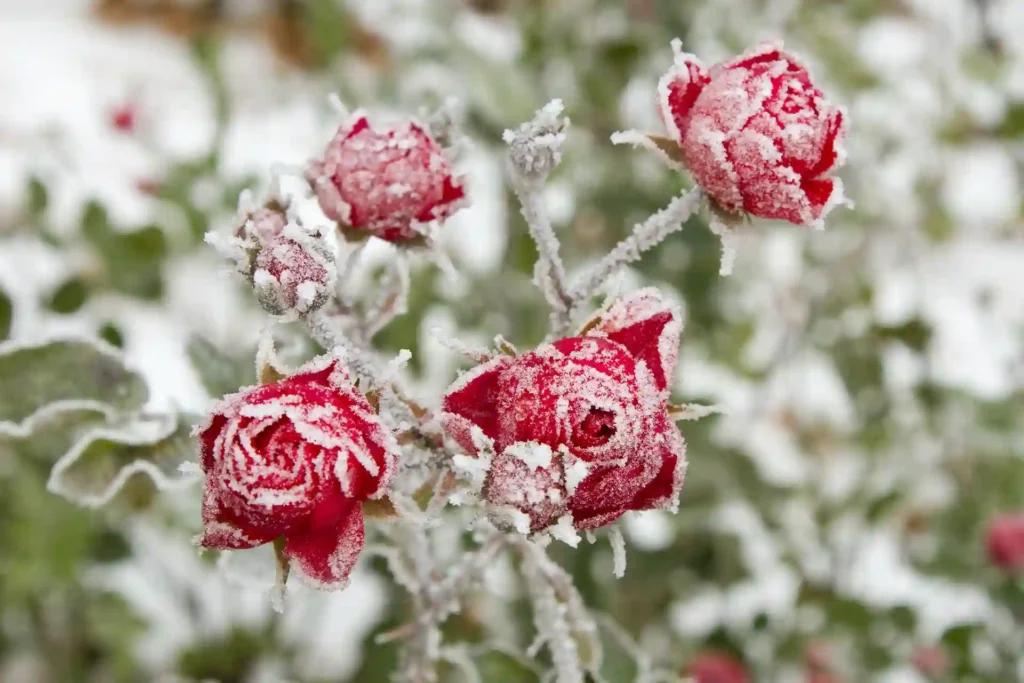
Frost-covered red roses showing winter damage and the need to protect plants from frost

How to Protect Your Plants from Frost?

There’s that sick feeling every gardener knows when they step outside after a cold night and see their once vigorous plants drooping, darkened or completely wilted. Frost can kill weeks of hard work in a single night. The good news? If you know what to do and when to do it, most frost damage can be completely avoided. Whether you’re heading into fall, preparing for a late spring cold snap, or trying to salvage a garden bed you thought was safe, this guide will walk you through exactly how to protect your plants from frost. We’ll talk about the right materials to use, what plants can actually survive a cold snap and what to do the morning after a freeze. At the end you will have a clear action plan for each cold weather scenario. Why Frost Protection Matters Frost is more damaging to plants than most people realize. When the temperature drops to 32° F (0° C) or below, the water inside the plant cells freezes and expands, bursting the cell walls. And that is what makes the mush you see in the morning after a cold night, that blackened tissue. Crop losses from late spring frosts alone cost U.S. farmers and gardeners hundreds of millions of dollars each year, according to USDA. Ornamental plants, vegetable gardens and newly established shrubs are vulnerable. And the damage is not always easy to spot. Sometimes, it may take 24 to 48 hours before you can see the full extent of frost damage. That delay is why so many gardeners are caught off guard, thinking the plants made it, only to realize 2 days later they didn’t. Frost vs. Freeze: What’s the Difference What is frost? Frost and freeze are not the same thing, and treating them the same is a mistake most gardeners make. Frost occurs when surface temperatures drop to 32°F (0°C) and moisture in the air freezes on exposed surfaces. A freeze is when air temperatures fall below 32°F, affecting the plant tissue itself. Here’s a simple breakdown: Condition Temperature Risk Level Light frost 29°F to 32°F Low to moderate Moderate freeze 25°F to 28°F High Hard/killing freeze Below 25°F Severe A light frost might just nip tender leaf tips. A hard freeze can kill roots and woody stems. Understanding this distinction helps you choose the right level of protection each time. Frost and Freeze Protection in the Fall Fall is when most gardeners first start thinking about frost. The nights get longer, temperatures swing more dramatically, and that first unexpected cold snap can arrive before you’re ready. Start monitoring local forecasts in early fall. The first frost date in your area is a useful guideline, but it’s just an average. Some years, frost arrives two weeks early. Others, it holds off well into November. Here’s a practical fall protection checklist: Pot up tender plants. Any tropical or frost-sensitive plant growing in the ground should be dug up and potted before the first frost. Do this a few weeks before the expected date so the plant has time to adjust. Apply mulch to garden beds. A 2 to 4-inch layer of straw, shredded leaves, or wood chips insulates soil and protects roots even when tops freeze. Bring in potted plants. Any container plants that can’t handle freezing should move inside, a garage, shed, or even a covered porch can work for mild frosts. Water before a frost. Moist soil holds heat better than dry soil. Water your garden beds the afternoon before an expected frost. Which Plants Need Frost Protection? Plants that need frost protection are those that evolved in warm or tropical climates and lack the physiological adaptations to survive freezing temperatures. These include most annuals, tender perennials, tropical houseplants moved outdoors for summer, and many vegetable crops. Here’s a quick breakdown by category: Always protect: Tomatoes, peppers, eggplant, cucumbers, squash, basil Impatiens, petunias, begonias, geraniums Tropical plants like hibiscus, elephant ears, caladiums Newly planted perennials (their root systems aren’t established enough to handle cold) Often need protection depending on your zone: Roses (particularly hybrid teas and grafted varieties — frost damage on roses is a common and costly problem) Citrus trees in containers Dahlias and cannas Generally cold-hardy (check your zone): Hostas, coneflowers, black-eyed Susans, ornamental grasses Most established shrubs like lilac, forsythia, and viburnum Kale, spinach, carrots, and other cool-season crops How to Cover Plants for the Winter: Best Materials Covering plants is the most immediate and effective method of frost protection. But not everything you throw over a plant will work equally well. The material matters. Frost Cloth (Row Cover Fabric) It’s the most purpose-designed option. Frost cloth is also sold as floating row cover. This lightweight fabric traps heat radiating from the soil, but still allows for some air circulation. It comes in a couple of different weights ( 1.5 oz vs 3 oz per square yard ) and the heavier weights give you more protection . Generally, a 1.5 oz row cover will protect plants down to about 28°F. A heavier 3 oz cover is good to about 24°F. You can buy them at garden centers and online. Always remove or vent frostcloth on sunny days. It can overheat plants in direct sunlight, especially in spring, so turn it off. Burlap Burlap is ideal for covering larger shrubs and young trees. It’s breathable, inexpensive, and easy to work with. For small trees and shrubs, wrapping burlap loosely around branches (without crushing them) provides a good windbreak and frost buffer. Old Bed Sheets and Blankets These work surprisingly well for overnight frost protection. They’re thick enough to trap ground heat and cover irregular shapes. The key is to drape them over the plant all the way to the ground so ground heat stays trapped underneath. Don’t use plastic sheeting directly on plants because it transfers cold to the leaves. Plastic Sheeting Plastic works if it doesn’t touch the plant. Use stakes or hoops to create a tent over the plant, then drape the

How to Protect Your Plants from Frost? Read More »

How Much Landscape Maintenance Cost

How Much Landscape Maintenance Cost?

Keeping your yard in good shape sounds simple until you get the first quote. Most homeowners are genuinely surprised by what professional landscape maintenance actually costs, especially when they don’t know what’s included, what’s not, and why prices vary so much between neighbors. If you’ve been wondering how much landscape maintenance cost before committing to a service, you’re not alone. Here’s the short answer: most homeowners spend between $100 and $200 per month on basic landscape maintenance, while more detailed service plans with seasonal care can push that number to $400 or higher. What you pay depends on your yard’s size, the services included, and your location. This article breaks all of it down so you know exactly what to expect before calling anyone. What Is Included in Landscape Maintenance Services? Landscape maintenance involves general everyday jobs needed to keep an outdoor area healthy and attractive. These services are intended to slow down plant growth, treat plants, and keep the outdoor areas clean and accessible all year long. Regular services include mowing, edging, weeding, shrub pruning, fertilizing, leaf removal, and testing of the irrigation system. A few companies provide pest control, mulching, and seasonal flower replacement services for the full bundles. The services to be performed have a direct impact on the cost. Maintenance plans are cheaper and cover fewer tasks, while full-service plans are more expensive and take care of your lawn year-round. Knowing what’s covered Makes It Easier for Homeowners to Compare Quotes Apples to apples. Factors That Influence Landscaping Maintenance Cost Not every yard costs the same to maintain. Several variables directly affect your landscaping service cost, and understanding them helps you compare quotes more accurately. Yard size is the biggest factor. A 2,000 sq. ft. lawn costs significantly less to maintain than a 10,000 sq. ft. property with multiple garden beds and tree lines. Terrain and complexity also matter. Slopes, tight corners, ornamental gardens, and water features require more time and specialized equipment. That time gets added to your bill. Other factors that influence cost: Visit frequency (weekly, bi-weekly, monthly) Local labor rates (costs in California differ from the Midwest) Condition of the yard at the start of service Number of trees and shrubs requiring pruning Presence of irrigation systems Seasonal demand peaks (spring and fall are busier and sometimes pricier) Average Cost of Landscaping for Residential Properties The average landscaping maintenance cost for a standard residential property falls between $125 and $250 per month when bundled as a recurring service. Here’s a general breakdown by yard size: Yard Size Estimated Monthly Cost Small (under 1,000 sq. ft.) $80 – $130 Medium (1,000 – 5,000 sq. ft.) $130 – $250 Large (5,000 – 10,000 sq. ft.) $250 – $450 Estate (10,000+ sq. ft.) $450 – $1,200+ These are ballpark ranges. Pricing in high cost-of-living areas like Southern California, New York, or Seattle will skew higher. Rural or Midwest pricing often lands on the lower end. You may read What Is Landscape Maintenance? Monthly Landscaping Cost: What Homeowners Can Expect Most homeowners pay $100 to $300 per month for standard landscape maintenance that includes mowing, edging, trimming, and cleanup. Properties with additional garden beds, irrigation, or seasonal work run $300 to $500 monthly. Premium full-service plans with fertilization and pest control can reach $600 or more. For a typical suburban home with an average-sized yard, bi-weekly service with basic lawn care averages around $150 per month. Weekly service for the same yard jumps to $200 to $280 monthly. If you’re on a tight budget, bi-weekly or monthly service plans can help reduce the landscaping maintenance cost per month without sacrificing too much curb appeal. Just know that longer gaps between visits sometimes mean more work per visit, which some companies charge extra for. How Much Landscape Maintenance Cost Based on Service Type Various landscaping options have different price tags, depending on the complexity of the work, how long it takes, and what materials you have to work with. Knowing the service categories makes it clear where the money is going. Lawn Care and Routine Upkeep Lawn care services include mowing, edging, and blowing away debris. They are generally the least expensive duties, and they serve as pillars of maintenance packages. It is also less expensive when lawns are in good shape and are attended to routinely. Uncared-for lawns may also necessitate extra work, leading to higher costs for a little while. Predictable pricing is consistent. Tree, Shrub, and Plant Maintenance Pruning, trimming, and PHM (Plant Health Management) demand more expertise. These services are higher priced because of the skill needed and the safety factors involved. Seasonal pruning enhances plant health and beauty, and it also helps avoid future injuries and expensive removals. Well-timed scheduling allows costs to be distributed evenly over the year. Seasonal and Specialized Services Seasonal clean-ups, mulching, fertilization, and irrigation repairs may be charged separately or in addition to a premium plan. These services ensure protection of the landscape investments and enhance the long-term sustainability. While specialized services raise the costs in the short term, they minimize the chances that the landscape will be severely compromised and require costly restoration. Hidden Costs Homeowners Often Overlook This is a gap most competitor articles skip entirely, but it matters. Several costs catch homeowners off guard after they’ve already signed a service agreement. Travel fees apply when your property is outside a company’s standard service zone. Some contractors charge $20 to $50 per trip if you’re in a lower-density area. Equipment surcharges occasionally appear during drought or overgrowth recovery situations when heavy-duty equipment is needed. Seasonal price increases are common in spring. Demand spikes and some companies quietly raise rates without clear notice. Cancellation or contract fees vary by company. Month-to-month contracts are more flexible but sometimes priced higher than annual agreements. Initial cleanup fees are nearly universal. If your yard hasn’t been serviced recently, most companies charge a one-time setup fee ranging from $75 to $200 before starting regular maintenance. Always read the contract and ask about any fees that aren’t explicitly listed. Landscaping Costs Near Whittier: Local Pricing Considerations Location plays a big role in

How Much Landscape Maintenance Cost? Read More »

Landscape Lighting Maintenance: Your Expert Guide to a Brighter, Safer Yard

Exterior property systems require constant care to remain working. You undoubtedly spent a lot of money on your outside lighting to secure your property and increase safety. Those lights will be affected by weather and soil movement, plant development over time. A quality outdoor setup can quickly deteriorate without proper maintenance, resulting in darkened walks and expensive repairs. Routine maintenance prevents system faults before they occur. Landscape lighting maintenance is good for your home as well as your pockets by avoiding complete component overhaul. This guide covers cleaning your fixtures, testing your power supply, troubleshooting voltage difficulties, and dealing cleanly with seasonal variations. Why Routine Landscape Lighting Maintenance is Mandatory Outdoor fixtures face harsh conditions every single day. Rain, snow, lawn mowers, and pests constantly challenge your exterior lighting installation. Regular inspection protects your investment from these predictable outdoor elements. Moisture is the primary enemy of outdoor electrical systems. When seals degrade, water seeps into sockets and ruins the connections. This leads to corrosion that destroys the entire fixture from the inside out. Regular checks help you spot failing gaskets before water causes permanent damage. Lawn equipment often strikes ground fixtures during regular yard work. Mowers and trimmers can knock fixtures out of alignment or crack plastic stakes. Checking your hardware ensures small alignment issues do not turn into severed underground cables. The Importance of Landscape Lighting Maintenance Outdoor lights for landscaping are more than just pretty things. They light up paths, draw attention to landscaping elements, and set the mood for outdoor events. But if you don’t take care of them properly, these lights might stop working, become dangerous, and even cost a lot of money. Here’s why landscape lighting maintenance matters: 1. Safety First Flickering or burned-out lights can create tripping hazards along pathways and stairs. Faulty wiring, a damaged landscape wire, or improperly installed fixtures can even pose an electrical risk. Routine maintenance ensures your yard stays safe for family and guests. 2. Preserve Aesthetic Appeal A beautifully lit garden can quickly lose its charm if fixtures are dirty, bulbs are burned out, or a vintage lamp is showing signs of wear. Regular cleaning and adjustments keep your outdoor landscaping lights vibrant and visually appealing. 3. Extend Lifespan of Fixtures Outdoor lights are exposed to sun, rain, and temperature fluctuations. Proper maintenance, including fixing landscape lighting and repairing outdoor lights promptly, reduces the wear and tear on your fixtures and helps you avoid frequent replacements. 4. Energy Efficiency Well-maintained landscape lights run efficiently, reducing energy waste. Dirty lenses or malfunctioning lights often require more power to achieve the desired brightness. Keeping your fixtures in top condition ensures energy savings over time. The Essential 5-Step Landscape Lighting Maintenance Checklist 1. Cleaning Fixture Lenses and Housing Dirt buildup cuts light output by half over a single season. Dust, mud, and hard water minerals form a thick crust over the glass covers. This film traps heat inside the fixture, which shortens the lifespan of your bulbs. Wipe down the glass using a soft cloth and mild soap. Avoid harsh chemical cleaners because they strip the protective coatings off brass and copper housings. For stubborn calcium deposits from lawn sprinklers, use a gentle vinegar solution to dissolve the scale safely. 2. Trimming Overgrown Landscape Foliage Plants grow much faster than most property owners realize. Shrubbery and tree branches can quickly block light paths, creating dark spots and strange shadows. Heavy branches can also lean on fixtures, bending the stakes or breaking the mounts. Prune back any branches that touch your light housings. Keep a clear perimeter around path lights so your lawn mower has plenty of clearance. This simple step stops plants from trapping wet debris against your electrical components. 3. Checking the Low-Voltage Transformer The transformer box runs your entire low-voltage system safely. It drops standard household power down to a safe twelve volts for outdoor use. If the transformer fails, your entire yard goes completely dark. Open the transformer box to inspect the terminal blocks for corrosion. Check that your automatic timer or photocell sensor works correctly based on current sunset times. Look for signs of insect nesting inside the housing, as bugs can short out the internal controls. 4. Straightening Shifting Stakes and Adjusting Beam Angles Freezing ground and heavy rains cause outdoor stakes to shift over time. Tilted path lights look sloppy and cast glare directly into the eyes of walkers. Misaligned accent lights miss their targets completely, leaving your main architectural features in the dark. Check each ground stake to ensure it stands completely straight. Pack the soil firmly around loose bases to hold them securely in place. Adjust the glare shields and beam angles at night so the light hits the landscape features perfectly. 5. Inspecting Underground Cables and Splices Soil erosion frequently exposes buried wires over a few seasons. Exposed lines are incredibly vulnerable to sharp garden tools, lawn aerators, and wild animals. Squirrels and mice frequently chew on bare wires, causing immediate system shorts. Walk your property lines to spot any exposed direct-burial cable. Dig a small trench to rebury the line at least six inches deep to keep it safe. Check old wire splices to ensure they remain tightly sealed against moisture underground. Common Outdoor Lighting Issues and Solutions Voltage drop makes distant fixtures dimmer, less powerful. Resistance naturally decreases the voltage when electricity runs along a long cable. If the last fixture is getting less than ten and half volts, the light will flicker or be dimmed considerably. To correct this problem, you have to measure the voltage at the last fixture with a digital multimeter. If the reading is too high, switch that one fixture to a separate wiring run. Or you can switch to a thicker gauge wire, such a ten gauge cable, to lessen travel resistance. Or, you may just turn the voltage tap on your multi-tap transformer up to a higher setting, say thirteen or fourteen volts, to compensate for the line loss. Seasonal Care Guide

Landscape Lighting Maintenance: Your Expert Guide to a Brighter, Safer Yard Read More »

How Do I Get Rid Of Clover In Grass?

How Do I Get Rid Of Clover In Grass? Simple Steps That Actually Work!

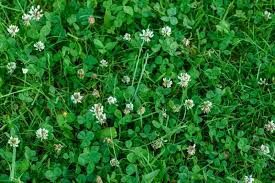
People looking for a permanent solution for lawn weeds are most concerned about knowing for sure that the solution will not destroy their perfect lawn. Nobody wants a patch of dead brown dirt to trade for a patch of green weeds. To rank high under Google’s 2026 quality guidelines, an article must offer real “Information Gain” with firsthand field experience and scientific distinctions not found in general summaries. That’s what this guide is for. We’re going to skip the generic, repetitive advice you find all over the web, and give you an actionable, field-tested strategy for safely cleaning up your turfgrass. What Is Clover? Clover is a low-growing, perennial broadleaf weed belonging to the legume family, characterized by its ability to extract nitrogen from the air and store it in the soil. Unlike typical weeds, it functions as a natural fertilizer factory, which is why it rapidly dominates lawns lacking proper While many people view it purely as an eyesore, it’s actually an indicator plant. Its very presence tells a specific story about what’s missing beneath your turf. How to Identify Clover In The Lawn Clover has low-creeping stems (stolons) that produce distinct trifoliate leaves, meaning the leaves have three oval leaflets. These patches produce small, round flower heads, usually white, pink, yellow or purple, from late spring to early autumn. High-resolution infographic, close-up, white clover leaf structure, white V-shaped ‘watermark’ lines on leaflets, compared with oxalis, yellow woodsorrel, and black medic, to avoid misidentification. The grass itself grows in thick mats that look like tufts, which allows it to easily mimic the height of your grass from afar. But take a good look and you’ll see creeping nodes that take root into the soil as they spread horizontally across your property. What Causes Clovers to Grow in Grass? Clover grows in grass because of low soil nitrogen levels, compacted soil, incorrect soil pH, or chronic underwatering, which weaken turfgrass and allow resilient weeds to take over. Because it fixes its own nitrogen from the atmosphere, it thrives in depleted soils where traditional grasses starve. Nitrogen Depletion: Your grass requires regular nitrogen to stay thick and competitive. Clover doesn’t care if the soil is starved; it manufactures its own food via symbiotic root bacteria. Compaction and Foot Traffic: Heavy foot traffic crushes delicate grass roots. The hardy root systems of broadleaf legumes easily tolerate dense, oxygen-poor ground. Drought and Shallow Watering: Daily, light watering keeps grass roots shallow and weak. When summer heat waves arrive, the grass dies back, creating bare dirt patches that seeds eagerly colonize. How to Get Rid Of Lawn Clover Eradicating this weed permanently requires a dual approach: immediate mechanical or chemical elimination combined with long-term soil adjustment. 1. Hand-Pulling and Root Digging For minor problems, manual removal is highly effective. You must extract the entire crown and horizontal runners, or the plant will regenerate from the remaining pieces left behind. 2. High-Nitrogen Fertilization Since the plant thrives in nutrient-deficient earth, applying a slow-release nitrogen fertilizer tilts the playing field back to your grass. The sudden surge of nitrogen feeds the turf, allowing it to naturally crowd out the weed. 3. Selective Broadleaf Herbicides When dealing with larger infestations, chemical intervention is often necessary. Look for post-emergent selective liquid sprays containing active ingredients like 2,4-D, dicamba, MCPP (mecoprop), or triclopyr. These specific compounds disrupt the growth cells of broadleaf plants while leaving your grass blades completely unharmed. 4. Natural Alternatives (Horticultural Vinegar) If you prefer an organic approach, you can spot-treat patches with 20% horticultural vinegar (acetic acid). Be aware that this is a non-selective liquid; it will scorch and kill any green grass it touches, so precise spot-application on a calm, windless day is mandatory. Controlling Small Patches of Clover vs. Widespread Infestations You can get rid of small patches of clover by hand-pulling them or using targeted organic spot-treatments, but if you have a lot of clover you’ll need to use broadcast applications of selective herbicides along with aggressive lawn overseeding. Tactically, there is a big difference between treating a lawn that has gone completely to seed and one that has just a few weeds to treat. If your yard is more than 30% weed cover, spot treating individual weeds becomes impractical. In the worst-case scenarios, you’ll need to treat the entire area during the active fall growing window, wait three weeks, then aggressively spread new seed to fill in the resulting structural voids. Prevent Clover Growth With A Healthy Lawn The most effective weed control is a dense, choking canopy of healthy turf grass. When your lawn forms a thick mat, sunlight cannot reach down to the soil surface to jumpstart weed seeds. Correct Chemical Application Safety Always review your product labels before spraying chemicals. Applying triclopyr to a warm-season grass like St. Augustine will completely ruin your yard, turning your green turf into a dead zone. Stick to formulas specifically rated for your exact grass variety. Managing Air Temperatures Never apply chemical liquids when outdoor temperatures exceed 90°F. High heat causes chemical liquids to volatilize into a gas, which can drift into nearby garden beds and destroy prized ornamental flowers. How to Prevent Clover in Your Lawn Long-Term Shifting your regular maintenance routines can drastically cut down on future outbreaks without requiring constant chemical treatments. Raise Your Mower Blades Set your mowing height to 3.5 inches or higher. Taller grass blades naturally cast deep shade across the soil surface, blinding weed seeds from the sunlight they require to establish themselves. Shift to Deep, Infrequent Irrigation Stop watering your grass with quick, daily sprinkles. Instead, supply one inch of water once or twice a week, soaking the soil down to a depth of six inches to force your grass roots to grow deep, resilient networks. Utilize Corn Gluten Meal Apply corn gluten meal in early spring as a natural pre-emergent barrier. This organic byproduct stops newly germinated seeds from building their primary root systems, causing them to wither away before they ever

How Do I Get Rid Of Clover In Grass? Simple Steps That Actually Work! Read More »

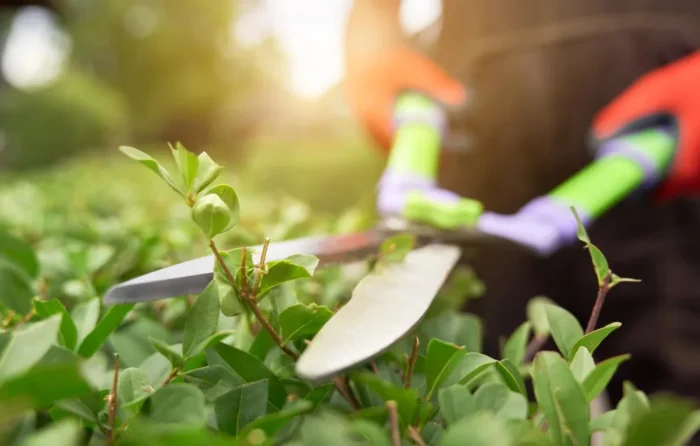
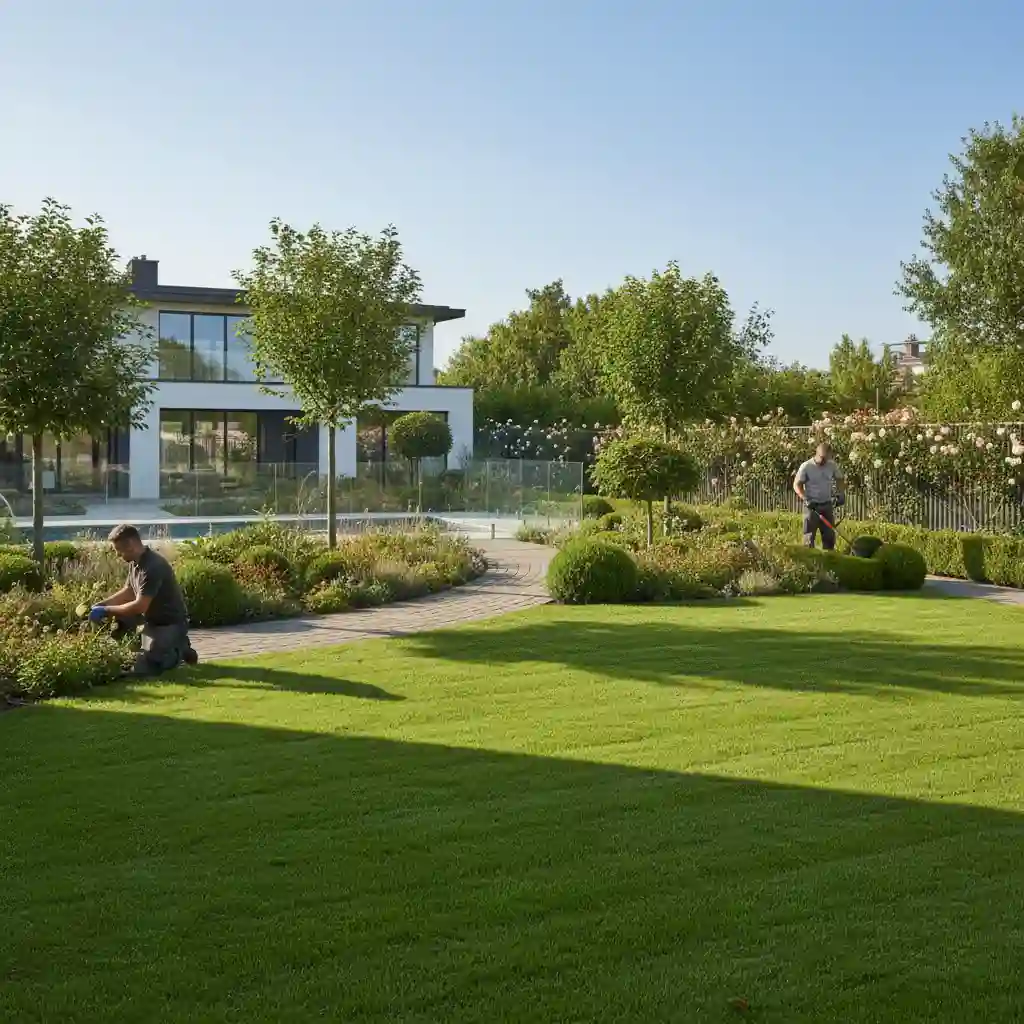
Gardeners trimming shrubs and lawn at a modern home demonstrating what is landscape maintenance in action

What Is Landscape Maintenance?

Your lawn is the first thing people see. And if it looks neglected, it reflects poorly on the entire property. But here’s the truth: most people have no idea how much work goes into a beautiful outdoor space, or what landscape maintenance actually covers. You’re not alone if you’ve been wondering what is landscape maintenance and whether it’s worth the cost. In this article, we’ll walk through everything from what landscape maintenance includes day-to-day, to the real-world landscape maintenance cost you should budget for. By the end, you’ll have a clear picture of what services your property needs and how to get the best results for your money. Understanding Landscape Maintenance Taking care of your outdoor spaces on a regular basis is called landscape maintenance. This includes mowing the lawn, trimming it, fertilising it, pruning it, managing the irrigation, controlling pests, and cleaning up after the seasons. Regular, planned work is what keeps a property looking good, tidy, and well-managed all year round. You can think of it as taking care of your car. You don’t merely fix your car when it breaks down. You get regular check-ups, oil changes and tyre rotations. The same goes for maintaining a landscape. What is the main idea of landscape maintenance? It’s a system. A list of things to do that keep small problems from turning into big ones. Even the best-planned garden will develop into a jumble of weeds in just a few seasons without it. What’s the Difference Between Landscaping and Lawn Maintenance? Landscaping refers to the design and installation of outdoor features, such as planting trees, building retaining walls, or creating garden beds. Lawn maintenance, on the other hand, is the routine upkeep of those existing features. In short, landscaping is what you build; lawn maintenance is how you preserve it. A lot of people use these terms interchangeably, but they’re quite different in scope and cost. Landscaping is typically a one-time or project-based investment. Maintenance is recurring. For example, installing a new irrigation system is landscaping. Checking and adjusting that system every spring is maintenance. Both matter, but they serve different purposes. What Does Landscape Maintenance Include? Landscape maintenance includes mowing, edging, fertilization, weed control, pruning, mulching, pest and disease management, irrigation system checks, leaf removal, and seasonal planting. The exact services depend on the property type, size, and the maintenance plan you choose. Here’s a breakdown of the most common services included in a standard residential landscape maintenance services package:   Lawn mowing and edging: Typically done weekly or bi-weekly during the growing season   Trimming and pruning: Keeping shrubs, hedges, and trees shaped and healthy   Fertilization programs: Seasonal treatments to feed grass and plants   Weed control: Pre-emergent and post-emergent applications to suppress weeds   Mulching: Replenishing mulch in beds to retain moisture and prevent weeds   Irrigation management: Adjusting and maintaining sprinkler and drip systems   Seasonal cleanups: Spring and fall removal of leaves, debris, and dead plant material   Pest and disease control: Treating infestations before they spread   Aeration and overseeding: Improving soil health and lawn density What Are the Benefits of Landscape Maintenance? Regular landscape maintenance improves curb appeal, increases property value, prevents costly repairs, supports plant health, and creates a safer, more enjoyable outdoor space. Consistent upkeep is always more cost-effective than neglect followed by restoration. Here’s why property owners who invest in routine maintenance come out ahead: 1. Higher Property Value Studies from the American Society of Landscape Architects show that well-maintained landscaping can add up to 15% to a home’s value. That’s a significant return on a relatively modest investment. 2. Lower Long-Term Costs Catching problems early, whether it’s a dying tree, a broken irrigation line, or spreading weeds, is far cheaper than addressing them after the damage is done. The average cost of landscaping maintenance is a fraction of what restoration typically runs. 3. Better Curb Appeal First impressions matter, especially if you’re planning to sell or rent your property. A clean, maintained yard signals that the entire property is well cared for. 4. Healthier Plants and Lawn Lawns and plants thrive under consistent care. Proper fertilization, watering, and pruning lead to stronger root systems, thicker turf, and more vibrant plant growth. 5. Fewer Pest and Weed Problems Regular maintenance disrupts the conditions that pests and weeds need to establish themselves. Prevention is always easier than treatment.  How Often Do You Need Landscape Maintenance? Most residential properties need landscape maintenance every one to two weeks during the growing season (spring through fall), and monthly or as needed during winter. The frequency depends on your climate, grass type, plant density, and the level of appearance you want to maintain. Here’s a general frequency guide:   Weekly: Mowing during peak growth, especially in warm, wet months   Bi-weekly: Edging, blowing, minor trimming   Monthly: Fertilization, weed treatment, irrigation check   Seasonally: Pruning, mulching, aeration, overseeding, cleanup   Annually: Deep root fertilization, soil testing, large pruning jobs Most landscape companies offer service packages that bundle these into a monthly plan. That’s often the most cost-effective route for homeowners who want consistent results without managing it themselves. How Much Does Landscape Maintenance Cost? On average, residential landscape maintenance costs between $100 and $350 per month for standard services. The monthly landscape maintenance cost varies based on property size, service frequency, regional labor rates, and the specific services included in your plan. If you’re asking how much does landscaping cost for a full-service maintenance plan, here’s a realistic breakdown: Service Average Cost Frequency Lawn mowing $30–$80 per visit Weekly / Bi-weekly Edging and blowing Included in mow Per visit Fertilization $50–$150 per treatment Seasonal Weed control $50–$100 per application Monthly Pruning and trimming $75–$200 per session Monthly / Seasonal Mulching $100–$300 per bed refresh Annually / Seasonally Full monthly plan $100–$350/month Monthly Keep in mind that how much landscaping cost also depends on your region. Labor costs in California or New York tend to run higher than in the Midwest or Southeast.

What Is Landscape Maintenance? Read More »