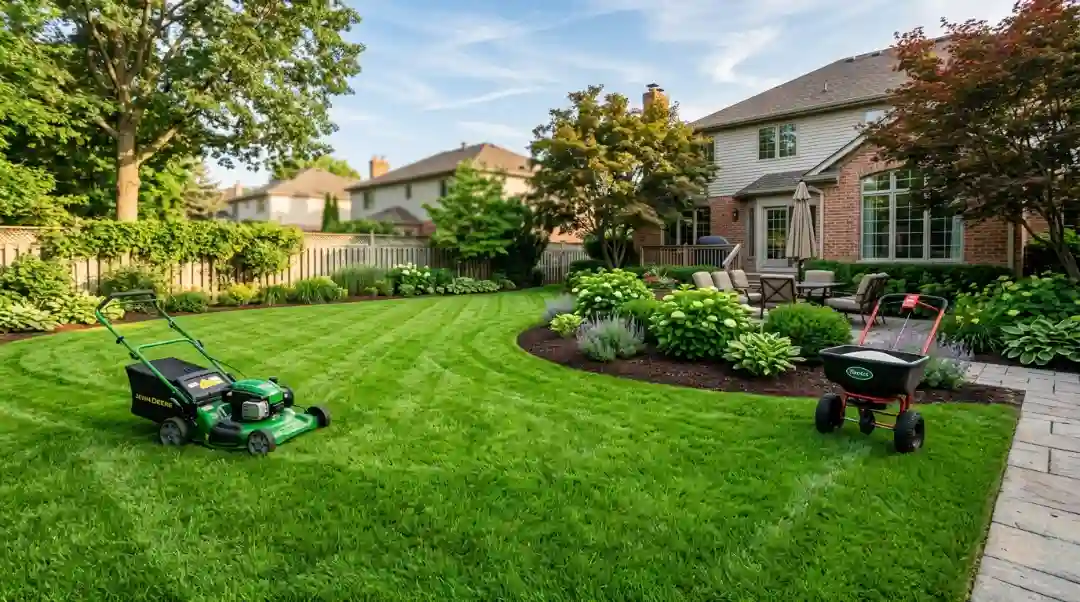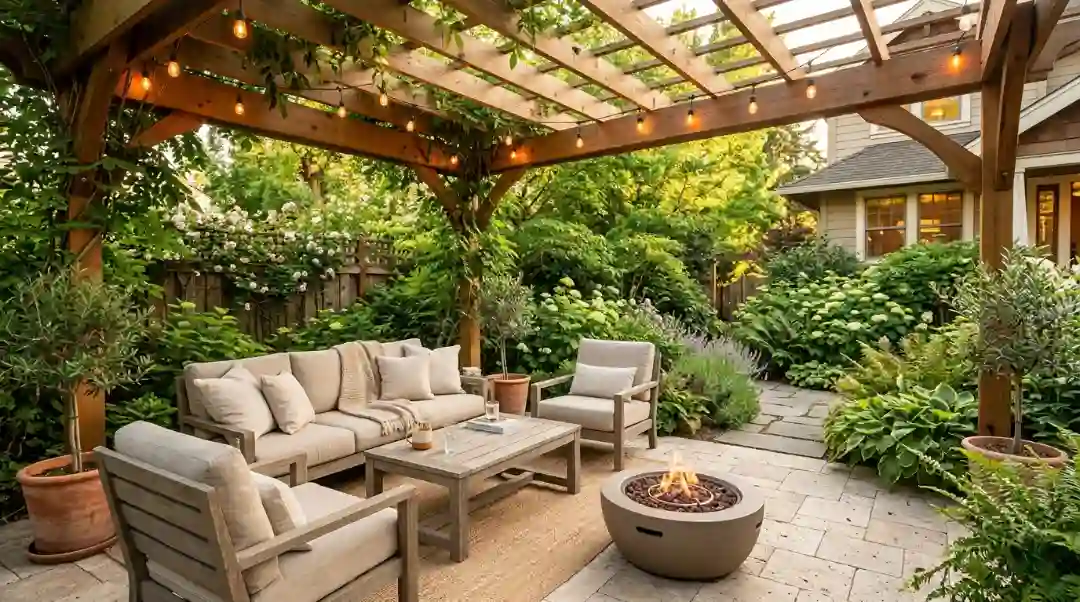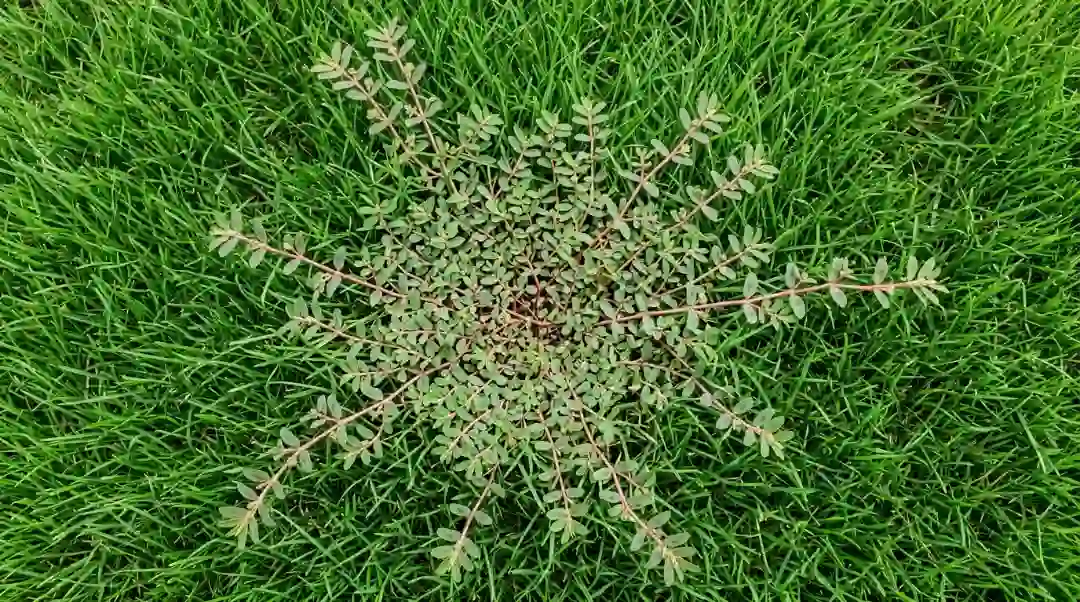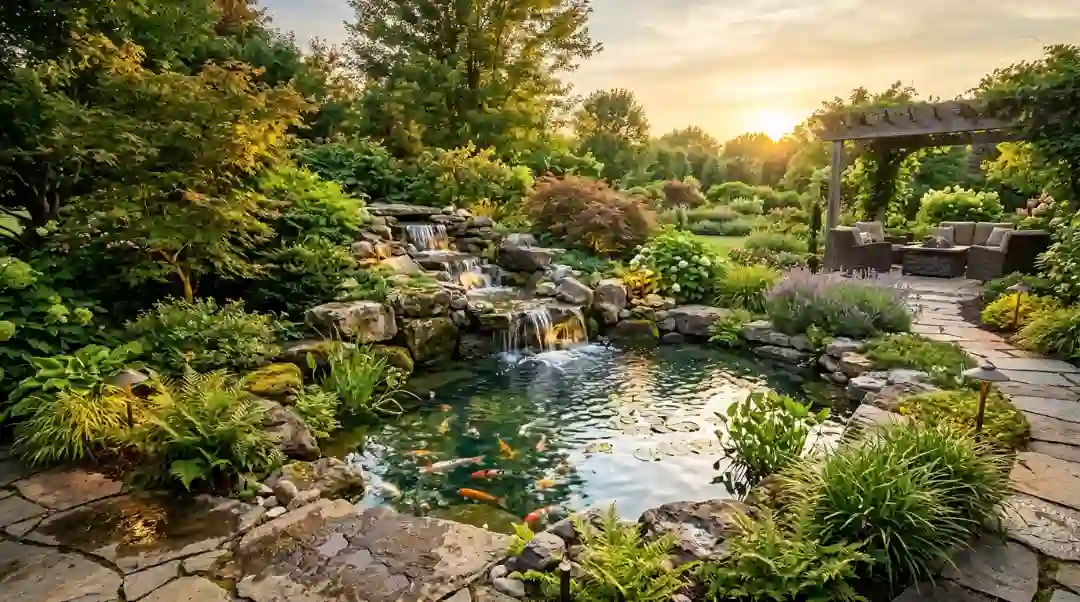
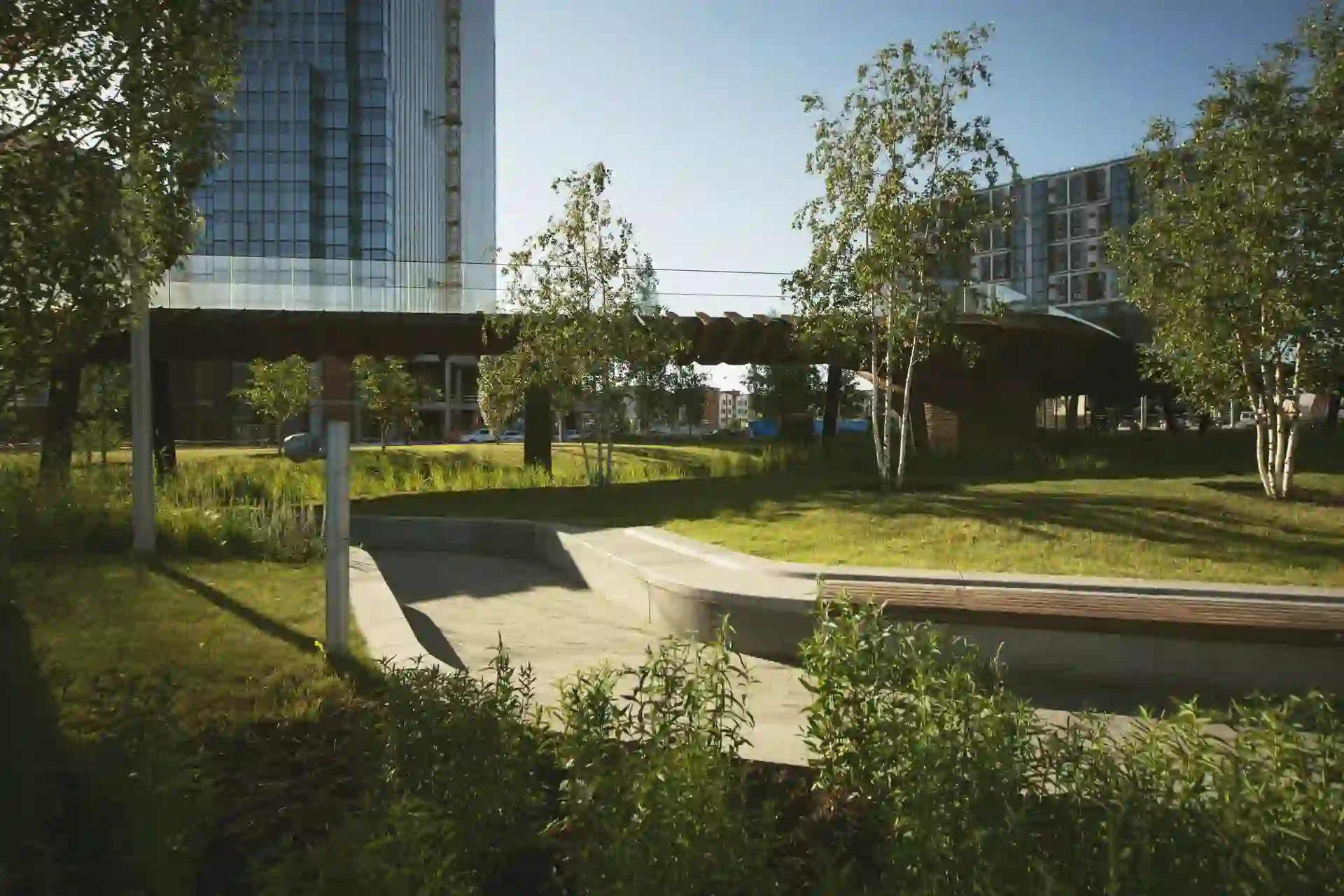
Every business exterior tells a story to potential clients, tenants, and the public before they ever step through the front door. A chaotic, overgrown exterior suggests disorganized operations, while a bare, concrete stretch feels uninviting and sterile. Business owners and property managers often find themselves asking: what is commercial landscaping, and how does it differ from standard yard care?
Commercial landscaping is the professional planning, design, installation, and long-term upkeep of outdoor spaces for business properties, public areas, and multi-family complexes. It combines large-scale civil engineering and soil science with strategic asset management to maximize property value, lower legal risks, and slash utility costs.
Defining Commercial Landscaping
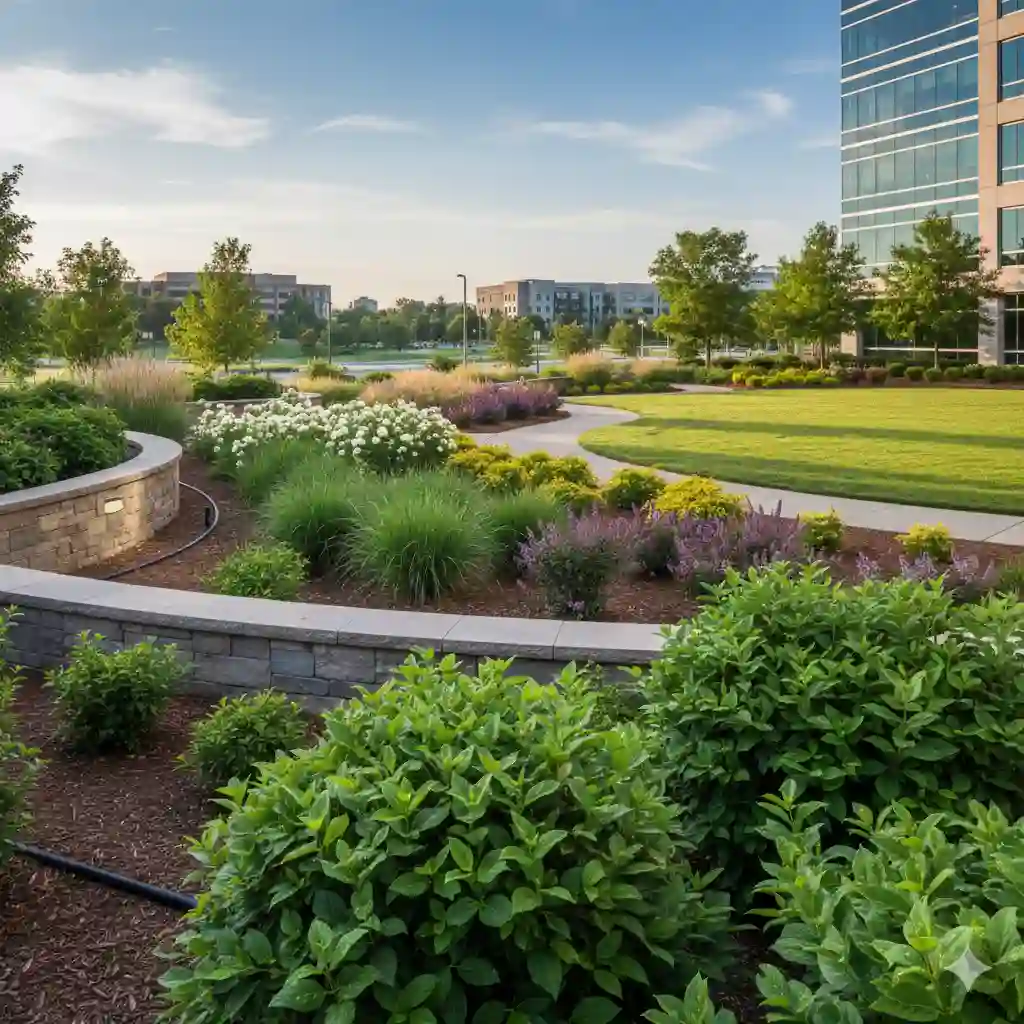
To truly understand what is commercial landscaping, you have to look beyond standard residential lawn care. Residential services focus on the personal aesthetic preferences and comfort of a single household. Commercial exterior management focuses on corporate identity, community safety, environmental regulations, and financial returns.
+————————————————————————+
| COMMERCIAL LANDSCAPING OUTLINE
+————————————————————————+ |
| 1. Core Definition & Business Impact
| • Asset management vs. simple residential maintenance |
| 2. Full Installation & Engineering Process
| • Grading, site assessment, drainage infrastructure, hydrozones
| 3. Strategic Architectural Design
| • Pedestrian traffic flow, zone logic, line-of-sight safety
| 4. 2026 Sustainability & Eco-Systems
| • Climate-resilient native plants, smart sensor irrigation
| 5. Functional Design Ideas That Work
| • Outdoor workstations, sensory courtyards, clear entries
| 6. Financial & Legal Realities
| • Asset value increases, trip hazard mitigation, cost estimates
+————————————————————————+
Every commercial property contains two separate elements that must work together perfectly:
- Softscaping: The living, biological components of your exterior. This includes turfgrass, mature trees, ornamental shrubs, native groundcovers, and seasonal floral beds.
- Hardscaping: The non-living, built structures integrated into the soil. This includes retaining walls, pedestrian walkways, concrete patios, drainage systems, outdoor lighting, and automated water systems.
How Is Commercial Landscaping Different from Residential?
A lot of people ask this, and it’s a valid question. Lawn maintenance and plant care are commonalities between the two kinds, but that’s where the similarities end.
Individual houses are the primary focus of residential landscaping. On a lesser scale, with more subjective goals (having a beautiful yard to relax in), the stakes are primarily visual. The focus in commercial landscaping is mostly on achieving specific business goals. Whether it’s to entice customers, keep tenants, or convey an air of professionalism, the property’s objective is served by the bigger scale and more frequent maintenance.
Stricter timelines are also applied to commercial properties. If a shopping center’s lawn looks uninviting on a Tuesday morning, the property management will lose customers. Domestic grass? Not at all.
Commercial Landscape Installation: The Full Process
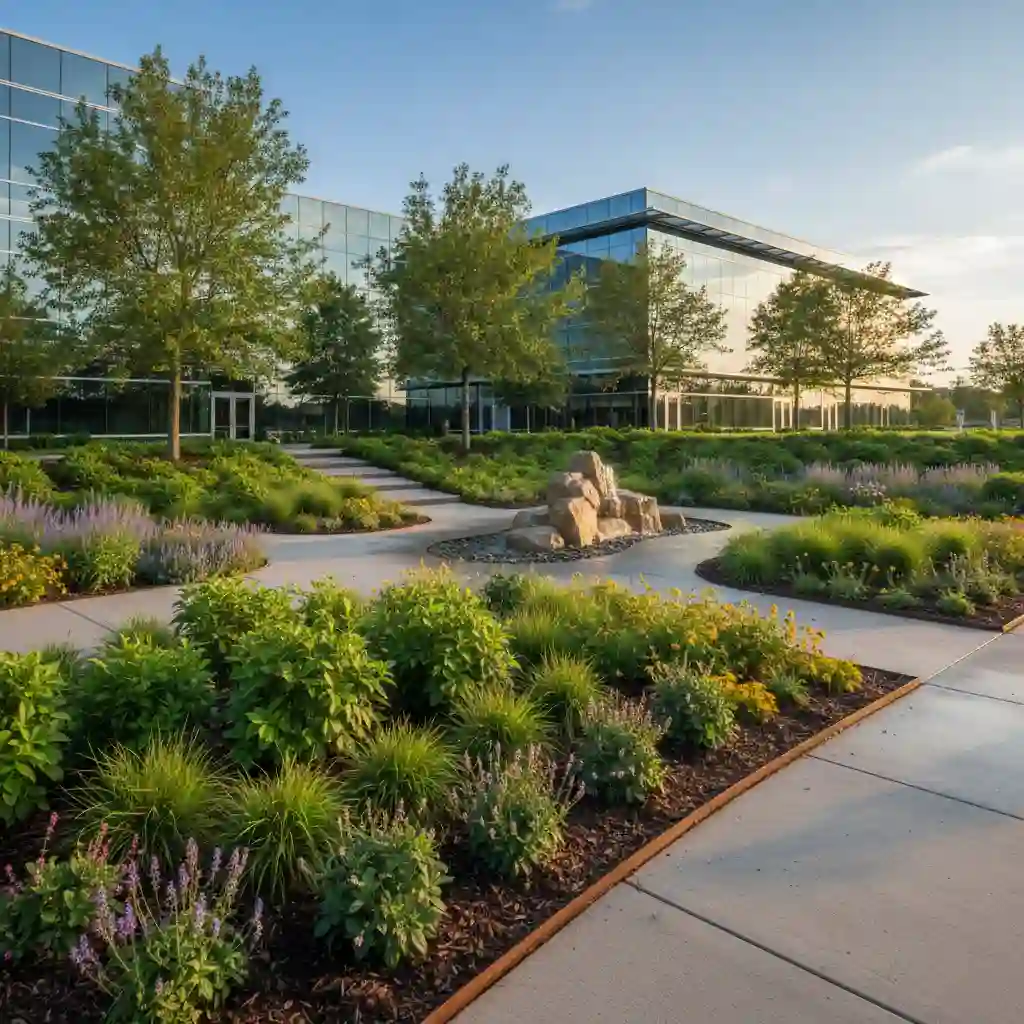
A successful installation is a complex construction project. If a crew spreads expensive seed or sets mature palms before addressing the underlying civil engineering, the entire investment can wash away during the first winter storm.
Step 1: Civil Site Assessment and Testing
Engineers must test the structural integrity and biological health of the site. Crews take deep core soil samples to evaluate nutrient levels, compaction rates, and drainage speeds. Technicians map out underground utilities, gas lines, and local irrigation mainlines to prevent utility strikes.
Step 2: Excavation, Grading, and Drainage Engineering
Heavy machinery shapes the topography of your land. Crews scrape away dead organic debris and use commercial graders to create precise slopes. These slopes must direct heavy stormwater sheet flow away from your building foundations and parking structures toward municipal storm drains or retention basins.
Step 3: Subsurface Infrastructure Sub-Bases
Before any plants arrive, crews install deep utility lines. Technicians lay down heavy-duty schedule 40 PVC mainlines for the irrigation network, install low-voltage electrical conduits for exterior lighting, and dig gravel-filled French drains or bioswales to capture sudden downpours.
Step 4: Soil Modification and Hydrozoning
Industrial rototillers blend organic compost, gypsum, and targeted fertilizers into the existing earth to break up tight clay and restore soil biology. The planting beds are physically separated into distinct hydrozones. Hydrozoning groups plants with identical water, sun, and fertilizer needs onto separate irrigation valves so you never waste water.
Step 5: Final Softscape and Hardscape Execution
Crews install the heavy hardscape elements first, setting interlocking concrete pavers, pouring retaining walls, and locking down structural borders. Finally, horticulturists plant the green infrastructure. Mature trees are secured with underground earth anchors, shrubs are placed according to structural design maps, and premium turfgrass sod is rolled out to provide an instant, clean border.
For businesses looking for professional-grade results in the Southern California area, Landscape Installation Services in Whittier offer the expertise to get the job done right from day one.
Commercial Landscape Design: Creating Your Vision
Good design is invisible. When commercial landscape design is done well, visitors don’t think about the layout; they just feel comfortable, impressed, and welcome. That feeling is intentional.
What Does a Commercial Landscape Design Include?
Placement and species selection of plants, layout of irrigation systems, design of lighting for safety and aesthetics, placement of hardscape elements, scheduling of long-term maintenance, and seasonal color rotation are all typical components of a professional design plan. It’s a blueprint for your outside area, rather than your house.
Investing in Commercial Landscaping Design Pays Off
The initial investment required for expert landscape design makes many business owners hesitant. However, studies reveal that houses with beautiful and well-kept landscaping are more desirable, have reduced tenant turnover, and ultimately sell for more money. A deliberate investment, not a frivolous one, is commercial landscaping design.
Sustainable Commercial Landscaping
The modern industry has moved decisively away from high-maintenance, resource-heavy designs. The commercial goals of 2026 focus completely on lowering recurring operational costs and building climate resilience.
Traditional commercial properties used to spend thousands of dollars trying to keep fragile, non-native plants alive through intense summer heatwaves. Today, professional exterior management prioritizes native plants that are naturally adapted to your local rainfall patterns, soil types, and pest pressures. Once established, these native species require minimal chemical treatments and can survive extended droughts without dying.
+—————————————————————————–+
| 2026 ECO-EFFICIENCY METRIC REFERENCE |
+—————————————————————————–+
| |
| [Smart Flow Tech] =======> Cuts monthly water waste by 35% to 45% |
| |
| [Native Plantings] =======> Drops annual plant replacement rates by 60% |
| |
| [LED Pathway Hubs] =======> Lowers exterior energy draws by up to 75% |
+—————————————————————————–+
The biggest shift in modern management is the integration of smart irrigation systems. Old-school mechanical timers run on fixed schedules, pumping gallons of water onto lawns even during a heavy downpour. Modern commercial systems utilize smart, weather-based controllers linked directly to local live meteorological data and in-ground soil moisture sensors.
If the soil is already saturated, the system automatically skips the watering cycle. Flow meters track water movement through your main lines 24/7. If a line breaks or a sprinkler head cracks, the system instantly shuts down the affected valve and sends an automated alert to your contractor, saving your business from catastrophic water bills and building erosion.
Commercial Landscape Design Ideas That Work
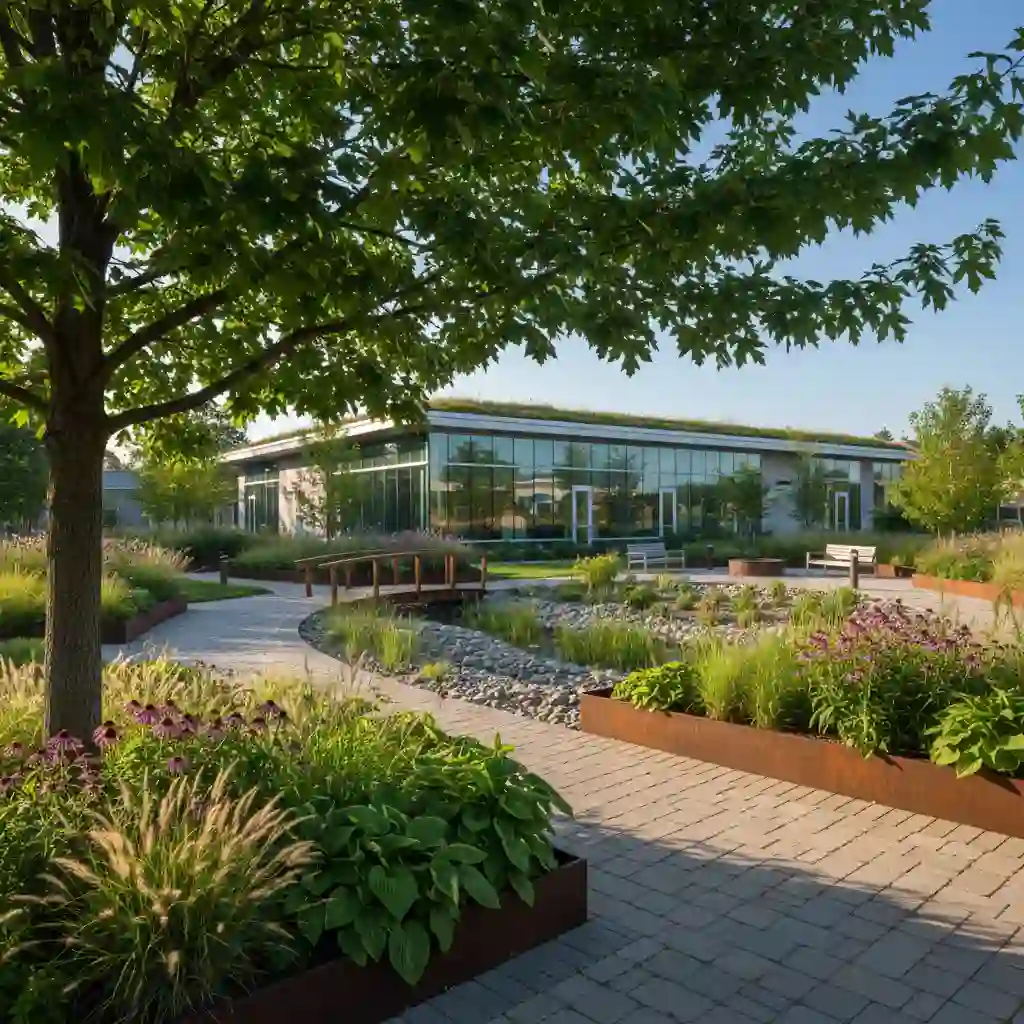
When you’re updating a commercial layout, you want features that balance long-term durability with daily functional value. Here are three modern ideas that add immense value to commercial developments:
1. Functional Outdoor Workstations
Modern tenants want spaces where employees can safely work outside. You can transform empty lawn areas into usable meeting zones by installing permeable paver patios covered by heavy-duty timber pergolas. Adding weatherized outdoor power outlets, robust exterior Wi-Fi extenders, and built-in stone seating benches turns an underutilized lawn into a prime leasing feature that attracts premium corporate clients.
2. Sensory Restoration Courtyards
Medical complexes, corporate headquarters, and multi-family communities benefit greatly from quiet, therapeutic gardens. You can build winding walking paths using recycled concrete pavers that loop through layered beds of soft ornamental grasses and aromatic native perennials. Integrating a low-voltage, recirculating disappearing pondless water feature introduces soothing background white noise that effectively masks nearby highway or street traffic.
3. High-Contrast Signage Beds
Your primary roadside entry sign is your first chance to make an impression on potential customers. Instead of surrounding it with weak, single-season annual flowers that die every few months, build a structured, multi-layered frame. Use a clean stone retaining wall to elevate the bed, fill it with bold, drought-resilient architectural plants like agaves or structural shrubs, and install low-voltage LED uplighting to make your brand name pop after dark.
Why Is Commercial Landscaping Important for Your Business?
Many property owners view exterior maintenance as an annoying, mandatory operational expense. However, property data shows that a well-managed exterior functions as a reliable revenue driver and risk management tool.
Maximizing Asset Value and Rental Premiums
A clean, modern exterior completely changes how customers value your business. Studies across commercial real estate markets consistently show that properties with high-quality, professional landscaping command up to 7% higher rental rates and maintain significantly lower vacancy levels than identical buildings with neglected grounds. It builds immediate trust and positions your enterprise as a premium destination.
Mitigating Legal Liability and Trip Hazards
Neglected grounds are a massive legal liability. Tree roots pushing up concrete sidewalks create immediate trip hazards that can cost thousands of dollars in personal injury lawsuits. Overgrown shrubs near walkways create blind spots that compromise visitor safety. Professional commercial crews inspect your property weekly to grind down uneven concrete edges, prune away low-hanging tree branches, and keep lighting fixtures operational to ensure your business remains safe and compliant.
How Much Does Commercial Landscaping Cost?
Commercial landscaping pricing is highly variable because it depends directly on property acreage, local labor markets, material choices, and the complexity of the site topography.
Initial Installation Capital Costs
For brand-new commercial construction or deep property renovations, developers should plan their budgets around square footage and overall project scope:
| Installation Project Scope | Price Per Square Foot | Typical Commercial Property Total |
| Basic Softscaping (Grading, soil preparation, native turf sod, basic shrub installation) | $4 – $12 | $5,000 – $18,000 |
| Full-Scale Development (Smart irrigation networks, layered planting zones, custom stone retaining walls) | $14 – $34 | $20,000 – $75,000+ |
Ongoing Maintenance Operating Expenses
Long-term commercial maintenance agreements are almost never priced by the hour. Instead, reputable contractors provide comprehensive, annual recurring service agreements billed on a fixed monthly cycle. These commercial contracts generally scale by property size and the specific amenities on site:
| Property Type and Size | Average Ongoing Maintenance Cost |
| Small Commercial Strip (Under 0.25 acres, basic turf borders, perimeter beds) | $150 – $400 per month |
| Mid-Sized Office Parks (0.5 to 2 acres, multizone irrigation, extensive walking paths) | $500 – $1,800 per month |
| Large Corporate Campuses (Multiple acres, mature tree canopies, complex sports turf or water features) | $2,000 – $6,500+ per month |
What Types of Properties Need Commercial Landscaping?
Commercial landscaping services can be useful for many different sorts of properties. Here is a quick list of the most popular commercial landscaping properties:
Landscaping is important for office buildings and corporate campuses because it makes them look professional and keeps employees interested in their work environment. Shopping malls and retail facilities use landscaping to draw people in and make the shopping experience more pleasant. Outdoor beauty is very important for hotels and other hospitality businesses. Guests make up their minds about a place as soon as they arrive. Calm, well-organized green spaces help healthcare institutions by making patients and visitors less anxious. Industrial and warehouse properties generally don’t spend enough on landscaping, but they may get a lot more tenants and delivery partners by making their sites seem better from the street. All commercial landscape services are used by homeowners’ associations (HOAs) and multi-family communities to keep up community standards and protect home values.
Choosing the Right Commercial Landscaping Partner
Not all commercial landscape companies are created equal. Here’s what to look for when evaluating your options.
Experience in commercial real estate, in particular. Residential crews frequently don’t have the tools, staff, or experience to reliably do big commercial work. Ask for references from other businesses that are similar to yours: insurance and licenses. Any good commercial landscaping company should have complete liability insurance and only hire licensed people to apply pesticides and fertilizers. Service agreements that are quite clear. A solid contract makes it clear what is included, how often services will be done, and what to do if something goes wrong. Being able to talk to and respond to people. Your landscaping partner should be easy to get in touch with and should be proactive in letting you know about problems or adjustments to your plan that come up during the year. Knowledge about the area. A business that has been around for a long time in your area knows the weather, soil, and plants that do well in your location.
Robert’s Complete Care combines all of these traits for business clients who want their property to make the correct impression every day.
Conclusion
If you’re ready to improve curb appeal, protect property value, and create a professional outdoor space, now is the time to act. Whether you need design, installation, or full commercial landscape management, Robert’s Complete Care is here to help. Contact us today to schedule a consultation and discover how expert commercial landscaping can support your business goals and long-term success.
FAQs
What is meant by commercial landscaping?
Commercial landscaping is the professional planning, building, and upkeep of outdoor areas on properties that make money or are used for business. It includes more than just taking care of the lawn; it also includes plants, trees, hardscape, irrigation systems, and lighting.
What services are included in commercial landscaping?
Commercial landscape services typically include mowing, edging, fertilization, irrigation management, seasonal color installation, mulching, pruning, pest control, weed management, and sometimes snow removal.
How is commercial landscaping different from residential landscaping?
Commercial landscaping operates at a larger scale, serves business objectives, requires more frequent maintenance, and must meet higher standards of consistency and appearance. Residential landscaping is primarily personal and aesthetic.
Why is commercial landscaping important?
It improves curb appeal, increases property value, strengthens brand image, improves tenant satisfaction, and creates a safe and welcoming environment for visitors and employees.
How much does commercial landscaping cost?
Costs vary widely based on property size, service scope, and region. Monthly maintenance for small properties typically starts around $300, while larger or more complex properties can run several thousand dollars per month.
What types of properties need commercial landscaping?
Office buildings, retail centers, hotels, medical facilities, industrial properties, HOA communities, business parks, and multi-family residential complexes all benefit from professional commercial landscape management.