Dealing with an old trunk sitting on your lawn is frustrating. It ruins your curb appeal, breaks your lawnmower blades, and plays host to termites. If you’re trying to figure out how to get rid of tree trunks, you aren’t looking for vague ideas. You need proven, step-by-step methods that actually work without ruining your back or your budget.
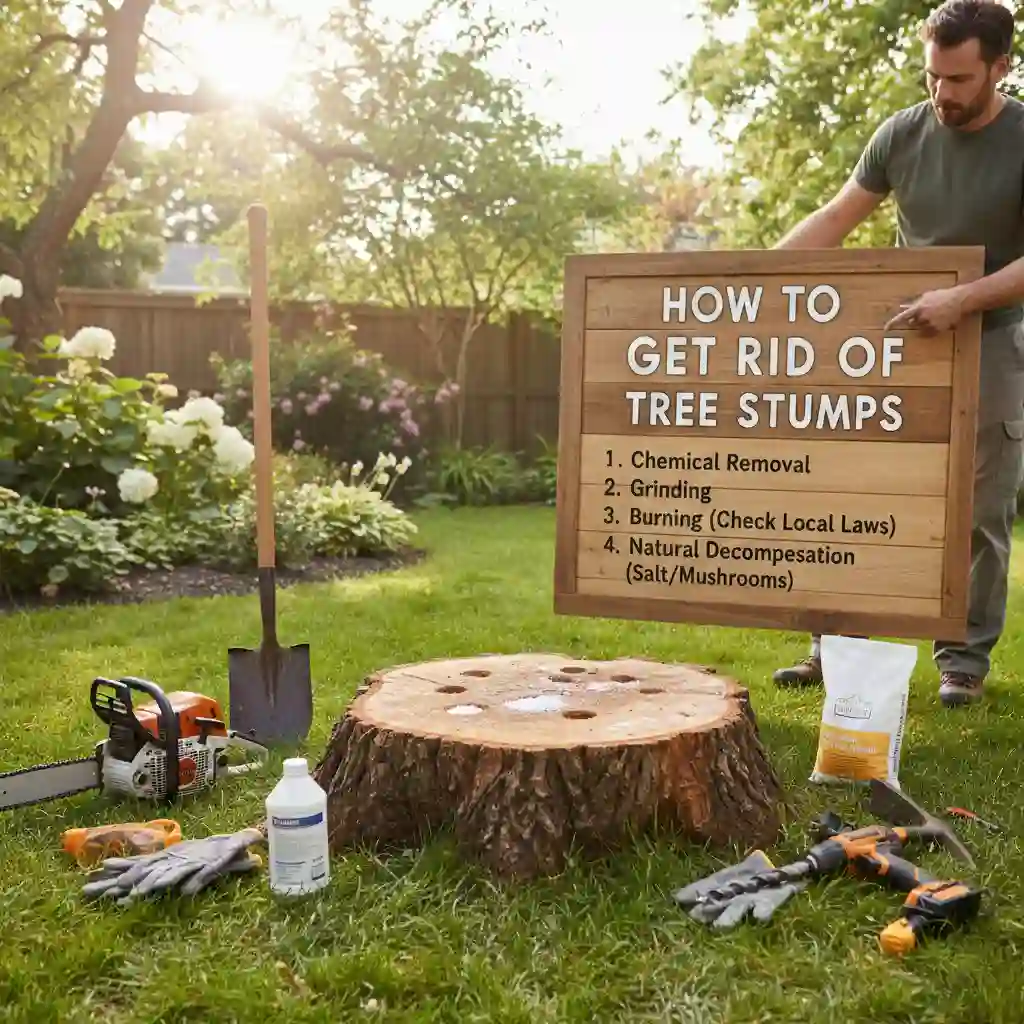
The fast answer is simple. To get rid of a tree trunk quickly, your best options are mechanical stump grinding for immediate results, or manual digging for smaller stumps under 6 inches in diameter. If time isn’t an issue, drilling deep holes and filling them with a high-nitrogen chemical remover or organic compost will rot the wood down completely within 4 to 6 weeks.
Tree Trunk vs. Tree Stump What’s the Difference?
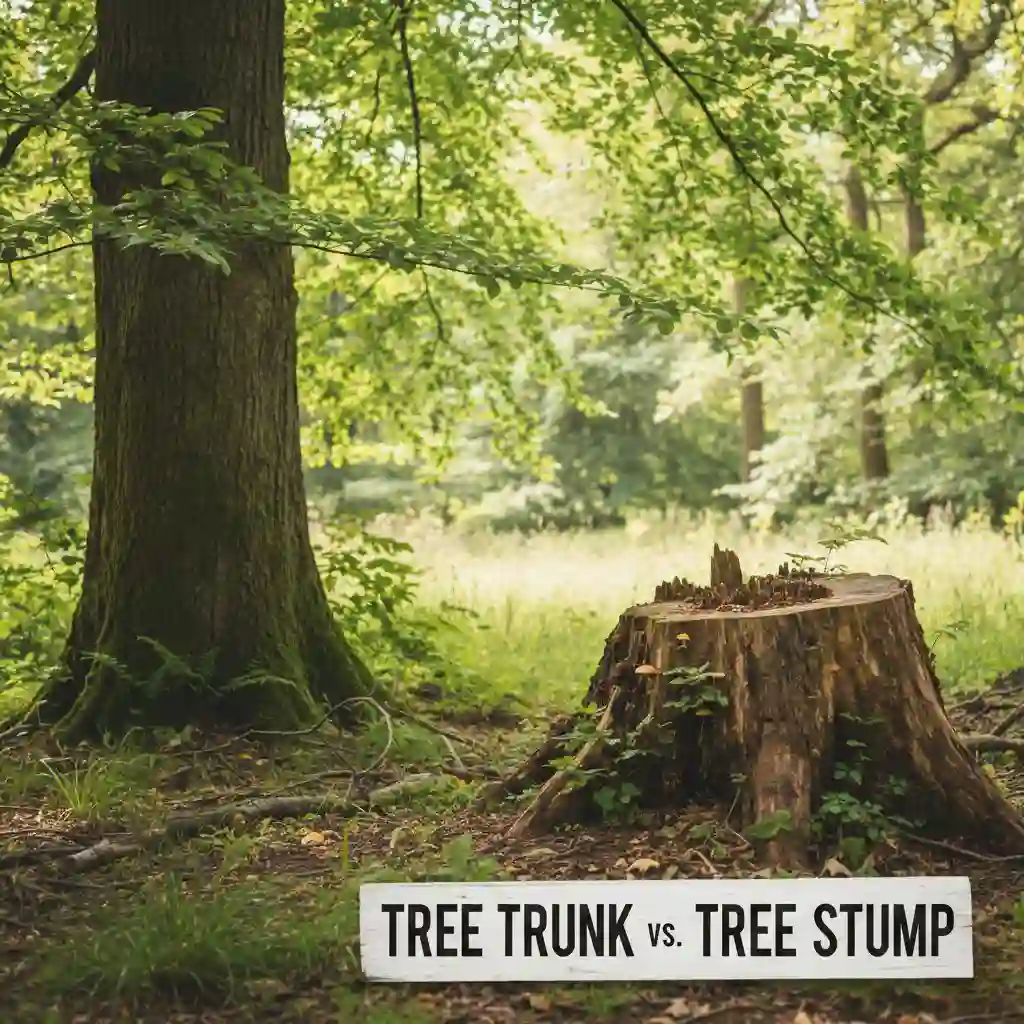
People use these terms interchangeably, but they require entirely different tools and muscle power. A tree trunk refers to the main upright stem of the tree before it’s cut down, or a large, fallen log resting on your property. A tree stump is the small, remaining section of the trunk left firmly anchored in the earth after the main body of the tree has been sawed off.
Getting rid of a upright or fallen trunk requires chainsaws, log splitters, and physical hauling. Removing a stump involves fighting the underground root system that’s actively anchoring that wood into your soil. Knowing this difference helps you choose the right tools before you head to the rental shop.
DIY Methods to Remove an Old Tree Stump
If you want to take matters into your own hands, you have two primary DIY pathways: chemical accelerating and manual extraction. The right choice depends entirely on your budget, your timeline, and how much sweat equity you want to invest.
The Chemical Method (Patience-Driven)
This approach relies on chemical acceleration to break down the wood fibers. It won’t work overnight, but it turns a grueling weekend of digging into a simple afternoon project.
1.Cut the stump low:Takes 10 min.
Use a sharp chainsaw to slice the stump as close to the ground as possible. Keeping it within 2 inches of the soil line means there’s less wood mass left to decompose.
2.Drill deep vertical holes:Takes 15 min.
Fit your power drill with a 1-inch spade bit or a heavy-duty woodboring bit. Drill holes 8 to 12 inches deep directly into the top of the stump, spacing them roughly 3 to 4 inches apart.
3.Drill angled side holes:Takes 10 min.
Go around the outside perimeter of the stump and drill angled holes at 45 degrees to meet the vertical holes you just made. This creates a cross-ventilation system that helps moisture and chemicals penetrate deep.
4.Pour the chemical remover:Takes 5 min.
Fill each hole with a commercial stump remover containing potassium nitrate granules. Pour hot water into the holes to dissolve the crystals and activate the chemical process.
5.Cover and trap moisture:Takes 5 min.
Dampen the entire stump, then cover it completely with a heavy plastic tarp. Weigh the edges down with bricks or mulch to trap moisture and heat, which feeds the wood-decaying fungi.
How Long Does It Take for a Tree Trunk to Decompose?
Left completely alone, a natural tree trunk or stump takes anywhere from 3 to 10+ years to decompose completely. The exact timeline depends heavily on the tree species, the local soil moisture levels, the overall size of the wood mass, and the presence of active wood-decay fungi in your soil.
Hardwoods like oak, hickory, and maple are dense and packed with natural rot-resistant compounds, meaning they easily push past the decade mark if untreated. Softer woods like pine, birch, and willow rot much faster, especially in damp environments. If your stump sits in dry, compacted clay soil without direct sunlight, decomposition slows down to a absolute crawl.
What Is the Fastest Way to Get Rid of a Tree Trunk?
The absolute fastest way to get rid of a tree trunk or stump is mechanical stump grinding, which obliterates the wood down to 8 to 12 inches below the surface within an hour. Renting a commercial grinder or hiring a tree care crew provides an immediate, same-day solution for your landscape.
If you choose to rent a machine, you’ll need a vehicle with a trailer hitch to transport it. The machine uses a high-speed rotating wheel lined with carbide teeth to chew the wood into fine mulch. You swing the cutting wheel side-to-side across the face of the stump, lowering it a few inches with each pass until the wood is completely replaced by a neat pile of chips.
Is Stump Grinding Better Than Stump Removal?
Stump grinding is generally better for established lawns because it’s faster, more affordable, and minimizes damage to your surrounding landscape. Total stump removal extracts the entire underground root ball, which leaves a massive hole and requires heavy excavators that can easily tear up your turf.
| Feature | Stump Grinding | Full Stump Removal |
| Time Required | 30 to 60 minutes | 2 to 5 hours |
| Lawn Impact | Low (produces mulch piles) | High (requires heavy excavation) |
| Root System | Roots stay buried to rot naturally | Entire root mass is pulled out |
| Best Used For | Replanting grass or small flower beds | Clearing land for building foundations |
If you’re planning to pour a concrete driveway or lay a house foundation directly over the spot, you must choose full removal. For standard yard maintenance, grinding is the clear winner.
Burning a Tree Stump: Is It Safe Or Legal?
Burning a tree stump is rarely safe and is frequently illegal in many residential areas due to strict municipal fire codes and open-burn restrictions. Underground stump fires can smolder silently for days, traveling along dry root pathways and igniting neighboring bushes or wooden fences without warning.
If you live in a rural area where burning is permitted, you can’t just throw a log on top and expect it to disappear. You must drill deep vertical holes into the wood and pour in fuel oil or kerosene (never use gasoline, which evaporates too fast and risks an explosion). Let the fuel soak into the core for two weeks before lighting it. You’ll need to monitor the site constantly with a garden hose on hand until the entire core burns down to charcoal ash.
Learn How to Kill Stubborn Tree Stumps Naturally

If you want to avoid commercial chemicals entirely, you can use high-nitrogen organic matter to supercharge the natural decomposition process. This method turns your stump into an active, self-contained composting system.
Start by sawing deep cross-hatched slots into the top of the wood using a chainsaw. Next, mix a high-nitrogen batch of fresh farmyard manure, sieved organic compost, and a handful of organic blood meal. Pack this blend tight into the open slots using the back of a rake, then saturate the entire wood block with water.
The compost introduces billions of active rot bacteria and fungal spores, while the nitrogen acts as a fuel source that helps them multiply rapidly. Keep the area covered with a dark tarp to hold in the heat, and you’ll notice the wood turning soft and spongy within a few months.
How to Stop a Tree Trunk from Growing Back
Certain tree species like elm, willow, poplar, and sumac refuse to die quietly. Even after you cut the main trunk down, the living root system continues pumping nutrients upward, sending up dozens of aggressive green suckers around your lawn.
To stop this unwanted regrowth, you must treat the outer ring of the stump immediately after cutting it. This outer edge, called the cambium layer, is the only living part of the wood that transports water and nutrients. Apply a dedicated systemic herbicide containing glyphosate or triclopyr directly onto this fresh ring using a paintbrush.
The living tissue will pull the active chemical down deep into the underground root paths, killing the entire system from the inside out and preventing any future sprouts from breaking through your grass.
What To Do After the Stump Is Gone
Once your trunk or stump is completely gone, you’re left with a significant landscaping challenge: a massive hole filled with fresh wood fragments. Leaving the hole empty is a trip hazard, and simply piling dirt on top won’t solve the problem.
First, shovel out the excess wood chips. If you leave a dense pile of chips buried under the soil, microbes will use up all the available nitrogen to break down the wood. This leaves the soil completely sterile and unable to support new plants.
Pack the empty hole with a high-quality mix of topsoil and organic compost, tamping it down firmly in 3-inch layers to prevent the ground from settling later on. Once the hole is level with the rest of your yard, rake the surface flat and sow fresh grass seed to match your existing lawn.
How Much Does Tree Stump Removal Cost?
The cost to remove a tree stump typically ranges from $150 to $450, depending on the diameter of the wood, the tree species, and ease of access. Most professional tree care companies charge a flat base fee for the first stump and a reduced rate for any additional stumps on the property.
- Diameter Pricing: Professionals often charge $3 to $5 per inch of diameter, measured at the widest point where the wood meets the soil line.
- Hardwood Premiums: Surcharges are common for tough hardwoods or complex, rock-intertwined root networks that put extra wear on cutting machinery.
DIY Rental Costs: Renting a commercial-grade stump grinder from a local tool yard typically costs between $150 and $250 for a half-day, making professional service a highly competitive option when you factor in your time and transport effort.
Wondering How to Remove a Tree Trunk Quickly? Call the Pros
If you want to get rid of a big tree stump in your yard quickly, you need to hire a professional. A competent arborist or tree care firm has the proper tools, the skills to remove massive tree stumps safely, and the ability to take everything away, leaving you with a clean slate.
At Robert’s Complete Care, we’ve helped hundreds of homeowners across the area tackle exactly this problem. Whether you’re dealing with one stubborn old stump or cleaning up after a major storm, we bring the tools and know-how to get the job done right. If you’re looking for professional Tree and Shrub Services in Whittier, our team is ready to help you reclaim your yard.
Why Choose us
There are plenty of stump removal companies out there, but not all of them deliver the same level of care and quality. Here’s what sets Robert’s Complete Care apart:
- Local expertise: We know the tree species, soil types, and climate conditions specific to this area which means smarter, more effective treatment plans.
- Full-service approach: We don’t just grind the stump and leave. We handle cleanup, fill the area properly, and make sure your yard looks great when we’re done.
- Transparent pricing: No surprise fees. We give you a clear quote before any work begins.
- Licensed and insured: You’re protected, and so is your property.
- Real results: We focus on doing the job right the first time, not just getting it done quickly.
Conclusion
If you’re still not sure which way is ideal or want the job done securely and quickly, the team at Robert’s Complete Care can help. We make it easy and stress-free to remove tree trunks and stumps. We will look at your yard and suggest the best way to do it. Contact us today to set up an inspection or get a free quotation. Our skilled workers can fix up your outside space in the best manner.
FAQs
What is the fastest way to get rid of a tree trunk?
Professional stump grinding is the fastest method. A grinder can chip an entire stump below ground level in under an hour for most residential stumps.
Can you remove a tree trunk yourself?
Yes, especially for small to medium stumps. Manual digging, chemical stump removers, and the Epsom salt method are all viable DIY approaches. Large stumps may require professional equipment.
How long does it take for a tree trunk to decompose?
Naturally, 3–7 years for hardwoods. With chemical help, the stump softens enough for removal in 4–8 weeks. Natural methods with fertilizer and moisture can speed it up to 1–2 years.
Is stump grinding better than stump removal?
For most homeowners, yes. It’s faster, less disruptive, and cheaper. Full removal (including root ball excavation) is better when you plan to replant trees or build structures in the same spot.
How do I stop a tree stump from sprouting new growth?
As soon as you chop down the tree, use a brush killer or stump treatment chemical that contains triclopyr or glyphosate on the freshly cut surface. Cut back any existing sprouts and treat the cut ends regularly until the root system is gone.