What Is the Rule of 3 in Landscaping?
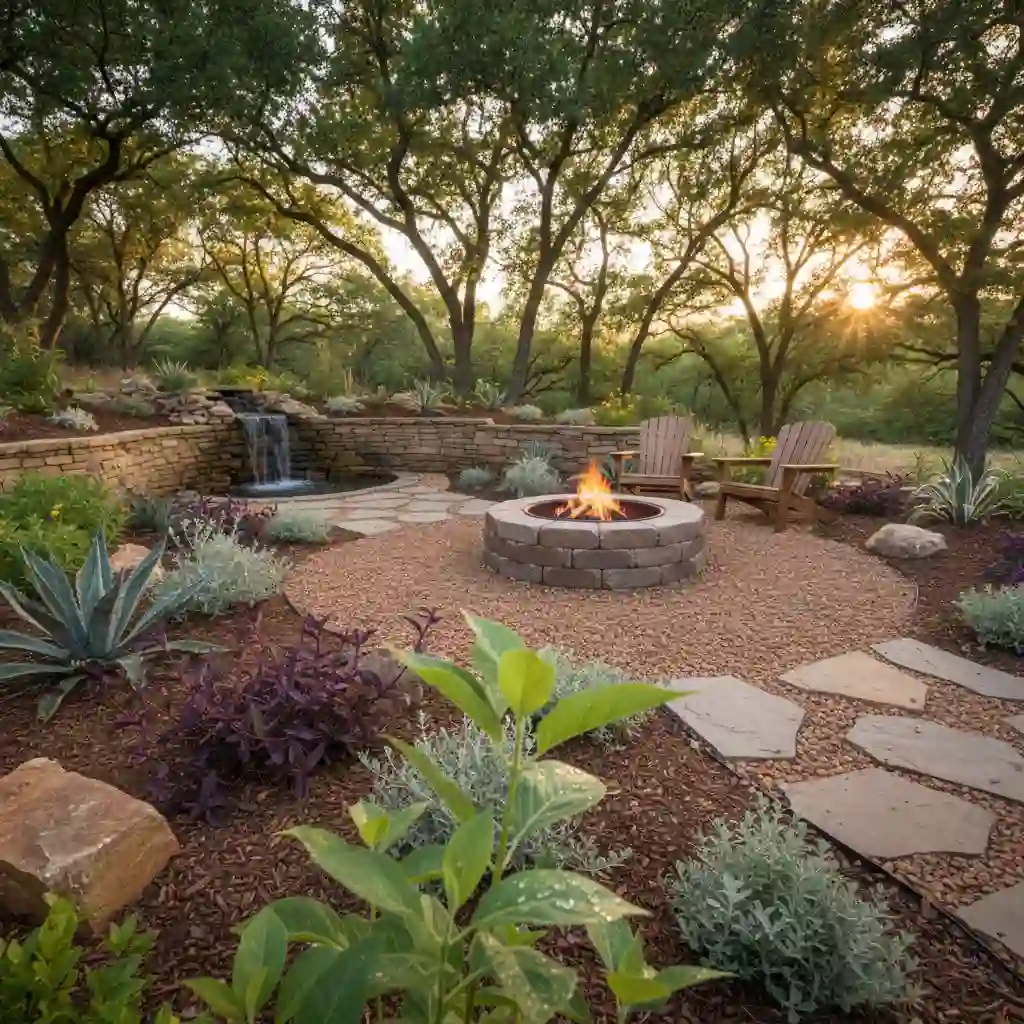
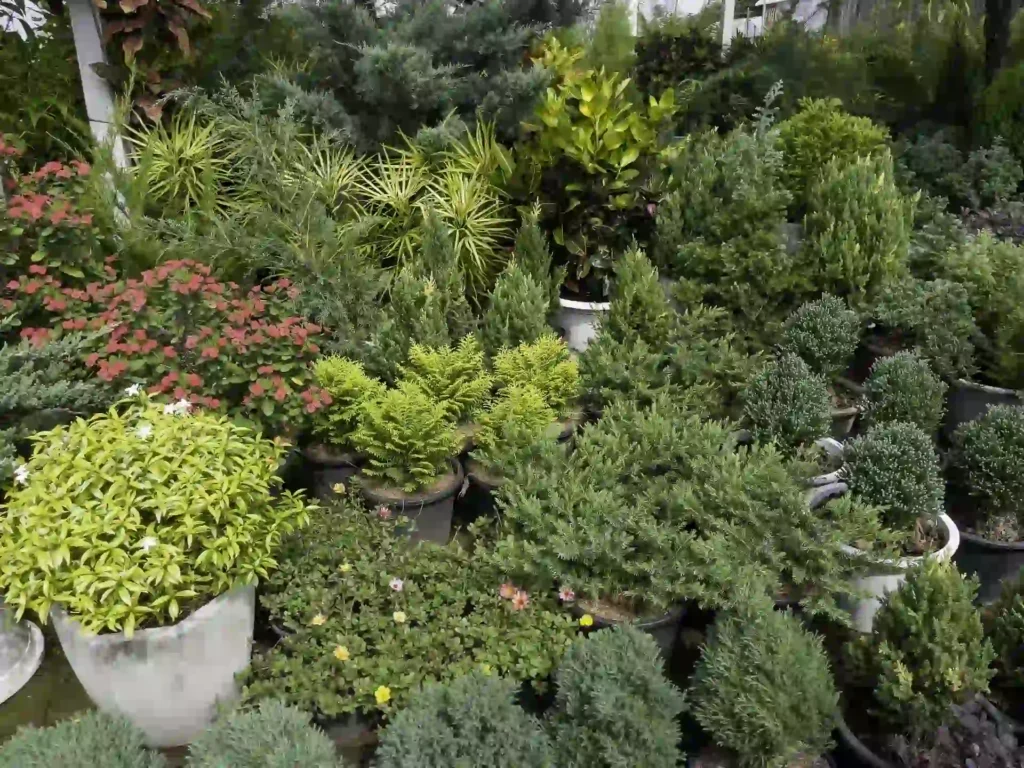
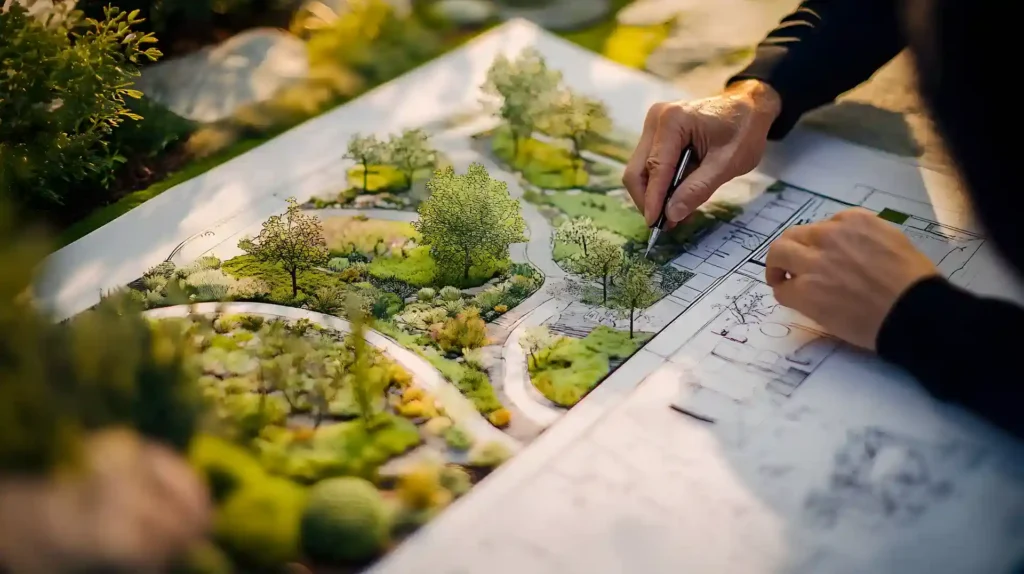
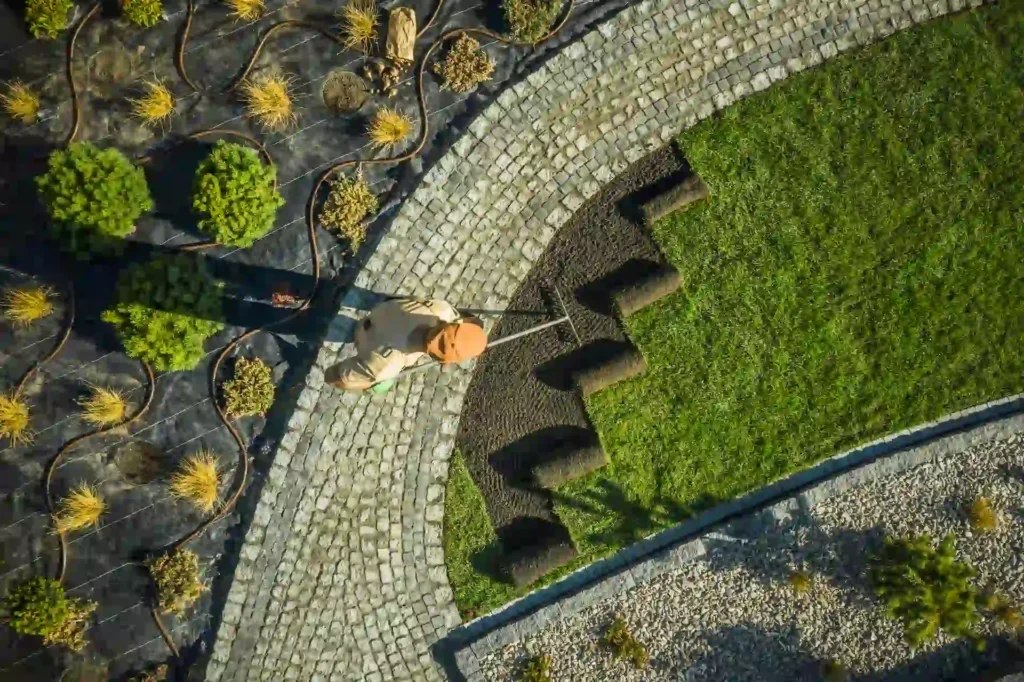
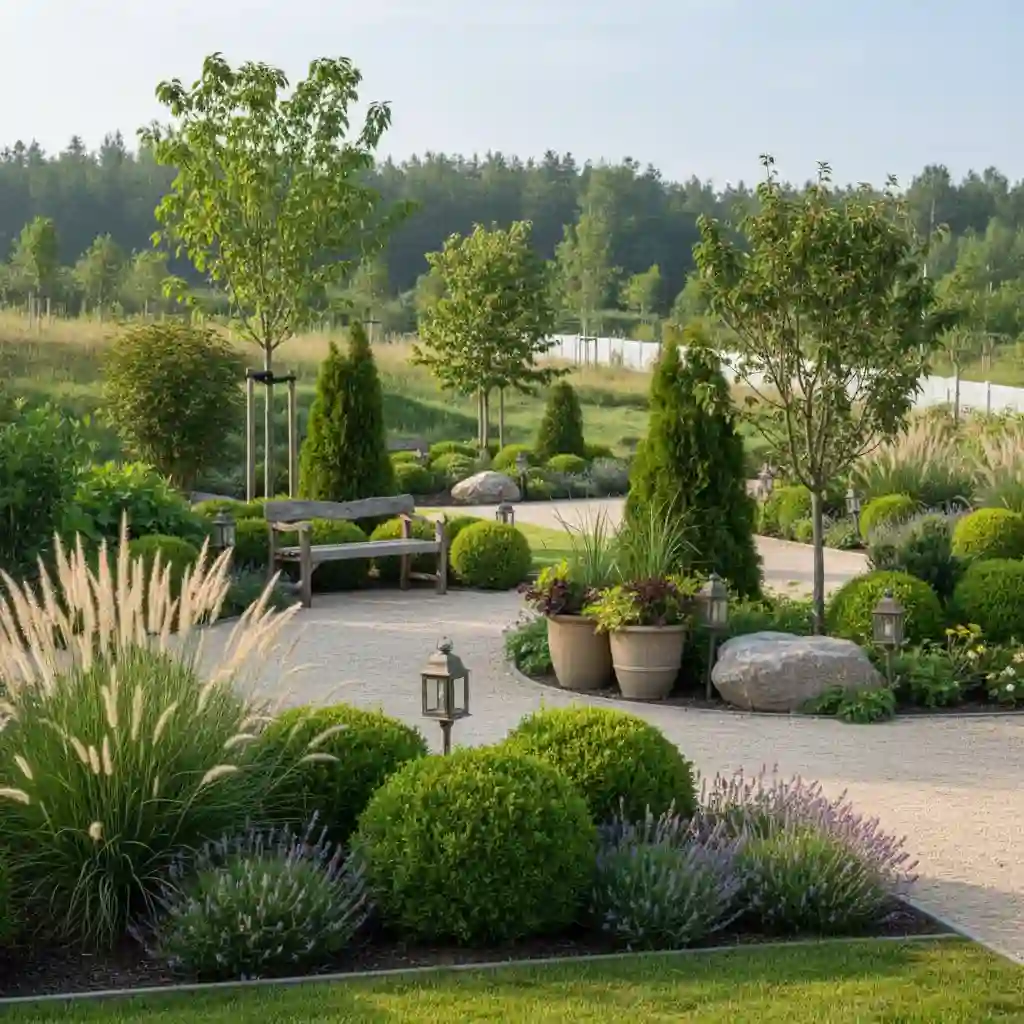
Most yards that look “off” aren’t missing expensive plants or tall rock features. They’re missing a simple design principle. The rule of 3 in landscaping is the idea that plants, rocks, and design elements look most natural and visually balanced when grouped in odd numbers, especially threes. It works because the human eye finds odd-numbered groupings more interesting and easier to process than even ones. Here’s the quick answer: The rule of 3 in landscaping means grouping plants, stones, or features in sets of three (or other odd numbers) to create a more natural, balanced, and visually pleasing landscape. It applies to flower beds, hardscaping, containers, focal points, and seasonal plantings alike. Understanding the Rule of 3 in Landscaping The core of this rule relies on human psychology and how we perceive data from our surroundings. Our brains naturally look for pairs and try to categorize objects into symmetrical matches. When you place two identical shrubs next to each other, your eye locks onto them as a pair, creating a static focal point that stops visual movement. Threes break this patterns. An odd number prevents the brain from easily pairing things up, forcing your eyes to travel across the composition in a triangular path. This movement creates a sense of rhythm and flow that mimics natural environments. In nature, plants rarely grow in perfect pairs or clean, even rows; they cluster organically. Design Element Even Groupings (Pairs) Odd Groupings (Threes) Visual Effect Static, rigid, artificial symmetry Dynamic, fluid, organic movement Brain Perception Catches patterns instantly and stops Scans the layout continuously Best Used For Formal entryways, structured gates Garden beds, rock clusters, general borders Applying the Rule of 3 in Your Garden Start by looking at what you already have. If you’ve planted two of something side by side, add a third. If you have a row of four identical shrubs, pull one and rearrange into a triangle-shaped cluster of three. The triangle formation is the most powerful application of this rule. Place three plants at the three points of an imaginary triangle, slightly staggered in depth. This creates layering and shadow, which makes the group look full even with just three plants. You can also mix species within the group of three. Try one tall statement plant in the back, one mid-height bloomer in the middle, and one low ground-cover plant at the front. That single trio does the work of a much larger planting scheme. Tips for Implementing the Rule of 3 in Your Landscape Design Here are practical ways to put this rule to work immediately: Use varying heights. A group of three identical plants at the same height looks flat. Vary by 12 to 18 inches between each plant for a natural layered look. Repeat groups across the yard. Three groups of three plants across a long bed creates rhythm. Your eye moves from one trio to the next, which makes the whole space feel considered and cohesive. Mix textures, not just colors. Pair fine-textured ornamental grass with a broad-leaf hosta and a spiky agave. The contrast between textures makes each plant pop. Apply the rule to rocks, too. A single large landscaping rock looks placed. Two rocks look like an accident. Three rocks, staggered in size, look like they were always there. This works especially well with river stone fireplace surrounds and garden borders. Creating Focal Points with the Rule of 3 A focal point is the first thing someone’s eye lands on when they look at your yard. Without one, the eye wanders and the space feels unresolved. The rule of 3 helps create strong focal points by giving the eye a clear “anchor and surround” structure. Place your boldest element at the center, then flank it with two supporting elements, like two ornamental grasses on either side of a tall rock or river stone feature. This three-point structure works for front entries, garden corners, and around mailboxes or garden gates. It’s the same reason most well-designed storefronts use three display items in a window. Why the Rule of 3 Matters in Landscape Design Symmetry is satisfying in architecture, but in gardens it can feel stiff and formal. Nature doesn’t plant things in pairs. Go to any forest or meadow and you’ll see clusters of plants in varying sizes and numbers, rarely even, rarely perfectly spaced. The rule of 3 mimics that natural randomness while still giving you control. It’s a framework that produces organic-looking results even when you’re making every single decision yourself. For anyone wondering what is the rule of 3 in landscaping in a practical sense, think of it this way: it’s a shortcut that makes your design decisions easier and your results more consistent. Rule of 3 vs. Rule of Thirds What’s the Difference? These two rules are related but not the same, and they get confused often. The rule of 3 refers to grouping elements (plants, stones, features) in sets of three or other odd numbers. It’s about quantity and composition of individual elements within a space. The rule of thirds is a photography and design principle where you divide a space into a 3×3 grid and place key elements along the grid lines or at intersection points. It’s about where in the overall frame or yard you place things. Both rules work together. Apply the rule of thirds to position your planting beds or focal points within the yard’s overall layout, then use the rule of 3 to arrange the plants within each bed. Rule of 3 in Flower Beds Flower beds are the most common places to use odd-numbered groupings. To make a lasting impression, mass your perennials in trios along the length of your border. Instead of scattering individual flowers randomly, plant three echinacea together, followed by three blocks of lavender, and three clumps of coreopsis. This clustering technique creates bold blocks of color that can be appreciated from a distance, rather than a muddy blend of textures. For long foundation beds, repeat your chosen