Exterior property systems require constant care to remain working. You undoubtedly spent a lot of money on your outside lighting to secure your property and increase safety. Those lights will be affected by weather and soil movement, plant development over time. A quality outdoor setup can quickly deteriorate without proper maintenance, resulting in darkened walks and expensive repairs.
Routine maintenance prevents system faults before they occur. Landscape lighting maintenance is good for your home as well as your pockets by avoiding complete component overhaul. This guide covers cleaning your fixtures, testing your power supply, troubleshooting voltage difficulties, and dealing cleanly with seasonal variations.
Why Routine Landscape Lighting Maintenance is Mandatory
Outdoor fixtures face harsh conditions every single day. Rain, snow, lawn mowers, and pests constantly challenge your exterior lighting installation. Regular inspection protects your investment from these predictable outdoor elements.
Moisture is the primary enemy of outdoor electrical systems. When seals degrade, water seeps into sockets and ruins the connections. This leads to corrosion that destroys the entire fixture from the inside out. Regular checks help you spot failing gaskets before water causes permanent damage.
Lawn equipment often strikes ground fixtures during regular yard work. Mowers and trimmers can knock fixtures out of alignment or crack plastic stakes. Checking your hardware ensures small alignment issues do not turn into severed underground cables.
The Importance of Landscape Lighting Maintenance
Outdoor lights for landscaping are more than just pretty things. They light up paths, draw attention to landscaping elements, and set the mood for outdoor events. But if you don’t take care of them properly, these lights might stop working, become dangerous, and even cost a lot of money. Here’s why landscape lighting maintenance matters:
1. Safety First
Flickering or burned-out lights can create tripping hazards along pathways and stairs. Faulty wiring, a damaged landscape wire, or improperly installed fixtures can even pose an electrical risk. Routine maintenance ensures your yard stays safe for family and guests.
2. Preserve Aesthetic Appeal
A beautifully lit garden can quickly lose its charm if fixtures are dirty, bulbs are burned out, or a vintage lamp is showing signs of wear. Regular cleaning and adjustments keep your outdoor landscaping lights vibrant and visually appealing.
3. Extend Lifespan of Fixtures
Outdoor lights are exposed to sun, rain, and temperature fluctuations. Proper maintenance, including fixing landscape lighting and repairing outdoor lights promptly, reduces the wear and tear on your fixtures and helps you avoid frequent replacements.
4. Energy Efficiency
Well-maintained landscape lights run efficiently, reducing energy waste. Dirty lenses or malfunctioning lights often require more power to achieve the desired brightness. Keeping your fixtures in top condition ensures energy savings over time.
The Essential 5-Step Landscape Lighting Maintenance Checklist
1. Cleaning Fixture Lenses and Housing
Dirt buildup cuts light output by half over a single season. Dust, mud, and hard water minerals form a thick crust over the glass covers. This film traps heat inside the fixture, which shortens the lifespan of your bulbs.
Wipe down the glass using a soft cloth and mild soap. Avoid harsh chemical cleaners because they strip the protective coatings off brass and copper housings. For stubborn calcium deposits from lawn sprinklers, use a gentle vinegar solution to dissolve the scale safely.
2. Trimming Overgrown Landscape Foliage
Plants grow much faster than most property owners realize. Shrubbery and tree branches can quickly block light paths, creating dark spots and strange shadows. Heavy branches can also lean on fixtures, bending the stakes or breaking the mounts.
Prune back any branches that touch your light housings. Keep a clear perimeter around path lights so your lawn mower has plenty of clearance. This simple step stops plants from trapping wet debris against your electrical components.
3. Checking the Low-Voltage Transformer
The transformer box runs your entire low-voltage system safely. It drops standard household power down to a safe twelve volts for outdoor use. If the transformer fails, your entire yard goes completely dark.
Open the transformer box to inspect the terminal blocks for corrosion. Check that your automatic timer or photocell sensor works correctly based on current sunset times. Look for signs of insect nesting inside the housing, as bugs can short out the internal controls.
4. Straightening Shifting Stakes and Adjusting Beam Angles
Freezing ground and heavy rains cause outdoor stakes to shift over time. Tilted path lights look sloppy and cast glare directly into the eyes of walkers. Misaligned accent lights miss their targets completely, leaving your main architectural features in the dark.
Check each ground stake to ensure it stands completely straight. Pack the soil firmly around loose bases to hold them securely in place. Adjust the glare shields and beam angles at night so the light hits the landscape features perfectly.
5. Inspecting Underground Cables and Splices
Soil erosion frequently exposes buried wires over a few seasons. Exposed lines are incredibly vulnerable to sharp garden tools, lawn aerators, and wild animals. Squirrels and mice frequently chew on bare wires, causing immediate system shorts.
Walk your property lines to spot any exposed direct-burial cable. Dig a small trench to rebury the line at least six inches deep to keep it safe. Check old wire splices to ensure they remain tightly sealed against moisture underground.
Common Outdoor Lighting Issues and Solutions
Voltage drop makes distant fixtures dimmer, less powerful. Resistance naturally decreases the voltage when electricity runs along a long cable. If the last fixture is getting less than ten and half volts, the light will flicker or be dimmed considerably.
To correct this problem, you have to measure the voltage at the last fixture with a digital multimeter. If the reading is too high, switch that one fixture to a separate wiring run. Or you can switch to a thicker gauge wire, such a ten gauge cable, to lessen travel resistance. Or, you may just turn the voltage tap on your multi-tap transformer up to a higher setting, say thirteen or fourteen volts, to compensate for the line loss.
Seasonal Care Guide for Outdoor Illumination
| Season | Primary Maintenance Focus | Key Action Item |
| Spring | Post-winter inspection and cleanup | Clean salt residue and realign shifted ground stakes. |
| Summer | Timer management and plant control | Adjust smart timers for late sunsets and prune fast growth. |
| Fall | Debris removal and weatherproofing | Clear fallen leaves from fixtures and inspect lens seals. |
| Winter | Protection from snow and freezing moisture | Use heat shrink tubing on connections and flag fixture locations. |
Spring Exterior Lighting Maintenance
Spring is the time to assess winter weather damage across your property. Freezing ground conditions often push fixtures out of place, leaving them crooked. Melting snow leaves behind mud, salt, and debris film that coats the glass lenses completely.
Clean every fixture thoroughly to remove salt residue that can pit metal finishes. Realign any stakes shifted by freezing and thawing soil cycles. Test the entire system during a spring rainstorm to ensure your seals are keeping moisture out.
Summer Maintenance Tips for Outdoor Lighting
Summer requires managing fast plant growth and shifting daylight hours. Overgrown perennials can bury low-profile path lights in a matter of weeks. The long days mean your lights need to turn on much later in the evening.
Adjust your transformer timer to match the later summer sunset times. If you use a smart controller, verify its astronomical clock updates correctly. Keep your lawn trimmer away from the bases of your accent lights to avoid scratching the metal finishes.
Fall Landscape Light Maintenance
Fall maintenance focuses on clearing dead leaves and preparing for wet winter weather. Fallen leaves pile up around fixtures, trapping heat and moisture against the housings. This accumulation creates a serious fire hazard if you still use old halogen bulbs.
Clear all dry leaves and organic mulch away from your light housings weekly. Inspect the rubber gaskets on your uplights to ensure they are pliable and soft. Replace any cracked seals now before freezing winter rain fills the fixture interiors.
Winter Landscape Lighting Care
Winter brings heavy snow, ice, and freezing temperatures that challenge outdoor hardware. Snow plows and shovels pose a massive physical threat to fixtures buried near driveways. Freezing water expands, which can crack loose plastic components easily.
Mark fixtures near walkways with tall reflectors so you do not hit them while shoveling snow. Do not try to chip ice off frozen fixtures, as you might break the glass covers. Let the natural heat of LED bulbs melt away light snow accumulations safely.
Routine Maintenance Tips for Outdoor Lighting
Maintaining your exterior lighting doesn’t have to be complicated. Here are actionable tips for keeping your outdoor lights in top shape:
Inspect Fixtures Regularly
Check all outdoor landscaping lights for signs of damage, corrosion, or wear. Don’t overlook vintage lamps, which may require specialized care. Inspect the landscape wire for frays or loose connections.
Clean Lenses and Fixtures
Dirt, dust, and water spots reduce light output. Use a soft cloth and mild detergent to clean garden lights and deck lights. Avoid abrasive cleaners that can scratch the surface.
Check Electrical Connections
Tighten connections, examine transformers, and ensure low-voltage wiring is intact. Faulty wiring is a common reason for lights malfunctioning and can be prevented with routine checks.
Seasonal Adjustments
Adjust fixtures based on seasonal changes in plant growth and sunlight. Trim branches that may obstruct outdoor lights, and reposition fixtures to maintain balanced illumination.
Troubleshoot Issues Promptly
Use a systematic approach for landscape light troubleshooting. Test bulbs, check switches and timers, and replace damaged components. Regular maintenance reduces the need for costly landscape lighting repair service.
Protect Fixtures from Weather
Apply protective coatings to prevent rust or corrosion, and use weatherproof seals on all exposed fixtures. This is especially important for vintage lamps, which are more susceptible to environmental damage.
Maintain Smart or Automated Lighting
If your system includes timers, motion sensors, or smart controllers, update firmware and recalibrate sensors as needed. Well-maintained automation ensures reliable operation.
By following these steps, homeowners can enjoy fully functional outdoor lighting all year round.
Benefits of Maintaining Landscape Lighting
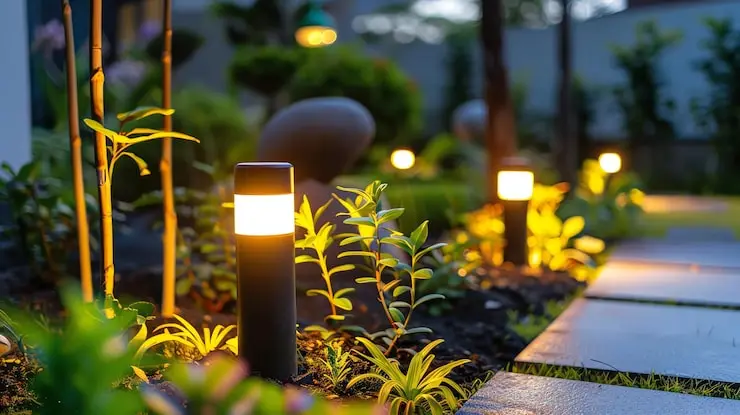
Does regular care extend the life of LED systems?
Yes, consistent inspection prevents voltage spikes and overheating, doubling system longevity. Solid brass fixtures can last for decades if you keep the sockets clean and dry. Regular care ensures minor issues do not turn into catastrophic system failures over time.
Preventing corrosion saves you from replacing expensive light fixtures prematurely. Keeping your transformer clean ensures the internal electronics run cool and efficient. A well-maintained system operates reliably without wasting power or burning out expensive components.
Proper care also protects your product warranties if a component fails unexpectedly. Most manufacturers require proof of proper installation and reasonable maintenance to honor replacement claims. Keeping your system clean ensures you get full value from your hardware investments.
Choosing Roberts Complete Care
Selecting a professional for your outdoor lighting maintenance can make all the difference. At Roberts Complete Care, we specialize in comprehensive outdoor lighting maintenance services that keep your home illuminated safely and beautifully.
Here’s what sets us apart:
Expertise in All Fixtures
Whether it’s vintage lamps, deck lights, or contemporary outdoor landscaping lights, our technicians have experience handling every type of fixture.
Comprehensive Services
From fixing landscape lighting to full-scale landscape lighting repair service, we provide solutions that ensure your exterior lighting functions optimally.
Preventative Maintenance
We don’t just repair; we prevent problems. Our routine maintenance programs include exterior lighting maintenance, cleaning, wiring inspections, and seasonal adjustments.
Troubleshooting and Repairs
Our team is skilled in landscape light troubleshooting and can diagnose and fix issues quickly, whether it involves repairing landscape lighting, fixing outdoor light fixtures, or addressing problems with your landscape wire.
Customer-Centered Approach
We prioritize safety, aesthetics, and efficiency. Every project is tailored to your home’s needs, ensuring that garden lights, deck lights, and outdoor pathways remain perfectly lit.
With Roberts Complete Care, you’re not just hiring a service — you’re investing in the longevity, safety, and beauty of your outdoor space.
Conclusion
Proper landscape lighting maintenance is essential for safety, aesthetics, and cost efficiency. From routine cleaning and wiring checks to troubleshooting and repairing outdoor lights, maintaining your exterior lighting ensures your property shines brightly year-round. Whether it’s a vintage lamp in your garden, deck lights for entertaining, or general landscape lighting repair service, regular attention prevents costly repairs and enhances the beauty of your outdoor space.
For homeowners in Whittier, Roberts Complete Care offers professional Landscaping Maintenance Services in Whittier, providing comprehensive support for all your outdoor lighting needs. With expert technicians, customized maintenance plans, and prompt repair services, Roberts Complete Care ensures your property remains safe, well-lit, and inviting.
FAQs
How often should I perform landscape lighting maintenance?
Ideally, inspect your outdoor lighting every 3–6 months. Seasonal adjustments and monthly cleaning of lenses and fixtures help prevent major issues.
Can I repair outdoor lights myself?
Minor cleaning and bulb replacement are usually safe, but complex issues like wiring, transformers, or vintage lamp restoration are best handled by professionals.
What is the most common landscape lighting issue?
Loose connections, damaged landscape wire, and burnt-out bulbs are the most frequent problems that require landscape lighting repair service.
How can I improve the lifespan of my garden lights?
Regular cleaning, seasonal adjustments, timely repairs, and protecting fixtures from weather and water damage can significantly extend their lifespan.