How to Install a Lawn Irrigation System | A Complete Step-by-Step Guide
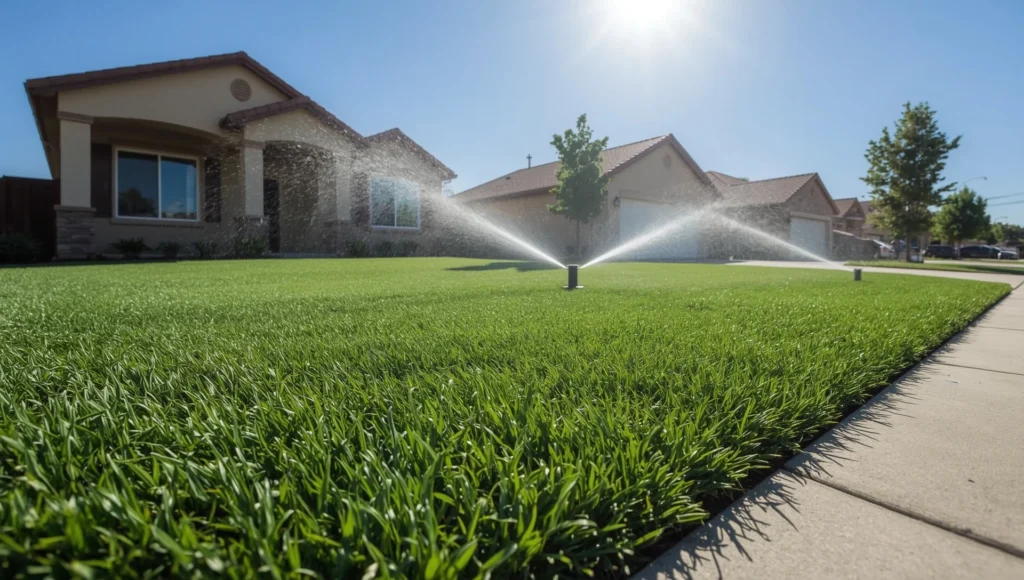
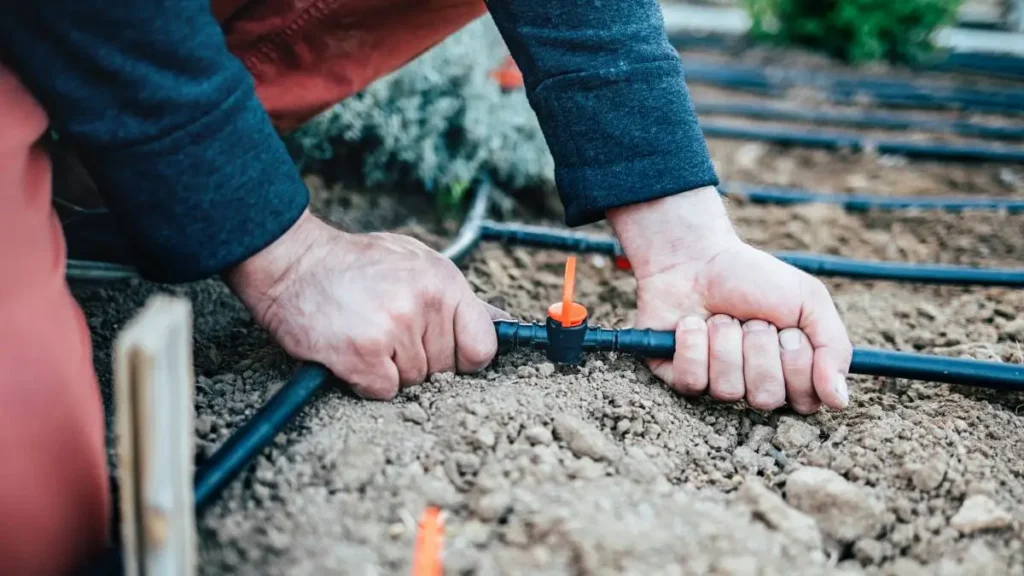
Watering your lawn by hand every day gets old fast, especially in summer. If you’re tired of dragging hoses around or watching your grass go brown during a dry spell, you’re already halfway to deciding you need a smarter solution. Learning how to install a lawn irrigation system isn’t as complicated as it sounds, and the payoff, a healthy lawn that basically waters itself, is absolutely worth the weekend effort. Here’s the quick answer: you plan your layout, dig trenches, lay PVC pipe, install valves and sprinkler heads, wire everything to a controller, and set your schedule. This guide walks through every step clearly, including gaps most tutorials skip, like water pressure calculation, winterization, and troubleshooting. What Is a Lawn Irrigation System? A lawn irrigation system is a network of underground pipes, valves and automatic pop-up sprinkler heads that deliver water to a landscape. It is hard wired into your primary water line or a secondary utility meter. The brain of the system is the central electronic controller that instructs particular valves to open and close according to a programmed schedule. Unlike manual sprinklers, an underground system offers targeted hydration through pressurized lines, meaning no waste of resources. It divides your yard into different areas called zones to keep the pressure correct for operation. Modern systems employ smart Wi-Fi controllers that automatically adjust watering times based on local weather forecasts. Is DIY Irrigation Installation Right for Your Yard? DIY irrigation installation is right for your yard if you have a property under a half-acre, flat terrain, and a basic comfort level with physical tools. Large properties with complex slope changes or heavy stone retaining walls require heavy commercial machinery and specialized engineering. If you are willing to handle intense physical labor like trenching and pipe assembly, a self-installed project is highly practical. Consider your personal schedule and physical limits before buying materials. Digging hundreds of feet of trenches by hand or operating a heavy walk-behind trencher strains your back and shoulders. However, managing the project yourself gives you total familiarity with your property’s plumbing, making future troubleshooting and repairs simple. Why Install a Sprinkler System? A sprinkler system will keep your deep soil moist all over, keep from overwatering, add to the value of your home and get rid of the daily manual labor. An automated system delivers the exact amount of water your root zones need to thrive. Modern systems also use less water, so you may notice a decrease in your monthly utility bills. Water loss from evaporation and wind drift will be minimized by scheduling irrigation for the early morning hours. It also protects your costly investments in sod, ornamental trees and fragile flower beds in the middle of the brutal summer heat waves. Calculate Water Pressure and Flow Rate You measure the water pressure by connecting a pressure gauge to an outdoor spigot, and you measure the flow rate by timing how quickly a bucket fills. These two metrics determine the maximum number of sprinkler heads that can be on a single valve at the same time. Too many nozzles in a zone and the operating pressure drops and the heads will not pop up or spray properly. Be sure that all indoor faucets, washing machines, and showers are turned all the way off so that you can measure your static water pressure. Screw a standard $PSI$ (pounds per square inch) gauge onto the outdoor faucet nearest your water meter. Open the valve all the way. The normal range of pressure for a residential home should be between $40\text{ and }65\text{ PSI}$. Now do the bucket test to find out the $GPM$ (gallons per minute) capacity of your system. Place a clean 5-gallon bucket under the open spigot and time the exact number of seconds it takes to fill to the brim using a stopwatch. Use this math equation to figure out your ability: How to Install a Lawn Irrigation System: Step-by-Step 1. Plan Your Layout and Zones Never guess where to place your sprinkler heads. Draw a map of your property to scale on graph paper, marking the location of the house, driveway, sidewalks, and major trees. Divide the yard into square or triangular grids to ensure total head-to-head coverage. Head-to-head coverage means the spray from one sprinkler head must physically reach the base of the neighboring head. This overlapping design prevents dry patches caused by wind distortion or natural spray drop-off. Group your heads into separate zones based on your calculated $GPM$ limit and the sun exposure of each area. 2. File for Permits and Call 811 Before your shovel touches the dirt, you must contact your local building department regarding building codes and required plumbing permits. Most municipalities require a certified backflow preventer to stop non-potable lawn water from siphoning back into your clean domestic drinking supply. You must dial 811 at least a few days before digging to have your local utility lines marked for free. Utility technicians will spray paint or place small flags over buried gas, electric, and fiber optic lines. Striking an underground power cable or gas main is incredibly dangerous and carries massive financial liabilities. 3. Dig the Trenches Mark your planned pipe paths across the lawn using white landscape spray paint or string lines. Rent a walk-behind power trencher from a local tool supply yard for approximately $100 to $200 a day to save your back. These machines are heavy and vibrate intensely, so pull the unit backward slowly along your painted lines. [Image Idea: Real photo of a homeowner operating a rented mechanical walk-behind trencher, showing the machine carving a clean 8-inch deep trench in a front yard while leaving the churned dirt neatly piled on one side.] Dig your main line trenches to a depth of 8 to 12 inches to protect the pipe from lawn aerators and heavy traffic. Run your secondary zone lines at a minimum depth of 6 inches. When working near utility flags or tree roots, put away the power
How to Install a Lawn Irrigation System | A Complete Step-by-Step Guide Read More »