Your backyard is more than just grass and a fence. It’s untapped square footage waiting to become one of your favourite spots in the house. Most homeowners stare at their outdoor space for years, unsure where to start, and end up with mismatched furniture and a patio that never gets used. If you’ve been putting it off, this guide is for you. Learning how to design outdoor living spaces doesn’t require a landscape architect or a massive budget. It requires a clear plan, the right priorities, and a little creativity.
To design an outdoor living space, start by defining how you’ll use it, then plan your layout in functional zones (dining, lounge, cooking). Choose durable flooring, add privacy with plants or screens, layer in lighting and shade, and finish with weather-resistant furniture. The process takes planning but the result is a space you’ll use year-round.
Setting the Stage: What Outdoor Living Design Actually Means
Outdoor living design is the process of turning an open exterior area into a purposeful, comfortable room without a roof. Think of it like interior design, but with sunlight, wind, and weather as your variables.
The best outdoor spaces share one thing: intention. Every element from the floor material to the plant placement serves a reason. When you approach how to design an outdoor living space the same way an interior designer approaches a living room, the results are dramatically better.
Step 1: Define Your Purpose Before You Buy Anything
The single most important step when creating an outdoor living space is deciding how you’ll actually use it. Are you hosting dinner parties, relaxing solo, playing with kids, or all three? Your answer shapes every decision that follows.
Ask yourself:
- How many people do I typically entertain?
- Do I need a kid-friendly or pet-friendly zone?
- Is this mainly a daytime space or do I use it in the evenings?
- Do I want to cook outside, or just eat?
A family of five needs something very different from a couple who hosts cocktail evenings. Getting clear on purpose saves you from buying a six-seat dining set when what you really needed was a hammock and two lounge chairs.
Step 2: Plan Your Layout Like a Pro
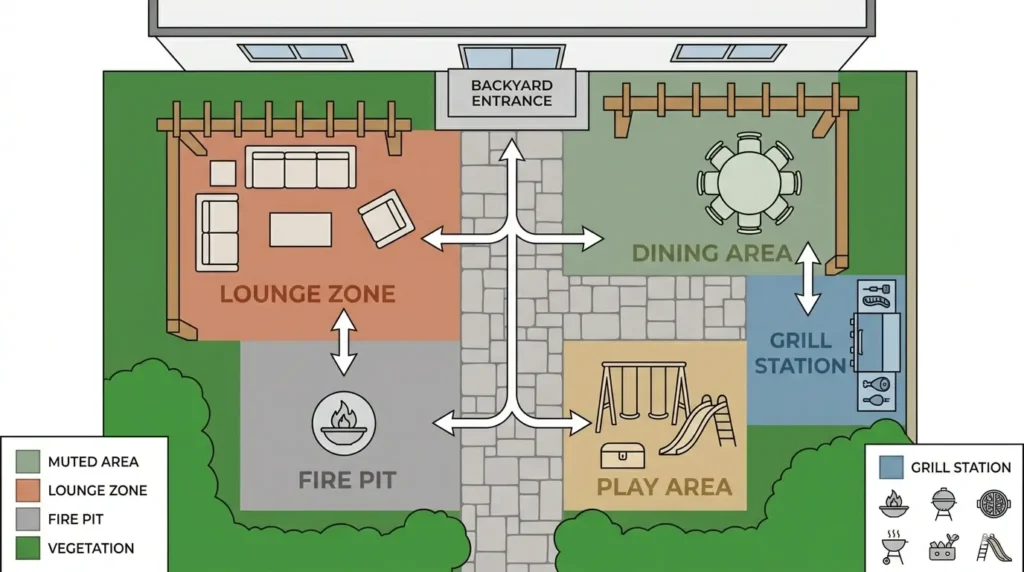
A well-planned outdoor layout connects logically to your home’s interior, with each zone placed where it makes functional sense. The dining area belongs near the kitchen door. A lounge area works best where you get the best view or evening light. A play zone for kids sits where you can see it from inside.
Landscape architects use a base map to plan outdoor spaces. You don’t need design software. Print an aerial photo of your property from Google Maps, trace over it with a sheet of paper, and sketch rough circles for each zone. This is your bubble diagram.
Think about traffic flow too. You don’t want guests walking through a flower bed to get to the drinks table. Logical pathways between zones are what separate a polished outdoor room from a cluttered yard.
Zones to Consider for Your Layout
- Outdoor dining area (near kitchen access)
- Lounge/seating area (with best view or afternoon shade)
- Outdoor kitchen or grill station
- Fire pit corner (with seating arranged around it, upwind)
- Play or garden zone (separate but visible)
Step 3: Choose the Right Flooring and Hardscape
Your outdoor floor does two jobs: it defines the space visually and supports everything placed on it. The wrong material cracks, fades, or turns into a mud pit after rain.
Popular hardscape options include:
- Flagstone natural, durable, works well in rustic or organic designs
- Concrete pavers clean lines, budget-friendly, wide colour range
- Wood decking warm feel, great for raised areas or pools
- Decomposed granite low-cost, permeable, great for informal zones
- Gravel affordable, good drainage, works as filler between pavers
For most patios, a combination works best. Use a hard surface like pavers for furniture areas, and softer ground cover like gravel or grass around the edges. This approach is practical and looks intentional.
Step 4: Build Privacy Into the Design (Walls)
Privacy is the most overlooked element when building an outdoor living space. Nobody relaxes fully when they feel exposed to neighbours or street traffic. The good news is that privacy doesn’t have to mean a tall wooden fence.
Plants are one of the best privacy tools available. Tall grasses like maiden grass or bamboo create a soft, natural screen. Boxwood hedges give a formal, structured look. Climbing vines on a trellis or pergola provide coverage while adding texture to vertical surfaces.
For faster results, use a combination: a partial fence for the base and climbing plants to soften it. This is both practical and visually interesting.
Other privacy options:
- Pergola with curtains or shade panels
- Slatted timber screens
- Raised planters with tall shrubs
- Stone walls (doubles as seating)
Step 5: Add a Ceiling to Create a Sense of Place
An overhead structure transforms an open patio into an actual room. It lowers the perceived scale of the space, makes it feel more intimate, and gives you protection from the sun and light rain.
Options range by budget and style:
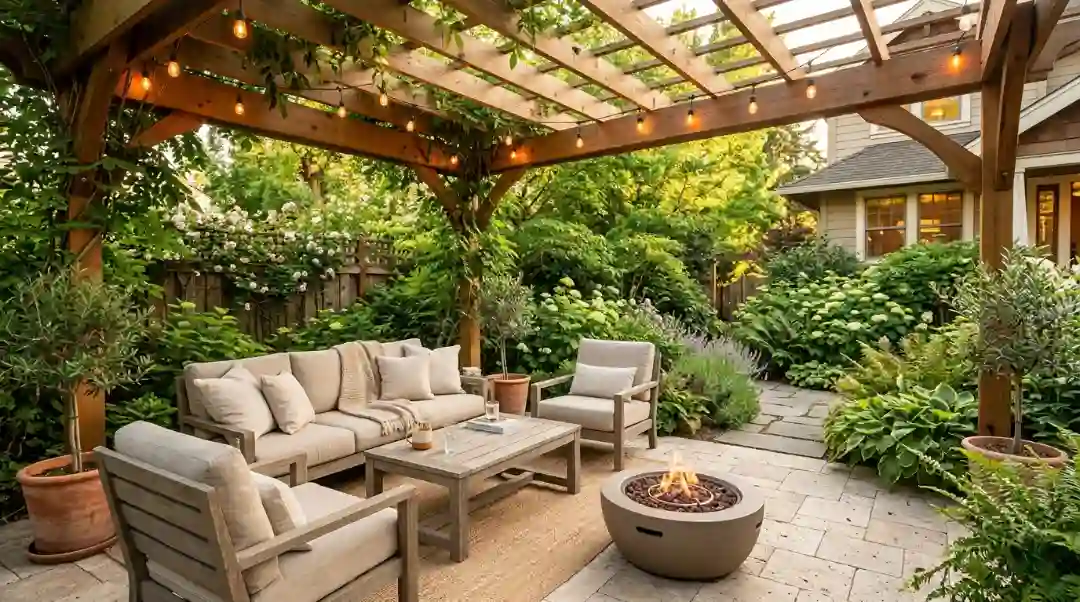
- Pergola classic choice, works with climbing plants, great for string lights
- Shade sail affordable, modern look, easy to install
- Retractable awning best for spaces that need flexibility
- Large cantilever umbrella good for dining areas, no posts required
- Shade trees the most natural option, but takes years to establish
If your outdoor space gets heavy afternoon sun, shade is not optional. It’s the difference between a space you avoid and one you live in.
Step 6: Select Furniture That Actually Survives Outside
Outdoor furniture fails most people because they choose based on looks alone. When selecting furniture for your outdoor living space, prioritise weather resistance first, then comfort, then aesthetics.
Look for materials rated for outdoor use:
- Teak ages beautifully, naturally weather-resistant
- Powder-coated aluminium –lightweight, rust-proof, low maintenance
- All-weather wicker comfortable, UV-resistant
- Concrete or stone permanent, heat-tolerant, zero maintenance
Cushions matter as much as frames. Choose fabrics rated for UV and moisture resistance, like Sunbrella. And don’t skip the outdoor rug. It anchors furniture groupings and makes a patio feel like a proper room.
One practical tip: movable pieces give you flexibility. Small side tables, poufs, and stackable chairs let you reconfigure the space depending on who’s visiting.
Step 7: Get Lighting Right for Evening Use
Outdoor lighting is what separates a patio that gets used only at noon from one you’re still sitting in at 10pm. Layer three types: ambient, task, and accent.
- Ambient lighting string lights across a pergola, overhead lanterns
- Task lighting focused light over a grill station or dining table
- Accent lighting uplights on trees, pathway lights, step lighting for safety
String lights are the easiest win. A single strand of warm-white bulbs zigzagged above a seating area creates an instant atmosphere. Solar path lights handle safety without wiring. And uplighting trees at the edge of the yard expands the visual depth of the space.
Step 8: Add Fire, Water, and Ambience Features
These are the features that turn a functional patio into a space people never want to leave.
Fire: A fire pit extends your outdoor season by weeks. In milder climates, a well-placed fire pit with surrounding seating makes the space usable year-round. Choose a built-in stone fire pit for a permanent focal point, or a portable steel bowl if you need flexibility. Always position seating upwind from the flame.
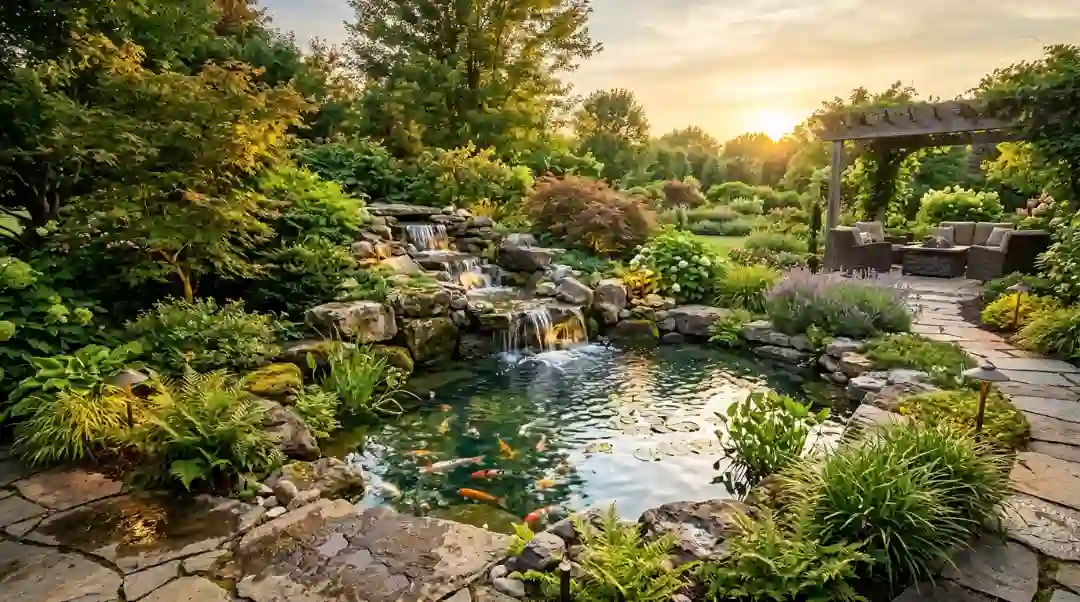
Water: A water feature doesn’t need to be elaborate. Even a small tabletop fountain adds a sensory layer that genuinely aids relaxation. Studies show that the sound of flowing water reduces cortisol levels. If your yard backs onto a natural water source, orient seating to take advantage of it.
Plants: Use easy-care, low-maintenance greenery around the space. Rounded shrubs like boxwood or agave give structure without demanding attention. Avoid placing plants that attract bees directly in dining zones.
What Are the Best Outside Living Space Ideas for Small Spaces?
Small patios, balconies, and compact backyards can absolutely function as full outdoor living areas. The key is vertical thinking and multi-functional furniture.
Use wall-mounted planters instead of floor pots. Choose a bistro table that folds flat when not in use. Hang string lights from wall brackets instead of posts. A vertical trellis with climbing vines creates the feel of walls and greenery without taking up floor space.
For apartment balconies, a small loveseat, one side table, a potted herb garden, and a string of warm lights is genuinely all you need for a usable outdoor retreat.
How Do You Design a Seamless Indoor-Outdoor Living Space?
Indoor-outdoor living is the design principle of making your interior and exterior feel like one connected space rather than two separate environments. It’s one of the most requested design features in modern homes.
The simplest way to achieve this: match your material palette. If your indoor floors are warm wood tones, continue that into the outdoor deck. If your interior uses a neutral, earthy colour scheme, carry those tones into your outdoor cushions and planters.
Folding glass doors or wide sliding doors are the architectural version of this. But even without a renovation, you can align furniture placement, sight lines, and colour to make the transition feel natural.
Common Mistakes to Avoid When Designing Outdoor Spaces
These are the errors that show up in almost every outdoor design project:
- Buying furniture before planning the layout always plan zones first
- Ignoring wind direction don’t place a fire pit where smoke blows at your seating
- Choosing style over weather resistance beautiful furniture that warps after one winter is not a good investment
- Skipping lighting entirely your space becomes unusable after dark
- No defined edges without borders (pavers, plants, rugs), the space feels unfinished
- Overcrowding less furniture, more open floor area always wins
DIY vs. Hiring a Professional: Which Makes Sense?
For most homeowners, a hybrid approach works well. Handle the furniture, lighting, and plant selection yourself. Hire out the hardscape work (laying pavers, building a pergola, installing a fire pit) if you’re not experienced with it.
A licensed landscaper is worth the cost for grading issues, drainage problems, or any structural build. For pure design and styling, a competent homeowner with a clear plan can achieve excellent results independently.
Landscaping and Lawn Care: The Foundation of It All
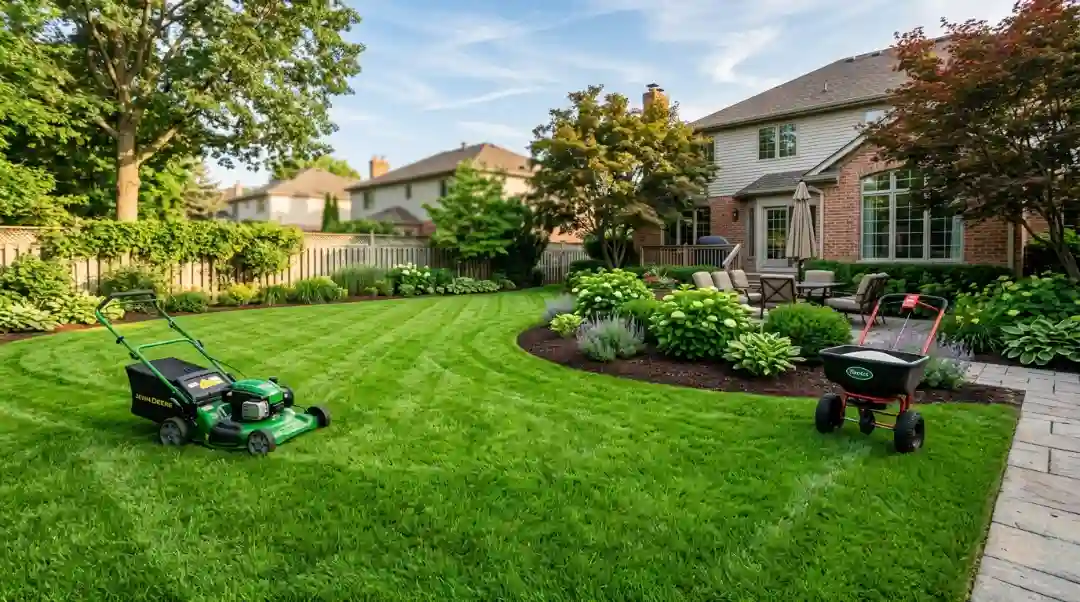
No outdoor living space looks its best without healthy, well-maintained surrounding turf and planted areas. The furniture and structures get the attention, but it’s the lawn and landscaping that frame everything.
If you’re in the Whittier area and want a professional starting point, Robert’s Complete Care offers reliable Landscaping Maintenance in Whittier that set the groundwork for any outdoor design project. A properly graded, well-established lawn gives you a clean canvas to build from. Contact us to see how we can help prepare your space.
Final Thoughts
Knowing how to design outdoor living spaces comes down to treating your yard with the same respect you’d give any room inside your home. Plan with purpose, build in layers (floor, walls, ceiling), and choose materials that hold up to your climate.
Start with one zone. Get the layout right, add the foundation, then layer in the ambience features over time. Most great outdoor spaces weren’t built in a weekend. They were built thoughtfully, piece by piece.
If you’re ready to start and need professional lawn and landscaping support as your foundation, reach out to Robert’s Complete Care. Contact us today to get your outdoor space off to the right start.
Frequently Asked Questions
How much does it cost to design an outdoor living space?
Basic patios with simple furniture start around $1,500–$5,000. Mid-range designs with pavers, a pergola, and quality furniture typically run $10,000–$25,000. Full outdoor kitchens with hardscape and landscaping can reach $50,000+. Your budget determines scope, not quality of planning.
What is the best flooring for an outdoor living space?
Concrete pavers are the most versatile and cost-effective option for most homeowners. Flagstone looks more natural and organic. Wood decking offers warmth but requires more maintenance. Choose based on your climate and how much upkeep you’re willing to do.
How do I add privacy to my outdoor space without a fence?
Tall grasses, boxwood hedges, climbing vines on a trellis, and bamboo all create effective privacy screens. Pergola curtains are another option for flexible coverage. Raised planters with shrubs also work well for defining edges without a permanent structure.
Can I design a great outdoor space on a small budget?
Yes. Focus on three things: a defined floor surface (even gravel works), a shade element (a single umbrella), and lighting (string lights cost very little). Furniture from second-hand sources can be refreshed with outdoor spray paint and new cushions for minimal spend.
What plants work best around outdoor seating areas?
Low-maintenance options like boxwood, agave, ornamental grasses, and creeping thyme are ideal. Avoid heavy-flowering plants that attract pollinators directly near dining zones. Use vertical plants like Green Tower Boxwood for privacy without taking up much ground space.