Landscape & Outdoor Services

Get expert advice and DIY tips on landscaping and outdoor projects in Whittier, CA from design to installation and maintenance.

Cost of Landscape Lighting Installation Complete Guide

Cost of Landscape Lighting Installation

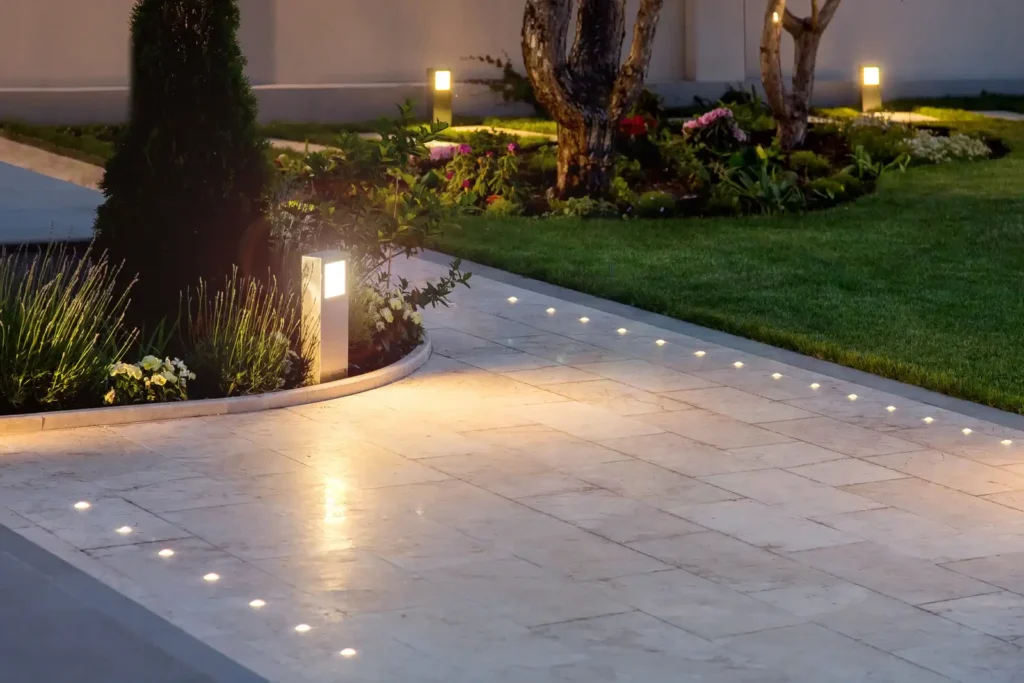
Landscape lighting is a great investment to increase your curb appeal, home security, and home value. From highlighting your garden, to brightening pathways, to lighting seating areas outside, knowing the cost of landscape lighting installation enables you to plan your finances correctly. Costs vary considerably depending on the type of lighting, materials, and design, and the amount of labour required. This guide will tell you everything you need to know — including pricing factors and lighting options, to the installation process and budgeting tips. Understanding the Cost of Landscape Lighting Installation Understanding how much to budget for landscape lighting starts with knowing what affects the cost. Some people require just a few lights to illuminate walkways, whereas others desire a full lighting design for their yard, garden, and patio. As outdoor environments vary greatly, so too does the price according to system size, fixtures, wiring, and installation complexity. To a large extent, the cost will also depend on whether you opt for the simple model or the luxury lighting system. Basic solar lights are inexpensive, while high-quality LED and low-voltage systems can increase the cost. Knowing the difference will enable you to make informed decisions on lighting without spending too much. What Factors Affect the Cost to Install Landscape Lighting? A number of elements influence the cost to install landscape lighting when calculating it. Having this information allows you to compare quotes and select the ideal lighting solution for your home. The Type of Lighting Fixtures The fixtures you select are one of the largest suppliers of cost factors. Path lights, spotlights, deck lights, and floodlights vary in cost. High-end options like brass or stainless steel fixtures are more expensive, but they have a longer lifespan and better performance. Many people who live in their homes are buying high-end LED lights for their longevity and energy efficiency. Total Number of Lights Needed The farther you need to go, the more fixtures you need, and the more you’re going to pay. A plain footpath can be lit with a handful of lights, but to light up every inch of a large garden requires an elaborate lighting scheme. Plan the quantity of light in the design, not just the decorative effect. Materials and Wiring Requirements Professional kits will generally need low-voltage wiring, transformers, connectors, and even waterproof sealing materials. While they add to the overall landscape lighting cost, they make for a safe, long-lasting solution. Solar lights are less expensive since there is no need to install wiring or electricity, but they are not as bright, and they can be unreliable. Labor and Installation Complexity The labor cost for this work depends on who you hire and the complexity of the job. Installation may be longer if your land is hilly, stony, or has long trails. Rigs Professional installers are guaranteed for proper depth of wiring, protection from the weather, and electrically safe connections. Types of Landscape Lighting and Their Costs Each lighting style has a different price tag. Selecting the appropriate type for your needs will allow you to remain within your budget and select the style you prefer. Pathway Lighting These fixtures offer safety and visibility all along your walks, garden paths, and even your driveway. Path lights are designed to be staggered and are made with a variety of finishes and sizes. And they’re cost-effective for most homeowners who want a little taste of the good life. Spotlights and Uplighting Spotlights can be used to accentuate trees, a garden feature, or an architectural detail. They deliver focused beams and add dramatic appeal at night. Uplights are ideal for highlighting focal points and casting shadows that add visual texture. Deck and Patio Lighting Deck lights can be mounted on steps, on railings, or beneath seating to maximize the safety and ambience they bring. Great for entertaining outdoors, they cast a gentle but practical light in the space around your patio. Floodlights Floodlights are used to illuminate large spaces, including driveways, backyards, and outdoor play and work areas. These lights offer powerful, wide beam extra illumination and are often professionally wired and installed. You may read Cost of Landscape Lighting Installation. Cost Breakdown for Outdoor Lighting Installation When discerning the cost of outdoor lighting installation, it is good to know how each item affects the bottom line. Fixture Costs Standard lights are very affordable, but quality metal or LED fixtures have a higher price tag upfront. Yet, these lead to better output and more years of life, so you save more money in the long run. Wiring and Electrical Work Wiring low voltage, transformers, and connectors are also needed for safety. Electrical work is supposed to meet code, which is why you’re told to get a professional installer. Design and Planning Fees Custom designs for multi-room or whole-house lighting require an additional fee, yet provide for the best positioning of lights and an even distribution of light. Designers lead you away from pitfalls like uneven lighting or too many fixtures. Labor Charges The installation work involves trenching, wiring, mounting fixtures, testing, and then cleaning up. Professional labor guarantees the quality and durability of work. How to Budget for Landscape Lighting Installation Planning, getting quotes, and knowing what is important to you is the best way to budget for your project. Full systems are not needed in every yard. Begin by determining which areas you care about most — sidewalks, flower beds, decks, or security lighting. Get quotes from several experts, and inquire about both their basic and their premium packages. In some cases, using better materials results in lower costs because you need to make fewer repairs or replacements. Phased lighting advantage: You can put your lighting in phases, focusing first on the essentials and adding later. DIY vs. Professional Installation A lot of homeowners do lighting installation on their own to save money. While DIY lighting is possible with simple solar lights or plug-in systems, wired lighting requires skill and knowledge. A single mistake in wiring can drain efficiency or create a hazard. The pros have the tools, bury wire properly, and test every connection. They also know how to create a well-balanced lighting design. Professional labor always discounts any landscape lighting cost for the total job, but it’s worth every penny for peace of mind and lighting you can count on. When
Cost of Landscape Lighting Installation Read More »

How to Install a Paver Driveway | Step-by-Step Guide

How to Install a Paver Driveway | Step-by-Step Guide

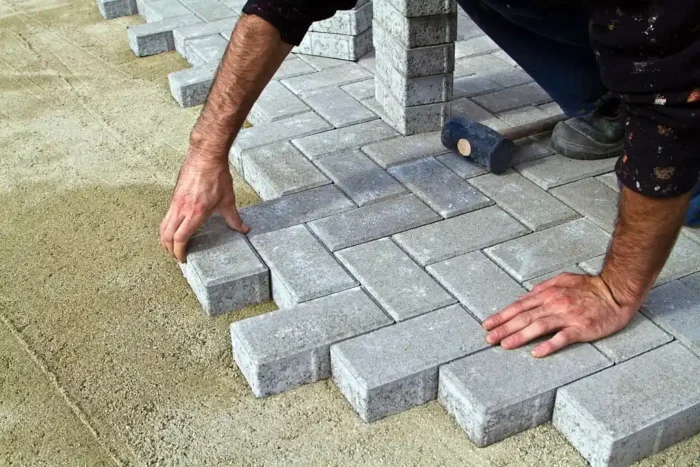
An attractive paver driveway will give your home instant curb appeal, lasting strength, and a modern look. When it comes to increasing value and providing a functional, attractive entrance, knowing how to install a paver driveway is a smart place to start. Homeowner projects. While most homeowners find that the investment in hiring professionals such as Robert Complete Care is well worth it, we do have many customers who enjoy taking on the project themselves. You need to know the process, materials, and correct procedures before you start, so you won’t make expensive mistakes down the road. This comprehensive guide covers each stage of the installation so you can determine whether to hire a professional or do part of the work yourself. Understanding the Basics of Paver Driveway Construction Constructing a long-lasting paver driveway is not as simple as placing stones on the ground. There’s planning, excavation, the right base, and then the right installation. Every phase is important since a driveway has to bear the continual weight of vehicles, changing weather, and shifting ground. Although a driveway that’s installed properly will be able to last for decades, if you skip any steps or use the wrong kinds of materials, you could end up with a driveway that sinks, shifts, or cracks. This is the reason why the experts at Robert Complete Care suggest adhering to tried and tested paver driveway installation steps in order to minimize the risk of having a weak and unsteady surface. Before you begin collecting materials, measure your driveway space, determine your layout, and select pavers that complement the design of your house. The planning phase paves the way for a smooth install. Choosing the Best Materials for Your Paver Driveway The types of materials you choose will have an impact on how your driveway looks and how long it will last. Pavers are available in a variety of shapes, sizes, and styles, and the suitability of each varies with the design you want and the weather conditions in your region. Selecting the Best Pavers for Driveways The Best Pavers for Driveways Will Be Strong, Long-Lasting, and Capable of Bearing Heavy Loads. The most popular type of paving is concrete and brick, as these materials are durable and come in a large range of colors and patterns. Concrete pavers are well known for their strength and versatility. Brick pavers have more of a traditional and classic look and do not fade easily. There are also natural stone pavers, such as granite and limestone, but they are more expensive and require more maintenance. Many homeowners choose these when they desire a high-end finish because they offer understated sophistication with enduring durability. Understanding Paver Base Materials A good driveway begins with a solid base. The paver base materials usually are some combination of crushed stone, gravel, and sand. This allows the pavers to remain level while also dispersing weight and preventing shifting. Crushed stone also offers good drainage. Gravel supports the upper layers; a layer of sand is used on top to assist in locking the pavers in position. Robert Total Care advises using quality-based material to minimize movement and extend the life of your driveway. Step-by-Step Guide: How to Install a Paver Driveway Knowing how to install a paver driveway from beginning to end is going to make you aware of how much time, work, and detail are involved. If you are a pro or are installing driveway pavers yourself, you need to follow these steps closely if you want the best chance of success. Step 1: Planning and Preparation First things first, mark off your driveway area with stakes and string. This allows you to see the design and provides you with exact measurements for material ordering. Also, make sure to call for underground utilities prior to digging. Call before you dig to prevent surprises. Then select the pattern and color of your paver. Take into account the style of your house, your landscaping, and how much you want to maintain the pool. Anticipate avoiding hold-ups when you start building. Step 2: Excavating the Area Excavating is the process of removing grass, dirt, and debris from the site to make room for the bottom layers. Most driveways need to be dug 7-10 inches deep, although this depends on climate and soil conditions. In regions where the soil contains heavy clay or the rain is abundant, dig deeper. It’s important to dig out evenly so you don’t end up with weak spots. A shovel will suffice for small patches, but for larger driveways, you need equipment. Robert Complete Care provides commercial equipment to establish the correct depth and compaction in this step. Step 3: Adding and Compacting the Base Layers After digging, the correct base layers have to be added. Begin with a layer of crushed stone, distributing it uniformly over the dug-out area. Use a tamper to press it into place. Compaction is necessary because loose material will move over time and cause pavers to sink. Then apply another layer of gravel and compact it. The last base layer is sand, allowing the pavers to rest smoothly. Make sure that your sand is level, as you will have uneven areas if you try to install your pavers on a slant. Step 4: Laying the Pavers Now it’s time to start laying the pavers in the pattern of your choice. Whether you’re laying a herringbone, basket-weave, or running bond pattern, make sure each stone is spaced evenly. Begin at one corner and progress across the driveway. Rubber mallets are used to gently tap each paver into position without causing damage. Periodically check alignment and spacing to ensure a neat, uniform job. Step 5: Cutting Pavers as Needed Not every paver will line up exactly on the edges. Using a masonry saw or a paver cutter, cut the pieces as needed. You need safety goggles and gloves for this step. If you are a novice, cutting is probably the most challenging aspect of installing driveway pavers yourself, so either take your time or consider hiring an expert to lend a hand. Step 6: Installing Edge Restraints Edge restraints are necessary to ensure that your pavers don’t migrate as time passes. They are usually made of aluminum or plastic and are staked at the edges of the driveway. This stage helps with retaining the shape and

How to Install a Paver Driveway | Step-by-Step Guide Read More »

Top 5 Lawn Care Tips for Homeowners in Whittier CA

Top 5 Lawn Care Tips for Homeowners in Whittier, CA

Keeping a healthy, vibrant lawn in So Cal can seem like trying to pinch water from stone, especially in Whittier with the hot, dry climate, little precipitation and watering restrictions. So, if you just purchased a home or want to make your front yard greener and cleaner following the right steps can make your lawn one of the best looking in the neighborhood. This guide will take you through Top 5 Lawn Care Tips for Whittier CA Homeowners, that is tailored to the local climate. Use these Southern California lawn care tips to help you combat the heat, save water, and nourish your soil — all while making your yard more earth-friendly and easier to maintain. Let’s begin! Choose the Right Grass Type for Whittier’s Climate Selecting the right type of grass is the key to a good lawn in Whittier, CA. Whittier has hot temperatures and mild winters with occasional droughts, so it is impossible for all types of grass to live without watering. Best Grass Types for Whittier Homeowners Bermuda Grass: Very drought-hardy, heat-loving, and foot traffic tolerant. Zoysia Grass:Dense growth, very low maintenance and excellent water efficiency Tall FescueThis is the best cool season choice with moderate heat tolerance. The correct grass type enables a reduction in water usage, prevents patchy growth and ensures that your lawn stays green and healthy for a longer time — so it’s no wonder that this is one of the most crucial tips for Southern California lawn care you can get. Water Smartly: Timing and Conservation Matter Drought is a common occurrence in California, and you don’t want inefficient watering to drain your wallet and your water supply just to keep your lawn green. Best Watering Practices for Whittier An early morning watering schedule (4-8 AM) will reduce the risk of evaporation. Once or twice a week deep watering promotes root growth. Don’t water shallow and often — this causes roots to become weak and disease prone. Eco-Friendly Watering Solutions For eco-friendly lawn care in Whittier, are your options: Installing smart sprinklers that respond to the weather With drip irrigation for vegetable and flower beds Mulch around plants to hold in moisture – Whittier residents are also required to adhere to local watering schedules in times of drought, so keep checking city updates to make sure you’re in line. Improve Soil Health With Regular Aeration and Fertilization Healthy soil means a healthy lawn. As the soil in Whitter is subjected to dry conditions and foot traffic over time, it becomes compacted, obstructing water and nutrients from accessing the grassroots. Aeration: Why It Matters Breaks up the soil Compaction: Reduced pressure Allows air, water & nutrients to flow Enables your lawn to withstand heat and drought Professionals advise to aerate once a year—typically in spring or late summer. Choosing the Right Fertilizer A Southern California lawn needs a balanced fertilizer with: Nitrogen (N):Encourages greening and growth of leaves Phosphorus (P): Aids root growth Potassium (K):Increases heat and drought tolerance. If you want the greenest, most lush grass that uses the fewest chemicals,_opt for organic or slow release fertilisers for eco-friendly lawn care Whittier. Not only will this best the environment, but you’ll be providing your lawn with slow release nourishment for much longer. You may read How Much Does Lawn Care Cost? Maintain Mowing the Right Way: Not Too Short, Not Too Tall Mowing is one of the easiest yet most confusing lawn care duties. Too many homeowners mowc their grass too shor, especially in the hot weather, causing stress on the turf and creating an invitation for weeds. Proper Mowing Heights for Whittier Grass Types Bermuda: 1-1.5 inches Augustine: 2.5-4 inches Zoysia: 1-2 inches Tall Fescue: 2.5-3.5 inches Never cut more than a third of the grass blade in one go.This prevents the grass from burning and lawns stay greener for longer during the summer. Additional Mowing Tips Dull blades tear grass Mow in different directions to minimize compaction of the soil Grass clippings also should be left on the lawn to serve as natural fertilizer In Whittier, CA, Proper mowing is an essential part of successful lawn care and grass maintenance. Hire Professional Whittier Landscaping Services When Needed While numerous homeowners enjoy doing yard work ourselves, there are certain tasks that are better left to the hired hands—irrigation repairs, weed control, or seasonal cleanups. Your lawn is in good hands with Whittier landscaping services as they understand how to manage the weather in the area. Benefits of Professional Lawn Care Services Personalized lawn care plans Experienced in drought-tolerant landscaping Safe use of fertilizer and weed control Regular schedules of maintenance Commercial equipment access Again, landscaping companies in Whittier understand the soils in Whittier, the rainfall patterns, the most water efficient lawn watering methods, and they know how to help you have a healthy, green lawn while being as water wise as you can be. And for owners of colder, less visually engaging yard spaces, the added professional input often has the strongest payoff. Bonus Eco-Friendly Lawn Care Tips for Whittier To the following are some other sustainable lawn care practices that will help your lawn grow strong and green with less impact on your community and our shared environment: Practice the use of native species in your lawn to use less water Mulch the grass clippings to recycle nutrients back into the soil Opt for permeable pathways to help prevent runoff Add shade trees to cool the soil Plant drought-tolerant bushes for a natural contrast to open grassy spaces The above techniques will enhance the sustainability of your lawn, all the while keeping it visually appealing year-round. Final Thoughts It’s not impossible to maintain a beautiful yard with professional Lawn Care Services in Whittier. By choosing the right grass, watering wisely, improving soil health, and mowing properly, homeowners can achieve a lush and durable lawn even in So Cal’s tough climate. These Top 5 Lawn Care Tips for Whittier, CA Homeowners help create a greener yard with less environmental impact and boost curb appeal year after year. For expert help and reliable results, contact Robert Complete Care today. FAQs Why is lawn care important for homeowners in Whittier, CA? Proper lawn care keeps your yard healthy, improves curb appeal, and helps your landscape withstand Whittier’s warm, dry climate. How often should I water my lawn in

Top 5 Lawn Care Tips for Homeowners in Whittier, CA Read More »

Cement Patio Ideas to Transform Your Home Exterior

Cement Patio Ideas | Stylish, Durable, and Affordable Outdoor Makeovers

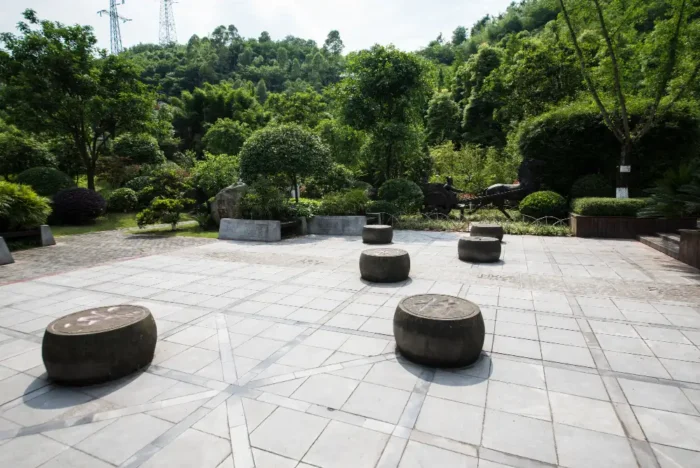
A plain gray slab gets boring fast. You want a patio that feels finished, not forgotten. The bare concrete look isn’t holding your interest anymore, and that’s exactly why you’re here. This guide walks through patterns, colors, layouts, and add ons that turn a flat slab into a real living space. You’ll see how stamped textures, fire pits, borders, and plantings work together, and you’ll pick up real direction on how to design outdoor living spaces that fit your home and the Southern California climate. The short answer: the best cement patio ideas pair a durable surface with a clear layout and one focal feature, whether that’s a fire pit, an outdoor kitchen, or a shaded sitting area. What Makes a Great Cement Patio? A perfect cement patio has a slip resistant surface, a pattern that works with how you actually use your yard, and at least one design feature, whether it be color, texture, or a built in element like a fire pit or seating wall. Proper joint spacing and drainage make it last for decades. Most concrete patio ideas you see online are all about appearances and don’t get into the practical side. Think about how your family spends time outdoors before you choose a pattern. Once you know how to create outdoor living spaces around your routine, all other decisions about cement patio ideas are easier. Quick note on terms: cement is a constituent of concrete, not the final surface itself, but most homeowners search and talk about both the same way. We will use cement and concrete interchangeably in this piece as that’s how people actually search for it. Modern Minimalist Cement Patios Large smooth slabs in a grid layout give a clean look. Pair them with simple furniture and a few potted plants, and the space feels open instead of cluttered. Minimal lines work especially well with newer stucco or modern farmhouse homes. If you’re after modern concrete patio ideas, grid layouts and a tight two tone palette are the easiest way to get there. A light gray or sand colored slab paired with dark metal furniture reads as modern without trying too hard. This style also keeps maintenance simple, since there’s no stamped texture to clean. Stamped Cement Patterns That Mimic Natural Materials Stamped concrete is still one of the most popular concrete patio design ideas out there providing you texture for a fraction of the expense of actual stone. A mold is pushed into wet concrete before it solidifies , and leaves a design behind . The most popular pattern is ashlar slate, which works well with almost any kind of home, and then random flagstone, which creates a more casual, natural edge. Color is generated with three layers working in concert. An integral color incorporated into the slab, a color hardener spread on the surface and a release agent that falls into the grooves for depth. The primary reason a stamped patio appears painted instead of like actual stone is the lack of releasing agent. A local installer can hold color swatches against your siding and roof before you commit to a job. Geometric Cement Paver Patio Ideas Geometric layouts use squares, hexagons, or staggered rectangles instead of one solid pour. Combining a paver pattern with poured concrete borders gives you sharp lines without the full cost of natural stone. This look works well in side yards or narrow spaces where one flat shape would feel plain. A herringbone or basket weave layout adds movement without looking busy. If your home has brick details, matching the pattern angle to your brick ties the whole yard together. These small details are what separate generic backyard concrete patio ideas from ones that actually look designed. Cozy Backyard Cement Patio Ideas With Fire Pits A built in fire pit turns a patio into the spot everyone gathers around after the sun goes down. Surround it with a ring of exposed aggregate or stamped stone for grip and heat resistance. Keep at least three feet of clear space around the pit for seating and safety. Gas fire pits are cleaner and easier to switch on for a quick evening outside. Wood burning pits feel more old fashioned and work well if you already have stone seating walls planned. Either option needs a non combustible base, which concrete already provides. Outdoor Kitchen or BBQ Zone on a Cement Patio Outdoor concrete patio ideas surrounding a kitchen or BBQ zone require a flat, level, completely cured slab before anything else is put down. Concrete will stand up to grease, heat and heavy equipment better than any wood decking ever would. Plan for a modest run-away from the house so water runs off, not pool around appliances. Even a basic BBQ area looks better with a defined footprint, maybe a border of a different colour or a distinct texture marking out the grilling area. It keeps the foot traffic patterns clear and keeps the remainder of the patio from grease splatter.” There is also a shade structure nearby so you are not in the direct light during the warmest part of the day. Decorative Borders and Inlays A contrasting border, even only twelve inches wide, outlines the entire patio and conceals slight edge wear where it’s least visible. “A frame is a soldier course of brick, stained borders or a stamped band. Borders also provide you a tidy line if you’re pairing concrete with pavers or turf down the line. Inlays like a compass rose, house number or family initials give a unique touch for little added cost. It is best used as a single modest focal point at an entry or dining area and not distributed all over the slab. One well-placed inlay seems planned; five inlays look cluttered. Multi-Level Cement Patio Design Ideas Step downs and low retaining walls separate a dining area from a lounge area without adding fences. This layout works especially well on sloped lots where you’d otherwise need heavy grading. Each level

Cement Patio Ideas | Stylish, Durable, and Affordable Outdoor Makeovers Read More »

How to Install a Lawn Sprinkler System Step-by-Step Guide

How to Install a Lawn Sprinkler System?

It’s a real pain to have to drag a green garden hose across your yard every single morning. I understand the anguish of watching your grass grow brown during those hot summer stretches when hand watering just can’t keep up. The smartest approach to recover your weekends and maintain your landscaping investment is to install your own automatic, permanent watering system. This entire guide gives you the step-by-step arithmetic, trenching depths, and plumbing calculations to set it up right. Follow my field-tested roadmap and save thousands of dollars in labour costs and build a commercial-grade home sprinkler system that keeps your turf lush. The short answer: To do this successfully, you need to first run a bucket test to find out the capacity of your water supply, lay out separate watering zones with full head to head coverage, dig trenches 6 to 12 inches deep and connect your lateral lines to a good backflow preventer and smart controller. Why Install a Lawn Sprinkler System? An automatic sprinkler system does far more than save you manual labor. It distributes water with precise uniformity, which prevents the wasteful runoff and pooling typical of manual osculating sprinklers. Data shows that a properly calibrated lawn irrigation system can reduce outdoor water waste by up to 30 percent while improving deep root growth. I see homeowners boost their long-term property market value because a healthy, green lawn creates immediate curb appeal. It changes your relationship with your yard from a chore into an asset. Step 1: Plan Your Sprinkler System Layout Before you buy a single pipe, you must calculate your home’s actual water capacity. Skipping this engineering step is why most DIY projects fail, resulting in weak water pressure that cannot pop up your sprinkler heads. How Do I Calculate My Water Flow Rate and PSI? To calculate your water flow rate, place a five-gallon bucket under your outdoor spigot and time how long it takes to fill completely. Divide five by the total seconds, then multiply by 60 to find your exact gallons per minute (GPM) capacity. You also need to attach a pressure gauge to your spigot to read your static pressure in pounds per square inch (PSI). Write both numbers down because they dictate your entire sprinkler system layout. Mapping for Head-to-Head Coverage Once you have your GPM and PSI, you can design your watering zones. Never mix different types of sprinkler heads on the same pipe line because they apply water at completely different rates. Your layout must achieve head-to-head coverage, meaning the spray radius from one sprinkler head must reach all the way to the base of the next head. This overlapping pattern ensures zero dry spots. Step 2: Gather Materials and Tools A professional-grade underground sprinkler system relies on durable components. Do not cut corners on cheap fittings, or you will be digging up your yard again next season to repair underground leaks. The Essential Irrigation Parts Checklist Schedule 40 PVC Pipe: Use 1-inch pipe for your main lines to handle constant pressure, and 3/4-inch pipe for your lateral lines. Solenoid Valves: These electronic valves open and shut your individual watering zones on command. Valve Manifold Assembly: The central plumbing distribution hub that holds your individual zone valves. Pop-Up Rotor Heads: Best for large, open turf areas because they rotate slowly over long distances. Fixed Spray Nozzles: Perfect for tight corners, narrow side yards, and curved flower beds. Funny Pipe: A flexible, thick-walled polyethylene pipe used to connect sprinkler heads to rigid PVC pipes without cracking under soil stress. Smart Irrigation Controller: The electronic brain that automates your schedules based on local weather conditions. Backflow Preventer: A critical safety device required by local building codes to keep irrigation water from siphoning back into your clean household drinking water supply. Tool Rental Advice I highly recommend renting a dedicated power trencher from a local home improvement center. Hand-digging hundreds of feet of deep channels through compacted turf and rock will exhaust you within hours. A mechanical trencher finishes a full afternoon of manual shoveling in less than an hour. Step 3: Call 811 and Dig the Trenches Safety comes first whenever you break ground on your property. You must map out what lies hidden beneath your turf before you let a mechanical blade spin into the dirt. Why Must You Call 811 Before Beginning Any Irrigation Digging? Calling 811 connects you to local utility operators who will mark your buried gas, electric, water, and telecommunication lines for free. Digging without utility markings risks catastrophic property damage, severe personal injury, and expensive city fines for breaking public utility lines. Always wait the required two to three business days for the technicians to place their colored marker flags before you touch a shovel. Executing the Perfect Trench Set your rented power trencher to a depth between 6 and 12 inches. In warm climates like Southern California, a 6-inch depth is usually sufficient for residential lateral lines. If you live in cold regions, you must bury lines deeper or prepare to blow out the system with an air compressor before the winter freeze hits. As you run the machine, place the displaced topsoil cleanly on one side of the path to make backfilling easier later. Step 4: Install the Water Supply Line and Valve Manifold Connecting to your home water supply requires precision. I prefer installing a dedicated companion water meter if your city offers one, because it waives the sewer processing fees for your irrigation water. Setting the Backflow Preventer Cut into your main residential water line right after your home meter and solder a brass tee fitting. Run your main line directly into your backflow preventer. Check your local municipal municipal codes for exact height restrictions. Most cities require the backflow device to sit at least 12 inches above the highest sprinkler head on your property to work reliably. Assembling the Valve Manifold Hub Dig an oversized hole next to your main line and drop in a heavy-duty plastic

How to Install a Lawn Sprinkler System? Read More »

How Much Should Lawn Aeration Cost? Pricing Guide

How Much Should Lawn Aeration Cost?

Healthy soil needs to breathe. Heavy rain, foot traffic or layers of clay can cause the granules in your soil to compact, suffocating the roots. If you’ve got a thin, patchy lawn and are wondering how to improve it without burning a hole in your budget, you’re probably wondering: What Is The Cost Of Lawn Aeration?Professional lawn aeration usually costs somewhere between $104 and $202 for an ordinary suburban lawn. A single core aeration service can cost $35 for a small yard to $550 for a full-acre site, with the average property owner paying about $140 for a quarter-acre lot. The total cost may vary depending on the size of the land, any structural barriers and the aeration method you choose. What Is Lawn Aeration and Why Does It Matter Lawn aeration is the process of creating openings in the soil profile to relieve compaction and break up thick thatch layers. Heavy clay soils pack together tightly over time, cutting off the deep root zone from vital resources. By opening pathways, you allow water penetration, oxygen, and topdressed nutrients to reach the root system directly. This jumpstarts biological activity and creates a deeper, more resilient root structure. There are three primary methods used to loosen compacted turf, and each carries a distinct price point and success rate. Core Aeration Core aeration is the mechanical process where a machine uses hollow tines to penetrate the turf and pull physical soil plugs out of the ground. These soil cores are usually 2 to 3 inches long. They are left on the surface to break down naturally, returning organic material back to the upper dirt layer. This is widely considered the industry standard for severe compaction. Spike Aeration Spike aeration uses solid tines or wedge-shaped spikes to punch holes into the ground. While spike aeration cost looks attractive on paper, the physical mechanics are deeply flawed. Instead of removing dirt, the solid tine pushes the soil sideways as it enters. This action causes significant lateral compaction along the walls of the hole, making it much harder for roots to expand. Liquid Aeration Liquid aeration involves spraying a liquid solution containing advanced wetting agents and organic polymers across the turf. This mixture aims to break down minor surface tension and open micro-pathways in the soil structure. It requires zero heavy machinery, making liquid aeration cost relatively low, though it cannot break up thick thatch or heavy, deeply compacted clay. Factors That Influence Lawn Aeration Pricing Lawn care pricing isn’t a guessing game. Service providers calculate quotes using concrete metrics based on operational complexity and material usage. Total Property Size Property dimensions dictate the time spent on-site. Landscapers structure rates using specific square footage tiers rather than exact measurements. A flat baseline rate usually covers the first 2,000 square feet, with steady incremental price steps applied for every additional 1,000 square feet of turf. Turf Accessibility and Grade Steep slopes, terraced retaining walls, and narrow backyard gates raise labor requirements. Heavy commercial machines require flat footing and wide entryways. If a crew must use smaller, non-motorized equipment to safely navigate tight property layouts or extreme slopes, the extra labor hours will reflect on your final bill. Soil Type and Regional Demands Dense, compacted clay soil takes a heavy toll on machinery and requires slow, careful passes. Conversely, loose sandy soil processes quickly. Regional economic factors, local labor rates, and regional climate variations also cause baseline service charges to fluctuate across the country. Type of Aeration Method Used There are two basic styles of aeration: Core Aeration This is the most convenient method. The machine extracts plugs of soil and lays them on the surface. It is very effective, but you need special equipment. Spike Aeration This method drills holes in the soil, but without pulling out plugs. It is quicker but less effective on severe compaction. Since core aeration produces superior results in the long term, many professionals charge more to do it. Average Pricing You Can Expect To help you map out your property maintenance budget, we compiled national cost averages across various yard size tiers, common service configurations, and geographic regions. Lawn Aeration Cost by Yard Size Yard Size Tier Square Footage Equivalent Professional Cost Range Small Garden / Townhome Under 1,000 sq. ft. $35 – $75 Small Suburban Lot 1,000 – 5,000 sq. ft. $75 – $120 Standard Residential Yard 5,000 – 10,000 sq. ft. $120 – $185 Large Property (1/4 Acre) ~11,000 sq. ft. $150 – $220 Estate Lot (1/2 Acre) ~22,000 sq. ft. $180 – $300 Full Acre 43,560 sq. ft. $390 – $550 Cost Breakdown by Method Cost of core aeration: Expect to pay $95 to $230 for a professional service using a commercial mechanical aerator with hollow tines. Spike aeration cost: Typically ranges from $60 to $225, though it is usually bundled into budget cutting packages or low-end maintenance plans. Liquid aeration cost: Costs roughly $80 to $150 per application, often utilized as a secondary treatment between mechanical core extractions. Regional Cost Variations Northeast U.S.: $130 – $220 (Driven by dense clay content and high regional labor rates) Southeast U.S.: $95 – $180 (Slightly lower baseline, common with sandy coastal soils) Midwest U.S.: $110 – $210 (Standard rates, heavily tied to fall seasonal demands) West U.S.: $120 – $235 (Varies based on urban center pricing and local water conservation rules) Seasonal Demand Affects Cost Seasonal aeration spring and fall is in higher demand. More homeowners ask for the service during these months, and a few companies hike prices slightly because of schedule constraints. If you want to save money, inquire if your provider offers any off-season discounts or bundling with fertilization or mowing. You may read Average Lawn Care Cost. Additional Services That Affect Aeration Pricing Most property owners choose to maximize their yard budget by pairing soil extraction with complementary treatments. Open soil pathways create an ideal environment for systemic products to take hold. Overseeding Does bundling seed with aeration save money? Yes, pairing these services reduces overall labor costs because crews perform lawn

How Much Should Lawn Aeration Cost? Read More »

Average Lawn Care Cost – What Homeowners Should Know

Average Lawn Care Cost – What Homeowners Should Know

Property ownership demands sound financial judgments. A big element of the equation is keeping your grass healthy and green. For a basic maintenance visit, most homeowners pay $50 to $250. The average cost for lawn care services for a quarter acre lot is roughly $130 per service. What you really spend depends very much on the exact services your grass needs. A fast cut is far cheaper than a comprehensive seasonal treatment plan. This tutorial demystifies real market rates so that you can budget right. Let’s take a look at what you receive for your money. What Factors Influence Lawn Care Pricing? The size, shape and condition of yards directly impact the ultimate price a professional company will charge you. The biggest factor is size of the property because it controls the amount of time and material needed. It takes hours longer to service a large estate than a modest residential patch of turf. Your geographic location also changes local labor rates and seasonal demand quite a bit. Accessibility is a secret ingredient in your final estimate. Commercial mowers can’t fit heavy equipment into tight gates, steep hills and tiny pathways. Labor hours rise fast when workers have to operate smaller walk-behind equipment. Mature trees, intricate flower beds and built-in trampolines are just some of the obstacles that hamper trimming labor. The health of your turf now influences how much money you need to spend up front. A neglected yard overgrown with weeds requires intense recovery treatments before regular upkeep can begin. Thick crabgrass and compacted soil need to be corrected immediately. A healthy, well maintained lawn just costs less to maintain over time. Typical Pricing for Common Lawn Care Services Standard grass cutting is the baseline of residential property upkeep. Most companies charge flat rates per visit based on your total square footage. For a standard yard, expect to pay between $45 and $85 per mowing session. This service almost always includes edging along driveways and blowing debris off walkways. Mowing & Edging: $45 – $85 Fertilization Application: $65 – $120 Aeration & Overseeding: $150 – $350 Leaf Removal: $100 – $300] Core aeration breaks up compacted soils to allow roots to breathe freely. Standalone aeration services cost the average homeowner between $120 and $250. Overseeding with this will also fill in bare places before weeds get a chance to take root. The combined service often costs $200-$450 depending on seed quality. Targeted weed control and fertilizer keeps your lawn lush and your soil rich. The cost of single applications is normally between $60 and $110 per therapy appointment. Typical use in most regional climates is four to six focused treatments over a calendar year. Specialized spreaders are employed by professional workers to disperse evenly across your entire property. Seasonal or One-Time Cleanup Services The spring and autumn cleanups take longer since they also include leaf cleanups, tree branches, and other debris. These services may include leaf raking, tree pruning, clearing the beds, and preparing the lawn. The cost tends to be higher since the services involve longer periods. But the service offered has significant merits since it enhances the appearance and protects against the damage that might result from the weather conditions that occur during the stormy seasons. You may read How to Install a Lawn Irrigation System? How Much Should Homeowners Expect to Pay? Homeowners should expect to pay between $100 and $300 per month for ongoing professional property maintenance packages. Annual contracts for comprehensive care packages usually range from $1,200 to $3,500 total. These exact numbers shift based on your climate, yard size, and selected service frequency. Calculating your yearly lawn care cost helps prevent surprise expenses during peak growing seasons. Spring and summer demand consistent weekly visits to keep rapid growth under control. Fall focuses heavily on leaf clearance and preparing root systems for winter. Winterizing services protect your investment during freezing weather conditions. A monthly lawn care cost plan spreads your expenses evenly across the year. Many professional operations offer balanced budget billing options for long-term clients. This means you pay the same flat rate in January as you do in July. It keeps your household cash flow predictable and stable. What Is Worth Paying Extra For? While some yard services are needed on the property, others add long-term value. There may be some yard services that the homeowner wants, and the decision can remain up to the homeowner. Edging and Trimming Edging and trimming assist in sharpening the edges where the sidewalk, driveway, and flower beds are. These are some of the finishing touches needed in the yard in order to make the entire yard appear professionally landscaped. The edges and trimmings, in fact, may add some cost; however, they indeed make the yard appear much better. Precision Cutting and Premium Grass Care In some cases, lawns need specialty cuts. Some people need the ability to change the height setting. These upgrades are skilled work, and they need quality tools. Some areas also include extra costs when the yard has difficult-to-access areas or needs specialty tools. Homeowners sometimes reference local lawn cutting service cost charts to understand these additional pricing options. Aeration and Overseeding Aeration increases the likelihood of better soil conditions since it provides a means through which water, air, and nutrients are accessible to the roots of the grass. Overseeding the area increases the density of the turf since the patches are filled with seeds, leading to healthy turf. All the measures help in ensuring the health of the damaged turf. What Is Worth Paying Extra For? Not every premium service is worth the upcharge. Here’s a practical guide. Worth it: Organic fertilization programs. Costs 20 to 30% more than synthetic options, but builds long-term soil health and reduces chemical runoff. Pre-emergent weed control. One spring application can prevent dozens of late-season weeds. It’s cheaper to prevent than to treat. Annual aeration. The single best investment for a dense, healthy lawn, especially in compacted clay soils. Integrated pest management (IPM).

Average Lawn Care Cost – What Homeowners Should Know Read More »

Cost of Hardscaping: What You'll Actually Pay

Cost of Hardscaping: What Whittier Homeowners Really Pay in 2026

You want a real number, not a fuzzy interval that may be anything. Most hardscaping articles on the web just go around and around and never really tell you anything. Hardscaping prices vary from block to block, yard to yard and material to material and that is why a single amount never quite tells the reality. We’ve priced and built hardscape projects all across Whittier, Downey, La Mirada, Norwalk, Santa Fe Springs and Avocado Heights for years and we’ll guide you through the real numbers residents here pay. When you’ve finished this course you will know what pushes your pricing up, what drives it down and what a fair quote should be. Factors That Affect the Cost of Hardscaping Several things shape your final price tag, and most of them have nothing to do with luck. Once you understand these factors, a quote stops feeling like a guess and starts feeling like math. Most homeowners are surprised to learn how many of these costs happen below the surface, not on top of it. Size and Layout Bigger yards cost more, plain and simple. A 200-square-foot patio costs far less than a 600-square-foot one, even with the same material. Curves, multiple levels, and odd angles also add labor hours, since crews cannot just run a straight line and call it done. Material Choice Material is usually the single biggest swing factor in hardscape pricing. Basic concrete pavers run on the lower end, while natural stone like flagstone or travertine sits much higher. Stamped concrete falls in the middle, and it is worth knowing that cheaper materials sometimes cost more later in repairs. The Interlocking Concrete Pavement Institute sets industry standards for proper paver base depth, and following them is why some patios last decades instead of years. Design Complexity and Custom Features A flat square patio is the easiest thing to price and build. Add a fire pit, a seating wall, built-in steps, or a curved walkway, and the labor cost climbs fast. Every custom cut and every extra hour adds up before the first paver even goes down. Site Conditions: Slope, Soil, and Drainage Southern California soil is not kind to hardscaping. Clay-heavy lots and sloped backyards need extra grading, compaction, and drainage work before any surface gets installed. Skipping this step is how patios crack and walls lean within a few years. Labor, Permits, and Local Access Licensed crews charge for skill, not just hours. Permit requirements vary by city, and tight side-yard access can slow a job down and raise labor costs. Labor is one of the largest pieces of hardscape installation cost in any Southern California zip code, often making up close to half the total invoice. Hardscape Cost per Square Foot: What to Expect Hardscape pricing per square foot typically runs from $8 for basic gravel or decomposed granite to $50 or more for premium natural stone, with most Whittier-area homeowners landing between $15 and $35 per square foot for pavers or stamped concrete once labor and base prep are included. The cost of hardscaping per square foot is not random. It reflects material grade, base depth, and how much site prep your yard needs before anything gets laid. A small flat yard with easy access sits at the low end. A sloped lot needing a retaining wall or drainage system pushes toward the high end fast. Material Cost per Sq Ft (Installed) Gravel or Decomposed Granite $4 to $8 Concrete Pavers $12 to $25 Stamped Concrete $10 to $20 Flagstone or Natural Stone $25 to $50+ Brick $15 to $30 Common Hardscaping Projects and Their Costs Most homeowners are not pricing square footage in the abstract. They are picturing one specific project, so here is what that usually costs once labor and materials are both on the invoice. These ranges assume a standard install with normal access and no major grading surprises. Project Average Cost Range Paver Patio (300 sq ft) $4,500 to $10,500 Walkway $2,000 to $6,000 Retaining Wall (per linear ft) $25 to $80 Fire Pit (built-in) $1,500 to $5,000 Outdoor Kitchen $5,000 to $20,000+ Driveway (paver or stamped) $8,000 to $20,000  A 300-square-foot patio is the most requested project we see across Whittier and Santa Fe Springs. Retaining walls price by the linear foot instead of square footage, since wall height and soil pressure change the engineering needs. Fire pits and outdoor kitchens swing widely in price because they involve gas lines, electrical runs, and sometimes plumbing, not just stone work. A basic gas fire pit kit costs far less than a full outdoor kitchen with a built-in grill, sink, and counter space. Homeowners in Norwalk and Avocado Heights often start with a fire pit and add a kitchen later once the hardscape base is already in place. What’s Included in a Hardscaping Quote (And What’s Not) A real quote is a plan, not just a price Most homeowners just look at the bottom line number and are surprised when a lower bid is missing site prep that another contractor includes. Knowing what should be on that page saves you from comparing apples to oranges. A good quote will provide you the excavation depth, the type of base material, the drainage routing and the edge restraint, not just the square footage and a dollar sign. It should also spell out who does permits, who hauls away debris, and what happens if the crew hits rock or old concrete underground. If a quote doesn’t have these specifics, get them in writing before you sign anything. The written warranty is as important as the price. Ask how long the contractor will stand behind settling, cracking or drainage concerns and get that time range in writing along with the cost breakdown. Backyard Hardscaping Cost: What Homeowners Should Know What you are replacing and the amount of yard you are converting will greatly dictate the cost of backyard hardscaping. A complete lawn replacement with pavers is a bigger initial investment than a partial patio addition,

Cost of Hardscaping: What Whittier Homeowners Really Pay in 2026 Read More »

Do You Tip Landscapers? Simple Guide for Homeowners

Do You Tip Landscapers? Simple Guide for Homeowners

No one wants to be caught in that weird moment when the lawn crew is finished and you realize you have no cash in your wallet. You want to thank them for their hard work but don’t want to cross any social boundaries or overspend. If you are looking out your window and asking yourself, “Do I tip landscapers?” You are not alone. No, you are not required to tip landscapers as they are hourly employees or work for a contract price. Tips, however, are appreciated when someone does an exceptional job, works very hard physically, or does a service in extreme weather conditions. For large jobs, homeowners usually tip $10 to $20 per crew member. Why Tipping Landscapers Actually Matters Lawn care is grueling physical work. Crews spend hours working outside in intense heat, heavy rain, and freezing winter mornings. They handle heavy machinery, lift rock base, and dig trenches to transform your yard. A small cash bonus tells the crew that you notice their physical effort. Tipping also builds a solid relationship with the team caring for your property. When a crew knows you treat them well, they naturally pay closer attention to detail. They might clean up extra leaves or blow off your driveway without you even asking. It shifts the dynamic from a cold transaction to a mutual partnership. Most field workers earn an hourly rate rather than a salary. While reputable companies pay fair wages, extra cash goes directly into the worker’s pocket. It helps them cover daily expenses like lunch or fuel. Your small gesture can completely change a worker’s day. Is Tipping Required? Understanding the Etiquette No. Tipping landscapers is never necessary as landscaping companies incorporate the cost of labor, equipment and insurance into their prices. Tipping remains a completely optional gesture of appreciation for high-quality work.  It functions as a reward for great service rather than a mandatory fee.  Unlike the restaurant industry, there is no standard 20 percent rule here.  Waitstaff rely on tips to make a basic living wage, but lawn care workers do not.  You should never feel forced to hand out extra money just for basic service.  Industry etiquette shows that tips are a tool for rewarding performance.  If the crew shows up on time, finishes the job, and leaves, your contract payment is completely sufficient.  You only need to pull out your wallet when the team goes above and beyond your original agreement. When Should You Consider Tipping Landscapers? You should consider tipping landscapers when the crew performs difficult manual labor, works through extreme weather conditions, or handles extra tasks outside the contract. It is also common practice to tip when a team delivers flawless results on a tight deadline or shows extreme care with your property. Extreme Weather Challenges When temperatures skyrocket or winter storms hit, the job becomes twice as hard. Working in the blazing sun wears down a crew quickly. If a team completes a clean up in brutal weather, a tip acknowledges that extra physical toll. Handling Extra Favors Sometimes a crew does small tasks that are not on the official invoice. Maybe they trim a low-hanging branch over your roof or haul away a pile of your personal yard waste. When workers do you a quick favor, you should reward that kindness with a tip. Demanding or Treacherous Terrain Not every yard is flat and easy to manage. If your property sits on a steep hillside or requires carrying heavy materials up steps, the crew exerts far more energy. Demanding properties justify a little extra financial appreciation for the team. How Much Should You Tip Landscapers? You should tip landscapers $10 to $20 per crew member for routine maintenance visits, or a flat 5 to 10 percent of the total labor cost for large projects. For massive renovations, capping the tip at $50 to $100 per worker is a standard and generous guideline. The Per-Visit Baseline If you prefer to tip during regular maintenance visits, keep it simple. Handing each worker a $5 or $10 bill after a hard day of mowing and edging is a solid baseline. This keeps motivation high throughout the growing season. Large Project Scaling For a major yard transformation, look at the size of the crew and the days spent on site. Instead of using a strict percentage that can get expensive, look at the individual effort. Giving $20 to $50 per man at the end of a multi-day project is highly appropriate. The Crew Leader Distinction If a crew has a dedicated foreman who manages the details and communicates with you, you can adjust your strategy. You might give the supervisor a slightly larger amount to distribute, or hand it to him directly. However, ensuring every worker gets their fair share is always the best path. Weekly or Per-Visit Tips vs. Seasonal Bonuses You should choose between weekly tips and seasonal bonuses based on your personal budget and how often the same crew visits your property. Weekly tips of $5 to $10 build immediate rapport, while a year-end holiday bonus of $20 to $50 per worker is more practical for recurring services. The Case for Regular Small Tips Giving a few dollars every visit works best if your crew changes frequently. It ensures the specific person doing the hard work gets the immediate benefit. It also sets a clear standard that you reward good work every single week. The Year-End Holiday Approach Many homeowners find it exhausting to track cash every week. Saving your appreciation for a single year-end bonus is incredibly common and efficient. A lump sum around December feels like a true holiday bonus and helps workers during the winter season. Matching Your Schedule If you only use a service for seasonal cleanups in the spring and fall, per-visit tipping makes the most sense. If you have a year-round contract, the holiday bonus route is cleaner. Choose the path that matches how often you interact with the team. Do You Tip Landscapers Who

Do You Tip Landscapers? Simple Guide for Homeowners Read More »

How Much Does Artificial Turf Cost | Full Cost Breakdown

How Much Does Artificial Turf Cost | Full Cost Breakdown

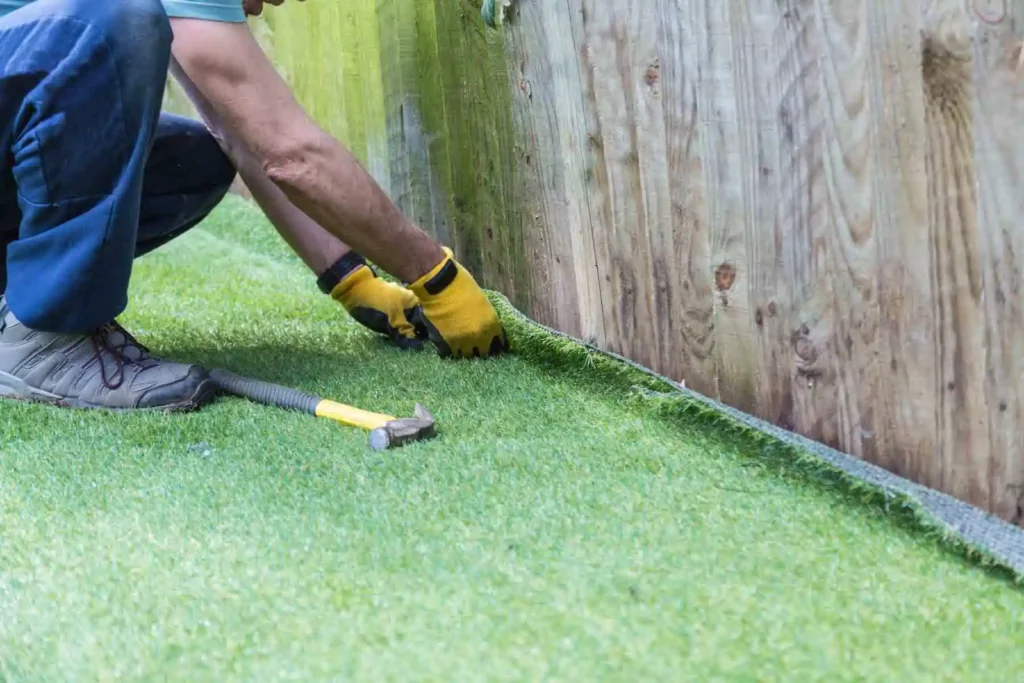
Staring at your thirsty, patchy lawn, you wonder if switching to synthetic grass is worth it. Good question. * What you see on the internet for prices is seldom what lands on your own driveway. Quick answer: How much does artificial turf cost? Most homeowners pay $9 to $20 per square foot installed. A typical yard of 500 square feet will cost $4,500 to $10,000. Stay tuned and you’ll know exactly what moves that figure up or down before you choose a contractor. Think of turf pricing as if you’re buying flooring for an outdoor room. Identical bill, identical material grade, identical square footage and the labor to install it. Once you know the real cost of each line item, the final number no longer feels like a mystery. Understanding the Basics: How Much Does Artificial Turf Cost? When looking at the numbers, it’s easy to get confused by different quotes from various sources. To make a smart choice, you must look closely at how contractors structure their pricing. A low initial estimate often means a contractor leaves out essential steps like site preparation or proper drainage layers. The total price tag depends heavily on your specific geography, local labor rates, and easy access to your yard. A flat, wide-open front yard is much cheaper to work on than a sloped backyard hidden behind a narrow pedestrian gate. Understanding these foundational elements prevents surprises when local installation teams print your final invoice Breakdown of Artificial Turf Pricing When people ask about artificial grass installation cost, they’re really asking about two separate line items. Synthetic turf cost splits cleanly between the product itself and the work it takes to put it in the ground. Fake grass cost confuses people most when a contractor quotes one number that hides which bucket it falls into. Cost Component Price Range Materials only $2 – $8 per sq ft Labor only $5 – $12 per sq ft Materials + labor (total) $9 – $20 per sq ft Old lawn removal $0.88 – $1.84 per sq ft Landscape edging $2 – $11.50 per linear ft A base layer of crushed rock or decomposed granite sits under every quality installation. Skip it, and your turf will shift underfoot, pool water, and wear out faster. This base work is where a large chunk of your labor cost actually goes. Crew size and local demand move labor rates more than most homeowners expect. A two-person crew working a small patio job charges differently than a four-person crew tackling a full backyard. Busy spring and summer months also push labor rates toward the higher end of the range. Cost for Artificial Turf Based on Application Not every patch of turf serves the same purpose, and price follows function. Standard lawn turf for front and back yards sits at the lower end of the range. Specialty turf costs more because of denser fiber and tighter manufacturing tolerances.       Standard lawn turf: $9 – $15 per square foot installed       Pet turf, built for drainage and odor control: $11 – $18 per square foot       Putting green turf: $15 – $25 per square foot, due to custom contours and shorter pile       Sports and play turf: $12 – $20 per square foot, built for heavy foot traffic Pet owners often skip the odor-resistant backing to save money and regret it within a year. Antimicrobial infill costs more upfront but saves you from replacing turf early. A family with two dogs and a small backyard, for example, usually spends more per square foot than a family with the same size yard and no pets. The extra cost goes toward drainage that flushes waste through the base instead of letting it sit on top. You may read How Much Does Lawn Care Cost? Average Costs Based on Turf Type Artificial grass cost changes a lot based on which material you choose for your yard. Material Cost (materials only) Best For Polyethylene $2.20 – $4.10 per sq ft Softest feel, natural look Polypropylene $2 – $6.35 per sq ft Budget-friendly, lighter traffic Nylon $5 – $6.40 per sq ft Most durable, holds shape in heat  Nylon costs roughly 20 percent more than polyethylene or polypropylene, but it holds its shape in direct sun better than either one. If your yard gets full Southern California sun most of the day, that extra cost often pays off in fewer replacements. Picture two identical yards under the same summer sun. The one with budget polypropylene starts to flatten and fade within a few years, while the nylon yard still looks close to new. That difference shows up most in west-facing yards with little shade. Long-Term Savings of Artificial Turf Natural grass costs more over time than most people realize. Annual upkeep on a natural lawn, including water, mowing, and fertilizer, runs $1,500 to $6,000 a year for professional care. Artificial turf maintenance costs only $250 to $350 a year for brushing, occasional rinsing, and infill top-offs. Water savings add up fast in drought-prone Southern California. The EPA’s WaterSense program notes that outdoor water use can account for nearly a third of a household’s total water use, and a large share of that gets wasted on overwatered lawns. Swap that lawn for turf, and your water bill drops every month, not just during a dry summer. UC Cooperative Extension research on landscape water use backs up this pattern across Southern California climates. Run the math over five years, and turf usually wins. A $7,000 installation paired with five years of turf maintenance comes out cheaper than five years of natural lawn care billed at even the low end of that $1,500 annual figure. Add it up plainly: $7,000 upfront plus roughly $1,500 in turf upkeep over five years totals about $8,500. Five years of natural lawn care at $1,500 a year alone totals $7,500, before water bills. Once you fold in water costs, turf typically pulls ahead by year four

How Much Does Artificial Turf Cost | Full Cost Breakdown Read More »