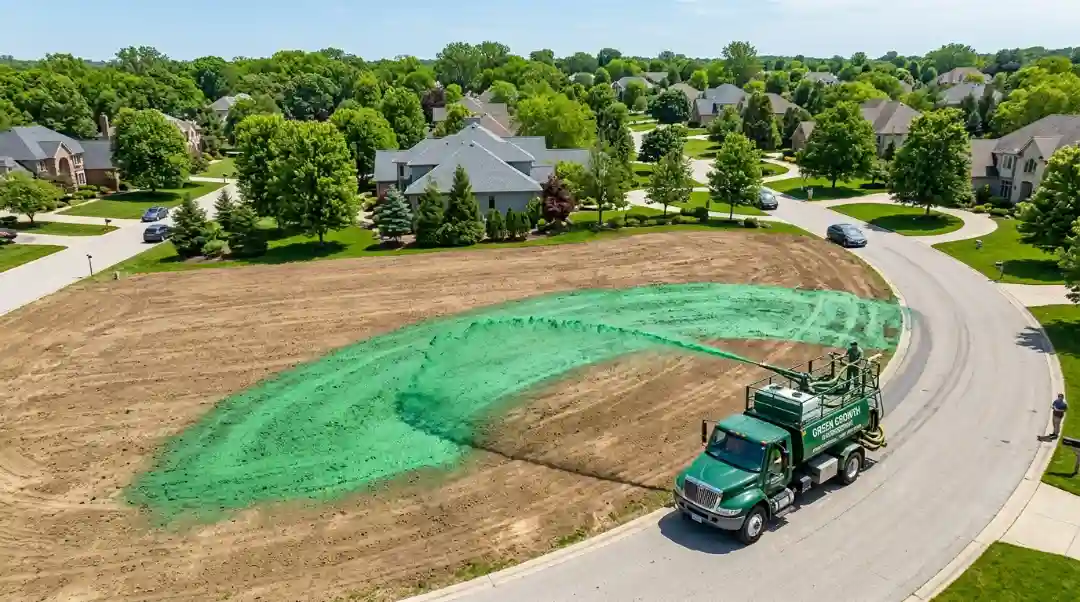
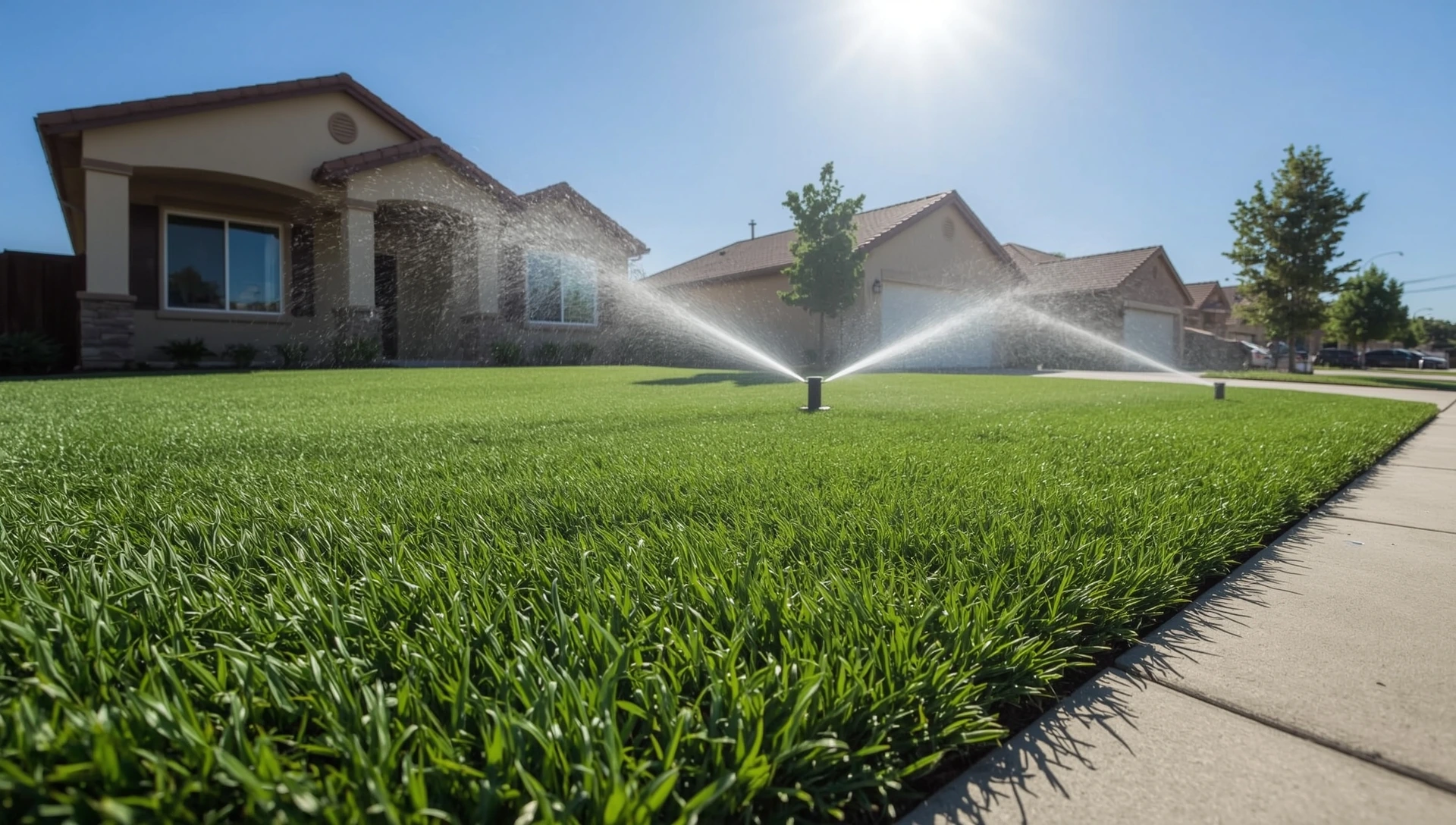
Most homeowners spend years staring at their yard, knowing something’s missing but unsure where to begin. If you’ve ever typed ‘what is landscaping’ into a search bar, you’re probably at that exact point. You want a better-looking, more functional outdoor space, but the terminology, the cost, and the process all feel like a wall you can’t climb over. That feeling is completely normal, and it goes away fast once you understand the basics.
Landscaping is the process of planning, designing, and improving the outdoor areas around a property. It covers everything from the lawn you walk on to the stone pathways you follow and the garden beds that line your fence. In this guide, we’ll walk through exactly what landscaping includes, how much it costs, the different types available, and how to decide between doing it yourself or hiring a pro. By the end, you’ll have a clear picture of what your yard actually needs.
What Do Landscapers Do?
Landscapers plan, design, install, and maintain outdoor spaces. They work with plants, soil, structures, and drainage systems to turn a plain yard into a functional, attractive property. A professional landscaper handles everything from drawing up a design to planting trees, laying sod, and building retaining walls.
Think of a landscaper the way you’d think of a general contractor, but for your yard. They understand plant science, soil health, drainage patterns, and structural materials. They translate your vision into a real plan with real results.
Most landscaping companies offer a range of services including:
- Lawn installation and sod laying
- Garden bed design and planting
- Tree and shrub installation
- Hardscape construction: patios, walkways, retaining walls
- Irrigation system installation and repair
- Outdoor lighting design
- Drainage solutions and grading
- Seasonal maintenance and lawn care
Landscaping Definition: In Simple Terms
Landscaping refers to any activity that modifies the visible features of an area of land. This includes planting vegetation, reshaping the terrain, and constructing outdoor structures. The goal is to improve both the appearance and the functionality of an outdoor space.
The term gets used loosely, but the real landscaping definition covers three core categories: plants, terrain, and structures. Whether you’re adding a row of ornamental plants along your front walkway or regrading your backyard to fix drainage, that’s landscaping.
People have practiced landscaping for thousands of years. Ancient Mayan and Persian civilizations designed elaborate gardens for both practical and aesthetic reasons. Today, it’s one of the most effective ways to increase a home’s market value and livability.
What Does Landscaping Include?
When homeowners ask what does landscaping include, they’re usually surprised by the scope. It’s much broader than mowing grass or trimming hedges. Here are the three main components:
1. Softscape Elements
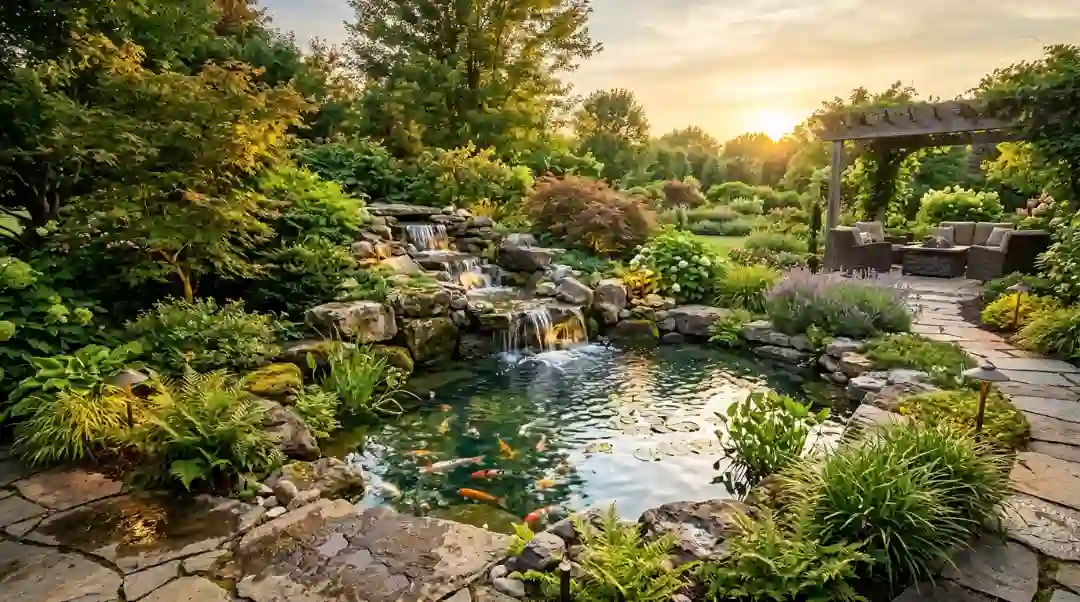
Softscape refers to all the living, horticultural elements in a landscape. This includes grass, trees, shrubs, flowers, ground cover, and garden beds. These are the organic parts of your yard that grow, change with the seasons, and require ongoing care.
Choosing the right softscape for your specific climate zone matters a lot. In Southern California, drought-resistant and native plants tend to perform better and require less water. Some popular choices for the region include lavender, rosemary, California poppies, and ornamental grasses.
2. Hardscape Elements
Hardscape refers to the non-living, structural parts of a landscape. Patios, driveways, stone walkways, retaining walls, decks, and raised planters all fall under this category. These elements define the structure and function of an outdoor space.
Hardscape work involves materials like concrete, natural stone, pavers, brick, and wood. It requires careful planning around drainage and weight-bearing capacity. Done right, hardscape features can last 20 to 30 years with minimal maintenance.
3. Functional Features
Beyond plants and structures, landscaping also includes systems that keep everything working properly.
- Irrigation systems: Drip lines, sprinklers, and smart controllers
- Drainage: French drains, dry creek beds, swales to manage water runoff
- Outdoor lighting: Path lights, uplights, and security lighting
- Outdoor amenities: Fire pits, built-in seating, outdoor kitchens
Types of Landscaping Services
Not all landscaping is the same. Different projects serve different needs, budgets, and property types. Here are the most common types:
Residential Landscaping
This is the most common type. Residential landscaping covers front yards, backyards, and side yards for private homes. It ranges from a simple lawn installation to a full outdoor living space with a patio, lighting, and garden beds.
Commercial Landscaping
Commercial landscaping handles properties like office buildings, shopping centers, HOA communities, and apartment complexes. The scale is larger, and the focus is often on low-maintenance plants and clean, professional aesthetics.
Sustainable and Eco-Friendly Landscaping
Sustainable landscaping uses native plants, reduced irrigation, composting, and permeable hardscape materials to minimize environmental impact. It’s gaining popularity in water-restricted regions like Southern California.
Drought-Resistant Landscaping
Also called xeriscaping, drought-resistant landscaping replaces traditional lawns with water-efficient plants, mulch, and decorative rock. It’s practical for dry climates and reduces water bills significantly.
Formal and Garden-Style Landscaping
This style uses symmetry, structured plant beds, topiaries, and defined pathways. It’s popular for traditional homes and creates a polished, classic look.
Modern and Minimalist Landscaping
Clean lines, concrete, ornamental grasses, and restrained planting define this style. It works well with contemporary architecture and requires less ongoing maintenance.
Landscaping vs. Hardscaping: What’s the Difference?
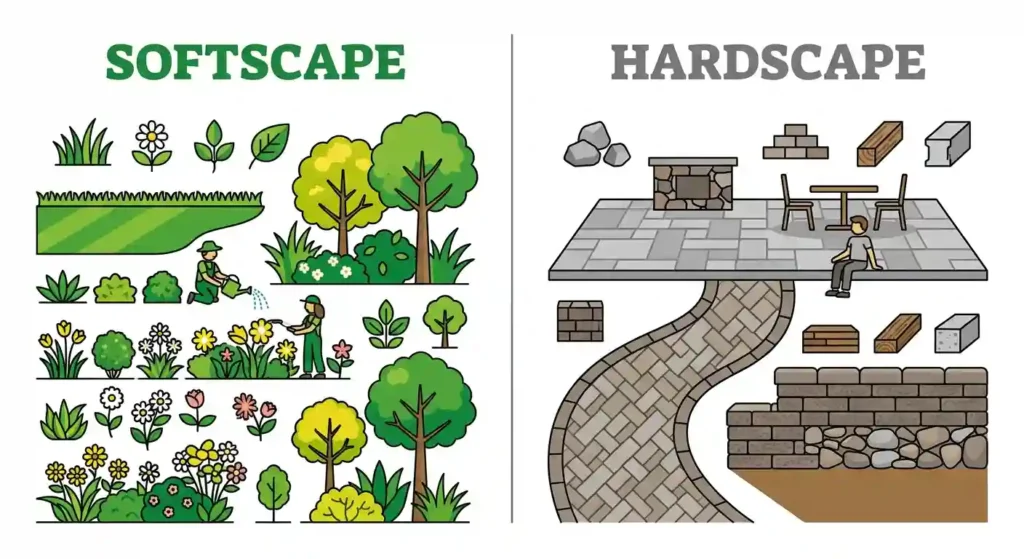
Landscaping is the broader term that covers the full design and improvement of outdoor spaces. Hardscaping is a specific part of landscaping that refers only to the non-living, structural elements like patios, walls, and walkways. One sits inside the other, not beside it.
A lot of homeowners use the two terms interchangeably, but understanding the difference helps you communicate clearly with contractors and plan your project better.
Here’s a side-by-side comparison to make it simple:
| Feature | Hardscape | Softscape |
| Material | Stone, concrete, wood, metal | Plants, grass, shrubs, trees |
| Maintenance | Low – occasional cleaning | Ongoing – watering, pruning, fertilizing |
| Cost | Higher upfront cost | Lower upfront, recurring cost |
| Durability | Long-lasting, 20+ years | Seasonal, replanting may be needed |
| Purpose | Structure, function, pathways | Beauty, shade, air quality, erosion control |
| Examples | Patio, driveway, retaining wall | Lawn, garden bed, ornamental trees |
The best outdoor spaces blend both elements well. A stone patio (hardscape) surrounded by garden beds and ornamental shrubs (softscape) creates a yard that’s both beautiful and functional. Neither works as well in isolation.
How Much Does Landscaping Cost?
Landscaping costs in the United States typically range from $1,500 for basic lawn and plant work to $15,000 or more for full yard transformations including hardscape. The final price depends on your yard size, the materials you choose, and the complexity of the design.
Here are the main factors that affect landscaping cost:
- Yard size: Larger yards need more materials and labor hours
- Project type: Hardscape work (patios, walls) costs more than softscape (plants, lawn)
- Material selection: Natural stone costs more than concrete pavers or mulch
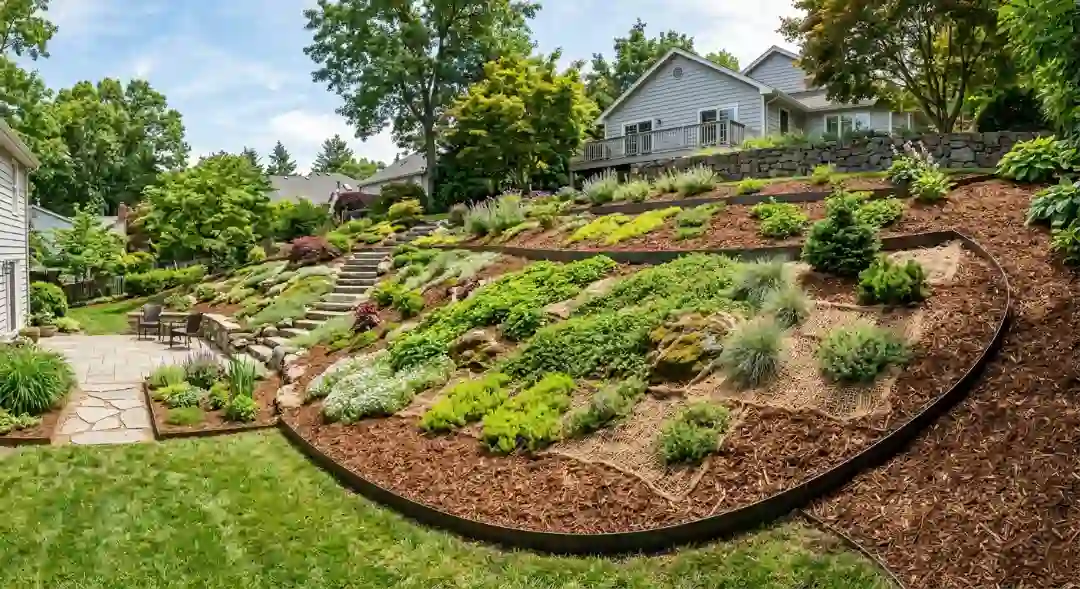
- Terrain conditions: Sloped or rocky yards require extra grading and drainage work
- Plant selection: Mature trees and exotic plants cost significantly more than standard nursery plants
- Labor rates: Rates vary by region and contractor experience
For most homeowners in Whittier and surrounding areas, a mid-range front yard landscaping project comes in between $3,000 and $7,000. A full backyard transformation with hardscape can range from $8,000 to $20,000 depending on scope.
One way to control costs is to phase your project. Start with lawn installation or a simple patio, then add garden beds and lighting in a later phase. Good landscapers will help you plan this out.
The Landscaping Process: Step by Step
Whether you hire a professional or take the DIY route, every successful landscaping project follows a similar process.
Step 1: Site Assessment
A thorough assessment looks at your yard’s sun exposure, soil type, drainage patterns, existing vegetation, and slope. This is the foundation everything else builds on. Skipping this step is the single biggest mistake DIY landscapers make.
Step 2: Design Planning
This is where ideas turn into a concrete plan. A landscape architect or designer creates a layout showing plant placement, hardscape locations, irrigation routes, and grading requirements. Having a plan before breaking ground saves money and prevents costly mistakes.
Step 3: Site Preparation
Preparation includes clearing existing vegetation, grading the terrain, addressing drainage issues, and laying any necessary base materials for hardscape. This phase is labor-intensive but essential for long-term results.
Step 4: Installation
This is where the physical work happens. Hardscape is typically installed first (retaining walls, patios, walkways), followed by irrigation systems, then softscape planting and lawn installation. Lighting comes last.
Step 5: Ongoing Maintenance
Great landscaping doesn’t maintain itself. Regular watering, fertilizing, pruning, and seasonal clean-ups keep your yard looking its best year-round. Many landscaping companies offer ongoing maintenance packages.
DIY Landscaping vs. Hiring a Professional
DIY landscaping works well for small projects like planting flower beds, laying mulch, or installing a simple garden path. For larger projects involving grading, irrigation, retaining walls, or full yard redesigns, hiring a professional saves time, money, and frustration in the long run.
| DIY Landscaping | Professional Landscaping |
| Lower upfront cost | Higher cost, but long-term value |
| Good for small, simple projects | Best for full yard transformations |
| Requires your time and physical effort | Saves you time, handled end-to-end |
| Risk of design or plant selection errors | Expert plant selection for your climate |
| Satisfying if you enjoy yard work | Guaranteed results and warranties |
| Limited access to tools and equipment | Professional tools and resources |
The honest truth is that most homeowners who try full-scale DIY landscaping end up calling a professional to fix problems or finish the job. That doesn’t mean DIY is off the table. It means being realistic about the scope of what you’re taking on.
Benefits of Landscaping Your Property
1. Boosts Curb Appeal Immediately
Your yard is the first thing people see. A well-maintained lawn, clean garden beds, and a defined walkway tell a story before anyone steps through your front door. Curb appeal matters whether you’re selling or simply want to enjoy coming home.
2. Increases Property Value
Professional landscaping is one of the highest-return home improvements available. Studies show that strong curb appeal can shorten the time a home spends on the market and increase sale price.
3. Creates Functional Outdoor Living Spaces
A patio with seating, an outdoor kitchen, or a fire pit area turns your backyard into an extension of your home. These spaces add usable square footage without the cost of a home addition.
4. Environmental Benefits
Trees and shrubs improve air quality, reduce urban heat, and provide natural cooling. Proper drainage landscaping controls water runoff, preventing erosion and flooding. Native plants support local wildlife and reduce the need for chemical fertilizers.
5. Reduces Long-Term Maintenance
When plants are chosen correctly for your climate and soil, they thrive without excessive watering or upkeep. A well-designed irrigation system further reduces water waste and the time you spend maintaining your yard.
6. Mental Health and Wellbeing
Research from the University of Exeter found that spending time in green outdoor spaces reduces stress and improves overall mental health. A yard you actually enjoy being in is more than an aesthetic choice. It’s an investment in quality of life.
Lawn Installation Services in Whittier: Why Choose Robert’s Complete Care
If you’re based in Whittier or the surrounding areas and you’re ready to move forward with a landscaping project, Robert’s Complete Care is here to help. We specialize in residential landscaping, hardscaping, and lawn installation, serving homeowners throughout the Whittier area with honest, reliable service.
Our team handles the full process, from site assessment and design to installation and maintenance. Whether you want a drought-resistant front yard, a new patio, or a complete backyard overhaul, we build it to last.
We use plants suited to Southern California’s climate, materials built for longevity, and designs that match the way you actually live. No cookie-cutter layouts, no upselling services you don’t need.
Ready to get started? Contact Robert’s Complete Care today to schedule a free consultation. We’ll walk your property, understand your goals, and give you a clear, honest quote with no pressure.
Final steps
The best way to begin any landscaping project is with a clear design consultation, planting plan, and cost estimate. A balanced mix of hardscaping, softscaping, irrigation, and drainage solutions will make your outdoor space both beautiful and practical. If you are in Whittier or nearby, Robert Complete Care Landscaping can handle every step for you, from design and installation to maintenance, lawn care, hardscaping, and sustainable landscaping. Reach out today and let our team bring your vision to life.
Frequently Asked Questions (FAQs)
What is included in landscaping services?
Landscaping services usually include design, installation, and ongoing maintenance. That can mean lawn care, pruning, mulching, irrigation system setup, hardscaping like patios and pathways, and drainage solutions to keep outdoor areas functional and attractive.
How much does landscaping cost?
The cost of landscaping depends on the size of the project, materials, and labor. Small jobs like sod installation may be a few hundred dollars, while larger projects with patios, retaining wall features, and irrigation systems can run into thousands. The best way to know is to request a detailed cost estimate or project quote.
What is the difference between hardscaping and softscaping?
Hardscaping covers the non-living parts of a yard such as pavers, patios, retaining walls, and decks. Softscaping includes living elements like turf, shrubs, trees, and native plants. A balanced design uses both to create a functional and beautiful outdoor space.
Do I need regular landscape maintenance?
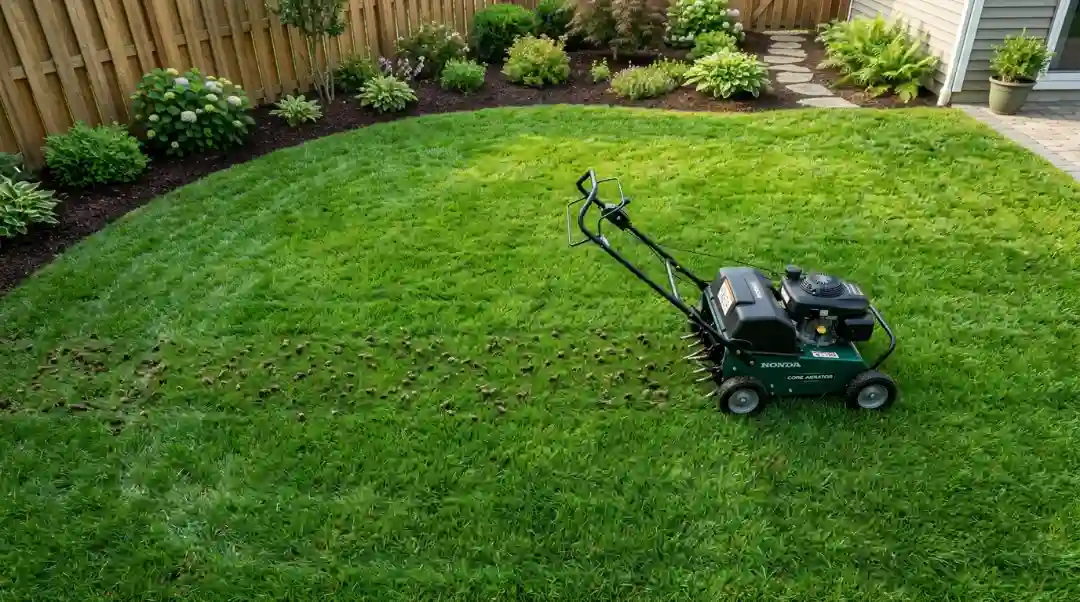
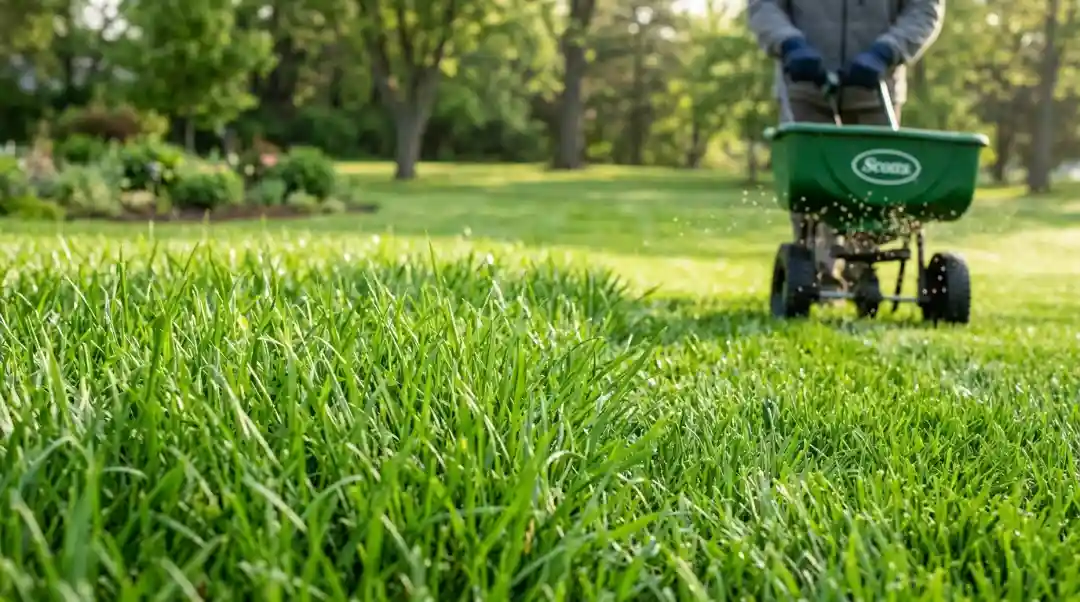
Yes. A landscape maintenance plan or service contract keeps your yard healthy and looking its best. Regular tasks such as mowing, aeration, fertilization, weed control, pruning, and seasonal cleanup help protect your investment and extend the life of both softscape and hardscape.
What is sustainable landscaping or xeriscaping?
Sustainable landscaping focuses on reducing water and energy use. Xeriscaping uses drought tolerant landscaping with native plants, smart irrigation systems, and mulching to lower maintenance and conserve resources while still creating a beautiful yard.