One of the quickest ways to achieve a green, healthy lawn is to install sod. You won’t have to wait months for grass seed to develop. Before they start, homeowners generally want to know how much does it costs to install sod.
Several things affect the response, such as the size of the lawn, the type of grass, the amount of work needed, and the preparation of the soil. This detailed guide will go over the cost of installing sod, what factors determine the price, and help you decide whether to do it yourself or hire a pro.
Average Sod Installation Cost
Most homeowners spend between $2,000 and $5,000 to sod a standard lawn. The national average sits around $3,200, including materials and professional labor.
Here’s a simple snapshot:
| Project Scope | Estimated Cost |
| Materials only (1,000 sq ft) | $400 – $800 |
| Professional install (1,000 sq ft) | $1,000 – $3,000 |
| Full install (materials + labor) | $2,000 – $5,000 |
| Large yards (5,000+ sq ft) | $8,000 – $18,000+ |
Prices shift based on the grass type, your region, soil condition, and whether you’re sodding a fresh area or replacing old turf.
Cost of Installing Sod per Square Foot
Understanding sod installation cost per square foot helps you estimate your total budget more easily.
| Cost Type | Price Range (Per Sq Ft) |
| Sod material only | $0.40 – $1.20 |
| Labor only | $0.80 – $2.00 |
| Installed total | $1.50 – $4.00 |
Most homeowners pay around $2.50 per square foot for a standard lawn with no major problems, so if you’re wondering how much sod costs per square foot installed, that’s about what you can expect.
What Factors Affect Sod Installation Cost?
Several elements directly influence sodding cost. Knowing these ahead of time helps avoid surprise expenses.
1. Lawn Size
Bigger lawns cost more overall, but the cost per square foot often drops at larger volumes. Contractors frequently offer bulk discounts once you clear 2,500 square feet.
2. Grass Type
Premium warm-season grasses like Zoysia and St. Augustine cost more per pallet than basic Bermuda or fescue blends. More on this below.
3. Soil Preparation
If your soil needs grading, tilling, or amendment, that adds $0.50 to $1.50 per square foot to the job. Poor soil is the most common hidden cost homeowners miss.
4. Lawn Condition
Replacing an existing lawn costs more than sodding bare ground. Old sod removal runs $1 to $2 per square foot as a separate line item.
5. Site Accessibility
Steep slopes, narrow gates, or hard-to-reach areas make the job harder. That extra labor shows up on your invoice.
6. Season and Region
Spring and fall are peak seasons for sodding. Pricing in the South is generally lower due to material availability. Northern states pay more for cool-season grasses that are harder to source.
Sod Cost by Grass Type
Grass choice plays a big role in sod replacement cost.
| Grass Type | Average Installed Cost (Per Sq Ft) |
| Bermuda | $1.50 – $3.00 |
| Fescue | $2.00 – $4.00 |
| St. Augustine | $2.50 – $4.50 |
| Zoysia | $3.00 – $5.00 |
| Kentucky Bluegrass | $2.00 – $4.00 |
Your climate, sun exposure, and maintenance goals should guide grass selection, not just price.
Labor Costs for Sod Installation
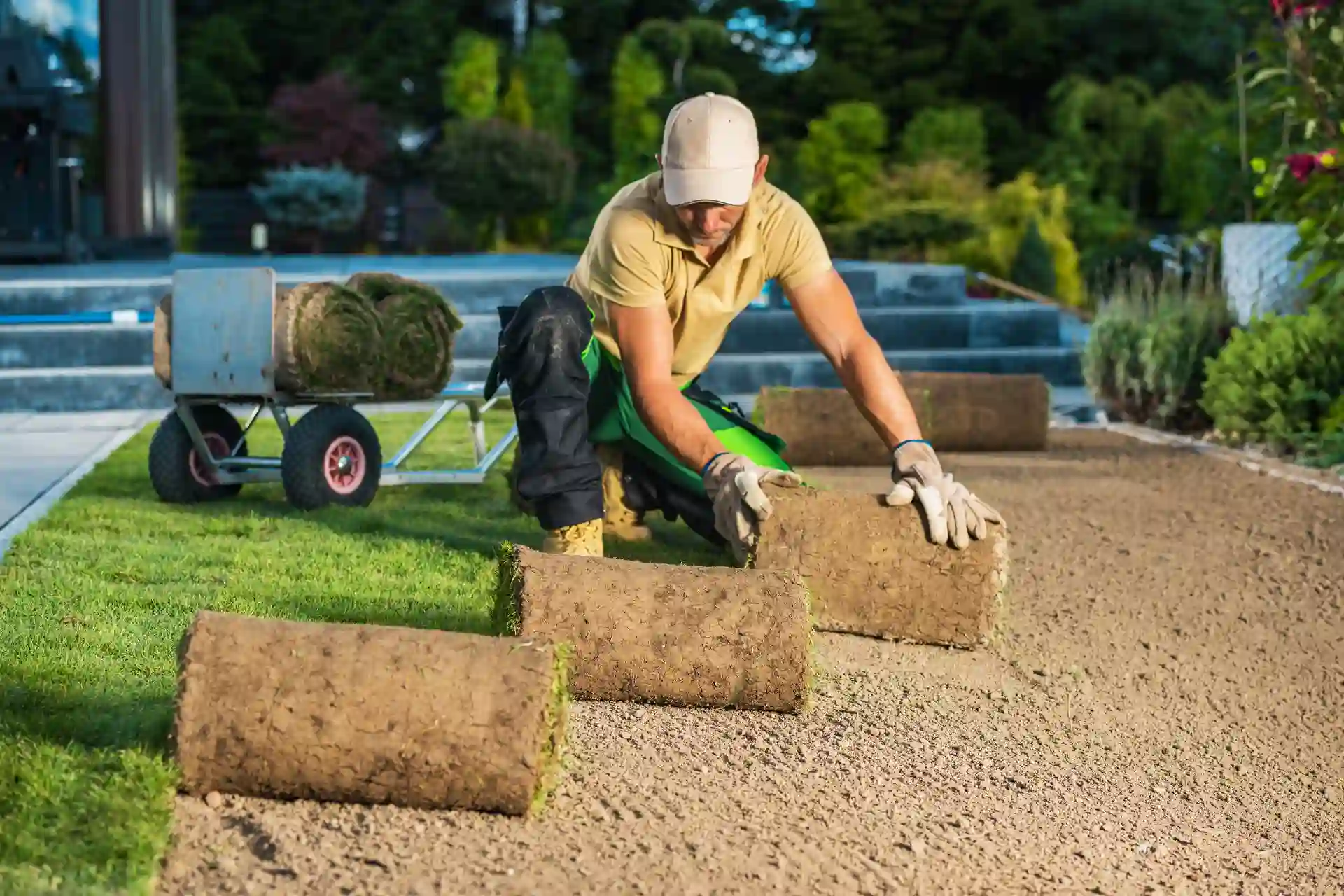
The cost of labor to install sod is usually 40–60% of the total cost. The work includes taking out the old lawn. Grading and leveling the soil. Putting down sod the right way, rolling and cutting the edges. Most professionals charge by the square foot or by the project. For seams that are even, strong roots, and long-term success with turf installation, you need good workers.
Cost Estimator by Lawn Size
Here’s a quick reference table for sodding cost by common lawn sizes:
| Lawn Size | Sod Material Cost | Labor Cost | Total Estimated Cost |
| 500 sq ft | $200 – $400 | $500 – $1,500 | $700 – $1,900 |
| 1,000 sq ft | $400 – $800 | $1,000 – $3,000 | $1,400 – $3,800 |
| 2,000 sq ft | $800 – $1,600 | $2,000 – $6,000 | $2,800 – $7,600 |
| 5,000 sq ft | $2,000 – $4,000 | $5,000 – $15,000 | $7,000 – $19,000 |
These are ballpark estimates. Your actual cost depends on the grass variety, soil work needed, and your contractor’s rates.
Cost by Location
Where you live has a real impact on resodding lawn cost. Here’s a regional overview:
| Region | Average Cost per Sq Ft (Installed) |
| Southeast (FL, GA, TX) | $1.50 – $3.00 |
| Midwest | $2.00 – $4.00 |
| Northeast | $2.50 – $5.00 |
| West Coast | $2.00 – $4.50 |
Southern states benefit from a longer growing season and stronger local supply chains for warm-season grasses. Northern states importing cool-season varieties face higher material costs and a shorter install window.
Local labor rates, water access, and permit requirements (yes, some municipalities require them) also push costs up or down by 10% to 20%.
DIY vs Professional Sod Installation Cost
DIY sodding can cut your total cost by 30% to 50%, but it’s physically demanding and mistakes are expensive. If the sod isn’t laid flat and firm with tight seams, it can die within weeks.
Here’s a real comparison:
| DIY | Professional | |
| Sod materials (1,000 sq ft) | $400 – $800 | $400 – $800 |
| Equipment rental | $100 – $300 | Included |
| Labor | $0 (your time) | $1,000 – $3,000 |
| Risk of failure | Higher | Lower |
| Total | $500 – $1,100 | $1,400 – $3,800 |
DIY makes sense for small patches under 500 square feet or if you have landscaping experience. For anything larger, or if your yard has slopes, irrigation, or drainage issues, professional installation protects your investment.One common mistake with DIY installs is skipping soil preparation. No matter how fresh the sod is, it won’t root properly in compacted, nutrient-poor soil.
Does Installing Sod Increase Home Value
Indeed. A well-kept lawn can add 5–15% to the value of a house and enhance curb appeal. Unlike seeding, which requires patience and time, new sod produces results instantly. A well-executed grass installation also conveys to potential buyers that the property is well-maintained.
Why Proper Installation Matters for Lawn Health
During the rooting phase, improperly installed sod could malfunction. Strong roots are rapidly established by sod when it is properly watered, rolled, and seam aligned. We suggest reading How Long Does Sod Take to Root to gain a better understanding of the rooting process and what occurs following installation.
Sod Replacement Cost: What About Resodding?
Resodding an existing lawn adds one extra cost layer: removal of the old turf. Sod replacement cost typically runs $1 to $2.50 per square foot more than a fresh install.
That breaks down like this:
- Old sod removal: $1 to $2 per square foot
- Disposal fees: $50 to $150 depending on volume
- Fresh soil amendment: $0.50 to $1.50 per square foot
For a 1,000 square foot lawn, the total resodding lawn cost (remove + replace) could run $3,000 to $7,500, depending on your location and grass type.
Why Choose Professional Lawn Installation Services?
Working with installers who have done it before makes sure:
Choosing the right grass,
Setting up the right irrigation,
Long-term performance of the turf.
If you are in Southern California, you can naturally add internal links to this part by mentioning Lawn Installation Services in Whittier. This helps users and search engines connect service relevance with informational content. Businesses like Robert’s Complete Care focus on getting things right and getting outcomes that last, not quick fixes.
Conclusion
So, how much does it cost to install sod? For most households, the cost is between $1.50 and $4.00 per square foot, depending on the size of the lawn, how the soil is prepared, the type of grass, the amount of work needed, and where the lawn is located. Installing sod yourself may appear cheaper at first, but hiring a professional to do it often leads to better results, stronger roots, and a healthier lawn in the long run. A correctly installed sod lawn makes your home seem better, raises its worth, and provides you with results right away, unlike seeding. If you plan your budget carefully and cooperate with specialists who know what they’re doing, you can avoid making expensive mistakes and have a healthy lawn for many years. Contact us today to get a custom estimate for sod installation based on the size of your lawn, the quality of your soil, and the type of grass you want. With experienced advice and dependable service, our team is eager to help you change your yard.
FAQs
Can you lay sod over existing grass?
No, you should never put sod directly on top of grass that is already there. The old grass makes the ground uneven and stops the new roots from getting to the soil. To install sod correctly, you need to first remove the old grass and then prepare the soil before putting down the new sod.
One of the main reasons sod dies within the first month is because this step was skipped. The old organic matter under the new rolls makes air pockets that dry out the roots.
How much is 1,000 square feet of sod?
Depending on the type of grass, sod materials for 1,000 square feet cost between $400 and $800. The total cost is usually between $1,400 and $3,800, which includes professional installation.
Buying by the pallet is almost always cheaper than buying rolls one at a time. A pallet usually covers between 400 and 450 square feet.
What is the best month to lay sod?
The best time to lay sod is early spring or early fall. These seasons give roots time to establish before extreme heat or cold stress sets in.
In warm climates like Southern California, Texas, and Florida, late winter through spring works well. In cooler northern states, late summer to early fall is ideal. Avoid laying sod during peak summer heat or when the ground is frozen.
What is cheaper than sod?
Seeding is the least expensive option compared to sod. Grass seed costs between $0.05 and $0.30 per square foot, while sod costs between $0.87 and $1.76. Time is the trade-off. It takes 8 to 16 weeks for seeded lawns to grow, but you can walk on sod in 2 to 3 weeks.
Hydroseeding ($0.10 to $0.40 per square foot) and sod plugs are other budget-friendly choices. They work well for warm-season grasses like Zoysia or St. Augustine.
What is poor man’s grass?
Centipede grass is often called “poor man’s grass” because it’s one of the cheapest and lowest-maintenance options available. It requires minimal fertilizing, grows slowly (so less mowing), and handles heat and mild drought well.
It’s most common in the Southeast and works best in USDA hardiness zones 7 to 9. It doesn’t handle heavy foot traffic well, so it’s better suited for ornamental or low-use lawns.