Lawn Installation

Get advice on sod and turf installation for lush, long-lasting lawns.

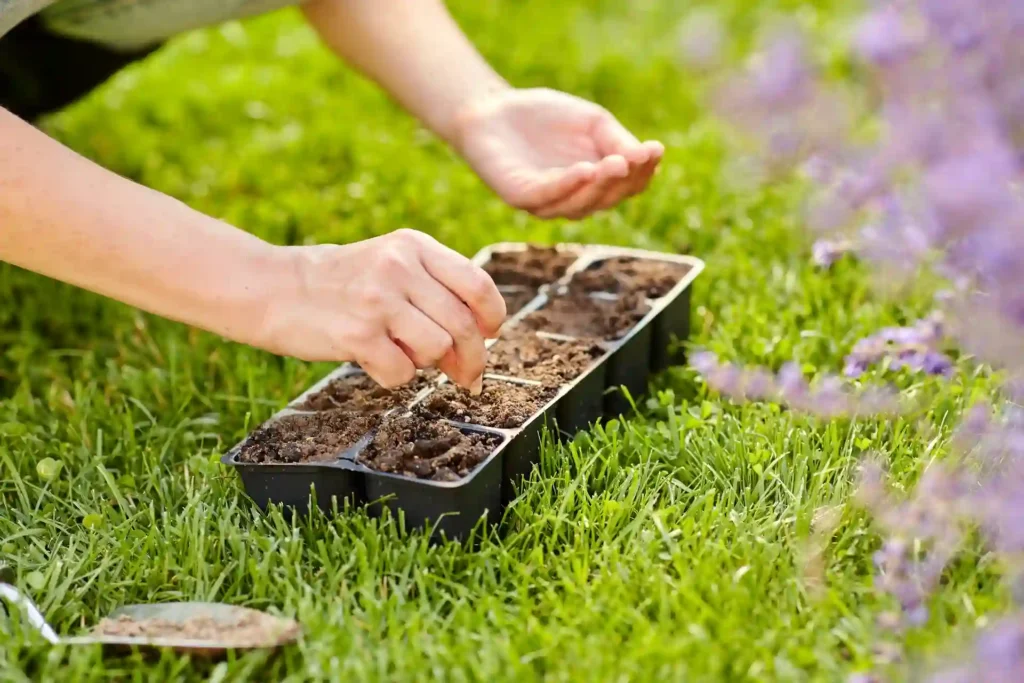
Hands collecting soil samples in a tray during How to Test Your Lawn Soil at home for pH and nutrients

How to Test Your Lawn Soil?

The soil is what makes a grass green and healthy, not fertiliser or seed. The underlying problem can lie underground if your grass looks weak, thin, or spotty. Learning how to test your lawn soil will tell you exactly what your lawn needs and what it doesn’t need. It lets you save money, not have to guess, and make your grass grow stronger. This article is for homeowners who seek straightforward, useful guidance. You’ll discover how to test my soil, what lawn soil analysis is, how to choose between a DIY soil test and a lab test, and what to do with your results. Why Soil Testing Matters for Your Lawn Soil is not just dirt. It has the nutrition, water, air, and life that grass needs to grow. Grass has a hard time growing when the soil isn’t healthy or fertile, no matter how much you water or fertilise it. Soil Is the Foundation of a Healthy Lawn Soil is more than just dirt, it’s a living system that has nutrients, water, air, and good creatures that grass needs to develop. Even if you water and fertilize your lawn a lot, it can still have problems if the soil isn’t healthy or fertile. Bad soil conditions stop roots from growing and keep grass from getting the nutrients it needs to stay green and healthy. Soil Testing Helps You Make Smarter Lawn Decisions Testing the soil before overseeding or fertilising takes the guesswork out of lawn care. A good soil test may find out if there are any nutrient deficiencies, evaluate the pH level of the soil, and find problems with the texture and drainage of the soil. This knowledge lets you use only what your grass really needs, which helps you avoid over-fertilising, cut down on waste, and save money while also making your lawn healthier in the long run. How to Test Your Soil Yourself (DIY Methods) A DIY soil test is a terrific way to get a fast look at how healthy your yard is. You don’t always have to go to a lab to find out fundamental things about your dirt. The Mason Jar Test for Soil Texture Knowing the soil texture and drainage of your soil can help you understand how your lawn drinks and breathes. To do this: Put dirt in a glass jar until it is one-third full. Add water and a drop of dish soap to the rest of the container. Give it a shake and let it sit for a day. You will see that the sand is at the bottom, the silt is in the middle, and the clay is on top. “Loam” is the ideal type of soil for a lawn because it has a good balance of all three. The Vinegar and Baking Soda Test If you are wondering how to test lawn soil pH at home without a kit, you can use kitchen staples. For Alkalinity: Add vinegar to a cup of dirt. Your soil is alkaline if it fizzes. For Acidity: To make the soil more acidic, mix it with water to form mud and then add baking soda. Your soil is acidic if it bubbles. This isn’t as accurate as a ph test for the lawn, but it will tell you if your soil is out of balance with a “yes” or “no” result. DIY Soil Texture and Drainage Tests It’s a good idea to evaluate the texture and drainage of the soil before checking the nutrients. These things change how roots grow and how water moves. Soil Texture Jar Test (Quick and Easy) You may find out what your soil is made of with the soil texture jar test. Put some dirt in a transparent jar and fill it halfway. Then, add water and a drop of dish soap. Shake the jar well and then leave it alone for approximately a day. When the soil settles, the sand will sink first, the silt will settle in the centre, and the clay will form the top layer. This tells you if your soil drains too quickly or stays too wet. Simple Lawn Drainage Test To see if the drainage works, dig a hole approximately 12 inches deep and fill it with water. Fill the hole back up when it has entirely drained. Then, timing how long it takes to empty. Your soil drains well if the water goes away in one to three hours. If water drains slowly, it usually means that the soil is compacted or has a lot of clay, which can make it hard for roots to grow. Testing With an At-Home Soil Testing Kit You can buy a soil test kit instead of a lab test for your lawn if you want more than just a “fizz” test. Most home kits come with tubes and capsules that are colour-coded. These are ideal for quickly testing the nitrogen, phosphorus, and pH levels in soil. But remember that home kits might not always be as precise if the chemicals in them are outdated. They are best for a general “check-up” between examinations done by professionals. How to Test Your Soil at a Lab If you want the most accurate results, you should get a soil test from a cooperative extension or a private lab. This is the best way to test the soil in your yard. Why go to a lab? Labs have high-tech tools that can see things that a home kit can’t. They give a full breakdown of the levels of organic matter and micronutrients. If you’re going to make big changes, like hiring Lawn Installation Services in Whittier, getting a professional lab report first will make sure that the new sod or seed has the best chance of growing. What Lab Tests Measure Soil pH Nitrogen, phosphorus, potassium Micronutrients Organic matter Lab results are especially helpful before major projects like lawn renovation or installation. Sending to a Lab vs. Testing at Home Feature Home Kit (DIY) Professional Lab Test
How to Test Your Lawn Soil? Read More »

Layered green lawn with trimmed hedges showing healthy turf growth and how to overseed grass lawn

How to Overseed Grass Lawn?

Even if the rest of your house looks wonderful, a lawn that is thin or uneven can make your yard look old. How to overseed grass lawn is a simple and effective approach to address weak spots and make your yard seem better without having to cut down any grass. Overseeding helps fill in barren places, make thin grass thicker, and help it grow stronger over time. When done right, it makes the lawn healthier, gets rid of weeds naturally, and makes it appear lush and green again in just a few weeks. What Is Overseeding? Overseeding is when you add new grass seed to an existing lawn without cutting down the old grass. This process is different from full reseeding grass because it focuses on making what you already have stronger by filling up bare places and thickening thin sections. A good overseeding of grass makes the whole lawn healthier by making the color brighter, the density higher, and the weeds less likely to grow. It also lets you add stronger types of grass that will do better over time. If you overseed your lawn the right way, it may look fuller and healthier in only a few weeks. When Should You Overseed Your Lawn? One of the most popular inquiries homeowners have is when to overseed the lawn for the best results. Choosing the proper season can make a great difference in how well your seeds germinate and how healthy your grass is in the long run. Best Time to Overseed Lawn The type of grass you have is the most important factor in whether to overseed your lawn. Different types of grass thrive best in different temperatures. Cool-Season vs Warm-Season Grasses Early October is the best time for cool-season grasses like fescue, ryegrass, and Kentucky bluegrass. Seeds germinate quickly and grow robust roots when the earth is warm and the air is chilly. The greatest time for warm-season grasses like Bermuda, Zoysia, and St. Augustine is from late spring to early summer, when the soil is warm enough for them to flourish. Overseed a Lawn in Fall (Why Fall Wins) Fall is the best time to overseed since the soil stays warm, weeds develop more slowly, and it usually rains more often. These conditions help grass roots get stronger before winter. Fall is the safest and most effective time to overseed if you only want to do it once a year. Why You Should Overseed Your Lawn Overseeding isn’t just about how it looks. It makes your lawn healthier in the long run. Some of the main benefits are: Weeds can’t grow on grass that is thicker. Roots that are stronger fight off illness. More resistant to drought The grass grows evenly all over the lawn. Depending on the state of the grass, a lot of lawn care experts say to overseed every one to three years. Preparation Before Overseeding One of the most important things you can do to help grass flourish is soil preparation before overseeding. Not doing this step can lead to bad germination and variable outcomes, even with good seed. Mow and Clean the Lawn Mow the grass a little shorter than usual before overseeding to assist the seeds get to the soil. Instead of leaving the cuttings behind, put them in a bag and throw away any leaves or other debris so the ground is ready for new seeds. Dethatching and Aeration Before Overseeding Thatch can block seeds from making contact with the soil. If your lawn has a thick thatch layer, dethatching should be done first. You should also consider aeration before overseeding, as it creates small holes in the soil that improve airflow, water absorption, and seed-to-soil contact, which is critical for healthy germination. Test and Improve Soil Testing your soil helps make sure that fresh grass will grow in the ideal conditions. Try to keep the pH of the soil between 6.0 and 7.0. Adding compost to poor soil will help it get more nutrients, and leveling off low spots can help the grass grow evenly. Things You Need to Overseed Your Lawn It’s vital to get all the supplies you need before you start overseeding so that you can apply them evenly and smoothly. Getting the necessary tools ready ahead of time saves time and makes everything more accurate. Essential Tools and Materials To scatter the seed uniformly, you’ll need grass seed that matches your lawn type and a broadcast or drop spreader. A rake can help loosen the soil and make sure the seeds are in contact with it better. A lawn aerator, on the other hand, is not necessary but can make a big difference. A starting fertilizer for new grass helps the roots grow early on, and a hose or sprinkler system is needed to keep the grass watered after overseeding. Choose the Right Grass Seed There are different kinds of grass seed. Picking the wrong type can make things develop weakly. How to pick seeds: Match the seed to cool-season vs warm-season grasses. Use combinations that work in the sun or shade. Look for types that are resistant to disease. Mixed seed mixtures usually work better than seeds of the same kind. Steps to Overseed a Lawn That Already Exists Following the appropriate steps for overseeding your lawn will help the seeds germinate well and the grass grow evenly. Most home lawns can benefit from these easy actions. Mow Low To begin, cut your grass a little shorter than usual. This lets sunshine penetrate the soil and helps fresh seeds get a better grip on it. Remove Debris To start with, cut your grass a little shorter than usual. This lets sunshine penetrate the soil and helps fresh seeds get a better grip on it. Aerate (If Needed) Aeration helps loosen up compacted soil, which makes it easier for seeds to settle in and improves drainage. Prepare the Soil Lightly rake bare or thin areas to loosen the top layer of soil. This

How to Overseed Grass Lawn? Read More »

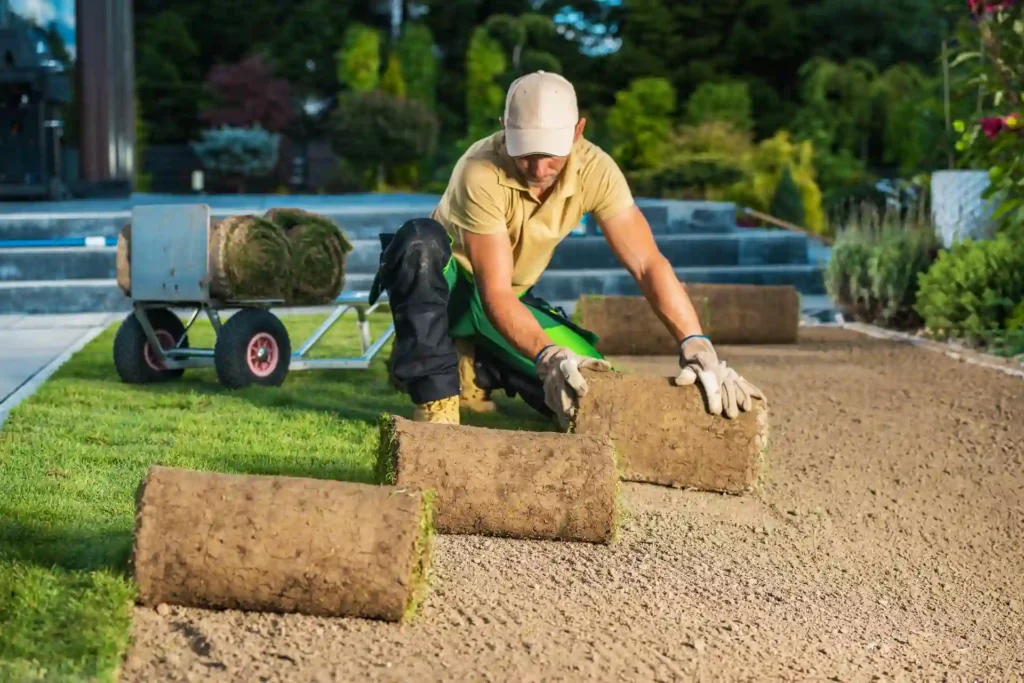
Lawn professional laying fresh sod rolls, showing how much does it cost to install sod for a new green lawn

How Much Does It Cost to Install Sod?

One of the quickest ways to achieve a green, healthy lawn is to install sod. You won’t have to wait months for grass seed to develop. Before they start, homeowners generally want to know how much does  it costs to install sod.  Several things affect the response, such as the size of the lawn, the type of grass, the amount of work needed, and the preparation of the soil. This detailed guide will go over the cost of installing sod, what factors determine the price, and help you decide whether to do it yourself or hire a pro. Average Sod Installation Cost Most homeowners spend between $2,000 and $5,000 to sod a standard lawn. The national average sits around $3,200, including materials and professional labor. Here’s a simple snapshot: Project Scope Estimated Cost Materials only (1,000 sq ft) $400 – $800 Professional install (1,000 sq ft) $1,000 – $3,000 Full install (materials + labor) $2,000 – $5,000 Large yards (5,000+ sq ft) $8,000 – $18,000+ Prices shift based on the grass type, your region, soil condition, and whether you’re sodding a fresh area or replacing old turf. Cost of Installing Sod per Square Foot Understanding sod installation cost per square foot helps you estimate your total budget more easily. Cost Type Price Range (Per Sq Ft) Sod material only $0.40 – $1.20 Labor only $0.80 – $2.00 Installed total $1.50 – $4.00 Most homeowners pay around $2.50 per square foot for a standard lawn with no major problems, so if you’re wondering how much sod costs per square foot installed, that’s about what you can expect. What Factors Affect Sod Installation Cost? Several elements directly influence sodding cost. Knowing these ahead of time helps avoid surprise expenses. 1. Lawn Size Bigger lawns cost more overall, but the cost per square foot often drops at larger volumes. Contractors frequently offer bulk discounts once you clear 2,500 square feet. 2. Grass Type Premium warm-season grasses like Zoysia and St. Augustine cost more per pallet than basic Bermuda or fescue blends. More on this below. 3. Soil Preparation If your soil needs grading, tilling, or amendment, that adds $0.50 to $1.50 per square foot to the job. Poor soil is the most common hidden cost homeowners miss. 4. Lawn Condition Replacing an existing lawn costs more than sodding bare ground. Old sod removal runs $1 to $2 per square foot as a separate line item. 5. Site Accessibility Steep slopes, narrow gates, or hard-to-reach areas make the job harder. That extra labor shows up on your invoice. 6. Season and Region Spring and fall are peak seasons for sodding. Pricing in the South is generally lower due to material availability. Northern states pay more for cool-season grasses that are harder to source. Sod Cost by Grass Type Grass choice plays a big role in sod replacement cost. Grass Type Average Installed Cost (Per Sq Ft) Bermuda $1.50 – $3.00 Fescue $2.00 – $4.00 St. Augustine $2.50 – $4.50 Zoysia $3.00 – $5.00 Kentucky Bluegrass $2.00 – $4.00 Your climate, sun exposure, and maintenance goals should guide grass selection, not just price. Labor Costs for Sod Installation The cost of labor to install sod is usually 40–60% of the total cost. The work includes taking out the old lawn. Grading and leveling the soil. Putting down sod the right way, rolling and cutting the edges. Most professionals charge by the square foot or by the project. For seams that are even, strong roots, and long-term success with turf installation, you need good workers. Cost Estimator by Lawn Size Here’s a quick reference table for sodding cost by common lawn sizes: Lawn Size Sod Material Cost Labor Cost Total Estimated Cost 500 sq ft $200 – $400 $500 – $1,500 $700 – $1,900 1,000 sq ft $400 – $800 $1,000 – $3,000 $1,400 – $3,800 2,000 sq ft $800 – $1,600 $2,000 – $6,000 $2,800 – $7,600 5,000 sq ft $2,000 – $4,000 $5,000 – $15,000 $7,000 – $19,000 These are ballpark estimates. Your actual cost depends on the grass variety, soil work needed, and your contractor’s rates. Cost by Location Where you live has a real impact on resodding lawn cost. Here’s a regional overview: Region Average Cost per Sq Ft (Installed) Southeast (FL, GA, TX) $1.50 – $3.00 Midwest $2.00 – $4.00 Northeast $2.50 – $5.00 West Coast $2.00 – $4.50 Southern states benefit from a longer growing season and stronger local supply chains for warm-season grasses. Northern states importing cool-season varieties face higher material costs and a shorter install window. Local labor rates, water access, and permit requirements (yes, some municipalities require them) also push costs up or down by 10% to 20%. DIY vs Professional Sod Installation Cost DIY sodding can cut your total cost by 30% to 50%, but it’s physically demanding and mistakes are expensive. If the sod isn’t laid flat and firm with tight seams, it can die within weeks. Here’s a real comparison: DIY Professional Sod materials (1,000 sq ft) $400 – $800 $400 – $800 Equipment rental $100 – $300 Included Labor $0 (your time) $1,000 – $3,000 Risk of failure Higher Lower Total $500 – $1,100 $1,400 – $3,800 DIY makes sense for small patches under 500 square feet or if you have landscaping experience. For anything larger, or if your yard has slopes, irrigation, or drainage issues, professional installation protects your investment.One common mistake with DIY installs is skipping soil preparation. No matter how fresh the sod is, it won’t root properly in compacted, nutrient-poor soil. Does Installing Sod Increase Home Value Indeed. A well-kept lawn can add 5–15% to the value of a house and enhance curb appeal. Unlike seeding, which requires patience and time, new sod produces results instantly. A well-executed grass installation also conveys to potential buyers that the property is well-maintained. Why Proper Installation Matters for Lawn Health During the rooting phase, improperly installed sod could malfunction. Strong roots are rapidly established by sod when it is properly watered,

How Much Does It Cost to Install Sod? Read More »

How to Install Artificial Turf | Step-by-Step Guide

How to Install Artificial Turf | A Step-by-Step Professional Guide

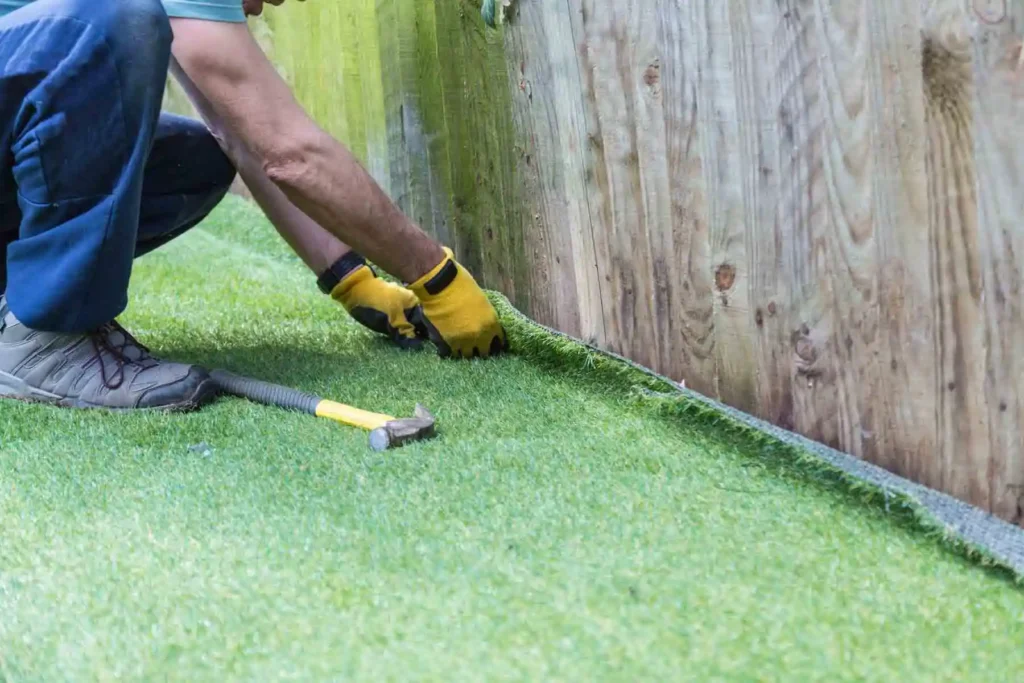
Knowing how to install artificial turf is the secret to having a green, beautiful yard without the upkeep of real grass. Artificial turf has grown in popularity for both residential and commercial applications as a solution to drastically reduce water consumption, stop mowing, and maintain a clean, uniform landscape all year long. This all-new guide to the artificial turf installation process will help you understand what it takes to make your turf look real, drain well, and perform for years. Whether you are hiring a professional or doing a DIY artificial turf installation yourself, these tips will help you install your turf easily and effectively. How To Install Artificial Turf In A Small Yard Putting down turf in a small area is more about planning than strength. You have less space to cover, but every cut and seam is easier to see. The first thing you should do is clear the space. You need to dig up at least 3 inches of dirt, even in a small yard. This depth makes it possible to have a strong base of crushed stone. Your turf may soon sag or get “potholes” if you don’t have it. A weed barrier is needed as soon as the dirt is out. It keeps wayward sprigs from getting through your new green carpet. If you don’t have a lot of space, roll out the turf and let it rest in the sun for two hours. This “relaxes” the backing, which makes it much easier to cut around fences and edges. Planning and Site Evaluation Measuring the Area Accurately Planning is essential prior to installation. Measure the area where you will be laying artificial grass to the length and width, considering of curves, slopes, walkways, trees and any other obstacles. Precise measurements also allow you to calculate the quantity of turf, edging and base material that you need, which minimizes waste and unexpected costs. Doing the site evaluation properly also assists in identifying any drainage problems. These issues can be dealt with prior to installation, preventing problems like water pooling or uneven settling down the road. Artificial Turf Base Preparation Removing Existing Grass and Soil Among the most critical steps in the whole installation process is proper artificial turf base preparation. All grass and all the roots of the weeds or whatever you have, need to be removed. Leave organic material beneath the turf and you can have sinking, uneven surfaces and weeds growing through them over time. Typically, the earth is dug out to a depth that provides room for the base materials, plus the thickness of the turf. This digging out provides a firm base and makes the artificial lawn sit flush with neighboring surfaces. Installing and Compacting the Base Layer After digging, a crushed stone or decomposed granite base has been laid out and evenly leveled over the space. That material is also compacted so that the end result is a firm, flat surface. A well-compacted base is critical to the success of the artificial turf installation process, stability and drainage can’t be stressed enough. Pro installers usually use a plate compactor to get a compact and even base. For the at home job work, you should definitely rent the right compaction equipment, and if do not want to deal with IRS on you in the future. You may read How Much Does Artificial Turf Cost ? Step-by-Step how to install artificial grass on soil Following a specific order is the only way to get a professional result. Here is how I handle every project to ensure it looks natural and stays put. 1. Preparation and Excavation Remove the existing sod and soil. Aim for a depth of 3 to 4 inches. I always check for underground utilities or irrigation lines first. You don’t want to accidentally slice a sprinkler pipe while digging. 2. Base Installation Spread your crushed stone evenly. Use a rake to create a slight slope away from your home. This prevents water from pooling against your foundation. Wet the stone slightly, then run the plate compactor over it until it’s rock hard. 3. Laying the Turf Unroll your grass. One of the most important things I can tell you is to look at the “grain” or pile direction. All of the blades should point toward the main viewing area, which is like your back porch. This helps the grass look fuller and cuts down on glare. 4. Seaming and Trimming If you’re putting artificial grass in a wide area, you’ll have seams. Line the pieces up so they touch but don’t overlap. Use your utility knife to trim the edges from the backside. Apply glue to the seam tape and join the sections. Press firmly to ensure a bond. 5. Securing and Infill Every 6 inches along the outside, drive your 6-inch nails. Once it’s safe, spread your infill. I use a drop spreader to make sure the layer is even. This sand keeps the turf from wrinkling when the temperature changes by weighing it down. Installing the Artificial Turf Positioning and Aligning the Turf After the base is installed, the synthetic grass is laid on top. Be sure all turf pieces are oriented the same way so the blades look uniform and natural. Bad seaming can cause noticeable color banding across the lawn. The grass is cut exactly to the edges, curves and corners. Accuracy at this stage also contributes to a seamless look and eliminates gaps between borders and hardscapes. Joining Seams and Securing the Turf When more than one piece of turf is needed, seams are joined with special tape and adhesive. The right seam placement and bonding hides the joints in seams and ensure they will remain solid, hidden and reliable for many years. The grass is secured along the perimeter and also along seams with landscaping nails or staples. This step ensures that the turf will not move, not even under heavy foot traffic, pets, or garden furniture. Artificial Turf Infill Installation and Finishing Touches Applying Infill Material Artificial turf infill installation is a pivotal final step that improves the appearance and functionality of the lawn. Infill products, like silica sand or

How to Install Artificial Turf | A Step-by-Step Professional Guide Read More »

Can You Lay Turf Over Existing Grass – Step‑by‑Step

Can You Lay Turf Over Existing Grass?

So, can you lay turf over moss or another layer of old lawn? It sounds so simple – just spread fresh new turf on top of your tired old lawn and get instant results. But is that really such a great idea? At Robert Complete Care, we get this question a lot from homeowners who want a quick and affordable yard fix. In this turf-over-lawn guide, we’ll tell you: Does putting turf over grass even work? What happens if you do? And how can you get the best chance of success with long-lasting, healthy turf? Can You Lay Turf Over Existing Grass? Can you lay turf over grass? The short answer is: yes, you can—but it’s not recommended. Although it might seem like the easy way out, layering turf on top of old lawn grass will almost always result in disappointment. New turf requires crisp contact with prepared ground in order to develop strong roots. Existing grass inhibits the —growth of—new grass by blocking vital nutrients, water and oxygen. So many lawns have failed for lack of preparation, and we have helped many homeowners breathe new life into their yards. Will Turf Grow on Top of Grass? Among the most common questions I receive from homeowners: can I lay turf over existing grass? Strictly speaking, turf can live for a little while, but it won’t flourish. Why Turf Struggles on Existing Grass Roots cannot access soil adequately. Water percolates unevenly. The existing grass takes nutrients. Old grass rots away, which creates air pockets. Turf can lift, shift or die in slabs. Within weeks, you may notice: Yellowing turf. Uneven surfaces. Developing roots poorly Increased weed growth In order to be successful over the long term, turf should be laid on a soil that has been prepared, and not laid on top of grass. Why Laying Turf Over Existing Grass Is a Bad Idea It causes problems later on even though it saves time at that point in time. Poor Root Establishment Turf needs to be rooted in soil. The grass underneath stops this, making for shallow roots and weak turf. Uneven Lawn Surface As the old grass dies and rots, the earth subsides unevenly, resulting in undulations. Drainage Problems Between the turf and the layer of old grass, water is trapped, resulting in root rot and fungal infections. Increased Maintenance Lawn over grass usually needs more frequent watering, reseeding and patch mending. Robert Complete Care, we always recommend a good preparation to prevent the expense of these problems. When Might Laying Turf Over Old Lawn Be Considered? Rarely homeowners choose to lay sward without working up the soil in the following instance: There is virtually no grass at all The lawn is almost dead “Temporary grass is required for an event” Even so the effect is brief. Not so for permanent lawns – those professionals don’t recommend this route. The Right Way to Lay Turf (Professional Method) Don’t Cesarean-section your lawn—follow this process vetted by the pros behind Robert Complete Care. Step 1: Remove Existing Grass The first and most essential step is taking out the old grass. How to Remove Grass Use a sod cutter (best option) Dig manually with a shovel Use a non-toxic grass killer (Wait for the grass to completely die.) Removing grass allows the turf roots to have direct contact with the soil. Step 2: Prepare the Soil Soil preparation is essential for a good lawn. Soil Prep Checklist Loosen soil 4–6 inches deep Eliminate stones and garbage Remove the stones, dust, sticks, rusted metals, and any other garbage from your soil. Add compost or topsoil Flatten the surface Level[tukar Bread Council Member] Do not place top soil in more than 1 inch Layers. Lightly compact the soil It’s building the perfect foundation for new turf. Step 3: Lay the Turf Correctly Now you’re ready to install your turf. Best Practices Best Practices Lay turfs immediately after delivery Begin along straight edges Begin along straight edges of the room first Stagger the seams like you would when you are laying bricks. Press edges tight to gether Press the edges of the turf tightly together Do not stretch the turf. There shouldn’t be gaps at Robert Complete Care, we make sure every piece fits snugly and tight to each”other. Step 4: Water Thoroughly Watering is crucial after turf installation. Watering Schedule Water immediately after laying turf Keep turf moist for the first 2 weeks Avoid heavy foot traffic Gradually reduce watering once roots establish Proper watering helps turf bond with the soil quickly. You may read How Much Does Artificial Turf Cost? What Happens If You Skip Grass Removal? Homeowners who attempt laying turf over existing grass often experience: Turf lifting within weeks Dead patches Fungal disease Weed growth through seams Costly replacement At Robert Complete Care, we’re often called to fix these problems—something that could have been avoided with proper preparation. Cost Comparison: Proper Turf Installation vs. Shortcut Method Method Initial Cost Long-Term Cost Laying turf over grass Lower High (repairs & replacement) Proper turf installation Moderate Low (long-lasting lawn) Choosing the correct method saves money in the long run. Why Choose Robert Complete Care for Turf Installation? Professional turf installation ensures: Ensures Proper grass removal Soil testing and preparationCorrect turf placement Correct turf placement Even leveling Expert watering guidance At Robert Complete Care, we feel your pain – we design turf to keep your yard looking great year after year. Our team works hard so you could be assured your turf looks great – and stays that way. Final Thoughts So, can you lay turf over existing grass? You shouldn’t if you want a healthy, long-lasting lawn.For turf that grows well, looks great, and lasts, the old lawn must be removed and the soil properly prepared. Skipping this step can lead to poor growth and costly repairs. Robert Complete Care offers expert lawn installation services in Whittier for flawless results every time. Trust our team for professional turf installation that saves you time and effort. Call Robert Complete Care today and enjoy a beautiful, durable lawn you can rely on! Frequently Asked Questions Can I lay turf directly over weeds? No. Weeds make the same problems as grass and they get grow up through the seams of turf. How long after grass removal can I lay

Can You Lay Turf Over Existing Grass? Read More »

Can Dogs Pee on Artificial Turf Without Smell Issues?

Can Dogs Pee on Artificial Turf?

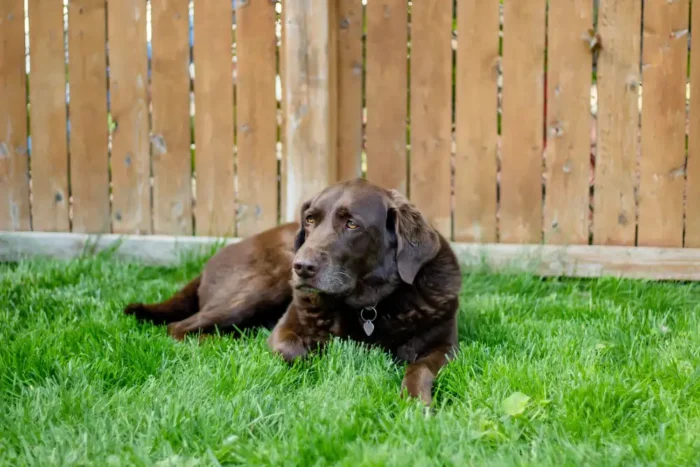
If you’ve ever stood in your backyard watching your dog sniff every corner before finally choosing a spot, you already know the struggle. Most dog owners who switch to artificial turf ask the same thing right away: can dogs pee on artificial turf without ruining it? The short answer is yes, dogs can absolutely pee on artificial turf. In fact, modern pet-friendly turf is specifically designed to handle it. But here’s the thing: not all turf is built the same, and how you maintain it makes all the difference. This guide covers everything from how urine drains through synthetic grass, to odor control, cleaning routines, and training tips. By the end, you’ll know exactly what to expect and how to keep your lawn looking (and smelling) clean year-round. Why Dogs Can Safely Pee on Artificial Turf Yes, dogs can safely pee on artificial turf. Quality pet-grade turf uses permeable backing that lets liquids drain through quickly, preventing pooling on the surface. Unlike natural grass, synthetic turf doesn’t absorb urine into the soil, so with the right drainage base and routine rinsing, it stays clean and safe for dogs. Natural grass absorbs urine into the root system, which causes those familiar brown dead patches. Artificial turf has no roots to burn. The surface stays green regardless of how often your dog uses it. Most pet-friendly turf products come with a perforated or open-weave backing. This allows urine to pass through at a rate of 30 to 60 inches per hour. The liquid drains into the aggregate base layer underneath, then into the ground below. How Dog Urine Interacts With Artificial Turf When a dog urinates on synthetic grass, the liquid immediately moves downward through the turf fibers and backing. It doesn’t sit on top the way it might on a sealed patio or deck. The drainage rate depends on three factors: the turf’s backing type, the infill material used, and the quality of the base installation underneath. Standard crumb rubber infill retains heat and can trap odor-causing bacteria. Antimicrobial infill products like zeolite or silica sand work better for dog areas. They absorb ammonia and reduce bacterial growth, which directly reduces odor. The fiber material also plays a role. Polyethylene fibers are soft and non-porous, making them easier to rinse clean. Polypropylene turf is denser but can trap debris between fibers more easily. Benefits of Installing Turf for Dog Owners Switching to artificial turf isn’t just about convenience. There are real, practical advantages that make it worth the upfront cost for most dog owners. No More Dead Patches Dog urine kills natural grass. Nitrogen overload at a single spot burns the roots, leaving yellow and brown patches. With synthetic turf, those dead zones disappear permanently. Mud-Free Zone Dogs dig. They also track mud inside after every rainstorm. Artificial turf drains quickly and doesn’t turn into a muddy mess. Your floors will thank you. Year-Round Green Appearance Natural grass goes dormant, turns yellow in heat, and gets patchy in drought. Artificial turf stays consistently green through every season without watering or reseeding. Reduced Water Use The average American lawn uses 55 gallons of water per square foot each year for irrigation. Artificial turf uses none. For homeowners in drought-prone areas, this is significant. Parasite Reduction Fleas and ticks thrive in natural grass and soil. Synthetic turf gives these pests fewer places to live, which means fewer treatments for your dog. How to Maintain Turf for Dog Pee Artificial turf used by dogs needs regular rinsing, occasional deep cleaning, and infill top-ups to stay odor-free and hygienic. Rinse the turf with water at least twice per week in high-traffic areas. For homes with multiple dogs, a weekly enzyme cleaner application keeps bacteria levels low. Here’s a practical maintenance schedule: Daily Pick up solid waste immediately Rinse the used area with a garden hose Weekly Hose down the entire turf area thoroughly Apply a diluted enzyme-based cleaner to the spots your dog uses most Monthly Brush the turf fibers with a stiff-bristle broom to keep them upright Check infill levels and top up if necessary Every 6 to 12 months Deep clean with a pet-safe turf deodorizer Inspect the drainage base for any compaction or blockage Enzyme cleaners are worth mentioning specifically. Products like Simple Green Outdoor Odor Eliminator or turf-specific formulas break down uric acid at the molecular level. Regular water alone doesn’t eliminate the odor source  it just dilutes it temporarily. Does Artificial Turf Smell Because of Dog Pee? Artificial turf can develop odor from dog urine if it’s not cleaned regularly. The smell comes from ammonia and bacteria breaking down in the infill layer, not from the turf fibers themselves. With the right infill material and a consistent cleaning routine, odor is manageable and largely preventable. The most common reason turf smells is an infill problem. Crumb rubber holds heat and creates an environment where bacteria multiply faster. Switching to a zeolite-based infill or adding a deodorizing infill layer dramatically reduces this issue. Temperature plays a role too. In summer, heat activates the ammonia compounds in urine faster. Morning rinses before the heat builds up are more effective than evening rinses for odor control. If you notice persistent odor even after cleaning, it may indicate the drainage base is compacted and retaining liquid. In that case, a professional assessment of the base layer is the right next step. Choosing the Best Artificial Turf for Pets Not all turf products were created with the same matter-of-fact standards in mind. When choosing a system for your pets, look for: High Drainage Rate Select the turf with a fully perforated backing for efficient drainage. Quicker drainage reduces odor and keeps the surface comfortable for dogs. Antimicrobial Technology A few turf products have antimicrobial coatings or backing layers to help control bacteria and odors. Dense, Durable Fiber Structure Dense fibers are more resistant to wear from digging and rough playing. Tough blades keep their shape even in homes with several dogs. Odor-Control Infill Infill also has an important role in neutralizing odors.

Can Dogs Pee on Artificial Turf? Read More »

How to Install a Lawn Sprinkler System Step-by-Step Guide

How to Install a Lawn Sprinkler System?

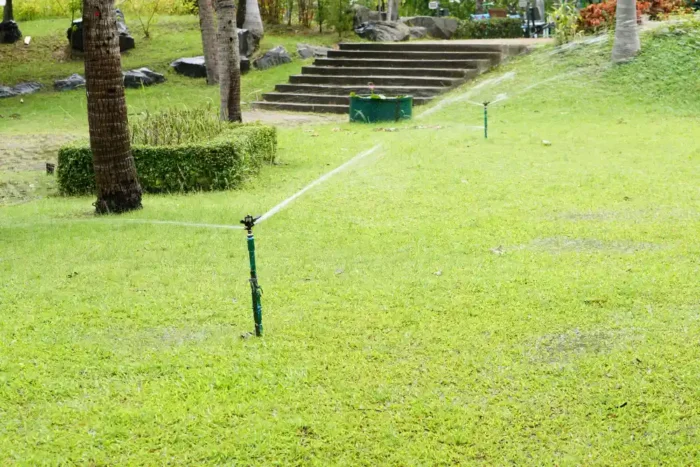
It’s a real pain to have to drag a green garden hose across your yard every single morning. I understand the anguish of watching your grass grow brown during those hot summer stretches when hand watering just can’t keep up. The smartest approach to recover your weekends and maintain your landscaping investment is to install your own automatic, permanent watering system. This entire guide gives you the step-by-step arithmetic, trenching depths, and plumbing calculations to set it up right. Follow my field-tested roadmap and save thousands of dollars in labour costs and build a commercial-grade home sprinkler system that keeps your turf lush. The short answer: To do this successfully, you need to first run a bucket test to find out the capacity of your water supply, lay out separate watering zones with full head to head coverage, dig trenches 6 to 12 inches deep and connect your lateral lines to a good backflow preventer and smart controller. Why Install a Lawn Sprinkler System? An automatic sprinkler system does far more than save you manual labor. It distributes water with precise uniformity, which prevents the wasteful runoff and pooling typical of manual osculating sprinklers. Data shows that a properly calibrated lawn irrigation system can reduce outdoor water waste by up to 30 percent while improving deep root growth. I see homeowners boost their long-term property market value because a healthy, green lawn creates immediate curb appeal. It changes your relationship with your yard from a chore into an asset. Step 1: Plan Your Sprinkler System Layout Before you buy a single pipe, you must calculate your home’s actual water capacity. Skipping this engineering step is why most DIY projects fail, resulting in weak water pressure that cannot pop up your sprinkler heads. How Do I Calculate My Water Flow Rate and PSI? To calculate your water flow rate, place a five-gallon bucket under your outdoor spigot and time how long it takes to fill completely. Divide five by the total seconds, then multiply by 60 to find your exact gallons per minute (GPM) capacity. You also need to attach a pressure gauge to your spigot to read your static pressure in pounds per square inch (PSI). Write both numbers down because they dictate your entire sprinkler system layout. Mapping for Head-to-Head Coverage Once you have your GPM and PSI, you can design your watering zones. Never mix different types of sprinkler heads on the same pipe line because they apply water at completely different rates. Your layout must achieve head-to-head coverage, meaning the spray radius from one sprinkler head must reach all the way to the base of the next head. This overlapping pattern ensures zero dry spots. Step 2: Gather Materials and Tools A professional-grade underground sprinkler system relies on durable components. Do not cut corners on cheap fittings, or you will be digging up your yard again next season to repair underground leaks. The Essential Irrigation Parts Checklist Schedule 40 PVC Pipe: Use 1-inch pipe for your main lines to handle constant pressure, and 3/4-inch pipe for your lateral lines. Solenoid Valves: These electronic valves open and shut your individual watering zones on command. Valve Manifold Assembly: The central plumbing distribution hub that holds your individual zone valves. Pop-Up Rotor Heads: Best for large, open turf areas because they rotate slowly over long distances. Fixed Spray Nozzles: Perfect for tight corners, narrow side yards, and curved flower beds. Funny Pipe: A flexible, thick-walled polyethylene pipe used to connect sprinkler heads to rigid PVC pipes without cracking under soil stress. Smart Irrigation Controller: The electronic brain that automates your schedules based on local weather conditions. Backflow Preventer: A critical safety device required by local building codes to keep irrigation water from siphoning back into your clean household drinking water supply. Tool Rental Advice I highly recommend renting a dedicated power trencher from a local home improvement center. Hand-digging hundreds of feet of deep channels through compacted turf and rock will exhaust you within hours. A mechanical trencher finishes a full afternoon of manual shoveling in less than an hour. Step 3: Call 811 and Dig the Trenches Safety comes first whenever you break ground on your property. You must map out what lies hidden beneath your turf before you let a mechanical blade spin into the dirt. Why Must You Call 811 Before Beginning Any Irrigation Digging? Calling 811 connects you to local utility operators who will mark your buried gas, electric, water, and telecommunication lines for free. Digging without utility markings risks catastrophic property damage, severe personal injury, and expensive city fines for breaking public utility lines. Always wait the required two to three business days for the technicians to place their colored marker flags before you touch a shovel. Executing the Perfect Trench Set your rented power trencher to a depth between 6 and 12 inches. In warm climates like Southern California, a 6-inch depth is usually sufficient for residential lateral lines. If you live in cold regions, you must bury lines deeper or prepare to blow out the system with an air compressor before the winter freeze hits. As you run the machine, place the displaced topsoil cleanly on one side of the path to make backfilling easier later. Step 4: Install the Water Supply Line and Valve Manifold Connecting to your home water supply requires precision. I prefer installing a dedicated companion water meter if your city offers one, because it waives the sewer processing fees for your irrigation water. Setting the Backflow Preventer Cut into your main residential water line right after your home meter and solder a brass tee fitting. Run your main line directly into your backflow preventer. Check your local municipal municipal codes for exact height restrictions. Most cities require the backflow device to sit at least 12 inches above the highest sprinkler head on your property to work reliably. Assembling the Valve Manifold Hub Dig an oversized hole next to your main line and drop in a heavy-duty plastic

How to Install a Lawn Sprinkler System? Read More »

How Much Turf on a Pallet

How Much Turf on a Pallet? The Answer Might Surprise You!

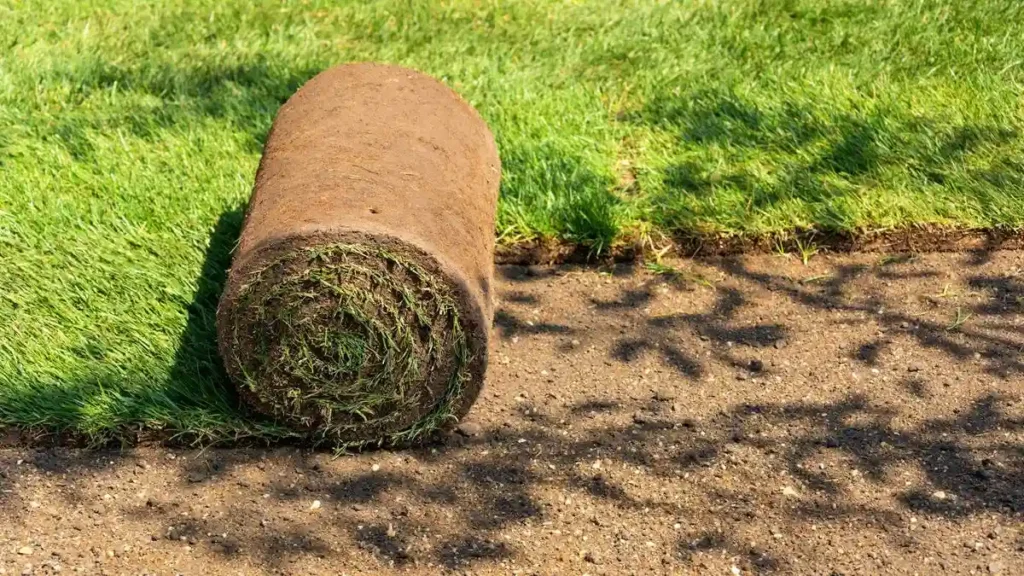
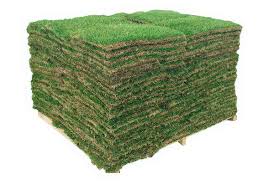
You’re planning to lay turf, and the last thing you want is to order too little  or waste money ordering way too much. It’s a common problem, and it usually starts with one missing piece of information: how much turf actually comes on a pallet? The short answer is that a standard turf pallet covers between 400 and 500 square feet, but that number shifts based on where you buy, what grass type you choose, and how the sod farm cuts and packages it. In this guide, we’ll walk through exactly how much turf on a pallet you can expect, what affects coverage, how to calculate the right amount for your yard, and what each pallet weighs. By the end, you’ll have everything you need to place a confident order and avoid costly surprises on install day. What Is a Turf Pallet? A turf pallet is a wooden shipping platform stacked with pre-cut pieces of sod, ready for installation. Each pallet holds enough grass to cover a specific area of your lawn, typically measured in square feet. The sod itself is harvested from a farm, cut into uniform pieces, and stacked tightly for transport. Turf and sod are the same thing. “Turf” is just the more common term used in Canada and parts of the UK, while “sod” is the go-to word in the United States. Whether your supplier calls it turf or sod, you’re getting pre-grown grass with the soil and root system still attached. Think of a pallet of turf like a flat-pack of puzzle pieces. Each piece is a ready-made section of lawn. You lay them out, and within days the roots knit into the soil below. Understanding Sod Pallet Coverage (Without the Corporate Jargon) Let me break this down the way I’d explain it to a friend over coffee. When sod arrives at your house, you’re getting grass that’s been grown for months. It comes with soil attached, roots and all. It’s basically instant lawn. Each piece measures about 16 inches by 24 inches—think of it like a small yoga mat made of grass. That one piece covers about 2.67 square feet. Here’s what actually matters: A typical pallet of sod square feet usually lands somewhere around 450 square feet. But I’m saying “usually” because I’ve genuinely seen variation. One supplier we work with regularly gives us about 165 pieces per pallet. Another gives us 155. Same grass, different farms, different coverage. The difference comes down to a few things. Some grass types are just naturally thinner. Bermuda grass, for instance, isn’t as dense as St. Augustine. So when they lay it on a pallet, you get more pieces but they’re lighter overall. St. Augustine is thicker and heavier, so fewer pieces but denser coverage. Both end up covering roughly the same area, just differently. Then there’s thickness. Some suppliers grow their sod thicker for durability during transport. Others keep it thin to save money. The standard size of a piece of sod doesn’t change, but that thickness affects how many pieces fit on a pallet and how the grass performs after installation. When we order for Robert Complete Care customers, we’ve learned to ask our suppliers exactly what we’re getting. Not just the price. Not just the coverage number they put in their brochure. We actually ask questions like: “How many pieces?” “How thick?” “Is that 450 square feet measured how?” This matters. Turf vs. Sod: Is There a Difference? No. They’re interchangeable terms for the same product. In Canada, “turf” is more widely used by homeowners and landscapers. In the US, most farms and suppliers say “sod.” When searching online, you’ll find results for both. If a Canadian supplier calls it turf and a US site calls it sod, they’re describing the same thing. One separate question worth addressing: some people searching “how much turf on a pallet” are thinking about artificial turf, not natural grass. Artificial turf is sold by the roll, not by the pallet, and coverage is completely different. This guide focuses on natural, live sod pallets. What Factors Affect Grass Cost in Whittier Now let’s talk about the part that actually hits your wallet. The pallet of sod cost in Whittier isn’t fixed. I wish it were. It’s influenced by things you’d expect and things you wouldn’t. First, the grass itself. Not all sod is created equal. In Whittier, your main options are typically Bermuda, St. Augustine, or Zoysia. Bermuda is usually the most affordable—usually runs you around $150 to $250 per pallet depending on the supplier. St. Augustine is middle ground, hitting somewhere between $250 and $350. Zoysia? That’s the premium option. You’re looking at $300 to $400 per pallet, sometimes more if you want specialty varieties. Why the price difference? It’s about growing time, durability, and performance in our Whittier climate. Cheaper grass isn’t necessarily bad. It just means different characteristics and different establishment speed. We recommend whatever matches your yard conditions and your water access honestly. Timing matters way more than people think. Spring and summer? That’s peak season. Everyone wants their lawn installed May through September. Prices are higher because demand is crushing supply. Fall and winter, especially September through February? Prices drop. You’ll find better deals, though you’re installing into a slower-growth season. We’ve had customers save 20 to 30 percent ordering in fall versus spring. Where you buy from changes the price. Some suppliers include delivery if you’re within a certain distance (like 10 miles). Others charge per mile after that. Some just give you one flat price and you figure it out. We always get the actual total cost to your property, not just the pallet price. There’s a massive difference. And here’s something most people don’t think about: Quality affects pricing, and pricing affects outcome. We’ve seen homeowners buy the cheapest sod available, have it installed, and then watch it struggle in our heat. Then they’re calling us six months later asking why it’s not thriving. Turns out, that cheap sod

How Much Turf on a Pallet? The Answer Might Surprise You! Read More »