Healthy soil needs to breathe. Heavy rain, foot traffic or layers of clay can cause the granules in your soil to compact, suffocating the roots. If you’ve got a thin, patchy lawn and are wondering how to improve it without burning a hole in your budget, you’re probably wondering: What Is The Cost Of Lawn Aeration?Professional lawn aeration usually costs somewhere between $104 and $202 for an ordinary suburban lawn. A single core aeration service can cost $35 for a small yard to $550 for a full-acre site, with the average property owner paying about $140 for a quarter-acre lot. The total cost may vary depending on the size of the land, any structural barriers and the aeration method you choose.
Table of Contents
ToggleWhat Is Lawn Aeration and Why Does It Matter
Lawn aeration is the process of creating openings in the soil profile to relieve compaction and break up thick thatch layers. Heavy clay soils pack together tightly over time, cutting off the deep root zone from vital resources. By opening pathways, you allow water penetration, oxygen, and topdressed nutrients to reach the root system directly. This jumpstarts biological activity and creates a deeper, more resilient root structure.
There are three primary methods used to loosen compacted turf, and each carries a distinct price point and success rate.
Core Aeration
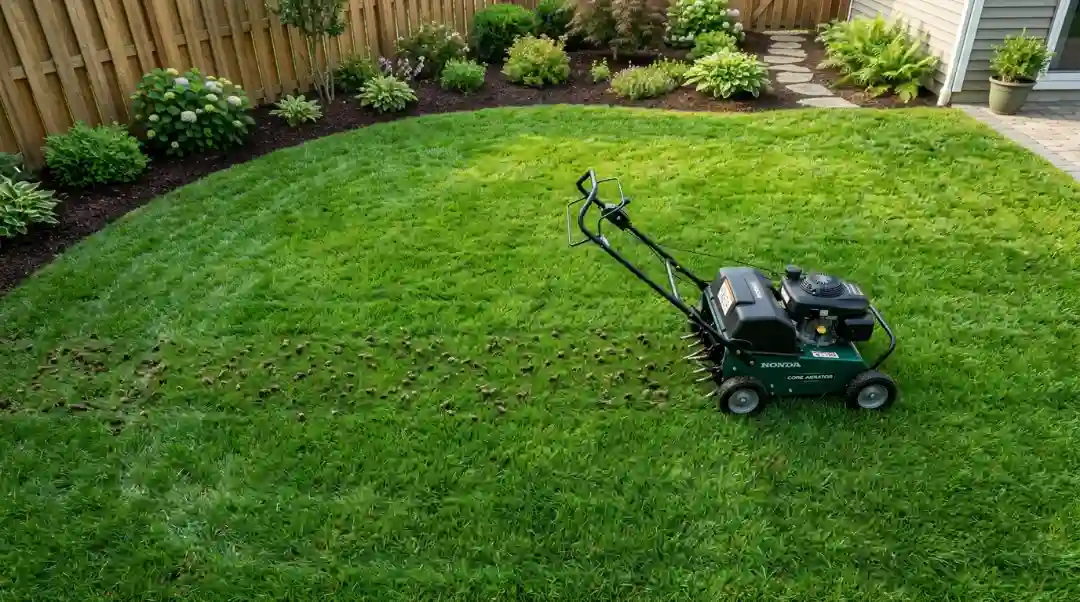
Core aeration is the mechanical process where a machine uses hollow tines to penetrate the turf and pull physical soil plugs out of the ground. These soil cores are usually 2 to 3 inches long. They are left on the surface to break down naturally, returning organic material back to the upper dirt layer. This is widely considered the industry standard for severe compaction.
Spike Aeration
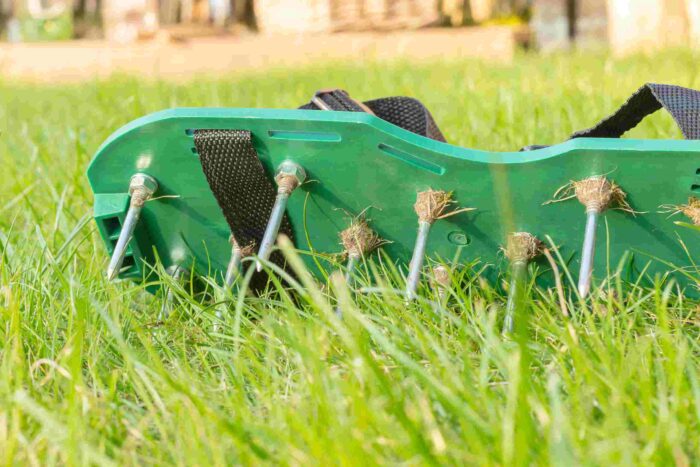
Spike aeration uses solid tines or wedge-shaped spikes to punch holes into the ground. While spike aeration cost looks attractive on paper, the physical mechanics are deeply flawed. Instead of removing dirt, the solid tine pushes the soil sideways as it enters. This action causes significant lateral compaction along the walls of the hole, making it much harder for roots to expand.
Liquid Aeration
Liquid aeration involves spraying a liquid solution containing advanced wetting agents and organic polymers across the turf. This mixture aims to break down minor surface tension and open micro-pathways in the soil structure. It requires zero heavy machinery, making liquid aeration cost relatively low, though it cannot break up thick thatch or heavy, deeply compacted clay.
Factors That Influence Lawn Aeration Pricing
Lawn care pricing isn’t a guessing game. Service providers calculate quotes using concrete metrics based on operational complexity and material usage.
Total Property Size
Property dimensions dictate the time spent on-site. Landscapers structure rates using specific square footage tiers rather than exact measurements. A flat baseline rate usually covers the first 2,000 square feet, with steady incremental price steps applied for every additional 1,000 square feet of turf.
Turf Accessibility and Grade
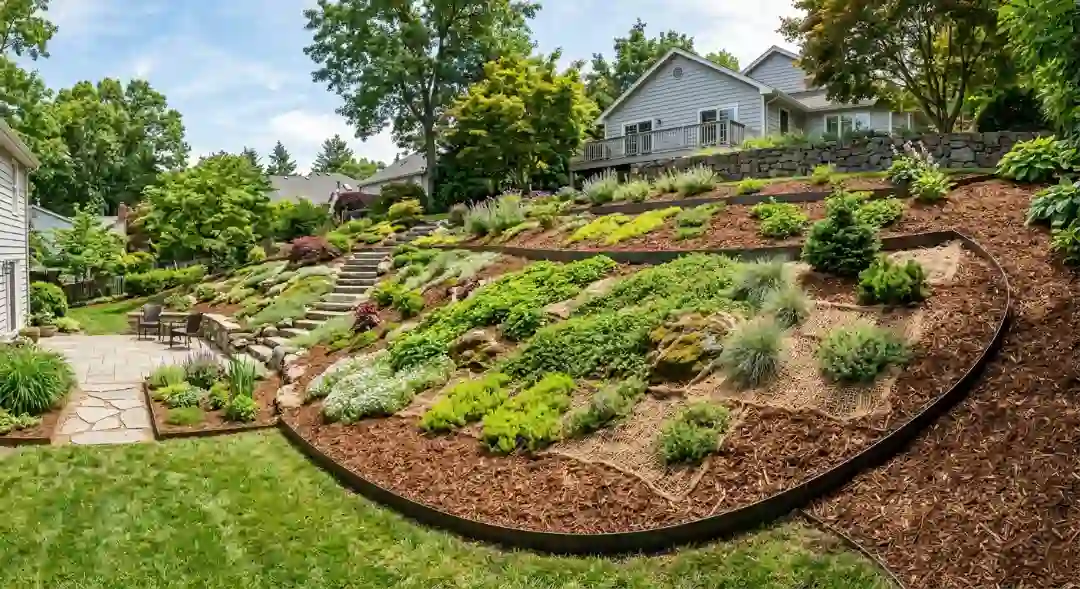
Steep slopes, terraced retaining walls, and narrow backyard gates raise labor requirements. Heavy commercial machines require flat footing and wide entryways. If a crew must use smaller, non-motorized equipment to safely navigate tight property layouts or extreme slopes, the extra labor hours will reflect on your final bill.
Soil Type and Regional Demands
Dense, compacted clay soil takes a heavy toll on machinery and requires slow, careful passes. Conversely, loose sandy soil processes quickly. Regional economic factors, local labor rates, and regional climate variations also cause baseline service charges to fluctuate across the country.
Type of Aeration Method Used
There are two basic styles of aeration:
Core Aeration
This is the most convenient method. The machine extracts plugs of soil and lays them on the surface. It is very effective, but you need special equipment.
Spike Aeration
This method drills holes in the soil, but without pulling out plugs. It is quicker but less effective on severe compaction.
Since core aeration produces superior results in the long term, many professionals charge more to do it.
Average Pricing You Can Expect
To help you map out your property maintenance budget, we compiled national cost averages across various yard size tiers, common service configurations, and geographic regions.
Lawn Aeration Cost by Yard Size
| Yard Size Tier | Square Footage Equivalent | Professional Cost Range |
| Small Garden / Townhome | Under 1,000 sq. ft. | $35 – $75 |
| Small Suburban Lot | 1,000 – 5,000 sq. ft. | $75 – $120 |
| Standard Residential Yard | 5,000 – 10,000 sq. ft. | $120 – $185 |
| Large Property (1/4 Acre) | ~11,000 sq. ft. | $150 – $220 |
| Estate Lot (1/2 Acre) | ~22,000 sq. ft. | $180 – $300 |
| Full Acre | 43,560 sq. ft. | $390 – $550 |
Cost Breakdown by Method
Cost of core aeration: Expect to pay $95 to $230 for a professional service using a commercial mechanical aerator with hollow tines.
Spike aeration cost: Typically ranges from $60 to $225, though it is usually bundled into budget cutting packages or low-end maintenance plans.
Liquid aeration cost: Costs roughly $80 to $150 per application, often utilized as a secondary treatment between mechanical core extractions.
Regional Cost Variations
Northeast U.S.: $130 – $220 (Driven by dense clay content and high regional labor rates)
Southeast U.S.: $95 – $180 (Slightly lower baseline, common with sandy coastal soils)
Midwest U.S.: $110 – $210 (Standard rates, heavily tied to fall seasonal demands)
West U.S.: $120 – $235 (Varies based on urban center pricing and local water conservation rules)
Seasonal Demand Affects Cost
Seasonal aeration spring and fall is in higher demand. More homeowners ask for the service during these months, and a few companies hike prices slightly because of schedule constraints.
If you want to save money, inquire if your provider offers any off-season discounts or bundling with fertilization or mowing.
You may read Average Lawn Care Cost.
Additional Services That Affect Aeration Pricing
Most property owners choose to maximize their yard budget by pairing soil extraction with complementary treatments. Open soil pathways create an ideal environment for systemic products to take hold.
Overseeding
Does bundling seed with aeration save money?
Yes, pairing these services reduces overall labor costs because crews perform lawn preparation, mechanical crossing, and seed distribution during a single property visit. Spreading premium turf seed directly after pulling plugs ensures excellent seed-to-soil contact. The newly opened holes shelter the fragile seeds from birds, heavy rain, and drying winds, yielding much higher germination rates. Combining these two tasks generally costs between $160 and $425 for a standard suburban yard.
Subsurface Fertilization
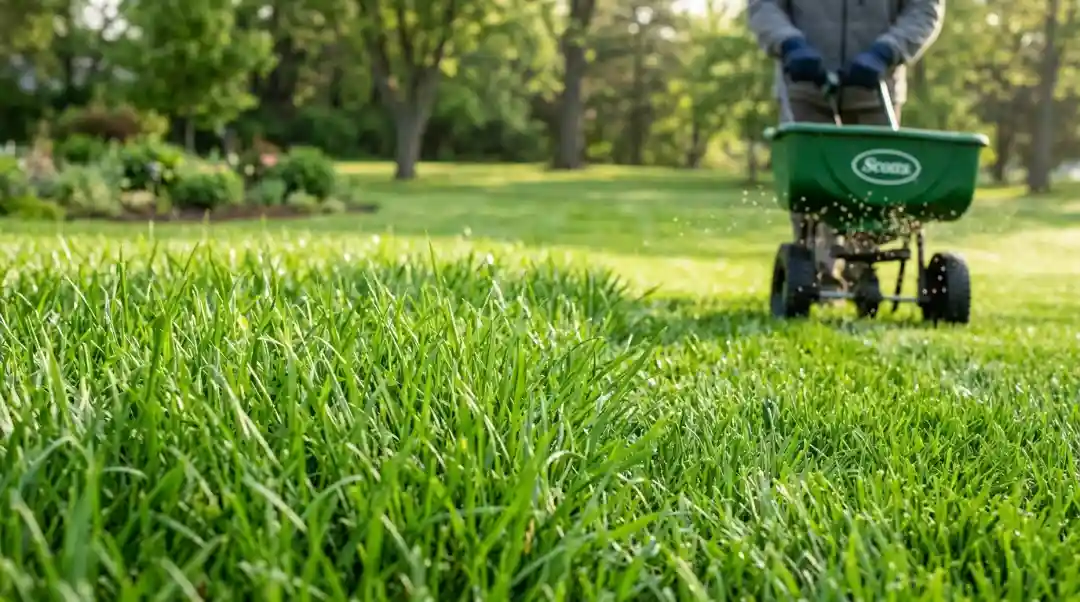
Applying granular or liquid nutrients immediately after pulling soil cores feeds the root system directly. Instead of washing away on a compacted top crust, fertilizer drops into the open pathways to fuel rapid root expansion. Adding an application of starter fertilizer to your service typically adds $65 to $100 to the baseline bill.
Structural Dethatching
Thatch is a tight layer of dead stems, roots, and organic debris that builds up between green grass blades and the soil line. If this barrier grows thicker than a half-inch, it acts like a sponge, blocking water penetration and absorbing liquid nutrients before they ever reach the soil. Running a mechanical dethatcher or power rake prior to pulling plugs clears the way for deep tine penetration, costing an extra $100 to $300 depending on debris volume.
How to Choose a Reliable Aeration Service
Do not just hire the first provider that drops a cheap flyer on your doorstep. Protecting your property requires working with verified, professional operators.
Check Licensing and Liability Insurance
Always verify that your chosen contractor carries active general liability insurance and current state operating licenses. Heavy machinery can easily crack concrete decorative edging, break underground irrigation lines, or tear through hidden low-voltage wiring. Working with an insured company ensures property damage repairs are covered without out-of-pocket expenses on your part.
Demand Clear Inclusions on Your Quote
Ask for a line-item cost breakdown before signing any service contract. Ensure the provided price explicitly states whether it covers structural spot-cleaning, irrigation line protection, or post-service cleanups. A cheap initial quote can quickly expand with unexpected surcharges once the crew steps onto your turf.
Ask About Packages or Seasonal Deals
Many lawn care companies offer seasonal packages including aeration, overseeding, fertilizing, and weed control. Bundles often will work out less expensive than if you pay for each treatment individually.
Is Professional Aeration Worth the Cost?
Is it a common question among homeowners: Is professional aeration really worth it? Yes, in most cases, it does. Hiring your own aerator might sound like a better deal, but rental tines are usually thicker and heavier, more difficult to manage, and less effective than commercial models.
Experts can also assess the soil conditions, determine if it is compacted, and decide on the best pattern for proper aeration. They can do the job in less time, and the results of one person are more consistent over the whole lawn.
Strong, healthy lawns are easier to care for and more resilient to weeds, insects, and drought. Aeration helps to establish that base, making it a worthwhile yearly or twice-yearly purchase.
Conclusion
Knowing how much lawn aeration should cost helps you make a smarter choice for both your yard and your budget. When you understand how factors like lawn size, the type of aeration, labor fees, and any additional services impact the final price, it becomes much easier to choose the best option for your home. Aeration is one of the most valuable steps you can take if you want healthier soil, greener grass, and easier long-term lawn maintenance. At Robert Complete Care, we make professional aeration simple and affordable. Our Lawn Care Services in Whittier, CA are designed to help your lawn breathe, grow, and look its best all year long. Ready to improve your lawn’s health? Contact Robert Complete Care today and get a free quote!
FAQs
How many times a year should you aerate your lawn?
High-traffic yards with heavy clay soil require treatment twice a year, ideally during spring and fall cycles. Light, sandy soils with minimal foot traffic only require processing once every two to three years.
What month is best to schedule soil extraction?
Cool-season grass varieties flourish when processed during early autumn or early spring windows. Warm-season turf responds best to service dates scheduled during late spring or early summer, when the grass is entering its peak growth phase.
Can you walk across your turf immediately after service?
Keep foot traffic off the lawn for at least two weeks following a deep service. Walking on freshly processed turf packs loose soil back into the open holes, flattens fresh seed, and can introduce weed spores into the open dirt pathways.
Should you rake up the leftover dirt plugs?
Leave the extracted soil plugs on the surface to dissolve naturally. Rainfall and standard watering cycles will break the cores down within two weeks, allowing the soil nutrients and beneficial microbes to sink back into the upper root zone.