...

Author name: admins

Cement Patio Ideas to Transform Your Home Exterior

Cement Patio Ideas | Stylish, Durable, and Affordable Outdoor Makeovers

A cement patio is one of those things in your home’s exterior makeover that offers numerous potentials to transform your outdoor living while being affordable. Whether you have a small outdoor space in your home, an entire wide backyard, or just an elongated sideyard, cement offers numerous designs to choose from to transform your cement patios into an aesthetically pleasing environment. Below is an in-depth guide on some cement patio ideas to create amazing patios out of simple slabs in your home’s exterior remodeling process. Why Choose a Cement Patio? before we proceed to talk about some really inspiring cement patio ideas, there are some reasons why cement remains such a popular option: Durability: Cement is also resistant to extreme weather conditions, heavy furniture, and foot traffic. Affordability: Cement is less costly in comparison to stone, bricks, or composites. Design Flexibility: Cement has unlimited flexibility in designs, from stamp patterns to geometrics. Low Maintenance: It requires occasional washing to maintain its cleanliness, in addition to having occasional sealing to maintain its integrity. Keeping in mind all these advantages, homeowners enthusiastically explore cement patio ideas to create beautiful spots in their backyards. Modern Minimalist Cement Patios If you like clean, polished, elegant designs with neutral-colored themes, then minimalist patios would definitely be some of the most popular cement patio designs for you to explore. Minimalistic designs incorporate simplicity with elegant style. Key Features: Built-in seating or planters Basic, modern outdoor seating Opaque colors like off-white, light gray. These patterns will also work well with soft greenery, which is perfect for cement patio landscaping for those homeowners looking for a clean yet natural environment. Why It Works Minimalist designs incorporate the natural beauty of cement. When combined with modern décor elements, this becomes one of the most timeless backyard cement patio ideas you can implement. You may read How to Design Landscape Lighting? Stamped Cement Patterns That Mimic Natural Materials Stamped cement offers you the appearance of high-cost materials with less expenditure. It is one of the most flexible cement patio ideas for homeowners looking to create charm on their property with less outlay. Popular Stamped Styles: Stone or slate patterns Brick textures Wood Plank Finishes Cobblestone designs These patterns are most sought after by homeowners in their quest for cement paver patios, due to their ability to create patterns simulating individual cement pavers. Landscaping Tip Install flower beds or some decorative gravel along the borders. These will merge your patios with nature, thereby creating elegant cement patio landscaping ideas. Geometric Cement Paver Patio Ideas Geometric patterns provide a sleek, modern alternative to traditional patio designs. Cement pavers in interesting designs provide aesthetic appeal to patios. Pattern Styles to Try: Large square pavers Rectangular stepping stones Hexagon Paver Layouts Checkerboard designs with grass in between These geometric patterns have now become some of the most popular cement paver patio ideas, especially in modern houses. These patterns can also be combined with cement patio design ideas to create a more artistic environment. Cozy Backyard Cement Patio Ideas With Fire Pits Fire pits will readily convert any patio into an ideal entertaining arena. Cement stands out as one of the most secure materials to work with, especially in areas surrounding fire features. Ideas for Fire Pit Integration: Round recessed fire pits “Square modern fire pits” Built-in cement bench seating Fire bowls on raised cement platforms This is especially effective in cooler climates, providing you with useful and beautiful cement patio designs for backyard to enjoy during extended outdoor living. Landscaping Enhancement Gravel, plants in pots, or small shrubs to create an ideal backdrop for cement patio landscaping ideas. Outdoor Kitchen or BBQ Zone on a Cement Patio For house owners who enjoy throwing parties, creating either an outdoor kitchen or grilling bar is one among those indulgent cement patio ideas. Design Options: Cement base for grill island Outdoor bar seating Cement prep stations with storage Cement is heat-resistant, hard, and durable. It is perfect for outdoor cooking. It is also one characteristic that works to its advantage in modern cement patio design ideas. Extra Touch Add pot herbs, a pergola, or string lights for some extra character. Decorative Borders and Inlays Borders are used to establish boundaries for patios, thereby creating aesthetically pleasing designs. These designs are usually employed in cement paver patio ideas and cement poured patios. Border Types: Contrasting color borders Brick inlays Gravel or stone strips Geometric cement patterns It is such a small detail, yet it puts your entire outdoor living space together, incorporating it perfectly with your cement patio landscaping ideas. Multi-Level Cement Patio Design Ideas Multilevel patios provide an interesting method for extending living space for those with sloping yards or for those wanting to create a striking appearance. How to Use Multi-Level Designs: Move dining to the highest floor, with relaxation space below Add wide cement steps to connect levels Utilize built-in planters in-between terraces Lighting to indicate land elevations It is one of the most modern designs for cement patios, ideal for larger yards or homes requiring more definition. Rustic Backyard Cement Patio Ideas If you want to incorporate nature into decor, then rustic themes will make your cement patios welcoming. Rustic Features: Stained Cement for Natural Shades Wood, rattan, or bamboo furniture Wood, Natural stone accents Warm outdoor lighting Blend these with wild flower borders or raised garden beds to complete your rustic cement patio designs. Mix Cement With Grass or Gravel By incorporating soft or textured materials in close proximity to cement, it helps to soften the appearance. Great Ways to Incorporate This Idea: Grass-filled stepping stone pathways Cement pads with gravel surroundings. Paving Alternating with Turf Cement grids with low ground cover plants Mixed style looks one of the most fresh cement paver patio ideas, especially in environmentally correct or modern designs. Creative Cement Patio Landscaping Ideas Landscaping is necessary to provide character, comfort, and natural beauty to your patio. It achieves balance and softness by incorporating plants with cement. Landscaping Ideas

Cement Patio Ideas | Stylish, Durable, and Affordable Outdoor Makeovers Read More »

How to Install a Lawn Sprinkler System Step-by-Step Guide

How to Install a Lawn Sprinkler System?

There’s nothing quite like the convenience of turning on your sprinkler and having it do all the work. You can’t beat the time savings and watered lawn with sprinkler system irrigation. Prepare for a weather change: Lawn sprinkler system rain delay setting Don’t waste water, tell your system it’s going to rain! From then on it was a battle to clear the air and return sprinkler head spray to the lawn. Here’s how to install a lawn sprinkler system. 7 Tips for Installing Sprinkler System Choosing Parts How Rain Bird Sprinkler System Can Help With this guide, you will learn how to easily install your system. Why Install a Lawn Sprinkler System? While professional installation for a drip irrigation system is costly, it will be significantly less if you install a DIY drip irrigation system yourself. Here is what a respectable sprinkler system has to offer: Consistent watering; Uniform watering over the entire lawn Water efficiency;Water efficiency to prevent waste and lower your water bill Convenience;Convenience as system runs on timer Healthier turf; Even moisture is the best thing you can do for a healthy lawn and it’s why sprinkler design is so important! And that is precisely why more homeowners are deciding to do the installation of sprinkler system equipment themselves – particularly now with modern, easy-to-use companies like Rain Bird with plug-and-play type products and installation kits geared for the beginner. Step 1: Plan Your Sprinkler System Layout Before digging, planning is everything. This step determines how effective your system will be. Measure Your Lawn Divide the yard into zones: Front yard Backyard Side areas Garden beds (optional) Each zone will need an individual valve for proper water pressure. Draw a Scaled Diagram Create a simple map of your yard and include: Driveways/walkways Flower beds Trees and shrubs Property boundaries Decide on Sprinkler Head Types Rain Bird offers several options: Rotors: Great for large areas Spray heads:Best for small to medium-sized lawns. Drip irrigation: Good for garden beds and bushes. Check Your Water Pressure Use a cheap pressure gauge. Most systems need: 30–50 PSI for spray heads 45–60 PSI for rotor heads If your pressure is too low you may need a booster pump and/or more zones. Step 2: Gather Materials and Tools For a standard lawn sprinkler system, you will need: Essential Materials Rain bird sprinkler heads (rotors or sprays) Rain Bird valves Rain Bird automatic timer/controller PVC pipe or polyethylene pipe PVC connectors and elbows Backflow preventer (code required in many wereas though) Valve box Pipe glue or clamps Wire connectors Tools Shovel or trenching tool PVC cutter Measuring tape Screwdriver Pipe wrench By purchasing one trusted brand like Rain Bird you can be certain all your pieces fit together and withstand the test of time. That’s also what makes the irrigation installation process so much easier — the parts just connect. Step 3: Dig the Trenches This is the physical labor part of the project. How Deep Should You Dig? 8–12 inches deep for PVC pipes 6–8 inches deep for poly pipes Using a trenching machine can save time if your yard is large. Tips for Easier Digging Mark your sprinkler head locations with flags Follow your layout plan closely Dig straight lines to make pipe installation easier Avoid large roots or underground utility lines. Always call your local utility marking service before digging. You may read How Much Should Lawn Aeration Cost? Step 4: Install the Water Supply Line Your sprinkler system needs a steady water source. Common Water Hookup Options Outdoor faucet (simple but lower pressure) Main water line (best for full-lawn coverage) backflow preventer is essential to prevent the water from your lawn from backing up into your home’s plumbing. Connecting the Water Line Shut off the main water supply Splice in a tee fitting Connect your control valve manifold Place valves inside a valve box for protection Rain Bird valve manifolds make this part simple because they are pre-assembled or easy to snap together. Step 5: Lay the Pipes and Connect Sprinkler Heads This is the most important stage of sprinkler system installation. Install the Main Line Run pipe from your water source into each trench. Add Zone Lines Each zone should branch from the main line with a Rain Bird valve controlling water flow. Attach Sprinkler Risers Install risers where each sprinkler head will sit. Make sure the height matches your lawn level. Install Sprinkler Heads Connect Rain Bird sprinkler heads to the risers. Make sure: Heads are level They face the correct watering direction They don’t hit sidewalks or fences Test the Pipes Before Backfilling Briefly turn on water and check for leaks. Step 6: Install the Rain Bird Timer and Wiring A timer is the “brain” of your DIY sprinkler system installation. Installing the Controller Mount the Rain Bird controller indoors (garage) or outdoors using a weatherproof model. Wiring Steps Run low-voltage wiring from the controller to each valve Connect zone wires individually Connect common wire to all valves Secure wires with waterproof wire nuts Rain Bird controllers allow you to create: Multiple schedules Rain delay settings Smart watering schedules This maximizes water conservation and lawn health. Step 7: Test the Entire System Before burying everything, test each zone. What to Check Adequate water pressure Even coverage Rotation angles Head height Leaks in pipes or joints Adjust If necessary to ensure uniform coverage of the yard without watering onto non-lawn areas. Step 8: Backfill Trenches and Final Adjustments Once everything works perfectly: Carefully fill in the trenches Press soil down firmly Replace grass or sod pieces Make final adjustments to spray patterns Your lawn sprinkler system is now completely installed and ready to be used on a regular basis.  Maintenance Tips for Long-Lasting Performance If well installed, a sprinkler system is quite low maintenance, but a little occasional attention will help you keep it running smoothly. Check monthly for clogs on heads. Flush system before summer Winterize pipes in freezing regions Seasonal timer setting check Rain Bird systems are built to last, and maintenance will help them continue to perform at their best for the next several years. Final Thoughts Installing a lawn sprinkler system is one of the best ways to

How to Install a Lawn Sprinkler System? Read More »

How Much Should Lawn Aeration Cost? Pricing Guide

How Much Should Lawn Aeration Cost?

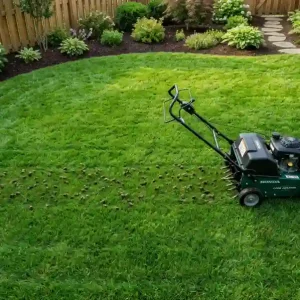
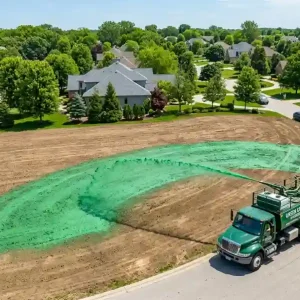
A healthy lawn isn’t just mowing and watering; it requires a bit more attention from time to time. Aeration makes it possible for your lawn to breathe, absorb nutrients, and thicken as a result. Yet a frequent question we receive from homeowners is, How much should lawn aeration cost? Hydroseeding prices depend on applications, the size of the area, and the method used, so check all these to estimate your budget. This is all the information you need to make an informed decision when it comes to aeration prices for your lawn. What Is Lawn Aeration and Why Does It Matter Lawn aeration involves making small holes in the soil to allow water, air, and nutrients to penetrate the grass roots. Compacted soil becomes compacted over time from foot traffic, pets, climate variations, and even heavy lawn equipment. Compacted soil makes it difficult for roots to develop and results in poor growth of the grass. Aeration opens up the soil and allows your lawn to breathe. It also encourages water to soak in more effectively, meaning less runoff and deeper roots. Whether your lawn looks tired or you just want to maintain its health, aeration is one of the best services you can buy. Factors That Influence Lawn Aeration Pricing When you’re wondering how much lawn aeration costs, consider the factors that affect the price. Aeration is one service that does not have a set rate for all; lawns differ a lot, therefore, the price depends on many factors. Lawn Size and Layout The size of the lawn is the largest costing item. The bigger the lawn, the more time it will take, the more workers will be needed, and the more equipment will be used. Small, level lawns are faster and easier to aerate, while large or sloped lawns take more work. If you have slopes, several sections, or inaccessible places in your yard, the cost may rise. Type of Aeration Method Used There are two basic styles of aeration: Core Aeration This is the most convenient method. The machine extracts plugs of soil and lays them on the surface. It is very effective, but you need special equipment. Spike Aeration This method drills holes in the soil, but without pulling out plugs. It is quicker but less effective on severe compaction. Since core aeration produces superior results in the long term, many professionals charge more to do it. Local Labor and Equipment Costs Labor costs differ from location to location. Some regions have higher labor rates as a result of demand or seasonal constraints. There is also equipment cost—machines require routine upkeep, fuel, and fixing—costs that are factored into what you pay for the final service. Average Pricing You Can Expect Knowing the average cost of lawn aeration can help ensure you are getting a fair price from service providers. While each company is different and has its own rate, most homeowners are able to fall within a reasonable range of predictability. Typical Aeration Pricing by Lawn Size Small lawns (up to 5,000 sq ft): Aerating is cheaper on small lawns because they take less time to complete and require fewer machine passes. Medium lawns (5,000–10,000 sq ft): Prices for medium lawns according to size. Large lawns (10,000+ sq ft): Production costs are higher as more labor, fuel, and machine time are involved. Some companies charge a flat rate, while others calculate a lawn aeration cost per square foot, especially for larger properties. Seasonal Demand Affects Cost Seasonal aeration—spring and fall—is in higher demand. More homeowners ask for the service during these months, and a few companies hike prices slightly because of schedule constraints. If you want to save money, inquire if your provider offers any off-season discounts or bundling with fertilization or mowing. You may read Average Lawn Care Cost. Additional Services That Affect Aeration Pricing Aeration in and of itself is good for the lawn, but when paired with other services, results can be even more dramatic. égation; however, these are extras and will add to the cost. Overseeding After Aeration Aerators are also widely expected to do the recommended overseeding right after aeration because the holes create good conditions for seeds to settle and grow quickly. The aeration and overseeding cost will be higher than aeration alone, but it usually delivers excellent results. Fertilization and Soil Enhancers Some organizations are bundle providers with fertilizers or soil application products. These treatments contribute to the regrowth and strengthening of grass roots and overall boost growth after aeration. Yes, I’m satisfied with your reply and feelings about them being optional but useful for lawns that are thin or under stress. Yard Cleanup and Debris Removal The process of core aeration will leave soil plugs on the ground. Many homeowners allow them to decompose on their own, but some people want to have them removed for aesthetic purposes. It will take more time for cleanup and, therefore, may result in additional charges for the service. How to Choose a Reliable Aeration Service Hiring the right company will promote good results and good value. Don’t go for the cheapest option; look for quality and experience. Check Experience and Equipment A professional aeration company should have core aerators that are well-maintained, and its technicians should be trained. More mature equipment can be inferior and tear up your lawn. Compare Aeration Service Pricing Don’t just go with the first company you find—get estimates from two or three. Use your quotes to compare aeration service pricing and what you get with each package so you can avoid being overcharged. Ask About Packages or Seasonal Deals Many lawn care companies offer seasonal packages including aeration, overseeding, fertilizing, and weed control. Bundles often will work out less expensive than if you pay for each treatment individually. Is Professional Aeration Worth the Cost? Is it a common question among homeowners: Is professional aeration really worth it? Yes, in most cases, it does. Hiring your own aerator might sound like a better deal, but rental tines are usually thicker and heavier, more difficult to manage, and less effective than commercial models. Experts can also assess the soil conditions, determine if it is compacted, and decide on the best pattern for proper aeration. They can do the job in less time, and the results of one

How Much Should Lawn Aeration Cost? Read More »

Can You Wear Cleats on Turf? Best Footwear Explained

Can You Wear Cleats on Turf? What You Need to Know Before Playing

Soccer, football, baseball and lacrosse players are among those who have asked themselves can you wear cleats on turf? As more and more fields are converted from natural grass to artificial surfaces, selecting the right footwear is also increasingly critical. You won’t be able to give your best performance, nor will you feel as comfortable—and you might even risk an injury. This guide explains everything there is to know about Can You Wear Cleats on Turf, the difference between molded cleats on turf or dedicated turf shoes and how to weigh them up when deciding what’s best for your sport. Can You Wear Cleats on Turf? Yes — you can wear cleats on turf, but not all cleats are recommended. Firm Ground studs (long, plastic nubs) are made for natural grass. From the artificial turf they cause: Provide too much grip Increase injury risk Wear down faster Be uncomfortable for the firmer surface Turf The best shoes to use are: Turf shoes Short-stud molded cleats Turf (TF) shoes with AG soleplates specifically for artificial grass Types of Cleats and How They Perform on Turf Not all cleats are created equal. Here’s a breakdown of what works best. Firm Ground (FG) Cleats These are the classic, long-stud cleats made for real grass. FG Cleats on Turf: Good or Bad? Not recommended.  The long studs may: Dig too deeply into artificial turf Create unstable footing Increase ankle and knee injury risk Damage the turf surface Wear down quickly FG cleats are fine on some newer, softer turf fields, but they still aren’t ideal. Turf Shoes (TF) Turf shoes are made specifically for use on artificial turf. Best Choice for Turf They feature: Small rubber studs Excellent traction Balanced weight distribution Lower impact on joints Turf shoes provide a consistent grip without the risk of over-gripping, and are the safest option for added comfort. You may read How Much Does Artificial Turf Cost? Molded Cleats on Turf Many athletes often wonder, Can I wear molded cleats on turf? because molded cleats generally feel more pliable than other kinds of studs, and their lengths are often times shorter. Are molded cleats OK on turf? Yes — but only if the studs are short and evenly spaced. Molded cleats: Provide better traction than turf shoes Offer more durability Can work well on modern turf fields However, they still don’t beat turf shoes in terms of comfort and joint safety. Artificial Grass (AG) Cleats These are specifically designed for artificial grass fields, including thicker turf. Best High-Performance Choice AG cleats have: Shorter, hollow studs More studs across the sole Distributed traction to prevent knee strain Better cushioning for hard surfaces If you play regularly on turf, AG cleats are your ideal option. Artificial Grass vs Turf Cleats: What’s the Difference? Artificial grass cleats are often mistaken for regular studs, but they are different from one another and serve not the same purpose. Artificial Grass (AG) Cleats Designed for 3G turf surfaces with rubber pellets. Features: Lots of smaller studs Hollow studs for shock absorption Even pressure distribution Reduced stud penetration Best for: Modern turf fields, multi-purpose stadiums, synthetic soccer and football fields. Turf Shoes (TF) Designed for older, carpet-style turf or hard, compact surfaces. Features: Dozens of tiny rubber nubs Lower profile Maximum stability Best for: Indoor turf, hard outdoor turf, training fields. Firm Ground (FG) Cleats Designed for natural grass. Features: Long, hard studs Maximum penetration High grip Not ideal for: Artificial turf of any kind. How Turf Affects Cleat Performance and Safety Several key factors distinguish artificial turf from natural grass, and the way your cleats hit each surface is different. Turf Is Harder Than Natural Grass Because turf has a solid base, cleats don’t dig in the way they do on real grass. Foot pressure Stability Impact on knees and ankles Short studs help distribute force more evenly. Turf Can Create More Heat Artificial turf can become very hot, at times twice the temperature of grass. Cleats designed for turf play have special heat resistant soles so the players can play comfortably. Turf Has Rubber Infill Pellets These pellets can get stuck in long FG studs and cause instability.Turf-specific cleats are designed to work with pellet movement. Safety Risks of Wearing the Wrong Cleats on Turf Dangers of Wearing the Wrong Cleats on a Turf Field DO NOT put what you want  including: Too Much Traction Long studs can get “caught” in the turf, causing: ACL tears MCL sprains Ankle injuries Twisted knees Foot Pain Turf is harder, so FG studs can cause: Bruised soles Heel pain Plantar fasciitis Faster Wear and Tear Artificial turf wears down: Studs Outsoles Upper materials much faster than natural grass. Poor Stability Using FG cleats on turf often results in: Slipping Bad footing Loss of quick control Missteps during sharp cuts Safety should always be the top priority. So, What Cleats Should You Wear on Turf? Best Overall Choice: Artificial Grass (AG) Cleats – ideal balance of traction, safety, and comfort. Best for Training or Hard Turf: Turf Shoes (TF) – safest option for older or indoor turf. Acceptable (Not Best): Short-stud molded cleats on turf – okay for occasional games on modern turf. Avoid: Firm Ground (FG) cleats – not designed for turf and pose injury risk. Tips for Choosing the Right Cleats for Turf Match your cleats with the type of turf. If you mostly play on synthetic surfaces, go for AG or TF footwear. Prefer footwear models that feature shock absorption. Opt for pliable soles, which help to lessen the impact on your joints. Stay away from long studs or metal ones on turf. Conclusion Yes, you can wear cleats on turf, but turf-specific cleats are the safest and most effective choice to protect both your traction and the field. Always consider the type of surface before choosing footwear to avoid injury and maintain performance. If you’re looking to upgrade your outdoor spaces with expert care, Robert’s Complete Care is here to help with top-quality Whittier landscape services designed to enhance your property’s beauty and value. Contact us today to transform your yard with professional precision! FAQs

Can You Wear Cleats on Turf? What You Need to Know Before Playing Read More »

Average Lawn Care Cost – What Homeowners Should Know

Average Lawn Care Cost – What Homeowners Should Know

Understanding the average lawn care cost is important for any homeowner who wants a healthy, attractive yard without overspending. Prices may fluctuate considerably, since each yard has its distinct needs depending on its dimensions, arrangement, weather, and condition. ‘A small, well-cared-for yard may need nothing more than a basic cut, where others may need fertilizing, edging, aeration, and other services related to yard maintenance in their season.’ The climates in these regions could also be a factor, since yards in hotter and rainier climates could need much more maintenance. Some businesses may provide high-end services, possibly resulting in increased expenditures, and others may provide basic services on a lower scale. What Factors Influence Lawn Care Pricing? There are some variables that affect the cost that the homeowners are willing to pay. While some services cost the same, each yard has different needs. Size of the Lawn and Property Layout The first and foremost thing that affects the cost of lawn mowing services is the yard space. Larger yards necessarily mean longer working hours, fuel, and manpower. Areas ranging from 1,000-2,000 sq. ft. in smaller lawns could be completed in the blink of an eye, compared to larger lawns that include bigger open areas, slopes, and complex designs. Frequency of Service The more frequent the visits the company has on your property, the better the cost predictability. Considering weekly and bi-weekly services are always much cheaper on a visit basis, since they avoid the high overgrowths. On the other hand, lawns that are cut on a month-to-month basis may need increased labor, leading to increased costs. Condition of the Lawn In cases where the yard and the surroundings are well maintained, the process goes quite quickly. However, in instances where the grass in the yard needs cutting, has patches, or has numerous weeds, the process takes longer. Tall grass, weeds, and wet surfaces can also cause the cutting process to be slow. Typical Pricing for Common Lawn Care Services The services provided by professional companies in lawn maintenance include different types, and all cost in different ranges. The residents need to be aware of the service they are obtaining. Regular Mowing and Basic Maintenance The most common types of services provided by lawn care companies include weekly and bi-weekly cut services. The cut services usually include the edge work, the blowing of the walking surfaces, and making the yard nice and clean. Industry averages and some companies’ quotes are commonly used by homeowners in calculating the cost. Many people also compare different providers to understand the standard lawn service cost in their area before deciding. Specialized Lawn Treatments Aside from the usual cutting, there may be other services that need to be employed in order to sustain a healthy turf. These include fertilization, weed management, and other seasonal services that could help in making the turf better and in averting problems in the long run. Specialized services, using commercial-grade solutions and professionals, could ensure the correct application and provide long-lasting solutions in growing healthy and lush turf, particularly in areas where the seasons and soil conditions are severe. Seasonal or One-Time Cleanup Services The spring and autumn cleanups take longer since they also include leaf cleanups, tree branches, and other debris. These services may include leaf raking, tree pruning, clearing the beds, and preparing the lawn. The cost tends to be higher since the services involve longer periods. But the service offered has significant merits since it enhances the appearance and protects against the damage that might result from the weather conditions that occur during the stormy seasons. You may read How to Install a Lawn Irrigation System? How Much Should Homeowners Expect to Pay? The cost may fluctuate, although the average consumer typically falls within an expected cost range, depending on their location and the condition of their lawn. Breaking Down the Average Cost Ranges The greatest number of lawn mowing services range in the middle category, depending on the lawn size. Some clients might request the basic service, and others might request the full service that includes all the services, like trimming, edging, and clearing the debris. Many companies also share their lawn care mowing prices as part of their service list, helping customers estimate what they can expect before scheduling. Comparing Local Providers The cost incurred by lawn care services varies in relation to the experience, travel, crew, and equipment use. Large and reputable companies tend to charge higher compared to smaller and independent companies, and their services include those that the latter do not offer. Thus, the homeowner has the responsibility of researching and comparing different companies in the area. Evaluating Service Packages Some companies offer package deals. The deal reduces the cost. The services offered in the package include cutting, edging, pruning, and treatments. The customer gets a chance to save through the long contract. The companies can include the cost of the basic yard service in the list price. Providers may also list their standard lawn care service cost in brochures or online pricing guides to help customers choose the right package for their needs. What Is Worth Paying Extra For? While some yard services are needed on the property, others add long-term value. There may be some yard services that the homeowner wants, and the decision can remain up to the homeowner. Edging and Trimming Edging and trimming assist in sharpening the edges where the sidewalk, driveway, and flower beds are. These are some of the finishing touches needed in the yard in order to make the entire yard appear professionally landscaped. The edges and trimmings, in fact, may add some cost; however, they indeed make the yard appear much better. Precision Cutting and Premium Grass Care In some cases, lawns need specialty cuts. Some people need the ability to change the height setting. These upgrades are skilled work, and they need quality tools. Some areas also include extra costs when the yard has difficult-to-access areas or needs specialty tools. Homeowners sometimes reference

Average Lawn Care Cost – What Homeowners Should Know Read More »

Cost of Hardscaping: What You'll Actually Pay

Cost of Hardscaping | What You’ll Actually Pay

Understanding the Cost of hardscaping becomes essential for those people who are hoping to upgrade their yard using things like patios, walkways, fire pits, retaining walls, and/or garden paths. Hardscaping in the landscape industry has become an important factor, and all individuals hoping to upgrade their yard should be aware of the cost. This article describes what goes into the cost, the role of materials in a budget, what a typical cost estimate would be, and provides advice on cost-effective decision-making, all in an accessible manner. What Is Included in Hardscaping Costs? The cost factors involved in hardscape structures include several factors that, when combined, make the structures strong and aesthetically pleasing. In general, the cost may vary due to factors such as the cost of materials, the cost of labor, the equipment used, the soil required, the drainage work, and the design of the project. When creating your budget, you can also factor in some additional features a homeowner may want to include in a pool, such as lighting, borders, and ground levelers. These services determine the outcome and the longevity of the hardscape. Factors That Affect the Cost of Hardscaping 1. Type of Hardscape Feature The complexity and type of projects vary. A basic walkway would cost far less than a complex multi-level retaining wall and an outdoor kitchen. The complexity determines the cost and the cost of the tools and materials. 2. Material Selection Material cost contributes largely to determining the average cost of hardscaping. Natural stone, pavers, and brick, among others like poured concrete, stamped concrete, and gravel, each have a distinct cost. Natural stones, especially, cost the most. 3. Labor and Installers The skills needed in hardscaping come from the incorporation of site work, including site grading and leveling, site drainage, and site placement. The cost of labor can constitute between 40-60%, depending on the site complexity. 4. Site Preparation The location you would be placing your hardscape might need some preparations even before you begin the process. This would involve things such as digging the ground, extracting old hardscaping materials, levelling the ground, and preparing the ground for firm. 5. Location and Accessibility In difficult-to-access regions, there are increased costs in terms of time and tools. The cost could rise due to increased labor costs in urban regions. You may read What is Hardscaping? Hardscape Cost per Square Foot — What to Expect Homeowners often ask about the hardscape cost per square foot because it provides the easiest way to estimate a project. In general, hardscaping can range widely depending on the materials: Gravel: Least expensive, Budget-friendly, Easy installation Pavers: Mid-range Concrete: Equitable, durable, and flexible Common Hardscaping Projects and Their Costs 1. Patios Some of the most in-demand hardscape installations outdoors include patios. The cost of patio installation would depend on the design, dimensions, and patio materials.  The cost range would depend on whether you install a patio using pavers, since patio installation using stone would cost much higher. 2. Walkways and Pathways These may range from gravel paths to professionally designed stone walkways. While gravel may be inexpensive, the use of stones conveys sophistication and class. There may be excavation and edges involved in the construction of walkways. 3. Retaining Walls In the case of retaining walls, the cost is higher because of technical considerations. These walls act as a barrier against soil erosion. Large stones and concrete interlocking blocks increase the cost. 4. Driveways The installation of hardscape drives using either pavers, stamped concrete, and stone can increase curb appeal. The thickness and base matter when the installation has weight capacities provided by cars. 5. Fire Pits and Outdoor Kitchens These luxury features need skilled installers. Some outdoor kitchens include plumbing, electrical components, and custom stone work. Backyard Hardscaping Cost – What Homeowners Should Know What people typically invest in involves comprehensive yard makeovers, and this could quickly add up. The backyard hardscaping cost would largely depend on the elements involved, namely walkways, sitting walls, border gardens, patios, and water drainage components. Backyard projects often include a series of components, which drives up both materials and labor costs. But doing a series of projects simultaneously can be cost-effective because everything can be completed in one process. How to Budget for Hardscaping Projects Create a Clear Plan Begin with a detailed design, including specific characteristics, materials, and locations. This will reduce changes that may be costly. Get Multiple Quotes Various contractors may have varying costs and levels of expertise. This makes it necessary to compare prices so you can be sure you obtain a fair deal. At RobertCompleteCare, we provide transparent, no-obligation quotes and stand behind our competitive pricing with quality workmanship you can trust. Consider Long-Term Maintenance Certain materials require very little care, although some may need periodic sealing, cleaning, and replacement. Is Hardscaping Worth the Cost? Hardscaping adds value to most residential properties, ensuring increased market value for most owners. It is used for beautification purposes and makes an area functional, regardless of the weather, in addition to numerous other benefits it presents. Sometimes, the Cost of hardscaping may be a little steeper up front, but ultimately, it is a wise investment because it is long-lasting, aesthetically pleasing, and functional for outdoor recreation. Conclusion At the end of the day, your outdoor space should be somewhere you actually want to spend time. We’ve seen countless homeowners in Whittier fall in love with their backyards all over again after a good hardscaping project, and honestly, that’s why we do what we do at RobertCompleteCare. Yeah, costs matter—we’re not going to pretend they don’t—but what matters more is getting something that fits your life and your budget. Our Hardscape Services in Whittier aren’t about upselling you on stuff you don’t need. We just want to help you build something you’ll be proud to show off to your neighbors. So grab your phone, give us a call, and let’s figure this out together over a conversation, not a sales pitch! FAQs 1.

Cost of Hardscaping | What You’ll Actually Pay Read More »

Do You Tip Landscapers? Simple Guide for Homeowners

Do You Tip Landscapers? Simple Guide for Homeowners

When property owners decide to hire professional landscapers, one of the burning questions that keeps popping up is: Do you tip landscapers? This is not an unreasonable concern, particularly since many types of landscaped work involve very hard manual labor. By now, the do’s and don’ts of tipping waitstaff, delivery drivers, and barbers are fairly widely understood. However, the subject of tipping your landscaper is not necessarily clear-cut. This article describes how much to tip the landscaper and how the team at Robert Complete Care encourages customer confidence in their delivery of top-level service. Why Tipping Landscapers Matters People often wonder if the outdoor service staff expect them to tip. Unlike restaurant work or salon work, landscape work is not something that people automatically think of in terms of tipping. However, it is not entirely out of the realm of reason either. Many homeowners also ask the question, Should I tip landscapers? especially if they are carrying out difficult work. Organization such as Robert Complete Care place importance on customer satisfaction. Thus, if the client decides to tip the crew for the work done since it is appreciated that the care the client’s outdoor environment receives for renovation or maintenance purposes. The client doesn’t need to do so. When Should You Consider Tipping Landscapers? Do you tip landscapers? is often a function of context. There aren’t many occupations where tipping is expected. However, some scenarios make it more common. 1. Exceptional or Above-Standard Work However, suppose the crew performs some complex task such as clearing an extremely overgrown yard, tree pruning, or performing intricate landscape maintenance work. In that case, the tip becomes an appreciative gesture for the additional effort. Here, the homeowners decide on their own if they want to tip landscapers. 2. During Seasonal or Holiday Projects Seasonal cleanups, leaf removal in the fall, yard restoration in the spring, or storm cleanup efforts require some recognition. At such points, the tip acknowledges the strength of the team’s ability to deal with difficult outdoor settings and work. 3. When You Receive Personalized Care or Extra Services Occasionally, landscapers may also repair some minor problems that might not be in the plan, like securing a loose fence panel, removing debris from the corner of the yard, or pruning the shrubs just the way you like them. Personal attention such as this warrants a tip. How Much Should You Tip Landscapers? After deciding to tip, the next concern is how much. There are no rules on how much one should tip. However, some homeowners follow certain rules. Standard Tipping Amounts When it comes to simple lawn maintenance jobs, the tip given in cash is usually $5 to $10 for each worker. However, for larger jobs such as installing sod, landscape cleanup jobs related to designing the landscape, among others that take longer hours, the homeowner usually tips $20 to $50 for each worker. Tipping for Ongoing Services And if the same crew comes to your house on a weekly or biweekly basis, you might forego the tip each time and instead award them their holiday bonus. Some homeowners award the crew their end-of-season tip in the following fashion: $20-$40 per worker for summer mowing crews $30- $60 per worker for fall/spring cleanup crews However, the approach seems more meaningful without the constant tipping pressure. Many people also ask whether one should tip lawn service professionals during peak seasons. Well, the response relies entirely on the service received. You may read How Much Does Landscaping Cost? When You’re Using a Premium Service Provider So, if you are dealing with a reputable business like Robert Complete Care, what you will enjoy is professional service. Customers usually decide whether to tip in cases where the work undertaken was beyond their expectations. That means tipping becomes optional. Is Tipping Required? Understanding the Etiquette Oftentimes, homeowners will ask the question, Should I tip landscapers? particularly if it’s the first time they are utilizing the services of a lawn maintenance company. The answer is simple: tipping is never mandatory, but it is always appreciated. When You Might Skip Tipping When you don’t have to tip: The work is already priced for the premium offering It is the business owner who performs the tasks The service was very quick and regular You’ve already established a seasonal or holiday bonus Nevertheless, in such instances, the significance of an honest compliment, review, or referral may prove equally important to the landscaping team or company. Showing Appreciation in Non-Cash Ways However, if you do not feel comfortable tipping in cash or if you would rather do it in some other way, the homeowners may appreciate the following: Hot days & cold drinks Snacks or bottled water A thank-you card A positive online review Referrals by friends and neighbors Such actions are equally valued by the teams in Robert Complete Care as cash tips because they represent true appreciation for their work. How Tipping Impacts Long-Term Service Quality Tips should never be used for the purpose of influencing how you are being served. However, tipping may prove useful in improving the relationship between you and the landscapers. When the landscapers understand that they are appreciated, they usually respond by being very committed to their work. This includes being on time. Additionally, the importance of having consistent service delivery was also highlighted by firms such as Robert Complete Care, where expressions of gratitude in the form of either financial rewards or words of appreciation ensure continued efforts by the team towards producing the best outcomes. Conclusion So, do you tip landscapers? It really depends on your personal experience and the complexity of the work. While tipping isn’t required, many homeowners offer it as a gesture of appreciation—especially when a Whittier landscaping service delivers results that noticeably improve their outdoor space. Company like Robert Complete Care focus on professionalism and quality, ensuring you’re satisfied either way. For dependable service you can trust, contact Robert Complete Care today. FAQs 1. Do most homeowners tip landscapers? Many

Do You Tip Landscapers? Simple Guide for Homeowners Read More »

How Much Does Artificial Turf Cost | Full Cost Breakdown

How Much Does Artificial Turf Cost | Full Cost Breakdown

Are you one of those individuals planning to renovate your yard, garden, sport ground, or business area? One of your burning questions, without doubt, would be, How Much Does Artificial Turf Cost?. The price may include preparation and installation. One of the main reasons why artificial turf has gained worldwide appeal is that it doesn’t require regular upkeep, has long durability, and can provide lush foliage all year long. This post will walk you through all the things that can affect cost for artificial turf, price ranges of various artificial turfs, and what you can expect to pay when hiring professionals to set up your new artificial turf. We will also provide information regarding long-term advantages and mistakes you may make with your budget. Please read on so you can get an estimate of artificial turf installation price. Understanding the Basics: How Much Does Artificial Turf Cost? The individuals seeking How Much Does Artificial Turf Cost? may think that its costing is all about buying the turf material only. But, in actuality, its overall costing encompasses materials, site preparation, labor, drainage layers, and infill materials. The average price is as follows: Typical Total Cost Range The price that homeowners pay, typically ranging from $7 to $20 per square foot, is reflective of what professionals charge to install it. The price of high-performance sport-grade or commercially available turf can be $15-30 per square foot. The installation, if a DIY project, can be $3 to $8 per square foot. Such costs include considerations like artificial grass cost, materials, weed barriers, and labor. The artificial turf installation cost will depend on various aspects, which are discussed below. Breakdown of Artificial Turf Pricing To be able to estimate what may be the actual cost for artificial turf, we need to calculate what each aspect contributes to its price. 1. Cost of Artificial Grass Material The actual turf will make up anything from 30-50% of the overall works. The artificial grass cost ranges in respect of pile height, density, yarn type, color, and materials. Artificial Turf Material Price Range Low-grade turf: $1.50 to $3 per square foot. Mid-range Turf Cost Per Square Foot $3-6. Premium Turf: $6 – $12 per sq. ft. The better grass may provide more natural playing conditions, along with UV protection, long warranties, and robustness, particularly in high-traffic zones. 2. Labor and Artificial Turf Installation Cost Labor is one of the main factors contributing to overall artificial turf installation cost, particularly in cases involving intricate land designs. Typical Labor Pricing $3 to $12 per sq. ft., depending on region and installation difficulty Factors that increase artificial turf installation cost: uneven ground needing grading large amounts of old grass removal custom edging or borders extra drainage layers difficult terrain Five natural uses: professional teams assist in lowering long-term artificial turf installation cost by ensuring quality DIY blunders may raise overall price of artificial turf installation The presence of sloped yards causes an increment in the cost of artificial turf installation. extra man-hours are factored into your price estimate for artificial turf installation Removing old sod will raise prices by $1-2 per square foot to install artificial turf 3. Ground Preparation Costs Before placing turf, ground preparation is required to ensure drainage and prevention of ground movement. Ground Prep May Include: replacing natural grass leveling and grading Installing weed barriers addition of gravel or decomposed granite base This portion of the project may run $1 to $5 per square foot, depending upon soil and slope conditions. Since preparation is such an important aspect, many home owners may take this into consideration while calculating How Much Does Artificial Turf Cost. 4. Infill Materials and Pricing The infill helps in maintaining the strands of grass upright and providing cushioning. The materials used as infill include silica sand, zeolite, rubber crumb, and/or antimicrobial infill. Average Infill Cost $0.30 to $2 per sq. ft. The type of infill has an impact on performance and maintainability. For example, pet-friendly infill decreases odor emission, although it does affect the cost for artificial turf installation. 5. Additional Materials and Design Features Additionally, the following may influence cost for artificial turf : bender board edging drainage layers shock pads (for playground and sport surfaces) Decorative curbing underlay under rooftop turf Such amenities can be priced between $0.50 and $5 per sq. ft., depending upon various materials and uses. Cost for Artificial Turf Based on Application Various kinds of spaces involve various demands, depending on overall expenses. 1. Residential Lawns Typical pricing: $7 to $18 per sq. ft. Homes may prefer more believable turf with high softness and resilience. Factors such as stepping stones and curbing can make designer turfs more expensive. 2. Pet Areas and Dog Runs Pet-grazed turf demands increased drainage, stronger backing, and antimicrobial infill. Average pricing: $10 to $20 per sq. ft. Such enhancements influence artificial grass cost and overall installation charges. 3. Playgrounds To ensure safety requirements, shock paddings must be included. Total Pricing: $15 to $25 per sq. ft. This leads to an increased artificial turf installation cost. 4. Sports Fields The ground in athletic stadiums demands specialized fibers, cushioning, and stripes. Average: $15 to $30 per sq. ft. The sport ground has the highest installation cost of artificial turf due to engineering and man power involved. 5. Rooftops & Balconies The ground has drainage tiles and is composed of lightweight turf. Pricing : $12 to $20 per square foot. Such characteristics enhance the artificial grass cost and its installation difficulties. You may read How Much Does Lawn Care Cost? Average Costs Based on Turf Type Turf Type Price per Sq. Ft. Notes Basic Landscape Turf $1.50 – $3 Cost-effective, not so durable Mid-Range Turf $3 – $6 Good for homes and pets Premium Turf $6 – $12 Best quality and longest life Sports Turf $8 – $15 Durable and dense Playground Turf $10 – $18 Must meet safety standards Such prices allow home owners to understand their costing with regard to artificial turf before commencing

How Much Does Artificial Turf Cost | Full Cost Breakdown Read More »

How to Install a Lawn Irrigation System – Step-by-Step Guide

How to Install a Lawn Irrigation System | A Complete Step-by-Step Guide

To keep your lawn thriving and lush, you need to water it, but if you can’t install an irrigation system, then you can either water it by yourself or make use of portable sprinklers, which not only take time but also may not be effective enough to provide your lawn with enough water. This has encouraged many individuals to think about investing in lawn sprinklers installed right in their lawns. And if you are contemplating doing your irrigation system installation by yourself, this guide on How to Install a Lawn Irrigation System will walk you step by step through all those processes, from planning to designing, testing, and maintaining your irrigation system. This is applicable whether you are upgrading your old irrigation system or deciding to go with a new one. Plan Your Irrigation System Layout Installing without first planning can be costly. Before you go out and install anything, planning is crucial. Measure Your Lawn Take measurements of the entire yard. Draw its layout, including: All trees and plants Lawn Areas House and pathways Flower beds/trees Slopes or Uneven Spots This will ensure that measurements are accurate, and pipe lengths and coverage by sprinklers are correct Determine Water Pressure & Flow Rate The water pressure you can provide will dictate how many sprinklers you can simultaneously operate. Use a water pressure gauge at an outdoor faucet Ideal pressure: 40–60 PSI Determine the flow rate by measuring how long it takes to fill a 5-gallon bucket This information will enable you to size zones appropriately. Choose Your Sprinkler Types Different lawns require different heads Rotor heads –excellent for open floor plans Pop-up spray heads – , which are excellent for small/medium lawns Drip lines –ideal for flower beds and bushes Mix and Match based on your yard layout. Create Irrigation Zones A zone is an area of your lawn that irrigates at the same time. The division of your lawn into zones will provide you with equal water pressure and tailored watering cycles. How to Design Zones Areas with same themes/notes/gotoops Sunlight Grass/shrub type Soil type Either Watering requirements For instance, some parts may need less water if they are under shades. Typical Zone Layout Front lawn =1-2 zones Backyard = 2-3 zones Garden beds = 1 drip zone Side yards = 1 zone An average home typically will contain 4-6 irrigation zones. Gather the Materials and Tools For a basic lawn sprinkler installation, you’ll need: Materials PVC or polyethylene piping PVC fittings, such as elbows, tees, Zone valves Valve box Backflow preventer Rotor/spray heads, also referred to as Drip irrigation tubing (optional) Controller/time Pipe glue and primer PTFE tape Tools Shovel or trenching tool Pipe cutter Screwdriver Measuring tape Stakes and string Wire connectors Multi-meter (for wiring tests) This speeds up the whole installation process. Mark Sprinkler Locations The locations of each sprinkler head should be marked with stakes or with spray paint. Space rotor heads 20–30 feet apart Space spray heads 8–15 feet apart Ensure coverage overlaps (this is called head-to-head coverage) Avoid placing heads behind obstacles like trees or walls A balanced layout prevents dry spots and overwatering. Dig Trenches for Your Irrigation System Now it’s time for the physical labor. Digging Depth Typical depth: 6–12 inches Expand into colder regions to protect your pipes from freezing You may dig by hand or use a trenching machine if you need it faster and dirtier. Trench Tips Keep trenches straight Avoid sharp pipe bends Remove rocks that could damage pipes Don’t place sprinklers too close to sidewalks—they may overspray Install the Main Water Line and Valves Connect to the Water Source You can connect through: Outdoor spigot Main water line Well system (if applicable) For permanent setups, tapping into the main line provides more consistent water supply. Install the Backflow Preventer This device prevents contaminated water from re-entering your home’s drinking water supply. Mount it above ground according to local plumbing codes. Install Zone Valves Zone valves are used to control water supply into irrigation sectors. Install them at: Within a valve box In an accessible area Near the mainline but hiding in the landscape The valves will be connected by wiring to your controller. Lay the Pipes Lay PVC or poly pipes in the trenches. Steps Set up piping based on your zone plan Connect piping with fittings Use primer and glue for PVC Secure all joints tightly Make sprinklers accessible by leaving risers Prevent air pockets and right angles. Tip The poly piping is more flexible and easier to handle if you are new at making waterfalls, while PVC piping is stiffer and more durable. You may read 5 Types of Irrigation Systems You Must Know for Your Property. Install Sprinkler Heads Connect sprinkler bodies to risers. Adjust Heads Put them at ground level, Too Low → Blocked by Grass Too high → Risk of Breakage Angle and path of spray prior to burial. Check Spacing The sprinklers should slightly overlap each other in terms of spray coverage. Wire the Valves to the Controller This is the electrical aspect of your water irrigation system. Basic Wiring Steps Use Waterproof Connectors All valves’ hot wire must be connected to its terminal All common wires need to be connected and attached to the “Common” terminal. Mount either indoors with the controller or in an outdoors weather-proof box “Programmable timers enable Manual run Automatic schedules Seasonal adjustments Rain sensor integration Flush and Test the System Before you bury anything, it is imperative to test your setup. Flush the Pipes Remove sprinkler heads and operate water system to rinse dirt and detritus. Test Each Zone Check: Water pressure Spray patterns Uniform coverage Leaks at pipe joints Carry out adjustments of spray angles and arcs. After all is functioning, lock all sprinklers and fill all trenches. Set Your Watering Schedule Watering smart optimizes water usage and maintains your lawn health. Suggested Schedule Early morning waterings are most effective Watering 2-3 times per week depending on climate Raise frequency in summer

How to Install a Lawn Irrigation System | A Complete Step-by-Step Guide Read More »

Best Low Maintenance Front Yard Landscape Ideas to Transform Your Home

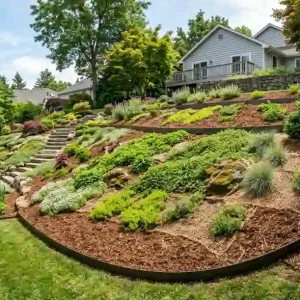
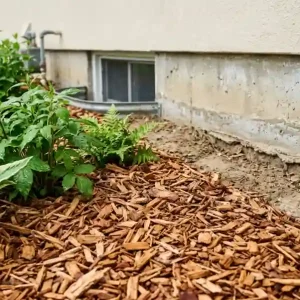
You don’t have to spend a lot of money on landscaping services, water your plants all the time, or do a lot of work to keep your front yard looking nice. Homeowners want things to be easy, cheap, and look good all year long. This guide gives you all of those things. This post has the greatest low maintenance front yard landscape ideas that really work, whether you want a clean, modern design, a welcome cottage-style entry, or something that won’t take up your weekends. You can obtain practical advice, design ideas, and easy-to-follow enhancements that you can start right away, from quick budget tweaks to long-term solutions that make work easier. Let’s get started. 5 Quick Tips for Cheap, Simple Landscaping If you want fast wins before diving into full landscaping ideas for front of house, these five simple tips can make an immediate difference: Start With Mulch Mulch is affordable, can be used in many ways, and works great to keep weeds at bay. It also keeps the soil moist and makes beds seem neat right away. This is one of the most popular low-maintenance front yard landscaping ideas with rocks and mulch because it works in every climate and yard size. Choose Native Plants Native plants are already suited to the weather in your area. That means you won’t have to water it as much, there will be fewer bugs, and it will need very little care. Most ideas for landscaping that don’t need a lot of work are based on this method. Add One Strong Focal Point A small tree, a large pot, or a charming bench near the entry instantly improves front yard design without making things complicated. Use Hardscaping to Reduce Work Adding gravel, stepping stones, edging, or borders makes maintenance much easier. It also makes everything look clean and trendy. Hardscapes go well with front yard landscaping that doesn’t need a lot of water and doesn’t need a lot of work. Keep Your Shapes Simple Curvy beds are beautiful, but they require more trimming. Straight lines and clean edges are easier for long-term upkeep and great for front yard landscaping ideas on a budget. Easy Landscaping Ideas for the Front of the House When it comes to easy landscaping ideas for the front of the house, the key is simplicity. The front of the house is where first impressions happen, so the goal is to highlight the façade without overpowering it. 1. Layer With Height Use a three-tier system: Tall shrubs in the back Medium-height plants in the middle Ground cover at the front This structured approach adds visual depth while keeping maintenance low. 2. Evergreens for Year-Round Appeal Evergreens offer consistent color and shape all year. They’re perfect along walkways or entry paths and are staples in front yard garden ideas. 3. Frame the Entryway Planting boxwoods, dwarf palms, or low shrubs around the porch or door frames the home beautifully. It also boosts curb appeal and adds a touch of elegance. 4. Replace Grass With Decorative Gravel If lawn care feels like a burden, gravel is your escape. Add stepping stones, drought-tolerant plants, or potted arrangements for an attractive look with minimal maintenance. 5. Add Lighting for Style and Safety Solar path lights and spotlights give your home a welcoming glow without raising electricity bills. They’re great finishing touches for modern front yard ideas. Simple & Cheap Landscaping Ideas for the Front Yard If you’re after simple & cheap landscaping ideas for the front yard, the good news is there are tons of options that look designer-grade but cost very little. 1. Build a Rock Garden Rock gardens require little to no watering and add texture and beauty. They’re ideal for homeowners looking for low maintenance landscaping ideas front yard solutions that last years without effort. 2. Use Potted Plants Pots are versatile, budget-friendly, and low commitment. You can rearrange them anytime, and they require far less upkeep than traditional garden beds. 3. Plant Perennial Ground Covers Creeping thyme, sedum, and mondo grass spread beautifully and suppress weeds. They’re fantastic alternatives to high-maintenance lawns. 4. Refresh the Edging Brick, stone, or metal edging instantly elevates your landscape’s look and reduces accidental trimming. 5. Paint or Stain Surfaces for a Clean Look As an expert in painting, I can confirm that a fresh coat of paint on your fence, porch, and exterior trim can completely change the feel of your front yard sometimes more than planting anything at all. Small Front Yard Landscaping Ideas Small yards have huge potential. You just need a strategic approach to maximize the space while keeping everything low-maintenance. 1. Use Vertical Space Vertical planters, trellises, or wall-mounted pots draw the eye upward and free up ground space. They’re perfect for small front yard landscaping ideas low-maintenance. 2. Choose Compact Shrubs Dwarf varieties like boxwood, lavender, and dwarf yaupon holly thrive with little care and fit perfectly near walkways or porches. 3. Stick to a Simple Color Palette Too many textures or colors can make a small yard look cluttered. Choose 2–3 main tones for your plants, pots, and mulch. 4. Add a Narrow Pathway A slim gravel or stepping stone walkway creates structure and makes small spaces feel larger. 5. Use Symmetry to Your Advantage Symmetrical shrub placement or matching pots creates a classy, balanced look that’s easy to maintain. Curb Appeal Front Yard Landscaping on a Budget A beautiful front yard doesn’t have to be expensive. In fact, many high-impact improvements cost surprisingly little. 1. Paint the Front Door This is one of the fastest curb appeal boosters. A bold color like deep blue, red, or black adds instant personality. 2. Refresh the Mailbox A new mailbox (or repainting your old one) adds charm without breaking the bank. 3. Clean Up Overgrown Beds Trimming shrubs, removing dead plants, and refreshing mulch are free or cheap improvements that can transform the look of your yard. 4. Add a DIY Flower Bed Border You can create simple

Best Low Maintenance Front Yard Landscape Ideas to Transform Your Home Read More »

Seraphinite AcceleratorOptimized by Seraphinite Accelerator
Turns on site high speed to be attractive for people and search engines.