Fire ants don’t just ruin your lawn. They make it unsafe to walk barefoot, play with pets, or enjoy your yard. If you’re searching for How to Get Rid of Fire Ants in Your Yard, you likely want something that works fast and keeps them from coming back.
Here’s the quick answer. Kill the colony, not just the ants you see. Use bait treatments to reach the queen, then follow up with mound treatments and prevention steps. This guide breaks down exactly what to do, what to avoid, and how to get lasting results.
What Are Fire Ants?
Fire ants aren’t just regular ants with a bad attitude. They’re an invasive species with a biology designed for survival, and that’s exactly why getting rid of them takes more than stomping on a mound.
Imported vs. Native Fire Ants
The most problematic species is Solenopsis invicta, the red imported fire ant. It arrived in the U.S. accidentally through cargo ports and has since spread aggressively across the South. Native fire ants (Solenopsis geminata and Solenopsis xyloni) also exist but cause far less damage.
How a Fire Ant Colony Works
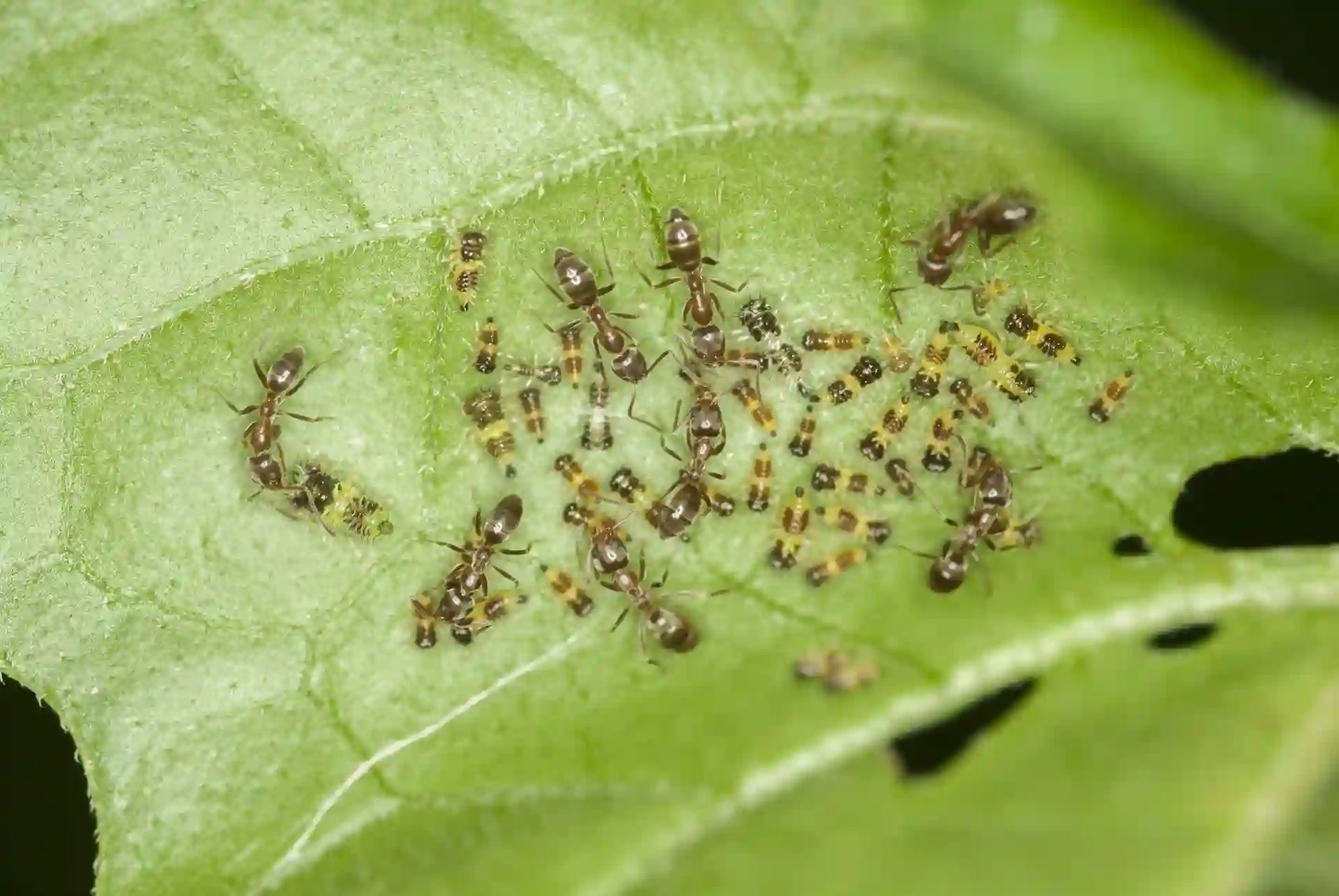
Every fire ant colony runs on a clear hierarchy. The queen lays all the eggs. Worker ants build tunnels, forage for food, and defend the colony. Larvae digest solid food and feed it back to the adults as liquid. This system matters when choosing a treatment if the queen survives, the colony survives.
How to Identify a Fire Ant Mound
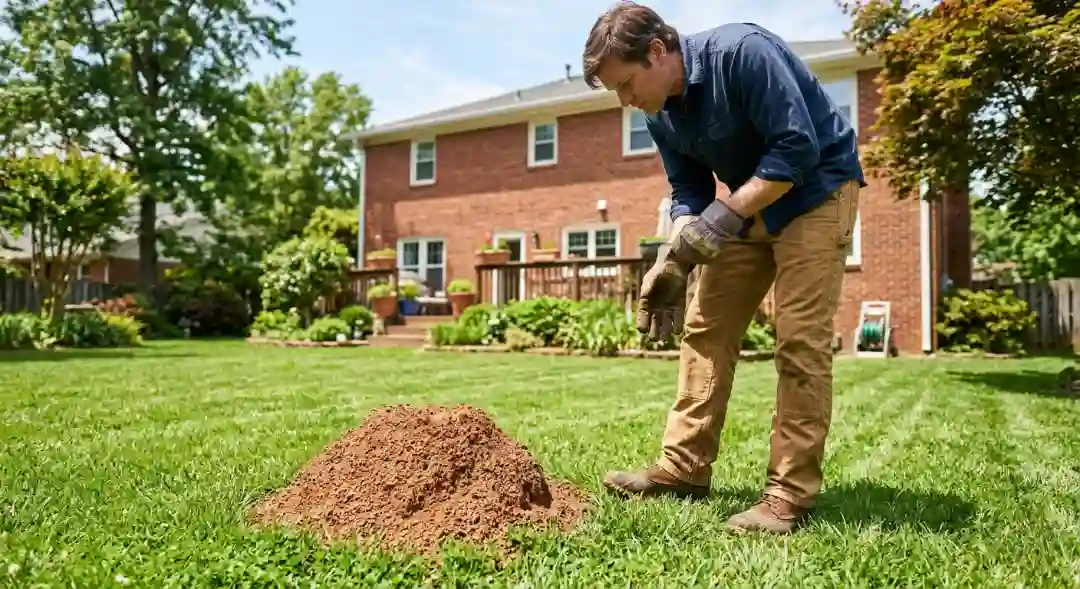
Fire ant mounds look like loose, irregular piles of dirt on the soil surface. They have no visible opening at the top. Entry and exit tunnels are underground, often extending 5 to 20 feet away from the mound. After rain, mounds rise noticeably as ants push soil upward to keep their nest dry.
Why Fire Ants Are a Real Problem
Fire ants aren’t just a backyard nuisance. They’re a genuine safety risk for your family, pets, and property.
Fire ant stings cause immediate burning pain followed by itching pustules at the sting site. For people with allergies, a single sting can trigger anaphylactic shock, which can be fatal. Children and small animals stung repeatedly are especially vulnerable.
Beyond stings, fire ants damage electrical equipment. They’re drawn to electrical currents and frequently build nests inside air conditioning units, junction boxes, and outdoor lighting. That’s a problem most homeowners don’t think about until it’s too late.
Fire Ant Remedies That Don’t Work
Before spending time and money on the wrong fix, let’s clear the air. These popular home remedies for fire ants either don’t kill the queen or cause more harm than good.
Grits
The idea is that fire ants eat grits, the moisture inside their bodies causes expansion, and they explode. It’s a satisfying image. It just doesn’t happen. Grits don’t kill fire ants period.
Boiling Water
Pouring boiling water on a mound kills ants on contact. But it rarely reaches the queen’s chamber. The surviving colony simply moves a few feet away and rebuilds. You’ll also risk burning yourself and scalding surrounding grass.
Diatomaceous Earth
Diatomaceous earth damages insect exoskeletons and causes dehydration. It kills worker ants it physically contacts. But it can’t reach the queen deep underground, and rain washes it away quickly.
Club Soda, Orange Peels, and Vinegar
Does vinegar kill ants? It can repel them. But repelling isn’t the same as eliminating a colony. These options at best cause the colony to relocate slightly. They don’t kill the queen, which means the problem stays.
Gasoline or Diesel Fuel
This is dangerous, illegal in many areas, and damages your soil and surrounding plants. There’s no scenario where this is a good idea.
How to Get Rid of Fire Ants in Your Yard: Methods That Actually Work
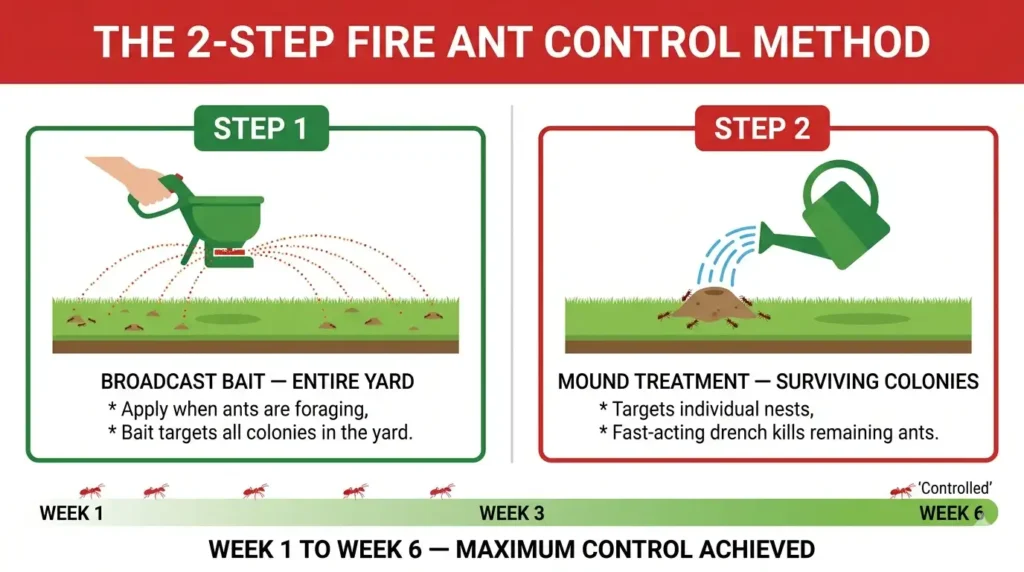
The two-step method: broadcast granular bait across the entire lawn first, then drench surviving mounds maximum control achieved by Week 6.
Now let’s talk about what genuinely works. The most proven strategy is the two-step method, which combines broad prevention with targeted mound treatment.
Step 1: Broadcast Bait Treatments (Your Best Starting Point)
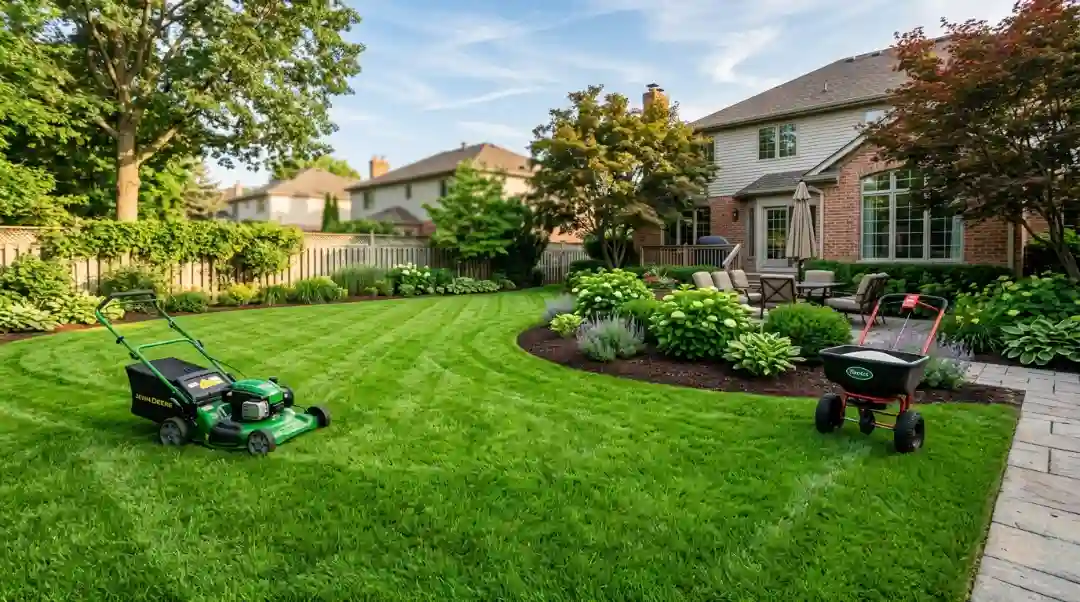
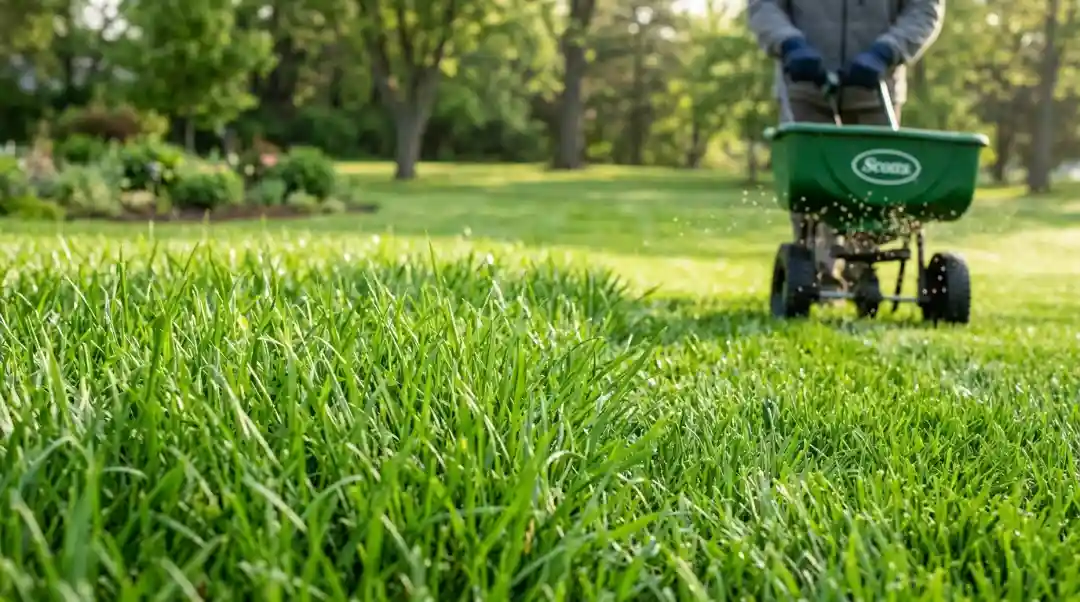
Broadcast bait is the most cost-effective and least labor-intensive way to reduce fire ants across your entire lawn. You spread granular bait over the whole yard, not just individual mounds using a small hand-held spreader.
Why this works: Worker ants pick up the bait granules and carry them back to the colony. The larvae eat the granules, liquefy the insecticide, and pass it throughout the colony until it reaches and kills the queen.
Key products:
- Amdro Fire Ant Bait (hydramethylnon) 1 to 1.5 lb per acre
- Advion Fire Ant Bait (indoxacarb) kills mounds in as little as one week
- Extinguish Plus (methoprene + hydramethylnon) combines a growth regulator with a contact kill
Timing matters a lot. Apply bait when the ground is dry and soil temperatures are between 70 and 90°F. Avoid applying before rain; it spoils the bait before ants collect it. The best windows are early spring, midsummer, and early fall.
Step 2: Individual Mound Treatments (For Problem Spots)
After broadcasting bait, wait at least a few days before treating surviving mounds individually. This gives worker ants time to carry bait into the colonies first.
Liquid Mound Drenches provide the fastest results. Mix the insecticide in water and pour 1 to 2 gallons directly over the mound. Pour about one-quarter of the liquid in a 10 to 12-inch ring around the outside first this blocks the queen’s escape through underground tunnels. Then soak the mound directly.
Top options for liquid drenches include:
- Bifenthrin (Hi-Yield Bug Blaster) 0.5 fl oz per gallon
- Permethrin (Bonide Eight Insect Control)
- Spinosad (Monterey Garden Insect Spray) the organic-leaning option, though slower
Dry Mound Treatments are easier to apply but slower. Sprinkle powder directly on and around the mound. Acephate (Ortho Orthene) is the most effective but has a strong odor. Deltamethrin and beta-cyfluthrin products work nearly as well without the smell.
Get Rid of Fire Ants with Long-Lasting Lawn Treatments
If you want season-long protection without repeated treatments, broadcast insecticide granules applied to the entire lawn are worth considering. Products containing bifenthrin, like Ortho Fire Ant Killer Broadcast Granules, can provide 4 to 8 weeks of residual control per application.
Spread granules with a fertilizer spreader, then water the lawn immediately after. The insecticide moves into the soil and kills foraging ants and newly settled queens on contact.
For maximum protection around patios, play areas, and pet yards, some homeowners use broadcast insecticide in high-priority zones and bait in the rest of the yard. This layered approach gives the most consistent control.
Professional option: TopChoice (fipronil), applied only by licensed pest control operators, offers up to one year of control from a single application. It’s the most expensive option but valuable for high-risk areas.
Fire Ants Near Electrical Boxes and Structures
This is a problem both competitors completely missed and it’s more common than most people realize.
Fire ants are attracted to electrical currents and heat. They commonly infest outdoor HVAC units, electrical junction boxes, pool equipment, and sprinkler system controls. Once inside, they chew through insulation, causing short circuits and equipment failure.
If you notice fire ant activity near any electrical equipment, treat the surrounding soil with a contact insecticide granule before attempting any inspection. Never spray liquid drenches near live electrical panels. Call a licensed pest control professional if the infestation is inside the equipment housing.
How to Prevent Fire Ants From Coming Back
Knowing how to get rid of fire ants in your yard is only half the job. Prevention is what keeps them from rebuilding.
- Treat on schedule. Use the holiday rule: apply bait around Easter, the 4th of July, and Labor Day. This keeps colonies suppressed year-round.
- Reduce moisture. Fire ants love wet soil after rain. Fix drainage issues and avoid overwatering.
- Seal entry points. If you’re dealing with how to get rid of fire ants in the house, check for cracks around foundations, window frames, and door seals.
- Don’t leave food outside. Pet food bowls, uncovered garbage, and fallen fruit all attract foraging worker ants.
- Treat the perimeter. A granular insecticide barrier around the base of your home discourages colonization near the structure.
DIY vs. Professional Fire Ant Control: Which One Makes Sense?
DIY fire ant control costs between $20 and $80 per season for most residential yards and handles the majority of infestations effectively. Professional treatments range from $150 to $300 per visit but offer stronger products and guarantees making them worth it for large properties, recurring infestations, or nests near electrical equipment.
| Factor | DIY | Professional |
| Cost | $20 to $80/season | $150 to $300/visit |
| Time | 1 to 2 hours/treatment | 30 to 60 minutes |
| Product Strength | Consumer-grade | Commercial-grade (e.g., TopChoice/fipronil) |
| Coverage | Small to medium yards | Large properties |
| Best For | Routine prevention | Severe or recurring infestations |
If you’re managing a standard residential yard, a consistent DIY bait program gets you 80 to 90 percent control. If the problem keeps coming back despite treatment, or if fire ants are near electrical systems, it’s time to call in a professional.
Lawn Care and Maintenance Services in Whittier
If fire ant infestations in your yard feel like a never-ending battle, professional help makes a real difference. Robert’s Complete Care provides expert lawn care and maintenance services in Whittier, including targeted pest control treatments tailored to your yard’s needs. Rather than guessing which products to use and when, you get a consistent, proven plan handled by people who know what works in your specific environment.
Frequently Asked Questions
What kills fire ants permanently?
No single treatment eliminates fire ants permanently since new queens can recolonize treated areas. The most effective long-term strategy is applying broadcast bait two to three times per year combined with individual mound treatments for surviving colonies, which keeps populations consistently suppressed.
How long does fire ant bait take to work?
Most granular fire ant baits take 2 to 6 weeks to achieve maximum control. Advion (indoxacarb) is the fastest-acting option and can eliminate mounds in as little as one week. Patience is key, baits need time to reach the queen.
Are fire ants dangerous to dogs and cats?
Yes. Pets that disturb mounds can receive dozens of stings in seconds. Some animals experience allergic reactions requiring emergency veterinary care. Keep pets away from treated areas per the product label’s re-entry interval, typically 24 to 48 hours.
Do fire ants die in winter?
Fire ants don’t die in winter, they go deeper underground when temperatures drop. In warmer southern states, colonies remain active year-round. Treating in fall reduces colony populations heading into winter, making spring control much easier.
How to remove fire ants from inside the house?
Start with a perimeter treatment outside, around the foundation. Inside, use bait stations along baseboards and entry points; never spray insecticide directly on bait, as it will deter ants from collecting it. Seal all visible cracks and gaps around doors, windows, and pipes.
Does vinegar kill fire ants?
Vinegar repels ants but doesn’t kill them or reach the queen. It may cause a colony to relocate slightly, but it doesn’t solve the infestation. For how to kill fire ants effectively, synthetic baits and contact insecticides are the only proven options.