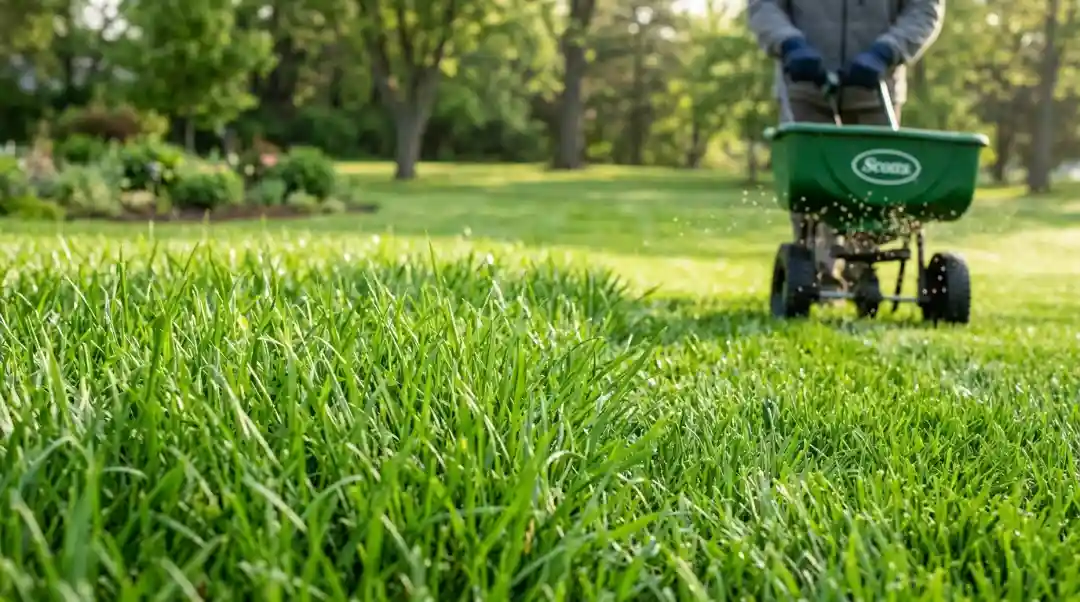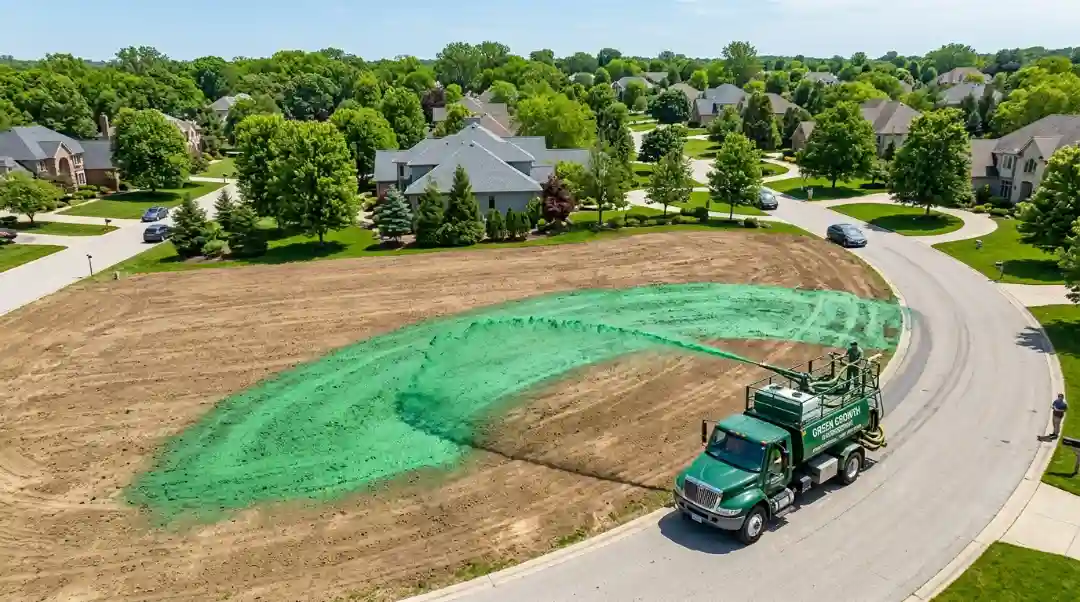
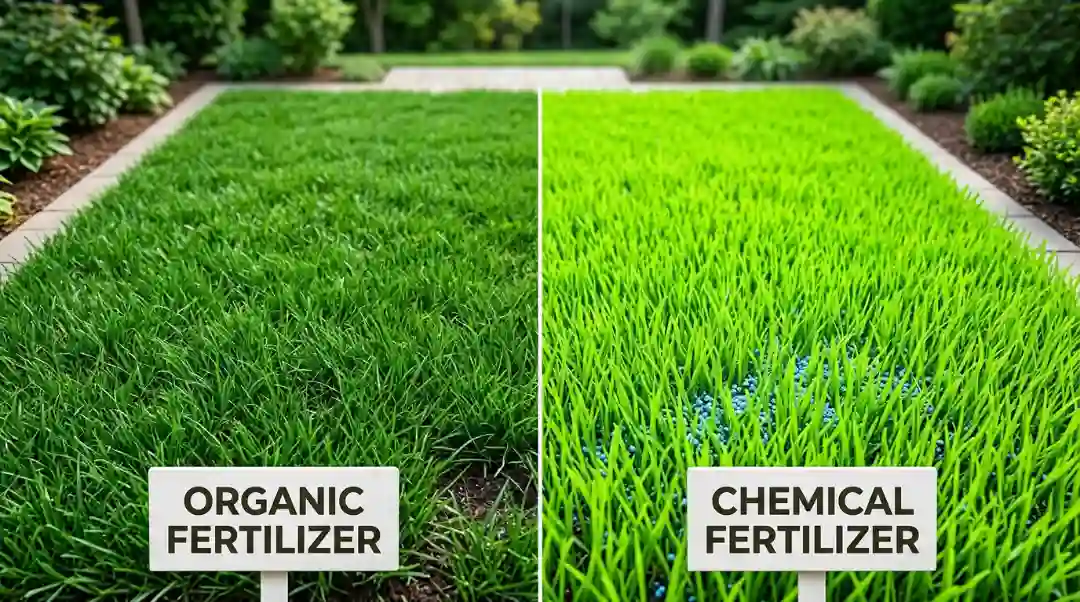
Choosing the wrong fertilizer is like putting diesel in a petrol car.. At first, it could look alright, but later you can see the harm. Most people who buy something from a store don’t know if it’s good for the plant, the soil, or neither. That’s where knowing the difference between organic fertilizer vs chemical fertilizer really comes in handy, not just as a fun fact about gardening.
In short, organic fertilizers improve the health of the soil over time and release nutrients slowly. Chemical fertilizers, on the other hand, give instant results but might harm the soil over time. There is no clear winner between the two. The best decision for you relies on how your grass looks, what you want to do, and how patient you are.
What Is Fertilizer and Why Does Your Soil Need It?
Soil doesn’t stay nutrient-rich forever. Rain, grass growth, and foot traffic drain it of the three nutrients every lawn needs most: nitrogen (N), phosphorus (P), and potassium (K). Without them, grass turns yellow, roots weaken, and patches appear where thick turf used to be.
Fertilizers, whether organic or synthetic, exist to replace what the soil loses. They’re not magic growth boosters. They’re more like a balanced diet for your lawn.
What Is Chemical Fertilizer?
Chemical fertilizer, also called synthetic or inorganic fertilizer, is manufactured in a lab or industrial facility. It’s made by refining raw materials like petroleum, rock phosphate, and ammonia into precise nutrient compounds.
The result is a product with a fixed NPK ratio, such as 10-10-10 or 30-0-4, where each number tells you the percentage of nitrogen, phosphorus, and potassium. Because the nutrients are already in their mineral form, plants absorb them almost immediately after application.
What is chemical fertilizer made of? Common ingredients include ammonium nitrate, urea, superphosphate, and muriate of potash. These are concentrated, water-soluble compounds with no organic matter included.
What Is Organic Fertilizer?
Organic fertilizer comes from naturally occurring materials that decompose over time. Think compost, manure, blood meal, bone meal, fish emulsion, seaweed extract, and worm castings.
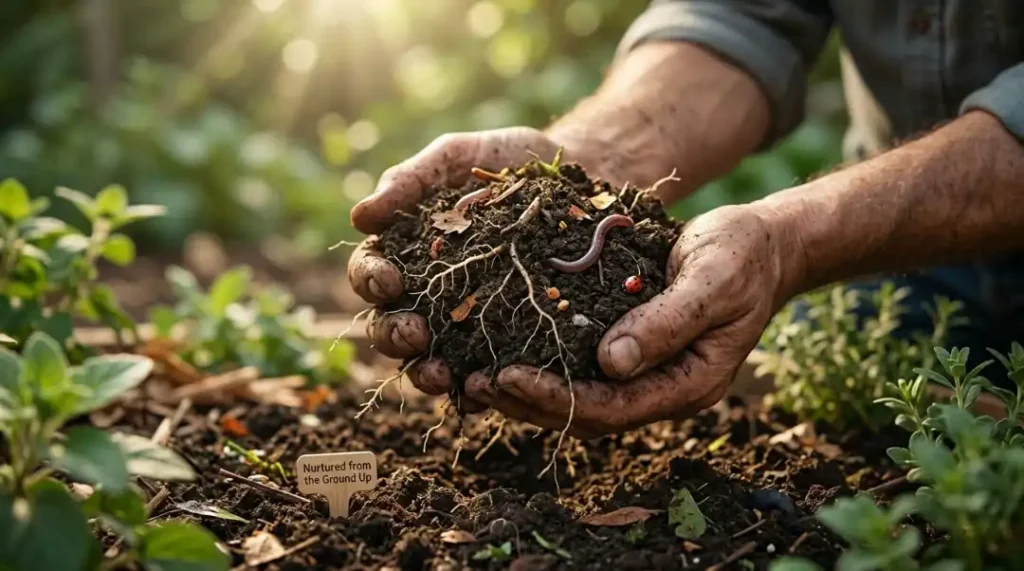
These materials contain nutrients bound up in organic molecules. Soil microbes have to break them down first before the nutrients become available to plant roots. That process takes time, but it also builds the soil itself, not just the grass growing in it.
Define synthetic fertilizer vs organic in simple terms: Synthetic feeds the plant directly. Organic feeds the soil, which then feeds the plant. That one difference drives almost every other contrast between them.
Organic Fertilizer Benefits: What the Science Actually Shows
- It improves soil structure over time
Organic materials like compost and manure improve soil texture. In sandy soils, they improve water retention. In clay soils, they reduce compaction. Both outcomes mean deeper root growth and a more resilient lawn.
- It supports microbial activity
Healthy soil is alive. Billions of bacteria, fungi, and other microorganisms live in one tablespoon of good garden soil. Organic fertilizers feed these organisms, and those organisms, in turn, release nutrients, fight pathogens, and improve the soil’s ability to hold moisture.
- Slow-release nutrients prevent burn
Because organic fertilizers break down gradually, the risk of nutrient burn is very low. Roots receive a steady supply of what they need rather than a sudden surge that can damage them.
- Less runoff risk
Organic fertilizers don’t leach as aggressively into nearby water systems. Synthetic fertilizer runoff is a known cause of eutrophication, where excess nitrogen and phosphorus cause algal blooms in lakes and rivers, depleting oxygen for aquatic life.
Natural Fertilizer Disadvantages: The Honest Side
Organic fertilizers aren’t perfect. If they were, nobody would use synthetic options.
Slower results. Microbial decomposition takes time. If your lawn needs urgent help after a harsh winter or drought, organic fertilizer won’t green it up in a week. It can take weeks or even a full season to see meaningful change.
Higher upfront cost. Organic fertilizer products are generally more expensive per bag than synthetic equivalents. The long-term savings on reapplication can balance this out, but the initial investment is real.
Harder to apply evenly. Most organic fertilizers come in granular or bulk form. They’re heavier, bulkier, and harder to spread uniformly, especially on larger lawns. Uneven application leads to uneven results.
Nutrient ratios are less precise. Unlike synthetic fertilizers where you know exactly what you’re getting, organic products can vary. A bag of composted manure won’t have a perfectly fixed NPK ratio the way a bag of 20-5-10 synthetic fertilizer does.
Chemical Fertilizer Advantages: Where Synthetic Wins
[Multimedia suggestion: Side-by-side time-lapse photo series showing lawn treated with synthetic fertilizer at Day 3 vs Day 14, and one treated with organic at the same intervals. This makes the speed difference visceral and real.]
Fast, visible results. Synthetic fertilizers are absorbed within hours of application. If you’re hosting an outdoor event next weekend and your lawn looks tired, a quick application of a nitrogen-heavy synthetic product will green things up fast.
Precise nutrient delivery. A soil test might show low phosphorus but normal nitrogen. With a synthetic fertilizer, you can apply exactly what’s needed, nothing more. Organic options make this level of precision much harder.
Cost-efficient for short-term needs. Synthetic fertilizers cost less upfront. For homeowners on a budget who need a quick fix, they’re a practical option.
Easy to mix with other treatments. Liquid synthetic fertilizers can often be combined with weed control or pest management products, saving time during lawn care sessions.
Chemical Fertilizer Disadvantages: The Long-Term Cost
Soil degradation over time. Synthetic fertilizers feed the plant but not the soil ecosystem. Over years of use, soil microbial activity drops, organic matter depletes, and the soil becomes increasingly dependent on artificial inputs. It’s a cycle that becomes harder and more expensive to break.
Risk of nutrient burn. Over-application of concentrated synthetic fertilizers causes root burn. The high salt content draws moisture out of roots instead of delivering it. This can kill patches of grass quickly.
Environmental pollution. Nitrogen leaching from synthetic fertilizer is a documented environmental issue. Excess nitrogen and phosphorus reach groundwater and surface water, contributing to algal blooms and harming aquatic ecosystems.
Requires frequent application. Because synthetic fertilizers are absorbed quickly, their effects don’t last long. Homeowners often find themselves reapplying every 4 to 6 weeks during the growing season.
Organic vs. Synthetic Fertilizers: A Direct Comparison
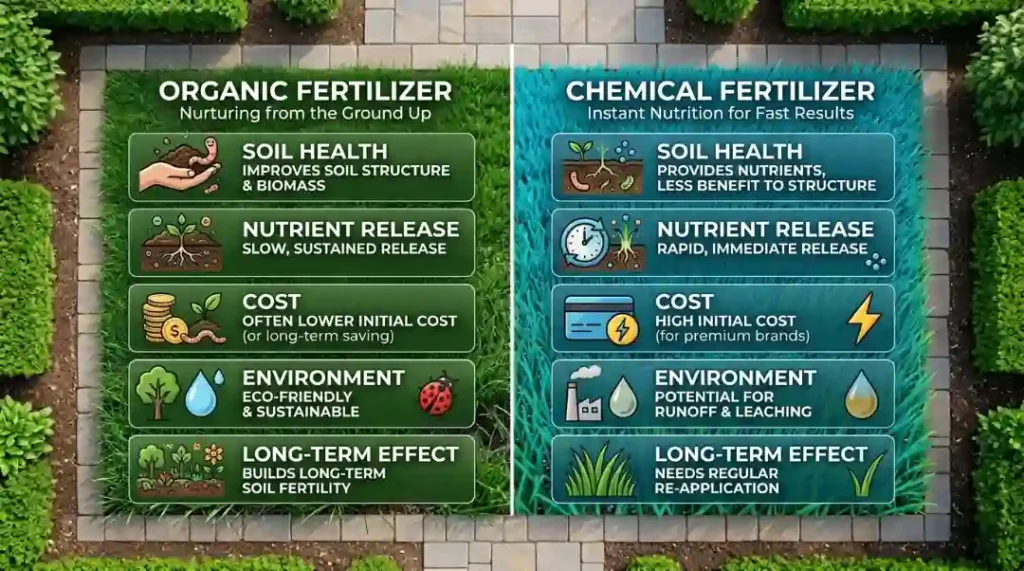
| Feature | Organic Fertilizer | Synthetic Fertilizer |
| Source | Compost, manure, bone meal, seaweed | Lab-manufactured compounds |
| Nutrient release | Slow and steady | Fast and immediate |
| Soil impact | Builds long-term fertility | Can deplete soil over time |
| Environmental risk | Low runoff risk | Higher leaching risk |
| Cost | Higher upfront | Lower upfront |
| Application | Bulkier, less precise | Easy, precise |
| Results | Gradual but lasting | Quick but short-lived |
| Burn risk | Very low | Moderate to high |
Best Fertilizer by Plant or Lawn Type
This is something most guides skip, and it’s one of the most practical questions homeowners actually have.
For vegetable gardens: Organic fertilizer is the better choice. Chemical fertilizers can leave residues in edible crops, and the improved soil structure from organic matter directly improves yield and flavor. Compost and fish emulsion work well here.
For lawns and grass: Either works, but a hybrid approach is smart. Use synthetic fertilizer in early spring for a quick green-up, then transition to organic through summer and fall to build soil health before winter.
For flowers and ornamentals: Organic fertilizers like bone meal (high phosphorus) support strong root development and better blooms. Synthetic options can cause excessive foliage at the expense of flowers if nitrogen is too high.
For indoor plants: Diluted liquid organic options like worm casting tea work well. Indoor soil has no natural microbial replenishment, so organic inputs help maintain a small but functional soil ecosystem in pots.
Seasonal Fertilizer Application Guide
Spring: Apply a balanced synthetic or organic fertilizer as the lawn breaks dormancy. Early spring is when nitrogen demand is highest.
Summer: Stick to slow-release organic options. High temperatures make synthetic fertilizers more likely to burn grass. Water frequently.
Fall: This is the most important season for organic fertilizer application. Feeding soil microbes in fall builds nutrient reserves that carry through winter and kickstart spring growth.
Winter: Generally no fertilization needed for cool-season grasses. Warm-season grasses may benefit from a light potassium boost before dormancy.
Can You Use Both? The Hybrid Approach
There doesn’t have to be a clear winner in the dispute over organic vs. chemical fertilizers. A lot of lawn care specialists, like the ones at Robert’s Complete Care, use a mix of methods for the best results.
This is how the plan works: use synthetic fertilizer just when you need to make small changes or quick fixes, and make organic fertilizer the main part of your long-term lawn care plan. As time goes on, the soil gets better, and synthetic applications become less important.
Robert’s Complete Care offers Lawn Installation Services in Whittier and Landscape Installation Services in Whittier that are customized to your soil type and the weather in your location. If you live in Whittier and need expert help with this, they can help. Always do a soil test before picking out any fertilizer.
Pros and Cons of Organic Fertilizer at a Glance
Pros:
- Builds lasting soil health
- Safer for children, pets, and local waterways
- Reduces risk of over-fertilization
- Supports beneficial microbial activity
- Lower environmental footprint
Cons:
- Slower results
- More expensive upfront
- Harder to apply uniformly
- Less precise nutrient control
How to Decide: A Simple Framework
Ask yourself three questions before buying any fertilizer:
- What does my soil test say? Without a soil test, you’re guessing. Most county extension offices offer affordable tests that tell you exact NPK levels and pH.
- How quickly do I need results? If the answer is “very fast,” synthetic makes sense short-term. If you’re playing the long game, organic wins.
- Who uses the lawn? If children and pets spend time on the grass, the lower chemical exposure from organic fertilizers is a meaningful safety advantage.
Frequently Asked Questions
Is organic fertilizer better than chemical fertilizer?
Organic fertilizer is better for long-term soil health and environmental safety. Chemical fertilizer is better for fast, targeted results. The best choice depends on your lawn’s specific needs, your timeline, and your environmental priorities.
Which fertilizer makes plants grow faster?
Chemical fertilizers cause faster visible growth because nutrients are immediately available. However, that growth is often short-lived without the soil structure that organic fertilizers build over time.
Can chemical fertilizers permanently damage soil?
Long-term exclusive use of synthetic fertilizers depletes soil organic matter and microbial life. This makes soil more compacted and less fertile over time. It’s not permanent, but reversing the damage takes years of organic amendment.
Are organic fertilizers safe for vegetable gardens?
Yes. Organic fertilizers are generally considered safe for food crops. Avoid raw manure on edible plants close to harvest, as it can carry pathogens. Composted manure and plant-based options are reliable and safe.
How often should I fertilize my lawn?
Organic fertilizers typically need application 2 to 3 times per season. Synthetic fertilizers often require application every 4 to 6 weeks. Always follow product instructions and base timing on a soil test.
What are fertilizer grades?
Fertilizer grades refer to the NPK ratio printed on every fertilizer bag. A grade of 10-10-10 means 10% nitrogen, 10% phosphorus, and 10% potassium by weight. Different grades suit different plants and soil conditions.