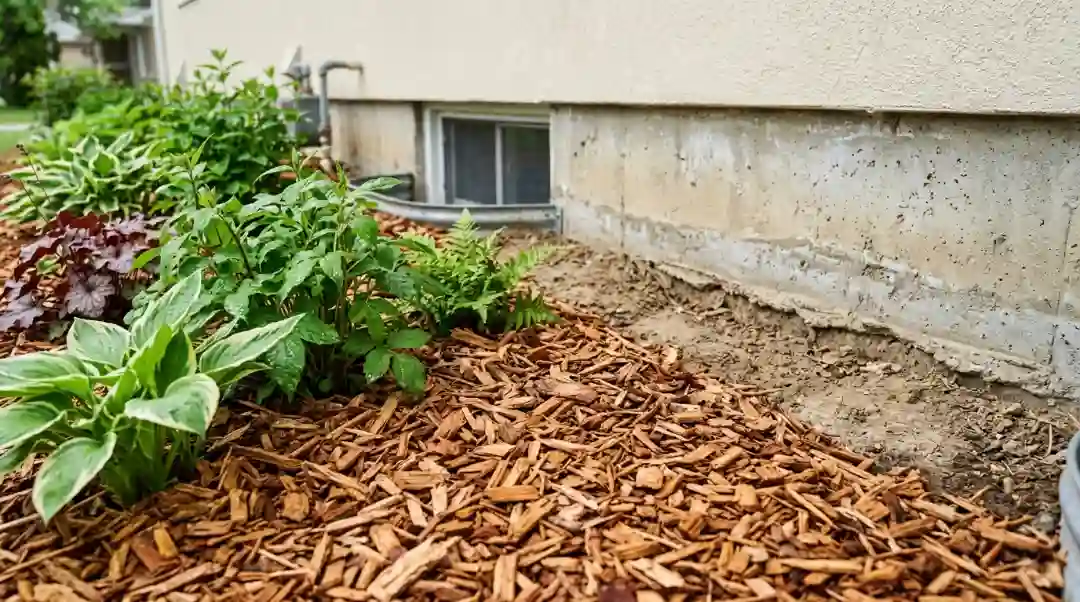
You’re not the only one who has put down a new layer of mulch in your garden and then worried if you just made it easier for termites to get in. Homeowners ask this question a lot, and the answer is more complicated than just yes or no. Does mulch attract termites? Not precisely, but it can make it easier for them to get closer to your house.
The quick answer is that mulch itself doesn’t produce termites, but some kinds can hold on to moisture and heat that termites like. The good news is that you can keep your yard looking nice while also protecting your property by choosing the correct mulch and putting it in the right position. This post talks about everything from the sorts of mulch that are most likely to attract termites to what you can do right now to keep them away.
What Is Mulch and Why Do Homeowners Use It?
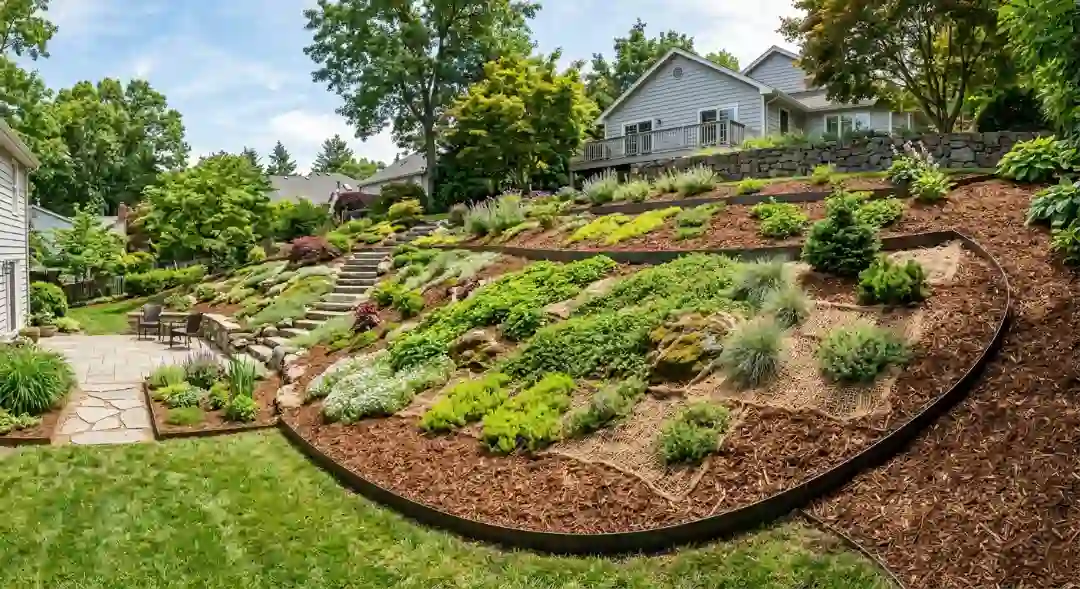
Any substance applied to soil to protect it, hold onto moisture, and manage weeds is called mulch. It can be broadly classified as either organic (wood chips, bark, straw, compost) or inorganic (rubber, gravel, rocks).
There are good reasons why homeowners use landscape mulch. It lowers the frequency of watering, maintains stable soil temperatures, and gives garden beds a polished appearance. The USDA Forest Service claims that mulched plants and trees exhibit quantifiably better soil health and growth than bare soil.
The issue? The conditions that termites naturally seek out can be replicated by organic mulch, particularly wood-based varieties.
Does Mulch Around the House Cause Termites?
To directly answer the central query: If termites aren’t already in your soil, applying landscape mulch won’t make them appear. These insects do not appear on their own because you added wood chips; instead, they live in intricate underground colonies. Additionally, it is extremely unlikely that store-bought bags of wood mulch will bring live pests into your yard. Insects are physically destroyed during the commercial shredding and chipping process, and any lone survivors are unable to start a new colony without a subterranean queen.
Environmental modification is the true problem. Although you aren’t producing a significant food source when you stack wood chips directly against your siding, you are creating the perfect microclimate. Workers underground are particularly vulnerable to desiccation, or drying out. The top few inches of soil are a safe place for pests to feed without losing essential body humidity due to the moisture-trapping qualities that make wood chips ideal for your shrubs.
The Connection Between Termites and Mulch
Termites feed on cellulose, the fibrous material found in wood, paper, cardboard, and other organic matter. Wood-based mulch does contain cellulose, but it’s not a high-quality food source compared to solid structural wood.
What termites want from mulch isn’t really the food. It’s the shelter and the moisture. A thick, damp layer of bark or wood chip mulch acts like a protective barrier that shields termites from sunlight and keeps the ground beneath it moist. Sunlight kills termites, so anything that blocks it works in their favor.
Why Termites Like Mulch
These underground pests are constantly foraging blindly through the soil looking for two things: moisture and cellulose. While solid structural lumber or dead tree roots are their preferred sources of cellulose, a damp garden bed provides the perfect highway.
[ Top Layer: Dry Wood Chips ]  --> Provides shade & insulation
[ Middle Layer: Damp Soil Base ] --> High humidity zone for worker survival
[ Bottom Layer: Structural Wood ] --> Easy path to foundation if contact exists
The Moisture Factor: Workers require nearly 100% humidity to survive outside their deep underground nests. A thick layer of wood chips shields the soil from the sun, keeping the ground permanently damp.
Thermal Insulation: In peak summer heat or winter cold, organic ground covers insulate the soil, allowing pests to forage near the surface for longer periods during the year.
Physical Cover: A heavy blanket of wood chips hides the mud tubes that workers build to travel safely, allowing them to reach your home’s siding completely unseen.
Mulch vs. Termites: Quick Comparison Table
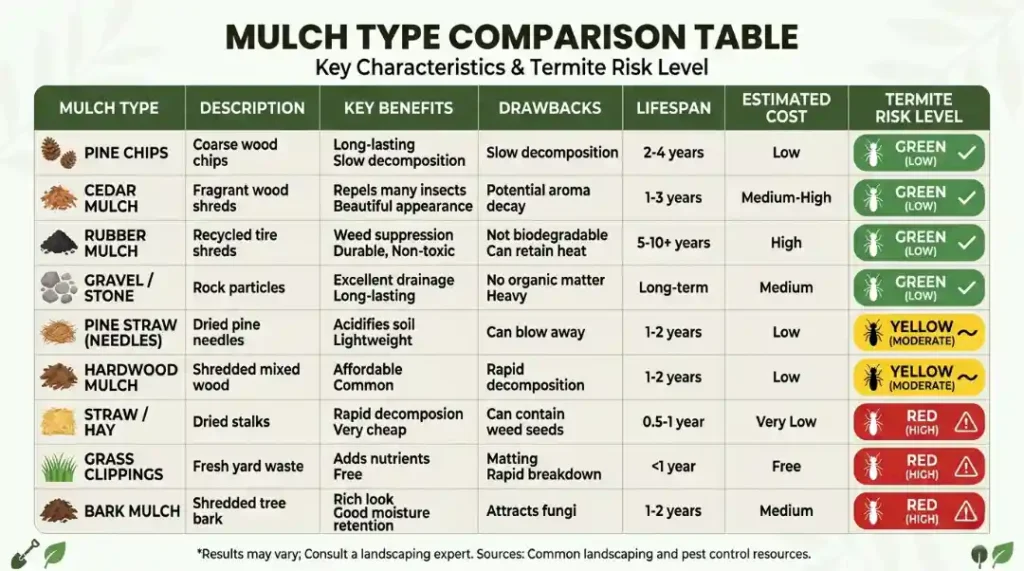
| Mulch Type | Termite Risk Level | Moisture Retention | Best For |
|---|---|---|---|
| Pine bark | Medium | Medium | Flower beds |
| Wood chips | High | High | Tree bases |
| Cedar mulch | Low | Medium | Foundation beds |
| Cypress mulch | Low-Medium | Medium | General landscaping |
| Rubber mulch | Very Low | Low | Playgrounds, paths |
| Gravel/rocks | Minimal | Low | Driveways, borders |
| Compost mulch | Medium | High | Vegetable gardens |
| Straw | Low | Low-Medium | Seasonal/garden use |
What Types of Mulch Attract Termites the Most?
Will wood mulch attract termites more than other types? Yes, and it’s not close. Fresh wood chips and shredded hardwood bark are the highest-risk options because they hold moisture, offer cellulose food, and pack densely enough to hide termite activity.
Pine bark mulch is moderate risk. It decomposes faster than hardwood and offers less structural feeding opportunity, but it still holds moisture against a foundation.
Fresh wood chips from tree trimmings or utility companies are the riskiest option. They’re often green, full of moisture, and densely packed.
Compost mulch sits in a gray area. It’s mostly decomposed organic matter, which termites find less appealing than solid wood. But if it’s applied thick and wet near the foundation, the moisture alone can draw them in.
Rubber mulch made from recycled tires has almost zero termite appeal since it’s not cellulose-based. However, it does retain heat and moisture underneath, which can still create favorable conditions for insects.
What’s the Best Mulch to Use to Avoid Termites?
If termite-resistant mulch is your goal, a few options stand out.
Cedar mulch is the most widely cited termite-resistant option. The natural oils in cedar wood (specifically thujopsene) act as a mild repellent to termites and some other insects. It’s not a guarantee, but it’s a meaningful deterrent. This is the closest thing to termite proof mulch in the organic category.
Cypress mulch (heartwood, not sapwood) also contains natural compounds that termites dislike. The issue is that much of the “cypress mulch” on the market is sapwood, which offers no real protection. Buy from reputable suppliers and ask specifically for heartwood cypress.
Melaleuca mulch is another option gaining traction in the South, particularly Florida. It comes from an invasive tree species and has shown termite-resistant properties in university studies.
Rocks vs. mulch is a debate worth having. Gravel and stone don’t retain moisture the same way, don’t offer food, and won’t create the warm, dark conditions termites need. If you’re mulching within 12 inches of your foundation, replacing wood mulch with decorative rock or river stone is genuinely one of the most effective preventive steps.
Inorganic Mulch: The Safest Option
If you want termite proof mulch, go inorganic. Gravel, rubber mulch, and crushed stone don’t attract termites at all. They contain no cellulose, retain less moisture than organic options, and don’t decompose. In the rocks vs mulch debate for pest prevention, rocks win every time.
Rubber mulch made from recycled tires is a popular choice. It’s durable, doesn’t break down, and won’t invite pests. The trade-off is that it doesn’t improve soil health the way organic mulch does.
Is It Okay to Put Mulch Around Your House?
Yes, it is perfectly safe to put mulch around your house, provided you maintain a strict 6-inch inspection gap of bare foundation below your siding and keep the material less than 2 inches deep. Problems only arise when homeowners pile wood chips high against wooden framing, stucco, or siding, creating a direct bridge for insects to bypass your home’s protective subterranean barriers.
To enjoy the visual perks of a beautifully landscaped yard without putting your property at risk, you simply need to follow a few structural safety rules.
How to Use Mulch Without Attracting Termites (Step-by-Step)
Proper application technique is what separates a healthy, beautiful garden bed from a structural hazard. Follow these precise installation steps to keep your home protected.
Signs Termites Are Already in Your Mulch
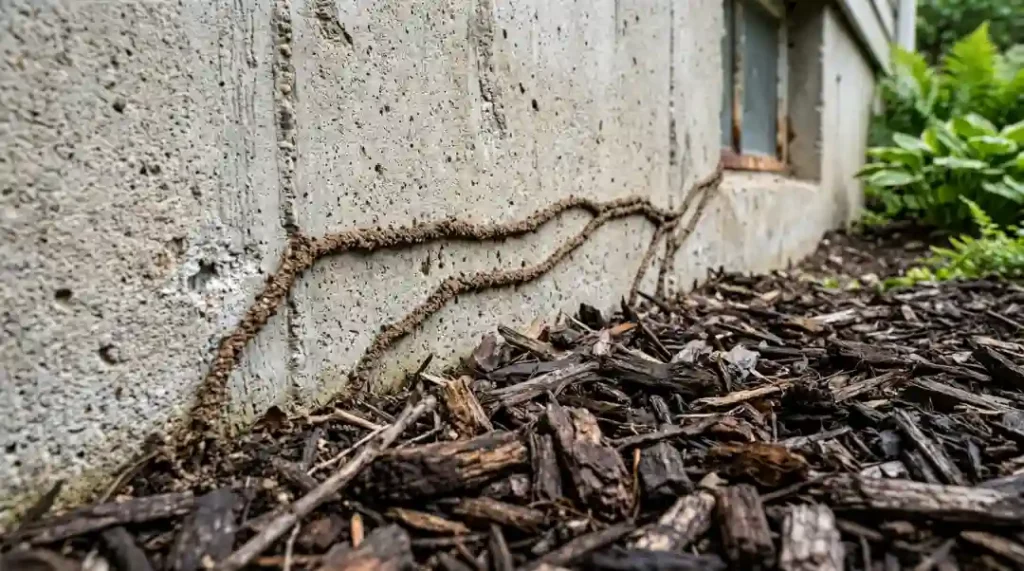
Knowing what to look for early can save thousands in repair costs. Here are the most reliable indicators.
Mud tubes. Subterranean termites build pencil-thin mud tubes to travel from the soil to food sources. Check the edges of your mulch beds, especially where they meet your foundation, walkways, or wood structures.
Hollow-sounding wood. Tap any wood near your mulch areas: fence posts, deck framing, wood edging. A hollow sound suggests feeding activity inside.
Discarded wings. After a swarm, reproductive termites shed their wings. Finding small, uniform wings near windowsills or in mulch beds after rain is a strong warning sign.
Frass. Drywood termites leave behind tiny, pellet-shaped droppings that resemble sawdust or coffee grounds. Finding this near mulch and wood structures warrants a closer look.
Soft or damaged wood. Press a screwdriver gently into any wood near your mulch. If it sinks in easily, that wood may already be compromised.
How to Get Rid of Termites in Mulch Naturally
If you spot active workers wriggling under a layer of damp wood chips, you don’t always need to spray harsh chemicals immediately. There are several highly effective ways to disrupt their environment naturally.
Expose the Area to Sunlight and Dry Air: Take a garden rake and spread the infested wood chips out as thin as possible, or turn them over on a hot, sunny afternoon. Direct sunlight and dry air are fatal to soft-bodied worker termites, causing them to dehydrate rapidly.
Apply Beneficial Nematodes: These microscopic roundworms are natural predators of soil-dwelling insects. When mixed with water and sprayed onto warm, damp ground covers, they seek out and infect termites, destroying the local foraging group without harming your plants or pets.
Use Pure Boric Acid Powder: Boric acid is a natural mineral boron compound that acts as a stomach poison to social insects. You can lightly dust the affected wood chips or set up a localized baiting station; as the pests groom themselves, they ingest the powder and carry it back to the local foraging cluster.
Final Thoughts
Does mulch attract termites? The answer is: it depends on the type you choose and where you put it. Mulch itself isn’t the threat. Moisture and proximity to your foundation are. Choose cedar heartwood, cypress heartwood, or go inorganic with rubber or gravel if termites are a real concern in your area. Always keep mulch at least 6 inches from your foundation and never pile it more than 3 inches deep.
Inspect your mulched areas twice a year, keep the soil near your house dry, and fix any drainage or moisture issues before they become a bigger problem. A little attention goes a long way.
Still not sure which mulch is right for your yard, or worried you might already have termite activity near your foundation? Robert’s Complete Care is here to help. Our team handles landscaping maintenance in Whittier with a focus on keeping your property healthy, clean, and protected year-round. Contact us today to schedule an assessment and get expert advice tailored to your specific yard and soil conditions. Don’t wait until termites make the decision for you.
Frequently Asked Questions
Will mulch bring termites into my home?
Mulch alone will not bring termites into your home. It doesn’t carry a colony or serve as a direct source. But if termites are already present in your soil, moisture-retaining mulch placed close to your foundation can attract them toward your home’s structure.
Can mulch bring termites up from the soil?
Yes, if subterranean termites are already active in the ground near your home, moist mulch can draw them upward and encourage them to build mud tubes toward your foundation. Keeping mulch 6 to 12 inches from the house significantly reduces this risk.
Does rubber mulch attract termites?
No. Rubber mulch contains no cellulose and retains very little moisture, making it unappealing to termites. It’s one of the safest mulch options for use near a home’s foundation.
Will wood mulch attract termites more than bark mulch?
Wood chip mulch, especially from softwoods, holds more moisture than shredded bark and tends to decompose faster. This makes it slightly higher risk. Bark mulch is a moderate option, but termite-resistant heartwood mulch is still the better choice near your foundation.
Will mulch cause termites if it’s not near my house?
If mulch is placed in garden beds far from your home’s foundation, the risk is minimal. Termites in mulch that’s away from your structure are unlikely to cause damage. The concern increases significantly when mulch is in direct contact with or very close to your home.
What’s the difference between drywood and subterranean termites with mulch?
Drywood termites don’t need soil contact or moisture to survive. They infest dry wood directly and are less affected by mulch. Subterranean termites are the main concern with mulch because they live in soil and need moisture. They’re the species most likely to travel through damp, mulched soil toward your foundation.