You’ve just put down some fresh sod and you’re looking at it thinking, is it really accomplishing anything? That’s the bit they don’t tell you about, the waiting. For good reason, one of the most common questions new lawn owners ask is how long does sod take to root. Get the timing wrong and you could be left with dead areas, wasted money and a lawn that looks worse than it did before.
Here’s the good news: If you get the correct care regimen, most sod starts growing shallow roots within 10 to 14 days. Full deep root establishment takes about 30 to 45 days. This guide will lead you through each step in the rooting process, what to watch out for and what to do week by week so your lawn does not only survive, it thrives.
What Does Rooting Mean for Sod?
Rooting is the process where the pre-grown grass beneath the sod pieces sends new roots down into the native soil beneath it. Until those roots connect, the sod is essentially sitting on top of the ground alive but not anchored. Full rooting means the grass is drawing water and nutrients from your soil independently.
Think of it like a transplanted tree. The tree looks fine in the ground on day one, but it won’t truly “take” until its roots spread into the surrounding soil. Sod works the same way.
Unlike grass seed which germinates from scratch over weeks sod arrives with an established root mat already attached. That’s its biggest advantage. But that root mat still needs to bond with your soil before it can sustain itself without daily watering.
How Long Does Sod Take to Root?
Shallow roots will begin to grow on most sod within 10 to 14 days of placement. Given sufficient care, the deep roots take 30 to 45 days to fully emerge. The average sod establishment window from install day to a completely self-sustaining lawn is generally 6 to 8 weeks.
These are based on perfect watering, good soil preparation and installation at the right time of year. Skip any of those phases, and the timeline stretches out.
Here’s the straight scoop: Your sod starts to take hold of the soil at the 10-14 day mark. It’s really hanging around the 30-45 day range. But “fully established” as in can withstand normal foot traffic, mowing and less watering is more like week 6 or 8.
Sod Root Growth Stages
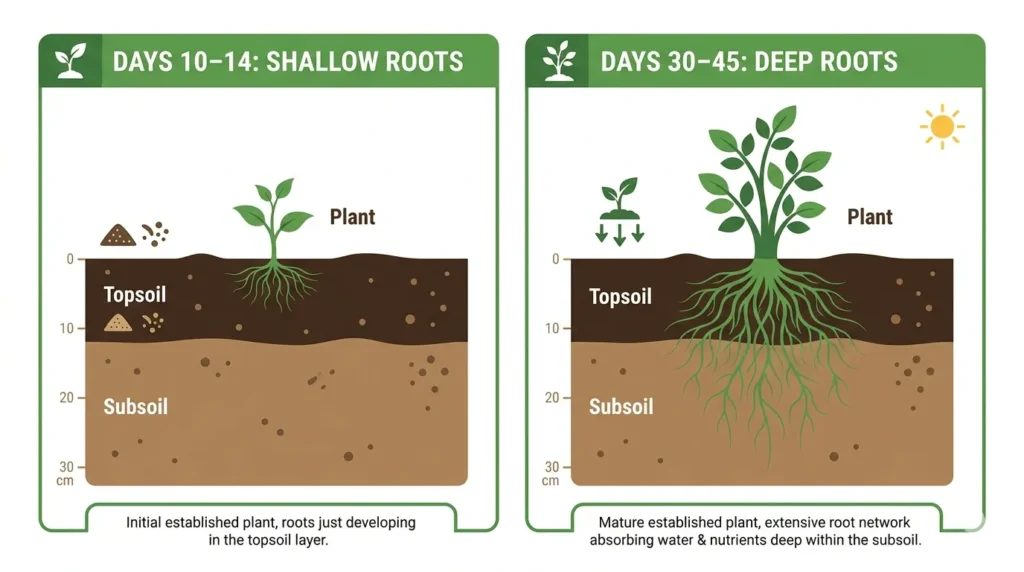
Sod doesn’t root all at once. It happens in two distinct phases, and each one requires different care from you.
Stage 1: Shallow Root Formation (Days 10–14)
During the first two weeks, the grass pushes fine, shallow roots down into the top layer of soil. These roots are delicate. They dry out fast, and any disruption can break them off before they have time to strengthen.
This is the most critical stage of the sod establishment timeline. Daily watering is non-negotiable here. Keep the soil beneath the sod consistently moist not soaked, not dry.
Stay off the lawn during this period. Even light foot traffic puts downward pressure on roots that haven’t gripped anything yet.
Stage 2: Deep Root Development (Days 30–45)
Once the shallow roots are in place, the grass starts pushing deeper down through the soil in search of moisture. This is actually how you train a healthy root system: by watering less frequently but more deeply, you force the roots downward.
At this stage, you can shift from daily watering to every other day. Each session should run longer than before so water penetrates deeper into the soil. This encourages the roots to follow the moisture down rather than staying shallow.
By day 45, a properly cared-for lawn should have a root system that’s genuinely anchored. You can test this yourself we’ll cover that below.
How to Tell If Your Sod Is Rooting (The Tug Test)
Gently lift one corner of a sod piece. If it pulls up with little to no resistance, the roots haven’t connected yet. If it resists and feels like it’s attached to the ground, rooting is underway. The more resistance you feel, the more established the root system.
This simple tug test is the most reliable way to check progress without any equipment. Do it around day 10 to 12 for your first check, then again at day 30.
You can also look for color. Healthy, rooting sod stays a rich green and lies flat against the soil. Sod that’s struggling often shows yellowing at the edges, slight lifting at the seams, or a spongy feel underfoot.
How to Water New Sod
Watering is the single biggest factor in how fast or how slowly your sod roots. Too much water causes fungal growth and root rot. Too little causes the roots to dry out and die before they ever connect.
Here’s a practical week-by-week watering schedule:
| Week | Frequency | Duration Per Session | Goal |
| Week 1 | 3–4x daily | 5–10 minutes | Keep sod and top 1–2″ of soil moist |
| Week 2 | 2x daily | 10–15 minutes | Maintain moisture, begin tapering |
| Week 3 | Once daily | 15–20 minutes | Encourage shallow roots to deepen |
| Week 4–5 | Every other day | 20–25 minutes | Push roots deeper into soil |
| Week 6+ | 2–3x per week | 25–30 minutes | Standard lawn maintenance schedule |
Always water in the early morning. Afternoon watering loses significant moisture to evaporation. Evening watering leaves the grass wet overnight, which promotes mold and fungal disease.
Don’t hand-water if you can avoid it. An automated irrigation system gives more consistent coverage and prevents the dry patches that often appear near buildings, concrete edges, or asphalt where reflected heat pulls moisture out faster.
How Long Does Sod Take to Root in Hot Weather?
In hot weather soil temperatures above 85°F sod roots faster but also dries out faster. Shallow roots can form in as little as 7 to 10 days during summer. The trade-off is that the sod needs more frequent watering and is more vulnerable to heat stress in the first two weeks.
Summer installation is manageable, but it demands closer attention. Water more frequently during the first week (up to 4–5 times daily in extreme heat). Watch for edges curling or pulling away from adjacent pieces that’s a dehydration sign.
In winter, the rooting timeline nearly doubles. Cold soil slows biological activity, and roots may take 3 to 4 weeks to form the same shallow root system that develops in 10 days during summer.
| Season | Shallow Root Timeline | Deep Root Timeline |
| Summer (soil 75–85°F) | 7–10 days | 25–35 days |
| Spring/Fall (soil 55–70°F) | 10–14 days | 30–45 days |
| Winter (soil below 50°F) | 20–30 days | 45–60+ days |
Autumn is the best time to install cool-season grasses like tall fescue and Kentucky bluegrass. The soil is still warm from summer, but the air is cooler — ideal rooting conditions with less stress on the plant.
Warm-season grasses like Bermuda, Zoysia, and St. Augustine perform best when installed in late spring or early summer when soil temperatures are consistently above 65°F.
Sod Rooting Timeline by Grass Type
Not all grass varieties root at the same speed. Here’s what to expect:
| Grass Type | Climate | Shallow Roots | Deep Roots | Notes |
| Bermuda | Warm | 7–10 days | 25–35 days | Fast-rooting, drought-tolerant once established |
| Zoysia | Warm | 10–14 days | 35–45 days | Slower than Bermuda, but very dense once rooted |
| St. Augustine | Warm/Coastal | 10–14 days | 30–40 days | Needs consistent moisture during establishment |
| Tall Fescue | Cool | 10–14 days | 30–45 days | Best installed in fall in cooler climates |
| Kentucky Bluegrass | Cool | 14–21 days | 45–60 days | Slowest to root, needs cooler soil temps |
📷 Multimedia Suggestion: A side-by-side grass type comparison image showing each variety’s appearance would help readers identify what type of sod they have.
Factors Affecting Sod Rooting Time
Several variables control how quickly your sod roots. Understanding them helps you adjust your care routine rather than guessing.
Soil preparation: The single most controllable factor. Sod needs firm, flat, debris-free soil with good drainage. Test your soil pH before installation most grasses prefer a pH between 6.0 and 7.0. Rocky, compacted, or nutrient-depleted soil significantly slows root development.
Soil temperature: Roots don’t grow much when soil temperatures drop below 50°F. For optimal rooting, aim for installation when soil is between 55°F and 80°F.
Sod freshness: Sod begins deteriorating the moment it’s cut. A high-quality sod supplier harvests on-demand after your order is placed not days beforehand. Fresh sod roots faster and loses less moisture in transit. Install sod the same day it’s delivered; sod on a pallet typically has a 24 to 36-hour window before it starts to decline.
Lawn roller use: Running a lawn roller over freshly laid sod presses the root mat firmly against the soil, removing air pockets that interrupt root-to-soil contact. This one step can meaningfully accelerate early rooting.
Soil drainage: Waterlogged soil suffocates roots. If your yard has poor drainage or low spots where water pools, address this with proper grading before laying sod. Standing water under the sod creates the perfect environment for fungal rot.
What to Do After Sod Is Laid
The first 48 hours after installation set the tone for everything that follows. Here’s what to prioritize:
Within 30 minutes of installation: Water the sod immediately. Don’t wait. The root mat begins losing moisture the moment installation is complete, especially in sun or wind.
Day 1–7: Water 3–4 times daily. Keep the soil moist 1–2 inches below the sod surface. Check by lifting a corner or using a screwdriver it should push into the soil easily if it’s moist enough.
Day 7–14: Begin gradually tapering watering frequency. If the sod looks healthy and is lying flat, start shifting toward twice daily.
Week 3–4: At this point, you can typically do the tug test and start seeing real resistance. Reduce watering to once daily. Begin checking whether the grass has reached 3.5 inches in height.
Week 4–6: Once the sod reaches 3.5 inches, it’s ready for the first mow. Set your mower blade high and never remove more than one-third of the blade length at one time. Mowing too short removes the photosynthesis surface the grass needs to fuel root development.
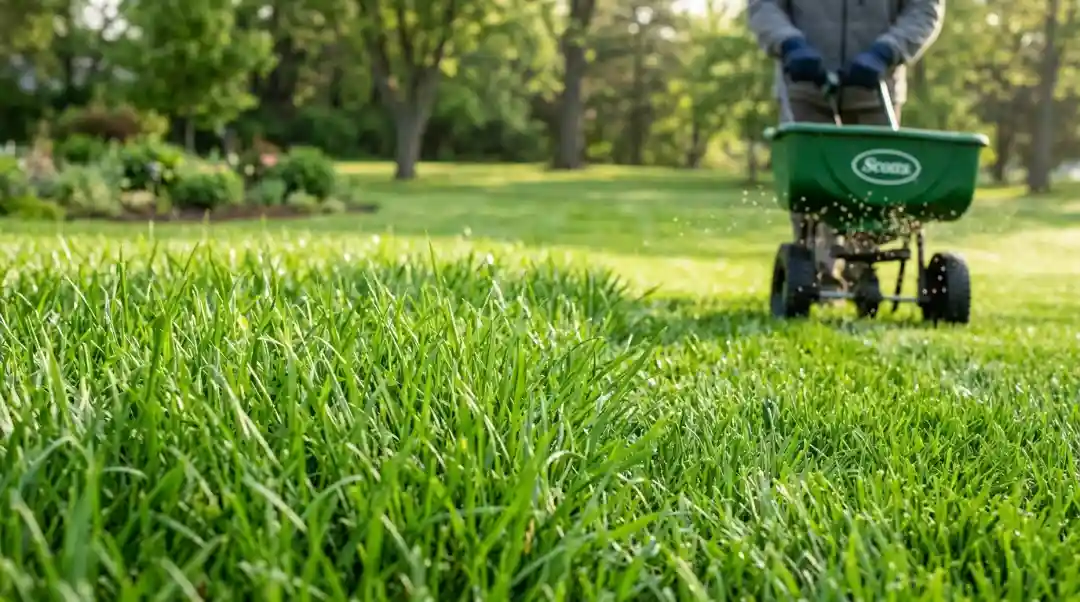
Week 6 onward: Apply your first round of fertilizer at this stage not before. New sod care tips consistently point to this timeline. Early fertilization can burn new roots. A starter fertilizer with a higher phosphorus ratio (the middle number on the bag) supports root growth specifically.
How to Speed Up Sod Rooting
If you want results on the faster end of the timeline, a few targeted steps help:
Use a lawn roller right after installation to press the sod firmly against the soil. Keep watering consistent inconsistency is the main reason rooting slows down. Choose a grass variety suited to your climate (an incompatible variety will always root slowly regardless of how well you care for it). Install during optimal soil temperature windows. And buy fresh sod from a supplier who harvests to order, not sod that’s been sitting on a pallet for days
Common Mistakes That Slow Sod Rooting
Foot traffic too early: The most common mistake. Walking on sod in the first two weeks physically disrupts the root-soil connection. Keep pets and people off the lawn for at least 14 days, and limit traffic until the tug test confirms solid establishment.
Overwatering: More isn’t always better. Saturated soil cuts off oxygen to the roots and creates fungal conditions beneath the sod. The goal is consistently moist — not wet or pooling.
Underwatering: The opposite problem, and just as damaging. Shallow roots dry out in hours during hot weather. Never let the soil surface go completely dry in the first two weeks.
Mowing too soon or too short: Cutting before the root system is established can pull sod loose. Cutting too short removes the leaf blade the plant uses to feed itself through photosynthesis.
Fertilizing too early: Applying fertilizer before 5–6 weeks post-installation can burn the young root system. Wait until the lawn is actively growing and established before feeding it.
Wrong sod for the climate: Warm-season grasses like Bermuda won’t root properly in cool, shaded yards. Matching sod variety to your specific climate and yard conditions is a prerequisite not optional.
Expert Hardscaping in Whittier Robert’s Complete Care
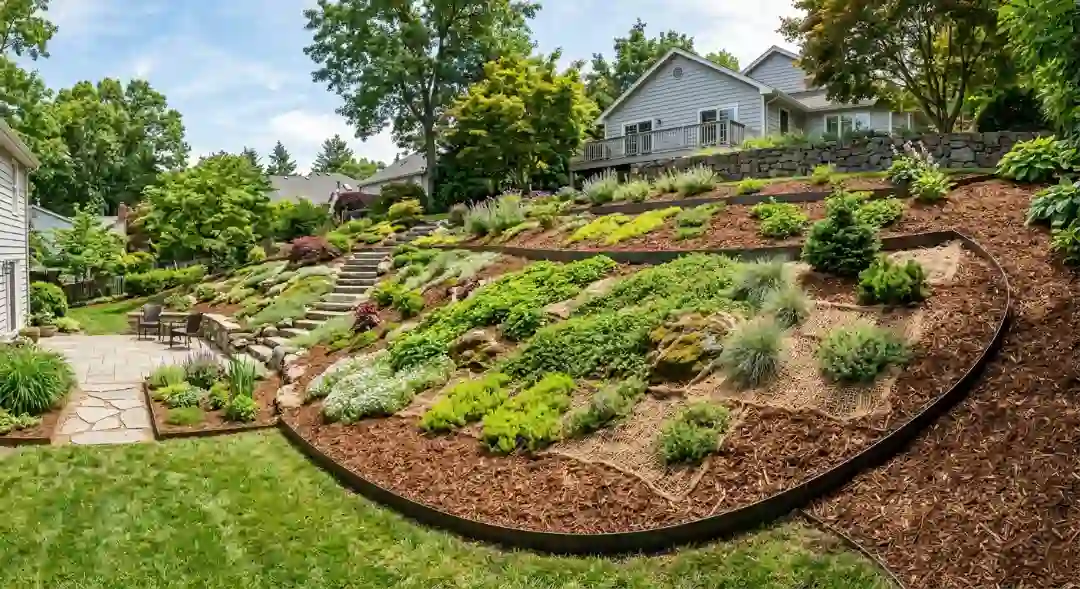
At Robert’s Complete Care, we handle sod installation as part of a broader approach to outdoor spaces done right. Based in Whittier, our team pairs professional sod laying with expert hardscaping services patios, walkways, retaining walls, and drainage solutions that work together with your lawn rather than against it.
Poor drainage under new sod is one of the top reasons lawns fail in the first few weeks. Our hardscaping installations are graded and designed to move water away from your lawn, giving your sod the best possible foundation from day one.
If you want a lawn that actually lasts and hardscaping that complements it reach out to our team for a consultation.
Final Thoughts
Getting your sod to root successfully comes down to patience and consistency. Water on schedule, stay off the lawn in those first critical weeks, and resist the urge to mow too early or fertilize too soon.
The sod establishment timeline isn’t complicated once you understand what’s happening underground. Shallow roots first, deep roots second, and a fully self-sustaining lawn by week 6 to 8. Follow the schedule, do the tug test, and your lawn will tell you exactly where it stands.
If you’re in the Whittier area and want professional sod installation or hardscaping that supports a healthier lawn long-term contact Robert’s Complete Care today. We’d be glad to walk you through your options.
Frequently Asked Questions
How do I know if my sod is rooted?
Use the tug test: gently lift one corner of a sod piece. If it resists and feels attached to the ground, rooting is underway. Healthy rooting sod also stays flat against the soil and maintains consistent green color without yellowing edges.
Can sod root in 1 week?
In very warm soil (above 75°F) with ideal watering, some warm-season grasses like Bermuda can begin forming shallow roots in 7 days. But one week is the absolute fastest end of the range. Most sod needs 10 to 14 days minimum for initial rooting.
What happens if sod doesn’t take root?
Sod that fails to root will lift at the edges, develop yellow or brown patches, and feel spongy or loose underfoot. This typically results from drought stress, poor soil contact, overwatering, or incompatible grass type. You may need to remove and relay the affected sections.
Is it normal for new sod to look dead after installation?
Some yellowing or pale color in the first 3 to 5 days is normal it’s called transplant shock. As long as the soil stays moist and the sod remains flat, the color usually recovers within a week. Persistent yellowing beyond day 7 is worth investigating.
How long should I stay off new sod?
A minimum of 14 days, and ideally until the tug test confirms solid rooting. Most lawn care professionals recommend limiting foot traffic entirely for the first two weeks, then allowing light, occasional use from week 3 onward.
Does sod need fertilizer right away?
No. Wait 5 to 6 weeks before applying fertilizer. Early fertilization can burn new roots. When you do fertilize, use a starter formula with higher phosphorus to support root development specifically.