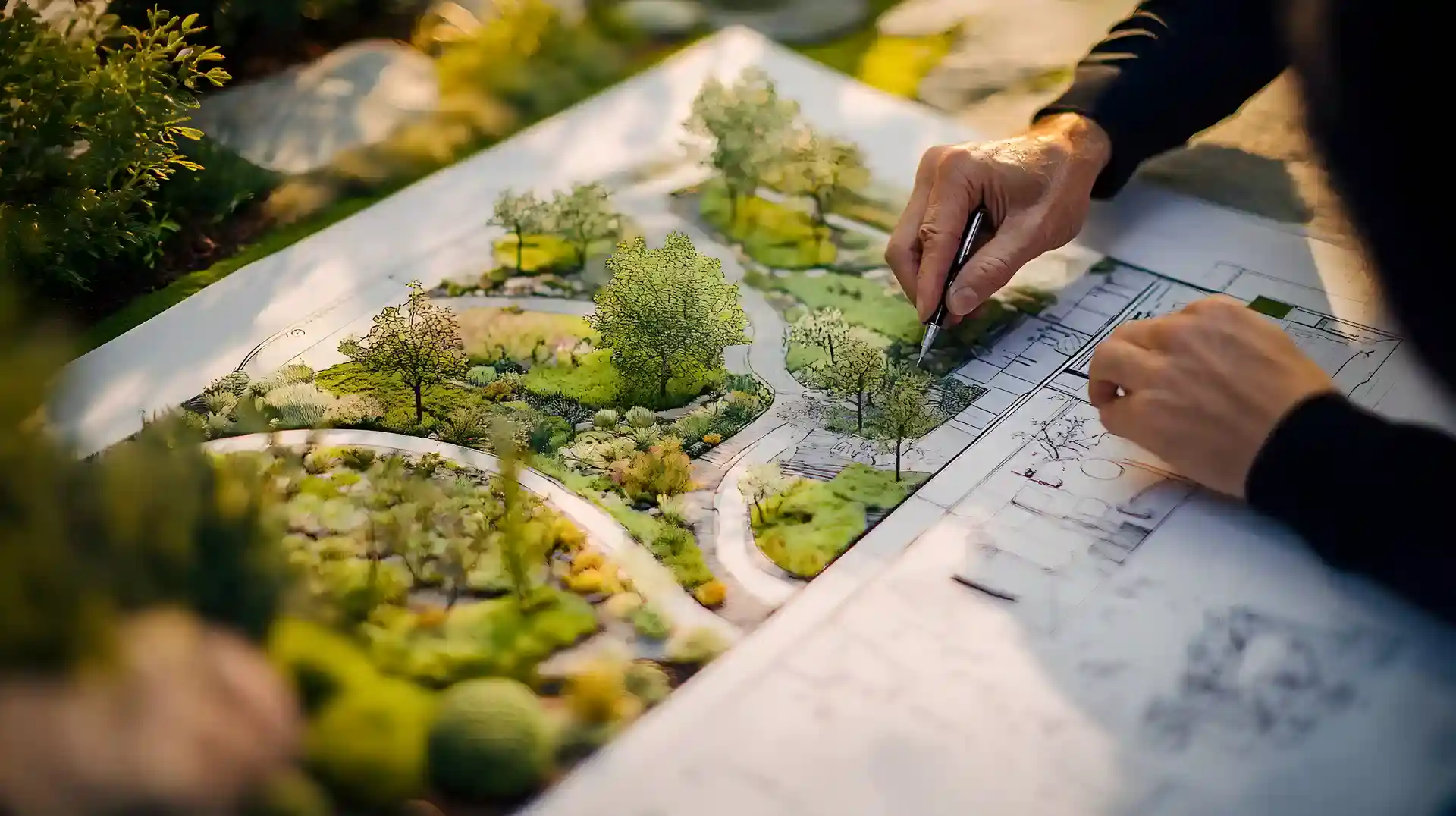
Most people who love the outdoors never realize they could turn that passion into a real career. If you’ve ever looked at a beautifully planned garden or a perfectly arranged outdoor space and thought, “I could do that,” you probably can. Knowing how to become a landscape designer is less complicated than it looks, and the path is more open than most careers in the built environment.
This article gives you a straight line from where you are now to a working career in landscape design. We’ll cover the skills you need, the training options available, how to get your first real projects, and what day-to-day work actually looks like. Whether you’re starting from scratch or already working in a related field, you’ll find a clear, honest picture of what the job requires.
What Is a Landscape Designer?
A landscape designer plans and creates outdoor spaces, including gardens, patios, pathways, and green areas for residential and commercial properties. They work with plants, terrain, and structures to make outdoor areas both functional and visually appealing. Unlike landscape architects, they typically don’t need a licensed degree, but they do need strong design knowledge.
Think of a landscape designer as the interior decorator of the outdoors. They read the land, understand the client’s lifestyle, and create a plan that makes the space work. Their work includes plant selection, soil analysis, irrigation planning, hardscape design, and project coordination
Learn Landscape Design Basics
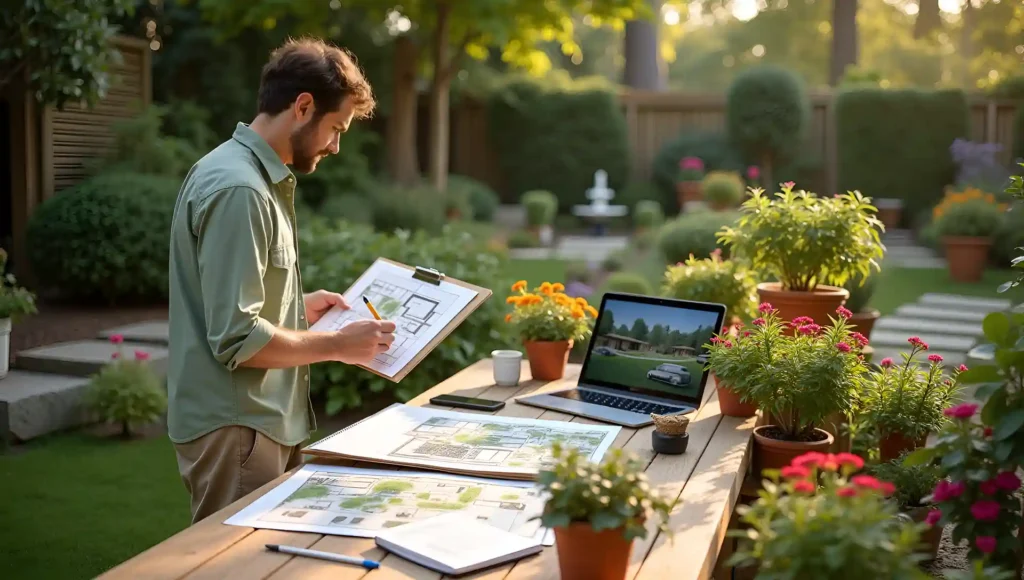
Before anything else, you need to understand what landscape design actually involves. It’s not just planting flowers or mowing grass. It’s about understanding space, drainage, soil types, plant biology, climate zones, and how people actually use outdoor spaces.
Core subjects you should get comfortable with:
- Horticulture: How plants grow, what they need, and how they behave in different climates
- Soil science: pH levels, drainage, compaction, and nutrient content
- Grading and drainage: How water moves across a property
- Design principles: Balance, proportion, unity, rhythm, and contrast applied to outdoor spaces
- Plant identification: Latin names, growth habits, seasonal changes, and maintenance needs
- Construction basics: Hardscaping elements like patios, retaining walls, and pathways
You don’t need to master all of this overnight. Start with plant identification and basic design principles. These two areas will carry you furthest in the early stages.
Landscape Design Steps You Should Know
Here’s a step-by-step look at what the actual design process looks like on a real project.
1. Site Analysis
Before drawing a single line, good designers walk the property. They note sun and shade patterns, existing plants, slope, drainage problems, and how the space connects to the home or building.
2. Client Consultation
You sit down with the client and ask questions. What do they want to use the space for? Do they have kids or pets? What’s their maintenance tolerance? What’s their budget?
3. Concept Plan
This is a rough sketch that shows general zones: entertaining areas, planting beds, lawn areas, walkways. It’s a framework, not a final plan.
4. Design Development
Here you get specific. Plant selections, materials, dimensions, and grades get worked out in detail. This is where software becomes helpful.
5. Construction Documents
For larger or more complex projects, you produce detailed drawings that contractors can build from. These include planting plans, grading plans, and detail drawings.
6. Project Oversight
Some designers stay involved during installation to make sure the work matches the plan. This is especially important for grading and structural elements.
Build a Portfolio
Your portfolio is your most powerful marketing tool. It’s how potential clients and employers decide whether to trust you before they ever meet you.
Start documenting every project you work on, even small ones. Include before-and-after photos, design sketches, plant lists, and a brief description of the challenge and your solution.
For digital portfolios, platforms like Squarespace, Adobe Portfolio, or even Instagram work well for visual work. What matters most is clarity and presentation quality.
If you’re just starting out, create three to five speculative projects. Design a real location you know well, even if you weren’t hired to do it. The work is real, even if the client relationship isn’t.
Link to an educational article like “What Are the Basic Elements of Landscape Design?” to prove that you know how to design. Only use it once.
Become a member of professional groups
Joining professional associations gives you access to continuing education, industry news, job boards, and a network of peers who’ve solved the same problems you’re facing.
Key organizations to consider:
- Association of Professional Landscape Designers (APLD): Focused specifically on landscape design (not architecture). Offers the Certified Professional Landscape Designer (CPLD) credential.
- American Society of Landscape Architects (ASLA): More relevant if you pursue a licensed landscape architect path. Strong network and advocacy presence.
- National Association of Landscape Professionals (NALP): Broad industry group covering maintenance, design, and installation businesses.
Membership fees vary, but student rates are often available and very affordable. The connections you make at regional chapter events can directly lead to job offers.
Landscape Architecture vs Landscape Design
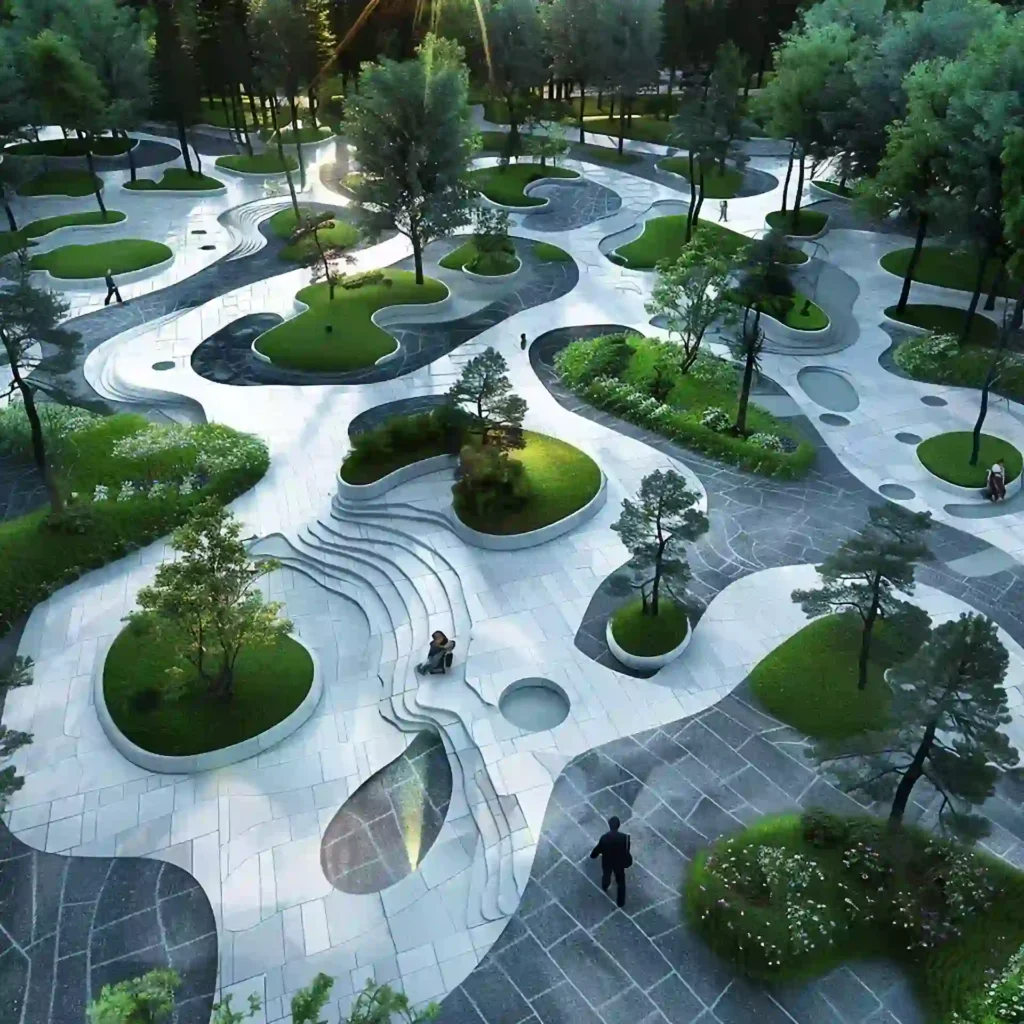
Landscape architecture requires a licensed, accredited degree (usually a 4-year Bachelor of Landscape Architecture or a Master’s), a state license, and the ability to legally stamp construction documents. Landscape design has no universal licensing requirement, giving it a lower barrier to entry, though it also comes with more limited legal scope on certain projects.
The practical difference: landscape architects can work on large-scale public projects like parks, highways, and urban planning. Landscape designers typically focus on residential and smaller commercial properties.
If your goal is to work on private gardens and residential properties, the landscape design path is faster and more direct. If you want to shape public spaces, landscape architecture is the route.
Learn More Through Training Programs
Formal education isn’t the only path, but it’s one of the fastest ways to build a solid foundation. There are flexible options for every schedule and budget.
Degree Programs: A two-year associate degree or four-year bachelor’s in landscape design, horticulture, or environmental design gives you structured training and industry connections.
Certificate Programs: Many community colleges and design schools offer certificate programs specifically in landscape design. These typically run 6 to 18 months and are much more affordable than a full degree.
Study Landscape Design Online: Online learning has made this field far more accessible. Platforms like Coursera, Udemy, and the Landscape Design Institute offer courses you can take at your own pace. Some programs even offer accredited certificates. If you want to study landscape design online, look for programs that include plant identification, CAD basics, and project-based assignments.
What You Can Learn in Design Courses
A good landscape design course covers more than just plants. Here’s what you should expect from a quality program:
- Residential design principles and space planning
- Plant selection by climate zone and function
- Grading and drainage basics
- Irrigation system design
- Hardscape materials (patios, walkways, retaining walls)
- Client communication and project management
- Software tools like AutoCAD, SketchUp, or Vectorworks
- Sustainable design practices and low-water landscaping
When comparing programs, look for ones that include real project work, not just lectures. The best courses put you in front of actual design problems.
How to Start Right Now
You don’t need to wait until you finish a degree program to start learning and building credibility. Here’s what you can do this week:
- Take a plant identification course: Many botanical gardens offer free or low-cost workshops.
- Redesign your own yard or a neighbor’s: Sketch it by hand. Take measurements. Make real plant selections. This is your first portfolio piece.
- Study local plant palettes: Walk your neighborhood and identify plants. Learn what thrives locally.
- Download free CAD tools: AutoCAD offers a free student version. Start learning basic drawing tools now.
- Follow professional designers online: Instagram and YouTube have working landscape designers sharing real project documentation. Study their process.
- Read design books: “Planting Design” by Piet Oudolf and Noel Kingsbury is a strong starting point for design thinking.
Job Description for a Landscape Designer
Day-to-day work varies a lot depending on whether you work for a firm, a nursery, or independently. Here’s an honest picture of what the job involves:
Typical responsibilities:
- Meet with clients to assess sites and understand project goals
- Produce design drawings, planting plans, and material specifications
- Source plants, materials, and subcontractors
- Manage project timelines and client expectations
- Oversee installation and adjust plans when field conditions require it
- Maintain client relationships for follow-up work and referrals
Tools you’ll use regularly:
- CAD software (AutoCAD, Vectorworks)
- Adobe Illustrator or Photoshop for presentation boards
- Google Earth and satellite mapping tools
- Smartphone camera (constantly)
- Plant databases like the Missouri Botanical Garden’s PlantFinder
The job is physically active. You spend real time outdoors measuring sites, visiting nurseries, and walking job sites. If you enjoy being outside, this is a genuine advantage of the career.
Different kinds of jobs for landscape designers
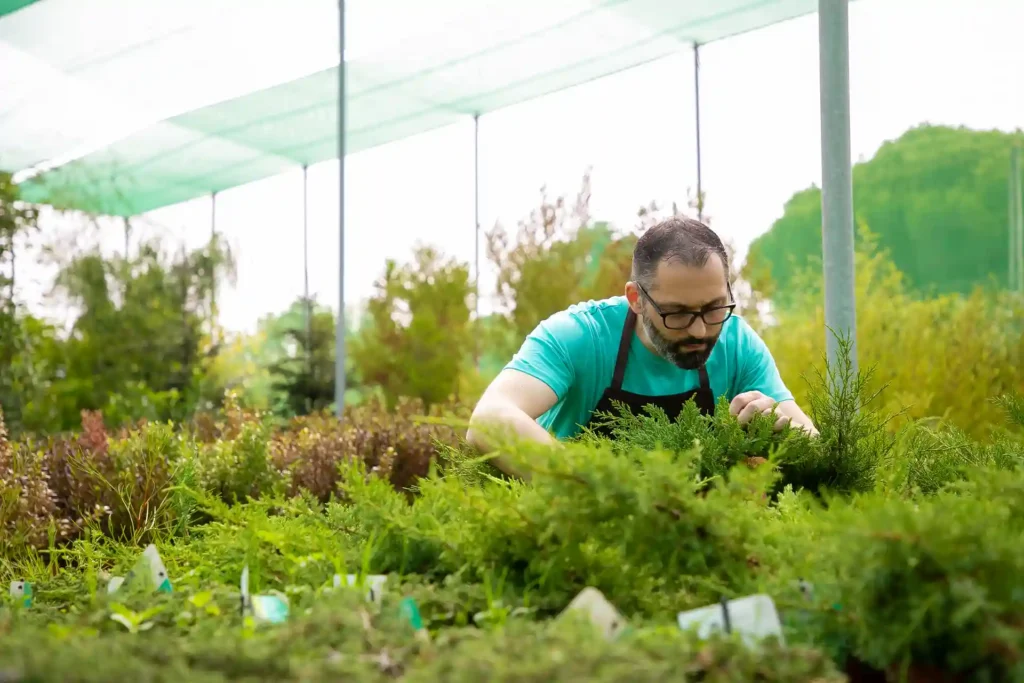
There are a lot of different ways you can go in this field. Each job gives you a distinct approach to work and improve.
Designer of residential landscapes
Residential designers help homeowners with their yards, front entrances, and outdoor living spaces. This is one of the most common jobs in landscape design.
Designer of Gardens
Garden designers work on how to arrange plants, flower beds, and colors that change with the seasons. People who like picking out plants and making comprehensive planting plans will do well in this job.
Consultant for Landscape Design
Design consultants give assistance on planning and design ideas, but they don’t oversee installation. This job is good for designers who have been working for a while.
Member of the Design-Build Team
Design-build designers work with crews that put things together. They assist make blueprints into finished outdoor spaces and change designs on the spot when necessary.
A landscape designer who works for themselves
Freelance designers are their own bosses. They make their own schedules, manage clients, and make designs.
Some designers work in their own area, like Landscape Design Whittier, which helps residents in the area. Some people work from home and assist clients in different places with planning and design.
Why Choose Us
New designers learn faster when they work with a team that has been around for a while.
At Robert’s Complete Care, design is based on real needs and tried-and-true approaches. Projects follow clear plans and good counsel.
Designers learn how to find a balance between beauty, utility, and long-term care. This method makes clients trust you and leads to more work.
Do the First Thing Today
A lot of folks put off starting for too long. It’s easy to see the truth.
If you like planning things outside, start now. Action helps you learn more. Practice makes you better at something.
How to become a landscape designer is not a mystery. Get the basics down. Do it a lot. Make proof of your work. Keep being curious.
Every little step counts.
Conclusion
To become a landscape designer, you need to plan, practise, and get the correct help. You don’t have to hurry or feel like you have too much to do. Get a good portfolio, learn the principles, follow clear methods for designing landscapes, and get some hands-on experience. These things really make things better.
If you really want to know how to become a landscape designer, talking to specialists can help you avoid making mistakes and saving time. We help both homeowners and prospective designers at Robert’s Complete Care by sharing what we know from experience and tried-and-true approaches.
contact us today to find out more about careers in landscape design, training options, or expert advice. Taking the first step today brings you closer to a job that will help you grow.
FAQs
Do I need to have a degree to work as a landscape designer?
No. A degree can assist, but a lot of designers get by with just a certificate and some experience.
How long does it take to learn how to design landscapes?
It can take six to twelve months to learn the basics. It takes years of practice to become a master.
Is it possible to learn how to design landscapes online?
Yes. A lot of online landscape design schools provide good training programs.
Is it a good idea to work in landscape design?
Yes. Demand continues steady, especially for home building projects.
What programs should I learn?
Begin with simple drawing tools. You can get more advanced software later.