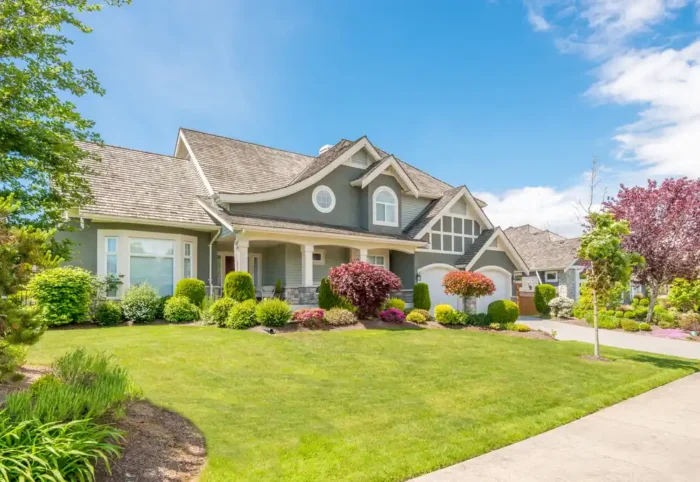
When you’re getting ready to sell, investing in your yard can feel like a shot in the dark. You want your property to be unique, but need to make sure every dollar invested has a clear financial return. Most property owners agree that a tidy yard brings in purchasers, but how much that pays off in dollars remains a question. Looking at the real market data can answer that question. I will teach you the upgrades appraisers value the most, so you can make informed judgments. In this tutorial I examine the true returns on structural hardscaping, grass maintenance and wise plant selection and highlight the pitfalls that waste your money.
Does Landscaping Increase Home Value A Proven Yes and a Well-Planned Yard Can Return Up to Double Its Cost at Sale. Quality yard care adds 10% to 12% to the value of a property, data reveals. Simple lawn health and planned paths are key for the fastest closure rewards.
The Importance of Landscaping in Property Value
Landscaping has a big influence on how a home looks from the outside and how people feel about it, even before they come inside. Real estate agents say buyers make a snap judgment within seconds — and curb appeal plays a big part in that.
Why Landscaping Matters in Today’s Housing Market
Outdoor living spaces are more important than ever to today’s homebuyers. Many want calming spaces to enjoy family activities, a room to garden, or a yard that is clean and easy to maintain. A tidy, attractive yard indicates that the homeowner rays care and concern for the entire property.
A home that has living plants, pruned shrubs, and a cared-for yard appears more inviting and raises buyer confidence. It also contributes to the first visual impression, which can lead potential buyers to go inside the home, and that’s a huge plus in a crowded housing market.
How Landscaping Increases Home Value
Landscaping increases home value mainly through buyer perception, functional outdoor space, and improved curb appeal. Well-designed yards make homes appear more maintained, which can influence offers and reduce time on market. In many cases, landscaping improvements can contribute to a 5%–15% value increase depending on quality and location.
The value increase doesn’t come from plants alone. It comes from how the space feels.
There are three main drivers:
1. First Impression Effect
Buyers form opinions in seconds. A trimmed lawn, clean edges, and healthy plants create trust instantly.
2. Functional Outdoor Space
Patios, decks, and seating areas extend usable living space. Buyers see that as added square footage for lifestyle use.
3. Maintenance Signal
A cared-for yard suggests the entire home is cared for. That perception often influences pricing decisions.
Understanding the Return on Investment for Landscaping
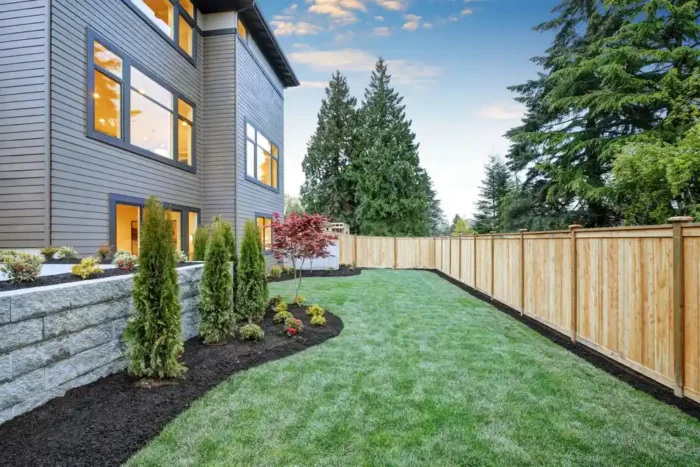
Every financial decision during a home sale must focus on your net returns. Spending money on items that fail to pay you back reduces your hard-earned equity. Let’s look closely at the verified numbers from national housing studies.
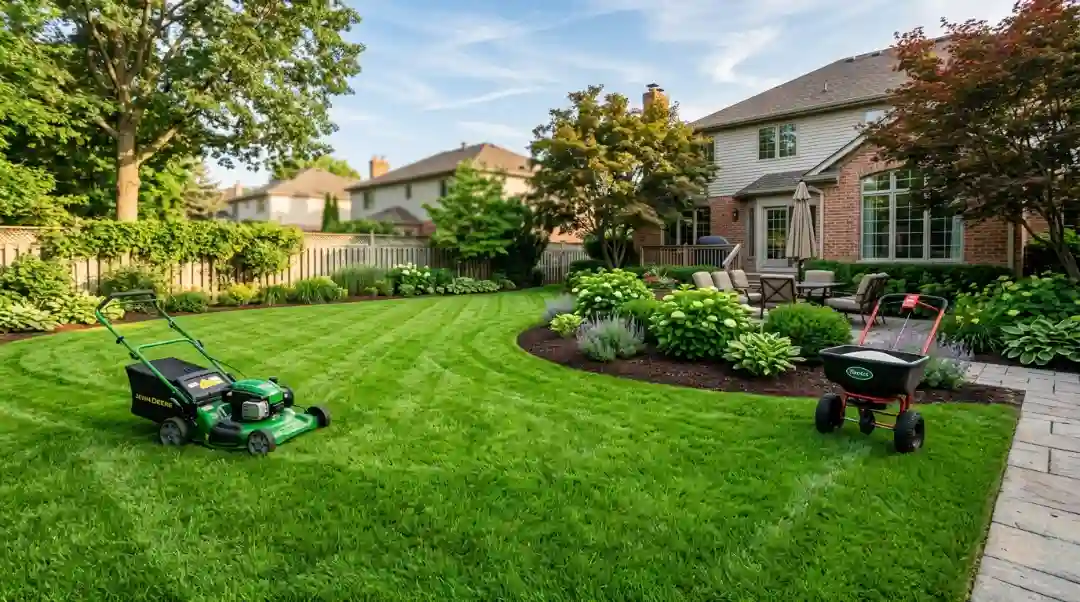
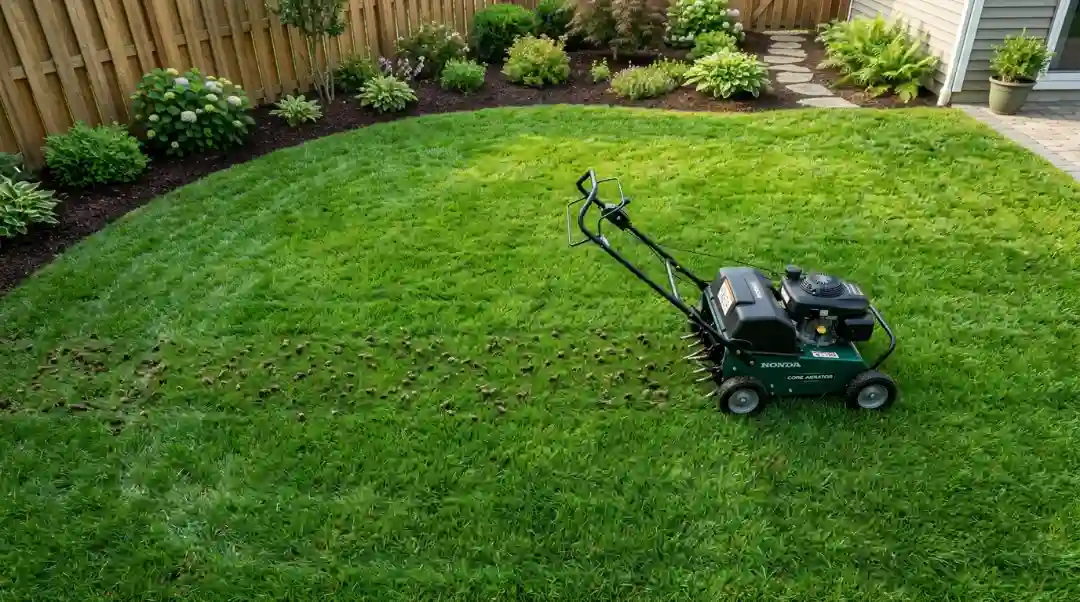
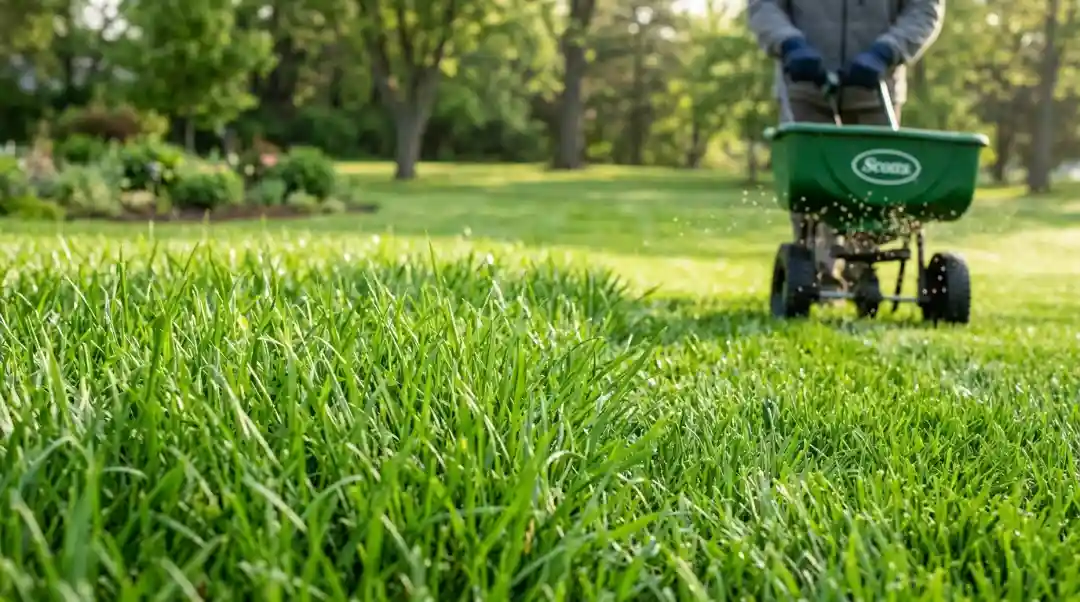
The latest industry data confirms that basic grass maintenance yields the highest percentage return. Spending a few hundred dollars on fertilizer and weed treatment can return more than double that cost at closing. This makes basic maintenance the ultimate baseline task for any seller.
Larger structural additions cost more upfront but hold steady value. Patios, decks, and proper drainage systems recover the vast majority of their build costs while making your home much easier to sell in competitive markets.
| Project Type | Average Cost Range | Expected Valuation Return |
| Turf Care & Fertilization | $150 – $500 | 217% |
| Comprehensive Yard Upkeep | $500 – $2,000 | 104% |
| Interlocking Paver Patio | $3,000 – $9,000 | 95% |
| Low-Voltage Walkway Lights | $1,500 – $4,000 | 59% |
Why Landscaping ROI Is Often Higher Than Interior Projects
Home renovations — new kitchens or bathrooms, for instance — are costly and may not jibe with a buyer’s taste. Landscaping, though, is nearly universal. There’s no risk that a beautiful yard will clash with interior preferences, and a well-kept yard elevates the entire home. With Robert’s Complete Care, professional Whittier landscape services ensure your yard adds maximum value and appeal to your home.
What Upgrades Actually Hurt Your Home Value?
Many property owners waste thousands on highly custom outdoor features that fail to build equity. Buyers do not want to inherit complex, high-maintenance systems that require constant weekend work. Let’s look at the features you should avoid before listing your home.
High-Maintenance Water Features
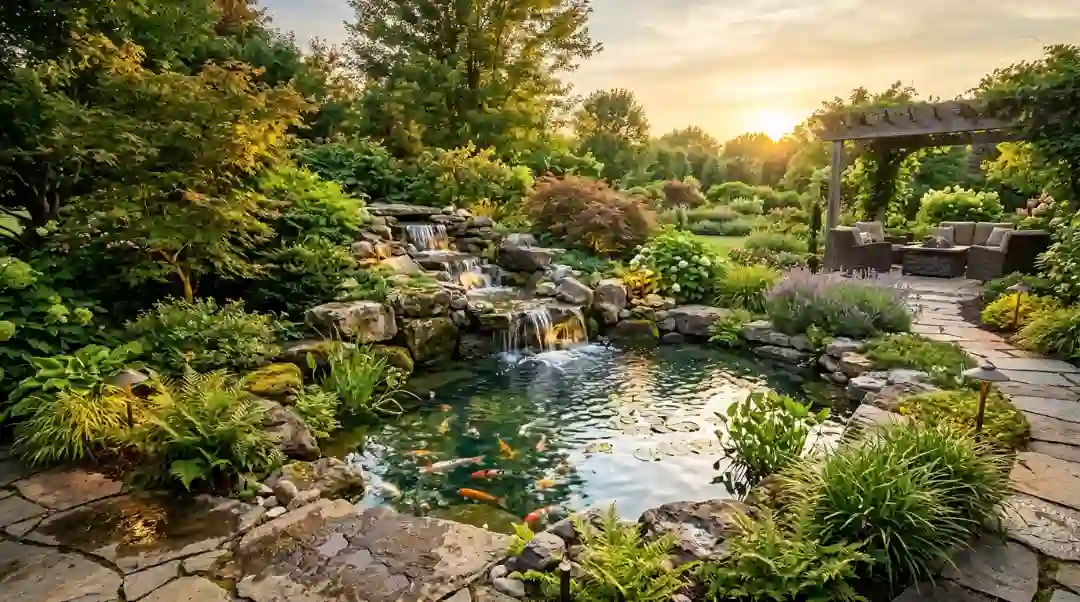
Custom koi ponds and large waterfalls cost a fortune to install but often lower your property worth. Buyers see these features as safety hazards for children and breeding grounds for mosquitoes. They worry about continuous pump repair costs and water bills.
If you already have a water feature, ensure it runs flawlessly and looks spotless. If you’re thinking about adding one to help sell your home, stop immediately. Spend that budget on a clean walkway or fresh turf instead.
Extreme Over-Personalization
Building highly specific theme spaces like zen rock gardens or elaborate putting greens limits your buyer pool. You want your yard to be a blank canvas where anyone can imagine their family thriving. Keep your designs clean, open, and universally appealing.
Avoid heavy installations of artificial turf unless it is standard for your specific neighborhood. High-quality synthetic grass has its place, but cheap varieties trap heat, look fake up close, and turn off eco-conscious buyers. Stick to natural, sustainable solutions whenever possible.
Exterior Improvements That Add Value
When considering improvements, it’s helpful to know which among the exterior improvements that add value are the best bang for your buck. Not every landscaping job gives the same return, so the right project can really make a difference.
Planting Trees and Shrubs
Trees add instant charm and long-term value. Buyers like mature trees because these trees take a long time to grow. Shrubs and small plants can organize the space, making it look put together.
Fresh Sod or Lawn Improvements
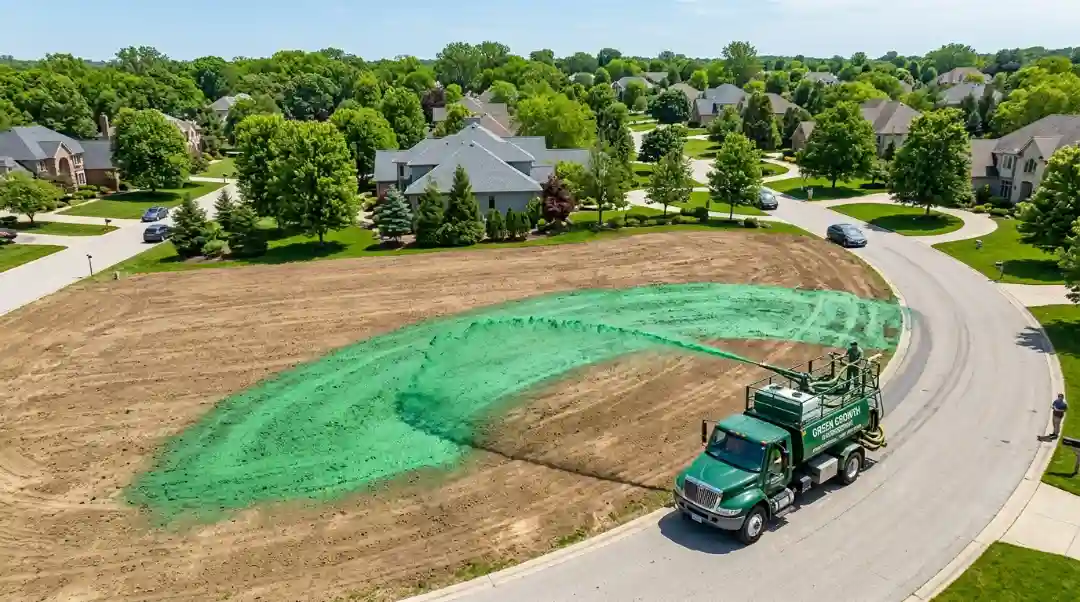
A good lawn gives a clean, well-tended feeling. Reseeding bare spots, edging, or laying down sod can make all the difference in a yard’s look.
Adding Pathways or Hardscaping
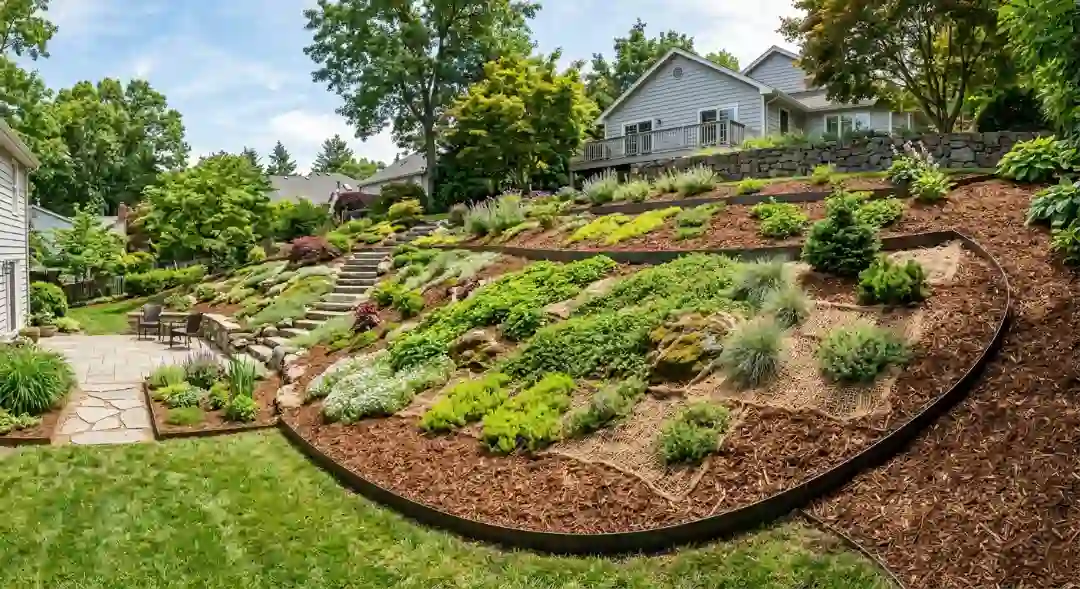
Walking paths made of stone or brick, small retaining walls, and borders of flower beds give the yard a neat appearance. They also lead guests on a natural path through the space, making the space feel inviting.
Outdoor Seating Areas
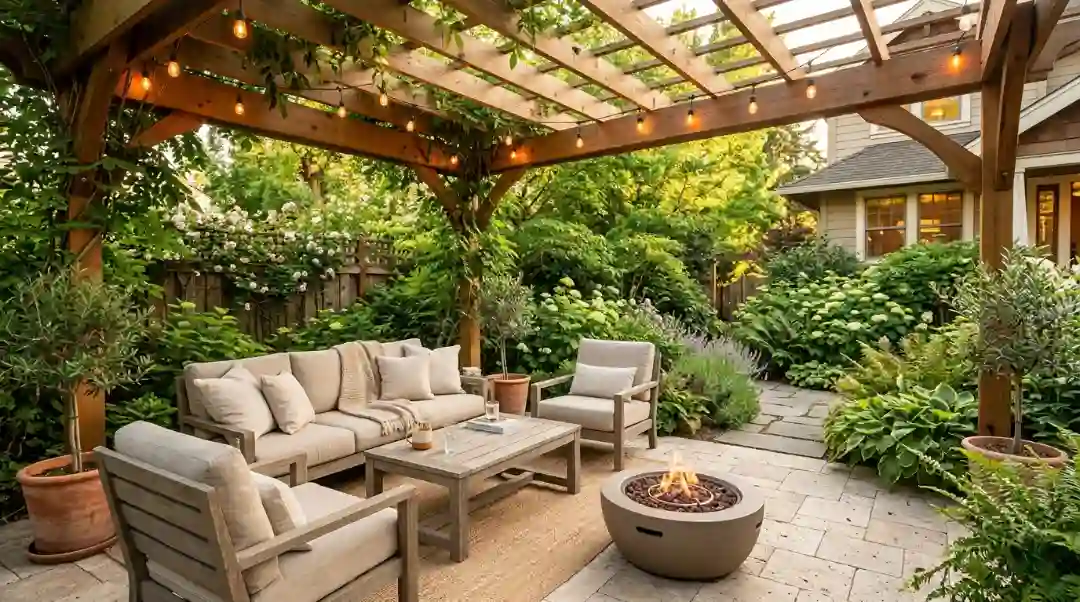
A comfortable patio, or even a modest seating area, invites individuals to picture themselves outdoors unwinding. That breeds emotional appeal, which is incredibly important when showing your home.
You may read What Is a Landscape Installation?
Long-Term Capital Maintenance vs. Short-Term Refreshes
Understanding how to time your yard expenses depends on your selling timeline. If you plan to move within months, focus entirely on fast cosmetic fixes. If you plan to stay for years, focus on structural assets.
Short-term refreshes are all about immediate visual impact. Apply clean mulch to cover bare soil, trim back low hanging branches, and edge your beds mechanically. These minor changes require minimal cash but completely alter how your property feels.
Long-term plans involve managing soil health and tree structures. Regular pruning prevents storm damage and keeps your tree canopy safe. Healthy soil grows resilient plants that require fewer expensive chemical interventions over time.
Planning Landscaping for Maximum Home Value
To get the top home value boost with landscaping, you need to plan your enhancements wisely, rather than rushing into costly or unneeded projects.
Start With the Front Yard
The homeowners’ front yard is what prospective buyers see first, so it should always be neat and welcoming. These easy updates can work their magic on your space in no time.
Choose Plants Smartly
Choose low-maintenance plants that are well adapted to your climate. But native plants are usually the best choice because they take less water and require less care.
Add Layers to the Landscape
Plants of varying heights can be layered, which adds depth and makes your yard look full and well-designed. It also helps frame the home, making it look bigger and more inviting.
Don’t Overdo Large Features
Outdoor kitchens, fire pits, or massive patios are nice, but may not captivate all buyers. When you are upgrading for resale, go for the improvements that suit most lifestyles.
When to Hire a Professional Landscaper
Small tasks like spreading mulch or mowing grass are perfect weekend DIY jobs. However, large structural changes require commercial expertise to ensure lasting quality. Mistakenly grading a yard can cause water to flow back toward your foundation.
Professionals have commercial machinery that packs bases tightly for stone pavers and retaining walls. They understand local soil composition and know exactly which plants thrive in specific micro-climates. This prevents you from spending money on plants that wither within a single season.
Working with an established team ensures your projects meet local building codes. It gives you access to premium wholesale materials that are not available at local retail hardware stores. This commercial grade quality is exactly what home appraisers look for during inspections.
Conclusion
So, does landscaping increase home value? Absolutely. With the right approach, Whittier landscape services can boost curb appeal, attract more buyers, and enhance both the look and function of your home. Even modest exterior upgrades can deliver impressive returns and lasting enjoyment. Whether you’re selling soon or simply want a more inviting yard, landscaping is a smart investment. Trust Robert’s Complete Care to transform your outdoor space—contact us today and elevate your home’s value!
FAQs
How much does landscaping add value to a home?
The value added to your home by landscaping improvements ranges from 5% up to as high as 20% depending on the level of improvements. Even modest upgrades can have a big effect on buyer interest.
What landscaping has the best ROI?
Simple things like new plants, a green, healthy lawn, mulch, and some lighting usually get a good return for your landscaping investment. They are inexpensive, yet make a huge difference in curb appeal.
Is curb appeal as influential on home value as realtors say?
Yes. Buyers are more confident in the whole property when that first impression is strong. Houses with neat, welcoming lawns tend to sell more quickly — and for more money.
Can landscaping contribute even if I’m not planning on selling soon?
Yes indeed. Landscaping allows you to get the most enjoyment out of your yard, contributes to environmental wellness, and can save on repair and maintenance down the line. It is an investment that both present and prospective homeowners can benefit from.