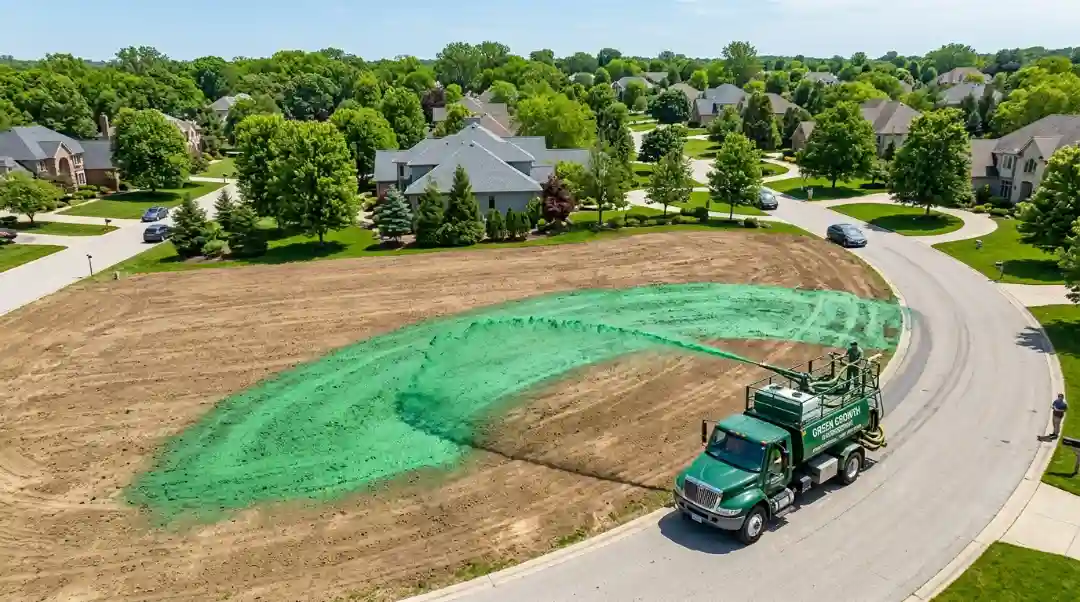
Most homeowners picture a finished yard and assume getting there is simple. Plant some grass, add a few shrubs, and call it done. But if you’ve ever gotten a quote and felt confused by what’s actually included, you’re not alone.
What is a landscape installation, really? It’s the full process of building your outdoor space from the ground up covering everything from grading the soil to laying patios, planting trees, installing irrigation, and adding lighting. This guide walks you through every part of that process so you know exactly what to expect before a single shovel hits the dirt.
Why Landscape Installation Is Important
A well-installed landscape does more than look good. It adds measurable value to your property.
Beyond curb appeal, proper landscaping installation controls erosion, manages stormwater runoff, reduces heat around the home, and even cuts energy costs. Trees placed on the west and south sides of a house can lower cooling costs by up to 25%, according to the U.S. Department of Energy.
It also gives you usable space. A yard without structure is just grass. A yard with defined zones for seating, planting, and movement becomes an extension of your home.
What Is a Landscape Installation? A Closer Look
What Is A Landscape Installation? A landscape installation is the intentional assembly of an outdoor setting that incorporates both hardscape and softscape elements. It’s more than just simple grass care or seasonal planting. It’s a system that’s planned, constructed and installed, an organized build-out of the exterior of your property.
It’s like a home makeover, but for the exterior. You wouldn’t just throw new cabinets in a kitchen without testing plumbing first. Same goes with landscape installation . “We plan everything from drainage to soil quality to plant placement before anything goes into the ground.
And it’s crucial to know what it isn’t as well. To install a landscape is not the same as maintaining a landscape. Maintaining an existing outdoor space is ongoing. Installation is the creation of that area to begin with.”
Landscape Installation vs. Landscape Maintenance
This is one of the most common points of confusion for homeowners, so it’s worth being direct about it.
Landscape installation is a one-time construction project. Landscape maintenance is the ongoing service that keeps that project looking good after it’s done. The two are related, but they’re not the same thing and confusing them can lead to serious budget surprises.
When you hire a landscape installation company, you’re paying for design, labor, materials, and construction. When you hire a maintenance crew, you’re paying for mowing, trimming, irrigation checks, and seasonal cleanups.
A good contractor will walk you through both what it costs to build your landscape and what it costs to maintain it afterward.
Landscape Design vs. Landscape Installation
Is design and install two independent services? Yes, design and installation are two completely independent stages in property development. The design step generates the visual blueprint and spatial layouts on paper or digital software. In the construction phase, the detailed design is implemented by excavating earth, erecting buildings and installing physical plant.
Think of the design as a road map to your yard. You can’t create a stable retaining wall without detailed blueprints. The design step saves you from costly mistakes before the heavy equipment arrives at your house.
In the installation phase, that flat blueprint becomes reality. Our technicians take those lines on paper and turn them into stone walkways and lush plants. For a very effective project, both phases need to be working together.
Steps Involved in a Landscape Installation
The professional landscape installation process follows a clear sequence. Skipping steps is where most DIY projects fall apart.
Step 1: Site Consultation and Assessment
A contractor visits your property to assess the terrain, soil conditions, sun exposure, drainage patterns, and existing structures. This step is non-negotiable for accurate planning.
Step 2: Design Planning
A detailed plan gets created. This includes plant selection, hardscape layout, irrigation routing, drainage solutions, and lighting placement. Everything is mapped before anything is ordered.
Step 3: Site Preparation and Grading
This is where the real work starts. The crew clears vegetation, grades the soil for proper drainage, and prepares the base for any hardscape elements. Poor grading is one of the top reasons landscapes fail early.
Step 4: Hardscape Installation
Patios, walkways, retaining walls, pergolas, and other non-living structures go in first. Getting the hardscape right before planting protects your softscape investment.
Step 5: Irrigation and Drainage Systems
Irrigation lines, drip systems, and drainage solutions are integrated at this stage. Installing these systems after planting is expensive and disruptive, which is why they go in during construction.
Step 6: Soil Amendment and Preparation
Soil testing happens here. Based on the results, topsoil, compost, or fertilizer gets added to create the right growing environment for your selected plants.
Step 7: Softscape Installation
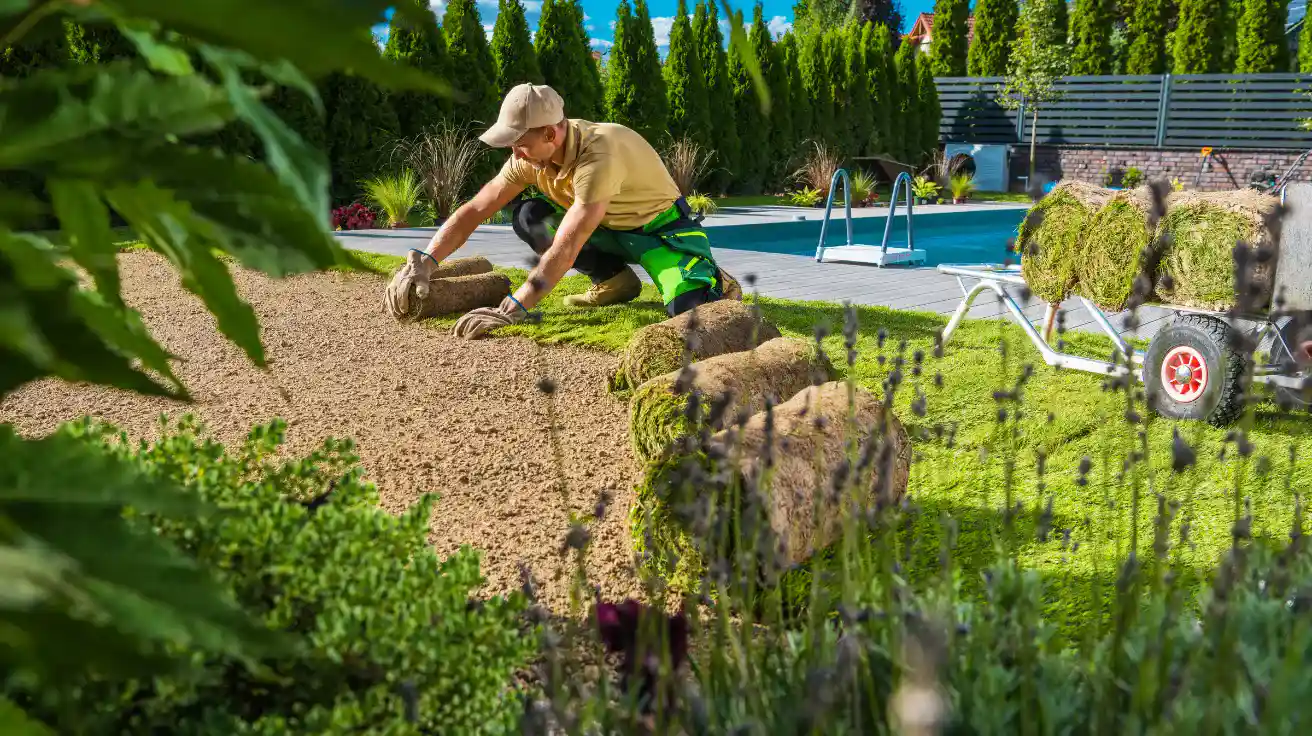
Trees, shrubs, ground cover, sod, flowers, and specialty plants are installed according to the design plan. Proper spacing and depth matter enormously here for long-term plant health.
Step 8: Mulching and Finishing Touches
Mulch goes in around plants to hold moisture and regulate soil temperature. Outdoor lighting gets installed. Final cleanup and inspection close out the project.
Main Elements of a Landscape Installation
Every property project relies on two main categories of materials. We balance these elements to build a beautiful, long-lasting space.
Hardscaping Features
Hardscaping refers to the non-living, structural pieces of your yard. These elements shape the flow of movement across your property. They provide the strength and backbone for the rest of the scenery.
- Retaining wall construction: Holds back soil slopes and creates flat, usable tiers.
- Permeable pavers: Build stable driveways and walkways that let stormwater drain naturally.
- Outdoor seating areas: Create functional flat spaces for patios, fire pits, and stone benches.
Softscaping Features
Softscaping involves all the living, organic elements in the design plan. These pieces bring color, texture, and natural life to the hard stone structures. They change and grow healthier over the years with proper care.
- Native plants: Varieties that grow naturally in your local climate without constant chemical help.
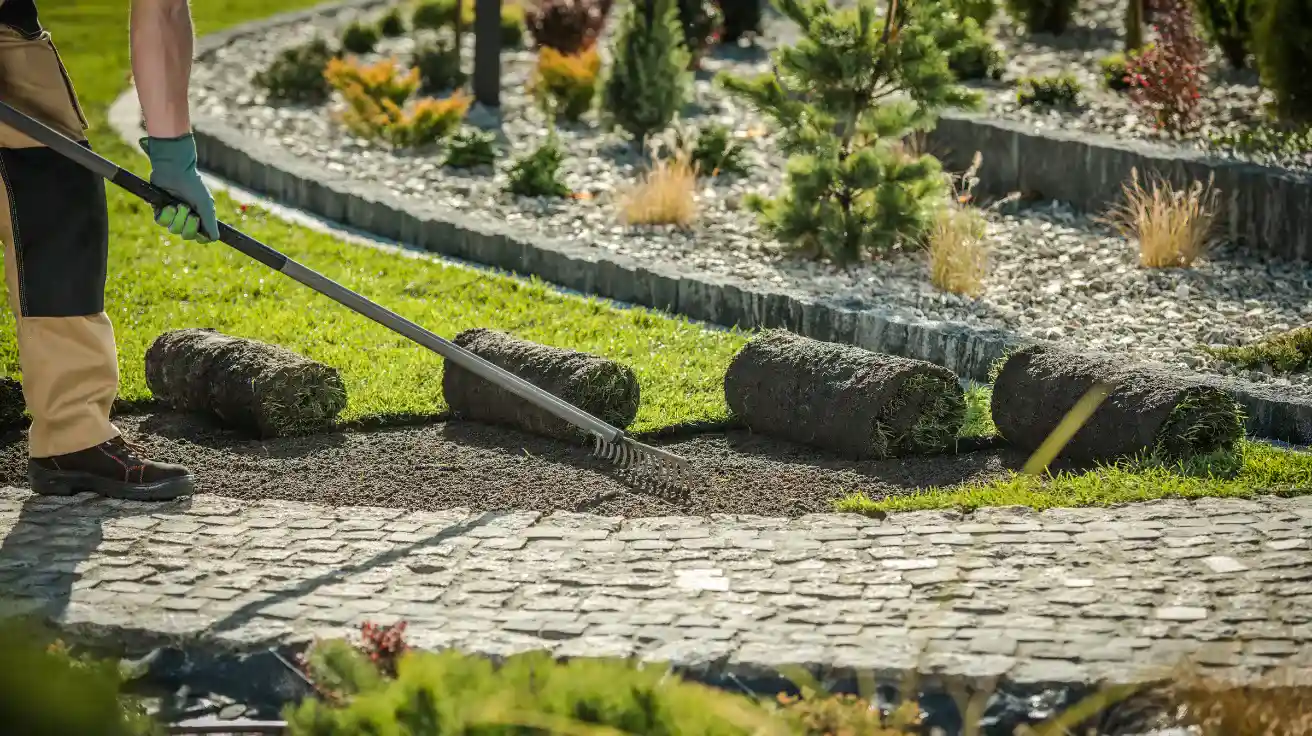
- New sod installation: Laying fresh, healthy turf sheets for an instant green lawn.
- Drought-resistant shrubs: Plants that thrive with very little water to lower utility bills.
Residential vs. Commercial Landscape Installation
Residential and commercial landscape installation share the same core process, but they differ in scale, complexity, and design priorities.
Residential landscape installation focuses on curb appeal, outdoor living, privacy, and personal enjoyment. Commercial landscape installation prioritizes durability, accessibility, code compliance, and the impression the property makes on clients and customers.
For a homeowner in Whittier, the goal is usually a front yard that stands out in the neighborhood and a backyard that works for family use. For a commercial property, the goal is more about longevity, low-maintenance materials, and making the right first impression.
Robert’s Complete Care works with both, but the majority of our residential landscape installation projects in Whittier and the surrounding areas share one thing in common: homeowners want something that looks great and doesn’t demand constant upkeep.
Modern Trends in Landscape Installation
Modern property owners want beautiful spaces that don’t waste natural resources. The industry is moving away from high-maintenance layouts that require constant chemical sprays.
Sustainable Water Management
Smart irrigation systems use advanced weather sensors to stop water waste. These controllers check local forecasts before turning on any sprinklers. This saves property owners up to 30% on monthly utility costs.
Rainwater harvesting systems collect roof runoff in underground storage tanks. This water keeps your flower beds alive during dry summer spells. It keeps moisture on your property instead of letting it flood city storm drains.
Xeriscaping and Native Growth
Xeriscaping utilizes drought-resistant plants to eliminate the need for heavy watering. We select local species that have evolved to survive in your exact climate. These choices survive local pests much better than exotic imports.
Landscape Installation Cost Guide
Cost is usually the first question and the hardest one to answer without seeing the property.
Residential landscape installation in Southern California typically ranges from $5,000 to $50,000+ depending on the size of the project, the materials chosen, and the complexity of the design. A basic front yard refresh costs far less than a full backyard build with hardscape, irrigation, and planting.
Here are the main factors that move the price:
- Property size: More square footage means more materials and more labor.
- Grading requirements: Sloped or uneven terrain takes more work to prepare.
- Hardscape vs. softscape ratio: Patios and retaining walls cost more than planting.
- Plant selection: Native and drought-tolerant plants are often less expensive long-term than exotic species.
- Irrigation complexity: A drip system for a small bed costs far less than a full zone-based sprinkler system.
- Existing site conditions: Poor soil, old concrete removal, or drainage issues add to the budget.
Always get a detailed, itemized quote. A legitimate contractor breaks down labor, materials, and any subcontractor costs separately.
How Long Does a Landscape Installation Take?
Timeline is the second most common question after cost.
A straightforward residential landscape installation typically takes anywhere from one week to four weeks, depending on project scope. Small front yard projects can finish in two to three days. Large backyard builds with extensive hardscaping and irrigation can run three to six weeks.
Factors that affect timeline include weather delays, permit processing time, material lead times, and the size of the crew assigned. A reputable contractor gives you a realistic schedule upfront and communicates any changes before they happen.
What to Expect on Installation Day
First-day jitters are normal. Here’s what actually happens.
The crew arrives early and sets up. They protect existing structures, lay out materials, and typically begin with site preparation or hardscape work. You won’t need to be home all day, but being available for questions during the first few hours helps.
Expect noise, machinery, and some temporary disruption to your yard access. A professional crew cleans up the work area at the end of each day.
When to Hire a Professional Landscaper
Some projects are manageable as DIY. A landscape installation, generally, is not one of them.
Hire a professional landscape installation company when your project involves grading, drainage, irrigation, retaining walls, or any work requiring permits. DIY landscaping works for small planting projects and basic lawn care. Anything structural needs a trained crew.
Mistakes in grading cause flooding. Bad drainage destroys foundations. Improperly installed retaining walls collapse. These are not cosmetic problems they’re expensive structural repairs.
A certified professional also knows local building codes, HOA requirements, and California water regulations that an unlicensed crew may overlook entirely.
Need Landscape Installation Whittier California? We Can Help
If you’re searching for landscaping installation Whittier, Robert’s Complete Care is your trusted local expert. We bring over 20 years of experience to every project. Our team designs, installs, and maintains landscapes that thrive in Whittier’s unique climate.
From planting and irrigation to landscape lighting installation, we handle everything with care and precision. Contact us today to schedule a free consultation and bring your outdoor vision to life.
Conclusion
Landscape installation turns creative design ideas into a real, livable outdoor space. It’s more than just planting it’s about building structure, improving soil health, and ensuring everything works together beautifully.
If you’re planning to upgrade your property, trust to handle every stage, from design to completion. With expert craftsmanship, reliable service, and a focus on sustainability, we’ll create an outdoor space that enhances your home’s value and everyday life.
FAQs
What is the difference between landscaping and landscape installation?
Landscaping is the broad term for all outdoor improvement activities. Landscape installation refers specifically to the hands-on process of building and executing a landscape plan, including planting, hardscape construction, irrigation, edging, and lighting.
How long does a landscape installation take?
A small residential project can take two to five days. A full property transformation can run two to six weeks depending on scope, weather, and material availability.
Can I install landscape edging myself?
Yes, for basic edging along small beds, DIY is manageable. For long runs, curved designs, or professional-grade materials, hiring a landscaper gives cleaner results and saves time.
What is low voltage landscape lighting and is it worth it?
Low voltage landscape lights run on 12 volts instead of the standard 120 volts used in household wiring. They’re safer to install, cheaper to run, and easy to expand. For most homeowners, yes, the investment pays off in aesthetics and security.
How do I know if my landscape installation was done correctly?
A properly installed landscape drains water away from the home, has clean defined edges, plants placed at appropriate spacing, and lighting or irrigation that functions without issues six months in. If you’re seeing standing water, dying plants, or edging that’s already shifting, something was done wrong.
What are landscaping timbers used for?
Landscaping timber installation is commonly used for raised garden beds, retaining walls, border definitions, and steps in outdoor spaces. They’re durable, cost-effective, and give a clean, structured look