Most homeowners put real effort into their yard, then wonder why it still looks off. You’ve mowed, planted, and maybe even added a patio but something isn’t working. That’s because good-looking yards aren’t just about effort. They’re about avoiding the wrong moves.
This guide covers the 10 landscaping mistakes to avoid in your yard the ones that quietly drain your budget, stress your plants, and kill your curb appeal. Whether you’re starting fresh or fixing what’s already there, you’ll walk away knowing exactly what to change and why.
1. Steer Clear of Lawn Care Slip-Ups
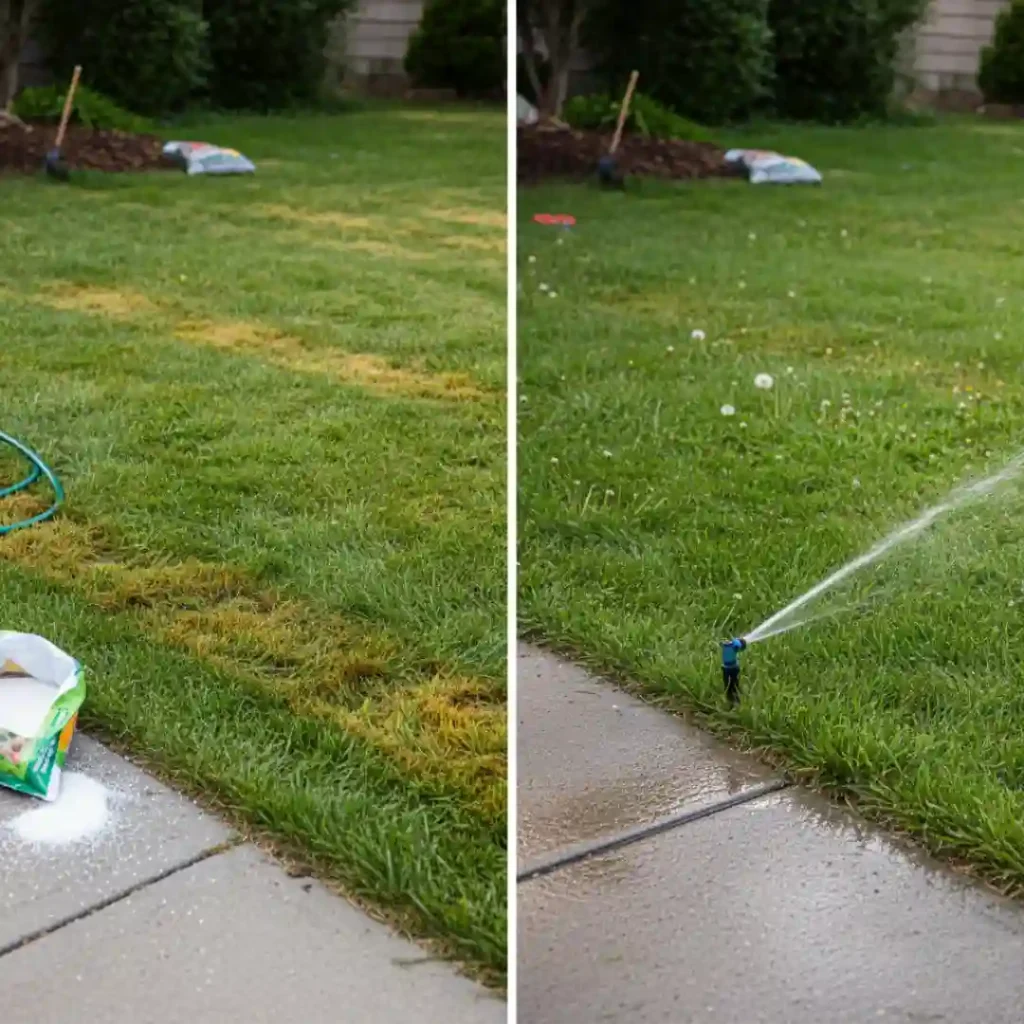
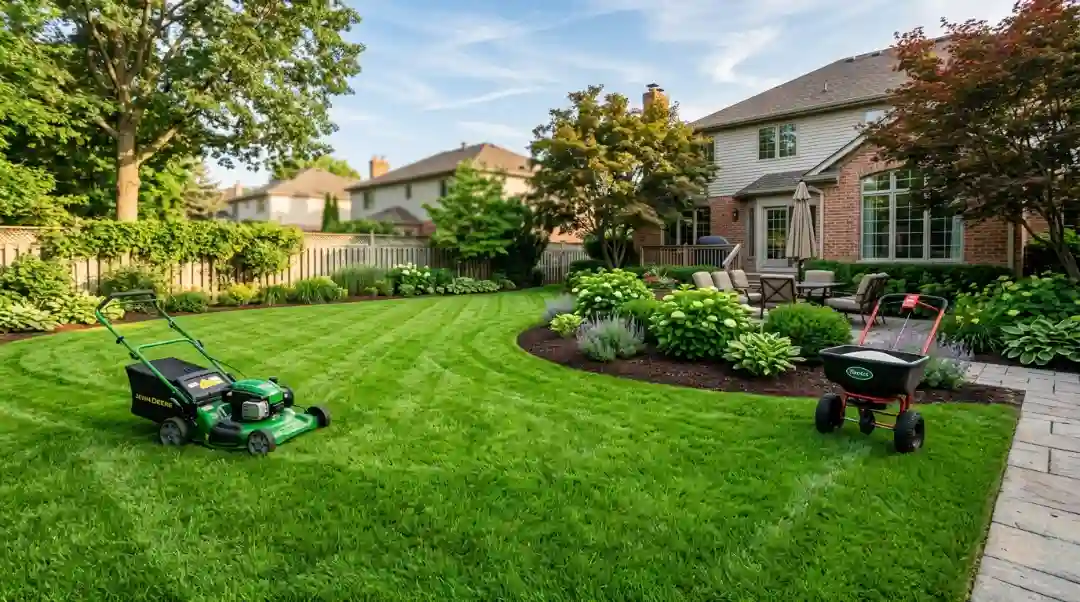
The most damaging lawn care mistake is inconsistency \ mowing too short one week, skipping irrigation the next, and never following a set schedule. This kind of irregular care stresses grass roots, opens the door to weeds, and creates bare patches that spread fast.
Cutting your grass too short (called “scalping”) is one of the most frequent errors. Most cool-season grasses need to stay at 3 to 4 inches. Cutting below that exposes soil, burns roots in heat, and weakens the turf’s ability to crowd out weeds.
Overwatering is just as damaging as drought. Grass roots need oxygen. Soggy soil suffocates roots and creates the perfect condition for fungal diseases like brown patch and dollar spot.
Focus on Soil Health
Good landscaping starts underground. If your soil is compacted or lacks nutrients, no amount of water will make your grass green. Soil health issues are a primary reason why yards look dull. Test your soil to see if it needs lime, sulfur, or organic compost.
Proper Mowing Heights
To keep your lawn healthy, never remove more than one-third of the grass blade at a time. This keeps the soil shaded and moist, preventing overwatering needs and stopping invasive seeds from sprouting.
2. Wrong Plant, Wrong Place
Putting the wrong plant in the wrong location is one of the fastest ways to lose money on landscaping. A shade-loving plant baked in full sun won’t just look bad it’ll die, and you’ll replace it every season.
Before buying anything, check two things: your USDA hardiness zone and your soil type. A plant rated for Zone 9 won’t survive a Zone 6 winter, no matter how much you mulch it. Clay-heavy soil that drains poorly will drown deep-rooted species like lavender or rosemary.
Native plants are a smart fix here. They’re already adapted to your local rainfall, soil chemistry, and temperature swings. They need less fertilizer, less water, and less babysitting once established.
3. Outdoor Sitting Areas Gone Wrong
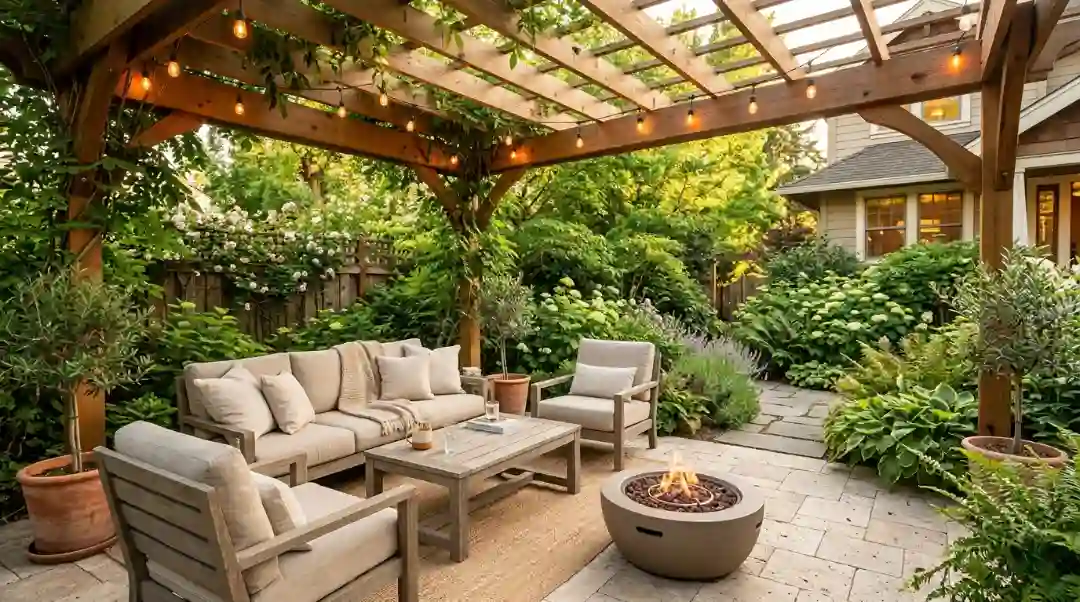
The biggest mistake with outdoor seating and patios is placing them without considering sun exposure, privacy, and foot traffic flow. A patio in direct afternoon sun in July becomes unusable, no matter how nice the furniture is.
Scale is another common issue. A tiny patio attached to a large home looks awkward and limits how many people can use it comfortably. Standard guidance from landscape architects suggests a patio should be at least 12×12 feet for basic seating, with 16×18 feet or larger for dining areas.
Also, think about the transition from interior to exterior. A patio that’s several steps below the back door creates a disconnected feel and can be a safety risk, especially for older family members.
4. Impulse Plant Purchasing Without a
Buying plants on impulse because they looked good at the nursery without a plan is how yards become cluttered and chaotic. You end up with a random mix of species that bloom at different times, clash in color, and compete for the same nutrients.
A basic landscape plan doesn’t need to be complex. It should cover: what grows in each zone of your yard, the mature size of each plant, and the seasonal sequence of color or texture. Many landscapers use a “right plant, right place” framework that starts with function first privacy screen, ground cover, focal point then selects plants to fill those roles.
Skipping this step is one of the core 10 landscaping mistakes to avoid in your yard that costs homeowners the most money over time.
5. Mistake: Not Recycling Your Fall Yard Waste
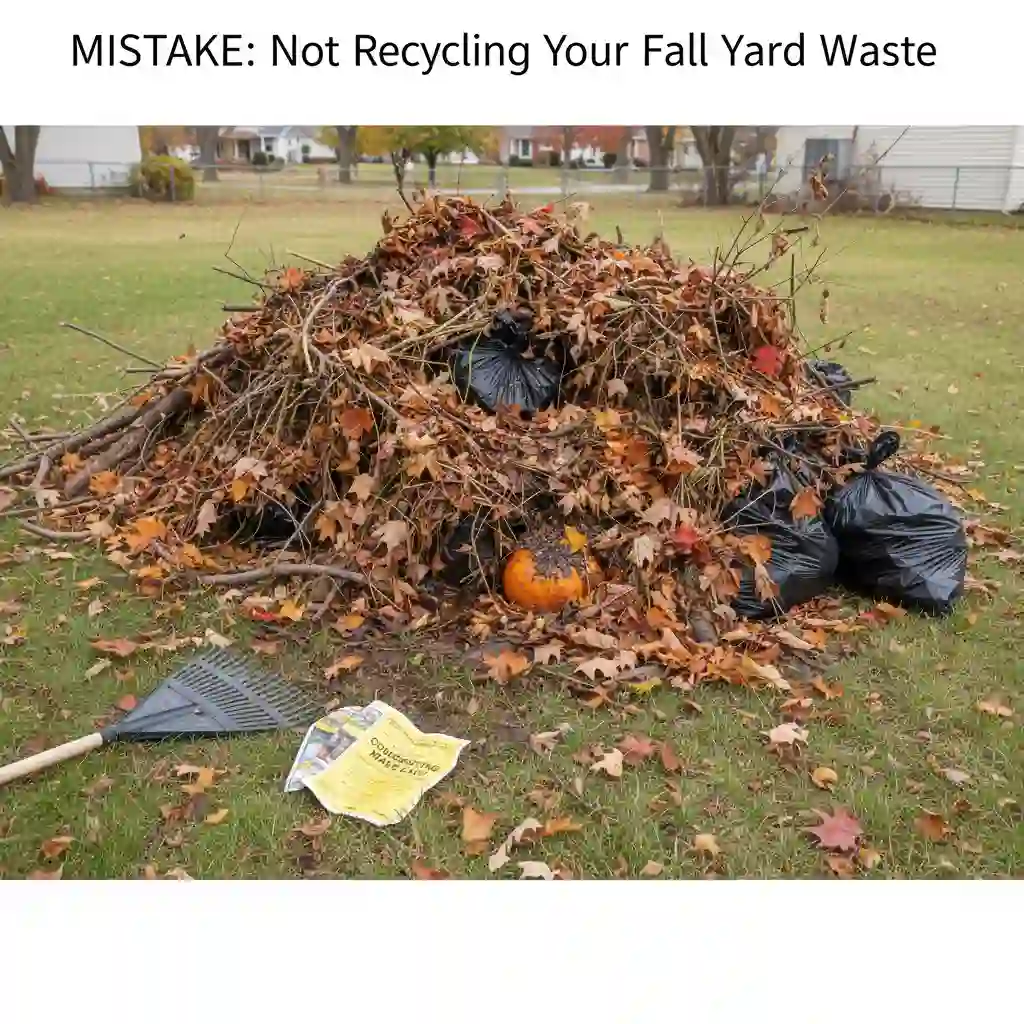
Bagging and tossing fall leaves instead of composting or mulching them is a missed opportunity. Those leaves are free organic matter that can feed your soil, suppress weeds, and reduce moisture loss around tree roots.
Leaf mulch (simply shredding leaves with a mower and leaving them on the lawn) adds nitrogen back to the soil as it breaks down. Studies from Michigan State University Extension show that mulched leaves improve soil structure and reduce weed germination when applied at a depth of 3 to 4 inches around beds.
Composting yard waste also cuts down on what goes to landfill. In the U.S., yard trimmings make up about 12% of municipal solid waste, most of which could be composted instead.
6. Prioritizing Your Front Yard Too Much
It is easy to focus on curb appeal pitfalls because that’s what the neighbors see. However, neglecting your backyard means you are losing out on living space.
Creating a Balanced Layout
A nice design for a landscape. An expert from Landscape Design Whittier, will advise you that your backyard should be your own private space. Don’t use up all of your money on the front yard. Make sure that your investment is balanced so that you have a nice, useful environment where you spend time.
7.Neglecting Lawn Care Basics
Skipping soil testing, fertilizing on a random schedule, and ignoring thatch buildup are the lawn care basics that quietly destroy grass health over several seasons.
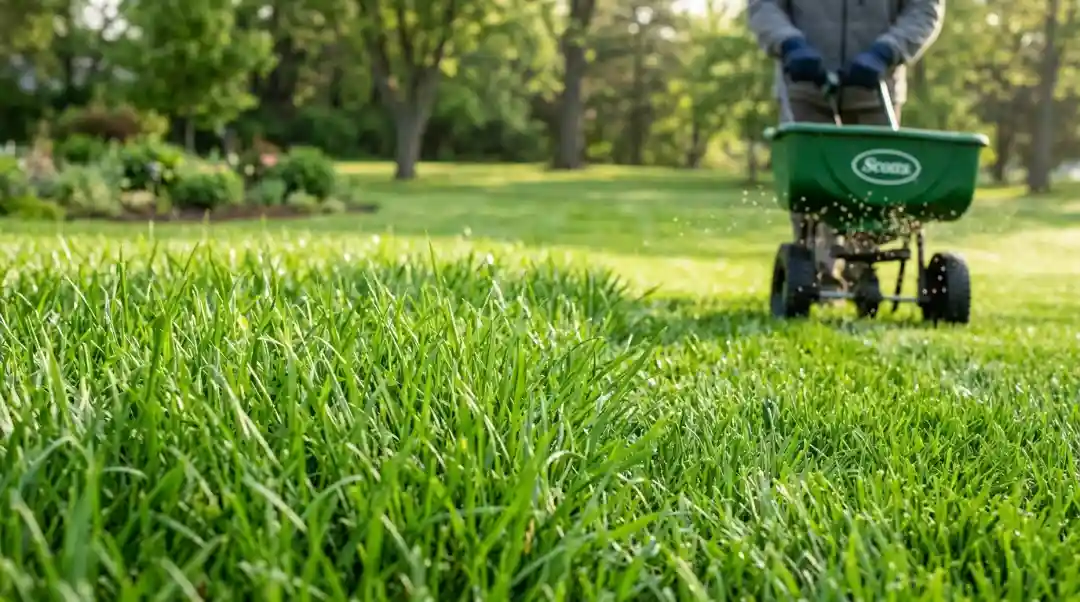
Soil testing costs between $15 and $30 at most county extension offices, and it tells you exactly what your lawn is missing nitrogen, phosphorus, potassium, or pH correction. Without it, you’re guessing. And most homeowners who guess apply too much nitrogen in summer, which burns turf and feeds weeds instead.
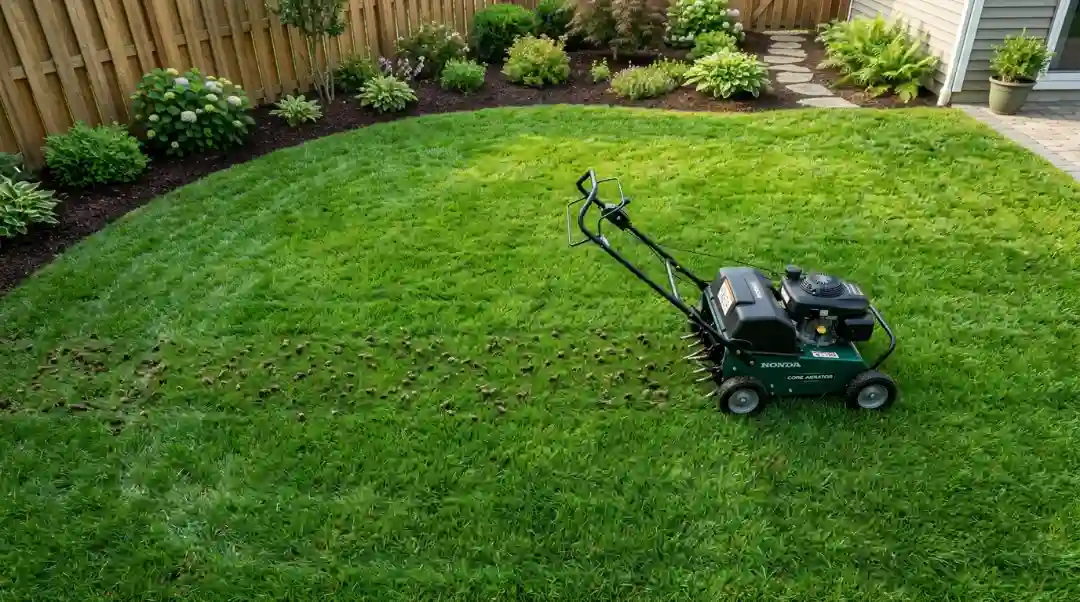
Thatch that layer of dead grass stems and roots that builds up between the soil and living grass blocks water and nutrients from reaching roots when it exceeds half an inch. Annual dethatching or core aeration solves this.
8. Poor Hardscape Planning (Patios, Pathways)
Poor hardscape planning patios poured with no slope for drainage, pathways too narrow to walk comfortably, or materials that crack in freeze-thaw cycles creates ongoing maintenance issues and safety hazards.
Pathways need to be at least 36 inches wide for single-file walking and 48 to 60 inches for two people side by side. Anything narrower feels cramped and gets avoided. Materials like poured concrete in cold climates are prone to cracking without proper expansion joints placed every 8 to 10 feet.
Drainage is the most overlooked part of patio design. A patio with no slope away from the house ideally 1% to 2% grade funnels rainwater toward the foundation. That’s how basements flood and foundations crack.
9.Overlooking Seasonal Maintenance Needs
Landscaping Is Not One-Time Work
Treating lawn and garden care as a spring-through-fall activity and going dark in winter is how problems compound. Every season has specific tasks, and skipping them creates a backlog that’s expensive to fix in spring.
Fall is when lawns need overseeding, aeration, and pre-emergent weed control to get ahead of spring crabgrass. Winter is for inspecting hardscape for frost damage, checking irrigation lines for freezing, and pruning dormant trees before spring growth pushes. Spring is cleanup and assessment not a fresh start from zero.
A simple seasonal checklist posted somewhere visible keeps maintenance on track. Most landscaping problems that look catastrophic in May actually started with something skipped the previous October.
10.Improper Irrigation and Drainage
Why Drainage Is Critical
Improper irrigation and drainage damage lawns, plants, and even home foundations. This is one of the most expensive landscaping mistakes to fix later.
Best Ways to Fix Poor Drainage in Your Yard
- Grade soil away from the home
- Install French drains
- Use permeable materials
- Adjust watering schedules
Proper water management protects your yard and your home.
Why Choose Us
At Robert’s Complete Care, we don’t just cut grass; we make places. We know how landscaping blunders may hurt the look of your home and the usefulness of your yard. We make sure that your hardscape is strong and your plants are in the right area to thrive so that your property stays healthy for a long time.
Conclusion
Getting help from a professional is the best way to avoid making expensive landscaping blunders and make your yard look fantastic all year long. At Robert’s Complete Care, we help homeowners plan, design, and care for landscapes that are both useful and appealing. Our team is ready to help you make confident choices, whether you need expert guidance or full-service landscaping services. Contact us today to talk about your landscaping goals and get started on making your yard healthier and better designed.
FAQs
What are the most common landscaping mistakes homeowners make?
The most common mistakes include poor planning, wrong plant placement, overwatering, and ignoring drainage issues.
How do landscaping mistakes affect curb appeal and yard functionality?
They reduce visual appeal, increase maintenance costs, and make outdoor spaces less usable.
How can I avoid making landscaping design errors?
Start with a clear plan, understand your soil and sunlight, and choose plants wisely.
What is the best way to plan a landscape layout for a yard?
Create a simple design that balances beauty, function, and maintenance needs.
How important is soil health in landscaping success?
Soil health is critical. Healthy soil supports strong roots, better drainage, and long-lasting plants.