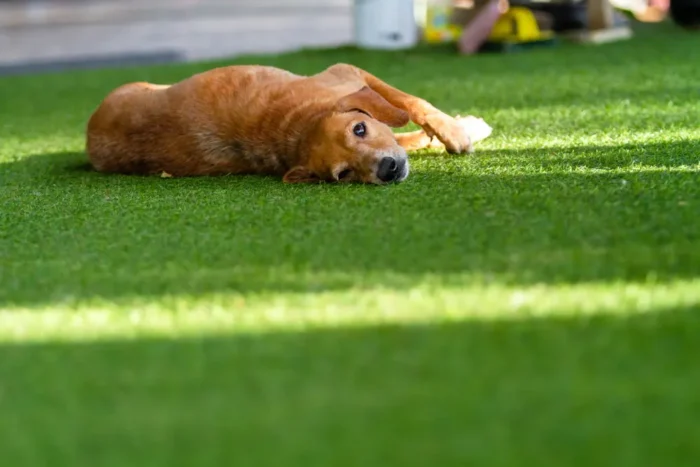
If you’ve spent any time watching your dog tear through your lawn, you already know the pain of muddy paws, brown patches, and a yard that looks like a construction zone. Many dog owners reach a point where natural grass just isn’t holding up, and artificial turf starts looking like a real solution. So the question is simple: is artificial turf good for dogs?
The short answer is yes, when you choose the right product and maintain it properly, artificial turf can be an excellent choice for households with dogs. It stays green year-round, holds up against digging and running, and cuts down on mess significantly. In this article, we’ll walk through the safety concerns, the real benefits, what to look for when buying, and exactly how to keep it clean so your dog stays happy and healthy.
Table of Contents
ToggleWhy Dog Owners Consider Artificial Turf
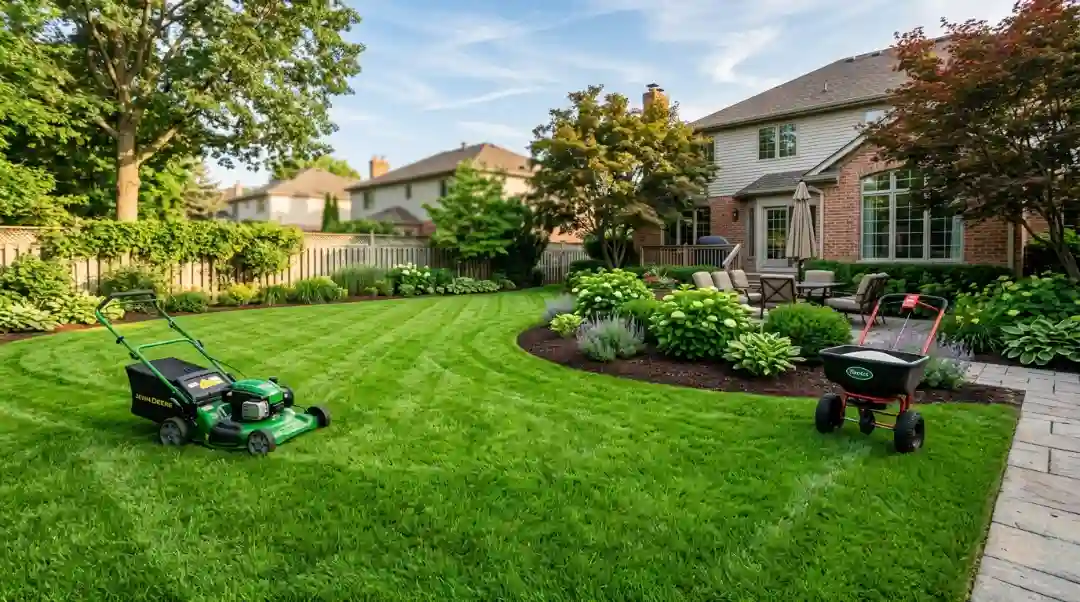
Natural grass and dogs are a tough combination. Dogs urinate in the same spots repeatedly, which causes nitrogen burns that leave yellow or dead patches. They dig. They run the same paths over and over until bare dirt tracks form. And after any rain, they bring in mud that ends up on your floors, furniture, and clothes.
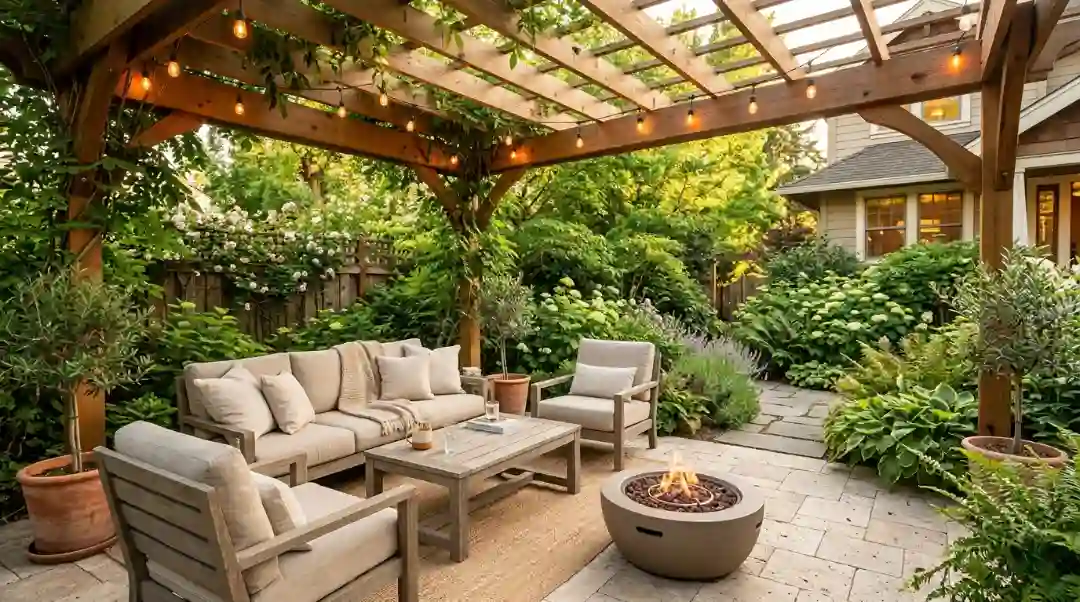
Artificial turf removes most of these problems at once. There’s no soil to dig up, no mud to track inside, and no grass that dies from pet urine. That’s a compelling reason for a lot of homeowners to make the switch.
Is Artificial Turf Safe for Dogs?
Artificial turf is generally safe for dogs when it’s made from non-toxic, pet-grade materials. Most modern pet-friendly options are free from harmful chemicals like lead and heavy metals. However, surface heat in direct sunlight and the type of infill used are factors worth examining before installation.
The primary safety concern most people raise is heat. Artificial turf can get significantly hotter than natural grass on sunny days. Studies have shown that some synthetic surfaces can reach temperatures 20 to 50 degrees Fahrenheit higher than the surrounding air temperature. For dogs, who walk barefoot and can develop paw pad burns, this matters.
The fix is practical rather than complicated. Choose turf products with heat-reflective technology or lighter color pigments. Keep a water source nearby to cool the surface during peak summer heat. Schedule outdoor time for early morning or evening when the surface has cooled down.
On the chemical side, it’s important to look for turf that’s certified non-toxic and free from lead, latex, and heavy metals. Quality pet turf manufacturers will provide safety certifications. Don’t skip this step when comparing products.
Benefits of Artificial Turf for Dogs
There are many benefits of installing synthetic grass for dogs and pet owners in general. The power of benefits of artificial turf for dogs can influence your decision on whether or not it’s the right option for your yard.
1. No More Muddy Paws
This one’s straightforward. Artificial turf sits on a compacted base with drainage underneath it. When it rains, water moves through the turf and into the ground below. Your dog runs around, comes back in, and their paws are dry. It’s one of the most immediate quality-of-life improvements dog owners report after switching.
2. Resistant to Digging and Heavy Traffic
Most pet-grade artificial turf is built with a dense, durable backing that resists digging far better than natural grass. High-traffic areas like the path to the back gate or the favorite corner spot won’t wear down into dirt tracks. The turf holds its shape and appearance through consistent use.
3. No Urine Burn Patches
Urine kills natural grass because of its nitrogen and salt content. With artificial turf, that problem disappears. Urine drains through the surface and doesn’t leave yellow or dead patches. The yard stays uniformly green regardless of how often your dog uses it.
4. Low Maintenance
Once it’s installed, artificial turf asks very little of you. There’s no mowing, no watering, no fertilizing, and no reseeding. For busy households, that’s time and money back in your pocket every single week.
5. Allergy-Friendly
Some dogs suffer from grass allergies, showing symptoms like excessive licking of paws, skin irritation, and hot spots. Removing live grass from their environment can reduce these reactions significantly. Artificial turf doesn’t produce pollen or harbor the same allergens that natural grass does.
Choosing Pet-Friendly Turf for Your Yard
Not all artificial turf products are built the same way. When you’re shopping for pet-friendly options, here are the specific things to look for.
Drainage capacity is the most important feature for pet owners. Look for turf with a perforated backing that allows liquid to drain through quickly. Some products advertise drainage rates of 30 to 50 inches per hour, which is more than enough for pet use.
Pile height affects how easy the turf is to clean. Shorter pile heights (around 1 to 1.5 inches) tend to be easier to rinse and maintain. Longer pile can trap debris and make cleaning more labor-intensive.
Infill type matters for both safety and odor control. Crumb rubber infill has faced scrutiny over potential health concerns, particularly in high-use pet environments. Safer alternatives include zeolite infill, which absorbs ammonia and neutralizes odor naturally, and organic infill options made from cork or coconut fibers.
Material quality should be verified through safety certifications. Look for turf that carries ASTM or similar safety testing credentials, confirming it’s free from toxic materials
Installation Considerations for Dog Owners
Installation is as important as the quality of turf. Quality workmanship leads to durability, ease of maintenance, and long-term performance.
Strong Base Layer
A solid base is essential to keep the ground from sinking and getting bumpy. For busy dog-laden yards, they often install crushed rock that has been compacted.
Effective Drainage System
Dogs urinate outside often, so drainage is vital. A good system drains away water and reduces odor buildup, making your yard cleaner.
Secure Edges
Dogs sometimes try digging on natural lawn edges. Professional installers will securely fasten the edges of artificial grass to keep it from pulling up or lifting.
Quality Infill
The right infill can help reduce odors, make the turf safer to play on, and keep the turf looking great, even long after it’s been installed.
Maintenance Tips for Artificial Turf with Dogs
Artificial turf is low-maintenance, but it isn’t zero-maintenance when dogs are involved. Here’s a practical routine that keeps everything clean and odor-free.
Daily (or after each use): Pick up solid waste promptly, just as you would on any surface. The quicker it’s removed, the less likely it is to affect the turf or create odor.
Weekly: Rinse the turf with a garden hose. This flushes urine and any fine debris through the drainage layer. For households with multiple dogs or heavy use, doing this every few days makes a real difference.
Monthly: Apply a pet-safe turf deodorizer. Products that use enzymatic formulas break down organic waste at a molecular level rather than just masking the smell. Baking soda-based options are also effective and safe.
Annually: Inspect the turf backing, seams, and edging for any wear. Also check that the drainage base hasn’t compacted in ways that are reducing flow. A professional turf maintenance service can handle this as part of an annual check-in.
Common Misconceptions About Artificial Turf for Dogs
Many dog owners are reluctant or confused by myths or outdated information. Some common myths debunked:
Artificial turf gets too hot.
Today’s turf breeds are cooler than those we had in the past. Some use shade, water sprays, or light colored products to help with heat management.
Dogs can’t dig on artificial turf.
They can try, but a good installation makes it virtually impossible to lift the turf, making it hard to dig and discouraging the behavior.
Artificial turf is uncomfortable.
The best products are soft, cushioned, and very dog-friendly.
It’s hard to clean.
Turf is actually easier to clean than natural grass, particularly when you have a good drainage system.
How Artificial Turf Compares to Other Dog-Friendly Ground Covers
It’s worth briefly comparing artificial turf to the alternatives many dog owners consider.
Gravel or pea gravel is inexpensive and drains well, but it’s hard on paw pads, difficult to clean of waste, and uncomfortable for dogs to lie on.
Concrete or pavers are durable but get even hotter than artificial turf in summer and offer no cushioning for joints. Not ideal for older dogs.
Mulch stays cooler and is softer underfoot, but it decomposes, tracks into the house, and can harbor pests and mold over time.
Natural grass, for all its appeal, requires constant repair in homes with dogs and is rarely able to keep up with the wear.
Artificial turf sits in a strong middle position: durable, cleanable, visually appealing, and comfortable for dogs when quality products are chosen.
Is Artificial Turf Good for Dogs Overall?
Durability, comfort, and cleanliness considered, the answer is yes — for the majority of dog owners, artificial turf is a good choice. It creates a safe place, limits yard work, and keeps your outdoors looking clean and green. With the right product choices and installation, you can have a yard that your pets love and that looks great at all times of the year.
Conclusion
Artificial turf has become a trusted choice for pet owners wanting a cleaner and safer yard. To answer the question Is artificial turf good for dogs, the answer is yes—especially when paired with premium, dog-friendly materials that withstand digging, potty habits, and daily wear. With strong drainage, antimicrobial backing, and soft blades, modern turf reduces bugs, allergens, mud, and odors while keeping your lawn green year-round. For homeowners seeking dependable landscaping services in Whittier, this option delivers both comfort and durability. Choose the right product and installation for long-lasting results. For expert guidance and a pet-safe outdoor upgrade, contact Robert’s Complete Care today!
FAQs
Is artificial turf safe for every breed of dog?
Yes. Good quality artificial grass is safe for dogs of all breeds and sizes as long as it’s non-toxic.
Does artificial turf have a smell because of the urine of the dog?
No, not if you clean it properly. Special Pet infill and good drainage will discourage odors.
Are dogs capable of damaging turf?
Although dogs may attempt to dig, turf that is securely laid with adequate backing is very hard to damage.
What if artificial grass gets too hot in the summer?
Although it may warm up, shading, cooling turf materials, and simple rinsing can mitigate heat.
How long does artificial turf need to be cleaned?
Once or twice a week, a simple rinse is fine. The area of heavy use may require more frequent cleaning.