Most homeowners look at overgrown bushes and feel stuck. Not because they don’t care, but because nobody ever showed them the right way to do it. Trimming bushes isn’t complicated, but doing it wrong can damage your plants, invite disease, or leave your yard looking worse than before.
This guide covers exactly how to trim bushes the right way the tools, the timing, the technique, and the mistakes that’ll cost you. Whether you’re dealing with a flowering shrub, a boxwood hedge, or a sprawling palm, you’ll find what you need here.
Why do you need to cut back bushes?
Think of trimming bushes like getting a haircut for your plants. Just as regular trims keep your hair healthy and styled, trimming bushes serves several important purposes that go beyond aesthetics.
Promotes Healthy Growth
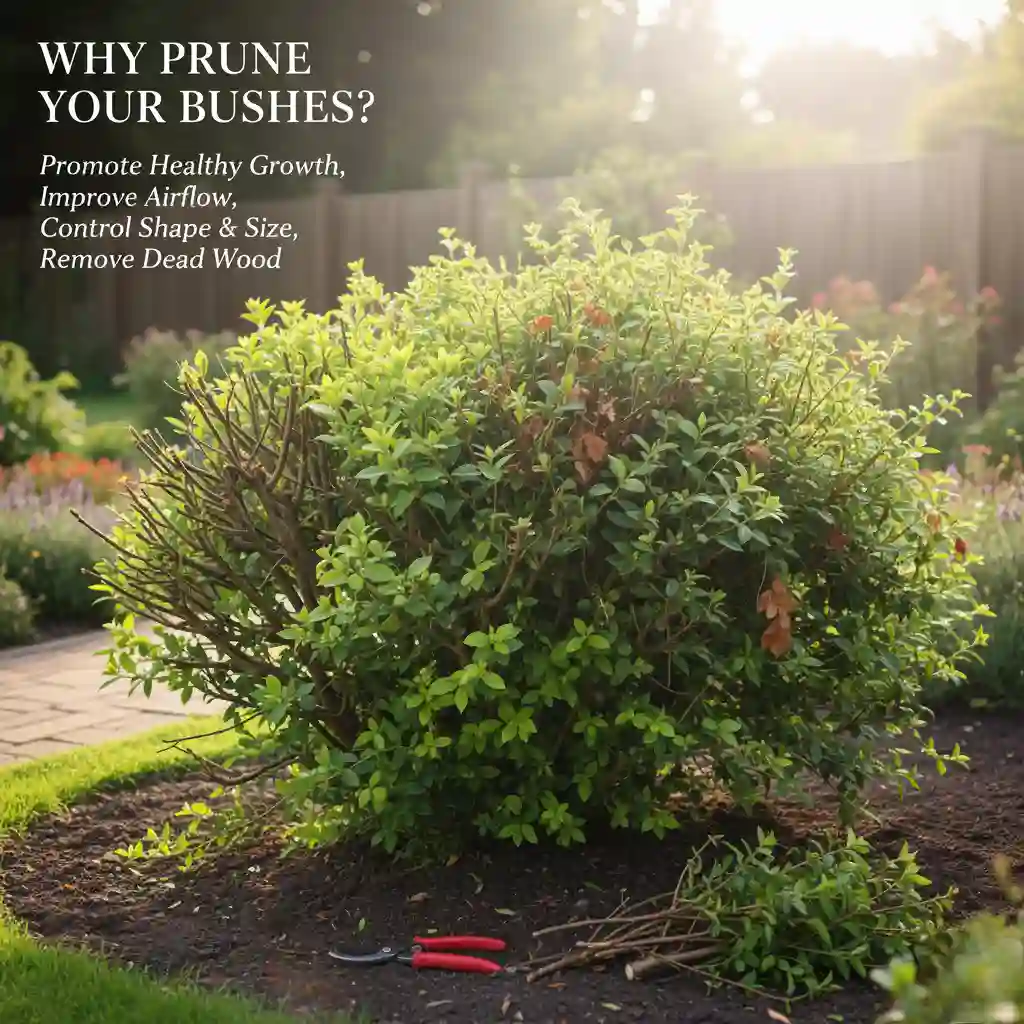
Trimming shrubs on a regular basis makes them stronger. When you cut off dead or broken branches, the plant may put all of its energy into creating new, healthy growth. Those aged, dying branches are like energy vampires; they consume nutrition but don’t give anything back. You’re giving your bushes a new start by clipping them off.
Prevents Disease and Pest Problems
Pests and diseases love to hide in shrubs that are too big. Branches that are thick and twisted hold in moisture and block air flow, which makes it easier for fungi and insects to grow. Regular trimming makes the plant’s canopy more open, which lets air and light reach all regions of the bush. This little thing to perform can help you avoid having to pay for pest control later on.
Maintains the Desired Shape and Size
Bushes don’t develop in perfect shapes on their own. If you don’t trim them regularly, they can get too big, uneven, or block windows and walkways. Strategic pruning lets you control the size and shape of your bushes so that they fit precisely into your landscape design without getting in the way of other plants or structures.
Before You Start: Important Things to Know
The best time to trim most bushes is late winter or early spring, just before new growth begins. This gives plants time to recover and produce strong new shoots during the growing season.
That said, timing depends on the type of plant. Flowering shrubs like azaleas or lilacs should be trimmed right after they bloom trimming before flowering removes the buds you’re waiting on.
A few things to check before you pick up any tool:
- Know your plant type. Evergreen shrubs, deciduous shrubs, flowering shrubs, and palm trees each have different trimming needs.
- Check local regulations. Some neighborhoods and HOAs have rules about hedge heights and timing.
- Look for bird nests. From spring through summer, always inspect bushes for active nests before trimming. In most areas, disturbing an active nest is illegal.
Tools You’ll Need for Bush and Palm Trimming
Using the right tool makes the job faster and cleaner. Using the wrong one causes ragged cuts that invite disease.
Hand pruning shears are best for stems under ¾ inch thick. They give you precision, especially on flowering plants or ornamental shrubs. Look for bypass pruners over anvil-style they make cleaner cuts.
Loppers handle thicker branches between ¾ inch and 1.5 inches. The long handles give you leverage without straining your wrists or hands.
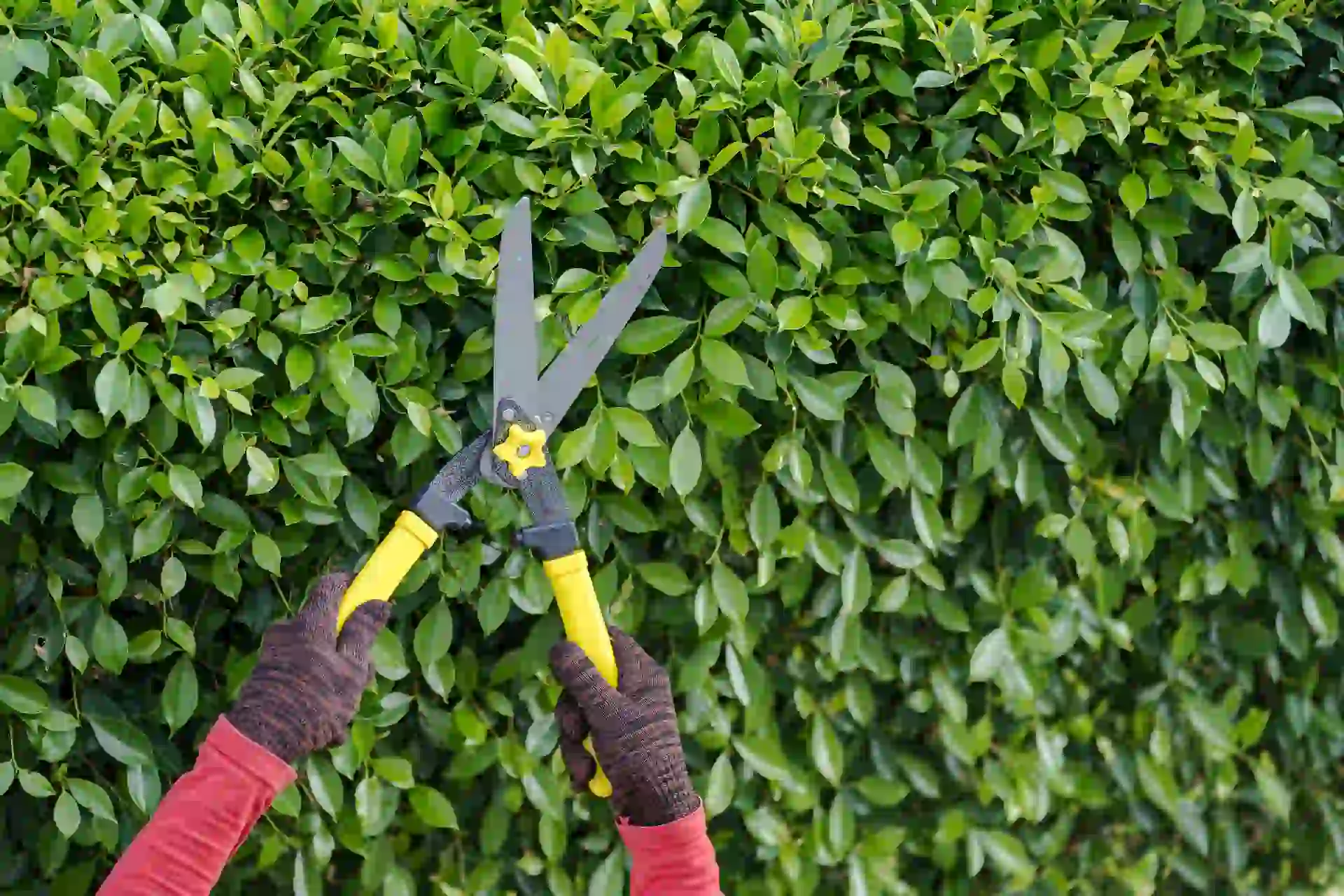
Hedge trimmers (electric or gas-powered) are the right call for shaping large hedges or keeping long rows of shrubs uniform. Electric models are quieter and easier to control for most homeowners.
A pruning saw is what you reach for when branches are over 1.5 inches thick. Don’t try to force loppers through wood that’s too thick it damages both the tool and the plant.
Also keep these on hand:
- Safety glasses and gloves
- A bucket or tarp for clippings
- Rubbing alcohol or a diluted bleach solution to clean your blades between plants
Cleaning your blades matters more than most people realize. Moving from one plant to another with dirty tools is one of the fastest ways to spread fungal disease through a garden.
How to Trim Bushes and Hedges Correctly
Trimming bushes correctly means starting with dead or damaged wood, then shaping the outside growth. Always cut at a slight angle, just above a bud or branch junction, and never remove more than one-third of the plant in a single session.
Here’s the step-by-step process:
Step 1: Remove dead, diseased, or crossing branches first. Start from inside the plant and work outward. Dead wood is easy to spot it’s dry, brittle, and has no green beneath the bark. Crossing branches rub against each other, creating wounds that let disease in.
Step 2: Open up the center. Removing a few inner branches improves airflow and light penetration. This is especially important for dense shrubs like boxwood or privet.
Step 3: Shape the outer growth. Now trim the outside to the shape you want. Work in sections. Step back often to check your progress it’s much easier to take more off than to fix an uneven cut.
Step 4: Cut at the right angle. Always cut at a 45-degree angle, slanting away from the nearest bud. This lets water run off and reduces the risk of rot forming at the cut point.
Step 5: Clean up as you go. Remove clippings from around the base of the plant. Leaving debris on the ground can harbor pests and disease over winter.
How to Shape Bushes for a Clean Look
The most common shaping styles are flat-top, rounded, and tapered. Each has its place, but there’s one rule that applies to all of them: keep the base slightly wider than the top.
This isn’t just about aesthetics. A bush that’s wider at the top than the bottom will shade its own lower branches, causing them to thin out and die. A slightly tapered shape lets sunlight reach the entire plant.
For formal hedges, a string line stretched between two stakes at your target height helps you cut a perfectly level top. It’s a simple trick, but it makes a noticeable difference.
For rounded or natural shapes, trim lightly and frequently rather than hard and infrequently. This keeps the plant looking tidy without stressing it.
Palm Tree Trimming: What Homeowners Should Know
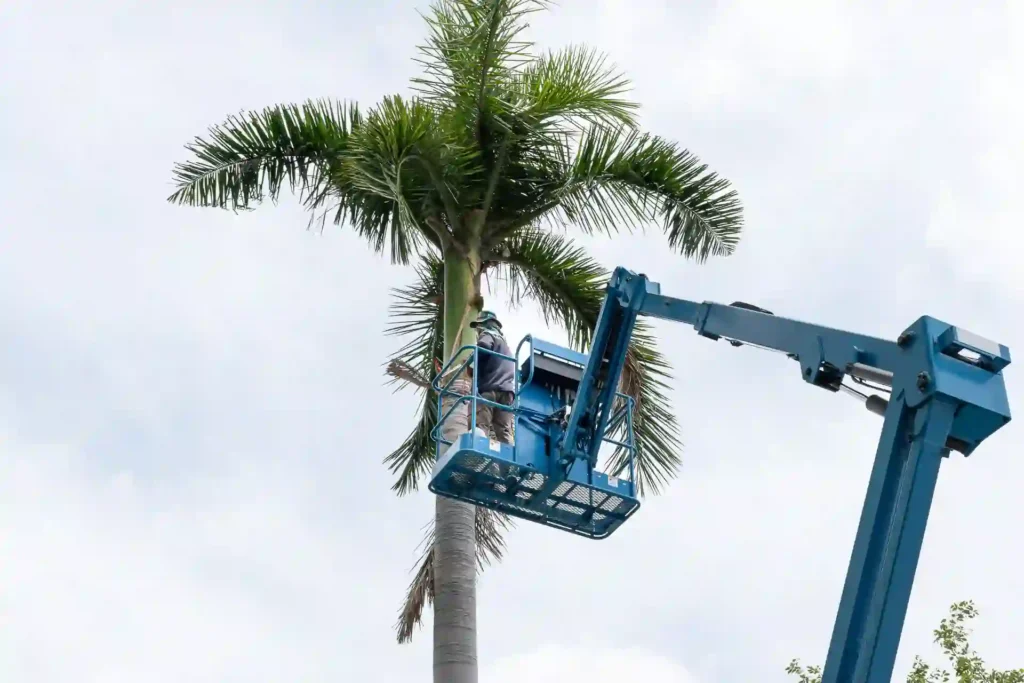
Palm trees should only be trimmed to remove dead, brown, or damaged fronds. Removing green fronds stresses the tree, slows growth, and can permanently damage its structure.
This is where many homeowners go wrong. Over-trimming palms sometimes called “hurricane cutting” leaves them vulnerable to pests, nutrient deficiency, and wind damage.
A few guidelines for palm trimming:
- Only remove fronds that hang below a horizontal line (parallel to the ground).
- Never cut into the boot (the base of the frond where it attaches to the trunk).
- Don’t trim more than 2–3 rows of fronds per year on most species.
- Avoid trimming palms during summer when the palm weevil is most active.
If your palm is tall, that’s a job for a professional. Working above 10 feet without proper equipment isn’t worth the risk.
For a deeper dive into this specific topic, check out our previous guide on How to Trim a Palm Tree.
Common Mistakes to Avoid
Even experienced gardeners make these errors. Knowing them ahead of time saves a lot of frustration.
Topping shrubs. Cutting flat across the top of a shrub without tapering is called topping. It creates a dense outer shell that blocks light from the inside, leading to hollow, dead centers over time.
Trimming at the wrong time of year. Trimming spring-flowering shrubs in late fall removes the buds that were set for spring. Always know your plant before you prune.
Using dull blades. A dull pruner crushes stems instead of cutting them cleanly. Crushed stems are slower to heal and more vulnerable to disease.
Over-pruning. The one-third rule exists for a reason. Taking more than one-third of a plant at once is a significant shock. It can cause dieback or even kill the plant in stressful conditions.
Not cleaning tools between plants. This one gets repeated because it’s one of the most skipped steps. A 10-second wipe with rubbing alcohol can protect every plant in your yard.
How Often Should You Trim Bushes?
Most shrubs need trimming two to three times per year once in early spring, again in midsummer, and optionally a light pass in early fall. Fast-growing species like privet or photinia may need more frequent attention.
Here’s a rough guide by plant type:
- Boxwood: 2–3 times per year
- Holly: Once per year, after fruiting
- Rose bushes: Heavy prune in early spring; deadhead throughout summer
- Azaleas and rhododendrons: Once per year, immediately after bloom
- Ornamental grasses: Once per year in late winter
- Palms: Once per year, or as dead fronds appear
Letting shrubs go more than a year without any attention usually means you’ll need to do a heavier prune, which stresses the plant more.
DIY vs Professional Trimming: Which Is Better?
DIY trimming works well for small, manageable shrubs. Professional trimming makes more sense for large hedges, tall palms, formal shapes that require precision, or any plant that hasn’t been maintained in years.
For most homeowners, a mix of both is the practical answer. Handle routine maintenance yourself, and call in a professional for the harder jobs or once-a-year heavy pruning.
Here’s a quick breakdown:
| Situation | DIY or Pro? |
| Small shrubs under 4 feet | DIY |
| Long formal hedges | Pro |
| Palms over 10 feet | Pro |
| Overgrown, neglected shrubs | Pro for the first session |
| Routine seasonal trimming | DIY |
The cost of professional trimming varies by region, but hiring a licensed company typically means better results and no risk of plant damage from incorrect technique.
When to Hire a Professional
- Bushes taller than 10 feet
- Palm tree trimming near power lines
- Large properties needing consistent care
Professional services make sure that plants are safe, get the right cuts, and stay healthy for a long time.
This is where professional landscape care really matters, especially for homeowners seeking reliable Landscaping Maintenance in Whittier.
Why Choose Robert’s Complete Care?
We don’t do fast cuts at Robert’s Complete Care; we focus on plant health. We know how to trim bushes, shape hedges, and trim palm trees so that your yard is strong, safe, and beautiful all year long.
We employ both practical experience and up-to-date landscaping knowledge that meets Google’s criteria and what users want.
Conclusion
Learning how to trim bushes the right way will help maintain your yard healthy, safe, and nice to look at. Proper procedures, including knowing when to trim bushes and how to do it well, keep plants healthy and help them flourish over time. When you shape hedges, look for bush trimming ideas, or trim palm trees, meticulous preparation and the correct equipment make a big impact.
If you’re not sure how to trim tall bushes or palms, or if you want continuous professional care, getting aid from an expert can save you time and money. Robert’s Complete Care has trusted, experience-based solutions that will safeguard your plants and make your outdoor environment better.
Contact us today to set up a consultation and get professional help with making your bushes healthier, pruning your palms more safely, and making your yard look great all year long.
FAQs
When is the ideal time of year to cut back a palm tree?
The best time is late spring or early summer, when the palms are growing.
Can I cut off the green fronds from my palm tree?
No. To keep the tree from getting stressed, always leave green fronds.
What do I need to prune a palm tree safely?
A pole saw, a pruning saw, gloves, goggles, and clothes that protect you.
How often do I need to trim a palm tree?
Most of the time, once or twice a year is plenty.
Should you employ a pro to trim your palm trees?
Yes, especially for tall trees or palms that are close to electricity lines.