Have you ever dreamed your yard could be more than just grass and dirt? You could have imagined lovely flowers, comfortable places to sit, or fresh veggies blooming just outside your door. Anyone can make a beautiful outdoor environment with the correct planning and understanding. Designing a garden isn’t just for professional landscapers.
Learning how to design a garden gives you a lot of options, whether you have a small balcony or a big backyard. This guide will help you make a garden that is both beautiful and useful by teaching you everything from how to understand your space to how to choose the right plants. Let’s get started and find out how to turn your outdoor space into the garden of your dreams.
Learn About Your Garden Space
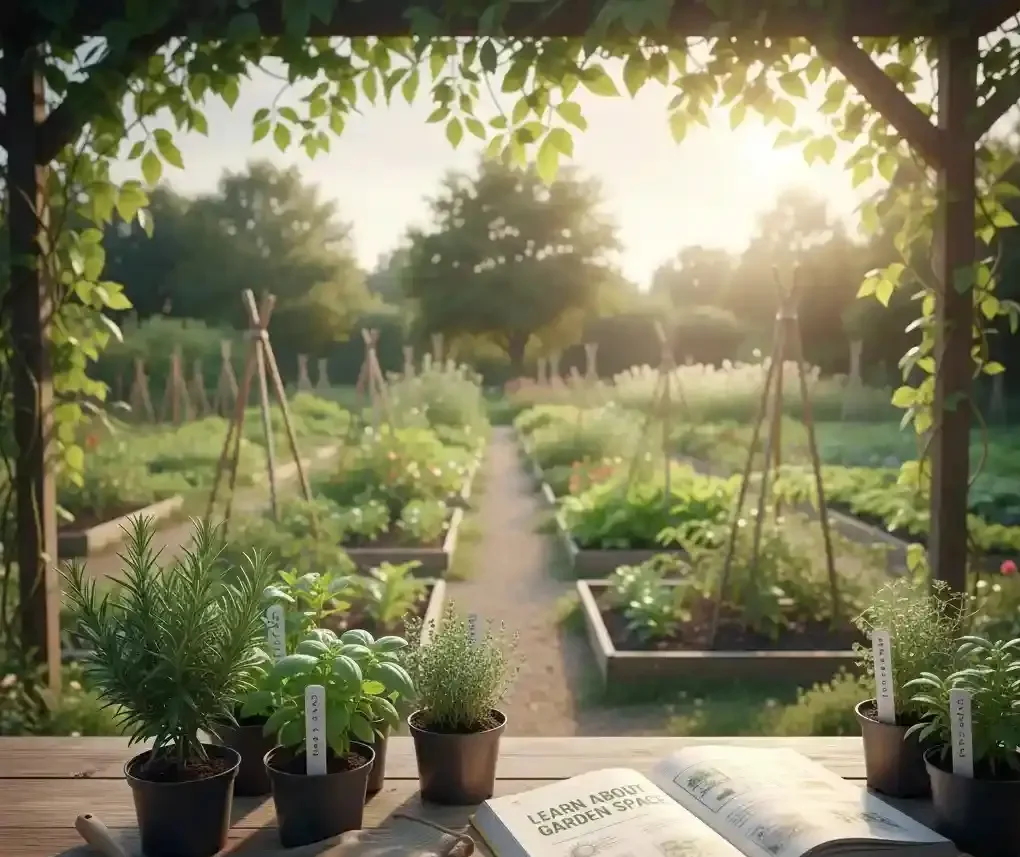
You need to be a detective in your own yard before you plant any seeds or acquire any supplies. Getting to know your garden space is like getting to know a new friend: the more you learn, the better your connection will be.
Learning about Garden Zones and Microclimates
Microclimates give your garden its unique identity. These are little spots in your yard where the weather is a little different from the rest of the yard. For instance, the sunny place on your south-facing wall stays warmer and drier than the gloomy spot under your big oak tree.
Based on temperature, garden zones advise you which plants will grow well in your location. The USDA Plant Hardiness Zone Map splits the country into distinct zones. Knowing which one you’re in will help you choose plants that will not only survive but also do well. It takes less than a minute to determine your zone by searching online using your zip code.
Tracking the Sun and Garden Aspect
The garden aspect is a fancy way of saying which way your garden faces. This is important since it changes how much sun your plants get.
Spend a day monitoring how the sun moves around your yard. Write down which areas get:
- Full sun means at least six hours of direct sunshine.
- Partially sunny (3 to 6 hours)
- Less than 3 hours of shade
The sun in the morning is softer than the sun in the afternoon, which is important for fragile plants. Take pictures all day or draw a simple map that shows where the sun and shade are. When you pick plants later, this information will be very helpful.
Great Gardening Advice for FREE
Want to hear a secret? You don’t have to do everything by yourself. Your local Cooperative Extension office can help you with gardening questions that are relevant to your area. These professionals know your soil, weather, and the pests that are a problem in your area.
You can also join local gardening clubs or online groups where more experienced gardeners talk about what worked and what didn’t for them. People who have already made the mistakes you’re destined to make can sometimes teach you the best lessons.
You can see how your space will look before you spend any money with free online tools like garden planning applications. A lot of them let you drag and drop plants into a virtual garden to see how they will look when they are fully grown.
How to Design a Garden From Scratch
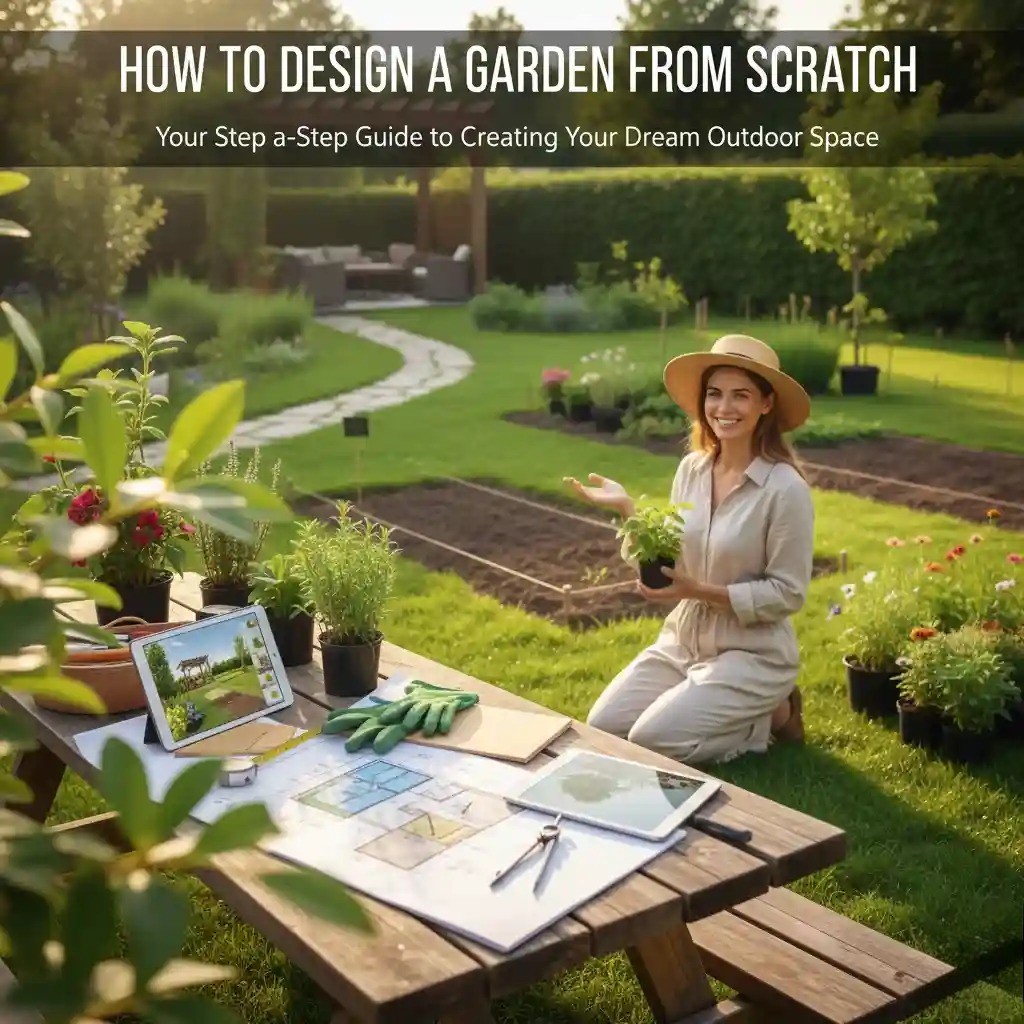
Designing a garden from scratch means starting with observation, not shovels. Before buying a single plant, spend time watching your outdoor space. Note where the sun hits, where water pools after rain, and which areas stay shaded. This single habit saves most beginners from expensive mistakes.
The most common error? Planting first and planning second. Gardens designed this way end up patchy, unbalanced, and hard to maintain.
Start by sketching a rough layout on paper. It doesn’t need to be precise. Just mark your boundaries, structures (fences, walls, sheds), and any existing plants or trees. This becomes your working map.
Garden Design Basics Every Beginner Should Know
Good garden design isn’t about making things look fancy. It’s about creating a space that’s functional, easy to manage, and enjoyable to spend time in.
Here are the core principles worth keeping in mind:
Balance means your garden feels visually even, not necessarily symmetrical. A large tree on one side might balance with a dense planting bed on the other.
Scale matters more than most beginners realize. A tiny water feature in a large garden looks lost. A towering shrub in a small courtyard feels suffocating.
Focal points give the eye somewhere to land. A statement tree, a garden bench, or a raised bed can all serve as anchors that pull the design together.
Repetition creates rhythm. Using the same plant or material in two or three spots ties a garden together without looking boring.
Before You Start: Make a Wishlist
Sit down and write out what you actually want from your garden. This sounds simple, but most people skip it.
Ask yourself: Do you want a space to relax in? Grow vegetables? Create privacy from neighbours? A garden for children to play in? These goals shape every decision that follows.
Be realistic about how much time you’ll spend maintaining it. A wildflower meadow is low-effort once established. Formal hedging requires regular trimming. A vegetable plot needs consistent attention from spring to autumn.
Consider the Soil
Soil is the foundation everything grows in, and yet most beginners ignore it completely.
Good garden design always accounts for soil type because it determines which plants will thrive and which will struggle. Sandy soil drains fast but loses nutrients quickly. Clay soil holds water and nutrients but can become waterlogged. Loamy soil is the ideal middle ground.
Buy a basic soil testing kit (around £10 to £15 from most garden centres) to check your pH level. Most plants prefer a pH between 6.0 and 7.0. Acid-loving plants like rhododendrons and blueberries need a lower pH, while lavender and most vegetables prefer neutral to slightly alkaline conditions.
If your soil is poor, add organic matter. Compost, well-rotted manure, or leaf mould all improve structure and fertility. Do this before laying out beds or planting anything.
Basic Elements of the Garden: Grass
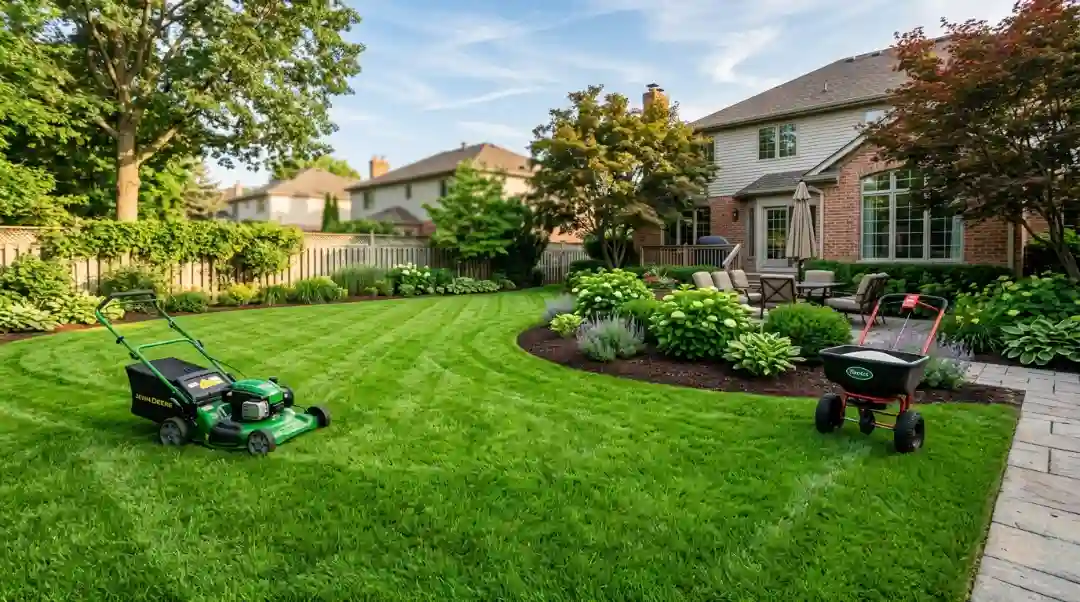
Grass is the backbone of most UK and US garden designs. It defines space, softens hard landscaping, and provides a practical surface for outdoor living. Whether you opt for a full lawn, ornamental grasses, or a mix of both, grass placement shapes how the rest of your garden feels.
A central lawn creates an open, airy feel. Grass paths through planting beds add structure. Ornamental grasses like Miscanthus or Stipa add texture and movement without the maintenance of a traditional lawn.
If you’re planning a new lawn from scratch, consider whether seed or turf suits your timeline better. Turf gives instant results. Seed takes 8 to 12 weeks but costs significantly less.
Step-by-Step Planning for Garden Design
This is where everything comes together. Follow these steps in order and you’ll have a workable garden plan before spending a penny on plants.
Step 1: Measure your space. Get accurate dimensions. Use graph paper or a free app like Sketch My Garden to draw it to scale.
Step 2: Map your conditions. Mark sun, shade, wind exposure, and drainage patterns. Spend a full day watching the garden if you can.
Step 3: Set your zones. Divide the garden into areas based on function. Dining area, growing area, planting beds, lawn, compost zone.
Step 4: Choose your hard landscaping. Paths, patios, raised beds, and fences come before plants. These are permanent, so get them right.
Step 5: Select your plants. Match plants to conditions, not wishlist. A plant that suits your soil and light will always outperform one forced into the wrong spot.
Step 6: Layer your planting. Think in three heights: trees and tall shrubs at the back, medium plants in the middle, ground cover and low plants at the front.
Small & Large Garden Strategies
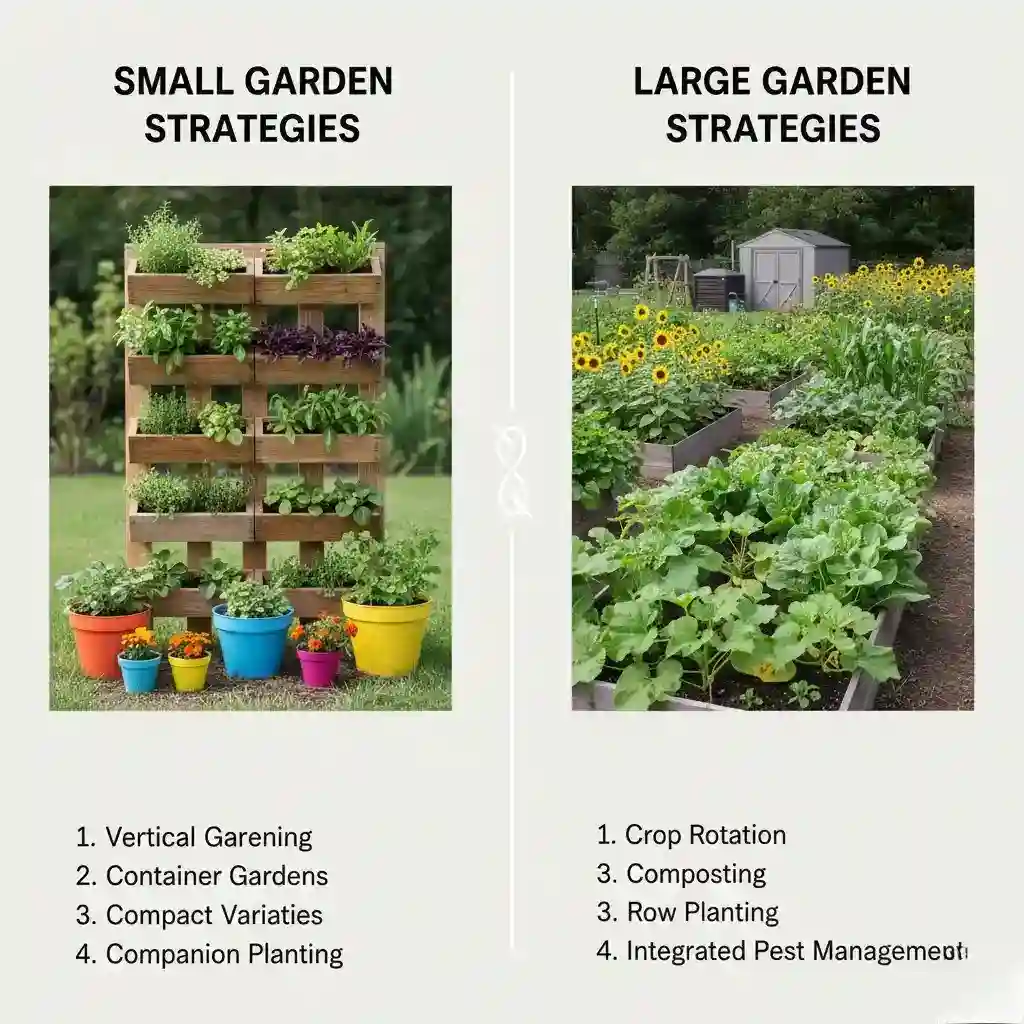
Maximizing Small Spaces
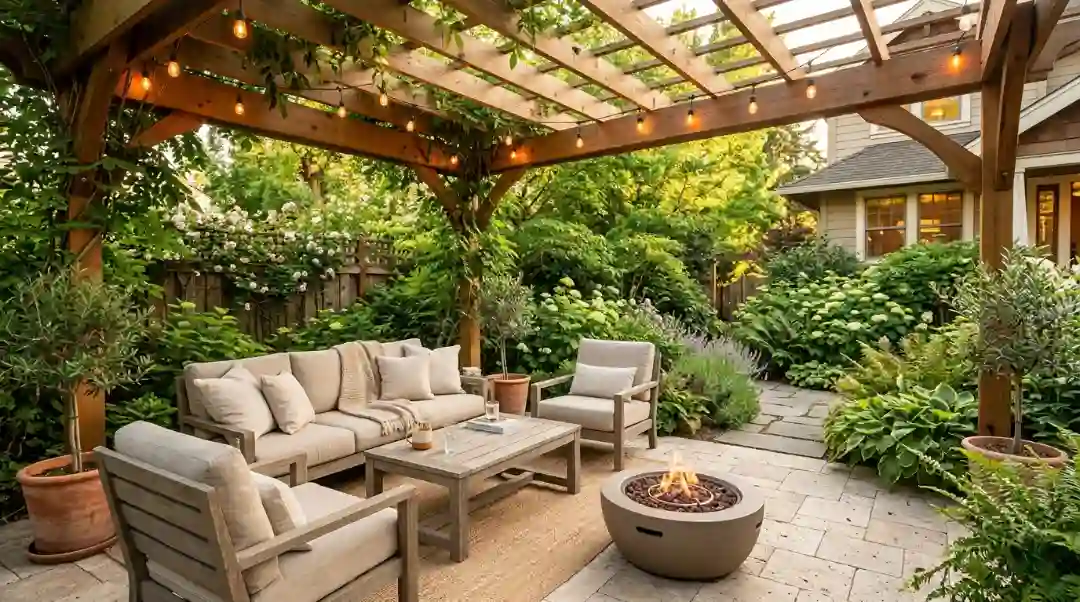
Do you want to know how to make the most of a little garden space? Think up! Walls, fences, and trellises give plants a place to grow that doesn’t take up ground area. Climbing roses, clematis, and crops like peas and cucumbers grow up instead of out.
Use containers to be flexible. You may move them to follow the sun or change their shape for parties. Put containers of different heights together to make layers and make the space more interesting.Pick plants that deserve their spot by giving you more than one advantage. A blossoming bush that makes berries nourishes you and the birds. Herbs add flavor, smell, and beauty.
Strategies for Large Gardens
Different problems come up in big spaces. They can feel empty or need a lot of upkeep. Make garden rooms or areas that are connected by walkways. This divides the space and makes it easier to handle.Use big plants to make a structure rapidly. Small plants get lost in enormous settings, while big groups of bigger plants make a big difference right away.
For a unified look, use the same things again and over in the space. Use the same plants, colors, or materials in different parts of the space. This gives the garden a sense of design rather than randomness.
How to Design a Garden on a Budget
You don’t need to spend thousands to create something beautiful and functional.
Grow from seed. Packets of vegetable or flower seeds cost a fraction of plug plants and give you far more volume. Invest in a basic seed tray set and a windowsill with decent light.
Buy small. A 9cm pot of a shrub planted in ideal conditions will often outpace a large 5-litre specimen within two to three seasons. Younger plants establish faster.
Divide and share. Many perennials benefit from being split every three to four years. Beg, borrow, or swap divisions with other gardeners. Most gardening communities and Facebook groups run plant swaps.
Repurpose materials. Old pallets become raised beds. Broken terracotta pots become drainage material or quirky edging. Reclaimed bricks make excellent paths and borders.
Sustainable Garden Design Tips for Beginners
A sustainable garden works with nature instead of against it. It also costs less to run and needs less intervention over time.
Choosing native plants is the single highest-impact decision you can make. Native species are adapted to local conditions, attract local pollinators, and generally require less water and feeding.
Rainwater harvesting is simple and effective. A water butt connected to a downpipe collects enough water for most garden needs during summer months. In drought-prone areas, this alone can halve your water use.
Mulching does multiple jobs at once. It suppresses weeds, retains moisture, and slowly improves soil as it breaks down. Apply a 5 to 7cm layer of bark mulch, compost, or gravel around plants each spring.
Avoid peat-based compost. Peat extraction destroys carbon-rich ecosystems. Peat-free alternatives are now widely available and perform just as well.
Professional Help When You Need It
Some homeowners want to get help from experts, especially when it comes to complicated design or irrigation systems. Landscape Design Whittier, CA, is one of several firms that may help you transform your thoughts into a clear strategy if you need expert guidance.
Robert’s Complete Care knows that careful design and real-world expertise are the keys to making landscapes that last.
Why Choose Us
Having the appropriate partner makes all the difference when you’re learning how to create a garden that is easy for beginners to use. Robert’s Complete Care knows that every gardener is different, just like every garden.
We have helped hundreds of people turn their normal yards into amazing outdoor living places. Our crew knows local growth conditions, understands which plants thrive in your specific microclimate, and can make your desire a reality.
Conclusion
The first step in learning how to design a garden is to get to know your space. The last step is to make a place you really enjoy. You can make a garden that is attractive, useful, and long-lasting by following the basics of garden design, creating sensible garden zones, picking the proper plants, and thinking about how to care for it in the long term. Keep in mind that the best gardens get better and better over time, just like your gardening abilities.
Contact us today to talk about your garden goals and get professional guidance that is specific to your environment. The people at Robert’s Complete Care can help you plan a garden that matches your needs and adds significant value to your property.
FAQs
What do you do initially when you want to design a garden?
First, look around your yard, keep track of how much sun it gets, and think about how you want to use the garden.
How do you plan the layout of a garden?
Measure your yard, draw a map of it, divide it into garden zones, and plan where to put paths and plants.
What should I think about before I plant a garden?
The type of soil, how much sun it gets, how easy it is to get water, and how much care it needs are all important.
How do I pick the proper plants for my garden?
Choose plants that will work with the amount of sun, water, and soil they need. Choosing native plants is frequently the easiest option.
How can you make the most of a limited garden space?
Use vertical space, restrict the number of plants, and focus on features that may be used for more than one thing.