Landscape Design

Explore expert tips and inspiration on creating custom landscape designs for front yards, backyards, and full outdoor transformations.

Cost of Landscape Lighting Installation Complete Guide

Cost of Landscape Lighting Installation

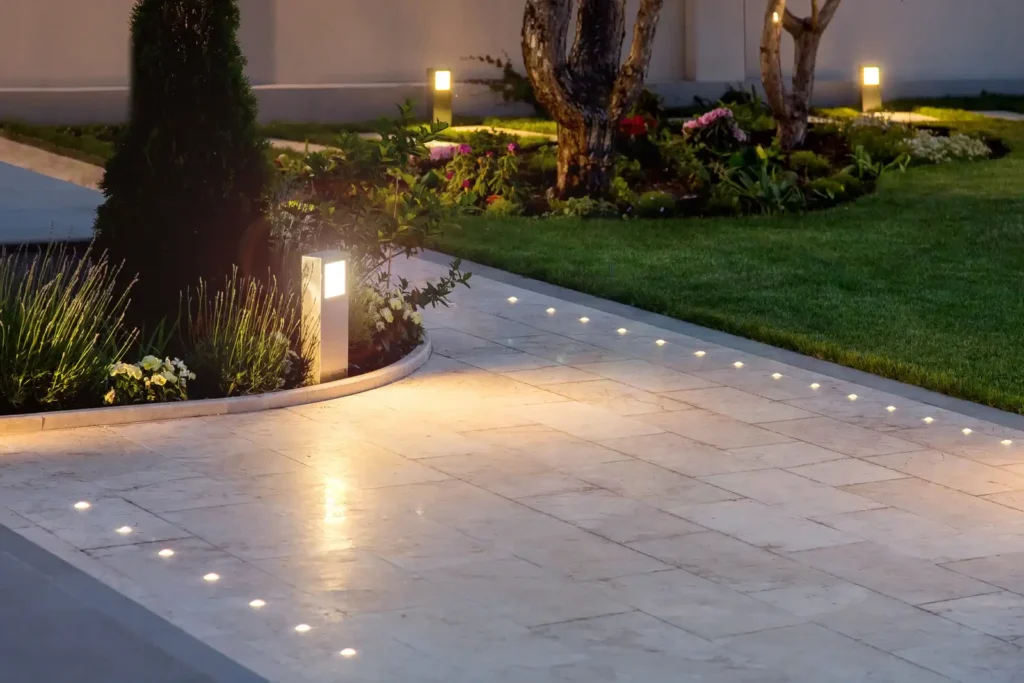
Landscape lighting is a great investment to increase your curb appeal, home security, and home value. From highlighting your garden, to brightening pathways, to lighting seating areas outside, knowing the cost of landscape lighting installation enables you to plan your finances correctly. Costs vary considerably depending on the type of lighting, materials, and design, and the amount of labour required. This guide will tell you everything you need to know — including pricing factors and lighting options, to the installation process and budgeting tips. Understanding the Cost of Landscape Lighting Installation Understanding how much to budget for landscape lighting starts with knowing what affects the cost. Some people require just a few lights to illuminate walkways, whereas others desire a full lighting design for their yard, garden, and patio. As outdoor environments vary greatly, so too does the price according to system size, fixtures, wiring, and installation complexity. To a large extent, the cost will also depend on whether you opt for the simple model or the luxury lighting system. Basic solar lights are inexpensive, while high-quality LED and low-voltage systems can increase the cost. Knowing the difference will enable you to make informed decisions on lighting without spending too much. What Factors Affect the Cost to Install Landscape Lighting? A number of elements influence the cost to install landscape lighting when calculating it. Having this information allows you to compare quotes and select the ideal lighting solution for your home. The Type of Lighting Fixtures The fixtures you select are one of the largest suppliers of cost factors. Path lights, spotlights, deck lights, and floodlights vary in cost. High-end options like brass or stainless steel fixtures are more expensive, but they have a longer lifespan and better performance. Many people who live in their homes are buying high-end LED lights for their longevity and energy efficiency. Total Number of Lights Needed The farther you need to go, the more fixtures you need, and the more you’re going to pay. A plain footpath can be lit with a handful of lights, but to light up every inch of a large garden requires an elaborate lighting scheme. Plan the quantity of light in the design, not just the decorative effect. Materials and Wiring Requirements Professional kits will generally need low-voltage wiring, transformers, connectors, and even waterproof sealing materials. While they add to the overall landscape lighting cost, they make for a safe, long-lasting solution. Solar lights are less expensive since there is no need to install wiring or electricity, but they are not as bright, and they can be unreliable. Labor and Installation Complexity The labor cost for this work depends on who you hire and the complexity of the job. Installation may be longer if your land is hilly, stony, or has long trails. Rigs Professional installers are guaranteed for proper depth of wiring, protection from the weather, and electrically safe connections. Types of Landscape Lighting and Their Costs Each lighting style has a different price tag. Selecting the appropriate type for your needs will allow you to remain within your budget and select the style you prefer. Pathway Lighting These fixtures offer safety and visibility all along your walks, garden paths, and even your driveway. Path lights are designed to be staggered and are made with a variety of finishes and sizes. And they’re cost-effective for most homeowners who want a little taste of the good life. Spotlights and Uplighting Spotlights can be used to accentuate trees, a garden feature, or an architectural detail. They deliver focused beams and add dramatic appeal at night. Uplights are ideal for highlighting focal points and casting shadows that add visual texture. Deck and Patio Lighting Deck lights can be mounted on steps, on railings, or beneath seating to maximize the safety and ambience they bring. Great for entertaining outdoors, they cast a gentle but practical light in the space around your patio. Floodlights Floodlights are used to illuminate large spaces, including driveways, backyards, and outdoor play and work areas. These lights offer powerful, wide beam extra illumination and are often professionally wired and installed. You may read Cost of Landscape Lighting Installation. Cost Breakdown for Outdoor Lighting Installation When discerning the cost of outdoor lighting installation, it is good to know how each item affects the bottom line. Fixture Costs Standard lights are very affordable, but quality metal or LED fixtures have a higher price tag upfront. Yet, these lead to better output and more years of life, so you save more money in the long run. Wiring and Electrical Work Wiring low voltage, transformers, and connectors are also needed for safety. Electrical work is supposed to meet code, which is why you’re told to get a professional installer. Design and Planning Fees Custom designs for multi-room or whole-house lighting require an additional fee, yet provide for the best positioning of lights and an even distribution of light. Designers lead you away from pitfalls like uneven lighting or too many fixtures. Labor Charges The installation work involves trenching, wiring, mounting fixtures, testing, and then cleaning up. Professional labor guarantees the quality and durability of work. How to Budget for Landscape Lighting Installation Planning, getting quotes, and knowing what is important to you is the best way to budget for your project. Full systems are not needed in every yard. Begin by determining which areas you care about most — sidewalks, flower beds, decks, or security lighting. Get quotes from several experts, and inquire about both their basic and their premium packages. In some cases, using better materials results in lower costs because you need to make fewer repairs or replacements. Phased lighting advantage: You can put your lighting in phases, focusing first on the essentials and adding later. DIY vs. Professional Installation A lot of homeowners do lighting installation on their own to save money. While DIY lighting is possible with simple solar lights or plug-in systems, wired lighting requires skill and knowledge. A single mistake in wiring can drain efficiency or create a hazard. The pros have the tools, bury wire properly, and test every connection. They also know how to create a well-balanced lighting design. Professional labor always discounts any landscape lighting cost for the total job, but it’s worth every penny for peace of mind and lighting you can count on. When

Cost of Landscape Lighting Installation Read More »

Cement Patio Ideas to Transform Your Home Exterior

Cement Patio Ideas | Stylish, Durable, and Affordable Outdoor Makeovers

A cement patio is one of those things in your home’s exterior makeover that offers numerous potentials to transform your outdoor living while being affordable. Whether you have a small outdoor space in your home, an entire wide backyard, or just an elongated sideyard, cement offers numerous designs to choose from to transform your cement patios into an aesthetically pleasing environment. Below is an in-depth guide on some cement patio ideas to create amazing patios out of simple slabs in your home’s exterior remodeling process. Why Choose a Cement Patio? before we proceed to talk about some really inspiring cement patio ideas, there are some reasons why cement remains such a popular option: Durability: Cement is also resistant to extreme weather conditions, heavy furniture, and foot traffic. Affordability: Cement is less costly in comparison to stone, bricks, or composites. Design Flexibility: Cement has unlimited flexibility in designs, from stamp patterns to geometrics. Low Maintenance: It requires occasional washing to maintain its cleanliness, in addition to having occasional sealing to maintain its integrity. Keeping in mind all these advantages, homeowners enthusiastically explore cement patio ideas to create beautiful spots in their backyards. Modern Minimalist Cement Patios If you like clean, polished, elegant designs with neutral-colored themes, then minimalist patios would definitely be some of the most popular cement patio designs for you to explore. Minimalistic designs incorporate simplicity with elegant style. Key Features: Built-in seating or planters Basic, modern outdoor seating Opaque colors like off-white, light gray. These patterns will also work well with soft greenery, which is perfect for cement patio landscaping for those homeowners looking for a clean yet natural environment. Why It Works Minimalist designs incorporate the natural beauty of cement. When combined with modern décor elements, this becomes one of the most timeless backyard cement patio ideas you can implement. You may read How to Design Landscape Lighting? Stamped Cement Patterns That Mimic Natural Materials Stamped cement offers you the appearance of high-cost materials with less expenditure. It is one of the most flexible cement patio ideas for homeowners looking to create charm on their property with less outlay. Popular Stamped Styles: Stone or slate patterns Brick textures Wood Plank Finishes Cobblestone designs These patterns are most sought after by homeowners in their quest for cement paver patios, due to their ability to create patterns simulating individual cement pavers. Landscaping Tip Install flower beds or some decorative gravel along the borders. These will merge your patios with nature, thereby creating elegant cement patio landscaping ideas. Geometric Cement Paver Patio Ideas Geometric patterns provide a sleek, modern alternative to traditional patio designs. Cement pavers in interesting designs provide aesthetic appeal to patios. Pattern Styles to Try: Large square pavers Rectangular stepping stones Hexagon Paver Layouts Checkerboard designs with grass in between These geometric patterns have now become some of the most popular cement paver patio ideas, especially in modern houses. These patterns can also be combined with cement patio design ideas to create a more artistic environment. Cozy Backyard Cement Patio Ideas With Fire Pits Fire pits will readily convert any patio into an ideal entertaining arena. Cement stands out as one of the most secure materials to work with, especially in areas surrounding fire features. Ideas for Fire Pit Integration: Round recessed fire pits “Square modern fire pits” Built-in cement bench seating Fire bowls on raised cement platforms This is especially effective in cooler climates, providing you with useful and beautiful cement patio designs for backyard to enjoy during extended outdoor living. Landscaping Enhancement Gravel, plants in pots, or small shrubs to create an ideal backdrop for cement patio landscaping ideas. Outdoor Kitchen or BBQ Zone on a Cement Patio For house owners who enjoy throwing parties, creating either an outdoor kitchen or grilling bar is one among those indulgent cement patio ideas. Design Options: Cement base for grill island Outdoor bar seating Cement prep stations with storage Cement is heat-resistant, hard, and durable. It is perfect for outdoor cooking. It is also one characteristic that works to its advantage in modern cement patio design ideas. Extra Touch Add pot herbs, a pergola, or string lights for some extra character. Decorative Borders and Inlays Borders are used to establish boundaries for patios, thereby creating aesthetically pleasing designs. These designs are usually employed in cement paver patio ideas and cement poured patios. Border Types: Contrasting color borders Brick inlays Gravel or stone strips Geometric cement patterns It is such a small detail, yet it puts your entire outdoor living space together, incorporating it perfectly with your cement patio landscaping ideas. Multi-Level Cement Patio Design Ideas Multilevel patios provide an interesting method for extending living space for those with sloping yards or for those wanting to create a striking appearance. How to Use Multi-Level Designs: Move dining to the highest floor, with relaxation space below Add wide cement steps to connect levels Utilize built-in planters in-between terraces Lighting to indicate land elevations It is one of the most modern designs for cement patios, ideal for larger yards or homes requiring more definition. Rustic Backyard Cement Patio Ideas If you want to incorporate nature into decor, then rustic themes will make your cement patios welcoming. Rustic Features: Stained Cement for Natural Shades Wood, rattan, or bamboo furniture Wood, Natural stone accents Warm outdoor lighting Blend these with wild flower borders or raised garden beds to complete your rustic cement patio designs. Mix Cement With Grass or Gravel By incorporating soft or textured materials in close proximity to cement, it helps to soften the appearance. Great Ways to Incorporate This Idea: Grass-filled stepping stone pathways Cement pads with gravel surroundings. Paving Alternating with Turf Cement grids with low ground cover plants Mixed style looks one of the most fresh cement paver patio ideas, especially in environmentally correct or modern designs. Creative Cement Patio Landscaping Ideas Landscaping is necessary to provide character, comfort, and natural beauty to your patio. It achieves balance and softness by incorporating plants with cement. Landscaping Ideas

Cement Patio Ideas | Stylish, Durable, and Affordable Outdoor Makeovers Read More »

Best Low Maintenance Front Yard Landscape Ideas to Transform Your Home

You don’t have to spend a lot of money on landscaping services, water your plants all the time, or do a lot of work to keep your front yard looking nice. Homeowners want things to be easy, cheap, and look good all year long. This guide gives you all of those things. This post has the greatest low maintenance front yard landscape ideas that really work, whether you want a clean, modern design, a welcome cottage-style entry, or something that won’t take up your weekends. You can obtain practical advice, design ideas, and easy-to-follow enhancements that you can start right away, from quick budget tweaks to long-term solutions that make work easier. Let’s get started. 5 Quick Tips for Cheap, Simple Landscaping If you want fast wins before diving into full landscaping ideas for front of house, these five simple tips can make an immediate difference: Start With Mulch Mulch is affordable, can be used in many ways, and works great to keep weeds at bay. It also keeps the soil moist and makes beds seem neat right away. This is one of the most popular low-maintenance front yard landscaping ideas with rocks and mulch because it works in every climate and yard size. Choose Native Plants Native plants are already suited to the weather in your area. That means you won’t have to water it as much, there will be fewer bugs, and it will need very little care. Most ideas for landscaping that don’t need a lot of work are based on this method. Add One Strong Focal Point A small tree, a large pot, or a charming bench near the entry instantly improves front yard design without making things complicated. Use Hardscaping to Reduce Work Adding gravel, stepping stones, edging, or borders makes maintenance much easier. It also makes everything look clean and trendy. Hardscapes go well with front yard landscaping that doesn’t need a lot of water and doesn’t need a lot of work. Keep Your Shapes Simple Curvy beds are beautiful, but they require more trimming. Straight lines and clean edges are easier for long-term upkeep and great for front yard landscaping ideas on a budget. Easy Landscaping Ideas for the Front of the House When it comes to easy landscaping ideas for the front of the house, the key is simplicity. The front of the house is where first impressions happen, so the goal is to highlight the façade without overpowering it. 1. Layer With Height Use a three-tier system: Tall shrubs in the back Medium-height plants in the middle Ground cover at the front This structured approach adds visual depth while keeping maintenance low. 2. Evergreens for Year-Round Appeal Evergreens offer consistent color and shape all year. They’re perfect along walkways or entry paths and are staples in front yard garden ideas. 3. Frame the Entryway Planting boxwoods, dwarf palms, or low shrubs around the porch or door frames the home beautifully. It also boosts curb appeal and adds a touch of elegance. 4. Replace Grass With Decorative Gravel If lawn care feels like a burden, gravel is your escape. Add stepping stones, drought-tolerant plants, or potted arrangements for an attractive look with minimal maintenance. 5. Add Lighting for Style and Safety Solar path lights and spotlights give your home a welcoming glow without raising electricity bills. They’re great finishing touches for modern front yard ideas. Simple & Cheap Landscaping Ideas for the Front Yard If you’re after simple & cheap landscaping ideas for the front yard, the good news is there are tons of options that look designer-grade but cost very little. 1. Build a Rock Garden Rock gardens require little to no watering and add texture and beauty. They’re ideal for homeowners looking for low maintenance landscaping ideas front yard solutions that last years without effort. 2. Use Potted Plants Pots are versatile, budget-friendly, and low commitment. You can rearrange them anytime, and they require far less upkeep than traditional garden beds. 3. Plant Perennial Ground Covers Creeping thyme, sedum, and mondo grass spread beautifully and suppress weeds. They’re fantastic alternatives to high-maintenance lawns. 4. Refresh the Edging Brick, stone, or metal edging instantly elevates your landscape’s look and reduces accidental trimming. 5. Paint or Stain Surfaces for a Clean Look As an expert in painting, I can confirm that a fresh coat of paint on your fence, porch, and exterior trim can completely change the feel of your front yard sometimes more than planting anything at all. Small Front Yard Landscaping Ideas Small yards have huge potential. You just need a strategic approach to maximize the space while keeping everything low-maintenance. 1. Use Vertical Space Vertical planters, trellises, or wall-mounted pots draw the eye upward and free up ground space. They’re perfect for small front yard landscaping ideas low-maintenance. 2. Choose Compact Shrubs Dwarf varieties like boxwood, lavender, and dwarf yaupon holly thrive with little care and fit perfectly near walkways or porches. 3. Stick to a Simple Color Palette Too many textures or colors can make a small yard look cluttered. Choose 2–3 main tones for your plants, pots, and mulch. 4. Add a Narrow Pathway A slim gravel or stepping stone walkway creates structure and makes small spaces feel larger. 5. Use Symmetry to Your Advantage Symmetrical shrub placement or matching pots creates a classy, balanced look that’s easy to maintain. Curb Appeal Front Yard Landscaping on a Budget A beautiful front yard doesn’t have to be expensive. In fact, many high-impact improvements cost surprisingly little. 1. Paint the Front Door This is one of the fastest curb appeal boosters. A bold color like deep blue, red, or black adds instant personality. 2. Refresh the Mailbox A new mailbox (or repainting your old one) adds charm without breaking the bank. 3. Clean Up Overgrown Beds Trimming shrubs, removing dead plants, and refreshing mulch are free or cheap improvements that can transform the look of your yard. 4. Add a DIY Flower Bed Border You can create simple

Best Low Maintenance Front Yard Landscape Ideas to Transform Your Home Read More »

What Are the Basic Elements of Landscape Design?

What Are the Basic Elements of Landscape Design?

Have you ever stepped into a garden that simply feels right? Every tree, path, and flowerbed fits together perfectly. It’s not a coincidence; it’s the consequence of careful planning and a deep understanding of what are the basic elements of landscape design? If you want to turn a normal space into an amazing landscape, you need to know these basics. This is true whether you’re a homeowner planning your dream backyard or a young designer interested in outdoor aesthetics. It’s not enough to merely put flowers and bushes in your yard; you also need to make sure it looks well, works well, and is balanced. Before you put on your gardening gloves or look up what equipment landscape designers use, let’s take a look at the ten most important parts that make up any well-designed outdoor space. 10 Elements & Principles of Landscape Design Every great garden design revolves around certain universal elements. These include line, form, mass, color, texture, balance, rhythm, focal points, function, and transition. Each one works together to create harmony and visual interest. Let’s break down how these landscape elements can bring your yard to life. 1. Line Lines assist the eye move through a landscape by defining spaces and making things flow. You can think of them as the hidden routes that connect all the parts of your yard. They can be straight, which is great for a modern, formal garden, or curved, which makes the garden feel more natural and comfortable. A curving stone path that goes through a rich garden, for example, offers movement and interest. Straight lines, like those made by manicured hedges or rectangular patios, on the other hand, suggest structure and order. The most important thing is to choose what mood or style you want your lines to have, such as a tranquil retreat or modern trendy. Tip: Before you start planning your garden, draw out your paths and borders first. This provides you a clear plan before you begin to plant or build hardscapes. 2. Form & Shape The form and shape of your landscape, including the outlines of trees, flowerbeds, and other garden features, make up its physical structure. Different shapes can change the way your yard feels a lot. Vertical trees provide height and drama, while rounded shrubs make things softer. When you use natural materials to landscape, consider how the shapes of the plants work together. For example, tall grasses next to low-growing groundcovers make layers and depth. The way that shapes repeat themselves throughout your landscape makes everything work together. A professional tip: before choosing plants or features, picture the garden in shadows. The forms themselves are just as significant as the colors and textures that fill them. 3. Mass / Weight Mass, which is often termed weight, is the magnitude of things in a landscape that you can see. It’s about how much “space” something seems to take up, like a tree canopy, a boulder, or a sculpture in a garden. Mass gives your design shape and keeps it in place. A big shade tree, for example, makes your yard feel more stable, and a group of tall perennials makes it look fuller. If you have an open lawn, utilize garden beds to fill in the “empty” spots. Your yard can feel empty if there is too much open space, and it can feel congested if there are too many dense features. The key is to find balance, so that each area doesn’t feel too heavy or too light. 4. Color Color is what gives your landscape life and emotion. It may shift the ambiance, draw attention to important areas, and make a room look bigger or smaller. Red, orange, and yellow are warm colors that grab the eye and make rooms feel more comfortable. Blues and purples are cool colors that make you feel peaceful and make small areas look bigger. When choosing plants, think about more than just the colors of the flowers. The greens, silvers, and burgundies of the leaves are also quite essential. You can also utilize hardscape elements like stone, wood, or gravel to add neutral colors that balance out colorful flower gardens. One wonderful piece of advice for landscaping is to think about color all year round. Put evergreen plants along with plants that bloom at different times of the year to keep your garden from seeming dreary. 5. Texture Texture adds tactile and visual richness to your landscape. It’s the difference between soft, feathery ferns and glossy, bold-leaved tropical plants. The right combination of textures keeps your garden interesting from every angle. Incorporating diverse materials like gravel, bark, or stone pathways enhances the sensory experience. For instance, rough bark next to smooth paving stones creates contrast and dimension. Even small gardens benefit from mixing textures; it helps prevent monotony and adds personality. 6. Balance, Proportion, and Scale A well-designed landscape feels balanced, even if it’s asymmetrical. Balance refers to how visual weight is distributed throughout the design. Symmetrical balance uses mirrored plantings or structures on either side of a central feature. Asymmetrical balance, on the other hand, achieves harmony through contrast, perhaps a large tree on one side balanced by several smaller shrubs on the other. Proportion and scale ensure that every feature fits comfortably within the space. A massive fountain might overwhelm a small yard, while tiny garden lights might look lost in a wide-open lawn. The goal is to make each element feel purposeful and in harmony with its surroundings. These ideas tie closely to the principles of landscape design, emphasizing harmony, unity, and proportion. 7. Rhythm and Echoes Just like music, landscapes have rhythm. It’s the repetition and spacing of elements that guide the viewer’s eye through the garden. Rhythm is created through recurring patterns like evenly spaced trees, repeating colors, or a consistent edging material. “Echoes” occur when certain shapes or materials reappear throughout your design. For example, if you use circular stepping stones, repeating that shape in your garden beds or decor

What Are the Basic Elements of Landscape Design? Read More »

Top 10 Landscaping Trends in 2025

Top 10 Landscaping Trends in 2025 for Modern Homes – Sustainable & Stylish Ideas

Landscaping is more than just about making your outdoor space look pretty. In 2025, it’s all about sustainability, functionality, and design elements that merge effortlessly with modern architecture. Whether you have a sprawling backyard or a compact front yard, these landscaping trends are transforming how we connect with nature in our homes. Let’s dive into the Top 10 Landscaping Trends in 2025 for Modern Homes and see how these ideas can bring your outdoor spaces to life. 1. Sustainable Landscaping Practices As eco-consciousness continues to grow, sustainable landscaping has become one of the top priorities for homeowners. More and more people are looking to reduce their environmental impact by using drought-resistant plants, xeriscaping, and eco-friendly materials. These sustainable practices not only save water but also minimize the use of harmful chemicals in your garden. Eco-friendly designs don’t have to be expensive. Check out our guide on how much does landscaping cost to plan your sustainable upgrade wisely. 2. Native Plants Are Taking Over Native plants have been gaining popularity, and in 2025, they’re expected to dominate the landscaping scene. By using plants that naturally thrive in your region, you’ll not only reduce the need for maintenance but also create a habitat for local wildlife. Whether it’s wildflowers, grasses, or shrubs, native plants are perfect for homeowners looking to enhance their yard’s biodiversity. 3. Outdoor Living Spaces In 2025, outdoor living spaces are no longer just a luxury; they’re essential. People are investing more in creating functional and stylish outdoor areas that feel like an extension of their homes. Think cozy patios, fire pits, comfortable seating, and well-designed kitchens. These areas serve as the perfect spot for entertaining friends or simply unwinding after a long day. 4. Smart Technology in Landscaping Technology continues to evolve in landscaping, with smart irrigation systems, automated lighting, and even robotic lawnmowers becoming more common. These innovations save time and energy, allowing you to enjoy a beautifully maintained yard without the hassle. In 2025, integrating these technologies will be essential for modern homes, offering both convenience and efficiency. 5. Minimalistic Design Minimalism is not just a trend in interior design but also in landscaping. The focus in 2025 is on clean lines, simple layouts, and low-maintenance plantings. Modern homeowners are choosing sleek designs that allow for easy upkeep while still offering a beautiful, tranquil environment. Think geometric garden beds, simple stone paths, and carefully placed plants. 6. Vertical Gardens and Green Walls Space is becoming more of a premium, especially in urban areas. To make the most of smaller yards or apartment terraces, vertical gardens and green walls are a great option. These structures allow homeowners to grow plants vertically, creating a lush green environment in areas where horizontal space is limited. In 2025, these living walls will be a key feature in many modern landscaping designs. 7. Water Features with a Purpose Water features, like fountains or small ponds, are no longer just decorative; they now serve a more practical role. In 2025, homeowners are opting for water-efficient features that can help with irrigation or even be used to filter rainwater for garden use. These eco-friendly water features combine aesthetics with sustainability, creating a calming atmosphere while reducing water consumption. 8. Edible Landscaping The edible landscaping trend is not new, but it’s definitely growing in popularity. People want to transform their outdoor spaces into areas that provide fresh produce, whether it’s herbs, fruits, or vegetables. This trend is especially relevant in 2025 as more homeowners prioritize growing their own food. Imagine having a beautiful garden filled with edible plants that also provide you with fresh ingredients for your meals. 9. Natural Materials Over Synthetic In 2025, natural materials are taking center stage. Homeowners are moving away from synthetic options like plastic turf and opting for organic materials like wood, stone, and gravel. These materials are not only more sustainable but also blend seamlessly with the environment, creating a more harmonious outdoor space. Whether it’s for pathways, garden borders, or furniture, natural materials are the go-to choice for landscaping in 2025. 10. Low-Impact, Wildlife-Friendly Landscaping Finally, there is a growing shift towards landscaping that encourages biodiversity. Homeowners are designing their outdoor spaces to support local wildlife by planting pollinator-friendly flowers, creating birdhouses, and incorporating other elements that attract insects, birds, and small animals. This low-impact, wildlife-friendly approach not only enhances your garden’s beauty but also plays a critical role in preserving local ecosystems. Conclusion The Top 10 Landscaping Trends in 2025 for Modern Homes clearly show a shift towards eco-conscious, functional, and minimalist designs. Whether you’re embracing native plants, installing smart systems, or designing an outdoor kitchen, there’s no better time than now to rethink your landscaping approach. Modern homes are evolving, and your outdoor spaces should reflect that transformation. By adopting some of these trends, you’ll not only improve the look and feel of your home but also contribute to a more sustainable and enjoyable environment for years to come. Transform Your Landscape in 2025 Upgrade your outdoor space with sustainable, stylish, and modern landscaping solutions tailored for your home. Call (562) 208-0148  Get Landscape Design Services

Top 10 Landscaping Trends in 2025 for Modern Homes – Sustainable & Stylish Ideas Read More »

how much does landscaping cost

How Much Does Landscaping Cost? | Average Pricing Guide for Landscaping Services

I called three landscapers last spring because my yard looked like a jungle. The first guy said $2,100. The second said $800. The third quoted me $4,500. I had no idea what was right or wrong. That’s when I started actually digging into what landscaping costs, and honestly, it’s messier than people think. Most landscapers I talked to said they’d charge somewhere between $1,400 and $3,650 for a decent project. But that number means almost nothing without context. A patio guy might give you $1,200 for a small job. A tree removal person wants $2,000 just for the tree. It’s all over the place. What’s Really Eating Your Budget? Here’s what nobody tells you straight up. When you pay a landscaper, about 80 percent of your money is going to pay them to work. The plants and materials? That’s only like 20 percent of the bill. A crew of two working eight hours at landscaping rates per hour of $50 to $100 quickly adds up to $400 to $800 in labor for just one day. Once you factor in plants, soil, mulch, and other materials, it’s easy to see how total landscaping costs reach $2,000 to $3,000 fast. Some guys charge by the square foot. They’ll tell you $4 to $12 per square foot. Let’s say your project is 1,000 square feet and they charge $8 per square foot. That’s $8,000. You know what you’re getting. I like that method because it’s straightforward. Then there’s the flat fee thing. The landscaper comes look at your yard, you tell them what you want, and they give you one price. Done. No surprises. This works better for bigger jobs because both of you know what’s happening. Small Yard Projects Cost More Per Square Foot I have a small yard. That’s why my quotes were all over the place. Small spaces are weird for pricing. My front yard is maybe 500 square feet. One guy quoted me for $800 to do new grass, mulch beds, and three shrubs. Another guy said $2,200. The expensive guy was explaining that small yards have nowhere to hide mistakes and everything needs to be precise. He had a point actually. So if you’ve got a small front yard, you’re probably looking at $500 to $2,500. Back yard? Maybe $800 to $3,500. This covers new sod, some plants, fresh mulch, and maybe a walkway or something. The good part about small yards is they get done quick. The contractor can probably finish in a week or two instead of dragging out for a month. Landscape Design Will Cost You Extra I didn’t think about this at first. Turns out most landscapers want you to pay a designer before they start digging. These designers charge all different ways. Some want $1,900 to $6,800 for the whole thing. Some charge by the hour, like $75 to $150. Some actually just charge you nothing and mark up whatever plants you buy from them later. What you get is basically drawings and a plan. Simple consultations are just someone talking to you about ideas. The expensive versions come with detailed drawings showing exactly where every plant goes, what materials, how water drains, all that stuff. I was skeptical about paying for this until one designer showed me that bad planning wastes thousands. You buy plants that won’t grow in your yard. You put hardscape in spots that flood. You spend money fixing problems that cost way more than the design would have. Robert Complete Care does landscape installation services in Whittier and includes design consultations. It’s worth asking if your contractor includes this or charges separate. Breaking Down What Specific Work Actually Costs I spent like an hour on the phone with different contractors writing down prices for different services. Here’s what they told me. If you just want someone to mow and clean up every couple weeks, that’s $150 to $350 per visit. Nothing fancy. You can usually get a discount if you sign up for monthly service instead of calling them random times. New sod was the thing that shocked me. The grass itself is cheap. But installed it’s $1 to $2 per square foot. A basic lawn is 1,000 square feet. So you’re at $1,000 to $2,000 easy. That’s why one of my quotes was so high. Mulch is way cheaper. That’s $75 to $200 per cubic yard once they spread it. You probably need three to five cubic yards depending on how many beds you have. Do the math and you’re at $225 to $1,000. Shrubs are $25 to $150 each to plant. Trees cost way more. A regular size tree landed in my yard costs $700 to $1,000. That includes getting the tree, digging the hole, the soil, everything. Patios and walkways are expensive. $50 to $100 per square foot. My wife wanted a patio that’s like 200 square feet. That’s $10,000 to $20,000. I said no. Sprinkler systems add significantly to the average landscaping cost, running around $3,200 for most homes. Depending on yard size and layout, prices can range from $2,500 to $5,000, while drip irrigation is more affordable at $300 to $800 per zone. I started seeing why my quotes were so different. One contractor was just doing mulch and shrubs. Another was quoting sod for the whole yard. Of course they cost different amounts. 8 Things I Actually Did to Save Money After getting those crazy quotes, I looked for ways to spend less. Some of this worked, some didn’t. Doing it in stages. I decided to do the front this year. Back patio next year. Full bed renovation the year after. This spreads money out and honestly it’s less stressful than huge construction everywhere at once. Picking plants that actually grow here. This is just smart. Native plants cost less, don’t need watering as much, don’t need fancy fertilizer. They’re made for our area. Less work, less money. Buying smaller plants. I bought three-gallon instead of five-gallon plants. Saved probably $30

How Much Does Landscaping Cost? | Average Pricing Guide for Landscaping Services Read More »