Most homeowners treat their lawn like a single project. Mow it, water it, maybe throw down some fertilizer in spring, and call it a day. But if your grass keeps yellowing, thinning, or losing that lush green look no matter what you do, it’s likely because you’re mixing up two very different things. Understanding what is the difference between lawn care and lawn maintenance is the first step to actually fixing the problem, not just masking it.
Here’s the short answer: lawn maintenance is about how your lawn looks, while lawn care is about how your lawn lives. One keeps it tidy. The other keeps it alive and thriving. You need both, but they serve completely different purposes. In this guide, we’ll break down each one clearly, show you what’s included, and help you figure out exactly what your yard needs right now.
What Is Lawn Maintenance?
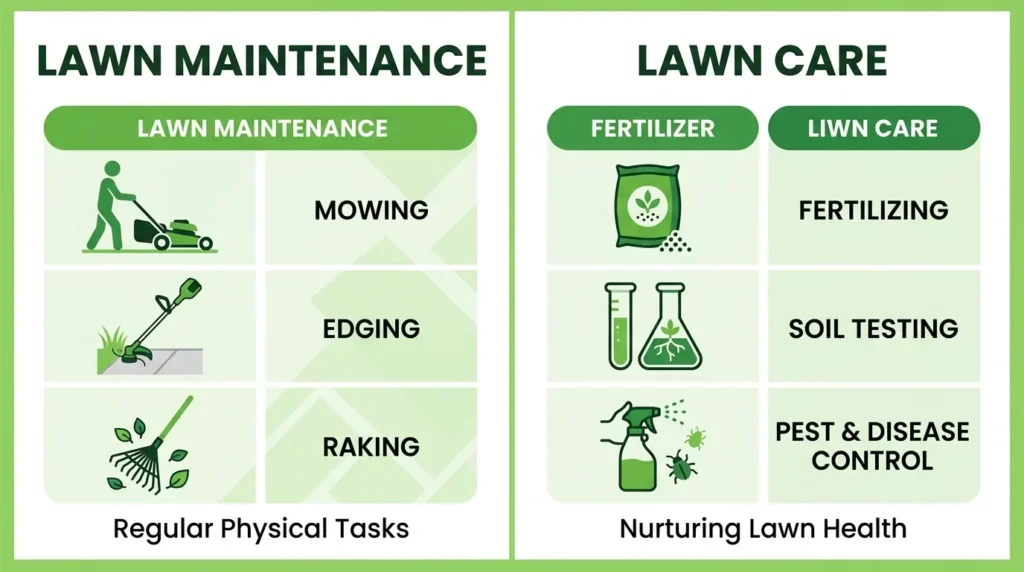
Lawn maintenance covers all the routine, visual upkeep tasks that keep your yard looking clean and presentable. Think mowing, edging, trimming, seasonal cleanups, and debris removal. These are recurring tasks done on a regular schedule, usually weekly or biweekly, to manage appearance.
It’s the kind of work you see happening. A crew shows up, mows the grass to a clean height, edges along the driveway, blows off the walkways, and leaves. The yard looks sharp. That’s lawn maintenance in action.
A standard lawn maintenance schedule typically includes:
- Weekly or biweekly mowing to keep grass at a healthy, consistent height
- Border edging along driveways, walkways, and patio areas
- Spring yard cleanup to clear dead winter growth and accumulated debris
- Summer shrub and tree pruning to maintain shape
- Fall yard cleanup to remove leaves and prepare the lawn for winter
Lawn maintenance services are largely cosmetic. They don’t treat soil issues, diagnose diseases, or improve the underlying health of your turf. That’s where lawn care comes in.
What Is Lawn Care?
Lawn care focuses on the biological and chemical health of your turf and soil. It includes fertilization, aeration, weed control, pest control, soil testing, and overseeding. These are treatments applied to improve grass health, not just its appearance.
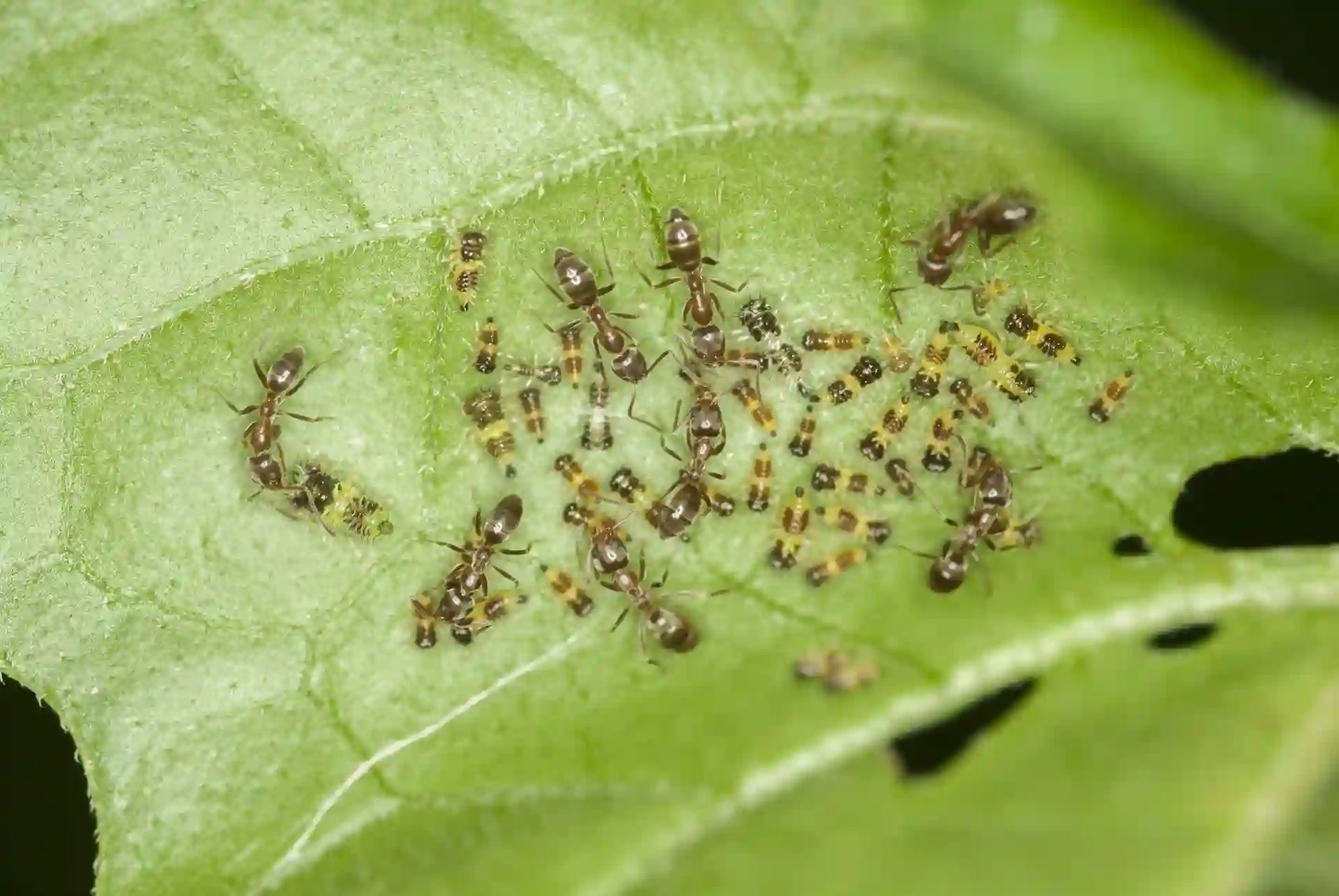
Think of lawn care as the medical side of the equation. A lawn care program targets what’s happening below the surface. If your soil pH is off, your grass won’t absorb nutrients properly no matter how often you mow or water. If grub control isn’t applied at the right time, pests will destroy the root system from underneath.
A professional lawn care program typically covers:
- Soil testing to check pH levels and nutrient deficiencies
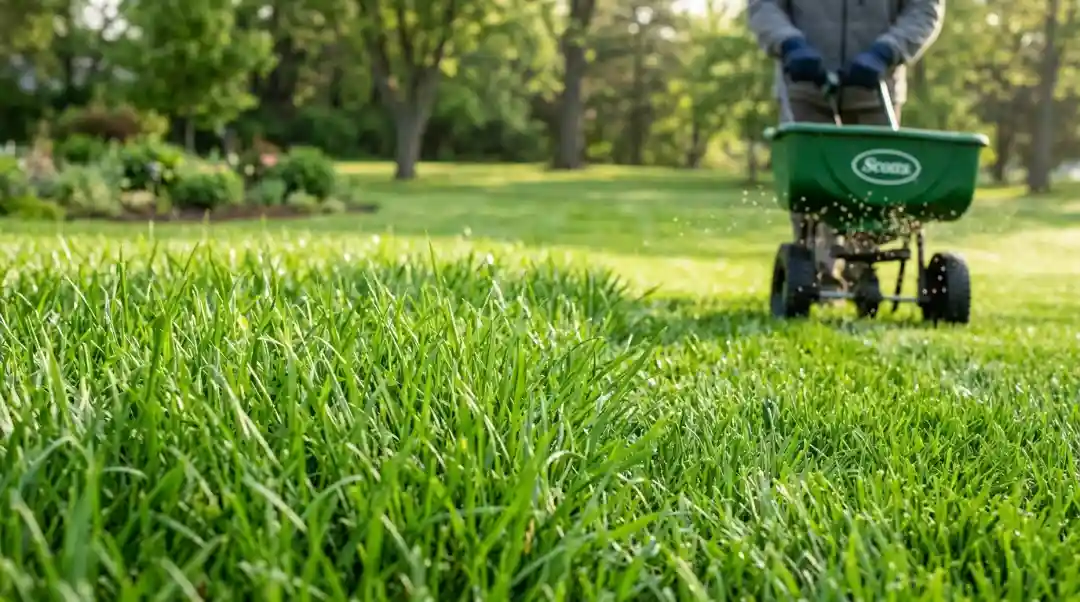
- Fertilizer application to provide essential macronutrients like nitrogen, phosphorus, and potassium
- Pre-emergent crabgrass control applied before weeds germinate in spring
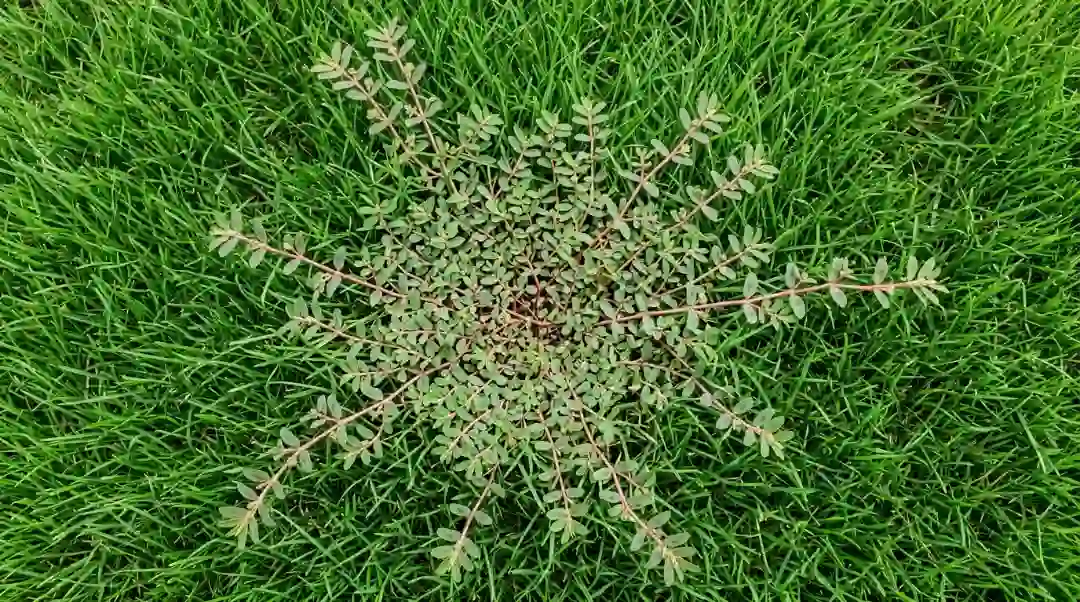
- Broadleaf and creeping weed control throughout the growing season
- Grub control and chinch bug control to protect roots from pest damage
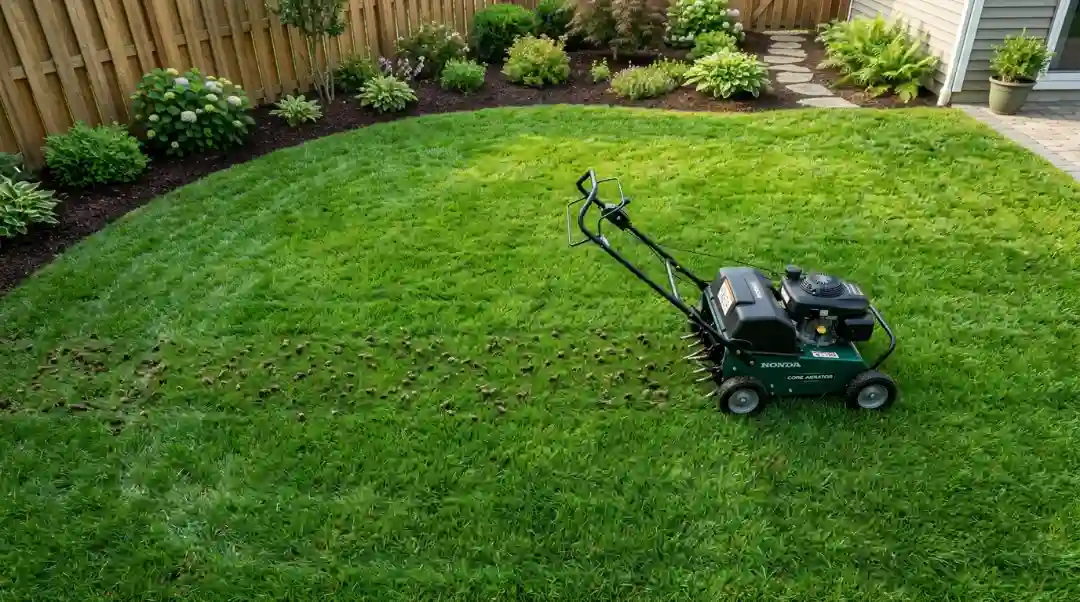
- Natural aeration and thatch control to reduce soil compaction and improve water absorption
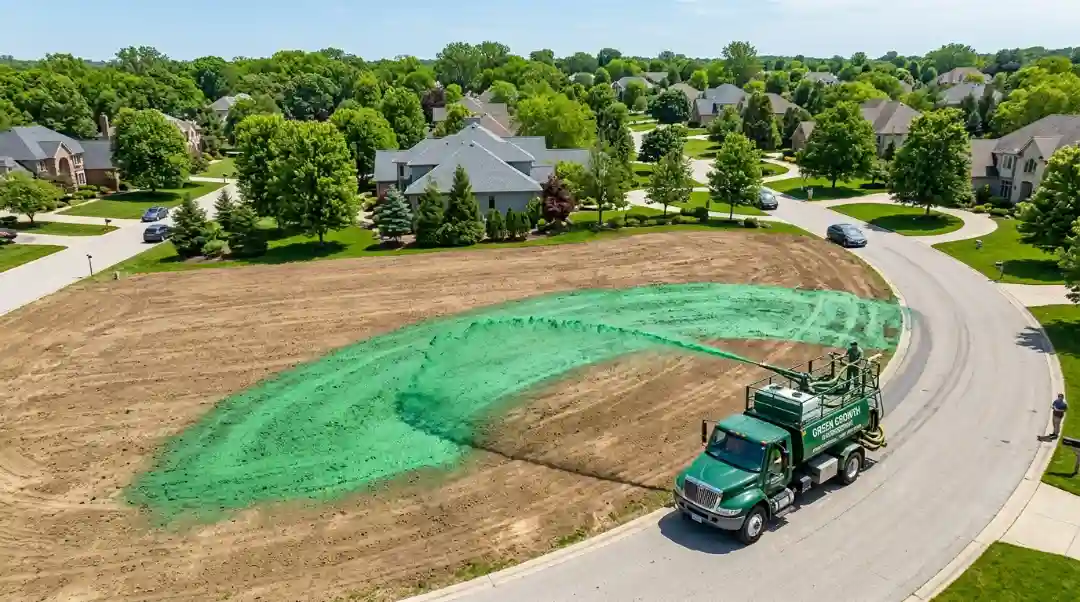
- Overseeding to fill in thin or bare patches with fresh grass seed
- Deep root feeding for trees and shrubs on the property
- Irrigation system setup and management for consistent, efficient watering
- Organic lawn care options for pet-safe and eco-conscious households
Lawn Care vs. Lawn Maintenance: Key Differences Explained
Here’s where most homeowners get confused. The two services overlap in name and are often offered by the same company, but they are not the same thing.
| Feature | Lawn Maintenance | Lawn Care |
| Primary Focus | Appearance | Health |
| Task Type | Recurring/routine | Treatment-based |
| Frequency | Weekly or biweekly | Seasonal or as needed |
| Examples | Mowing, edging, cleanup | Fertilization, aeration, weed control |
| Visible Results | Immediate | Gradual over weeks |
| DIY Friendly? | Yes, mostly | Requires more knowledge |
| Cost Range | $50–$150/visit | $300–$600/season program |
The simplest way to remember the difference: if the task involves a mower or a rake, it’s maintenance. If it involves a spreader, a soil probe, or a pest treatment, it’s lawn care.
What Is the Difference Between Lawn Care and Landscaping?
This is another term that gets used loosely, and it’s worth clarifying. Lawn care focuses on treating and improving existing turf health over time. Landscaping is a much larger scope of work.
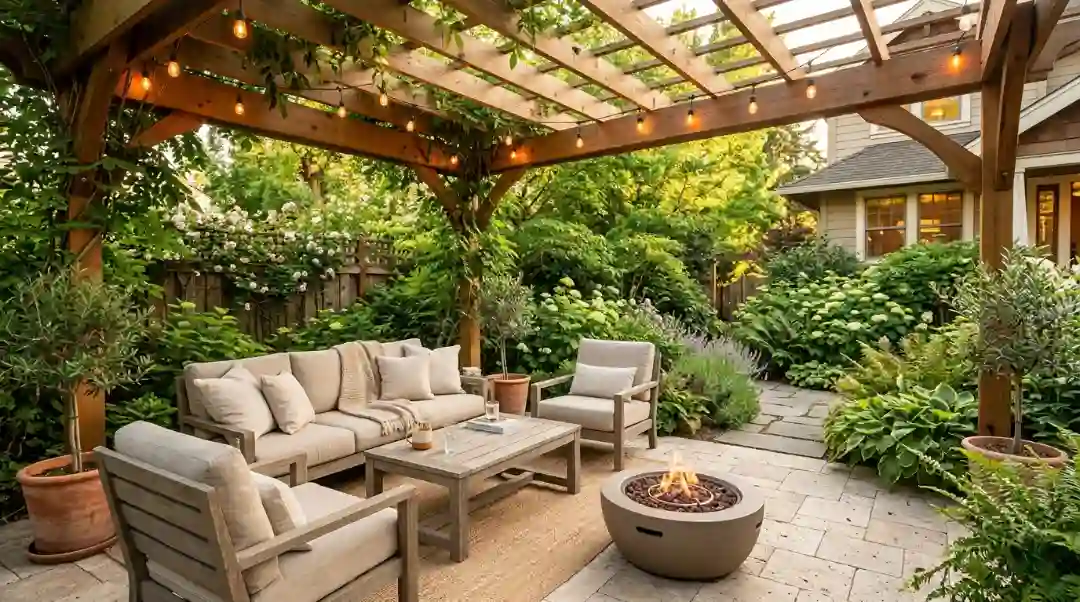
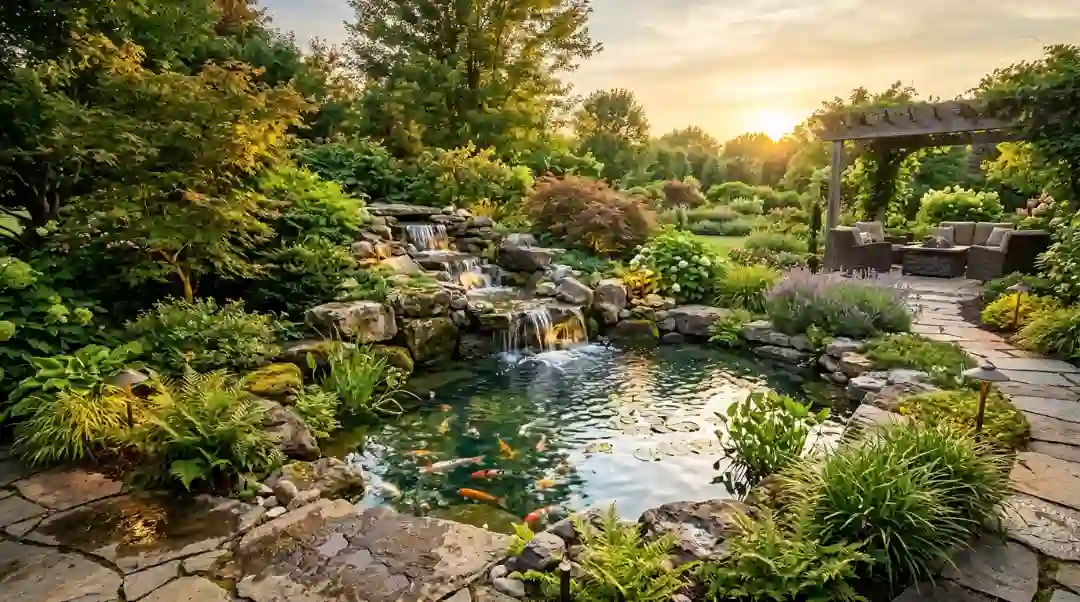
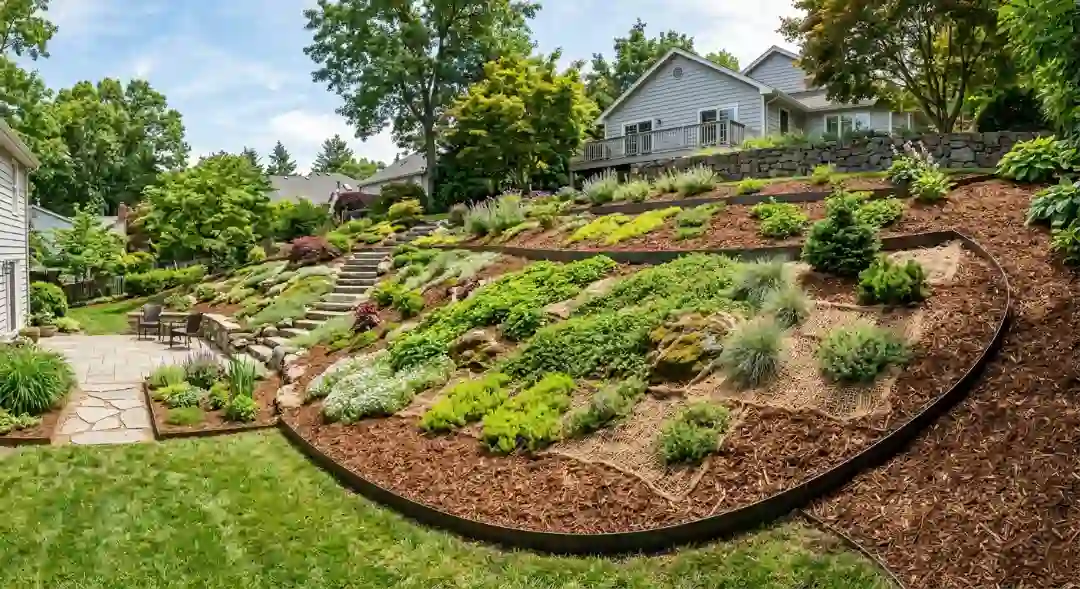
Landscaping involves the design, construction, and installation of outdoor spaces. It transforms a property rather than maintaining one. This includes hardscape features like patios, retaining walls, fire pits, walkways, water features, and decorative planting beds.
Landscaping is usually a one-time or project-based service. Lawn care and lawn maintenance are ongoing. After a landscaping project is complete, regular maintenance and care services take over to preserve what was built and planted.
Does Landscaping Include Mowing?
Yes, landscaping can include mowing, but it depends on the service agreement. For larger commercial properties or uniquely designed residential spaces, mowing may be bundled into a full-service landscaping contract. For most homeowners, mowing falls under a separate lawn maintenance plan.
If you’re signing a contract with a landscape company, always ask specifically what’s included. “Full-service” means different things to different companies. Some bundle mowing and cleanup with turf health treatments. Others keep them as separate line items.
What Does Lawn Care Include? A Seasonal Breakdown
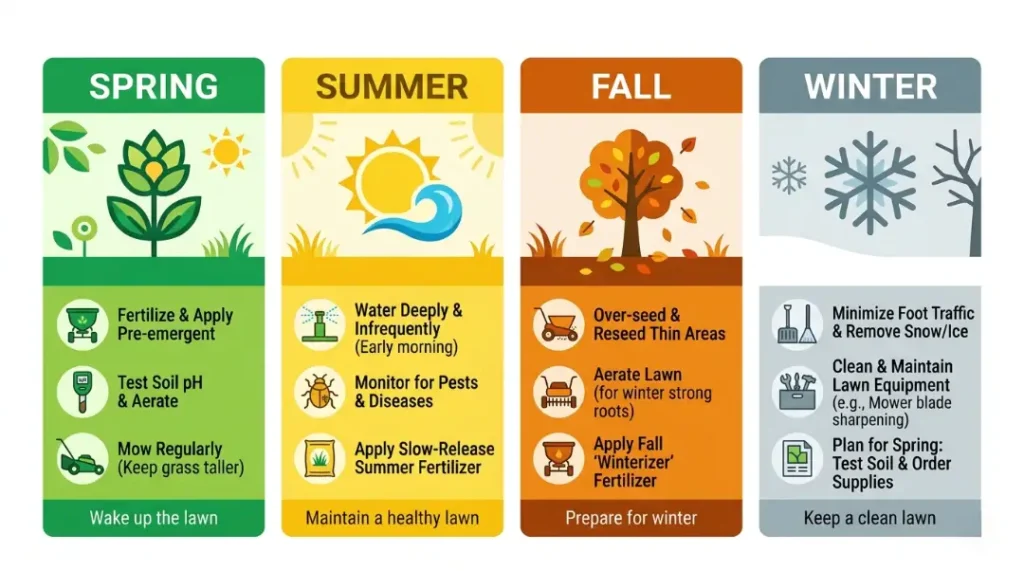
One thing both competitors completely miss is a seasonal context. Your lawn care program shouldn’t look the same in April as it does in October. Here’s how a proper lawn care schedule breaks down by season.
Spring
- Soil testing to assess pH and nutrient levels
- Pre-emergent herbicide application to stop crabgrass before it germinates
- First round of fertilization
- Aeration if soil compaction is an issue from winter
Summer
- Broadleaf weed control treatments
- Grub control applied in early-to-mid summer
- Irrigation system check and adjustment
- Spot treatments for lawn disease or fungal issues
Fall
- Overseeding thin or bare areas while soil is still warm
- Second or third fertilizer application to strengthen roots before dormancy
- Thatch removal to prevent moisture buildup over winter
- Deep root feeding for trees and shrubs
Winter
- Lawn largely dormant; minimal treatments needed
- Review soil test results and plan spring program
- Schedule irrigation system winterization
Do You Need Both Lawn Care and Lawn Maintenance?
Yes, a healthy, attractive lawn requires both services working together. Lawn maintenance keeps your property looking clean and presentable week to week. Lawn care builds the underlying health that makes those results last. One without the other produces short-term results at best.
Here’s a real-world scenario. Say you hire a maintenance crew for weekly mowing all season. The lawn looks neat, but the grass is thin, pale, and patchy in spots. That’s a lawn care problem, not a maintenance problem. The soil is likely low in nutrients, compacted, or dealing with a pest issue underneath.
Flip it around: say you invest in a full lawn care program but skip regular mowing. The turf health improves, but the lawn looks overgrown and unkempt. Neighbors aren’t impressed, and overgrown grass actually blocks the sunlight your turf needs to grow properly.
The best lawns get both. Think of maintenance as the barber and lawn care as the doctor. You need your hair cut regularly, but you also need a checkup when something’s wrong underneath.
Can You Handle Lawn Care and Maintenance Yourself?
Most homeowners can handle basic lawn maintenance on their own. Mowing, edging, raking, and seasonal cleanups are manageable DIY tasks if you have the time and the right tools.
Lawn care is trickier. Soil testing requires some understanding of pH levels and how to read results. Fertilizer application needs the right timing and the right product for your grass type. Misapplied pre-emergent herbicide or wrong fertilizer ratios can damage your lawn rather than help it.
If you’re serious about your turf, working with a professional lawn care team for at least the treatment side of things makes a real difference. They know your region’s soil conditions, grass varieties, and seasonal pest pressures in a way that a bag of store-bought fertilizer simply can’t account for.
Lawn Care and Maintenance Tools You Should Have at Home
Even if you hire professionals for most of the work, keeping a basic set of tools on hand is smart for in-between visits.
For lawn maintenance:
- Lawn mower (rotary or reel depending on grass type)
- String trimmer for cleaning edges and tight spots
- Leaf rake for fall cleanup
- Hand broom or blower for clearing walkways and patios
For lawn care:
- Soil rake to prep seedbeds or remove thatch
- Broadcast spreader for fertilizer or overseeding
- Garden hose with adjustable spray nozzle for watering beds
- Hand pruner for shaping small shrubs and deadheading flowers
- Hedge shears for trimming hedges between professional visits
Choosing the Right Lawn Service Company
If your lawn is past the point of care and maintenance, and you’re starting from scratch, Robert’s Complete Care offers professional Lawn Care and Maintenance Services in Whittier for homeowners who want a healthy, beautiful lawn built the right way from day one. Whether it’s sod installation, seeding, or a full lawn redesign, the team at Robert’s Complete Care handles every step with the same attention to detail that goes into their ongoing lawn care and maintenance programs.
Final Thought
Now you know what is the difference between lawn care and lawn maintenance, and more importantly, why both matter for your lawn. Maintenance keeps things looking clean. Lawn care keeps things alive and growing strong. Skipping one while only doing the other is like brushing your teeth but never seeing a dentist.
If your lawn has been struggling despite regular mowing, the answer probably isn’t more mowing. It’s a proper soil test, a fertilization plan, and a targeted treatment program built around your specific turf and climate.
Ready to get your lawn on the right track? Contact Robert’s Complete Care today and let the team put together a plan that covers both lawn maintenance services and a complete lawn care program tailored to your property.
Frequently Asked Questions
Is lawn care the same as lawn maintenance?
No. Lawn care focuses on the health of your soil and turf through treatments like fertilization, aeration, and weed control. Lawn maintenance focuses on appearance through mowing, edging, and cleanup. They work together but serve different purposes.
What’s included in a typical lawn care program?
A standard lawn care program includes fertilizer application, pre-emergent weed control, broadleaf weed treatments, grub and pest control, soil testing, aeration, and overseeding. Some programs also include irrigation management and organic lawn care options.
How often should lawn maintenance be done?
Mowing and edging are typically done weekly or biweekly during the growing season. Seasonal cleanups happen in spring and fall. The exact schedule depends on your grass type, climate, and how fast your lawn grows.
Can I do lawn care myself?
Basic tasks like mowing and raking are very manageable. However, soil testing, timed herbicide applications, and pest treatments require more knowledge to get right. Mistakes with fertilizer ratios or timing can damage your lawn, so professional help is worth it for the treatment side.
How much does lawn maintenance cost compared to lawn care?
Lawn maintenance visits typically run $50 to $150 per visit depending on lawn size. A seasonal lawn care program generally costs $300 to $600 per year. Bundled plans from full-service companies can offer savings if you need both.
What happens if you skip lawn care and only do maintenance?
Your lawn will look tidy short-term, but underlying issues like soil imbalance, compaction, nutrient deficiency, and pest damage will catch up with it. Grass thins out, weeds take over, and bare patches appear over time.