If you’ve been looking at your yard and wondering how to make it more attractive without breaking the bank, you’ve probably heard about decomposed granite. Most people call it DG, and honestly, it’s one of the best-kept secrets in landscaping. It’s natural, it doesn’t cost a fortune, and it actually fixes the drainage headaches that concrete creates.
Whether you’re thinking about building a new pathway or completely redoing your outdoor space, understanding what DG in landscaping really does matters for your project. Robert Complete Care has spent over 15 years doing Whittier landscape installation, and we’ve seen how DG transforms properties. This guide walks you through everything you need to know about DG materials, how to use them, and why they work so well for real homes.
Understanding What Is DG In Landscaping
How DG Actually Forms
Here’s something interesting about decomposed granite. It starts out as solid granite rock, just like you see in mountains. Over years and years, weather beats on that rock. Rain seeps in, the sun heats it up, and winter freeze-thaw cycles do a number on it. Gradually, the granite breaks down into smaller and smaller pieces until it becomes fine particles mixed with sand and silt. That’s basically what DG is.
The cool part is that this isn’t some manufactured product. It’s nature doing the work over centuries. You’re using natural material exactly as the earth creates it.
Why DG Differs From Regular Gravel
A lot of people confuse what is DG in landscaping with crushed granite gravel, but they’re actually pretty different. Crushed gravel has sharp, angular edges that stick out. Those edges don’t lock together. When you walk on crushed gravel, pieces shift and move under your feet. It’s uncomfortable, honestly, and you track it everywhere.
Compacted decomposed granite is different because the particles are smaller and rounded. When you compact them properly, they fit together snugly like puzzle pieces. This creates a stable surface that actually holds its shape. You can walk on it barefoot without discomfort. The particles don’t scatter into your neighbor’s yard or end up stuck in your shoes.
Natural Colors That Blend In
DG comes in colors that actually look good. You’ve got golden and warm brown tones, gray shades, and rust-colored varieties. Where these colors come from matters. They’re determined by the mineral content in the original granite deposits. The warm earth tones make DG blend naturally into landscapes instead of looking out of place like bright crushed gravel or industrial concrete.
When you drive through neighborhoods, you can spot homes with DG because the materials look intentional, not cheap. That’s an important difference. Your outdoor space actually looks thoughtfully designed.
The Water Infiltration Advantage
Here’s where DG really shines compared to other materials. Decomposed granite has tiny spaces between the particles. Water doesn’t sit on top like it does with concrete. Instead, it flows right through and soaks into the ground below. This solves real drainage problems that plague homeowners.
Think about what happens when it rains hard. With concrete, water pools up and runs off. With DG, water infiltrates naturally. This means no puddles, no erosion, and no mosquito breeding grounds. In areas where drainage causes problems, this becomes incredibly valuable.
You may read What Is Landscaping?
Types of Decomposed Granite
Natural Decomposed Granite
The most affordable option is natural DG straight from the quarry with no additives. This works great for informal pathways, garden beds, and spaces where foot traffic stays light. If you’re on a tight budget, this is what you want.
But here’s the honest truth. Natural DG can shift over time in areas with heavy use. Rain and foot traffic gradually move particles around. You’ll need to rake and refresh it periodically. Think of it like raking leaves, but less frequent. For some homeowners, this routine maintenance is fine. For others, it becomes annoying.
Compacted Decomposed Granite
This version has been mechanically pressed to increase density. The compaction process takes more effort during installation, which means higher labor costs. But you get a surface that holds its shape much better than natural DG. It handles moderate foot traffic without shifting around.
Once it’s properly installed and compacted, you can walk on it more comfortably than natural varieties. The surface stays firmer longer. For most residential applications, compacted decomposed granite hits a sweet spot between cost and performance.
Stabilized DG
Stabilized DG includes a binding agent that locks particles together permanently. Different types of stabilizers exist. Some use polymeric compounds that bind particles without creating a hard shell. Others use resin-based products that create maximum durability. You get to choose based on your needs.
Stabilized DG resists erosion way better than other types. It handles heavy foot traffic without issues. A properly installed stabilized DG surface lasts 10-15 years or longer with minimal maintenance. The trade-off is higher cost, but for driveways and high-use areas, stabilized products deliver real value that justifies the expense.
Color Choices for Different Styles
You get options when picking DG colors. Golden hues work well with warm-colored home exteriors. Gray tones match modern designs perfectly. Rust and brown shades enhance natural garden settings beautifully. Your choice really depends on what color your house is and what kind of look you want overall.
Don’t underestimate this part. The right color makes your whole yard look intentional. The wrong color sticks out like a sore thumb.
Using Decomposed Granite in Landscaping
Creating Pathways and Walkways
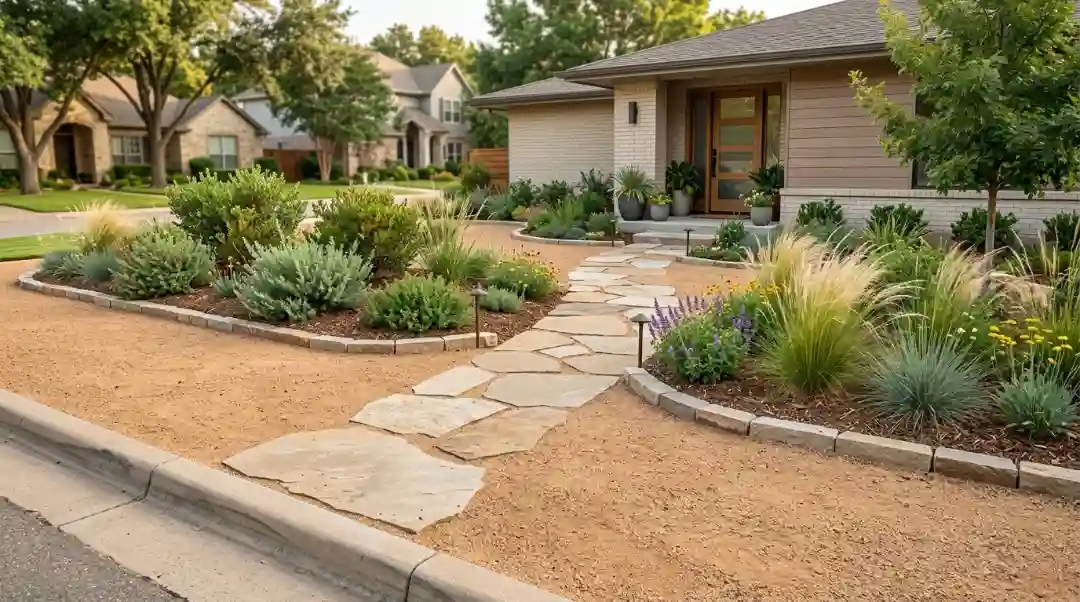
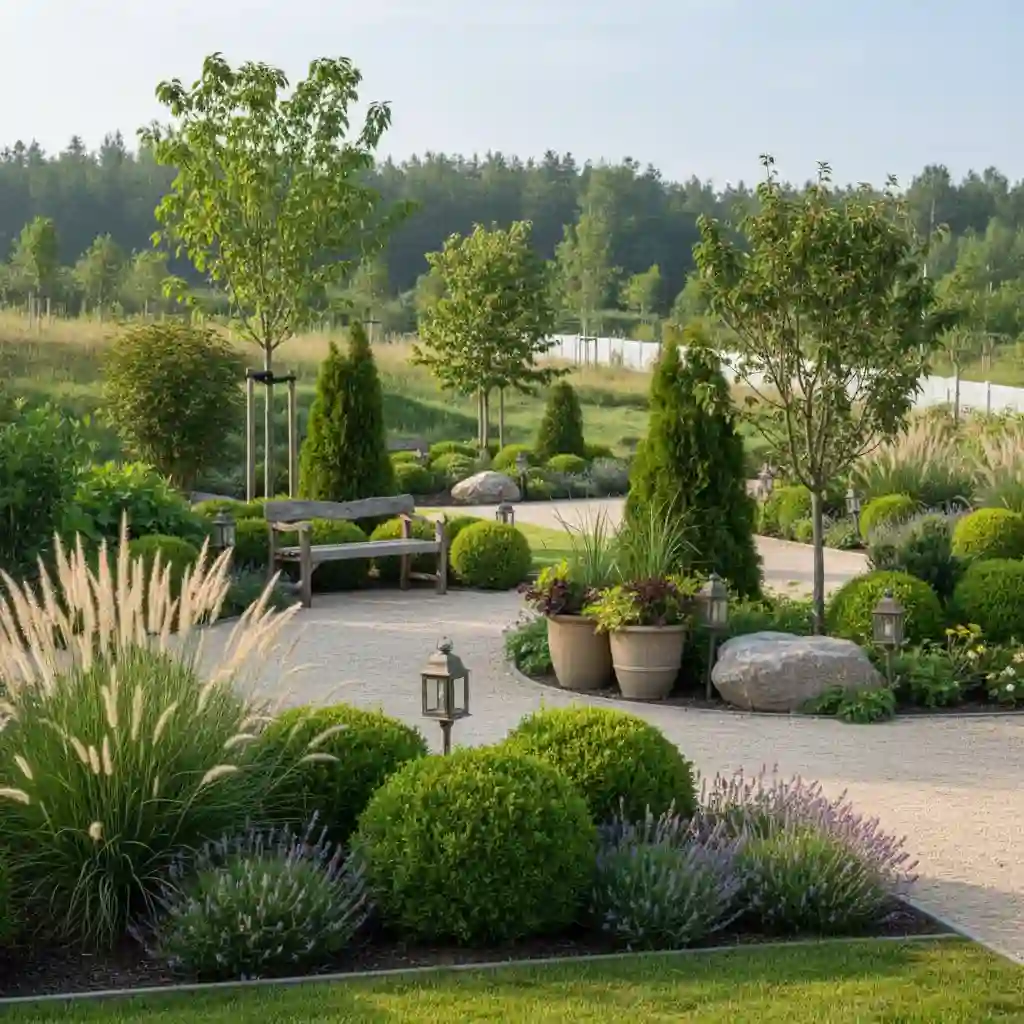
Pathways are where most people use DG first. The material creates smooth, comfortable walking surfaces that actually feel nice underfoot. The texture won’t embed in your shoes like gravel does. The natural color complements plants and hardscapes beautifully. A well-designed DG pathway guides visitors through your yard while looking attractive and serving a real purpose.
When you’re planning a pathway, width actually matters. Three feet works for one person walking comfortably. Four feet lets two people walk side by side without bumping shoulders. You also need sturdy edges using landscape edging, brick, or stone. Without proper edges, particles migrate into flower beds and lawn areas over time, and then you’ve got a mess.
Building Patios and Seating Areas
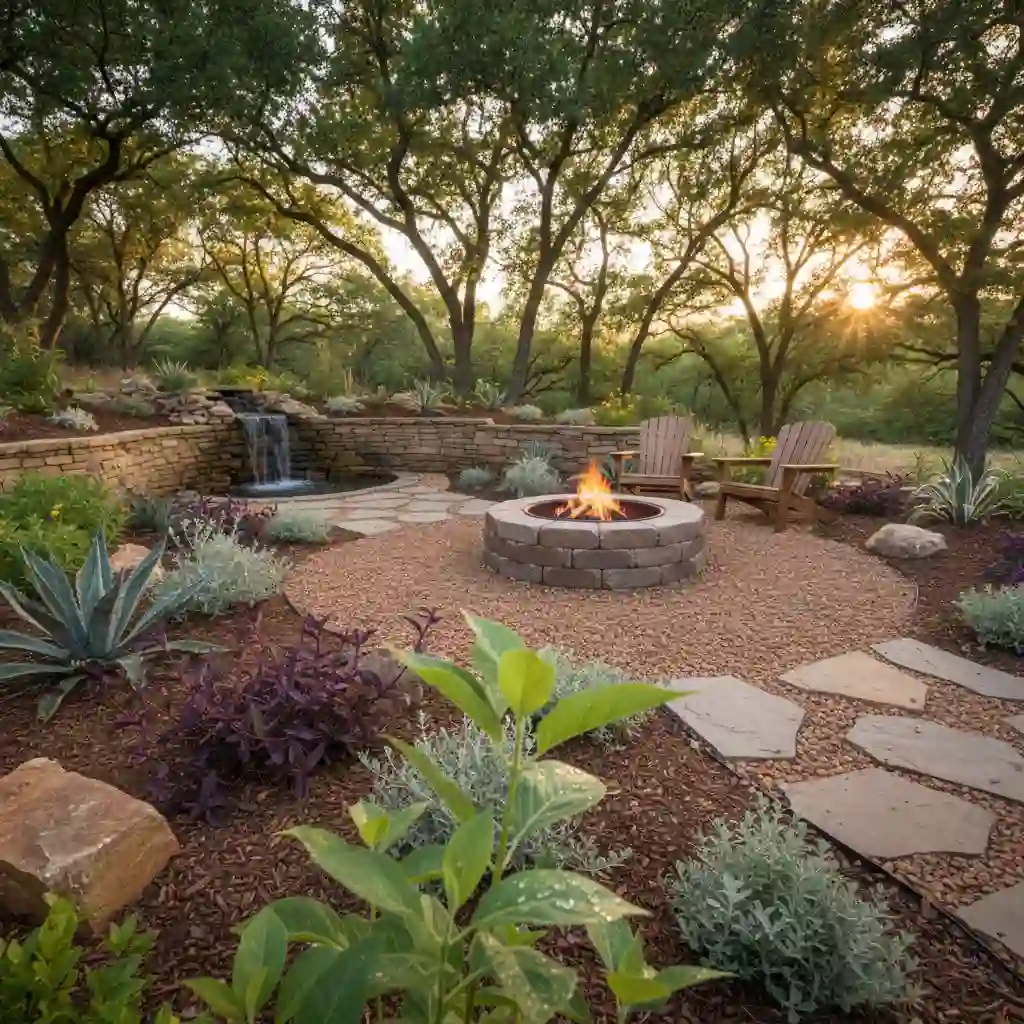
DG works surprisingly well for outdoor living spaces. You can use it for intimate conversation spots, dining areas, and lounging zones. The material compacts enough to support outdoor furniture without tipping problems. When you add ambient lighting, the surface looks fantastic in evening hours.
Here’s why DG beats concrete for patios. Concrete feels hot under your bare feet in summer and creates glare that bothers your eyes. DG stays warm but not uncomfortable. It doesn’t reflect harsh light. The whole experience of being on a DG patio feels more natural and inviting.
Surrounding Garden Beds
Instead of using organic mulch, consider DG around your plants. The material suppresses weeds without chemicals. Organic mulch breaks down over time, so you replace it every year. DG doesn’t decompose, so you don’t have that yearly cost and hassle. Water flows through to plant roots instead of pooling on the surface. In dry climates, the lighter color reflects heat and keeps soil cooler for happier plants.
Installing Driveways
Driveways present a real challenge for standard DG. Vehicles are heavy, and plain DG can’t handle that pressure long-term. But stabilized varieties perform well when properly installed. Base preparation becomes critical here. You need a solid foundation that prevents washout during heavy rain. Stabilized DG resists tire tracking and maintains its appearance through regular driving.
Most homeowners find that stabilized DG driveways need touch-ups every two to three years. Compare that to concrete that cracks and needs costly repairs, or asphalt that requires seal coating every couple of years. Stabilized DG becomes the more practical choice.
Safety for Play Areas and Pet Spaces
Playgrounds and pet areas benefit from DG because it’s safe and comfortable. The material cushions falls better than hard surfaces like concrete. It drains standing water completely, which matters for animal health. DG is completely non-toxic, making it perfect for dog parks and recreation areas. Kids can play barefoot without discomfort or hurt feet.
Benefits of Using DG in Landscaping
Cost Savings That Actually Matter
Let’s talk money first because it matters to real people. Natural decomposed granite costs about one-third to one-half what concrete or pavers cost. Stabilized DG costs less than poured concrete but more than some alternatives, yet offers better drainage. Installation moves faster with DG than with pavers or complex concrete work.
If you’re doing a 300-square-foot patio, the savings add up fast. Natural DG might run you $2,000-$3,000 total. Concrete could easily hit $6,000-$8,000. That’s real money staying in your pocket.
Water Drainage That Works
In climates with regular rainfall, water permeability isn’t just nice to have. It’s essential. Concrete and pavers shed water, creating runoff that flows into gutters and storm drains. DG absorbs water, allowing it to infiltrate the ground below. In areas managing stormwater or experiencing drainage issues, this benefit becomes invaluable. No flooding, no erosion, no standing water attracting mosquitoes.
Durability That Surprises People
Most folks underestimate how long quality DG lasts. With proper installation and occasional maintenance, DG surfaces perform for 10-15 years. The binding effect of particle compaction actually strengthens the surface over time. Each use makes the pathway firmer as particles nestle tighter together. It’s almost the opposite of wear and tear.
Natural Beauty Without Trying
DG looks good. That’s not complicated. The warm earth tones complement most home styles and landscapes. DG doesn’t create harsh contrast that bright gravel or concrete pavers produce. The material blends into garden designs, improving overall curb appeal. When someone drives past your house, the yard looks intentional, not neglected.
Maintenance You Can Actually Handle
This is huge for busy families. Natural and compacted DG benefit from periodic raking, but that’s about it. Occasional weeds can be hand-pulled. Stabilized DG requires even less attention. You don’t need special equipment or professional services. This makes DG perfect for people who want attractive outdoor spaces without constant upkeep.
Environmental Benefits That Matter
DG is a natural material requiring no chemical treatments. It allows water infiltration, supporting healthy soil and plants. No chemical sealers or harsh maintenance products necessary. The material is completely recyclable and biodegradable. When you use DG in parking areas and pathways, you reduce stormwater runoff that pollutes local waterways. The permeability supports groundwater recharge. These benefits extend beyond your property to help the whole community.
Comparing DG with Other Materials
DG Versus Crushed Granite Gravel
Crushed granite gravel and DG serve different purposes despite similar names. Crushed gravel has angular edges that create excellent drainage for foundation work and base layers. Those same sharp edges make gravel uncomfortable to walk on barefoot. Gravel particles don’t compact together, so it shifts under weight and requires frequent raking. DG offers the opposite experience with comfort and stability.
DG Versus Concrete Pavers
Pavers offer durability that DG cannot match. A well-installed paver patio lasts decades with minimal maintenance. However, pavers lack DG’s natural appearance and water permeability. Pavers also cost significantly more to install. Weeds grow between pavers unless you add expensive weed fabric. Removing pavers if you change your design proves difficult and costly. DG gives you flexibility that pavers don’t.
DG Versus Poured Concrete
Poured concrete provides unmatched durability for high-traffic areas. A well-poured concrete surface lasts 25+ years. However, concrete lacks DG’s natural appearance and water permeability. Concrete costs more than DG to install and it’s extremely difficult to remove if you change your mind. The heat reflection from concrete in summer makes outdoor spaces uncomfortably hot. Concrete cracks over time, especially in freeze-thaw climates where water gets in and freezes.
DG Versus Organic Mulch
Organic mulch competes with DG as a ground cover for plant beds. Organic mulch breaks down over time, enriching soil but requiring annual replacement. This ongoing cost adds up fast over years. DG never decomposes, so you don’t need to refresh it yearly. For water conservation and low-maintenance landscaping, DG outperforms organic mulch in most climates.
DG Versus Asphalt
Asphalt offers low initial cost but requires seal coating every 2-3 years. The dark color absorbs heat, making surfaces extremely hot in summer. Asphalt breaks down faster than DG in freeze-thaw regions. Stormwater runs off asphalt instead of infiltrating, creating drainage problems.
DG Versus Natural Stone
Natural stone pathways provide beautiful aesthetics and durability. However, stone costs significantly more than DG. Installation complexity increases with stone work. The gaps between stones attract weeds and trap debris. DG offers comparable beauty at a fraction of the cost with less maintenance.
Conclusion
What is DG in landscaping ultimately depends on your specific needs and property conditions. DG delivers exceptional value through natural beauty, durability, and low maintenance requirements. Whether you need a simple pathway, a functional driveway, or an attractive patio space, DG solves real outdoor challenges that most homeowners face.
Robert Complete Care brings real expertise in Whittier landscape installation to every project. Our team understands local soil conditions and creates customized solutions that last for years. We select the right DG type for your specific applications and ensure professional installation that delivers lasting results. If you’re ready to transform your outdoor space into something beautiful that your family will actually use and enjoy, contact Robert Complete Care today. We’re here to help you make it happen.
FAQs
Q: How long does decomposed granite last?
A: Natural DG lasts 5-10 years with basic maintenance. Stabilized DG lasts 10-15 years or longer with minimal upkeep. Lifespan depends on how much foot traffic you have, your climate, and how often you maintain it.
Q: Can you use DG for a driveway?
A: Yes, stabilized DG works well for residential driveways when properly installed. Natural or compacted DG shifts too much for vehicle traffic. Stabilized options handle regular driving with occasional maintenance and touch-ups.
Q: Does DG need to be raked?
A: Natural and compacted DG benefit from seasonal raking. This refreshes the appearance and restores compaction after heavy foot traffic. Stabilized DG requires minimal raking because particles are bound together permanently.
Q: What colors of DG are available?
A: DG comes in golden, brown, gray, and rust tones depending on regional quarry sources. Color choices help match your home’s exterior and landscape design aesthetic perfectly.
Q: How much does DG cost compared to concrete?
A: Natural DG costs about 30-50% less than concrete. Stabilized DG costs slightly less than poured concrete while offering better drainage. Installation costs are also lower for DG overall.
Q: Will weeds grow in DG?
A: Occasional weeds may appear because DG is permeable. Landscape fabric beneath DG prevents most weed growth. Any weeds that appear can be easily hand-pulled without chemicals.
Q: Is DG safe for pets and children?
A: Yes, DG is completely non-toxic and safe for both. It cushions falls better than hard surfaces. Many pet owners use DG in dog parks and play areas successfully.
Q: How do you maintain DG pathways?
A: Periodic raking keeps DG looking fresh and compacted. Address occasional weeds by hand-pulling. For stabilized DG, minimal maintenance is needed. Most people refresh the top layer every 3-5 years for appearance.