Most plant deaths aren’t from neglect. They’re from too much love, specifically too much water. If your plant’s leaves are turning yellow, the soil feels soggy days after watering, or it’s just looking sad despite your best efforts, overwatering is likely the problem. Knowing how to fix overwatered plants can mean the difference between saving your green friend and losing it entirely.
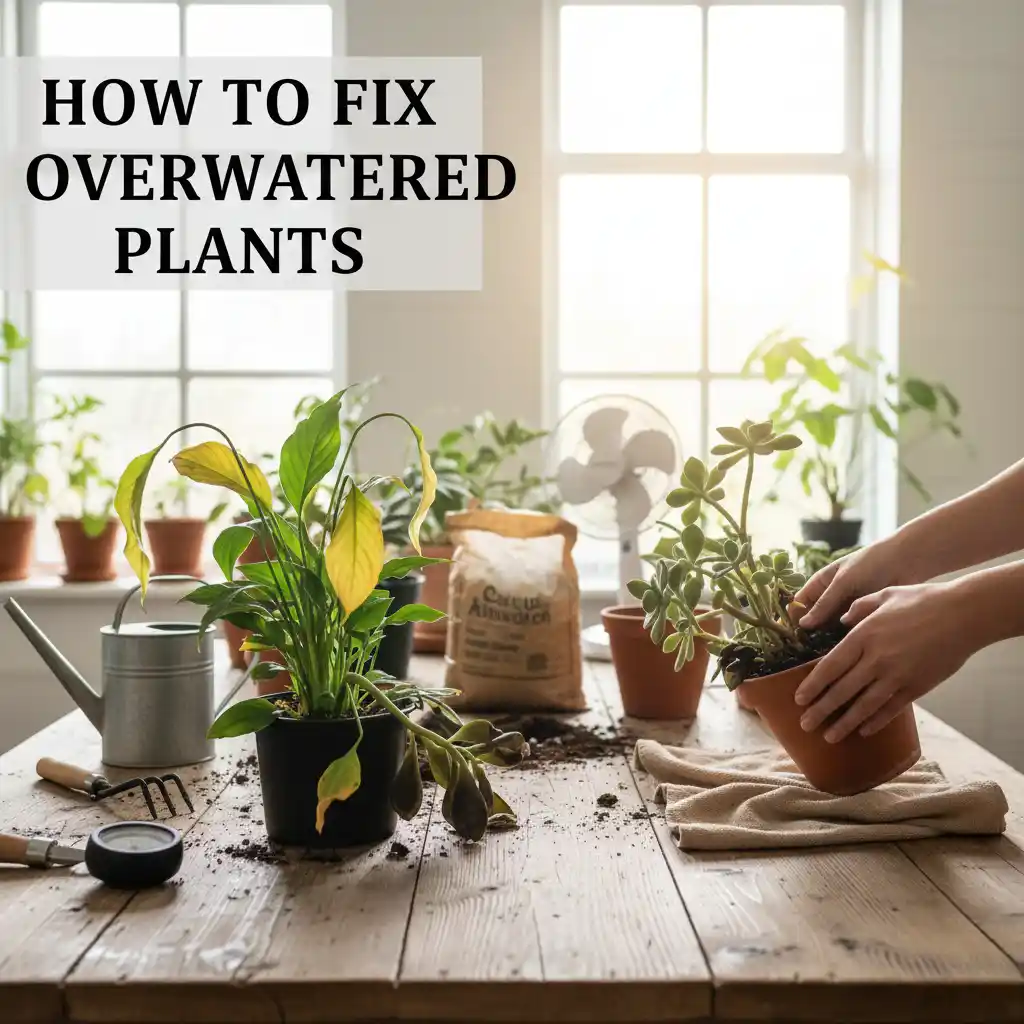
Here’s the quick answer: Stop watering immediately, move the plant to a dry spot with indirect light, remove it from its pot to inspect the roots, trim any rotted ones, and repot in fresh dry soil. Recovery takes anywhere from a few days to several weeks depending on how far the damage has gone. Keep reading, because the full process matters more than most guides let on.
Can You Overwater Plants?
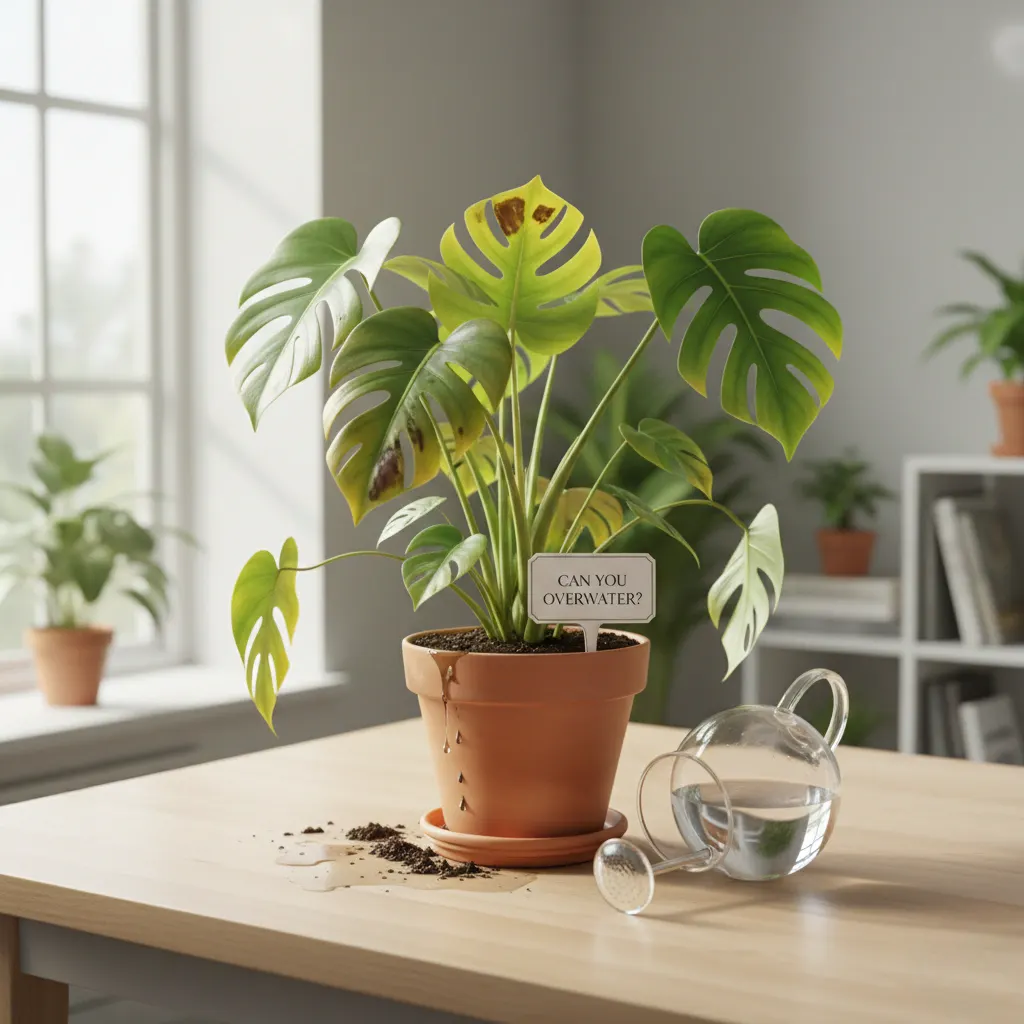
Yes, you absolutely can overwater plants, and it’s one of the most common mistakes both beginners and experienced gardeners make. When soil stays waterlogged, roots can’t access oxygen, which causes them to suffocate and begin to decay. This creates a chain reaction that affects the entire plant from the roots up.
Plants need a balance of water and air in the soil. Think of it like breathing underwater; no matter how much you need water, you still need air. Overwatering fills all the air pockets in the soil with water, leaving roots in an oxygen-free zone.
Different plants have very different water needs. Succulents and cacti store water in their leaves, so they can go weeks between waterings. Tropical plants like pothos or peace lilies prefer more consistent moisture but still need soil to partially dry between sessions.
How to Tell If Plants Are Overwatered
Knowing what an overwatered plant looks like can help you catch the problem early. Here are the telltale signs of overwatered plants:
Visual Symptoms
The first symptom of trouble is usually yellow or brown leaves. Leaves from plants that have been overwatered feel soft and may even become slimy, unlike the crispy, dry leaves of plants that have been underwatered. Many people who own plants think their plants need more water when they see them wilting, even while the soil is wet.
Edema looks like little lumps on leaves that are like blisters. This happens when the roots take in water more quickly than the plant can use it, which makes cells explode. The leaves may also get brown or black patches that spread over the leaves.
Root and Soil Indicators
The finger test is your best friend here. Stick your finger about two inches into the soil. If it feels wet or muddy, you’re overwatering. Healthy soil should feel slightly moist but never soggy.
When you check the roots (if possible), healthy ones should be white or light tan and firm. Mushy or brown roots are a dead giveaway of overwatering and potential root rot. They may also give off a rotten, unpleasant smell.
Other Warning Signs
Fungus gnats, those tiny flying insects around your plant love damp conditions. If you see them hovering near the soil surface, it’s a sign the soil is staying too wet. Green algae or mold growing on the soil surface is another red flag that screams overwatering.
How to Bring a Plant Back to Life After Overwatering
The best way to fix overwatered plants is to act quickly. The longer a plant sits in wet, oxygen-deprived soil, the more root damage accumulates. Early action significantly improves recovery odds.
Follow these steps:
Step 1: Stop watering right away. Don’t water again until the soil dries out properly. This sounds obvious, but many people keep watering a wilting plant thinking it needs more.
Step 2: Move the plant. Place it somewhere with bright, indirect light and good airflow. Avoid direct sunlight, which can stress an already-weakened plant.
Step 3: Remove the plant from its pot. Gently tip the plant out and shake off as much soggy soil as you can. Let the root ball sit on newspaper or dry paper towels for 30 to 60 minutes to absorb extra moisture.
Step 4: Inspect and trim the roots. Look for dark, mushy roots. Cut them off using clean scissors or pruning shears. Leave only the healthy, white, firm roots intact. Wipe your tools with rubbing alcohol between cuts to avoid spreading any fungal infection.
Step 5: Treat with a fungicide if needed. If you see signs of root rot, dust the remaining roots lightly with powdered cinnamon or apply a diluted hydrogen peroxide solution (1 part hydrogen peroxide to 3 parts water) before repotting. Cinnamon acts as a natural antifungal.
Step 6: Repot in fresh, dry soil. Use a well-draining potting mix appropriate for your plant type. Make sure the new pot has drainage holes at the bottom.
Step 7: Water lightly once, then wait. Give the plant just enough water to settle the soil around the roots. Then wait until the top inch of soil is dry before watering again.
Proper Watering Techniques for Yellowing Plants
If your plant’s leaves are turning yellow from overwatering, the priority is to fix the drainage and watering schedule, not to add fertilizer or change light conditions. Yellow leaves caused by overwatering won’t recover once damaged, but new healthy growth will appear once the root system is stable.
Here are practical watering habits that prevent the problem from returning:
Use the finger test. Push your finger about one inch into the soil. If it feels moist, don’t water. If it feels dry, it’s time.
Water deeply, but less often. When you do water, water thoroughly so it drains out the bottom of the pot. Shallow, frequent watering keeps the soil surface wet and roots shallow.
Check drainage every time. Empty the saucer under the pot within 30 minutes of watering. Standing water in the saucer causes the same problems as soggy soil.
Match watering to the season. Most plants need significantly less water in winter when their growth slows. Watering on a rigid weekly schedule ignores this completely.
Overwatering vs Underwatering (Comparison Table)
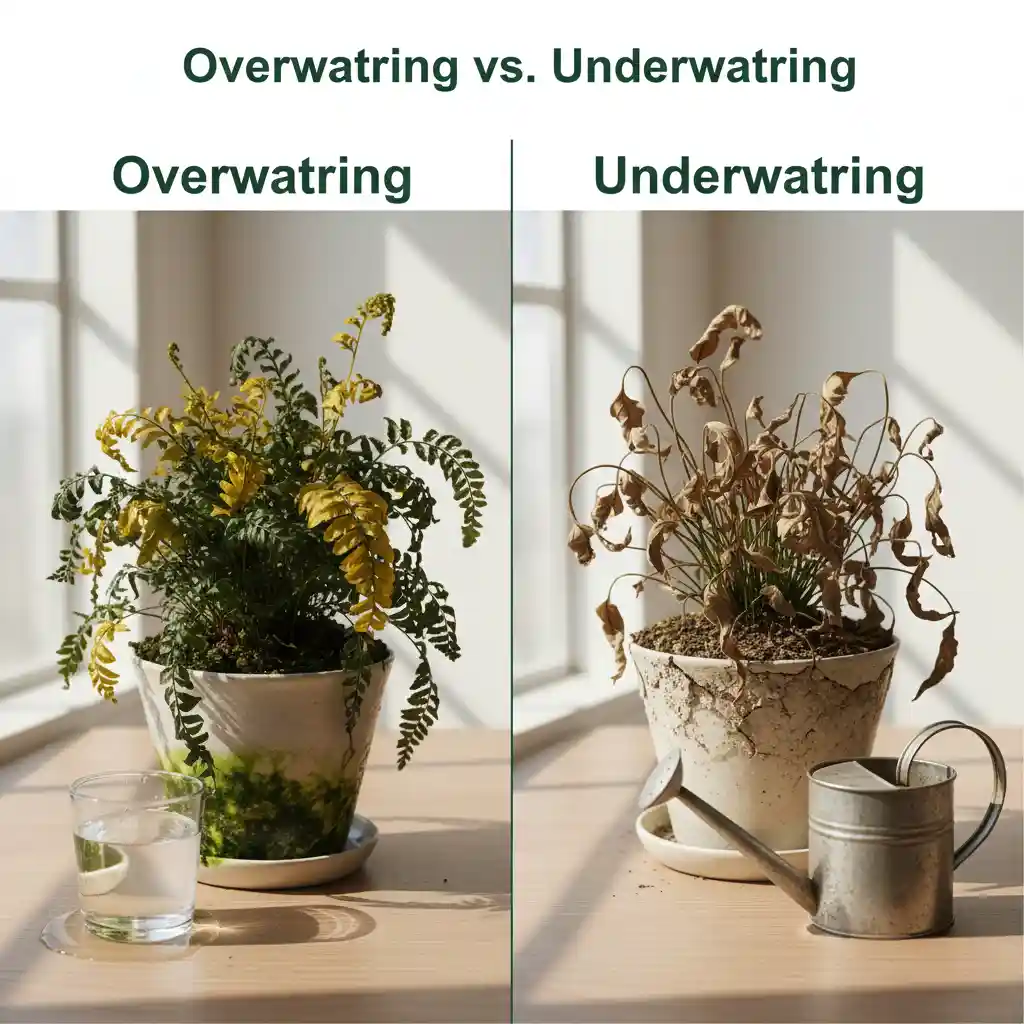
This is one of the most confusing parts of plant care, since both problems can cause wilting and yellowing. Here’s a clear side-by-side breakdown:
| Signs | Overwatered | Underwatered |
|---|---|---|
| Soil condition | Wet, soggy, compacted | Dry, cracked, pulling away from pot edges |
| Leaf texture | Soft, mushy, limp | Crispy, dry, brittle |
| Leaf color | Yellow, pale, translucent | Brown tips, yellowing edges |
| Wilting pattern | Despite wet soil | Despite dry soil |
| Root condition | Brown, mushy, smelly | Dry, shrunken, but firm |
| Mold/fungus | Likely present | Not present |
| Recovery speed | Slower (days to weeks) | Faster (hours to days) |
Rescue Techniques for Wilting Plants
A wilting plant from overwatering can recover if you act before root rot spreads to the crown of the plant. The crown is where the stems meet the soil, and once rot reaches that point, recovery is very unlikely.
Beyond the basic repotting steps, here are some additional rescue techniques that work:
Air-drying the root ball. After removing the plant from its pot, place the roots on dry newspaper in a well-ventilated spot. Leave it for a few hours. This draws out excess moisture from the roots before you repot.
Bottom watering going forward. Instead of pouring water on top of the soil, place the pot in a tray of water for 20 to 30 minutes and let the soil absorb from the bottom. This prevents the surface from staying constantly wet.
Improve soil aeration. Mix perlite or coarse sand into the new potting mix at about a 30% ratio. This keeps the soil loose and prevents compaction, which is a major cause of waterlogging.
Skip fertilizer during recovery. Don’t fertilize a stressed plant. It can’t absorb nutrients effectively when its root system is damaged. Wait until you see two to three new leaves before fertilizing again.
How to Save Overwatered Plants With Root Rot
Root rot is a fungal condition caused by pathogens like Phytophthora and Pythium that thrive in waterlogged soil. The good news is that plants with root rot can survive if at least 30 to 50% of the root system is still healthy and white.
Here’s the targeted approach for root rot specifically:
- Remove all dark, soft roots. Cut back aggressively if needed. A smaller healthy root system is far better than a large rotted one.
- Rinse remaining roots gently under room-temperature water.
- Soak in hydrogen peroxide solution for 5 minutes (1 part 3% hydrogen peroxide to 3 parts water). This kills fungal spores without harming healthy root tissue.
- Let roots dry for 30 to 60 minutes before repotting.
- Use a new pot. The old pot may harbor fungal spores even after cleaning. If you must reuse it, scrub it with a bleach solution (1 part bleach to 9 parts water) and rinse thoroughly.
- Use fresh potting mix specifically formulated for your plant type. Never reuse old soil from a root rot situation.
How Long Will an Overwatered Plant Take to Recover?
Recovery time depends on how severe the damage is. A mildly overwatered plant with no root rot can bounce back in 7 to 14 days. A plant with moderate root rot may take 3 to 6 weeks. Severe cases, where more than 50% of the roots are affected, can take months or may not recover at all.
The three biggest factors that affect recovery speed:
- How quickly you caught it. Early intervention always leads to faster recovery.
- The plant species. Fast-growing plants like pothos and spider plants recover faster than slow-growers like fiddle-leaf figs or succulents.
- The condition of the remaining root system. More healthy roots means faster nutrient and water uptake and quicker new growth.
Keep the plant in stable conditions during recovery. Avoid repotting again, changing light levels, or adding fertilizer until you see consistent new growth.
Water Management Made Easy
Preventing overwatering is easier than fixing it. Here’s how to set up systems that practically run themselves:
Choose the Right Containers
Always use pots with drainage holes; this is non-negotiable for most plants. Terra cotta pots are excellent because they’re porous and allow soil to dry out faster than plastic or ceramic pots. If you love a decorative pot without holes, use it as a cachepot with a draining nursery pot inside.
Create a Watering Schedule
While plants don’t need water on an exact schedule, having a routine helps you remember to check them. Set a weekly reminder to do the finger test on all your plants. Write down when you water each plant to track patterns and adjust as needed.
Improve Soil Drainage
The best soil mix after overwatering should contain drainage-enhancing materials. Mix regular potting soil with perlite (20-30%), orchid bark, or coarse sand. For moisture-loving plants, add a bit less; for succulents and drought-tolerant plants, add more.
Self-Watering Solutions
For people who travel frequently or forget to check their plants, self-watering pots can help. These systems provide consistent moisture without oversaturating the soil. However, they work best for plants that like even moisture, not those that prefer to dry out between waterings.
If you’re planning a complete garden renovation and want expert help with proper drainage and plant placement, professional Landscape Installation in Whittier services can design systems that prevent water-related issues from the start.
Why Choose Us
Healthy plants don’t happen by accident. They require the right soil, proper watering, and experience-based decisions. Robert’s Complete Care focuses on long-term plant health, not quick fixes.
Our approach is built on real-world landscaping knowledge, modern best practices, and an understanding of how plants behave in different environments.
Conclusion
If you keep having difficulties with your plants, such as inadequate drainage or not knowing how to fix overwatered plants the appropriate way, our staff can help. Robert’s Complete Care offers expert advice and hands-on help to keep your plants and landscape safe for a long time. Contact us today for personalised guidance, professional help, and dependable maintenance that keeps your plants healthy, balanced, and growing all year long.
FAQs
How do you know if a plant is overwatered?
Look for yellow leaves that feel soft, soggy soil that stays wet for days, wilting even when the soil is moist, and mushy brown roots. The finger test is your best diagnostic tool if soil feels wet two inches down, you’re probably overwatering.
What does an overwatered plant look like?
Overwatered plants typically have yellow or brown leaves that feel soft and limp, not crispy. You might see edema (blister-like bumps), mold or algae on the soil surface, and the plant may wilt despite wet soil. Fungus gnats hovering around the pot are another telltale sign.
Can plants recover from too much water?
Yes, most plants can recover if you catch the problem early enough. Stop watering immediately, improve drainage, remove damaged roots and leaves, and repot in fresh, well-draining soil. Recovery time varies from a few weeks to several months depending on damage severity.
How do you dry out soil quickly?
Remove the plant from its pot and wrap the root ball in newspaper to absorb moisture, changing the paper every few hours. Increase air circulation with a fan, move the plant to a warmer location, or completely replace wet soil with fresh, dry potting mix for fastest results.
Should I remove yellow leaves from overwatered plants?
Yes, remove yellow leaves because they won’t recover and green up again. Cutting them off helps the plant focus energy on new growth instead of trying to maintain damaged foliage. Use clean scissors and cut near the stem base.