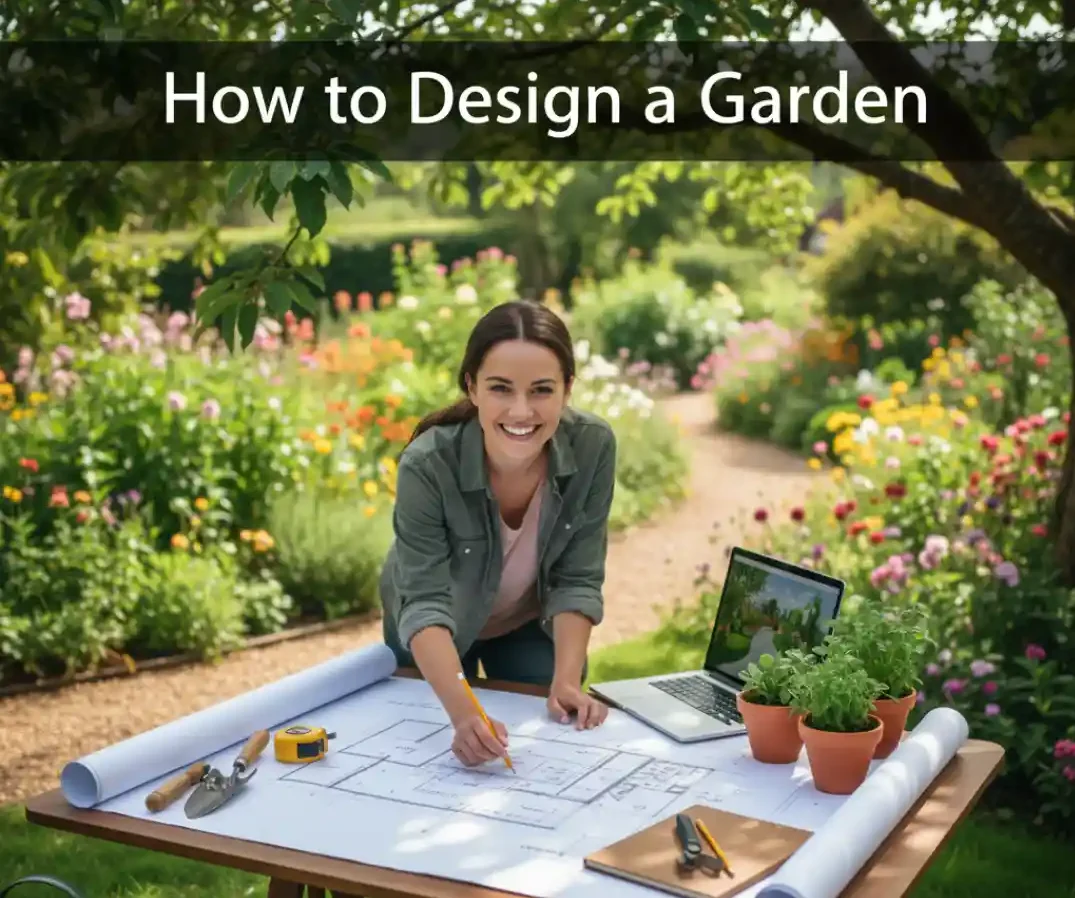
Have you ever dreamed your yard could be more than just grass and dirt? You could have imagined lovely flowers, comfortable places to sit, or fresh veggies blooming just outside your door. Anyone can make a beautiful outdoor environment with the correct planning and understanding. Designing a garden isn’t just for professional landscapers.
Learning how to design a garden gives you a lot of options, whether you have a small balcony or a big backyard. This guide will help you make a garden that is both beautiful and useful by teaching you everything from how to understand your space to how to choose the right plants. Let’s get started and find out how to turn your outdoor space into the garden of your dreams.
Learn About Your Garden Space
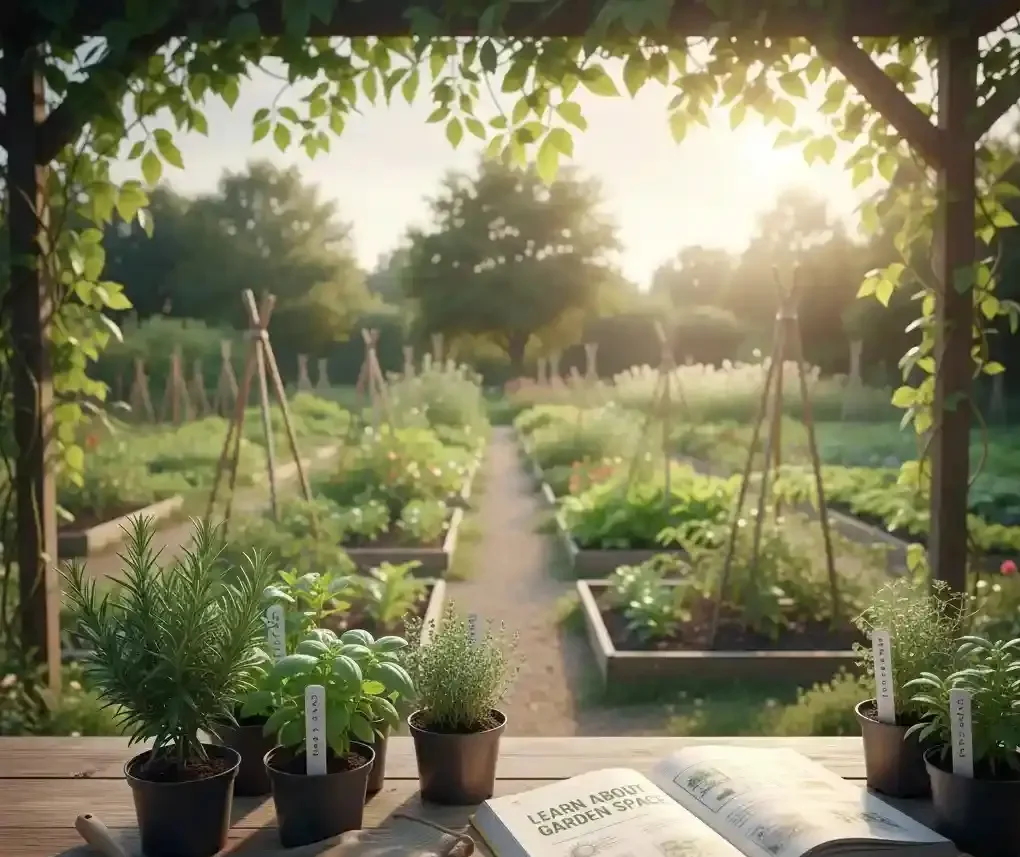
You need to be a detective in your own yard before you plant any seeds or acquire any supplies. Getting to know your garden space is like getting to know a new friend: the more you learn, the better your connection will be.
Learning about Garden Zones and Microclimates
Microclimates give your garden its unique identity. These are little spots in your yard where the weather is a little different from the rest of the yard. For instance, the sunny place on your south-facing wall stays warmer and drier than the gloomy spot under your big oak tree.
Based on temperature, garden zones advise you which plants will grow well in your location. The USDA Plant Hardiness Zone Map splits the country into distinct zones. Knowing which one you’re in will help you choose plants that will not only survive but also do well. It takes less than a minute to determine your zone by searching online using your zip code.
Tracking the Sun and Garden Aspect
The garden aspect is a fancy way of saying which way your garden faces. This is important since it changes how much sun your plants get.
Spend a day monitoring how the sun moves around your yard. Write down which areas get:
- Full sun means at least six hours of direct sunshine.
- Partially sunny (3 to 6 hours)
- Less than 3 hours of shade
The sun in the morning is softer than the sun in the afternoon, which is important for fragile plants. Take pictures all day or draw a simple map that shows where the sun and shade are. When you pick plants later, this information will be very helpful.
Great Gardening Advice for FREE
Want to hear a secret? You don’t have to do everything by yourself. Your local Cooperative Extension office can help you with gardening questions that are relevant to your area. These professionals know your soil, weather, and the pests that are a problem in your area.
You can also join local gardening clubs or online groups where more experienced gardeners talk about what worked and what didn’t for them. People who have already made the mistakes you’re destined to make can sometimes teach you the best lessons.
You can see how your space will look before you spend any money with free online tools like garden planning applications. A lot of them let you drag and drop plants into a virtual garden to see how they will look when they are fully grown.
How to Design a Garden From Scratch
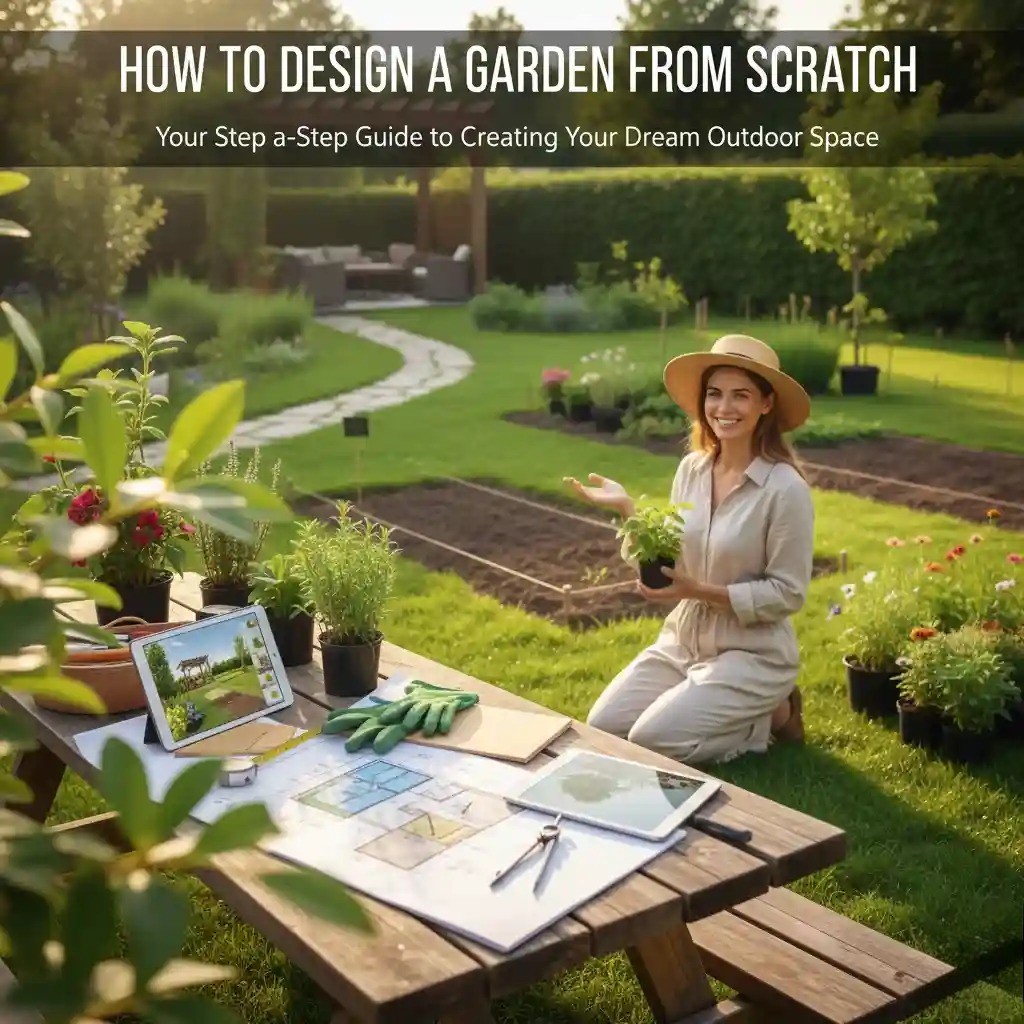
It’s wonderful to start with a clean slate, but it can also be intimidating. To make it easier, picture planning a garden like you would a room in your house. You need “floors” (grass or asphalt), “walls” (hedges or fences), and “furniture” (plants and chairs).
Before You Start: Write Down What You Want
- What do you really want to do outside?
- Do you want a location for kids to have fun?
- Are you seeking a peaceful place to read?
Do you want to cultivate your own food? Make a list of the things you need. This wishlist will prevent you from overcomplicating your garden arrangement ideas.
Garden Design Basics Every Beginner Should Know
A good design isn’t only about flowers that look nice; it’s also about how things are put together. Using the ideas of functional outdoor space can make it easier to get around in your garden.
Consider the Soil
Your garden’s “engine” is its soil. Is it sandy, clay-like, or loamy? Before you start preparing your garden soil and planting, always do a basic squeeze test. If the earth stays in a ball, it’s clay. It’s sand if it breaks apart right away. Adding compost is usually the best way to remedy both!
Basic Elements: Grass and Hardscaping
The grass is the “negative space” that lets your eyes rest. But if you want a garden design that lasts, you could make your lawn smaller and replace it with wildflower meadows or gravel walks.
Before You Start: Make a Wishlist
Get everyone who will utilize the garden to sit down and dream big. What do you actually want? Even if it seems impossible, write down everything. You might want to add these things to your wishlist:
- A garden for vegetables to grow fresh tomatoes
- Flowers that draw butterflies
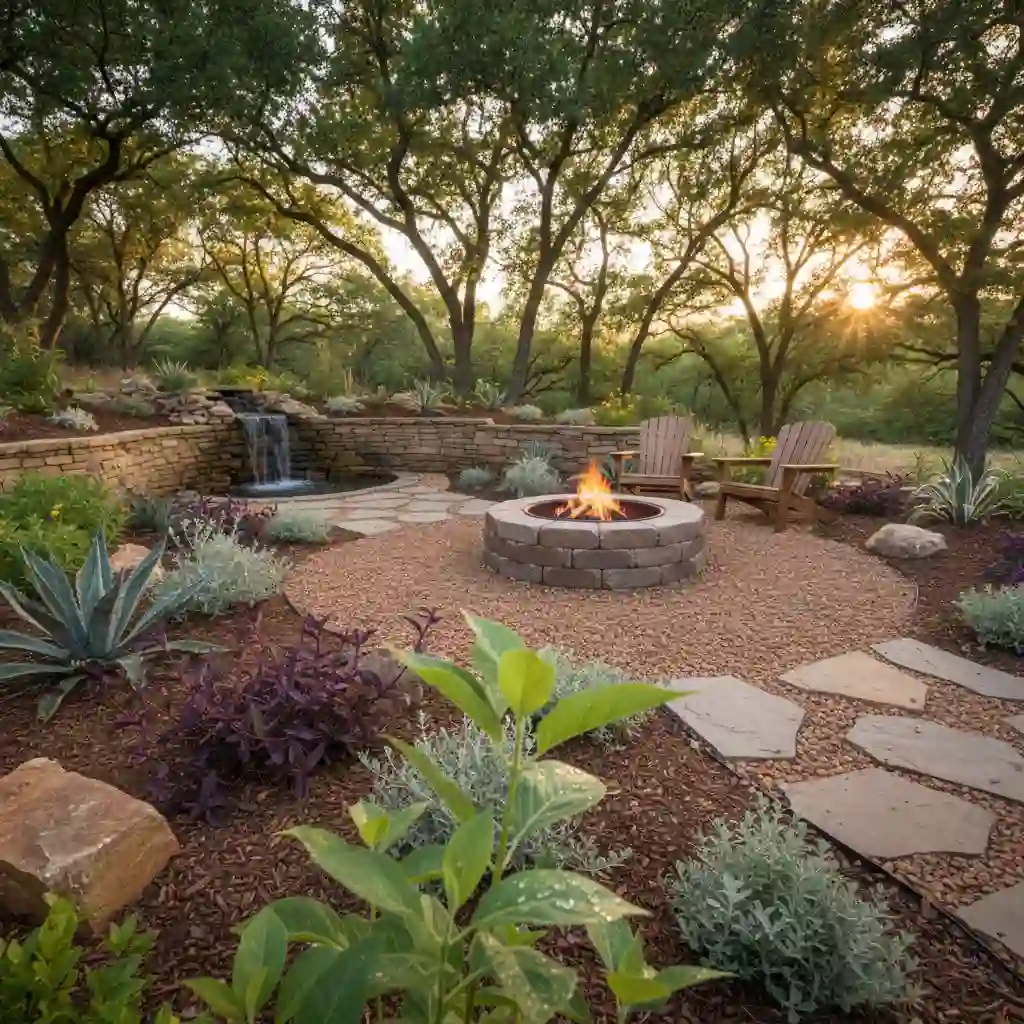
- A fire pit for getting together at night
- Keeping your neighbors from seeing you
- Plants that don’t need a lot of care because you travel a lot
- Color and interest all year long
Don’t change anything yet. You can set priorities based on your budget, space, and time after you have your ideal list. But if you don’t know what you want, you’ll wind up with a garden that doesn’t meet anyone’s demands.
Consider the Soil
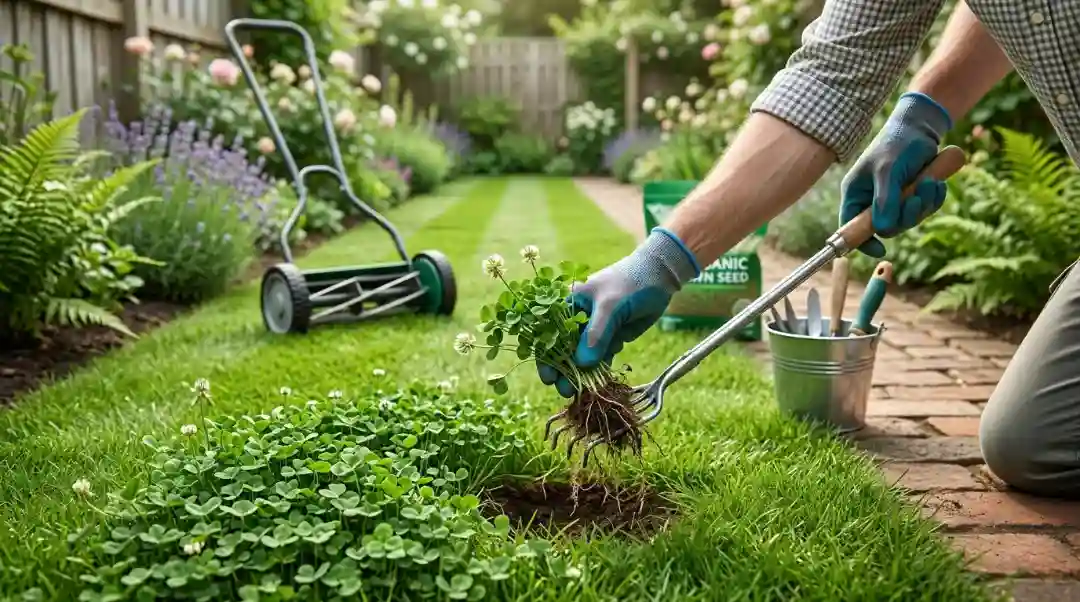
We talked about testing, but pH levels aren’t the only thing that matters in soil. Take a look at what is already growing in your yard. Some weeds tell you about the soil:
- Dandelions like thick clay.
- Chickweed grows well in soil that is rich and fertile.
- Thistle grows in locations that are hard to drain and are close together.
It takes time to make the soil better. Don’t expect things to change overnight. A few months before planting, mix in compost or old manure. Put 2 to 3 inches on top and mix it into the top 6 to 8 inches of soil. Your back might suffer, but your plants will be happy.
Think about making raised beds for your new garden. They let you control the quality of the soil and drain better than beds on the ground. Also, they are easier on your back and knees.
Basic Elements of the Garden: Grass
Grass makes things look calm and open.
When to Use Grass
- When you want open play places, grass works great.
- You need something to look at between planting beds.
- You like things to look clean and simple.
- Limit the amount of grass in tiny areas to save space.
Step-by-Step Planning for Garden Design
Start with Hardscaping
Hardscaping refers to things like walkways, patios, walls, and buildings that aren’t alive. Put these in first because they are permanent and hard to move later. A well-placed path keeps your plants safe from foot traffic and makes the area seem nice.
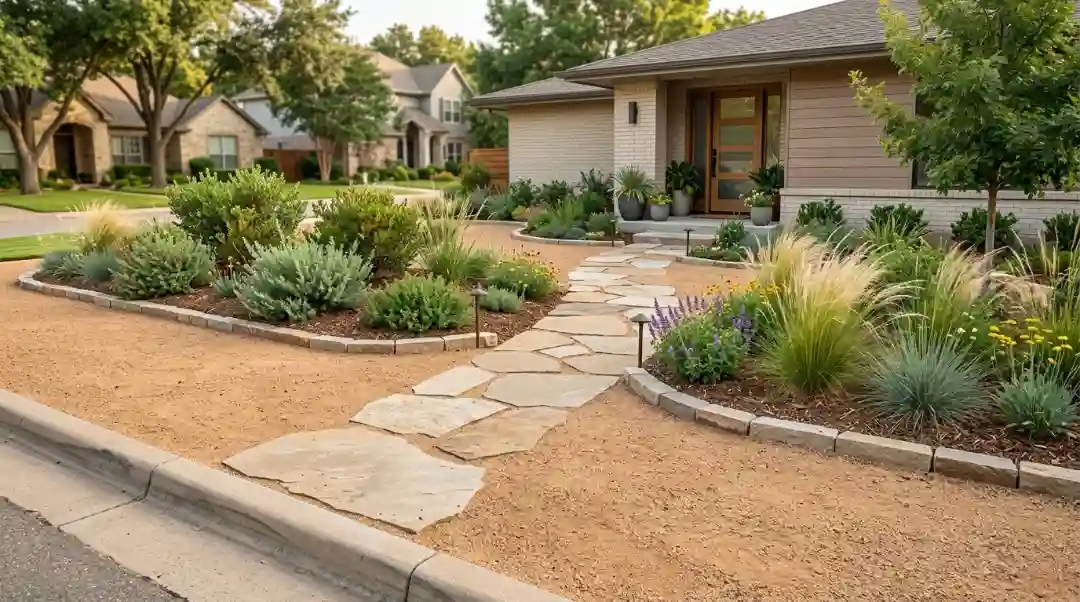
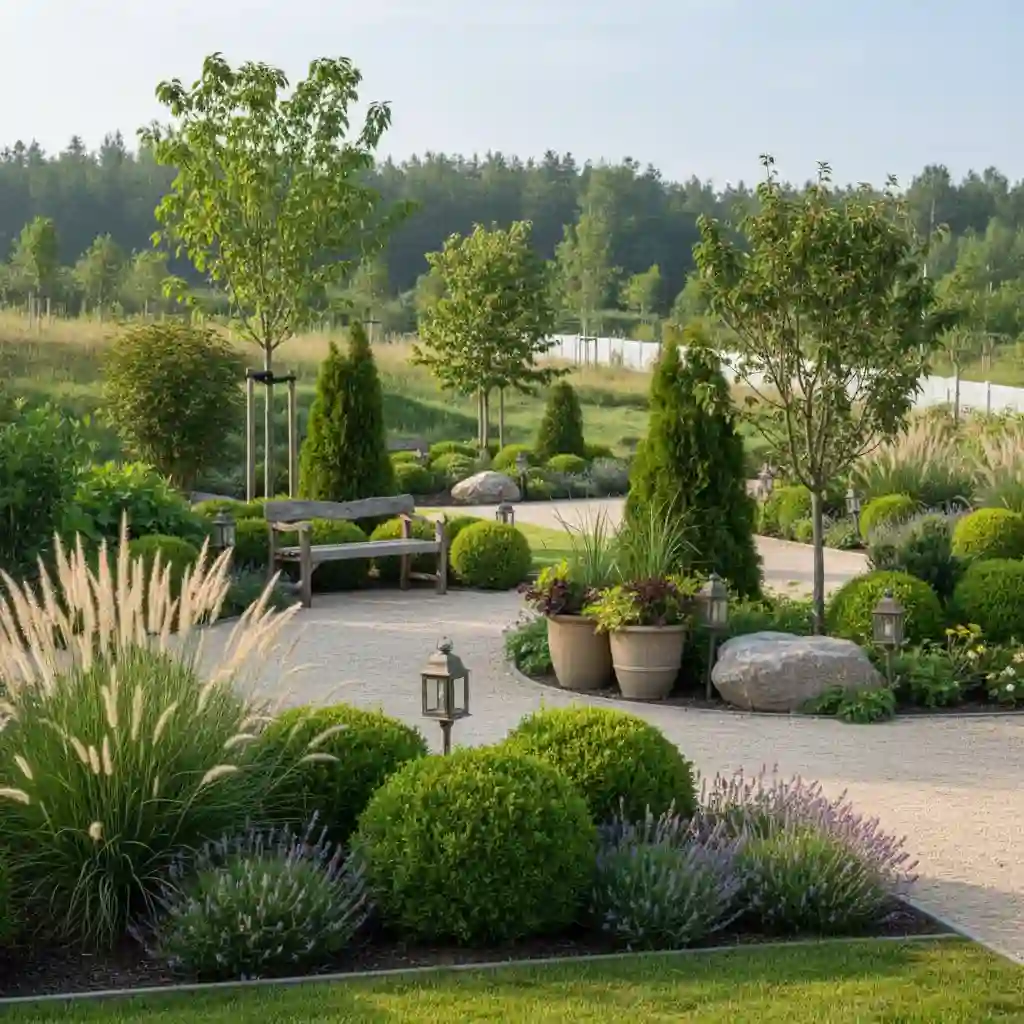
When arranging the layout of a tiny garden, curving walks make the yard feel bigger than straight lines. Choose materials that accord with the design of your home. For example, cut stone looks nice in formal dwellings, while gravel or mulch walks work well in cottage gardens.
How to Choose Plants
Now it’s time to choose out the plants! But don’t just pick out anything that looks nice at the garden center. This is the sequence in which smart plant selection algorithms work:
Start with plants that give structure: These are the parts of your garden that hold it together. Think about bushes, tiny trees, and big perennials that look excellent all year. They usually stay green all year or have fascinating bark that makes them look good in the winter.
Think About the Size of the Adult
This is the worst error that novices make. That cute little plant you saw in the supermarket could turn into a monster. Always look at the size of the plants when they are fully grown and give them enough room. Yes, at first your garden will look empty. Be patient, or fill in the gaps with annuals that you can take out as the perennials mature.
Make plans for all seasons
How can you plan a garden that looks good all year? Put plants with various bloom periods and seasonal interest on top of each other:
- In the spring, bulbs and trees that bloom early
- Summer: Annuals and perennials
- In the fall, grasses, late bloomers, and beautiful leaves appear.
- Winter: trees that stay green, bark that looks cool, and seed heads
This method, along with instructions on how to prepare your garden soil and plant, will make sure your garden never seems empty or dull.
Plan for the level of upkeep
Be honest about how much time you want to spend in the garden. Here are some recommendations for beginners on how to build a sustainable garden:
- Put plants that need the same amount of water together.
- Mulch will help you use less water and weed less.
- Pick plant types that are resistant to illness
- Set up drip irrigation so that the plants get water on their own.
- Choose perennials instead of annuals to cut down on replanting.
Small & Large Garden Strategies
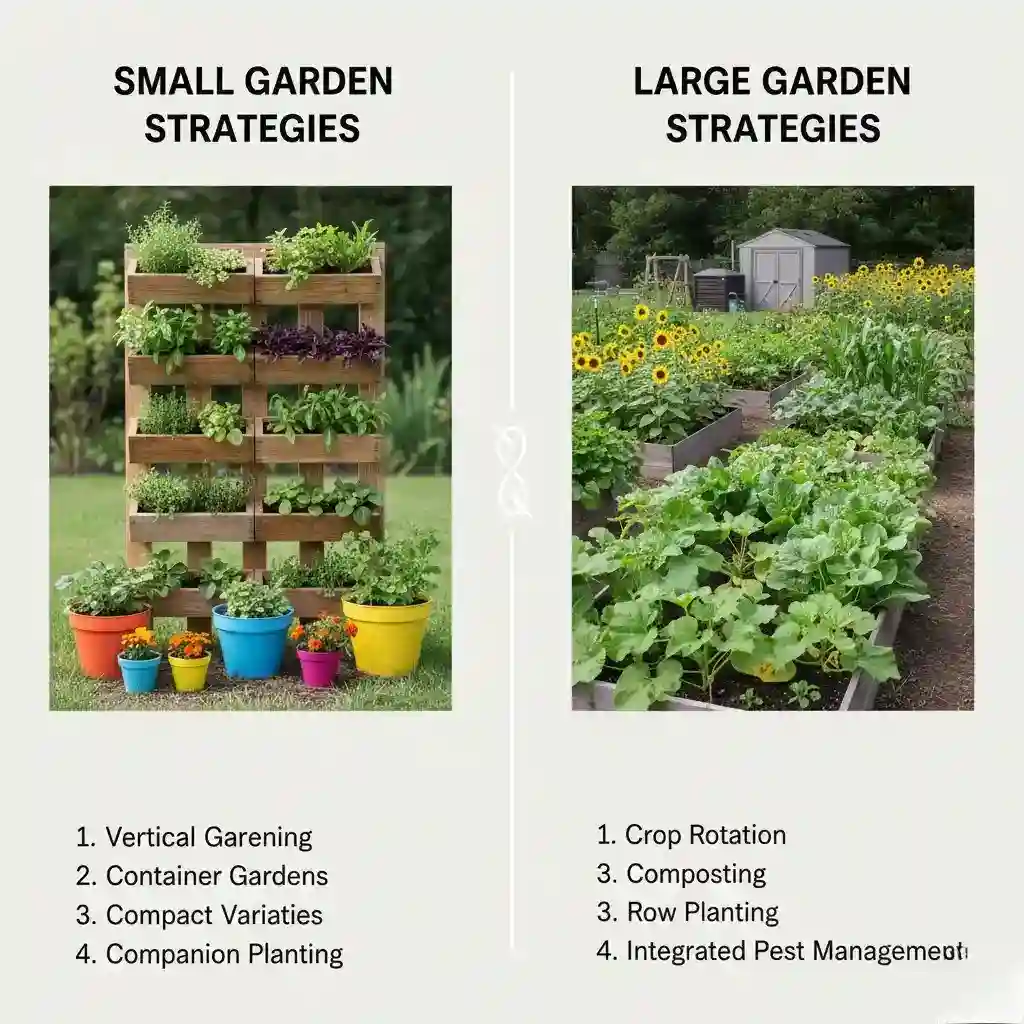
Maximizing Small Spaces
Do you want to know how to make the most of a little garden space? Think up! Walls, fences, and trellises give plants a place to grow that doesn’t take up ground area. Climbing roses, clematis, and crops like peas and cucumbers grow up instead of out.
Use containers to be flexible. You may move them to follow the sun or change their shape for parties. Put containers of different heights together to make layers and make the space more interesting.Pick plants that deserve their spot by giving you more than one advantage. A blossoming bush that makes berries nourishes you and the birds. Herbs add flavor, smell, and beauty.
Strategies for Large Gardens
Different problems come up in big spaces. They can feel empty or need a lot of upkeep. Make garden rooms or areas that are connected by walkways. This divides the space and makes it easier to handle.Use big plants to make a structure rapidly. Small plants get lost in enormous settings, while big groups of bigger plants make a big difference right away.
For a unified look, use the same things again and over in the space. Use the same plants, colors, or materials in different parts of the space. This gives the garden a sense of design rather than randomness.
Sustainable Garden Design Tips for Beginners
Being good to the environment is a must in 2026.
- Get rainwater: Water your plants with a rain barrel.
- Plant native plants: Native plants need less water and aid local birds and bees.
- Mulch: A thick layer of mulch keeps the ground moist and discourages weeds from sprouting.
Professional Help When You Need It
Some homeowners want to get help from experts, especially when it comes to complicated design or irrigation systems. Landscape Design Whittier, CA, is one of several firms that may help you transform your thoughts into a clear strategy if you need expert guidance.
Robert’s Complete Care knows that careful design and real-world expertise are the keys to making landscapes that last.
Why Choose Us
Having the appropriate partner makes all the difference when you’re learning how to create a garden that is easy for beginners to use. Robert’s Complete Care knows that every gardener is different, just like every garden.
We have helped hundreds of people turn their normal yards into amazing outdoor living places. Our crew knows local growth conditions, understands which plants thrive in your specific microclimate, and can make your desire a reality.
Conclusion
The first step in learning how to design a garden is to get to know your space. The last step is to make a place you really enjoy. You can make a garden that is attractive, useful, and long-lasting by following the basics of garden design, creating sensible garden zones, picking the proper plants, and thinking about how to care for it in the long term. Keep in mind that the best gardens get better and better over time, just like your gardening abilities.
Contact us today to talk about your garden goals and get professional guidance that is specific to your environment. The people at Robert’s Complete Care can help you plan a garden that matches your needs and adds significant value to your property.
FAQs
What do you do initially when you want to design a garden?
First, look around your yard, keep track of how much sun it gets, and think about how you want to use the garden.
How do you plan the layout of a garden?
Measure your yard, draw a map of it, divide it into garden zones, and plan where to put paths and plants.
What should I think about before I plant a garden?
The type of soil, how much sun it gets, how easy it is to get water, and how much care it needs are all important.
How do I pick the proper plants for my garden?
Choose plants that will work with the amount of sun, water, and soil they need. Choosing native plants is frequently the easiest option.
How can you make the most of a limited garden space?
Use vertical space, restrict the number of plants, and focus on features that may be used for more than one thing.