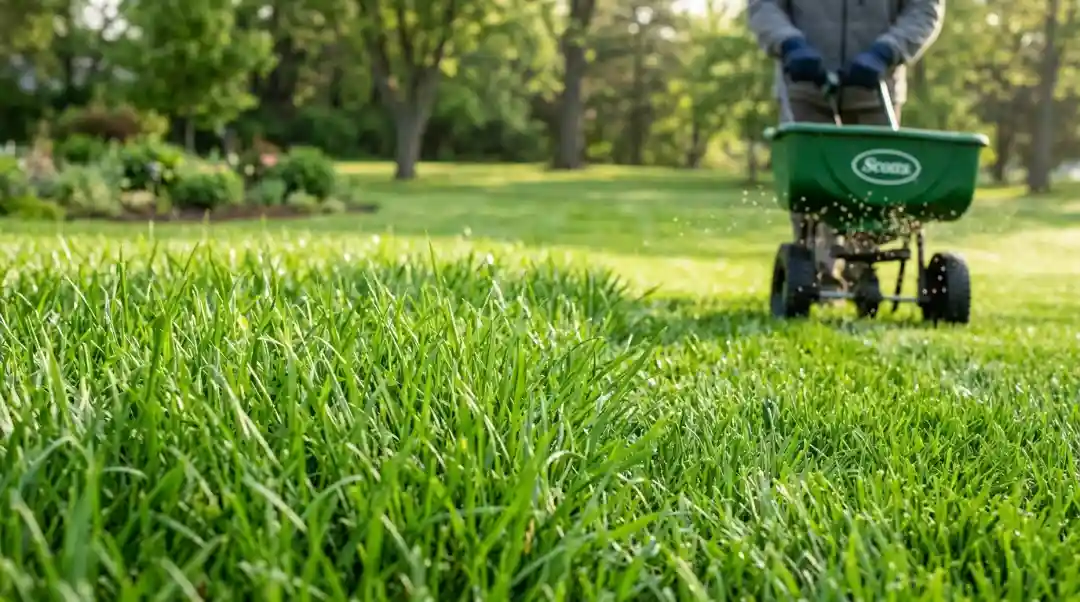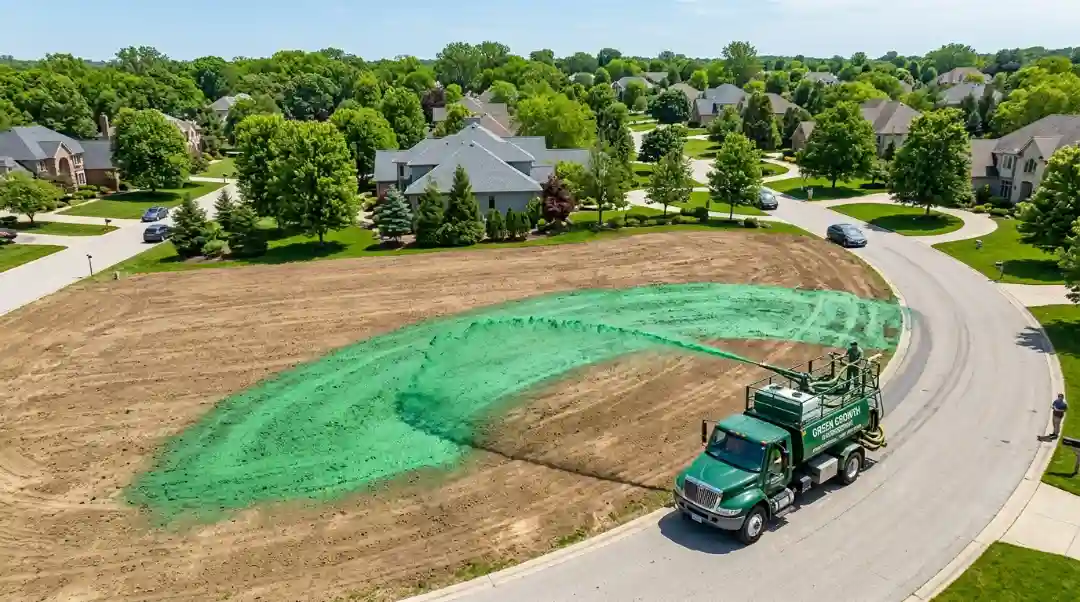

Even if the rest of your house looks wonderful, a lawn that is thin or uneven can make your yard look old. How to overseed grass lawn is a simple and effective approach to address weak spots and make your yard seem better without having to cut down any grass.
Overseeding helps fill in barren places, make thin grass thicker, and help it grow stronger over time. When done right, it makes the lawn healthier, gets rid of weeds naturally, and makes it appear lush and green again in just a few weeks.
What Is Overseeding?
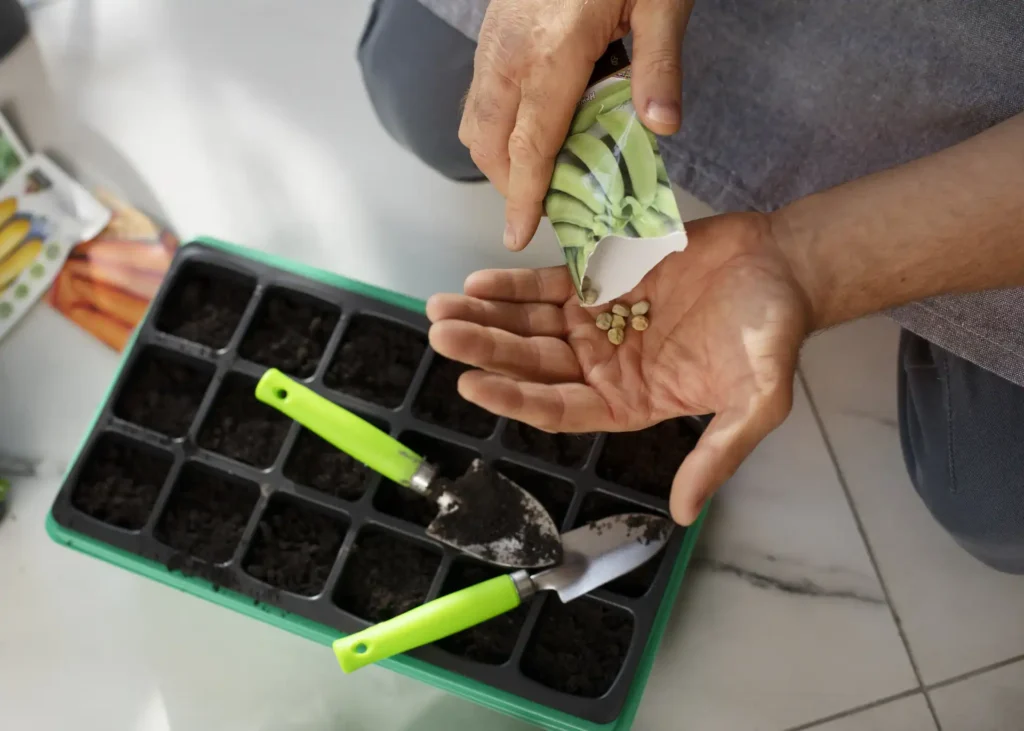
Overseeding is when you add new grass seed to an existing lawn without cutting down the old grass. This process is different from full reseeding grass because it focuses on making what you already have stronger by filling up bare places and thickening thin sections. A good overseeding of grass makes the whole lawn healthier by making the color brighter, the density higher, and the weeds less likely to grow. It also lets you add stronger types of grass that will do better over time. If you overseed your lawn the right way, it may look fuller and healthier in only a few weeks.
When Should You Overseed Your Lawn?
One of the most popular inquiries homeowners have is when to overseed the lawn for the best results. Choosing the proper season can make a great difference in how well your seeds germinate and how healthy your grass is in the long run.
Best Time to Overseed Lawn
The type of grass you have is the most important factor in whether to overseed your lawn. Different types of grass thrive best in different temperatures.
Cool-Season vs Warm-Season Grasses
Early October is the best time for cool-season grasses like fescue, ryegrass, and Kentucky bluegrass. Seeds germinate quickly and grow robust roots when the earth is warm and the air is chilly. The greatest time for warm-season grasses like Bermuda, Zoysia, and St. Augustine is from late spring to early summer, when the soil is warm enough for them to flourish.
Overseed a Lawn in Fall (Why Fall Wins)
Fall is the best time to overseed since the soil stays warm, weeds develop more slowly, and it usually rains more often. These conditions help grass roots get stronger before winter. Fall is the safest and most effective time to overseed if you only want to do it once a year.
Why You Should Overseed Your Lawn
Overseeding isn’t just about how it looks. It makes your lawn healthier in the long run.
Some of the main benefits are:
Weeds can’t grow on grass that is thicker.
Roots that are stronger fight off illness.
More resistant to drought
The grass grows evenly all over the lawn.
Depending on the state of the grass, a lot of lawn care experts say to overseed every one to three years.
Preparation Before Overseeding
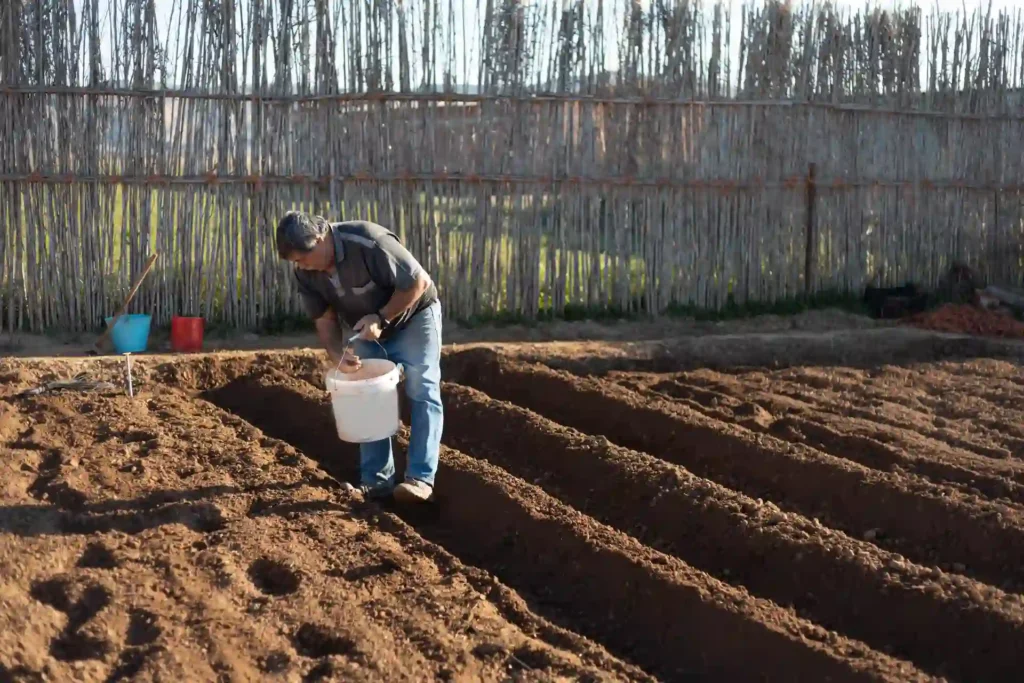
One of the most important things you can do to help grass flourish is soil preparation before overseeding. Not doing this step can lead to bad germination and variable outcomes, even with good seed.
Mow and Clean the Lawn
Mow the grass a little shorter than usual before overseeding to assist the seeds get to the soil. Instead of leaving the cuttings behind, put them in a bag and throw away any leaves or other debris so the ground is ready for new seeds.
Dethatching and Aeration Before Overseeding
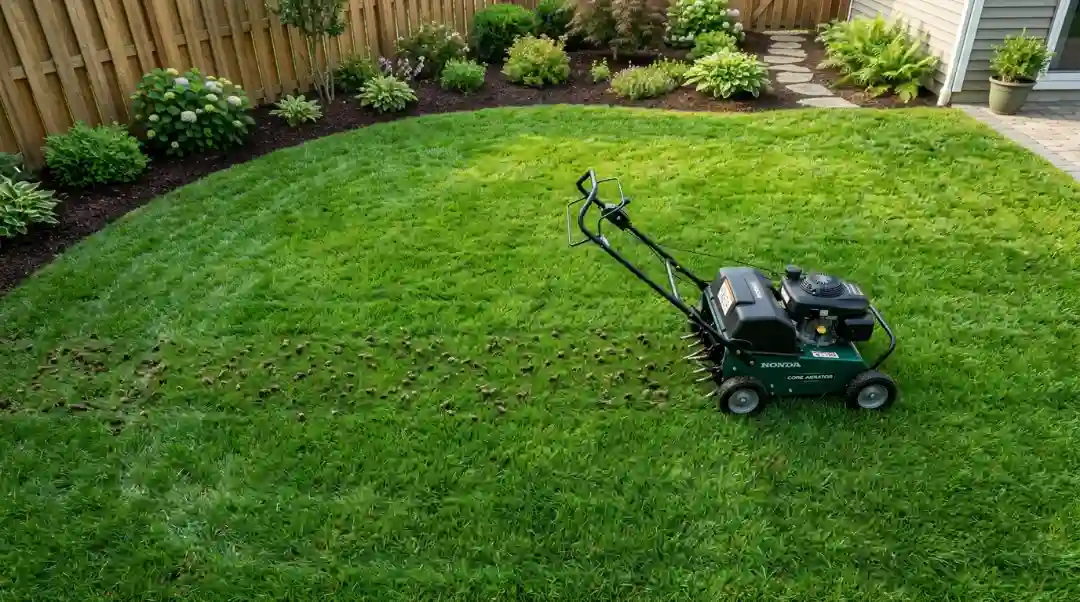
Thatch can block seeds from making contact with the soil. If your lawn has a thick thatch layer, dethatching should be done first. You should also consider aeration before overseeding, as it creates small holes in the soil that improve airflow, water absorption, and seed-to-soil contact, which is critical for healthy germination.
Test and Improve Soil
Testing your soil helps make sure that fresh grass will grow in the ideal conditions. Try to keep the pH of the soil between 6.0 and 7.0. Adding compost to poor soil will help it get more nutrients, and leveling off low spots can help the grass grow evenly.
Things You Need to Overseed Your Lawn
It’s vital to get all the supplies you need before you start overseeding so that you can apply them evenly and smoothly. Getting the necessary tools ready ahead of time saves time and makes everything more accurate.
Essential Tools and Materials
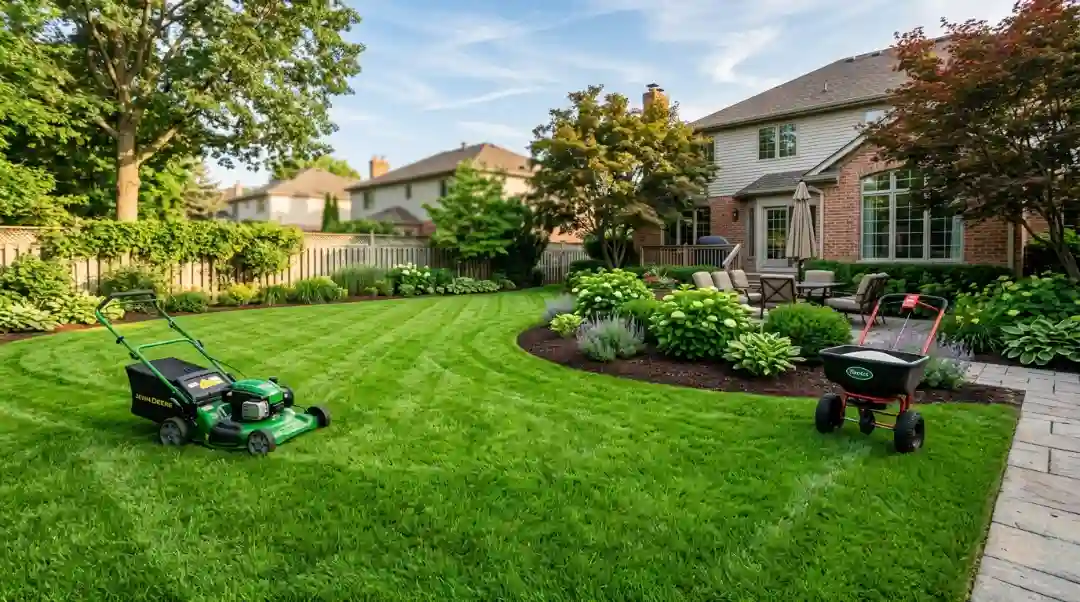
To scatter the seed uniformly, you’ll need grass seed that matches your lawn type and a broadcast or drop spreader. A rake can help loosen the soil and make sure the seeds are in contact with it better. A lawn aerator, on the other hand, is not necessary but can make a big difference. A starting fertilizer for new grass helps the roots grow early on, and a hose or sprinkler system is needed to keep the grass watered after overseeding.
Choose the Right Grass Seed
There are different kinds of grass seed. Picking the wrong type can make things develop weakly.
How to pick seeds:
Match the seed to cool-season vs warm-season grasses.
Use combinations that work in the sun or shade.
Look for types that are resistant to disease.
Mixed seed mixtures usually work better than seeds of the same kind.
Steps to Overseed a Lawn That Already Exists
Following the appropriate steps for overseeding your lawn will help the seeds germinate well and the grass grow evenly. Most home lawns can benefit from these easy actions.
Mow Low
To begin, cut your grass a little shorter than usual. This lets sunshine penetrate the soil and helps fresh seeds get a better grip on it.
Remove Debris
To start with, cut your grass a little shorter than usual. This lets sunshine penetrate the soil and helps fresh seeds get a better grip on it.
Aerate (If Needed)
Aeration helps loosen up compacted soil, which makes it easier for seeds to settle in and improves drainage.
Prepare the Soil
Lightly rake bare or thin areas to loosen the top layer of soil. This improves seed penetration and early root growth.
Spread Grass Seed
Use a spreader to sprinkle grass seed over the whole lawn evenly. To get the best coverage, disperse half of the seed in one direction and the other half in a pattern that crosses.
Make sure the seed touches the soil.
Gently rake or roll the grass so that the seeds touch the ground. For seeds to grow, they need to be in good touch with the soil.
Water Properly
Finish by watering softly and often. Keeping the soil damp helps seeds sprout without washing them away.
What Should I Do After Overseeding
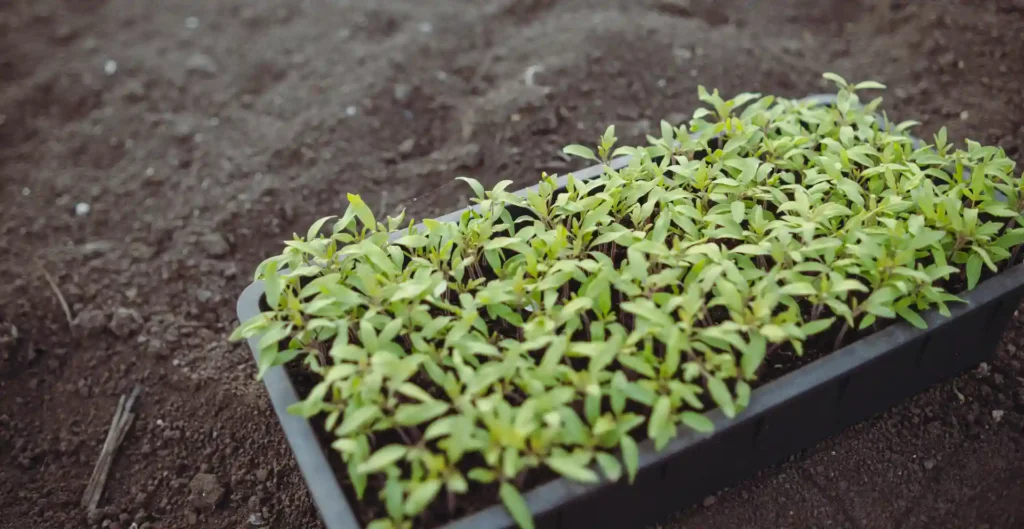
When it comes to overseeding, post-care is just as vital as planting. After overseeding, don’t walk on the new seeds too much, and keep dogs away from areas that have just been seeded. Don’t mow until the grass is around 3 inches tall. Mowing too soon can hurt young roots. Watch for dry places in the yard and water them as needed to keep the grass hydrated. If you follow these procedures and are patient, your grass will become thicker and healthier.
How Long Does Grass Seed Take to Grow After Overseeding?
Most grass seeds start to grow in:
5 to 10 days for ryegrass
Fescue takes 7 to 14 days, and bluegrass takes 14 to 21 days.
The speed at which things grow depends on the weather, how much you water them, and the quality of the soil.
Can You Overseed Without Aerating
Yes, you can overseed without aerating, especially if your lawn soil is not too hard and is still healthy. In these situations, grass seed can still sprout and develop.
Why Aeration is Good:
Without aeration, seeds may take longer to sprout, and the results may not be even. Aeration before overseeding makes holes in it that improve the interaction between the seeds and the soil, the ability of the soil to hold water, and the passage of air. This greatly increases the chances of success, especially for older or frequently used lawns.
How Much Grass Seed Do I Need for Overseeding?
When overseeding, use roughly half as much seed as you would for growing a new grass. You should add a little more to spots that are thinner or spottier to make sure they are all covered. For the greatest results, always read and follow the instructions on the seed label.
How Often Should You Overseed Your Lawn?
To keep lawns thick and healthy, they should be overseeded on a regular basis. Overseeding should be done every 1 to 2 years in places with a lot of foot activity. In regions with a lot of healthy grass and not a lot of foot traffic, overseeding can be done every 2 to 3 years. Overseeding regularly helps keep your grass looking healthy and full over time and stops big problems from happening.
Professional Help vs DIY Overseeding
A lot of homeowners can do overseeding themselves. Getting advice from an expert might save you time and keep you from making mistakes.
If your lawn needs a lot of work, this is where you may naturally mention and link to professional Lawn Installation Services in Whittier for people who need more help than just overseeding.
Why Choose Robert’s Complete Care?
Robert’s Complete Care doesn’t just mend your lawn; they treat it as a system. Expert care makes sure your grass grows thicker and stays healthy season after season, from preparing the soil to long-term care.
Conclusion
If you know how to overseed grass effectively, you can turn a thin, patchy yard into a thick, green, and healthy lawn. You may get long-lasting effects that make your lawn look bright and well-kept by picking the perfect time, thoroughly preparing the soil, following the right overseeding techniques, and taking care of the grass after seeding.
Robert’s Complete Care is here to assist you in getting the greatest outcomes. Don’t be afraid to contact us if you need expert support. We can help you with overseeding or do the work for you to make your grass seem its best.
FAQs
When is the ideal time of year to plant grass seeds on my lawn?
Cool-season grass does best in early fall, while warm-season grass does best in late spring.
Do you need to aerate before you plant new grass?
Aeration doesn’t always help, but it does make seed-to-soil contact much better and gives better outcomes.
How long does it take for grass seed to develop once you put it down?
Most grass seeds start to grow in 1 to 3 weeks.
Can you overseed without aerating?
Yes, however, the findings might not be as constant.
What should I do after I overseed?
Don’t mow too early, water gently, and keep foot traffic to a minimum.