
Your lawn is not a liar. If it’s patchy, yellowish or bone dry by mid-July, it’s telling you something’s not working. Most Whittier, CA homeowners do the basics mow, water, repeat and yet wind up staring at a lawn that looks worse every summer. The good news is? A few targeted tweaks can turn that around rapidly. These top 5 lawn care suggestions for homeowners are prepared specifically for the climate of Southern California, not some general advice written for Ohio or Oregon.
Southern California lawns are a whole new ball game: grueling summer heat, clay-heavy soil, water restrictions and warm-season grasses that have radically different needs than what most national content covers. Whether you are a veteran or you just moved into your first house in Whittier, these recommendations will provide you with a sensible lawn care schedule for Los Angeles County that truly works for your yard, your soil and your budget.
Table of Contents
ToggleWhy Lawn Care in Whittier Requires a Different Approach
Southern California’s Climate and Your Lawn
Whittier sits in the heart of LA County, where summers are long, dry, and hot. We don’t get the natural rainfall rhythms that cool-season lawn care guides are built around. Instead, we’re dealing with drought conditions, LADWP watering restrictions, and intense UV exposure from May through October. Treating your lawn like it lives in a temperate climate is one of the biggest mistakes homeowners here make.
The Warm-Season Grasses That Thrive in LA County
Most lawns in Whittier, Downey, Norwalk, and the surrounding cities are planted with warm-season grasses primarily Bermudagrass, St. Augustinegrass, and Zoysiagrass. These grasses go dormant in cooler months, actively grow in summer heat, and need a completely different care schedule compared to cool-season varieties like Kentucky bluegrass or tall fescue. Knowing which grass you have is the starting point for everything else.
Tip 1 Start With Soil Testing and Preparation
How Much Do Soil Conditions Actually Affect Your Lawn?
Soil quality is the single biggest factor in lawn health that most homeowners completely ignore. Before buying fertilizer or adjusting your watering schedule, you need to know what your soil is actually made of its pH, its nutrient levels, and how compacted it is. Skipping this step means you’re guessing, and guessing gets expensive.
Most soil in the Whittier and LA County area tends to be heavy in clay or sandy loam, both of which create drainage problems when left untreated. Clay soil holds water too long, which can suffocate roots and invite fungal disease. Sandy soil drains too fast, meaning nutrients flush out before grass roots can absorb them.
A basic soil test available through UC Cooperative Extension or local garden centers will tell you your soil’s pH and N-P-K levels (nitrogen, phosphorus, and potassium). Most grasses thrive in soil with a pH between 6.0 and 6.5. If your soil is too acidic or too alkaline, even a perfect fertilizer won’t perform.
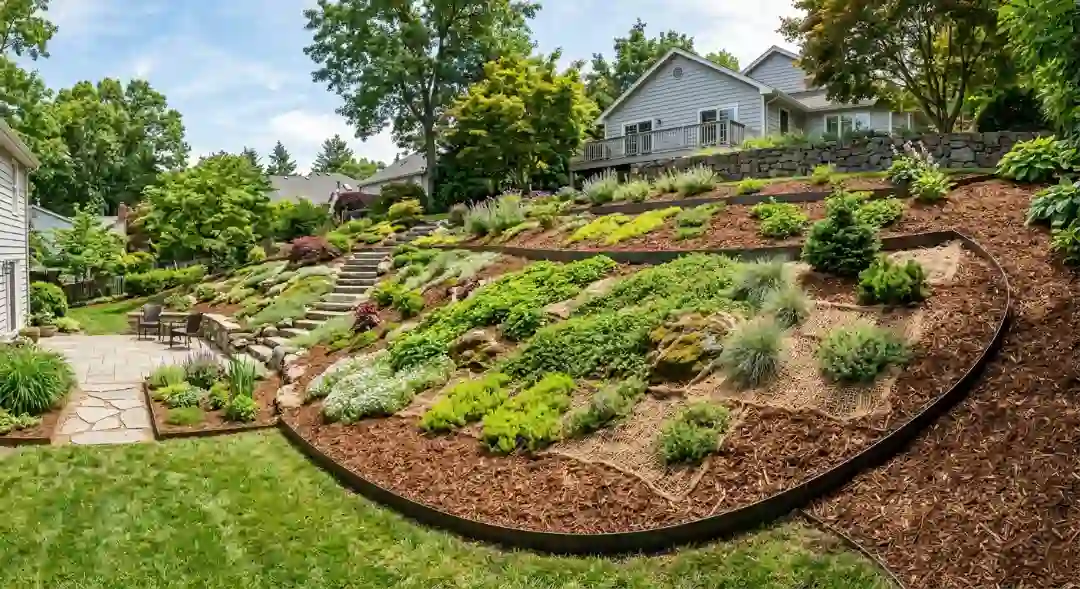
Once you know your soil’s composition, amend it accordingly. Add compost to improve clay or sandy soil structure. If pH is off, lime raises it and sulfur lowers it. This one-time investment pays off for years.
Tip 2 Master Effective Watering Techniques
What’s the Right Way to Water a Lawn in Southern California?
In SoCal, the best way to build a healthy, drought-resistant grass is with deep, infrequent watering. Water deeply to a soil depth of 4 to 6 inches to train roots to grow downward where the soil is colder and moisture lasts longer. Shallow daily watering achieves the reverse, keeping roots toward the surface where heat kills them quickly.
That means watering two to three times a week in summer, not every day, for most Whittier lawns with warm-season grass. The EPA WaterSense standards recommend watering in the early morning hours from 4 a.m. to 10 a.m. since evaporation is greatly reduced compared to watering in the middle of the day or at night.
Staying Compliant with California Watering Restrictions
Staying compliant with local water restrictions matters. LADWP and local water agencies in LA County issue seasonal watering schedules exceeding them results in fines and wastes water your lawn doesn’t actually need. Check your city’s current restrictions before setting your irrigation timer.
If you have an irrigation system, check each zone’s output and adjust sprinkler heads to water close to the ground rather than arcing high. High-arc sprinklers lose significantly more water to wind and evaporation, especially in summer. And if your system is more than 10 years old, consider an upgrade to a smart irrigation controller that adjusts automatically based on local weather data.
Tip 3 Choose the Right Grass Type and Mowing Practices
Mowing Heights for Bermuda, St. Augustine, and Zoysia
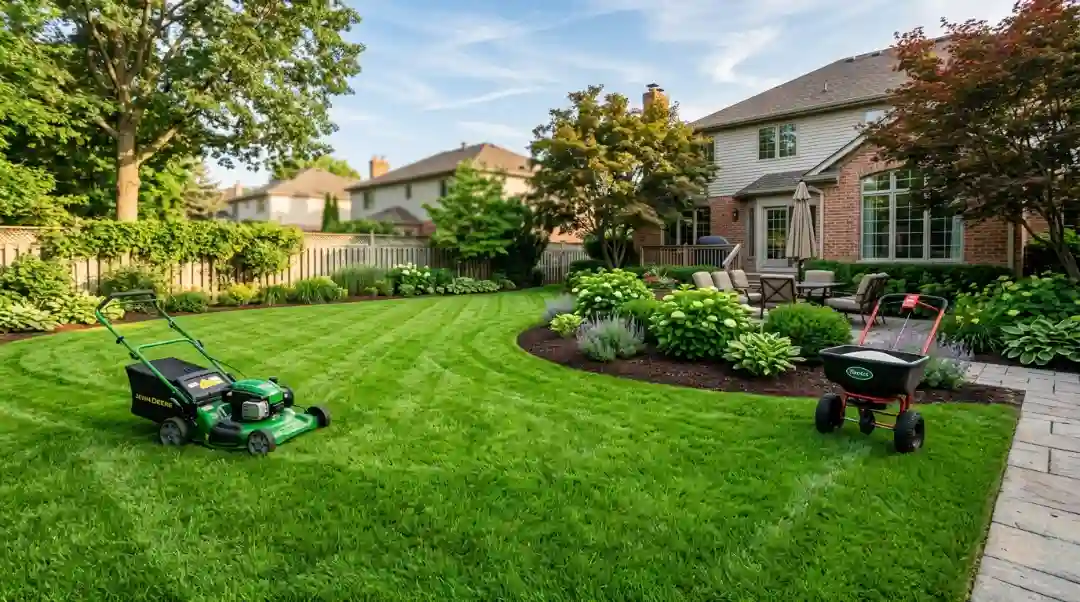
Mowing at the wrong height is one of the most common lawn care mistakes in Southern California. Each grass type has a specific ideal height, and cutting too short a practice called scalping stresses the plant, burns the crown, and opens the door for weeds and disease. The right height protects the soil, retains moisture, and keeps your lawn dense enough to fight off weed competition naturally.
Here are the recommended mowing heights for the most common warm-season grasses in the Whittier area:
- Common Bermudagrass: 1 to 2 inches
- Hybrid Bermudagrass: 0.5 to 1.5 inches
- St. Augustinegrass: 2.5 to 3 inches
- Zoysiagrass: 0.5 to 1 inch
The One-Third Rule Every Whittier Homeowner Should Know
Never remove more than one-third of the grass blade in a single mowing session. If Bermuda has grown to 3 inches, cut it to 2 inches not 1 inch. Removing too much at once sends the plant into shock, causes brown tips, and forces the grass to redirect energy away from root growth just to recover.
Mow with sharp blades, not dull ones. A dull mower blade tears grass rather than cutting it cleanly, leaving ragged edges that brown and invite disease. Sharpen your blades at least twice per season or after every 20 to 25 hours of use. Also rotate your mowing pattern every session to prevent soil compaction ruts and promote upright growth.
Tip 4 Fertilize on a SoCal Schedule and Control Weeds
When to Fertilize Warm-Season Grass in Los Angeles County
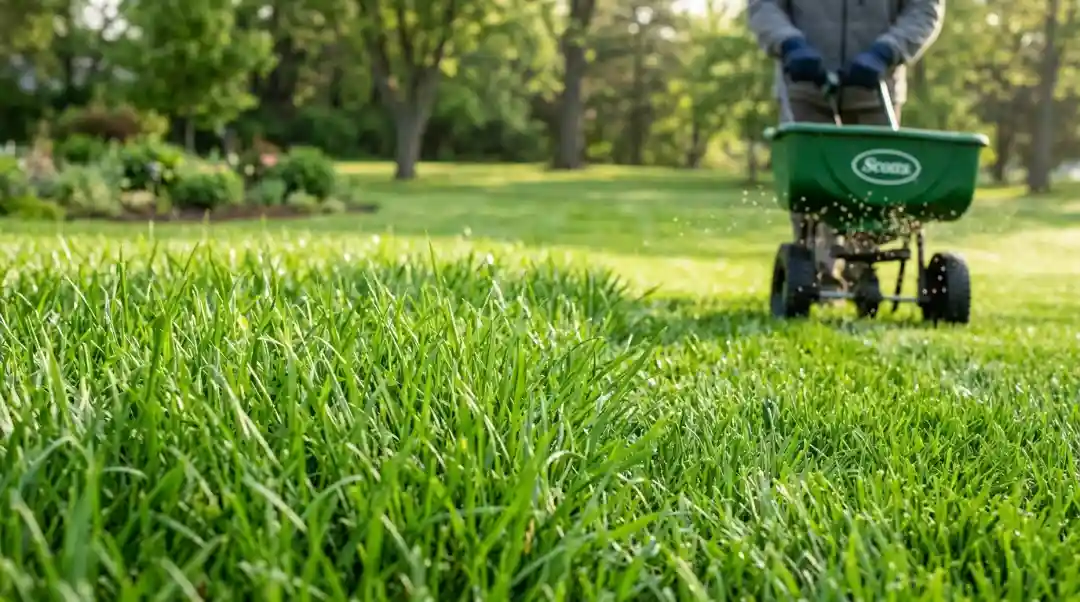
Fertilize warm-season grasses in Whittier while they are actively developing from late spring to early summer and again from late summer to early fall. Applying fertilizer too early in the season (before soil temperatures reach 65°F) is a waste of product since dormant grass does not properly absorb nutrients.
Look for a fertilizer that has an N-P-K ratio that fits your soil test results. Nitrogen is good for the green color and blade growth. Potassium also increases disease resistance and helps grass respond to heat stress. The secret is a slow-release nitrogen fertilizer administered at the correct time, which offers your lawn a consistent, even growth instead of a sudden flush that burns out soon.
Professional lawn fertilization industry averages are between $0.02 – $0.07 per square foot. That’s around $100-350 each treatment for a 5,000 sq ft lawn, which is a modest expenditure if you do it right.
Common Weeds in Whittier Lawns and How to Stop Them
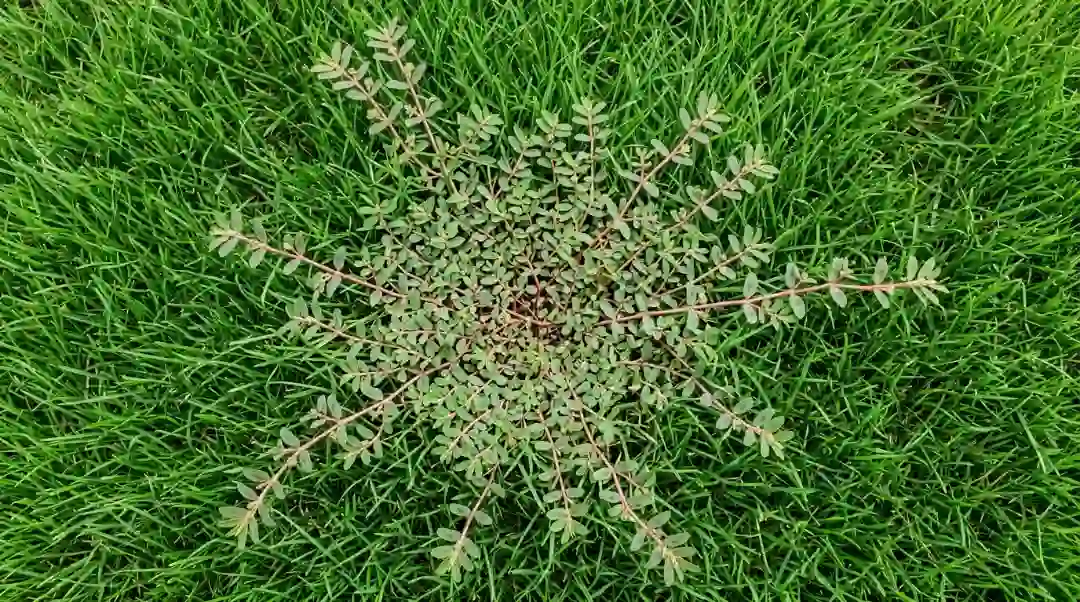
Weeds don’t appear randomly; they move in when your lawn is weak, thin, or stressed. The most common invaders in LA County lawns include crabgrass, spurge, oxalis, and chamberbitter. Each exploits bare or compacted soil, so a dense, well-fed lawn is your first line of defense.
Apply a pre-emergent herbicide in early spring before soil temperatures hit 55°F that’s when crabgrass seeds start to germinate. If weeds have already sprouted, switch to a post-emergent herbicide targeted to the specific weed type. Spot-treating is more effective and less damaging than blanket applications. Hand-pulling works well for isolated weeds when soil is moist pull the entire root system or they’ll come back.
Tip 5 Aerate and Dethatch to Fight Soil Compaction
Signs Your Whittier Lawn Needs Aeration
Soil compaction is one of the leading causes of struggling lawns in LA County, yet most homeowners never address it. When soil gets compacted from foot traffic, heavy clay content, or dry summers it blocks water, oxygen, and nutrients from reaching the root zone. The result is a lawn that looks like it needs water even when you’re already watering it.
Signs you need to aerate: water pools on the surface instead of soaking in, your lawn feels hard underfoot, or you notice thinning grass despite regular care. You can also do a simple screwdriver test if a screwdriver doesn’t push 6 inches into moist soil easily, your soil is compacted.
Best Time to Aerate Bermuda and St. Augustine Grass
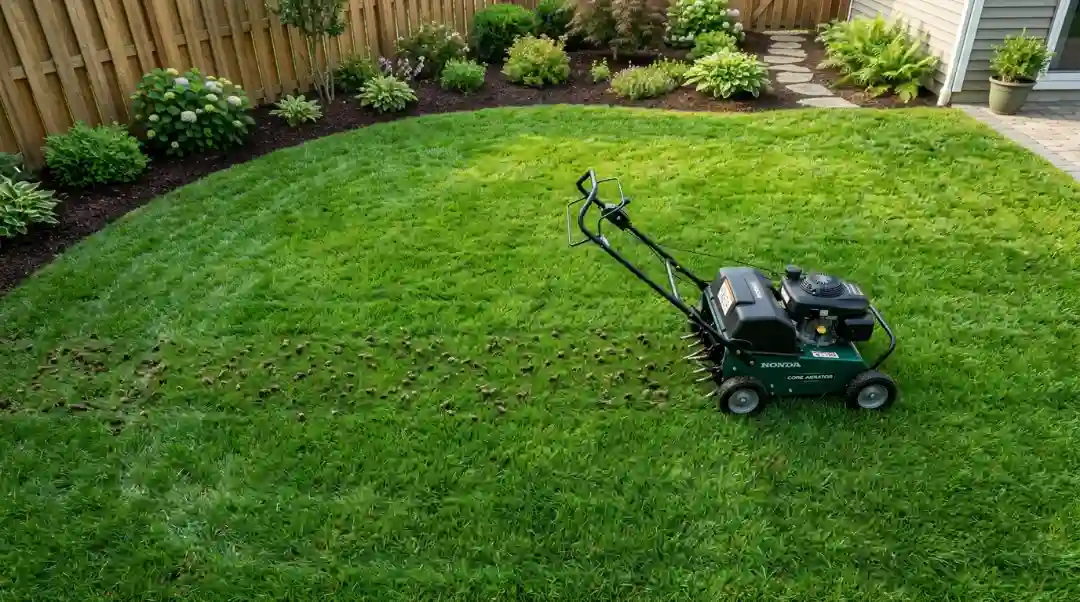
For warm-season grasses like Bermuda and St. Augustine, the best time to aerate is late spring to early summer right as the grass enters its active growth phase. Aerating during active growth means the lawn recovers fast and fills in the holes left by the aerator cores.
Core aeration is the most effective method. It pulls small plugs of soil from the ground, creating channels for air, water, and nutrients to reach deep into the root zone. For best results, aerate every one to three years depending on soil compaction levels, and always follow aeration with a round of fertilizer and deep watering to take full advantage of the open channels.
Thatch buildup is a separate but related issue. When thatch a layer of dead grass and organic matter exceeds half an inch, it creates a physical barrier that blocks everything from reaching the soil. Dethatching with a rake or power dethatcher removes this layer and lets your lawn breathe again. In Whittier, dethatching Bermuda grass is typically best done in early summer.
When to Call a Professional Lawn Care Company in Whittier
Some lawn problems are genuinely DIY-friendly adjusting a watering schedule, pulling weeds, or sharpening mower blades. But others call for experience, equipment, and a trained eye. If your lawn has large brown patches you can’t diagnose, persistent pest damage, severe compaction, or drainage problems tied to the grade of your property, it’s time to bring in a professional.
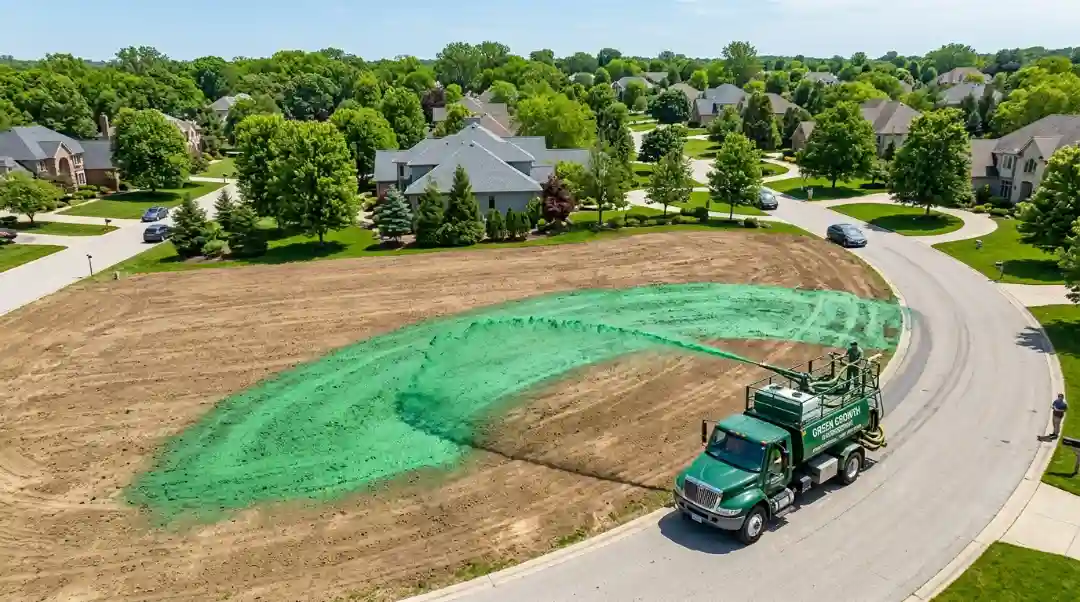
Robert’s Complete Care has been serving homeowners in Whittier, Downey, La Mirada, Norwalk, Santa Fe Springs, and Avocado Heights for over 28 years. From full Lawn Installation Services in Whittier to seasonal maintenance programs, our team understands exactly how SoCal’s climate, soil types, and local water restrictions affect your specific lawn. We don’t apply generic solutions — we look at your yard, your grass type, and your soil before making any recommendation.
If you’re ready to stop guessing and start seeing real results, give us a call at (562) 208-0148 or visit robertcompletecareca.com. We’ll assess your lawn and put together a plan that fits your goals and your budget.
Final Thoughts
Achieving a vibrant yard does not require using excessive amounts of water or chemical treatments. Success relies on working with local climate realities rather than against them. By selecting appropriate turf species, improving soil structure, and practicing deep irrigation, you can maintain an attractive, resilient landscape.
For complex property transitions, professional guidance ensures your project remains on the right track. Contact us today at Robert’s Complete Care to discuss your landscaping goals and establish a sustainable maintenance plan for your property.
Frequently Asked Questions:
How often should I water my lawn in Whittier, CA?
For most warm-season lawns in Whittier, watering two to three times per week during summer is enough, provided you water deeply to a depth of 4 to 6 inches. Early morning watering between 4 a.m. and 10 a.m. minimizes evaporation and reduces the risk of fungal disease.
Always check LADWP or your local water agency’s current seasonal schedule before setting irrigation timers. Overwatering is just as damaging as underwatering it promotes shallow root growth and can trigger lawn fungal disease.
What type of grass grows best in Southern California?
Bermudagrass is the most widely used and best-performing warm-season grass in Southern California, including Whittier. It handles heat, drought, and heavy foot traffic well. St. Augustinegrass is a good choice for shadier yards, while Zoysiagrass works well for lower-maintenance situations.
All three thrive in LA County’s climate and respond well to the lawn maintenance Southern California schedule of fertilizing in late spring and aerating in early summer.
How do I know if my lawn needs aeration?
Your lawn needs aeration if water runs off the surface instead of soaking in, if the soil feels rock-hard underfoot, or if growth is thin despite regular watering and fertilizing. A screwdriver test is a quick way to check if you can’t push it 6 inches into moist soil, your ground is compacted.
Core aeration once every one to three years is usually enough for most Whittier lawns.
When is the best time to fertilize a Bermuda grass lawn in Whittier?
Fertilize Bermuda grass in Whittier starting in late spring around late April to May when soil temperatures reach 65°F and the grass enters active growth. A second application in late summer, around August, helps maintain density before the grass slows down in fall.
Avoid fertilizing during dormancy (late fall through winter) as the grass can’t use the nutrients and runoff becomes a concern.
What are the most common lawn weeds in LA County?
The most common lawn weeds in the Whittier and LA County area include crabgrass, spurge, oxalis, and chamberbitter. Crabgrass is the most aggressive and easiest to prevent with a pre-emergent herbicide applied in early spring before soil temperatures hit 55°F.
A thick, well-fertilized lawn is your best long-term weed defense — dense grass simply leaves no room for weed seeds to germinate.