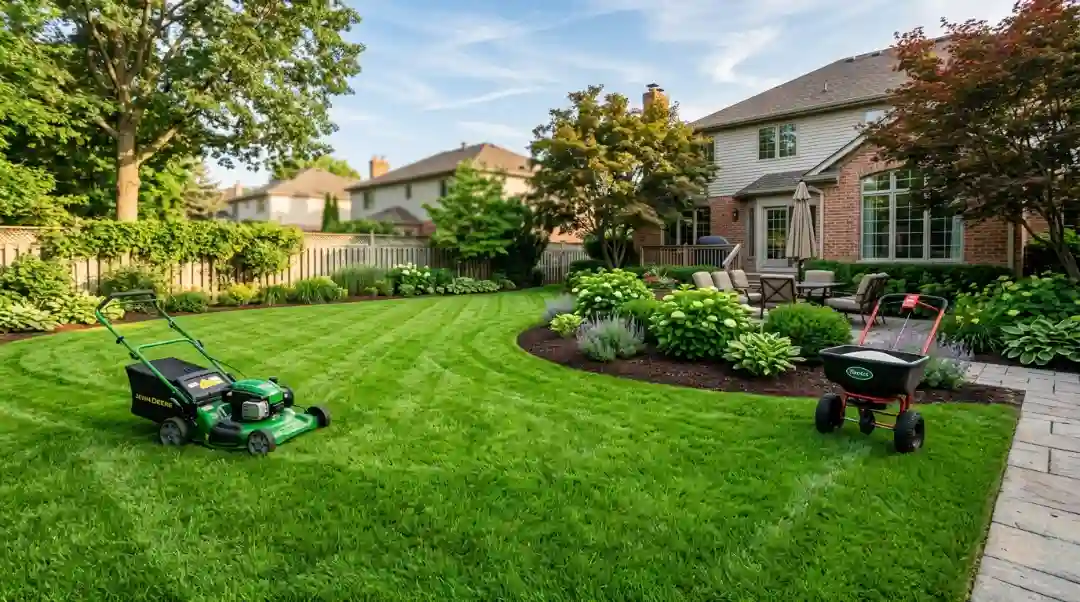
A green grass helps a property stand out. Each week sees hours spent on hand-watering. With a permanent installation, your plants will continue to live and your weekends will be saved. If you want the greatest watering system, you need to know the 5 Types of Irrigation Systems accessible for properties.
The best option relies on your specific soil and landscape design. The major alternatives are drip lines, pop-up sprinklers, subsurface systems, surface channels and micro-sprinklers. Here’s how each arrangement works, so you can pick the best option.
Table of Contents
ToggleWhat Is an Irrigation System and Why Does It Matter?
An irrigation system is a structured network of pipes, valves, and emitters designed to distribute water across a landscape. These systems replace manual watering to deliver specific amounts of moisture directly to turfgrass, flower beds, and trees. They maintain soil moisture balance while preventing water waste from wind drift or overwatering.
Manual watering often leads to shallow root zones. Water applies too fast and runs off into the street. A dedicated setup applies water at a rate the soil can absorb. This helps build healthy plants that resist pests and disease.
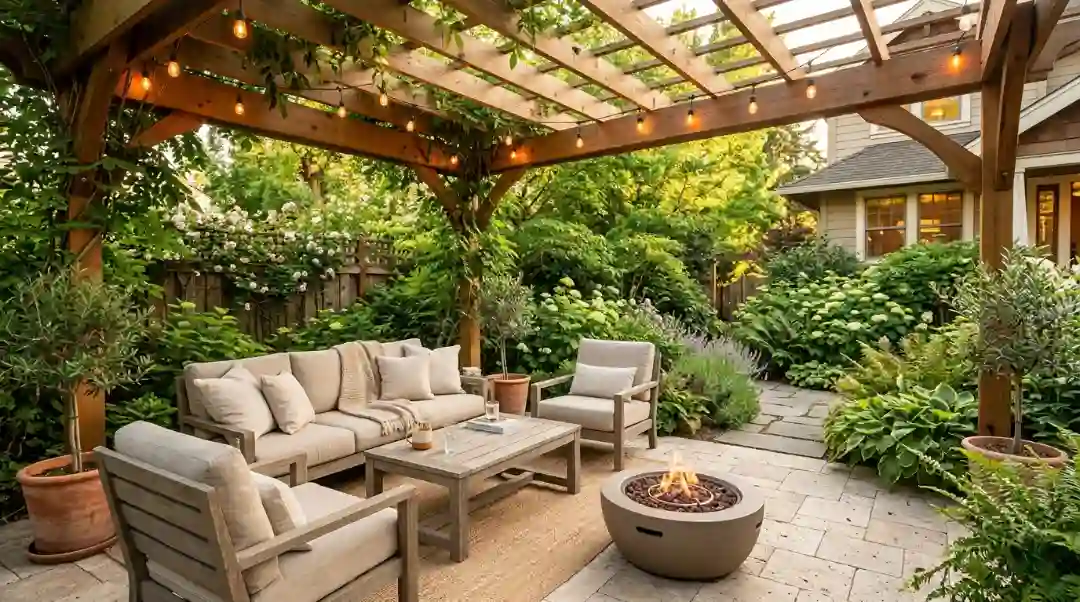
Proper watering keeps your property looking its best. If you plan to create outdoor living space zones, a green backdrop makes the area look complete. A well-planned yard increases overall curb appeal and property value.
The 5 Types of Irrigation Systems for Residential Properties
Every property has unique watering needs based on plant types and terrain. Mixing the right methods across different zones keeps every plant healthy. Here is a breakdown of the primary options for your yard.
1. Drip Irrigation Systems (Best for Flower Beds & Gardens)
Drip irrigation uses a network of flexible plastic tubes with small holes called emitters. These tubes sit on top of the soil or under a layer of wood mulch. They slowly drop water directly onto the soil surface at the base of your plants.
- Water Savings: This method uses 30% to 50% less water than standard overhead sprinklers.
- Disease Control: Keeping foliage dry prevents fungal growth and leaf spot diseases.
- Weed Reduction: Water only hits the plants you want, leaving bare soil dry so weeds cannot sprout.
This setup works best for tight spaces, vegetable gardens, and ornamental flower beds. It applies water slowly over long periods. This allows moisture to penetrate deep into heavy clay soils without causing messy runoff.
2. In-Ground Pop-Up Sprinkler Systems (Best for Turf & Open Lawns)
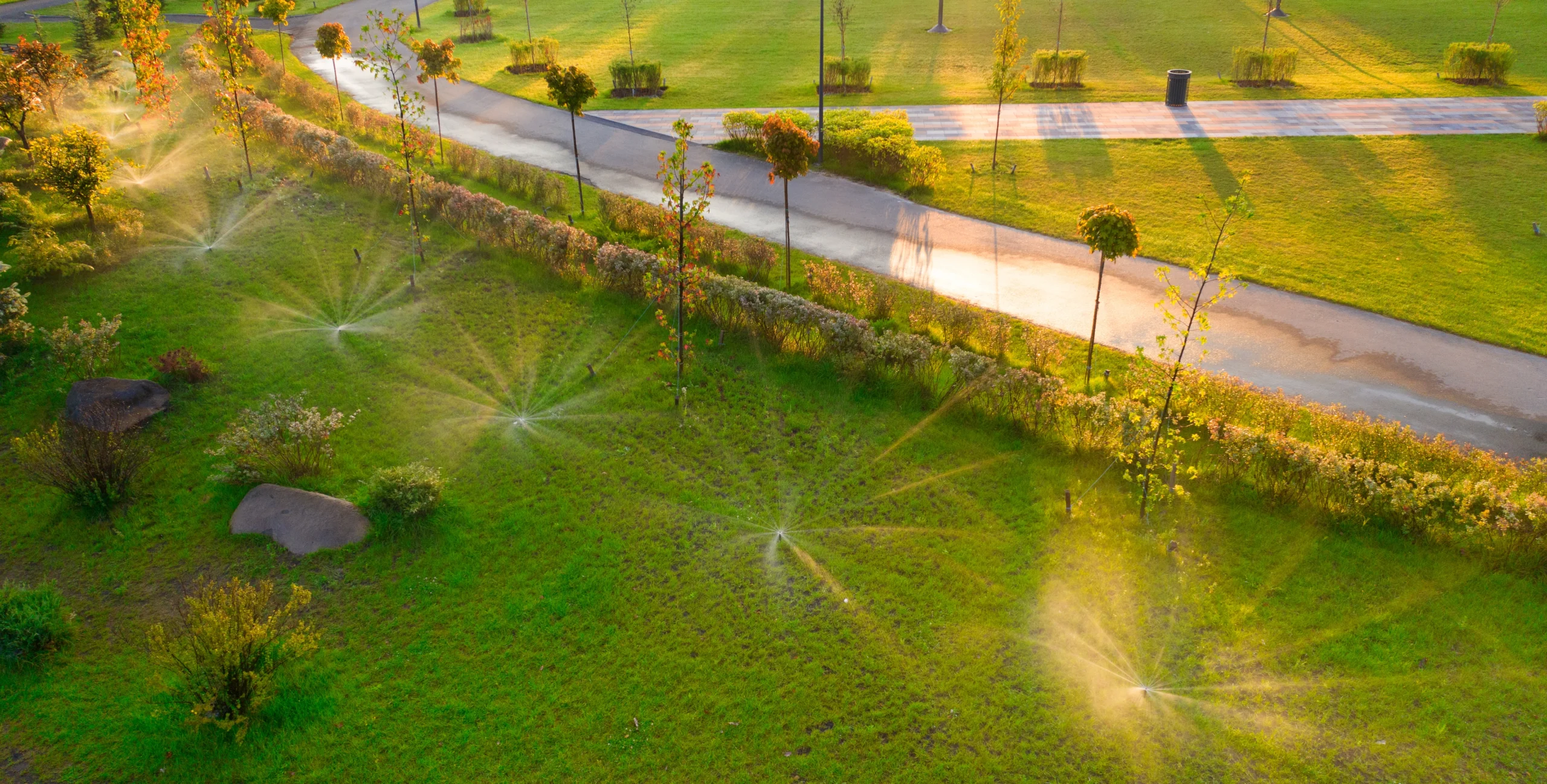
In-ground systems use solid PVC pipes buried beneath the lawn. When water pressure rises, the sprinkler heads rise above the grass line to spray water. When the watering cycle finishes, the heads drop back down below the soil level.
- Fixed Spray Heads: These nozzles produce a constant fan of water over a specific radius.
- Gear-Drive Rotors: These heads rotate back and forth, throwing a thick stream of water over long distances.
- Automated Scheduling: A central control panel runs the system at the best times of day.
This setup offers excellent customization for large lawns. It distributes water evenly across flat or sloping terrain. The heads stay out of the way so you can use a lawn mower without.
3. Subsurface Drip Irrigation (Best for Arid and Windy Areas)
Subsurface irrigation places the watering lines several inches completely below the soil surface. Emitters deliver moisture directly into the root zone of the grass or plants. Nothing sits above the ground.
- Zero Evaporation: Water never hits the air, so wind cannot blow it away.
- Zero Damage: Mowers, aerators, and pets cannot crack or break the buried components.
- Dry Topsoil: The very top layer of soil stays dry, which stops weed seeds from finding moisture.
This system works wonders in hot climates where evaporation rates are high. It requires careful planning during installation to prevent dirt from clogging the small emitters. It keeps your grass perfectly green without a drop of water showing on the surface.
4. Surface Channels and Furrows (Best for Flat, Large-Scale Zones)
Surface irrigation relies on gravity to move water across the ground. Small, parallel channels called furrows are dug into the dirt. Water flows from a central valve or canal into these ditches to soak the surrounding soil.
- Low Cost: This setup requires no expensive pumps, nozzles, or subterranean pipes.
- Simplicity: Fewer mechanical parts mean the system rarely breaks down.
- High Volume: It moves large amounts of water quickly across flat areas.
This method does not fit small residential lawns. It works well for large properties growing row crops or fruit trees. The ground must be completely flat to ensure water distributes evenly without pooling in low spots.
5. Micro-Sprinklers and Bubblers (Best for Trees and Dense Shrubs)
Micro-sprinklers combine the slow application of drip lines with the coverage of a small spray head. They sit on short plastic stakes a few inches above the ground. They spray a soft mist or stream over a small, localized area.
- Low Pressure: They operate on lower pounds per square inch (PSI) than large pop-up systems.
- Targeted Saturation: Bubblers flood a small basin around a tree trunk for deep soaking.
- Adjustable Flow: You can turn individual heads up or down based on plant size.
This setup is ideal for mature trees and dense shrub borders. It delivers water gently to prevent soil compaction around sensitive root systems. It provides a steady soak that matches the absorption rate of most local soils.
Smart Irrigation Systems: The Future of Lawn Watering
Smart irrigation controllers use local weather data and soil moisture sensors to manage your watering schedule automatically. These digital timers connect to your home Wi-Fi network. You can monitor and adjust the entire system using an app on your smartphone.
Traditional timers run on a fixed schedule even during a heavy rainstorm. Smart systems check the daily forecast. If rain is coming, the system delays the watering cycle to prevent soggy soil and water waste.
Soil moisture sensors add another layer of accuracy. They measure the actual water content in the dirt. If the root zone is still damp from two days ago, the controller skips the morning run to save money.
Irrigation System Costs: What to Expect
The average cost to install a professional sprinkler system ranges between $2,200 and $4,600 for a mid-sized lawn. Total prices vary based on your property size, the number of watering zones, and the specific equipment you select. Most homeowners pay roughly $0.20 to $1.00 per square foot.
| System Type | Average Professional Cost | Best Use Case |
| Above-Ground Timers | $10 – $30 per unit | Small yards or temporary rentals |
| Drip Irrigation Lines | $310 – $815 total | Flower beds, gardens, and shrub zones |
| In-Ground Pop-Up Sprinklers | $1,800 – $2,000 (Mid-sized) | Large open turfgrass areas |
| Subsurface System | $3,500 – $5,500+ total | Arid climates and high-wind zones |
Investing in a permanent system costs more upfront than a manual hose. However, the water savings drop your utility bills immediately. It also protects your investment if you spend money building an outdoor living space with expensive plants.
How to Choose the Right Irrigation System for Your Property
Choosing the right system requires looking at your yard’s specific layout and soil conditions. One size never fits all. Here are the core factors you must check before buying any equipment.
Analyze Your Soil Profile
Heavy clay soils hold water for long periods but absorb it very slowly. Drip lines or multiple-stream rotary nozzles work best here because they apply water gradually. Sandy soils drain fast and need more frequent, shorter watering sessions from pop-up heads.
Check Water Pressure and Flow Rate
Your home’s water pressure dictates how many sprinkler heads can run at the same time. You measure this in pounds per square inch (PSI) and gallons per minute (GPM). Low pressure means you need to split your yard into more separate watering zones.
Map Your Plant Zones (Hydrozoning)
Group plants together based on their specific water needs. Do not put thirsty turfgrass on the same watering zone as drought-tolerant shrubs. Use pop-up heads for open grass areas and drip lines for your landscaping outdoor living space beds.
Irrigation System Maintenance Tips by System Type
Every watering setup needs regular care to run efficiently. Ignoring small issues leads to broken pipes and dying plants. Here is how to maintain the different systems throughout the year.
Drip Line Care
Emitters have tiny openings that clog easily with mineral deposits or dirt. Flush the main lines twice a year by opening the end caps while the water runs. Inspect the tubing monthly to ensure hungry rodents haven’t chewed holes in the plastic.
Pop-Up Sprinkler Adjustments
Lawn mowers and foot traffic can nudge buried heads out of alignment over time. Turn the system on during the day to check the spray patterns. Adjust the nozzles so they water the grass rather than your driveway, sidewalks, or house siding.
Seasonal Tune-Ups
Freezing winter temperatures crack plastic pipes filled with water. You must blow out the lines with compressed air every fall before the first hard frost hits. In the spring, turn the water back on slowly to check for hidden underground leaks.
Professional Irrigation System Services in Whittier
Designing a multi-zone watering system requires technical knowledge of hydraulics and soil science. Getting the layout wrong causes dry patches and high water bills. Working with an expert team ensures your property gets the exact coverage it needs.
If you want to protect your grass, Robert’s Complete Care provides expert irrigation System Services in Whittier. Our team handles everything from smart controller setups to drip line repairs. We tailor every system to match the specific microclimates of your yard.
Our team ensures your system complies with all local watering codes and backflow preventer regulations. We help you balance your water use while keeping your landscape looking green. Let us take the hassle out of yard work so you can enjoy your outdoor space.
Frequently Asked Questions
How long should you water your lawn with an irrigation system?
Most lawns need 1 to 1.5 inches of water every week, split into two or three watering sessions. The exact run time depends on your sprinkler type. Fixed spray heads take about 20 minutes to apply a half-inch, while rotary heads require 40 to 60 minutes.
How do you handle rain with an irrigation system?
Smart irrigation controllers use local weather data or rain sensors to shut the system off automatically when rain is predicted. If you use a manual timer, you must turn the system off yourself during storms. Check your local soil moisture levels before turning it back on.
Can you mix drip and spray irrigation on the same zone?
No, you should never mix drip lines and overhead spray heads on the exact same watering zone. Drip systems run at lower water pressures and take hours to apply water. Sprinklers run at high pressure and apply water in minutes, causing massive pressure imbalances.
How much does it cost to fix a broken sprinkler pipe?
Most professional sprinkler repair jobs cost between $75 and $250 for minor fixes like replacing broken heads or patching a cracked PVC line. The total price depends on how deep the pipe is buried and whether the leak sits under concrete walkways or patios.
What are the best outside living space ideas for a yard with a new irrigation system?
When planning how to design an outdoor living space, keep your permanent underground pipes in mind. Avoid putting heavy brick fire pits or concrete patios directly over your main water lines. Use drip irrigation around the edges of your patio to nurture lush green privacy screens.