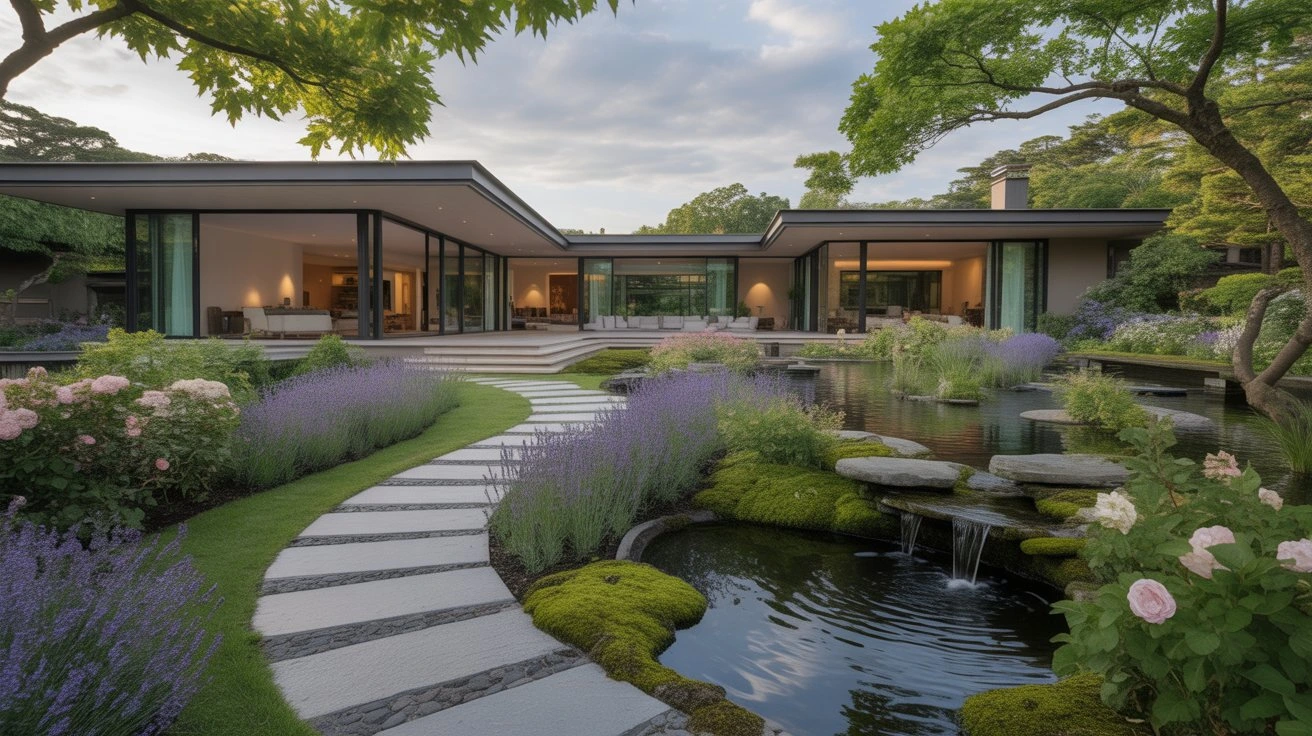
Most property upgrades feel outdated within a few short years. Finding the balance between modern style and actual long-term property value can be difficult.
This guide reveals the concrete shifts taking place in residential yards right now. I will break down the Top 10 Landscaping Trends in 2026 to show you exactly how to build a low-maintenance, high-ROI outdoor space that stands up to changing weather patterns.
Table of Contents
Toggle1. Low-Maintenance Landscaping With Native Plants
Native plants are the backbone of modern yard care because they are naturally adapted to your local soil and climate. Choosing indigenous species over delicate, non-native flora means you spend less time fertilizing, watering, and pruning.
A great example of this approach is replacing a standard, thirsty lawn with a curated mix of structural ornamental grasses and local perennials. In regions dealing with intense summer heat, establishing a base of deep-rooted native options ensures your yard stays green without driving up your monthly water bill.
Handling Awkward Angles and Slopes
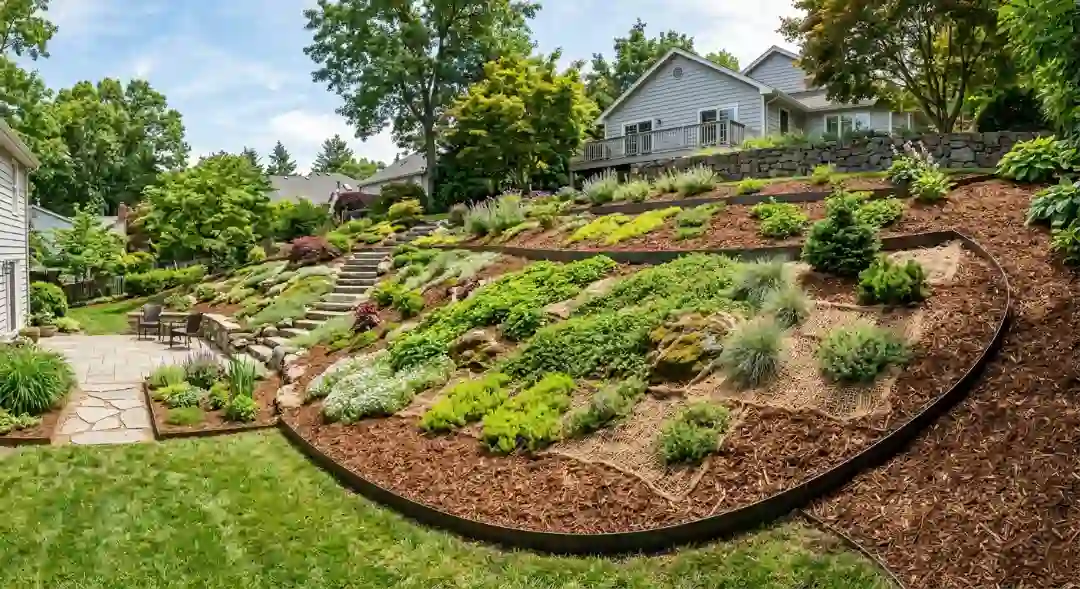
Awkwardly shaped lots or steep slopes often look cluttered when packed with traditional turf. Planting dense, native groundcovers across these uneven zones creates a clean, unified look.
This method turns an architectural distraction into a deliberate design choice. It also prevents soil erosion on hillsides without the massive cost of building concrete retaining walls.
2. Sustainable and Drought-Tolerant Landscaping
Drought-tolerant yard setups rely on smart space planning and resilient materials to thrive with minimal rainfall. This practice focuses on reducing water waste while maintaining a lush, high-end look.
[Traditional Lawn Setup] –> High Water Use + Weekly Mowing
[Drought-Tolerant Layout] –> Drip Systems + Permeable Aggregate + Resilient Flora
Instead of letting a massive lawn bake under the sun, homeowners are shrinking their turf footprints. Replacing those spaces with wide walkways, gravel paths, and mulch beds creates a clean, modern aesthetic.
Pairing these hardier surfaces with drought-resistant plants keeps the property looking pristine during strict seasonal water limits. It shifts the focus from constant upkeep to long-term sustainability.
3. Outdoor Living Rooms and Multi-Functional Spaces
Modern backyards are no longer just patches of grass to look at from a window. Homeowners want functional, zoned layouts that act as literal extensions of their indoor square footage.
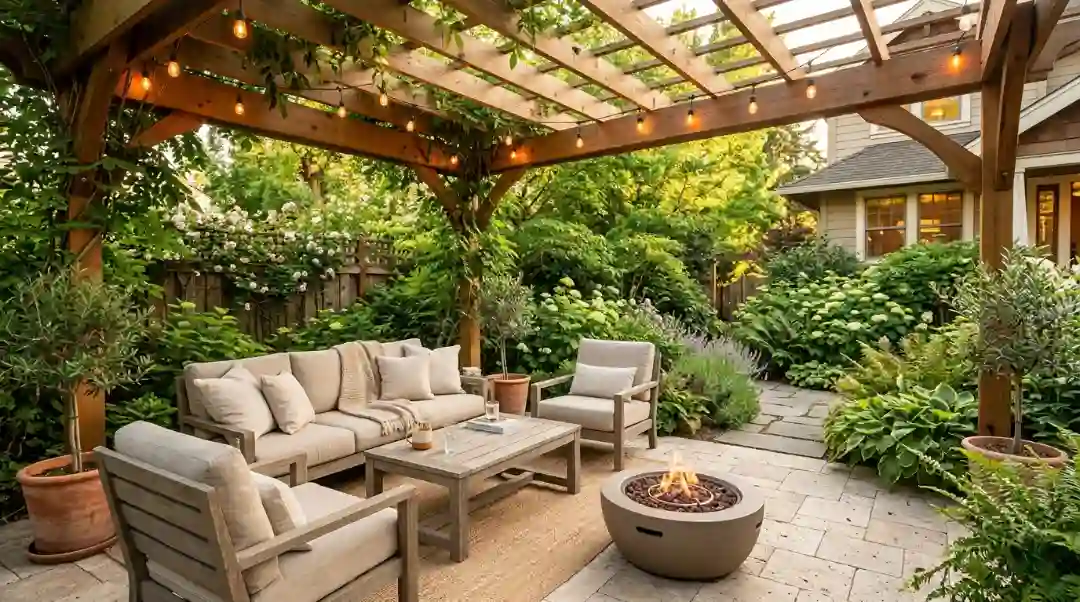
Creating clear zones using distinct hardscape materials allows a single yard to handle multiple activities at once. A flat stone patio can host morning remote work sessions, afternoon family hangouts, and evening dinners without feeling cramped.
Using low walls or structural hedges helps define these spaces naturally. It keeps the view open while giving each area a specific, useful purpose.
4. Smart Irrigation and Landscape Technology
Smart watering systems use local weather data and soil moisture sensors to give your plants the exact amount of water they need. This technology stops automated sprinklers from running during rainstorms or wasting water on damp soil
Upgrading to a zone-specific drip system delivers water straight to the base of your plants, eliminating evaporation loss. You can manage the entire setup through a smartphone application, adjusting schedules based on real-time soil conditions.
This precise control keeps your plants healthy while drastically cutting down on water waste. It removes the guesswork from seasonal yard maintenance.
5. Natural Stone and Permeable Hardscaping
Permeable hardscaping uses specialized installation methods and materials that let rainwater sink directly into the ground beneath your patio or walkway. This setup prevents water from pooling on your pavers or rushing into local storm drains during heavy downpours.
Using natural materials like travertine, flagstone, or unpolished porcelain pavers provides a slip-resistant surface that holds up against changing weather. Filling the gaps between stones with fine gravel instead of traditional mortar allows your hardscape to breathe and drain naturally.
This installation path keeps your outdoor living space dry and functional while helping recharge the local groundwater supply.
6. Biophilic Design and Rewilding
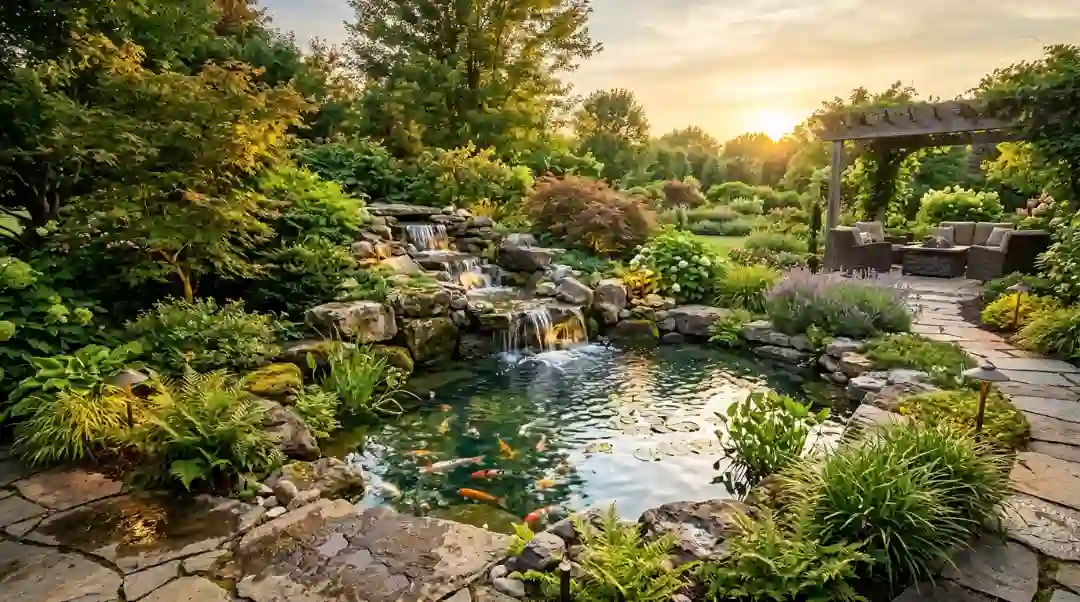
Biophilic design focuses on arranging your outdoor spaces to mimic the natural, unforced patterns found in wild ecosystems. This means stepping away from rigid, perfectly symmetrical rows of plants and embracing organic groupings that look like they grew naturally over time.
Incorporating soft, curved pathways made of natural materials helps draw people deeper into the yard. Adding small stone elements or mossy focal points creates a quiet, sanctuary-style atmosphere.
This approach brings a sense of calm to the property. It makes the space feel like a hidden escape from daily urban noise.
7. Outdoor Kitchens and Fire Features
Built-in outdoor kitchens and stone fire pits form the central hub for weekend entertaining and family gatherings. Moving your cooking space outside keeps the main house cool during hot summer months and provides a natural gathering spot for guests.
Installing durable concrete countertops alongside a permanent propane or natural gas line makes outdoor meal prep simple and efficient. Pairing that kitchen zone with a low-profile, smokeless fire pit extends the usability of your yard into the cooler autumn evenings.
These structural additions create a premium anchor point for your hardscape layout. They significantly boost the overall appraisal value of your property.
8. Landscape Lighting as a Design Element
Modern outdoor lighting relies on hidden, low-voltage LED fixtures to highlight the natural textures of stone walls and mature trees rather than blinding the yard with harsh floodlights. This approach focuses on safety and atmosphere by placing subtle fixtures along pathways, seating areas, and architectural steps.
Using warm, directional lighting fixtures underneath benches or along low walls keeps your outdoor spaces usable long after sunset. Adding smart automation timers allows you to control the brightness levels based on the time of night or specific entertainment needs.
This targeted illumination keeps walkways safe for guests while showing off your property’s best features in the dark.
9. Edible Gardens and Food Landscaping
Food landscaping integrates fruit-bearing trees, berry bushes, and culinary herbs directly into your existing ornamental garden beds. This practice moves vegetable gardening out of hidden, messy back corners and places it front and center as a key design feature.
You can border a stone walkway with aromatic rosemary bushes or use dwarf citrus trees to create a natural privacy screen along a property line. Mixing edible greens like kale or Swiss chard with colorful perennials adds rich texture and visual variety to your borders.
This layout delivers fresh, home-grown ingredients for your kitchen while maintaining a clean, professional look throughout the year.
10. Regional Focus: Landscape Design Whittier CA
Is it practical to install a modern, drought-tolerant yard in Landscape Design Whittier CA? Yes, designing with regional conditions in mind is the most effective way to lower maintenance costs and protect your property from heat stress. Local experts can select specific native species that thrive in dry clay soils.
When upgrading your property’s exterior, working with an experienced local team makes a massive difference in the final result. For homeowners seeking tailored residential landscaping ideas 2026, the team at Robert’s Complete Care provides specialized design and installation solutions.
I highly recommend reaching out to a regional specialist to ensure your new hardscape choices match the specific soil types and drainage patterns of your neighborhood.
Final Thoughts
The most successful yard upgrades always balance modern aesthetic trends with practical, everyday function. Focus your budget on high-quality hardscaping, climate-resilient native plants, and automated watering systems to ensure your investment looks great for years to come.
If you are ready to transform your property with a custom, low-maintenance design, contact us today to plan your upcoming layout upgrade.
Frequently Asked Questions
What is the biggest landscape design trend in 2026?
The dominant trend centers on creating low-maintenance, multi-functional outdoor spaces that combine native planting with smart technology. Homeowners want functional backyard layouts that reduce water use, limit physical labor, and act as direct extensions of their indoor living areas.
How do I choose the right materials for a modern backyard?
Prioritize durable, natural materials like natural stone, porcelain pavers, and unpolished gravel aggregates. These options provide a timeless look, require very little seasonal maintenance, and handle heavy foot traffic without staining or cracking over time.
Can I combine an edible garden with traditional landscaping?
Yes, integrating food-producing plants into ornamental beds is highly effective. Using herbs as groundcovers and dwarf fruit trees as privacy borders allows you to grow fresh produce without sacrificing the visual appeal of your main yard design.
How does smart irrigation save money on water bills?
Smart controllers monitor real-time weather forecasts and local soil moisture levels to stop your watering system from running when it is unnecessary. This targeted delivery stops overwatering, keeps root zones healthy, and reduces monthly water bills.
What are the best ways to handle sloped yards or awkward property boundaries?
Planting dense, native groundcovers and structural ornamental grasses across uneven areas creates a clean look that masks awkward angles. This technique stabilizes the soil on steep hillsides and eliminates the need for expensive structural leveling work.