When homeowners ask, “What kind of plants are involved landscaping?” They really want to know how to make their yard look nice, grow well, and stay easy to care for over time. Putting in a few flowers is not enough for landscaping. You need to pick the right combination of trees, shrubs, grasses, ground covers, and flowering plants that all work together to make a whole design.
The right plants for landscaping can make your home look better from the street, raise its value, and make your outdoor spaces more fun. But if you pick the wrong plants, you might have to spend a lot of time and money on them. That’s why it’s so important to know what kinds of plants you want to grow, how much care they need, and what type of weather they need before you start planting.
Landscaping for Beginners: Choosing the Right Plants
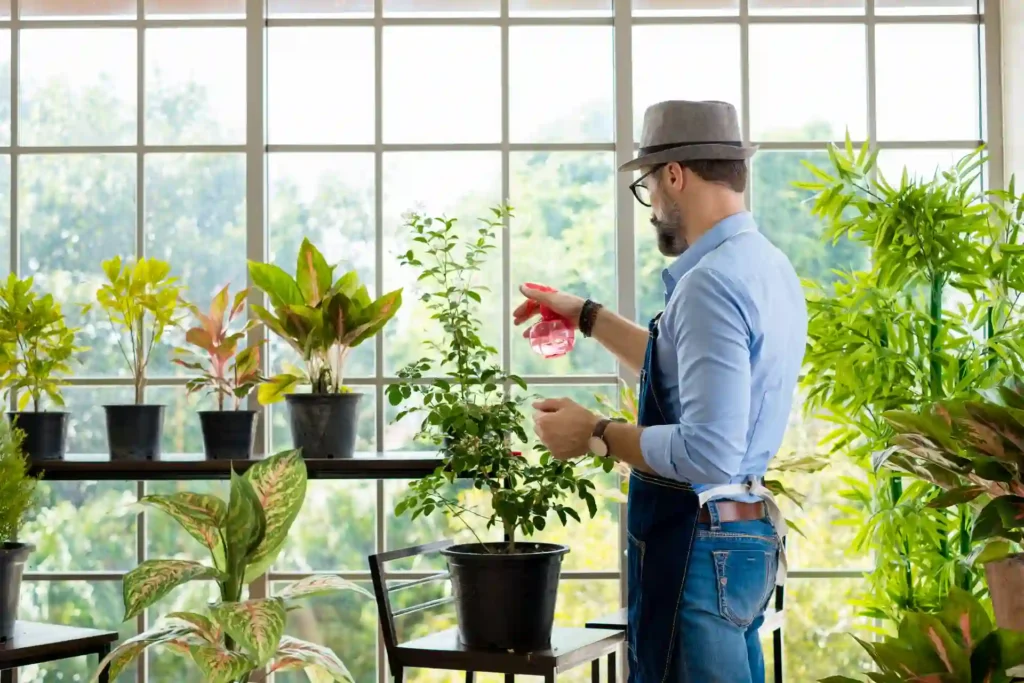
Choosing plants can be hard if you’re new to landscaping. There are a lot of options, and not all plants go well together. The most important thing is to start small. Most beautiful landscapes have a mix of plants that don’t need much care, plants that give structure, and plants that change color with the seasons. Beginners should start with hardy, forgiving, and well-known yard plants that grow well in their area.
Choosing the right plants for landscaping:
Works with your climate and plant hardiness zones.
Works with the amount of sun and shade you have.
Fits how much time you want to spend on your career, not just in one season, but all year long. Starting with the right plants will save you money, water, and stress.
Landscaping Plant Categories
Knowing the different types of plants makes it easier to figure out what type of plants are involved landscaping. To make a yard that is healthy and balanced, every kind of plant has a job to do.
Trees
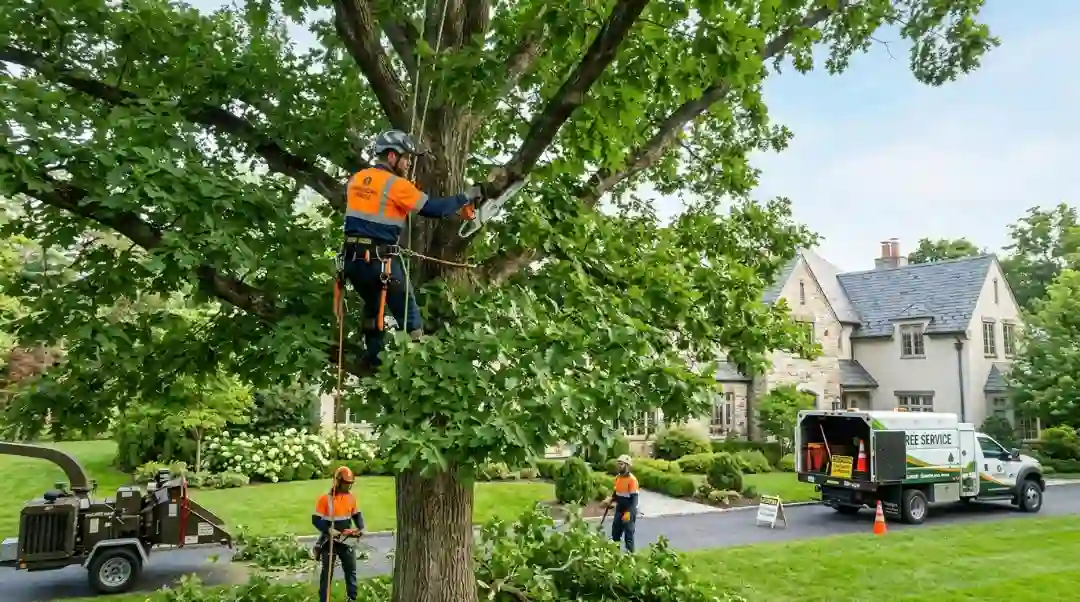
Most landscapes are built around trees. They give your yard height and balance, as well as shade, privacy, and structure. Some common choices are shade trees like oak and maple, ornamental trees like crepe myrtle and Japanese maple, and evergreen trees that stay green all year. It’s very important to pick the right tree right away because they grow slowly and live for a long time.
Shrubs
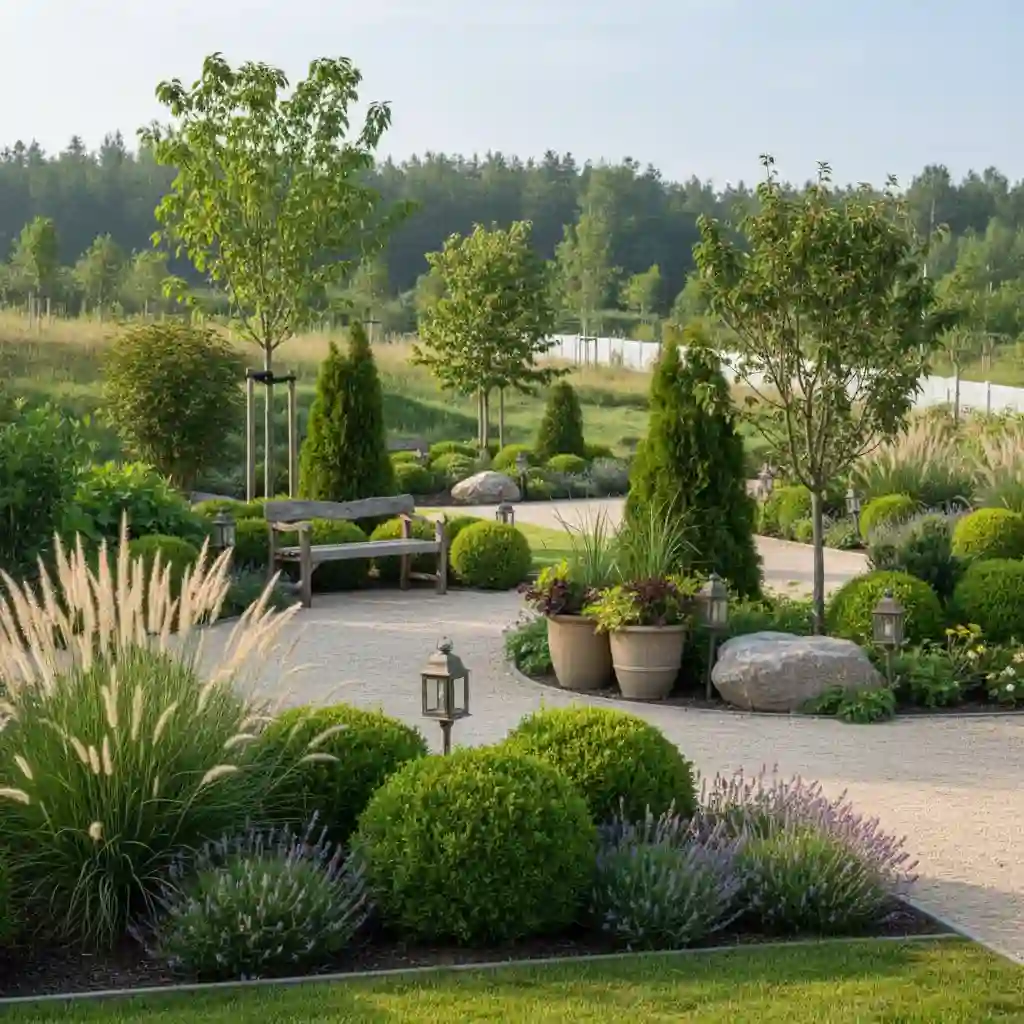
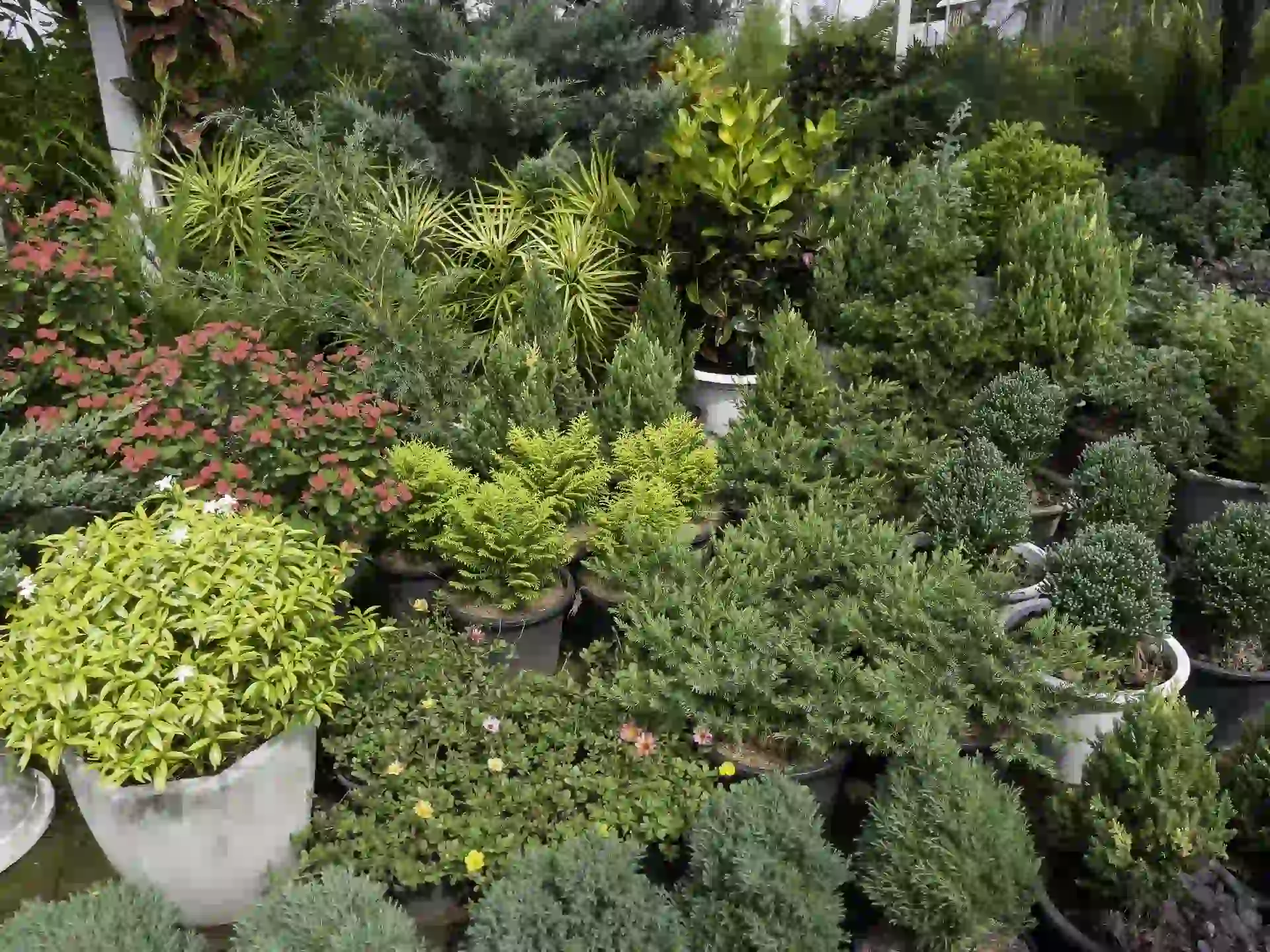
Shrubs fill in the gaps between trees and flowers and help shape the overall look. People like evergreen shrubs because they stay green all year and don’t need much care. Shrubs are an important part of professional landscaping plant design because they are often used to make privacy screens, borders, and add structure.
Perennial Plants
Perennial plants come back every year, so they are a reliable and cost-effective choice for landscaping. They add color to the garden in the spring and summer, draw in pollinators like bees and butterflies, and cut down on the need to replant. Lavender, daylilies, and coneflowers are some of the most common perennials.
Annual Flowers
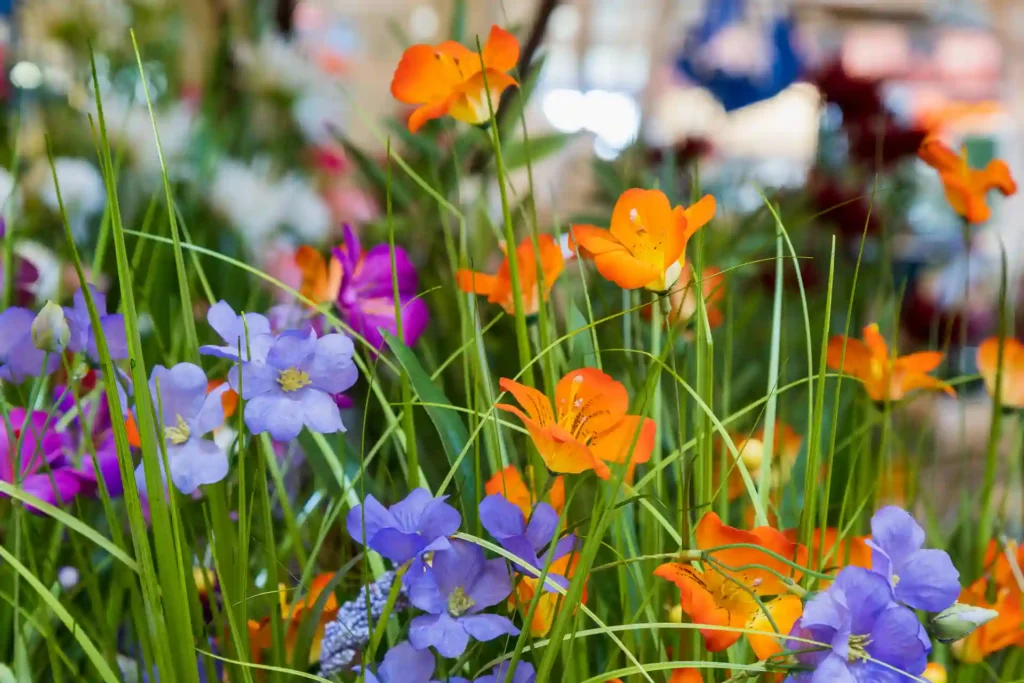
Annual flowers grow and bloom quickly, adding bright colors to gardens, but they only last for one season. They look best in pots, along walkways, and in borders where you want seasonal color. If you’re not sure what flowers are good for landscaping, annuals are a good choice because they grow quickly but need more care than perennials.
How to Choose Plants for Landscaping Design
It’s easier to pick the right plants if you follow these simple steps. This method helps homeowners pick plants for their landscaping design without any stress or guesswork.
Know Your Sun and Shade
Plants need a certain amount of sunlight to grow well. Some plants do well in full sun with six or more hours of light, while others do better in partial or full shade. Matching plants to how much sun your yard gets keeps them healthy and cuts down on the work you have to do to care for them.
Understand Plant Maintenance Levels
Different plants need different amounts of care. Plants that don’t need much care don’t need to be watered or pruned very often, but plants that do need a lot of care do. Choose native plants, evergreen shrubs, and drought-tolerant varieties if you want low maintenance plants all year round plants.
Consider Plant Hardiness Zones
Plant hardiness zones tell you which plants can live in your area’s weather. Plants grown outside of their recommended zone often have a hard time, even with extra care. This step is very important for long-term success.
Match Plants to Your Lifestyle
Think about how much time you can spend on yard work, whether you want plants that stay green all year or ones that change color with the seasons, and if saving water is important to you. These things are very important when choosing plants for your landscape that will last.
Top Landscaping Plants by Category
Different types of land need different things. It’s easier to make a healthy and beautiful yard when you choose plants by type.
Best Low Maintenance Landscaping Plants for Hot Climates
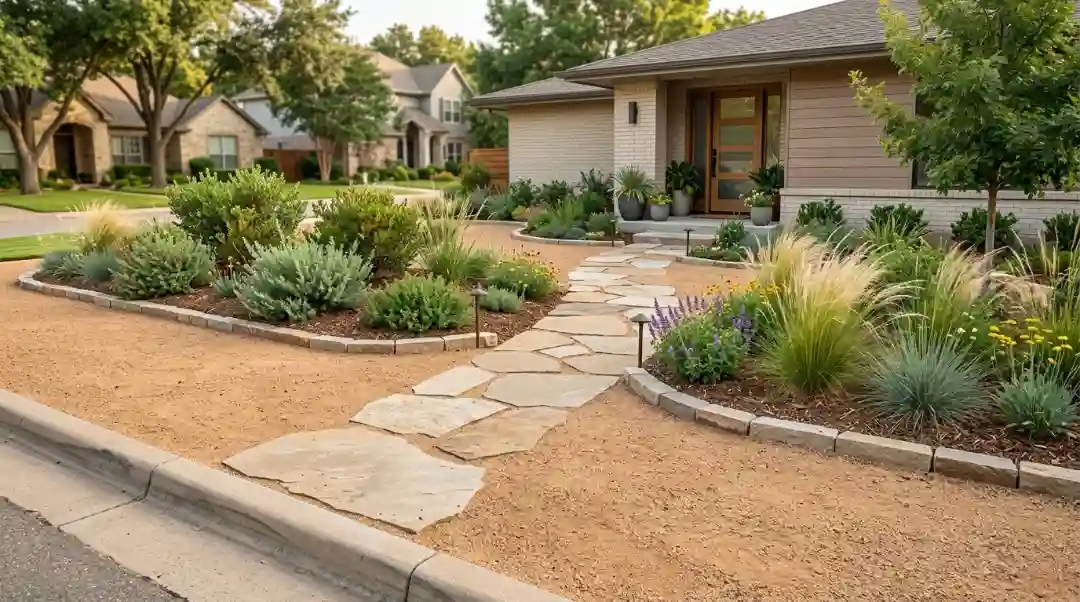
Plants that can handle a lot of sun and not much water are needed in hot climates. Lavender, agave, bougainvillea, and ornamental grasses are all great options because they can handle heat and don’t need as much water once they are established.
Landscaping Plants for Small Garden Spaces
Small gardens benefit from plants that grow neatly without overcrowding. Dwarf shrubs, compact ornamental trees, vertical vines, and container-friendly perennials help keep the space open while still adding beauty and structure.
Top Landscaping Plants for Front Yard
In hot places, you need plants that can live in a lot of sun and not much water. These plants, like lavender, agave, bougainvillea, and ornamental grasses, are all great choices because they can handle heat and don’t need as much water once they are established.
Beginner Friendly Landscaping Plants and Trees
Choose plants that are easy to grow and will forgive you if you make mistakes if you are new to gardening. If you give them basic care, boxwood shrubs, daylilies, coneflowers, and crepe myrtle trees will grow well.
Color, Shape, Texture, and Height
Not only is choosing the right plants important for successful landscaping. Using height, shape, color, and texture together makes things look natural and nice.
Color
Your landscape should mostly be green, with flowers as accents. Colors that change with the seasons keep things interesting all year long, but too many bright colors at once can make the room feel busy.
Shape and Texture
Mixing plants with different shapes and textures gives the picture more depth. Putting together soft, flowing plants with structured shrubs and fine leaves with bold foliage makes the landscape look more interesting and well-planned.
Height
Plant layering is used in professional landscapes to make things look balanced. In the back, there are tall trees; in the middle, there are shrubs; and in the front, there are low ground covers. This method makes things easier to see and gives them a neat, clean look.
Planting and Garden Styles
Your plant choices should match your garden style.
Formal Landscapes
Shrubs that are the same on both sides
Straight lines
Focus on evergreen.Plants that are from the area
Flowers that are helpful for pollinators
A little bit of cutting
Natural or Native Landscapes
Plants that are from the area
Flowers that are helpful for pollinators
A little bit of cutting
Modern Landscapes
Grasses
Simple color palettes
Bold plant shapes
Choosing the Best Plants for Your Garden
The ideal solution to the question “what plants should I put in my landscape?” relies on balance.
Choose one:
Structure plants, including trees and bushes
Fill in plants like grasses and perennials
Accent plants, like flowers and pots
This method works for most yards and weather.
Planting Tips for New Gardeners
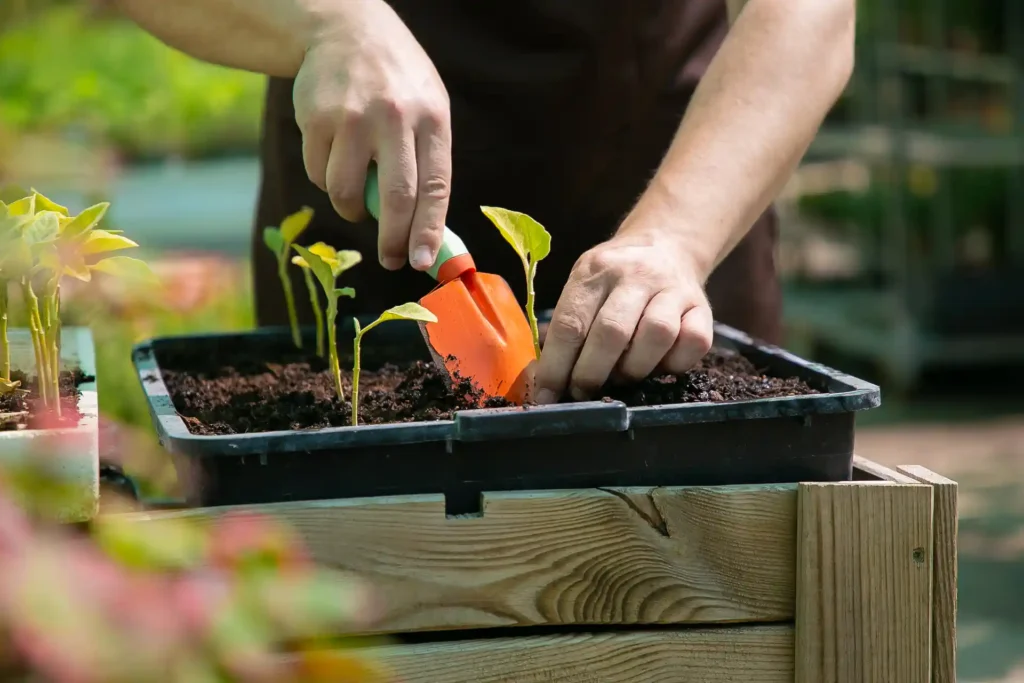
Picking the proper plants is just as crucial as planting them the right way. Before planting, always prepare the soil to assist the roots in developing firmly. Instead of watering every day, water deeply so that the roots go deeper into the ground. Adding mulch helps keep weeds down, protect roots, and keep moisture in the soil. Give plants ample room to develop. This will make them healthier and keep your yard looking great for years.
Plants That Attract Pollinators
A lot of people who own homes want to know which landscaping plants attract pollinators. Plants that are good for pollinators are vital for bees, butterflies, and other helpful insects that help gardens grow and stay healthy. During the growing season, pollinators need nectar and pollen from these plants to survive.
People like lavender because it blooms for a long period and smells powerful, which draws bees to it. Coneflowers are good for birds and pollinators because they give both nectar and seeds. Milkweed is vital for monarch butterflies since it helps them live and reproduce. Salvia is another great choice since its bright flowers attract hummingbirds and bees.
Not only do pollinator plants aid the environment, but they also offer movement, color, and natural beauty to your yard.
Why Choose Us
We at Robert’s Complete Care know that every landscape is different. Our knowledge of choosing plants, local circumstances, and long-term care helps homeowners avoid making expensive mistakes. We take a professional approach to all of your needs, whether you need help with trees, shrubs, or planning your whole yard.
You can link to services like Tree and Shrub Services in Whittier on your site to help people locate expert help when they need it.
brings movement, color, and natural beauty to your garden while also being good for the environment.
Conclusion
KnowingWhat Type of Plants Are Involved Landscaping can help you make a yard that is beautiful, useful, and easy to care for. By choosing the right mix of trees, shrubs, perennials, flowers, and ground covers, you can design a landscape that fits your space, climate, and lifestyle. Choosing the right plants makes your home look better from the street, helps them grow well, and cuts down on long-term maintenance.
The correct plants may make a big impact in a new yard or one that needs some work. Contact us, Robert’s Complete Care, if you need expert advice or help with landscaping. Our team can help you pick the right plants and make a landscape that you can enjoy for a long time.
FAQs
What kinds of plants are excellent for a beginner’s yard?
Boxwood, daylilies, coneflowers, and decorative grasses are all good plants for beginners because they are easy to care for.
What kinds of plants are the easiest to care for when landscaping?
Some of the greatest low-maintenance plants are evergreens, native plants, and perennials that can handle dry conditions.
What kinds of flowers look excellent in a garden?
Lavender and coneflowers are good choices because they come back every year and attract pollinators.
What kinds of plants do best in full sun or shade?
Grasses and blooming perennials like the sun, while ferns and hostas like the shade.
How do I pick plants for my landscaping design?
To begin, choose plants that will work well with your climate, sunshine, soil, and the amount of care you wish to give them.