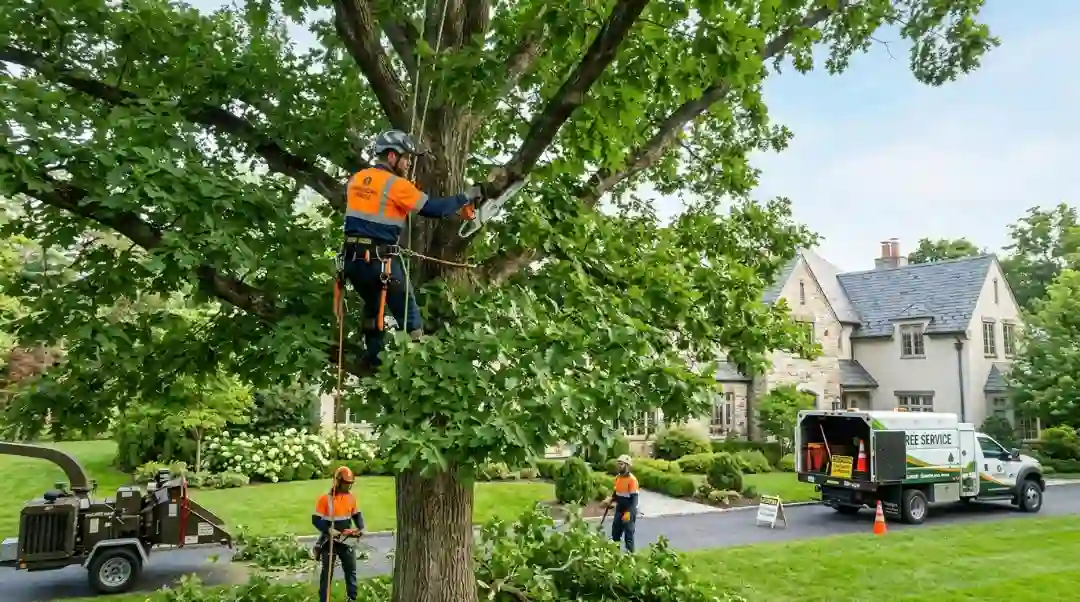
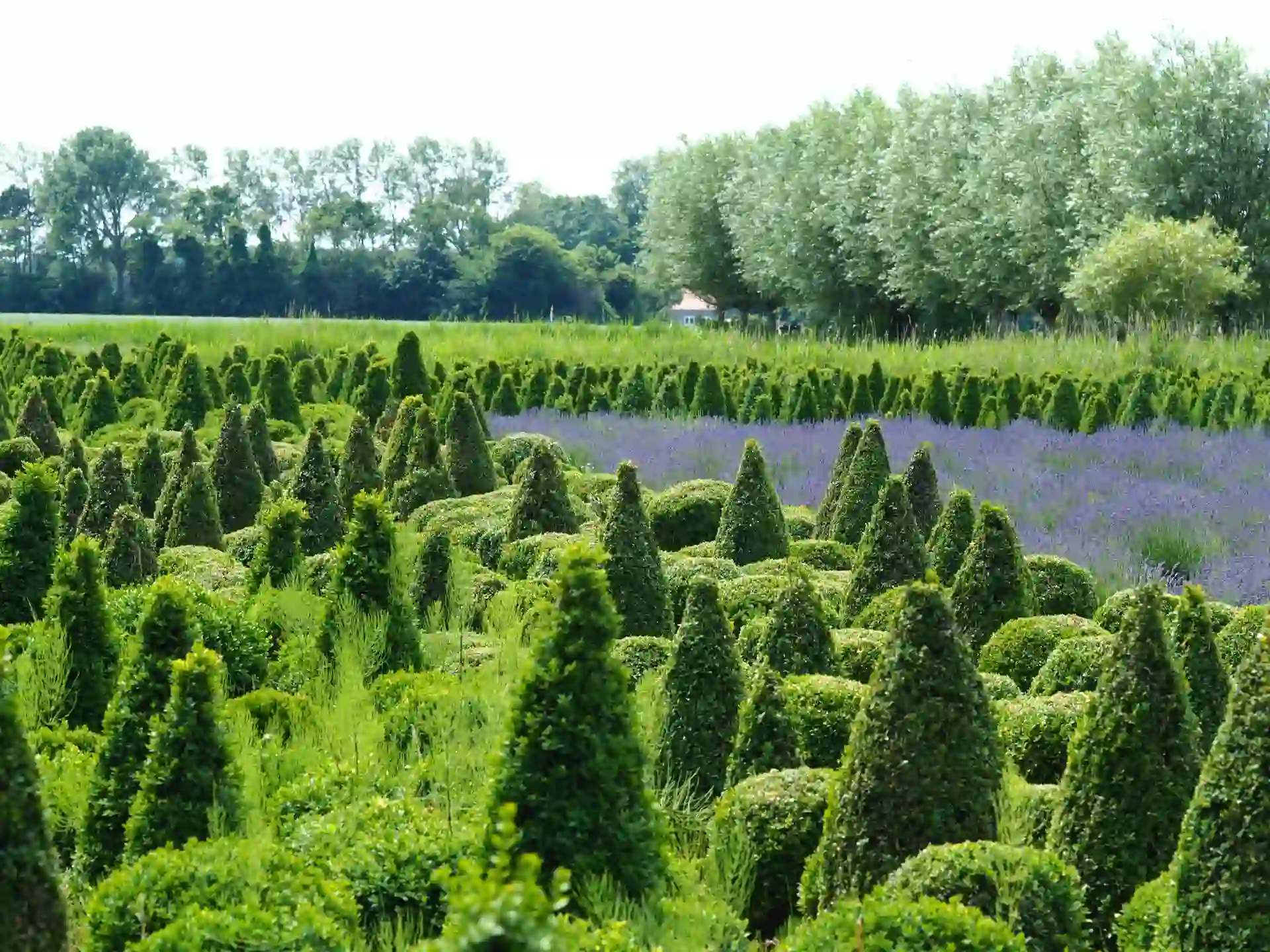
Trees and shrubs give shape to our neighbourhoods, landscapes, and ecosystems. They provide you with shade, beauty, solitude, and even cleaner air. But when people look online for what is the difference between a tree and a shrub, they often get confused by the different classifications.
Some plants do both. Some plants change shape based on where they grow or how they are clipped. This article clears up that uncertainty by clarifying the differences in simple words and giving useful advice that professionals in landscaping and plant care utilise.
What Is a Tree?
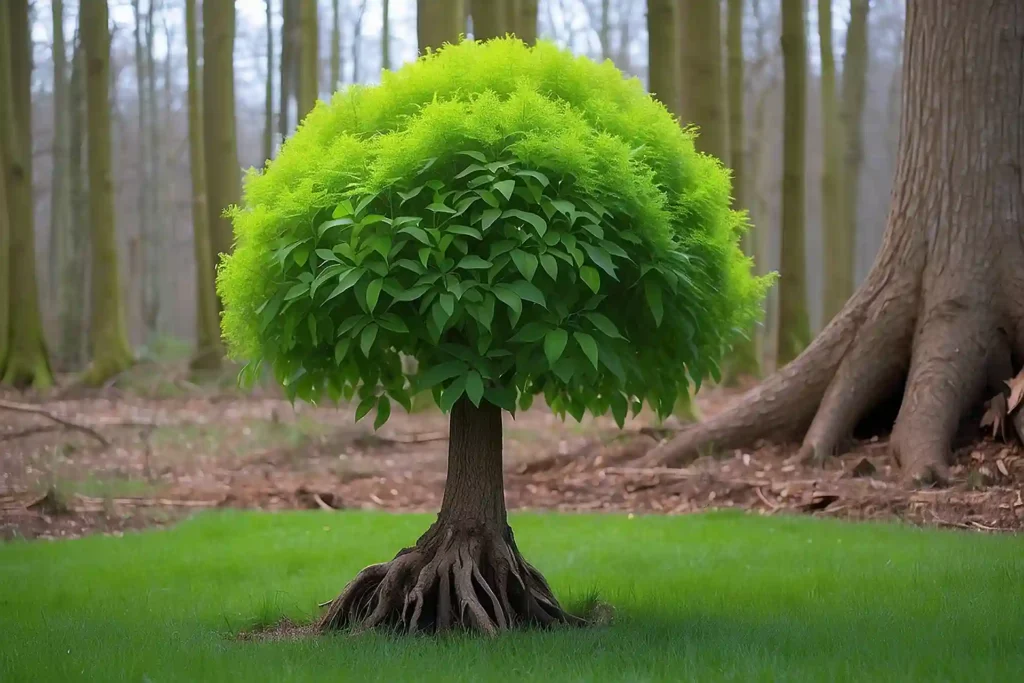
A tree is a perennial plant that lives for a long time. A trunk is the thick, solitary piece of wood that most people think of when they think of a tree. This trunk holds up a tall canopy of branches and leaves.
From a plant’s point of view, a tree is meant to grasp for the light. It puts a lot of effort into making a strong focal pillar. This lets it grow taller than other plants. Most experts think that a plant is a “true tree” if it grows to be at least 15 to 20 feet tall when it is fully grown.
In nature, trees are like skyscrapers. They give us shade, clean our air, and can live for hundreds or even thousands of years.
Tree Types
Maple, palm, sycamore, and oak are all trees.
The trunk is one of the easiest ways to tell what kind of tree it is. Most likely, the plant is a tree if it has one main woody stem with branches that grow higher up.
What Is a Shrub?
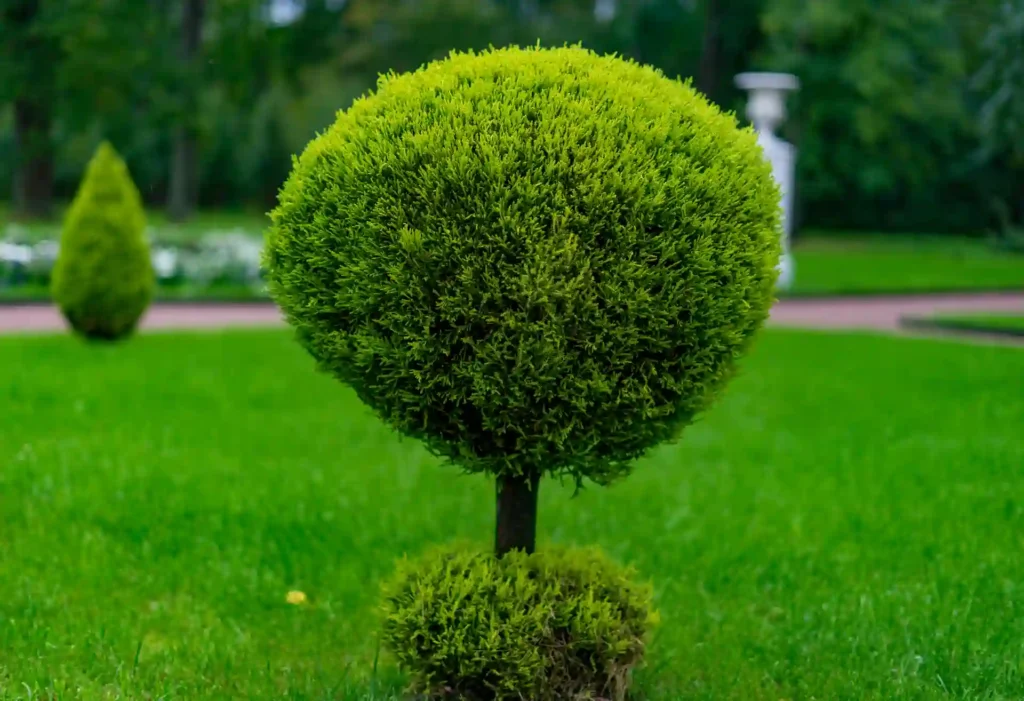
A shrub is a type of woody perennial plant, however it has a different “blueprint” than a tree. A shrub usually has a lot of tiny, woody stems that grow up from the ground instead of one large trunk.
Some folks would say “bush.” “Bush” is a popular name, but “shrub” is the scientific name. A common shrub doesn’t grow very tall, usually reaching a height of less than 15 feet.
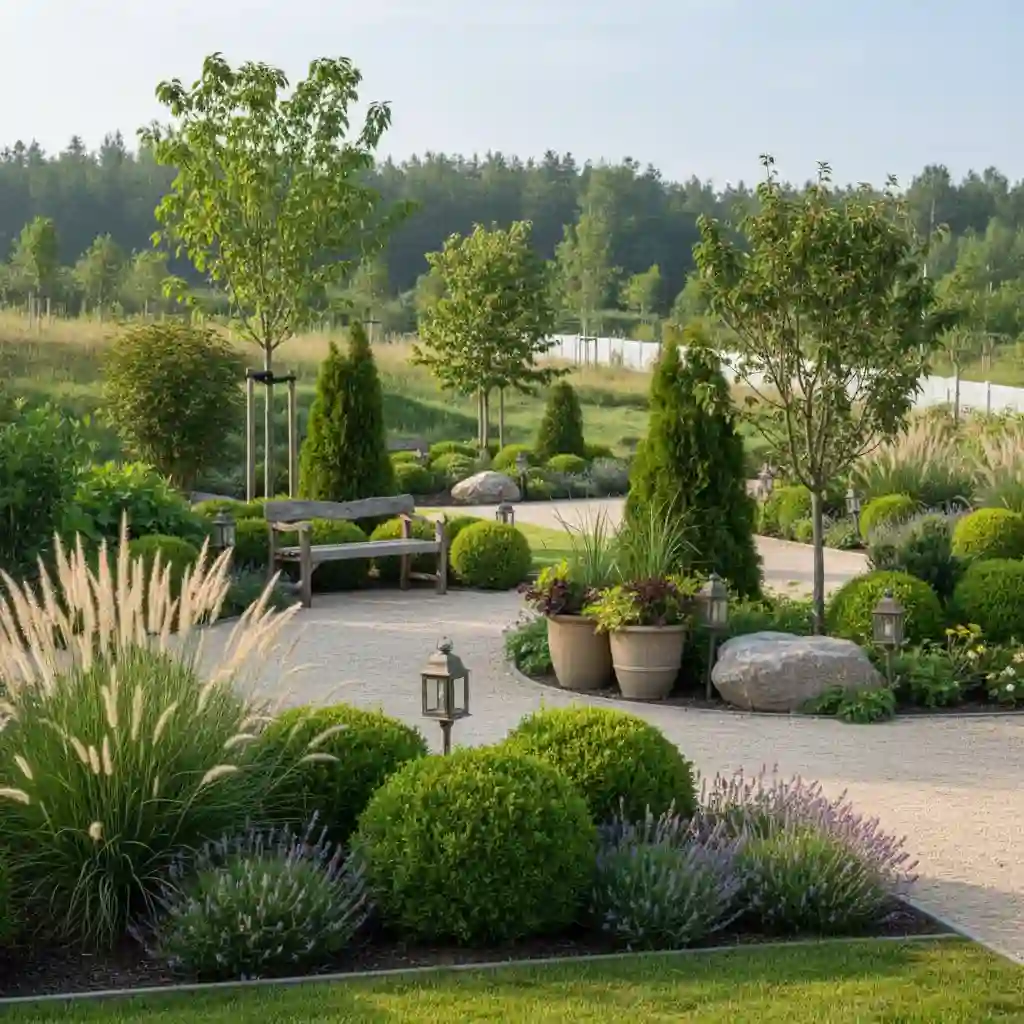
Shrubs are frequently wider and denser than trees because they have a lot of stems. This makes them great for the shrub layer of a forest or a hedge in your yard that keeps people out. They make up the “walls” of the garden, and trees make up the “ceiling.”
Some common shrubs are
Boxwood
Azalea Hydrangea
Bushes of roses
Lilac
These are some of the most popular types of shrubs used to decorate homes.
Different kinds of flowering shrubs
If you want to add colour to your yard, it’s important to know about the many types of shrubs. Homeowners like flowering shrubs the best since they add beauty to the yard all year round without taking up a lot of space.
Here are a few favorites:
Hydrangeas are known for their big groups of blue, pink, or white flowers.
Azaleas: These flowers bloom in the spring and enjoy acidic soil.
Lilacs: Known for their purple flowers and fragrant smell.
Boxwoods are the most frequent shrub used for formal hedges because they stay green all year, even though they don’t have “showy” flowers.
Think about “shrub form vs tree form” when you pick a tree or shrub. Depending on how you prune them, some plants, like the Crepe Myrtle, can be both!
Direct Comparison: Tree vs. Shrub
To make it easy, let’s look at the specific physical traits that separate these two woody wonders.
| Feature | Tree | Shrub |
| Stem Count | Usually one single trunk. | Multiple stems from the base. |
| Height | Usually over 15–20 feet. | Usually under 15 feet. |
| Branch Origin | Branches start higher up the trunk. | Branches start near the ground. |
| Foliage | Forms a high canopy. | Forms a dense, low thicket. |
| Maintenance | Needs structural pruning. | Needs thinning and shaping. |
This shrub form vs tree form comparison makes it easier to decide if a plant is a tree or shrub.
Exceptions and Overlaps: The “Trub”
The rules don’t always apply to nature. Some plants live in the grey area. Some gardeners humorously call these “trubs,” which means “half tree, half shrub.”
A Hazel or a Sumac, for instance, can develop more than one stem like a shrub yet still be as tall as a tree. Environmental variables are also important. A tree that grows on a cold, windy mountainside could stay small and look like a bush. An ordinary shrub in a tropical jungle, on the other hand, could grow into a 20-foot behemoth.
This is where the terms “canopy” and “understory” came from. The top layer of a forest is made up of trees, and the middle layer is made up of shrubs. But you may shape your own backyard by trimming it
How to Identify in the Field
If you’re not sure if a plant is a tree or a shrub, do these simple things:
Tips for Identifying in the Field
- Check out the base. Is it one trunk or multiple stems?
- Look at the height of the plants around it.
- Pay attention to where branches begin.
- Watch for the long-term growth of wood
- Think about how it was planted or taken care of.
These techniques help you correctly identify trees and avoid confusion when planning landscaping improvements.
Why Choosing the Right Plant Matters
Homeowners can make better choices if they know the difference between a tree and a shrub. Shrubs add privacy and beauty, while trees give shade and structure.
Plants grow securely and correctly when they are cared for by professionals. This is when you need to hire professionals.
This is the best spot to include an internal link to your services page for SEO and user value if you want to find reputable Tree and Shrub Services in Whittier.
Robert’s Complete Care and other companies like it focus on planting, pruning, and keeping trees and shrubs healthy for a long time. This helps keep landscapes safe and beautiful.
Conclusion
Knowing what is the difference between a tree and a shrub can help you make better decisions about where to plant, how to care for, and how to keep your landscape healthy in the long run. Trees usually have one main trunk and get bigger, while shrubs have several stems and stay small. Knowing this difference will help you identify trees correctly and organize better outdoor activities.
contact us today if you need professional help picking out, caring for, or keeping plants. Robert’s Complete Care provides professional tree and shrub services in Whittier to keep your yard healthy, safe, and beautiful.
FAQs
What is the difference between a shrub and a tree?
A tree normally has one main trunk and gets taller, while a shrub has several stems and is shorter and bushier.
Is it possible for a shrub to become a tree?
Pruning can help some shrubs grow into trees, but they will always grow like shrubs.
Is the only thing that makes a tree different from a shrub its height?
No. The origin of the branch, the structure of the stem, and the growth pattern are more important than the height alone.
Are bushes and shrubs the same?
Yes, “bush” is a common word, but “shrub” is the more accurate botanical name.
Why do experts worry about the differences between trees and shrubs?
Identifying plants correctly is important for proper pruning, spacing, and plant health throughout time.