The soil is what makes a grass green and healthy, not fertiliser or seed. The underlying problem can lie underground if your grass looks weak, thin, or spotty. Learning how to test your lawn soil will tell you exactly what your lawn needs and what it doesn’t need. It lets you save money, not have to guess, and make your grass grow stronger.
This article is for homeowners who seek straightforward, useful guidance. You’ll discover how to test my soil, what lawn soil analysis is, how to choose between a DIY soil test and a lab test, and what to do with your results.
Why Soil Testing Matters for Your Lawn
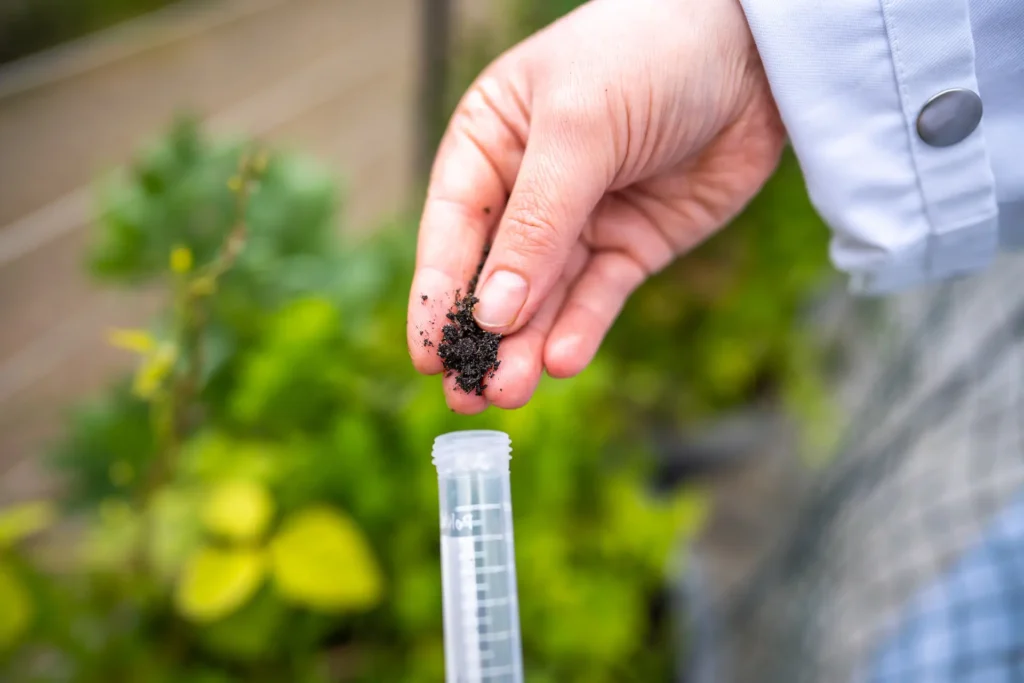
Soil is not just dirt. It has the nutrition, water, air, and life that grass needs to grow. Grass has a hard time growing when the soil isn’t healthy or fertile, no matter how much you water or fertilise it.
Soil Is the Foundation of a Healthy Lawn
Soil is more than just dirt, it’s a living system that has nutrients, water, air, and good creatures that grass needs to develop. Even if you water and fertilize your lawn a lot, it can still have problems if the soil isn’t healthy or fertile. Bad soil conditions stop roots from growing and keep grass from getting the nutrients it needs to stay green and healthy.
Soil Testing Helps You Make Smarter Lawn Decisions
Testing the soil before overseeding or fertilising takes the guesswork out of lawn care. A good soil test may find out if there are any nutrient deficiencies, evaluate the pH level of the soil, and find problems with the texture and drainage of the soil. This knowledge lets you use only what your grass really needs, which helps you avoid over-fertilising, cut down on waste, and save money while also making your lawn healthier in the long run.
How to Test Your Soil Yourself (DIY Methods)
A DIY soil test is a terrific way to get a fast look at how healthy your yard is. You don’t always have to go to a lab to find out fundamental things about your dirt.
The Mason Jar Test for Soil Texture
Knowing the soil texture and drainage of your soil can help you understand how your lawn drinks and breathes. To do this:
- Put dirt in a glass jar until it is one-third full.
- Add water and a drop of dish soap to the rest of the container.
- Give it a shake and let it sit for a day.
- You will see that the sand is at the bottom, the silt is in the middle, and the clay is on top. “Loam” is the ideal type of soil for a lawn because it has a good balance of all three.
The Vinegar and Baking Soda Test
If you are wondering how to test lawn soil pH at home without a kit, you can use kitchen staples.
- For Alkalinity: Add vinegar to a cup of dirt. Your soil is alkaline if it fizzes.
- For Acidity: To make the soil more acidic, mix it with water to form mud and then add baking soda. Your soil is acidic if it bubbles.
This isn’t as accurate as a ph test for the lawn, but it will tell you if your soil is out of balance with a “yes” or “no” result.
DIY Soil Texture and Drainage Tests
It’s a good idea to evaluate the texture and drainage of the soil before checking the nutrients. These things change how roots grow and how water moves.
Soil Texture Jar Test (Quick and Easy)
You may find out what your soil is made of with the soil texture jar test. Put some dirt in a transparent jar and fill it halfway. Then, add water and a drop of dish soap. Shake the jar well and then leave it alone for approximately a day. When the soil settles, the sand will sink first, the silt will settle in the centre, and the clay will form the top layer. This tells you if your soil drains too quickly or stays too wet.
Simple Lawn Drainage Test
To see if the drainage works, dig a hole approximately 12 inches deep and fill it with water. Fill the hole back up when it has entirely drained. Then, timing how long it takes to empty. Your soil drains well if the water goes away in one to three hours. If water drains slowly, it usually means that the soil is compacted or has a lot of clay, which can make it hard for roots to grow.
Testing With an At-Home Soil Testing Kit
You can buy a soil test kit instead of a lab test for your lawn if you want more than just a “fizz” test. Most home kits come with tubes and capsules that are colour-coded. These are ideal for quickly testing the nitrogen, phosphorus, and pH levels in soil.
But remember that home kits might not always be as precise if the chemicals in them are outdated. They are best for a general “check-up” between examinations done by professionals.
How to Test Your Soil at a Lab
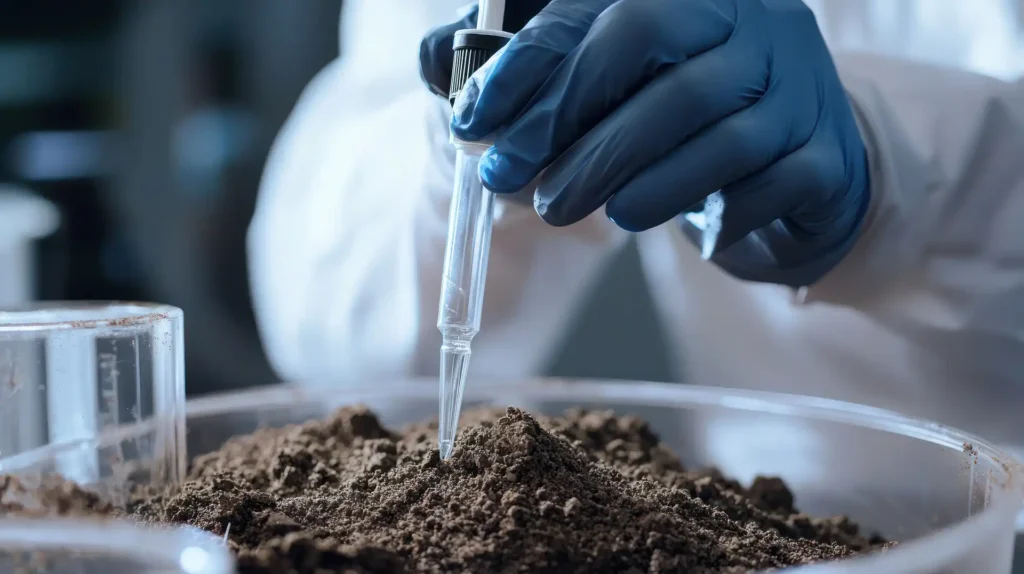
If you want the most accurate results, you should get a soil test from a cooperative extension or a private lab. This is the best way to test the soil in your yard.
Why go to a lab?
Labs have high-tech tools that can see things that a home kit can’t. They give a full breakdown of the levels of organic matter and micronutrients. If you’re going to make big changes, like hiring Lawn Installation Services in Whittier, getting a professional lab report first will make sure that the new sod or seed has the best chance of growing.
What Lab Tests Measure
- Soil pH
- Nitrogen, phosphorus, potassium
- Micronutrients
- Organic matter
Lab results are especially helpful before major projects like lawn renovation or installation.
Sending to a Lab vs. Testing at Home
| Feature | Home Kit (DIY) | Professional Lab Test |
| Cost | $10 – $20 | $15 – $50 |
| Speed | Instant results | 1 to 2 weeks |
| Accuracy | Low to Moderate | Very High |
| Detail | Basic pH and NPK | Full nutrient & lead analysis |
| Advice | General instructions | Specific lime/fertilizer rates |
Step-by-Step Soil Testing Process
You need a good sample to achieve the right results. Your results will be inaccurate if you only take a handful of dirt from one place. Here is the step-by-step lawn soil sample collection process:
Get Your Tools Together
You will need a clean plastic bucket (metal can react with the soil), a trowel or soil probe, and several plastic bags.
Pick Your Spots
Don’t simply check one place. Take 10 to 15 tiny samples from different areas of your lawn. This makes a “composite sample” that shows the complete yard.
The Right Depth for a Soil Sample
The soil sample should be around 4 to 6 inches deep for lawns. This is where the roots of the grass grow. Before you dig, get rid of any grass, thatch, or mulch on top.
Mix and Let Dry
Put all of your little samples in the plastic bucket and mix them up carefully. Let the dirt dry off on a paper plate if it is damp. Do not dry it in the oven because high heat can damage the nutrient data.
Put a label on it and send it.
Put about two cups of the mixed soil in a bag, label it, and send it to your local university extension office. If you want the most accurate results, you should get a soil test from a cooperative extension or a private lab. This is the best way to test the soil in your yard.
When Should You Test Lawn Soil?
Timing is everything. The best time to soil test your lawn grass is in the early spring or late fall.
- Check the soil before overseeding: Do this in late summer so you have time to change the pH before planting new seeds in the fall.
- Stay away from soil that has been fertilised: Don’t test shortly after you add lime or fertiliser, because this can give you a “fake” high reading.
What Soil Testing Measures
A full interpretation of a soil study usually looks at four basic things:
- The pH of the soil tells you how acidic or “sour” it is. Most grass does well with a pH level of 6.0 to 7.0.
- These are macronutrients: nitrogen (N), phosphorus (P), and potassium (K).
- Micronutrients are small amounts of things like iron and magnesium that keep grass green.
- Cation Exchange Capacity (CEC) is a fancy way of stating how well your soil keeps nutrients.
Interpreting Soil Test Results
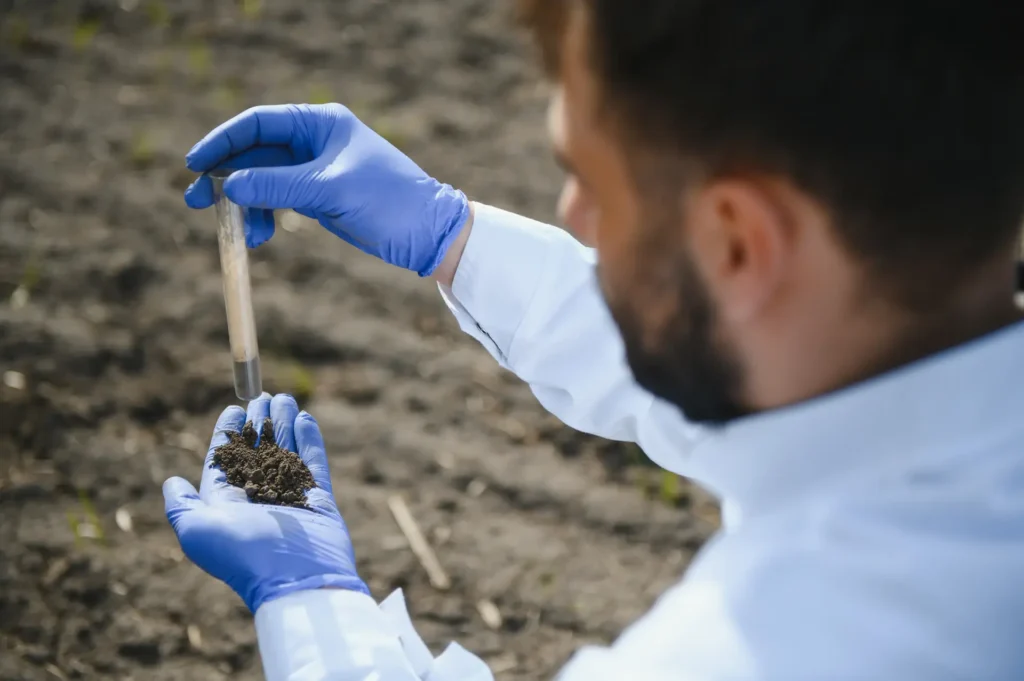
A lot of homeowners get stopped when it comes to interpreting soil analysis, but it doesn’t have to be hard.
Soil with a low pH
- Put lime on slowly
- Retest in six months.
Soil with a high pH (alkaline soil)
- Add sulphur or organic matter to the soil.
Lack of Nutrients
- Use a fertiliser that is specific to the plant
- Stay away from blanket items
- This is how testing the soil makes the lawn healthier over tim
Testing Soil Before Overseeding or Lawn Installation
It’s very important to test the soil before overseeding. If the pH and nutrients are not right, seeds won’t grow.
This is the greatest location for Lawn Installation Services in Whittier if you’re intending to redo your lawn completely. Do this soon after you explain how preparing the soil affects how well new grass grows.
Better seed germination and stronger roots come from healthy soil.
Why Choose Us
We at Robert’s Complete Care think that making smart choices is the first step to having a wonderful lawn. One of the most important but often ignored procedures in lawn care is testing the soil. We know how to prepare, install, and maintain lawns so that homeowners don’t make expensive mistakes and receive results that last.
Conclusion
One of the best things you can do for your lawn is learn how to test the soil. Testing your soil will help you find out about drainage issues, nutritional deficits, and pH levels before they hurt your grass. You can either do a soil test yourself or hire a professional lab to do it for you. Having the appropriate soil information can help you take better care of your lawn and save you time and money. Soil that is healthy makes roots stronger, grass thicker, and results that last.
Contact us immediately if you don’t know how to understand your soil test results or want help making your grass better. The staff at Robert’s Complete Care is always ready to help you with expert guidance and proven lawn care solutions that are right for your property.
FAQs
How can I check the pH of the soil in my lawn?
For accurate findings, you can use a soil test kit, pH strips, or mail a sample to a lab.
When is the right time to test the soil in your lawn?
Before fertilising or overseeding, spring and fall are the finest times.
Should I hire someone to do it or do it myself?
For simple checks, DIY is fine. It’s ideal to use lab tests for lawns that are having problems or those you want to prepare for the long term.
How many samples of soil do I need?
For one test, take 8–10 samples from different parts of your lawn and mix them.
Can testing the soil make the lawn healthier?
Yes. It helps keep nutrients in check, strengthens roots, and makes the lawn work better overall.