For a gardener, it might be unnerving to see the temperature plummet. You’ve been planting, watering, and weeding for months. Now, a cold snap is coming, and you’re worried your beautiful greenery might not make it through the night.
One of the most important things you can learn is how to protect your plants from frost. Being ready for a freeze is the difference between a healthy garden and a yard full of brown, dead leaves, no matter how big or little your yard is. We will show you everything you need to know in this guide to keep your plants safe and warm when the ice comes.
Why Frost Protection Matters

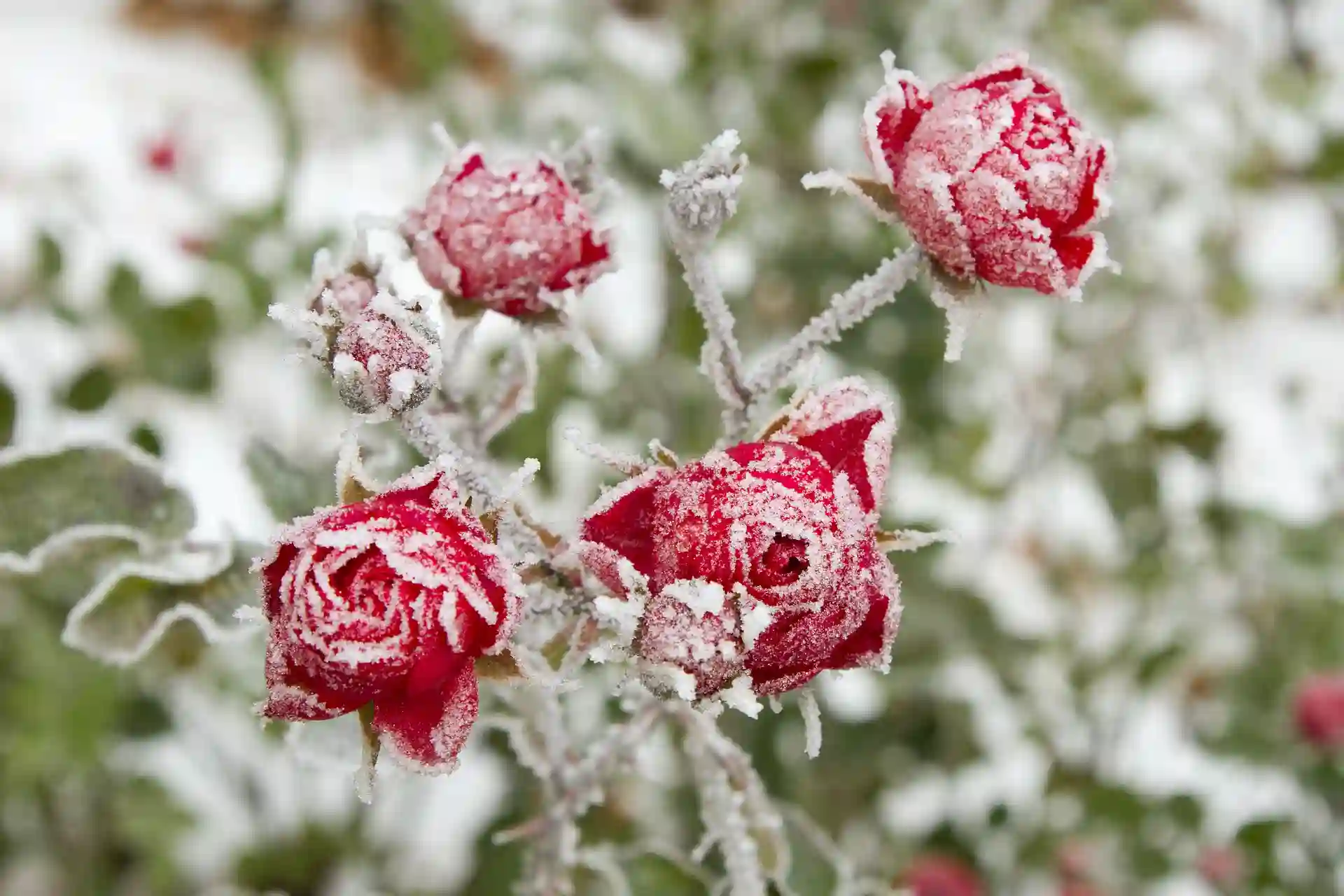
Frost develops when the temperature is low enough for ice crystals to form on the surfaces of plants. These crystals hurt plant cells, which can cause leaves to become black, stems to droop, and even death. The first step in stopping frost from hurting plants is to learn about it.
A lot of gardeners wait until they see damage, but by then it’s too late. Smart gardeners get ready for cold snaps by employing simple tools, timing things right, and knowing what plants need.
Frost vs. Freeze: What’s the Difference
What is frost?
Frost normally happens when the air is just above freezing, but the ground is below 32°F. Ice accumulates on flowers and leaves, especially on clear, calm nights.
What does it mean to freeze?
A freeze is worse. The air temperature drops below 32°F for a few hours. This can hurt roots, stems, and even trees.
Why this is important:
- Frost typically hurts flowers and foliage.
- A freeze can kill all the plants.
Knowing the difference helps you know when to cover plants before frost and when you need to do more.
Frost and Freeze Protection in the Fall
The first frost of fall typically surprises gardeners. Plants are still growing in the fall, but they haven’t totally gone into their dormant (sleeping) form yet. This makes them even more sensitive.
To get ready, you should start by keeping an eye on the weather in your area.
Protection includes: Adding a thick layer of wood chips or straw to the ground helps sustain the soil’s thermal mass, which keeps the roots warm.
Hydration: It’s surprising, but watering your plants before a frost helps! Wet soil holds more heat than soil that is dry.
If you have vegetables like tomatoes or peppers, pluck them before the first frost.
Which Plants Need Frost Protection?
Plants save time and keep them from getting too much cover.
Plants That Need to Be Protected
- Roses (a common problem is frost damage on roses)
- Plants from the tropics
- Flowers that bloom every year
- Vegetables that grow in warm weather, including tomatoes and peppers
Plants That Can Handle More
- Kale
- Broccoli and spinach
- A few perennials
If you’re not sure, look back at our earlier guide, What Type of Plants Are Involved in Landscaping, which explains the many types of plants and how to care for them.
How to Cover Plants for the Winter: Best Materials
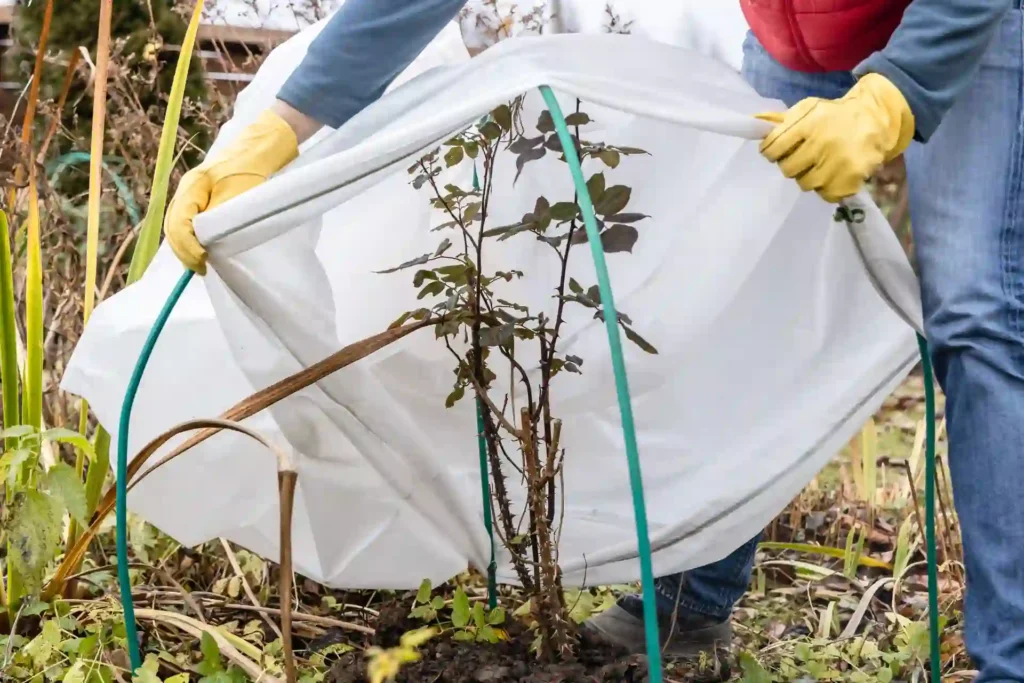
A physical barrier is the greatest way to protect yourself when the temperature drops. But you can’t just put anything over your flowers. The success of your frost cover depends on the materials you choose.
Using Fabrics vs. Plastic
The best materials to cover plants from frost damage are breathable fabrics. Old sheets, burlap, or special frost blankets work great. These materials keep heat from the ground inside while letting moisture out.
Tip: Don’t let plastic touch your plants directly. Plastic doesn’t allow air in, and if it contacts the leaves, it can actually send the cold straight to the plant, making things worse. If you have to use plastic, you should use stakes to hold it up so it doesn’t touch the plants.
Why “Soil Thermal Mass” Matters
During the day, the Earth absorbs and stores heat from the sun, much like a huge battery. Frost protection for plants means more than simply “keeping the cold out;” it also means “trapping the ground’s heat in.” Because of this, you should use bricks or stones to weigh down your coverings so that they fall completely to the ground.
Frost and Freeze Protection in the Spring
Frosts in the spring are usually worse than those in the fall. Why? Because the plants have already begun to sprout new, soft buds and flowers. If the weather suddenly turns cold, it can damage the blossoms on a fruit tree, which means you won’t get any fruit that year.
When practising frost protection tips for tropical plants or fruit trees in the spring, pay close attention to microclimates. A microclimate is a tiny part of your yard that is warmer or cooler than the rest. For instance, plants that are close to a brick wall stay warmer because the bricks absorb the sun and give off heat at night.
5 Ideas on How to Protect Plants from Frost During Freezing Temperatures
Properly cover plants
To protect plants from the cold, learn how to cover them for the winter by laying covers on the ground and fastening the edges. This keeps the heat from the ground.
Before the frost, water the soil.
A lot of people ask, “Can you water plants to keep them safe from frost?”
Yes. Moist soil keeps heat better than dry soil and lets it go at night.
Use mulch to keep warm
Mulch stops frost heave, which is when soil expands and hurts roots.
Move the plants in pots
It’s easy to keep potted plants safe from frost: relocate them next to walls, inside garages, or on covered patios.
Take Advantage of Microclimates
Microclimates that stay warmer are created by walls, fences, and trees. Put plants that are delicate in these places whenever you can.
Identifying Frost Damage Symptoms
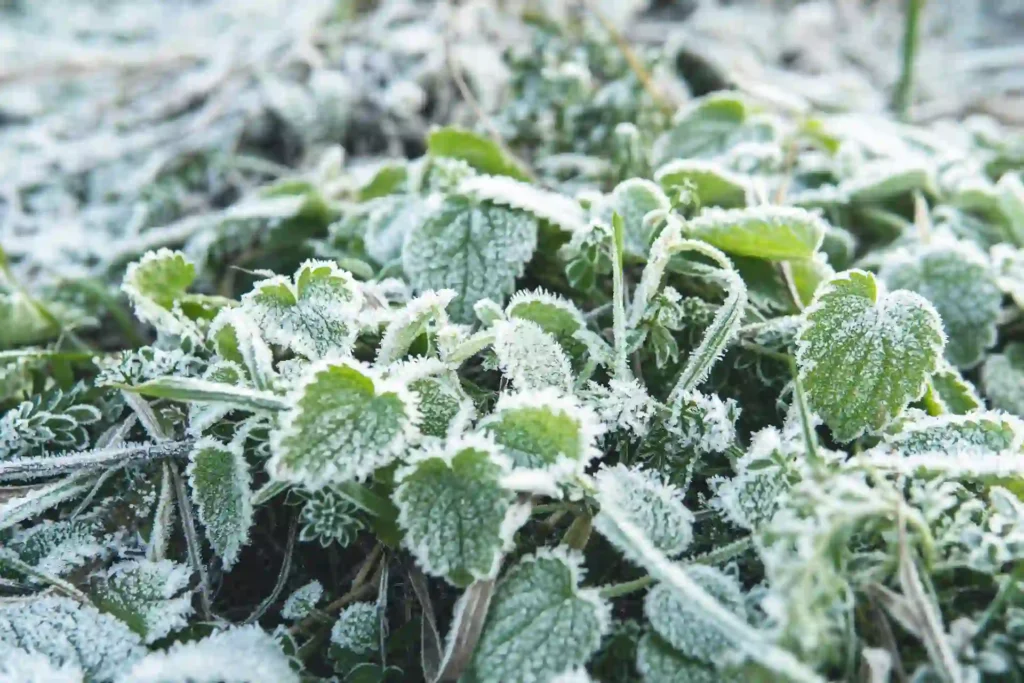
Even when we do our hardest, the cold sometimes wins. If you know what to look for, you can tell if a plant can be rescued. Check for:
- Blackened or brown leaves: are a classic sign that cells have died from freezing.
- Drooping or wilting: If the plant still seems “limp” when the light comes up, it may have damage within.
- Frost Damage on Roses: Roses that have been damaged by frost generally have buds or canes that shrivel up or turn dark brown or black.
Important: Don’t cut off the damaged sections right away! Wait until spring, when the chance of frost is over. The dead leaves on the plant actually keep the healthy sections of the plant underneath a little bit warmer.
Frost Risk Planning and Plant Hardiness Zones
Planning beforehand is the greatest method to win the fight against the cold. Every gardener should know what hardiness zones their plants are in. These zones show you the average lowest temperature in your area.
If you live in a colder area, you should choose plants that are inherently “hardy” so that you can shield them from frost in the winter. If you live in a warm place yet have chilly snaps from time to time, you should always have a “go-bag” of frost blankets ready.
For people who live in Southern California, taking care of a yard amid changing seasons might be hard. Robert’s Complete Care can help you if you need it. They will provide you with experienced guidance and make sure your garden stays healthy all year.
What Garden Plants Are Least Susceptible to Frost?
Select plants that don’t mind the cold if you want a low-maintenance garden. The “tough guys” of the plant kingdom are as follows:
Violas and pansies are cold-loving plants that can withstand snowfall.
- Evergreen Shrubs: Hollies and boxwoods are winter-hardy.
- Conifers: The best plants that withstand frost are pines and firs.
Why Choose Us
We don’t simply take care of landscapes at Robert’s Complete Care; we protect them all year long. We assist homeowners in preventing expensive replacements and long-term damage by giving them hands-on experience with seasonal plant care.
Our Landscaping Maintenance in Whittier service protects, keeps healthy, and gets plants ready for every season for homeowners who require professional support.
Conclusion
One of the best things you can do to maintain your landscape healthy and growing year after year is to learn how to keep your plants safe from frost. You can keep your plants alive even on the coldest nights and avoid expensive damage by covering them with the right materials, watering them wisely, and having a good frost risk plan. Frost protection doesn’t have to be hard; it just has to be thought about, planned for, and taken care of regularly.
Contact us immediately to set up professional landscaping help and make sure your plants are safe, healthy, and attractive all year long.
FAQs
What is the difference between freezing and frost?
Frost affects the surface of plants, but freezing affects the whole plant, including the roots.
When should I cover my plants before frost hits?
To keep ground heat in, cover plants before the sun goes down.
What kinds of things work best to keep plants safe from frost?
The best and safest choices are frost cloth, sheets, and burlap.
Can you water plants to keep them safe from frost?
Yes. Wet soil keeps heat better and protects against frost damage.
Which plants can handle frost and which ones can’t?
Kale and other vegetables can handle it, but tropical plants and roses can’t.