Landscape Installation

Learn how to turn your design vision into reality with professional landscape installation guides, tips, and project ideas.

What Is DG In Landscaping?

What Is DG In Landscaping | The Complete Homeowner’s Guide

If you’ve been looking at your yard and wondering how to make it more attractive without breaking the bank, you’ve probably heard about decomposed granite. Most people call it DG, and honestly, it’s one of the best-kept secrets in landscaping. It’s natural, it doesn’t cost a fortune, and it actually fixes the drainage headaches that concrete creates. Whether you’re thinking about building a new pathway or completely redoing your outdoor space, understanding what DG in landscaping really does matters for your project. Robert Complete Care has spent over 15 years doing Whittier landscape installation, and we’ve seen how DG transforms properties. This guide walks you through everything you need to know about DG materials, how to use them, and why they work so well for real homes. Understanding What Is DG In Landscaping How DG Actually Forms Here’s something interesting about decomposed granite. It starts out as solid granite rock, just like you see in mountains. Over years and years, weather beats on that rock. Rain seeps in, the sun heats it up, and winter freeze-thaw cycles do a number on it. Gradually, the granite breaks down into smaller and smaller pieces until it becomes fine particles mixed with sand and silt. That’s basically what DG is. The cool part is that this isn’t some manufactured product. It’s nature doing the work over centuries. You’re using natural material exactly as the earth creates it. Why DG Differs From Regular Gravel A lot of people confuse what is DG in landscaping with crushed granite gravel, but they’re actually pretty different. Crushed gravel has sharp, angular edges that stick out. Those edges don’t lock together. When you walk on crushed gravel, pieces shift and move under your feet. It’s uncomfortable, honestly, and you track it everywhere. Compacted decomposed granite is different because the particles are smaller and rounded. When you compact them properly, they fit together snugly like puzzle pieces. This creates a stable surface that actually holds its shape. You can walk on it barefoot without discomfort. The particles don’t scatter into your neighbor’s yard or end up stuck in your shoes. Natural Colors That Blend In DG comes in colors that actually look good. You’ve got golden and warm brown tones, gray shades, and rust-colored varieties. Where these colors come from matters. They’re determined by the mineral content in the original granite deposits. The warm earth tones make DG blend naturally into landscapes instead of looking out of place like bright crushed gravel or industrial concrete. When you drive through neighborhoods, you can spot homes with DG because the materials look intentional, not cheap. That’s an important difference. Your outdoor space actually looks thoughtfully designed. The Water Infiltration Advantage Here’s where DG really shines compared to other materials. Decomposed granite has tiny spaces between the particles. Water doesn’t sit on top like it does with concrete. Instead, it flows right through and soaks into the ground below. This solves real drainage problems that plague homeowners. Think about what happens when it rains hard. With concrete, water pools up and runs off. With DG, water infiltrates naturally. This means no puddles, no erosion, and no mosquito breeding grounds. In areas where drainage causes problems, this becomes incredibly valuable. You may read What Is Landscaping? Types of Decomposed Granite Natural Decomposed Granite The most affordable option is natural DG straight from the quarry with no additives. This works great for informal pathways, garden beds, and spaces where foot traffic stays light. If you’re on a tight budget, this is what you want. But here’s the honest truth. Natural DG can shift over time in areas with heavy use. Rain and foot traffic gradually move particles around. You’ll need to rake and refresh it periodically. Think of it like raking leaves, but less frequent. For some homeowners, this routine maintenance is fine. For others, it becomes annoying. Compacted Decomposed Granite This version has been mechanically pressed to increase density. The compaction process takes more effort during installation, which means higher labor costs. But you get a surface that holds its shape much better than natural DG. It handles moderate foot traffic without shifting around. Once it’s properly installed and compacted, you can walk on it more comfortably than natural varieties. The surface stays firmer longer. For most residential applications, compacted decomposed granite hits a sweet spot between cost and performance. Stabilized DG Stabilized DG includes a binding agent that locks particles together permanently. Different types of stabilizers exist. Some use polymeric compounds that bind particles without creating a hard shell. Others use resin-based products that create maximum durability. You get to choose based on your needs. Stabilized DG resists erosion way better than other types. It handles heavy foot traffic without issues. A properly installed stabilized DG surface lasts 10-15 years or longer with minimal maintenance. The trade-off is higher cost, but for driveways and high-use areas, stabilized products deliver real value that justifies the expense. Color Choices for Different Styles You get options when picking DG colors. Golden hues work well with warm-colored home exteriors. Gray tones match modern designs perfectly. Rust and brown shades enhance natural garden settings beautifully. Your choice really depends on what color your house is and what kind of look you want overall. Don’t underestimate this part. The right color makes your whole yard look intentional. The wrong color sticks out like a sore thumb. Using Decomposed Granite in Landscaping Creating Pathways and Walkways Pathways are where most people use DG first. The material creates smooth, comfortable walking surfaces that actually feel nice underfoot. The texture won’t embed in your shoes like gravel does. The natural color complements plants and hardscapes beautifully. A well-designed DG pathway guides visitors through your yard while looking attractive and serving a real purpose. When you’re planning a pathway, width actually matters. Three feet works for one person walking comfortably. Four feet lets two people walk side by side without bumping shoulders. You also need sturdy edges using landscape edging, brick,

What Is DG In Landscaping | The Complete Homeowner’s Guide Read More »
How Much Rock Do I Need for Landscaping? | Complete Guide

How Much Rock Do I Need for Landscaping?

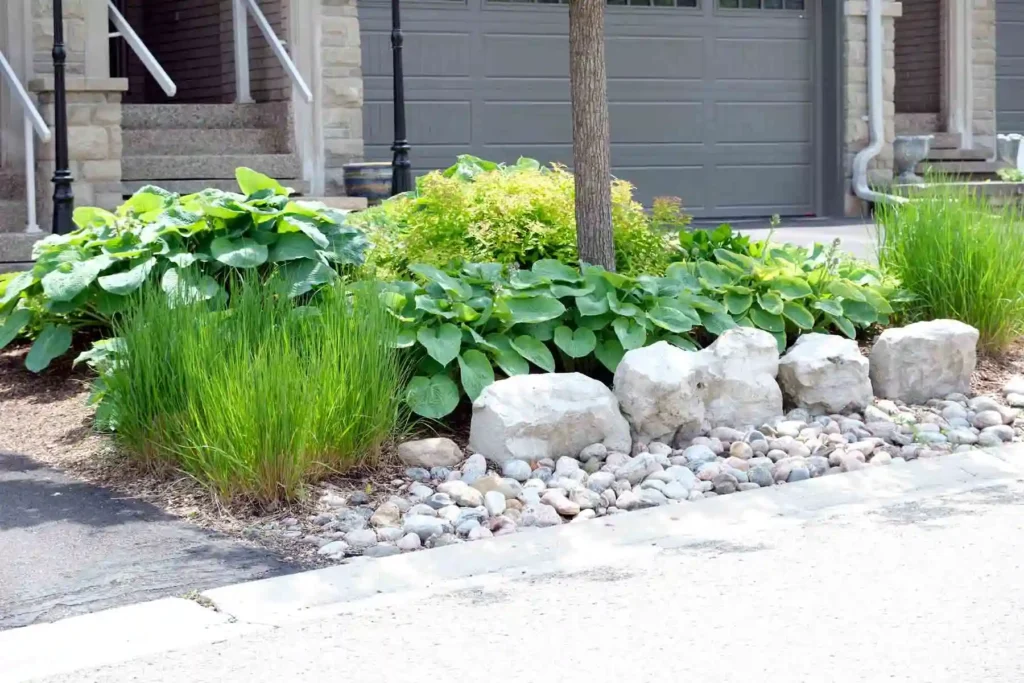
How much rock do I need for landscaping?None of the above apply: purchasing too little means multiple trips to buy more and trying to match stone, while purchasing too much results in wasted money and space. Whether you’re landscaping a garden bed, a walkway or a spot in your yard that needs a pop of color, adding the right amount of rock will make your job easier and a little less expensive. This post will help you calculate how to cover an area with rock know the best types of gravel rocks for landscaping and choosing the best small stones for your landscaping needs. Why Calculating Rock Coverage Matters Typically landscaping rock is sold by the ton or by the cubic yard. It’s easy to get a scope of how much material you need. Coverage estimates will help you: Prevent under- or overpurchasing supplies so that you can garden or renovate without interruptions or waste on supplies Save money on materials and delivery Gain consistency and professionalism in results Plan your labor and installation time Whether you’re revamping an old garden bed or working on a new design, measurements are what make or break the project. Step 1: Measure the Area to Be Covered The space is the first aspect to consider when figuring out how much rock you need for landscaping. Measure Length and Width Use a tape measure to get: Length (in feet) Width (in feet) Calculate the square footage by multiplying length × width. Example: 10 ft × 12 ft = 120 sq ft For circular or non-uniform spaces, make a grid using rectangles, measure each, then sum them. Step 2: Decide on the Depth of the Rock Depth is a important when you figuring rock coverage. Recommended Depths Ver­si on Small stones for landscaping: 2-3 inches Decorative Rocks for Landscaping (Walkways): 3-4 inches Decorative ground covers two inches Driveways: 4 – 6 inch Measure your rock Whether it’s for your garden, walkways, or draping your driveway, for most residential landscaping projects, 3 inches is ideal. It allows for good coverage and for good drainage and stability. Step 3: Convert Measurements to Cubic Feet Rock is sold by volume, so you will have to convert the square footage and depth to volume in cubic feet. Formula Square feet × depth (in feet) = cubic feet Since depth is normally measured in inches, convert inches to feet by dividing by 12. Sample: 120 sq ft × 0.25 ft (3 inches) = 30 cubic feet Step 4: Convert Cubic Feet to Cubic Yards Rock is typically sold by the cubic yard by volume. Conversion 1 cubic yard = 27 cubic feet Sample:  30 cubic feet ÷ 27 = 1.11 cubic yards Pro Tip Always round UP, never down. If I understand correctly, that means you should buy 1.25 cubic yards for full coverage. Quick Reference: Rock Coverage Chart Here is a rough guide that will help you get a quicker estimate: Coverage Area Depth Cubic Yards Needed 100 sq ft 2 inches 0.62 yd³ 100 sq ft 3 inches 0.93 yd³ 200 sq ft 3 inches 1.85 yd³ 300 sq ft 3 inches 2.78 yd³ Use this chart as a guide, but be sure to measure your space for what fits. Step 5: Consider Rock Type and Weight Because landscaping gravel stones are made of different materials, the weight and coverage of each differs. Average Weight Per Cubic Yard Pea gravel: ~2,800 lbs. Crushed stone: ~2,700 lbs. River rock: ~2,500 lbs. Lava rock: ~1,500 lbs. For your information, if your supplier sell by ton: 1 ton = 0.7–0.8 cu yd (depending on type of stone) Rock size and moisture content may vary weight, however, you must always check with your local supplier. Choosing the Right Rock for Your Project Knowing how much rock you require in your landscapes is as vital as choosing the right stone. Small Stones for Landscaping Best for: Garden beds Around plants and shrubs Decorative accents Examples: Pea gravel Decomposed granite Mini river rock Gravel Rocks for Landscaping Best for: Walkways Patios Drainage areas Examples: Crushed limestone Crushed granite Drain rock You can choose different types of stones which have different colors and textures for better drainage in terms of both function and style. You may read How to Install Landscape Rock? Should You Use Landscape Fabric Under Rock? Yes — almost always. Benefits of Fabric Stop weed growth Rocks don’t sink into the dirt Helps drainage Prolongs the life of your landscaping You will get the use and value from your money by filling the rock after you have placed the landscaping fabric. Common Mistakes to Avoid Homeowners also tend to misjudge these good calculations, but still: Measuring up by guesstimate Going too shallow in depth Not rounding up on your materials Disregarding rock size & weight Omit landscape fabric Avoiding these mistakes will save you a great deal of time, money, and frustration. DIY vs. Professional Installation When it’s a small project, – DIY installation is fine, For big spaces, inclines, or drainage issuesConsider professional assistance might be compelling. When to Hire a Pro Large quantities of stone Sloped or uneven ground Drainage or erosion control Heavy materials requiring equipment Experts guarantee exact coverage, depth, and a clean end. Final Thoughts For professional landscape installation services in Whittier, accurate planning and expert execution make all the difference. From rock and gravel placement to complete garden and hardscape installs, our team ensures every detail is done right the first time. We handle site preparation, material selection, and proper depth for long-lasting, clean results. Whether you’re upgrading curb appeal or building a low-maintenance outdoor space, we’ve got you covered. Trust Robert’s Complete Care for reliable, high-quality landscaping tailored to Whittier homes. Call today for a free landscape installation consultation! FAQs How to calculate rock quantity? Measure the area in square feet and multiply by the desired depth (2–3 inches).Convert the total to cubic feet or tons based on supplier coverage. How do I calculate how much stone I need? Calculate square footage and multiply by recommended depth.Add 5–10% extra to allow for waste and settling. How many square feet will a 40 lb bag of rock cover? A 40 lb bag usually covers 3–4 square feet at a 2-inch depth.Coverage varies by rock size and shape. How to choose rocks for landscaping? Select rocks based on purpose, size, and

How Much Rock Do I Need for Landscaping? Read More »

Is Artificial Turf Good for Dogs

Is Artificial Turf Good for Dogs – What Owners Should Know

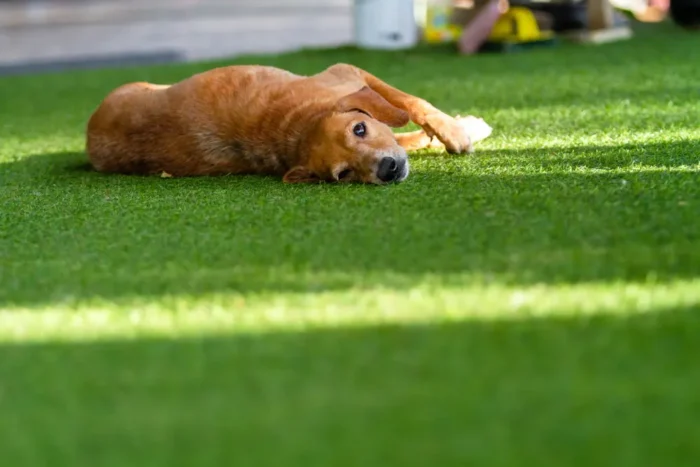
If you’ve spent any time watching your dog tear through your lawn, you already know the pain of muddy paws, brown patches, and a yard that looks like a construction zone. Many dog owners reach a point where natural grass just isn’t holding up, and artificial turf starts looking like a real solution. So the question is simple: is artificial turf good for dogs? The short answer is yes, when you choose the right product and maintain it properly, artificial turf can be an excellent choice for households with dogs. It stays green year-round, holds up against digging and running, and cuts down on mess significantly. In this article, we’ll walk through the safety concerns, the real benefits, what to look for when buying, and exactly how to keep it clean so your dog stays happy and healthy. Why Dog Owners Consider Artificial Turf Natural grass and dogs are a tough combination. Dogs urinate in the same spots repeatedly, which causes nitrogen burns that leave yellow or dead patches. They dig. They run the same paths over and over until bare dirt tracks form. And after any rain, they bring in mud that ends up on your floors, furniture, and clothes. Artificial turf removes most of these problems at once. There’s no soil to dig up, no mud to track inside, and no grass that dies from pet urine. That’s a compelling reason for a lot of homeowners to make the switch. Is Artificial Turf Safe for Dogs? Artificial turf is generally safe for dogs when it’s made from non-toxic, pet-grade materials. Most modern pet-friendly options are free from harmful chemicals like lead and heavy metals. However, surface heat in direct sunlight and the type of infill used are factors worth examining before installation. The primary safety concern most people raise is heat. Artificial turf can get significantly hotter than natural grass on sunny days. Studies have shown that some synthetic surfaces can reach temperatures 20 to 50 degrees Fahrenheit higher than the surrounding air temperature. For dogs, who walk barefoot and can develop paw pad burns, this matters. The fix is practical rather than complicated. Choose turf products with heat-reflective technology or lighter color pigments. Keep a water source nearby to cool the surface during peak summer heat. Schedule outdoor time for early morning or evening when the surface has cooled down. On the chemical side, it’s important to look for turf that’s certified non-toxic and free from lead, latex, and heavy metals. Quality pet turf manufacturers will provide safety certifications. Don’t skip this step when comparing products. Benefits of Artificial Turf for Dogs There are many benefits of installing synthetic grass for dogs and pet owners in general. The power of benefits of artificial turf for dogs can influence your decision on whether or not it’s the right option for your yard. 1. No More Muddy Paws This one’s straightforward. Artificial turf sits on a compacted base with drainage underneath it. When it rains, water moves through the turf and into the ground below. Your dog runs around, comes back in, and their paws are dry. It’s one of the most immediate quality-of-life improvements dog owners report after switching. 2. Resistant to Digging and Heavy Traffic Most pet-grade artificial turf is built with a dense, durable backing that resists digging far better than natural grass. High-traffic areas like the path to the back gate or the favorite corner spot won’t wear down into dirt tracks. The turf holds its shape and appearance through consistent use. 3. No Urine Burn Patches Urine kills natural grass because of its nitrogen and salt content. With artificial turf, that problem disappears. Urine drains through the surface and doesn’t leave yellow or dead patches. The yard stays uniformly green regardless of how often your dog uses it. 4. Low Maintenance Once it’s installed, artificial turf asks very little of you. There’s no mowing, no watering, no fertilizing, and no reseeding. For busy households, that’s time and money back in your pocket every single week. 5. Allergy-Friendly Some dogs suffer from grass allergies, showing symptoms like excessive licking of paws, skin irritation, and hot spots. Removing live grass from their environment can reduce these reactions significantly. Artificial turf doesn’t produce pollen or harbor the same allergens that natural grass does. Choosing Pet-Friendly Turf for Your Yard Not all artificial turf products are built the same way. When you’re shopping for pet-friendly options, here are the specific things to look for. Drainage capacity is the most important feature for pet owners. Look for turf with a perforated backing that allows liquid to drain through quickly. Some products advertise drainage rates of 30 to 50 inches per hour, which is more than enough for pet use. Pile height affects how easy the turf is to clean. Shorter pile heights (around 1 to 1.5 inches) tend to be easier to rinse and maintain. Longer pile can trap debris and make cleaning more labor-intensive. Infill type matters for both safety and odor control. Crumb rubber infill has faced scrutiny over potential health concerns, particularly in high-use pet environments. Safer alternatives include zeolite infill, which absorbs ammonia and neutralizes odor naturally, and organic infill options made from cork or coconut fibers. Material quality should be verified through safety certifications. Look for turf that carries ASTM or similar safety testing credentials, confirming it’s free from toxic materials Installation Considerations for Dog Owners Installation is as important as the quality of turf. Quality workmanship leads to durability, ease of maintenance, and long-term performance. Strong Base Layer A solid base is essential to keep the ground from sinking and getting bumpy. For busy dog-laden yards, they often install crushed rock that has been compacted. Effective Drainage System Dogs urinate outside often, so drainage is vital. A good system drains away water and reduces odor buildup, making your yard cleaner. Secure Edges Dogs sometimes try digging on natural lawn edges. Professional installers will securely fasten the edges of artificial grass to keep it from pulling up or lifting. Quality Infill

Is Artificial Turf Good for Dogs – What Owners Should Know Read More »

Does Landscaping Increase Home Value? See How It Works

Does Landscaping Increase Home Value?

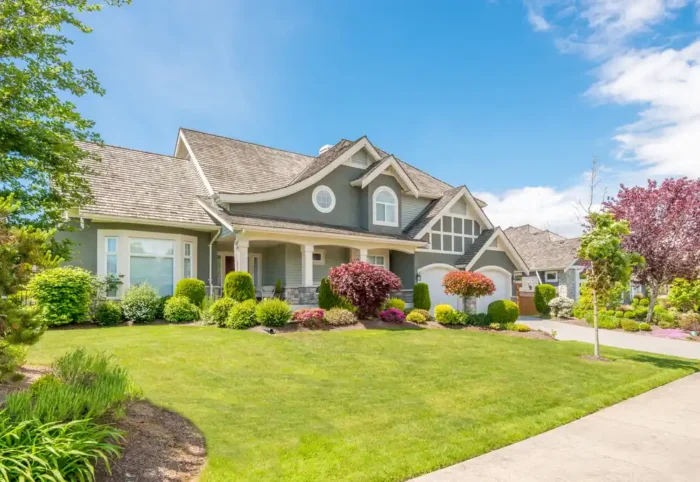
When homeowners start thinking about making improvements, there’s one question that inevitably arises: Does landscaping increase home value? The answer is yes — good landscaping can have a dramatic impact on your property value, curb appeal, and the overall ability of your home to sell in the future. From basic lawn care to planting new plants to designing a unique outdoor space, the right landscaping improvements can give you long-lasting benefits and even a financial payoff. This guide will tell you how landscaping impacts the value of your home, which improvements have the best return, and how you can plan projects that really pay. The Importance of Landscaping in Property Value Landscaping has a big influence on how a home looks from the outside and how people feel about it, even before they come inside. Real estate agents say buyers make a snap judgment within seconds — and curb appeal plays a big part in that. Why Landscaping Matters in Today’s Housing Market Outdoor living spaces are more important than ever to today’s homebuyers. Many want calming spaces to enjoy family activities, a room to garden, or a yard that is clean and easy to maintain. A tidy, attractive yard indicates that the homeowner rays care and concern for the entire property. A home that has living plants, pruned shrubs, and a cared-for yard appears more inviting and raises buyer confidence. It also contributes to the first visual impression, which can lead potential buyers to go inside the home, and that’s a huge plus in a crowded housing market. How Landscaping Increases Home Value Numerous studies suggest that a home’s value can be increased by 5% to 20% through landscaping, depending on the quality of the work. But the rise isn’t just visual; it also has to do with function, with better outdoor living (cooking and eating outside), and better environmental factors. Creating Strong Buyer Appeal One of the most important advantages of landscaping is the increased amount of curb appeal. Houses with good curb appeal do stand out and get more potential buyers, yes, even through the internet. This is part of the curb appeal impact on home value, which real estate agents say is one of the biggest selling points. Improving Outdoor Functionality Nice landscaping can make an outdoor space more usable , like a patio, seating area, flower bed, or pathway. In addition, these functional features help buyers visualize themselves using the yard, which can have a strong influence on their buying decision. Boosting Energy Efficiency and Lowering Costs A cool summer breeze? Try some trees — or bushes, strategically placed to block heat in summer or wind in winter. This organic insulation reduces energy expenses and makes the house more marketable and functional. Understanding the Return on Investment for Landscaping Though many home improvements don’t result in a full recovery of costs, landscaping is often one of the highest returns. The return on investment for landscaping can be pretty good, particularly if the work is done well. Which Landscaping Projects Offer the Best ROI? Front Yard Design:  Tidy lawns, mulched flower beds, and new plants can add a lot of curb appeal for a little money. Outdoor Lighting: Highlighting walkways or trees also enhances the elegance and security of your home. Simple Hardscaping: Installing stone edging, a path, or even a patio can make a garden seem more structured and practical. Basic landscaping can recoup 100% or more of the cost when selling a home, according to most real estate reports. Larger improvements, such as outdoor kitchens or large patios, may not recoup the entire expense, but will still help to pique buyer interest and make it easier to sell the home. Why Landscaping ROI Is Often Higher Than Interior Projects Home renovations — new kitchens or bathrooms, for instance — are costly and may not jibe with a buyer’s taste. Landscaping, though, is nearly universal. There’s no risk that a beautiful yard will clash with interior preferences, and a well-kept yard elevates the entire home. With Robert’s Complete Care, professional Whittier landscape services ensure your yard adds maximum value and appeal to your home. Exterior Improvements That Add Value When considering improvements, it’s helpful to know which among the exterior improvements that add value are the best bang for your buck. Not every landscaping job gives the same return, so the right project can really make a difference. Planting Trees and Shrubs Trees add instant charm and long-term value. Buyers like mature trees because these trees take a long time to grow. Shrubs and small plants can organize the space, making it look put together. Fresh Sod or Lawn Improvements A good lawn gives a clean, well-tended feeling. Reseeding bare spots, edging, or laying down sod can make all the difference in a yard’s look. Adding Pathways or Hardscaping Walking paths made of stone or brick, small retaining walls, and borders of flower beds give the yard a neat appearance. They also lead guests on a natural path through the space, making the space feel inviting. Outdoor Seating Areas A comfortable patio, or even a modest seating area, invites individuals to picture themselves outdoors unwinding. That breeds emotional appeal, which is incredibly important when showing your home. You may read What Is a Landscape Installation? How Landscaping Helps Long-Term Home Value Landscaping pays off—not just at resale but for homeowners who aren’t going to sell anytime soon. Creating a Low-Maintenance Future Good landscaping, including the use of hardy plant species and efficient irrigation systems, equates to less maintenance in the long run. Prospective buyers also love a yard that’s attractive but not full-time work. Improving Environmental Health Efficient landscaping can help slow and soak up rainwater, prevent soil erosion, and even aid local native plants. The simple things make a difference in the environment, and in the value of the home, Romero said. Increasing Outdoor Living Enjoyment A lot of homeowners love to stay outside longer when the yard is pretty, and it’s not a chore to use it. These positive developments not only enhance the quality of life but also foster greater pride in homeownership. Planning Landscaping for Maximum Home Value To get the top home value boost with landscaping, you need to plan your enhancements wisely, rather than

Does Landscaping Increase Home Value? Read More »

Can You Wear Cleats on Turf? Best Footwear Explained

Can You Wear Cleats on Turf? What You Need to Know Before Playing

Soccer, football, baseball and lacrosse players are among those who have asked themselves can you wear cleats on turf? As more and more fields are converted from natural grass to artificial surfaces, selecting the right footwear is also increasingly critical. You won’t be able to give your best performance, nor will you feel as comfortable and you might even risk an injury. This guide explains everything there is to know about Can You Wear Cleats on Turf, the difference between molded cleats on turf or dedicated turf shoes and how to weigh them up when deciding what’s best for your sport. Understanding the Field: Artificial Grass vs. Carpet Turf The term turf is confusing because people use it to describe two completely different playing surfaces. To make the right footwear choice, you must look closely at what lies beneath your feet. The Evolution of Synthetic Fields Old-school artificial turf looks like a thin green carpet rolled out over a solid block of concrete. You still find this abrasive, hard surface in older indoor soccer facilities, field houses, and baseball batting cages. Modern synthetic fields, known as 3G or 4G surfaces, mimic natural grass using long, individual polyethylene plastic blades. These fields use a thick, deep infill layer made of black rubber granules and silica sand to absorb impact. Why Surface Depth Changes Everything The depth of the field dictates how your shoes behave when you plant your foot to change direction. Natural grass yields under pressure, allowing long plastic or metal studs to cut through the sod and slide out sideways if your body rotates too far. Synthetic carpet turf has zero depth, meaning long studs cannot penetrate the surface at all, leaving you balancing on hard plastic stilts. On 3G and 4G fields, standard outdoor studs penetrate the rubber infill, but they grab the underlying mesh backing with an aggressive, vice-like grip that does not let go when you twist. Types of Cleats and How They Perform on Turf Using the correct soleplate option ensures your feet interact safely with the synthetic ground. Manufacturers stamp specific abbreviations on shoe boxes to indicate the surface the shoe was engineered to handle. Molded Cleats on Turf Molded firm ground cleats, labeled as FG, are the most common outdoor shoes on the market. They feature a dozen long plastic or TPU studs designed to pierce natural dirt and grass. When you use these outdoor cleats on artificial turf, performance drops significantly. The long studs sit on top of thin carpet surfaces, reducing your surface area contact to a fraction of an inch, which causes frequent slipping. On deep infill fields, the long, bladed profiles dig deep and create excessive rotational resistance, acting like a brake pad when you try to pivot. Artificial Grass (AG) Cleats Artificial grass cleats are specifically engineered for modern 3G and 4G synthetic fields with rubber infill. They feature an entirely different soleplate design than standard outdoor models, utilizing a higher volume of shorter, completely round studs. Most AG studs are completely hollow in the center to shed heat and reduce weight while maximizing the surface area contact with the synthetic turf. The rounded shape allows the shoe to rotate smoothly in the rubber infill, giving you excellent linear traction without locking your foot into the ground during quick lateral cuts. Artificial Grass vs Turf Cleats: What’s the Difference? Choosing between an AG cleat and a TF turf shoe comes down to the depth of the synthetic grass and the environment where you play. Feature Artificial Grass (AG) Cleats Turf Shoes (TF) Outsole Material Hard TPU / Nylon Plate Soft, Flexible Carbon Rubber Stud Profile 20–25 Short, Hollow Round Studs 50+ Tiny Rubber Dimples / Nubs Best Surface Deep 3G/4G Turf with Rubber Infill Thin Indoor Carpet over Concrete Cushioning Minimal Midsole Foam Thick EVA Foam Layer AG models look like traditional outdoor cleats but use shorter, rounder studs to prevent turf bite. TF models look more like heavy-duty running shoes with a flat rubber bottom covered in dozens of miniature rubber nubs. If you play on deep, premium outdoor synthetic fields, choose AG cleats for maximum competitive bite. If your league takes place inside an older indoor arena on thin green carpet, choose TF shoes to protect your feet from hard impacts. How Turf Affects Cleat Performance and Safety The synthetic construction of artificial grass changes the physics of how an athlete moves, cuts, and accelerates compared to natural soil. The Problem with Friction and Heat Artificial fields absorb sunlight and hold ambient temperature far more aggressively than living grass. On a warm afternoon, the synthetic blades and black rubber granules can reach temperatures exceeding 120°F. Standard outdoor cleats feature thin soleplates that transfer this ambient heat directly into the bottom of your feet, causing painful blisters and hot spots. Specialized turf footwear utilizes thicker outsoles and heat-resistant compound materials to insulate your feet from the searing ground temperature. Altered Ball Control and Bounce Synthetic blades do not absorb water or compress the way natural turf does, which changes the speed of the game. The ball rolls significantly faster on artificial grass, and it bounces higher and truer because there are no natural divots. Wearing bulky, aggressive outdoor cleats on a fast turf field limits your agility and dampens your touch on the ball. Shorter turf-specific profiles drop your center of gravity closer to the ground, allowing you to match the high-speed tempo of synthetic play. Safety Risks of Wearing the Wrong Cleats on Turf Stepping onto an artificial field with improper footwear is a primary driver of non-contact lower-limb injuries in amateur sports. The Threat of Foot Lock and Joint Failures When a long bladed outside stud makes contact with a 3G or 4G turf field it will touch the plastic mesh backing layer below. Imagine you’re running forward and you want to make a rapid, sharp lateral cut to shake a defender, but your knee turns and your foot is totally pinned to the turf. This is a

Can You Wear Cleats on Turf? What You Need to Know Before Playing Read More »

How to Install Landscape Rock

How to Install Landscape Rock and Transform Your Garden

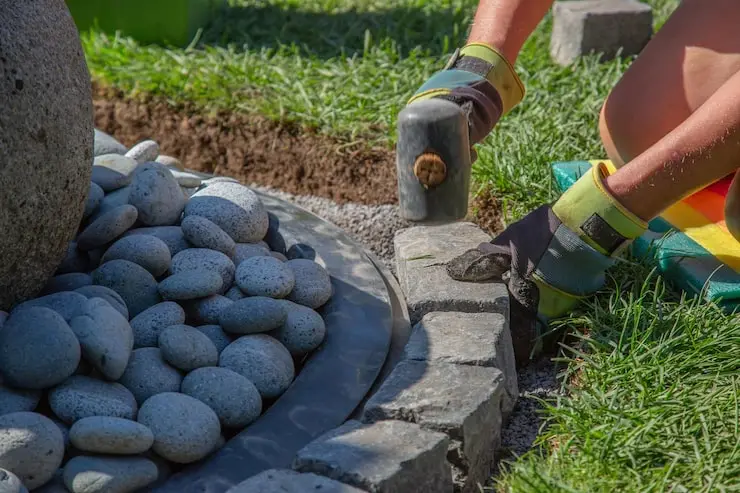
You save a lot of money doing yard projects yourself. Laying aggregate layers is a simple job that immediately tidies up your property borders. This article will provide you with the exact directions to do this task perfectly. Preparing for landscape rock includes removing the existing vegetation and digging out the dirt to a uniform depth of three inches. Grade the subsoil away from the house footings, compact the surface thoroughly, lay down heavy-duty woven landscape fabric and fix it with steel staples, then spread the stones evenly. What Is Landscape Rock and Why Install It? Landscape rock is mineral stones that are mined, washed and sorted for use as a permanent ground cover. These materials are often selected by homeowners in lieu of typical wood mulch or thin patches of turf grass. It creates a long-lasting non-degradable barrier to protect topsoil from wind and high rainfall occurrences. The selection of stone instead of organic material gives you instant financial and structural advantages for your home’s floor plan. Unlike wood bark, stones do not degrade, rot or lose their color intensity after just one season. You buy them once and they last for decades without inviting wood boring pests such as termites. Using stone products directly aids in water conservation efforts across your entire neighborhood footprint. It slows down surface evaporation, keeping the underlying native soil cool and moist for deep plant roots. This reduction in water waste helps lower monthly utility bills while maintaining a structured garden layout. How to Install Landscape Rock: A Step-by-Step Guide Executing this installation process properly requires a systematic approach to soil preparation and textile pinning. Skipping minor steps in ground clearance always leads to premature structural issues and aggressive weed infestations later. Follow this field-tested sequence to secure a long-lasting, commercial-grade finish on your property. Tools and Materials Required Before moving any earth, collect a sturdy steel square-point shovel, a heavy iron bow rake, and a hand tamper. You will also need a mechanical sod cutter for large lawns, heavy-duty utility shears, and a rolling wheelbarrow. Purchase your stones, woven geotextile fabric, matching border kits, and six-inch steel landscape staples in advance. 1.Clear Vegetation and Excavate Soil: Requires 3-4 hours of manual labor per 100 square feet. Remove all grass weeds, roots, and native turf using a sharp spade or a gas-powered mechanical sod cutter. Dig down into the subgrade until you achieve a uniform depth of three inches across the entire workspace footprint. Shovel the discarded topsoil onto heavy plastic tarps to keep your surrounding driveway and walkways perfectly clean. 2.Grade and Compact the Subgrade: Crucial for preventing water damage to your home foundation. Run an iron bow rake across the exposed subsoil to break up large dirt clods and smooth out high spots. Grade the soil surface downward at a distinct slope of one-quarter inch per linear foot away from structural walls. Strike the graded dirt repeatedly with a heavy manual iron hand tamper until the ground is completely firm. 3.Execute Landscape Fabric Installation: Must overlap every separate fabric seam by six inches minimum. Roll out heavy-duty woven polypropylene geotextile fabric directly over your freshly compacted and graded dirt base layers. Cut clean X-shaped openings through the textile layer to fit snugly over existing garden plant root systems. Drive six-inch steel landscape staples straight down every 12 inches along the outer perimeter edges using a hammer. 4.Secure the Bed Edging Materials: Prevents stones from shifting outward into turf areas over time. Place professional-grade commercial plastic, heavy steel, or thick aluminum edging strips along the outer boundary lines of your bed. Hammer thick plastic or steel anchoring stakes through the integrated edging slots directly into the hard ground. This crisp perimeter wall keeps your stones fully contained when you use heavy lawn maintenance equipment nearby. 5.Spread and Level Your New Stones: Maintain a uniform depth of 2 to 3 inches for coverage. Dump wheelbarrow loads of rock into small piles across the fabric, working carefully from the back to the front. Spread the piles evenly using an upside-down bow rake to avoid puncturing or tearing the underlying textile sheets. Keep the stones two inches away from individual plant woody stems to protect them from heat stress. Benefits of Installing Landscape Rock Around the House Heavy roof runoff water can wash away perimeter soils and cause structural settling. Installing stone ground cover around housing foundations prevents this. It provides a highly effective, non-flammable barrier that separates framing materials from damp garden soil and wood-destroying underground insects. Stone layers around your foundation offer better moisture control than organic mulch selections. Wood chips absorb water and trap it against siding boards, producing an ideal environment for wood rot. Stone allows heavy rainwater to run directly down into the subsoil, keeping it away from your concrete structural walls. Stone materials do not feed spreading brushfires, therefore your suburban home is much safer structurally for wildfire. A five-foot clean stone perimeter around your exterior walls gives you a defensive space zone required by modern safety requirements. This simple concept will save your family and save you money on house insurance in the long run. How to Build a Rock Garden A rock garden isn’t just decorative rocks thrown across a flat surface. It’s a layered, intentional design that mimics natural stone formations. Done right, it becomes the focal point of your entire yard. Choose the Right Location Rock gardens work best in areas with full sun to partial shade. A sloped area is ideal because it creates natural depth and allows water to drain properly. Avoid spots that collect standing water after rain. Wet, compacted conditions will cause plant roots to rot and make your rocks sink unevenly over time. Build Your Base Layer First Start with larger boulders placed at the base and along the edges. These anchor the design and make the rest of the composition look intentional. Set at least one-third of each large rock into the ground so it looks embedded, not

How to Install Landscape Rock and Transform Your Garden Read More »