Pothos plants are hard to kill and that’s exactly why millions of people grow them. Whether you’re a first-time plant parent or someone who’s already lost a few houseplants to neglect, the pothos meets you where you are. It’s forgiving, fast-growing, and genuinely beautiful.
Knowing how to care for a Pothos plant doesn’t take a horticulture degree. In fact, the biggest mistake most people make is overcomplicating it. This guide gives you everything you need watering schedules, soil choices, light requirements, propagation steps, and more so your pothos thrives instead of just survives.
What Is a Pothos Plant?
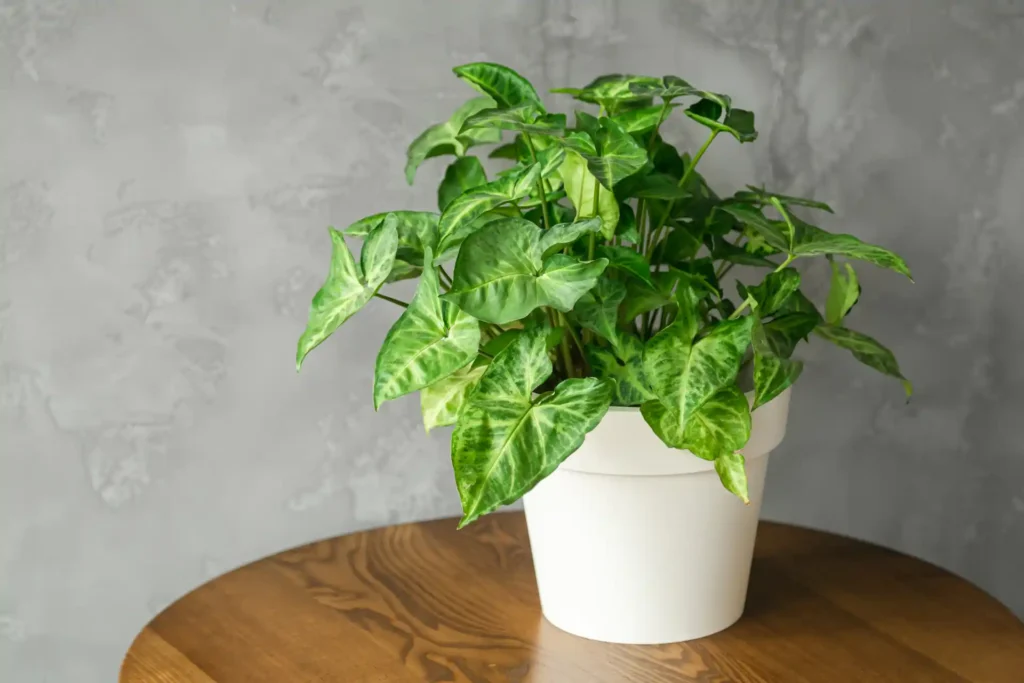
A pothos plant (Epipremnum aureum) is a tropical vining houseplant native to the Solomon Islands. It’s one of the most popular indoor plants in the world, known for its heart-shaped leaves, trailing growth habit, and tolerance of low-maintenance care.
It belongs to the Araceae family and is sometimes called devil’s ivy because it stays green even in the dark and is nearly impossible to kill. The nickname says a lot about its resilience.
Pothos can grow in soil, water, or even just hang in a pot with no drainage. It adapts to almost any indoor environment, which is why it’s a staple in homes, offices, and even hospital waiting rooms.
Types of Pothos
There are over a dozen varieties of pothos, each with distinct leaf patterns, colors, and growth rates. The most common types include Golden Pothos, Marble Queen, Neon Pothos, Manjula, Cebu Blue, and Pearls and Jade.
Here’s a quick breakdown of the most popular ones:
Golden Pothos The classic. Green leaves with golden-yellow variegation. Very fast grower and the most widely available.
Marble Queen Pothos White and green marbled leaves. Grows a little slower because the white parts have less chlorophyll for photosynthesis.
Neon Pothos Bright chartreuse-green leaves. No variegation, but the color is striking. Loves brighter light to keep that vivid hue.
Njoy Pothos Small leaves with white and green patches. More compact than other varieties, great for small spaces.
Cebu Blue Pothos Blue-green leaves that develop fenestrations (natural splits) as the plant matures. More of a collector’s variety.
The Basics of Pothos Plant Care
Let’s examine the fundamentals of pothos plant maintenance. Although pothos houseplants are surprisingly forgiving, knowing a few fundamentals will help your plant flourish.
Requirements for Pothos Light
Is direct sunlight necessary for pothos? This is one of the most often asked topics. The good news is that the answer is no. In actuality, pothos plants favor bright, indirect light. In their native tropical setting, imagine the dappled sunshine that comes through a tree canopy.
Your pothos will thrive next to a window that provides it with ample light without harsh, direct rays. The best windows are those that face east or north. Can pothos endure in dimly lit environments? Of course! They are so well-liked in part because of this. They may lose some variegation and grow more slowly in darker environments, but they will still live.
Your pothos needs additional light if you see that the leaves are getting smaller or the tendrils are getting sparser. Conversely, you are exposing it to too much direct sunlight if the leaves begin to appear scorched or withered. It should bounce back if you move it a few feet away from the window.
Needs for Humidity and Temperature
Pothos likes warmth and humidity because it is a tropical houseplant. 65°F to 85°F is the optimal temperature range. Pothos, however, can withstand temperatures as low as 50°F. Anything less than that could harm your plant. Your pothos most likely feel at ease in your house if you do.
Does humidity appeal to pothos? Indeed, it does! Although pothos can tolerate typical home humidity levels, additional moisture in the air will help them grow even more. If your house is extremely dry, especially in the winter, think about misting your plant from time to time or putting it close to other plants to create a little humid environment. If you want to go above and beyond, you can also use a humidifier or a pebble tray filled with water.
The Ideal Soil for Pothos Plants
The ideal soil for pothos plants retains some moisture while draining efficiently. Although regular potting mix is perfect, you can improve it by adding a little amount of perlite or orchid bark to provide additional drainage.
Avoiding wet soil is crucial. Waterlogged soil can cause root rot, which is one of the few ways you can really damage these hardy plants. Pothos roots require air. Choose a potting mix that is labeled “houseplant” or “indoor plant” if you’re using one that has already been prepared. Usually, the proper balance is used in their formulation.
Pothos Lowest Temperature
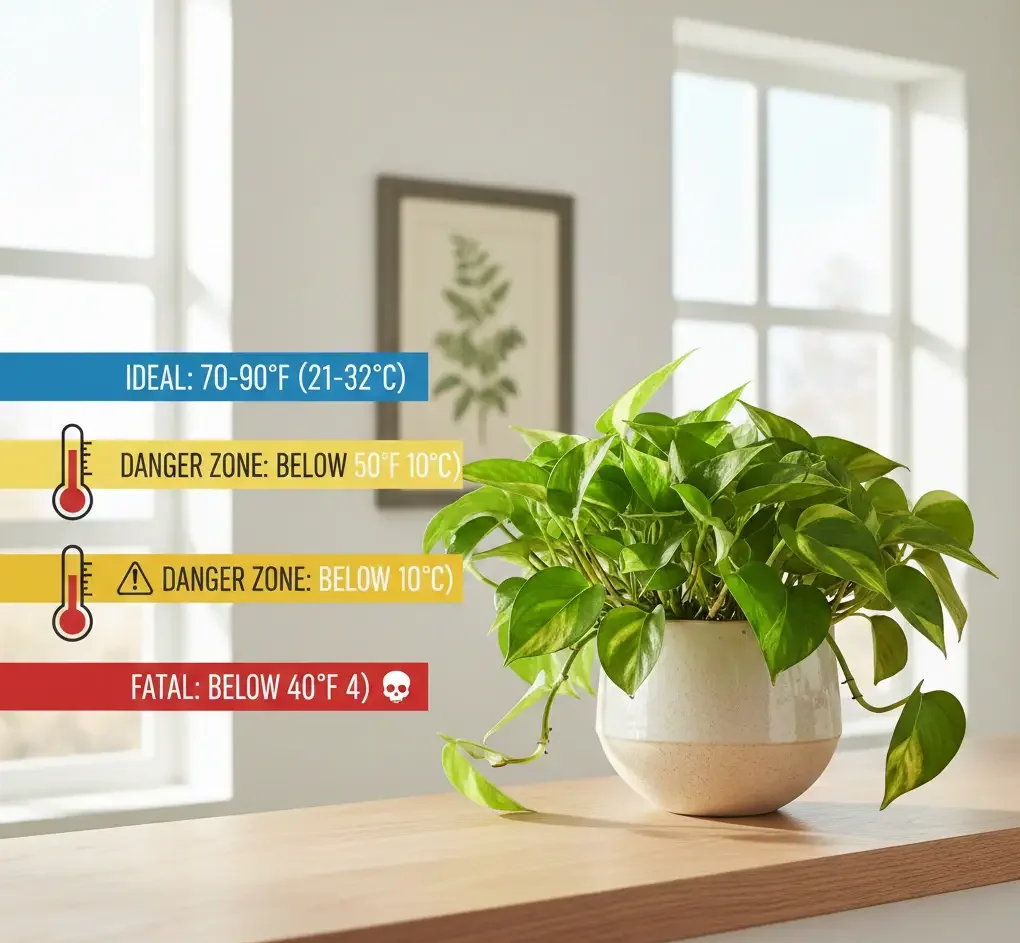
Pothos plants can tolerate a minimum temperature of 50°F (10°C), but they really prefer staying above 60°F. Prolonged exposure to cold drafts or temperatures below 50°F causes wilting, blackened leaves, and root damage.
Keep your pothos away from air conditioning vents in summer and drafty windows in winter. Cold stress doesn’t always show up immediately sometimes you’ll notice yellowing or sudden leaf drop days after the cold exposure.
If you live in USDA hardiness zones 10 to 12, you can grow pothos outdoors year-round. In other climates, bring it inside before temperatures drop below 55°F.
It is better to place indoors if you reside in a colder environment. Check out our guide, How to Protect Your Plants from Frost, for seasonal protection advice.
How Often to Water a Pothos Plant
Water a pothos plant every 7 to 14 days during the growing season (spring and summer) and less frequently in fall and winter. The best rule of thumb is to water when the top 1 to 2 inches of soil feel dry.
Overwatering is the number one reason pothos plants die. The roots sit in wet soil, oxygen gets cut off, and root rot sets in fast. Once root rot takes hold, it’s very hard to reverse.
Here’s a practical watering approach:
- Stick your finger an inch into the soil. If it’s still damp, wait.
- When it’s dry, water thoroughly until it drains from the bottom.
- Empty the drainage tray after 30 minutes so roots don’t sit in standing water.
During winter, you might water only once every 2 to 3 weeks. The plant slows down, and the soil holds moisture longer.
Signs you’re overwatering: Yellow leaves, mushy stems, soggy soil, and a foul smell from the pot.
Signs you’re underwatering: Wilted leaves that perk up after watering, dry and pulling-away soil, and brown leaf tips.
Best Soil for Pothos Plant
The best soil for pothos is a well-draining, aerated potting mix with a slightly acidic pH between 6.1 and 6.8. A standard indoor potting mix works well, ideally amended with perlite or orchid bark to improve drainage.
You can use a 60/40 mix of regular potting soil and perlite for most varieties. If you’re growing a collector’s type like Cebu Blue, leaning toward 50% chunky amendments gives better root health.
Avoid garden soil or heavy clay-based mixes. They compact over time and hold too much water, which creates exactly the kind of environment that causes root rot.
Replacing Your Pothos
When roots start to emerge from the drainage holes or when the plant appears to require watering more frequently than normal, you’ll know it’s time to repot. Increase the pot size by only one (for example, from a 6-inch to an 8-inch pot).
Potting and Repotting Pothos
Report a pothos plant every 1 to 2 years, or when roots start coming out of the drainage holes. Choose a pot that’s 1 to 2 inches larger in diameter than the current one too large a pot holds excess moisture and increases root rot risk.
The best time to repot is in spring when the plant is actively growing and can bounce back quickly from the stress of transplanting.
Here’s how to repot your pothos step by step:
- Water the plant 24 hours before repotting to reduce root stress.
- Gently remove it from its current pot and shake off old soil.
- Inspect the roots trim any brown, mushy ones with clean scissors.
- Place fresh soil in the new pot, position the plant, and fill in around the roots.
- Water lightly and keep it out of direct light for a week while it adjusts.
Terra cotta pots are great for pothos because they allow moisture to evaporate through the walls, reducing the chance of overwatering. Plastic pots retain moisture longer, which can work if your environment is dry.
Propagating Pothos
One of the best things about pothos is how easy they are to grow more of. Propagation is quite easy if you want to make new plants for yourself or offer them as presents.
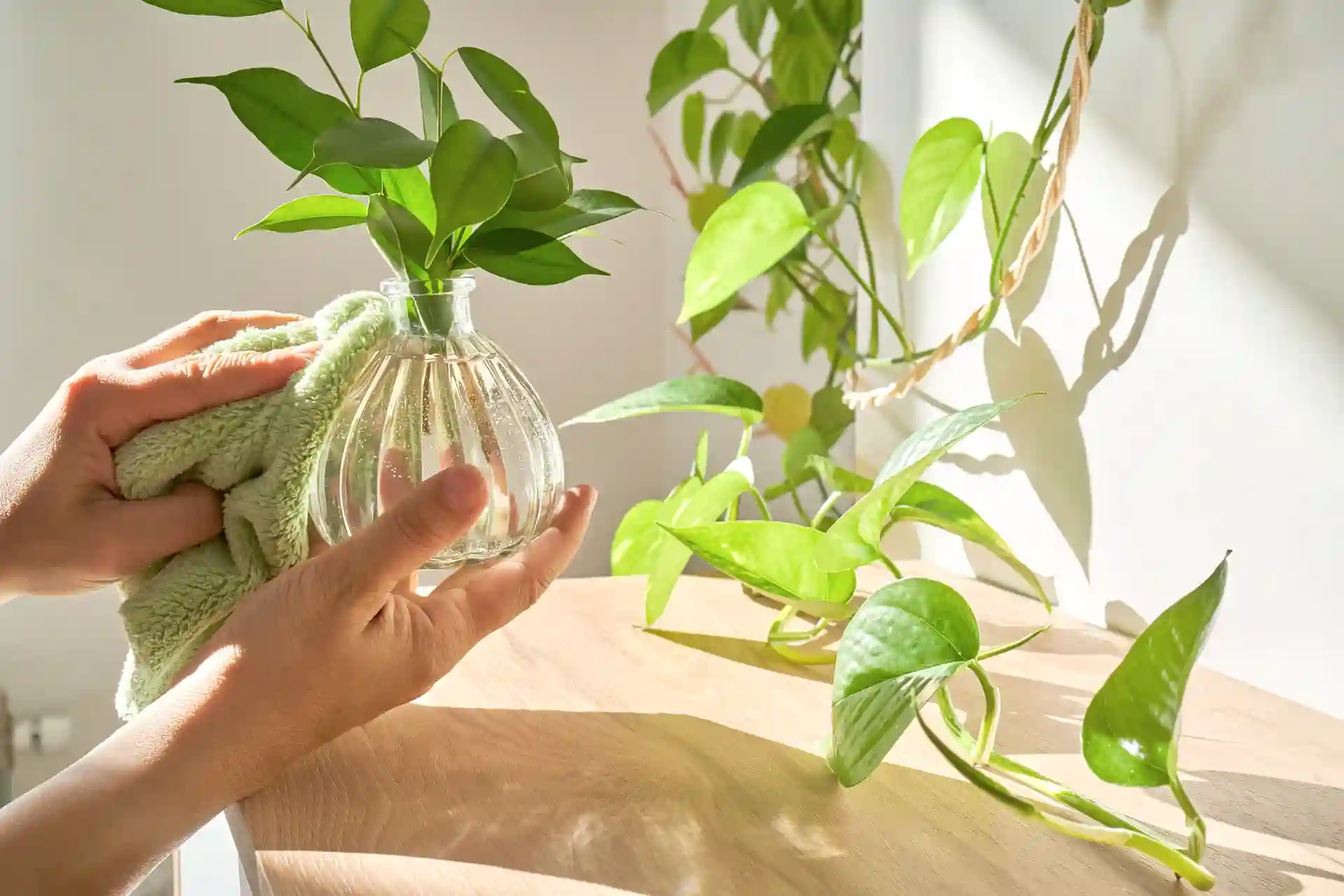
How to Propagate Pothos in Water
Water propagation is the easiest way for beginners to do it. This is how you do it:
- Cut a 4- to 6-inch piece of vine immediately below a node (the little brown bump where leaves originate from) with clean scissors or pruning shears.
- Take off the bottom 1-2 leaves to show the node.
- Put the cutting in a glass of water, making sure that at least one node is below the surface.
- Put the glass in a place where there is bright, indirect light.
- To keep the water fresh, change it every few days.
- In one to three weeks, you’ll see roots coming out of the nodes.
- You can plant the cutting in soil once the roots are 2 to 3 inches long.
Is it possible for a pothos to live in water forever? Yes! A lot of people keep their pothos in water for a long time. Just remember to change the water often and add a few drops of liquid fertilizer every month or so to give the plants the nutrition they need.
Common Problems With Pothos
Even though pothos is a low maintenance plant, you might encounter a few issues. Let’s troubleshoot the most common problems.
Pothos Plant Yellow Leaves Causes
What makes the leaves on my pothos turn yellow?
This is one of the most common queries, and there are a few different things that could be going on:
Most of the time, overwatering is to blame. Roots can’t breathe if the soil gets too wet, which makes the leaves turn yellow. Check your watering schedule and make sure the soil is drying out between waterings.
It’s less common, but not watering enough can also make things turn yellow. It needs a drink if the soil is dry as a bone and the plant looks droopy.
As leaves get older, they naturally turn yellow and fall off from time to time. It’s quite normal if it’s just one or two leaves.
Brown or Crispy Leaf Tips
If the tops of your pothos leaves are turning brown and crispy, it usually implies that the air is too dry or that the plant is getting too much fertilizer. Make the air around the plant more humid, and don’t give it too much fertilizer. If your tap water has a lot of fluoride or chlorine in it, you should convert to filtered or distilled water.
Leggy or Sparse Growth
Is your pothos looking a little melancholy since its stems are lengthy and stretched out, and its leaves are small and far apart? This means that it isn’t getting enough light. What can you do to help pothos grow faster and fuller? Put it in a place with more light (but still indirect light), and think about cutting it back to make it grow bushier.
When you prune, cut slightly above a node. The plant will then send forth new growth from that spot. You can use those cuttings to make the parent plant look fuller or to establish additional plants.
Pests
Pothos plants don’t get pests very often; they can sometimes attract mealybugs, spider mites, or scale insects. If you see these unwanted guests, use a cotton swab dipped in rubbing alcohol to wipe them off, or spray the plant with insecticidal detergent. To stop the spread, keep the infected plant away from other plants.
Just like you have to pay attention to how to protect your outdoor plants from frost, you also have to pay attention to how to maintain your indoor pothos healthy.
Health Benefits of Having Pothos Indoors
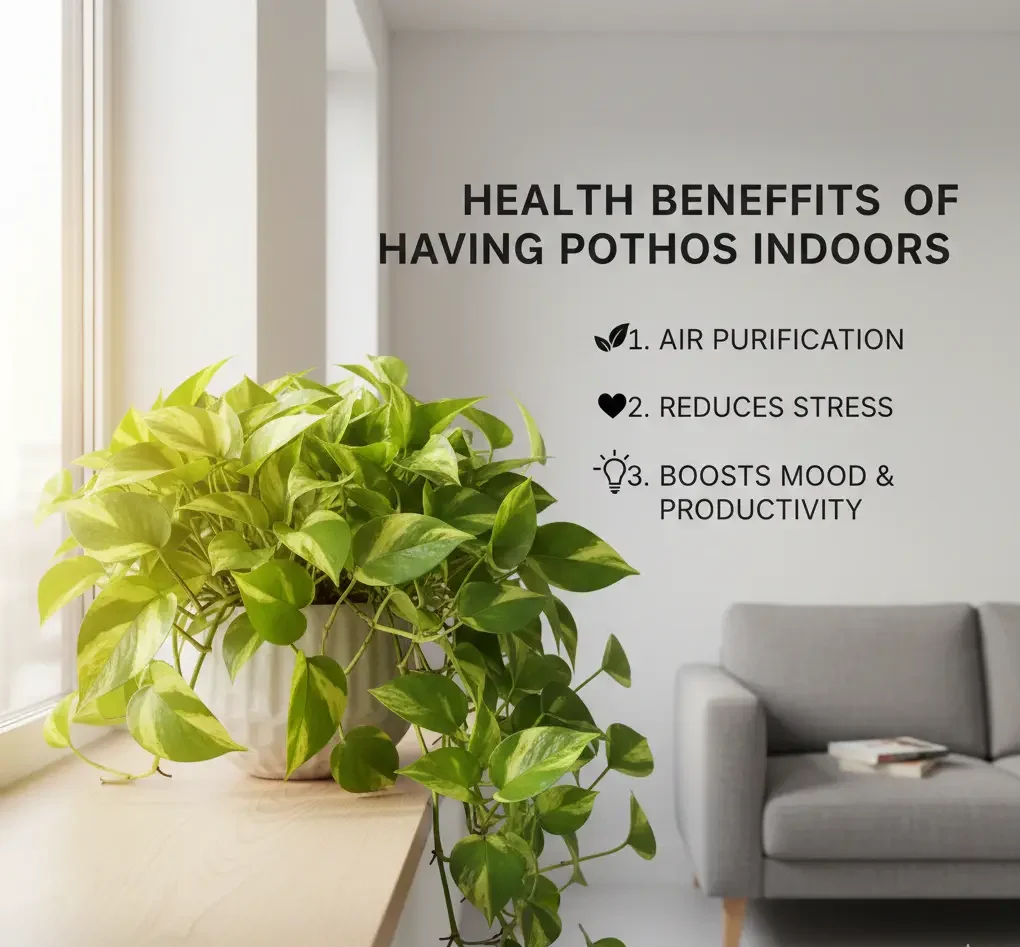
Pothos plants have been shown to improve indoor air quality by filtering toxins like formaldehyde, benzene, xylene, and carbon monoxide. They also add humidity to dry indoor environments and have proven psychological benefits for wellbeing and focus.
NASA’s 1989 Clean Air Study included pothos in its list of air-purifying plants. While the study’s real-world application in typical homes has been debated by later research, the mental health benefits of keeping plants indoors are consistently supported in environmental psychology studies.
Pothos Houseplant Care for Busy Homeowners
For busy homeowners, pothos is the ideal houseplant because it tolerates missed waterings, low light, and fluctuating humidity without dying. Set a weekly check-in reminder, water when the soil is dry, and you’re done.
If travel or a hectic schedule makes plant care difficult, here are a few practical strategies:
Self-watering pots keep the soil consistently moist without any intervention. They work well for pothos as long as you don’t overfill the reservoir.
Terracotta saucers with pebbles and water placed beneath the pot add passive humidity without waterlogging the roots.
Group your pothos with other plants. Plants release moisture through transpiration, so clustering them together creates a more humid micro-environment. Less misting needed.
If you’re going away for two weeks or less, a well-watered pothos in a slightly shaded spot will be just fine when you return.
Many homeowners in Landscaping Maintenance in Whittier also select pothos as an easy way to bring their outdoor plants inside.
Why Choose Us
We at Robert’s Complete Care know that having a beautiful, healthy indoor plant collection is only one part of keeping the atmosphere green and healthy. We are experts in Landscaping Maintenance in Whittier, which means we can help you take care of your outdoor spaces. But it’s important to bring nature inside.
Our staff of plant care professionals is dedicated to making sure that all of your gardening initiatives, whether they’re indoors or outside, go well. We’ve seen how taking care of plants properly, both inside and outside, can change a room and make life better. We’re here to give your landscape the same level of care and attention that we would give our own plants, should you need professional guidance or aid.
Conclusion
Learning how to care for a pothos plant is simple when you understand its basic needs. Pothos may live indoors for years if they get the perfect amount of light, water, and soil that drains effectively, and if you prune them every now and again. This plant doesn’t need much care, so it’s great for novices, busy homeowners, and anyone who wants to enjoy healthy plants without worry. Your pothos will keep growing strong and attractive as long as you keep an eye out for frequent issues like yellow leaves and change how you care for them as needed.
For professional help with plant care, seasonal protection, or complete indoor and outdoor maintenance, get in touch with Robert’s Complete Care. Our staff is always available to help you maintain your plants healthy, colorful, and growing all year long. Contact us today to obtain reliable help from an expert.
FAQs
How often do you need to water a pothos plant?
Water every 7 to 10 days inside, when the top 1 to 2 inches of soil are dry.
Do pothos need to be in the sun or the shade?
Pothos likes bright, indirect light, although it can live in low light too.
Can pothos live in the dark?
Yes, especially green pothos; the growth may slow down.
Why are the leaves on my pothos plant going yellow?
Common causes are too much water, bad drainage, or rapid changes in temperature.
How can you get pothos to grow faster?
During the growing seasons, add more indirect light, prune periodically, and fertilize.