Watering your garden or landscape manually every day is exhausting, and sprinklers that soak everything in sight aren’t always the answer either. If you’ve been looking for a smarter way to water your plants, you’re already halfway to the right solution. What are drip irrigation systems? They’re targeted, low-pressure watering systems that deliver water directly to the root zone of each plant, one slow drop at a time, saving water and improving plant health at the same time.
In this guide, we’ll cover exactly how these systems work, the different types available, honest pros and cons, and how they compare to sprinklers. By the end, you’ll know whether a drip system is right for your yard, and how to get one set up properly.
What Is a Drip Irrigation System? (Drip System Define)
A drip irrigation system is a low-volume watering method that delivers water slowly and directly to the soil at the base of a plant. Instead of spraying water across a wide area, it uses a network of tubes, emitters, and fittings to target each plant’s root zone individually. This reduces water waste and keeps foliage dry, which helps prevent disease.
Think of it like this: a sprinkler is a fire hose, and a drip system is a slow, steady faucet pointed exactly where it needs to go.
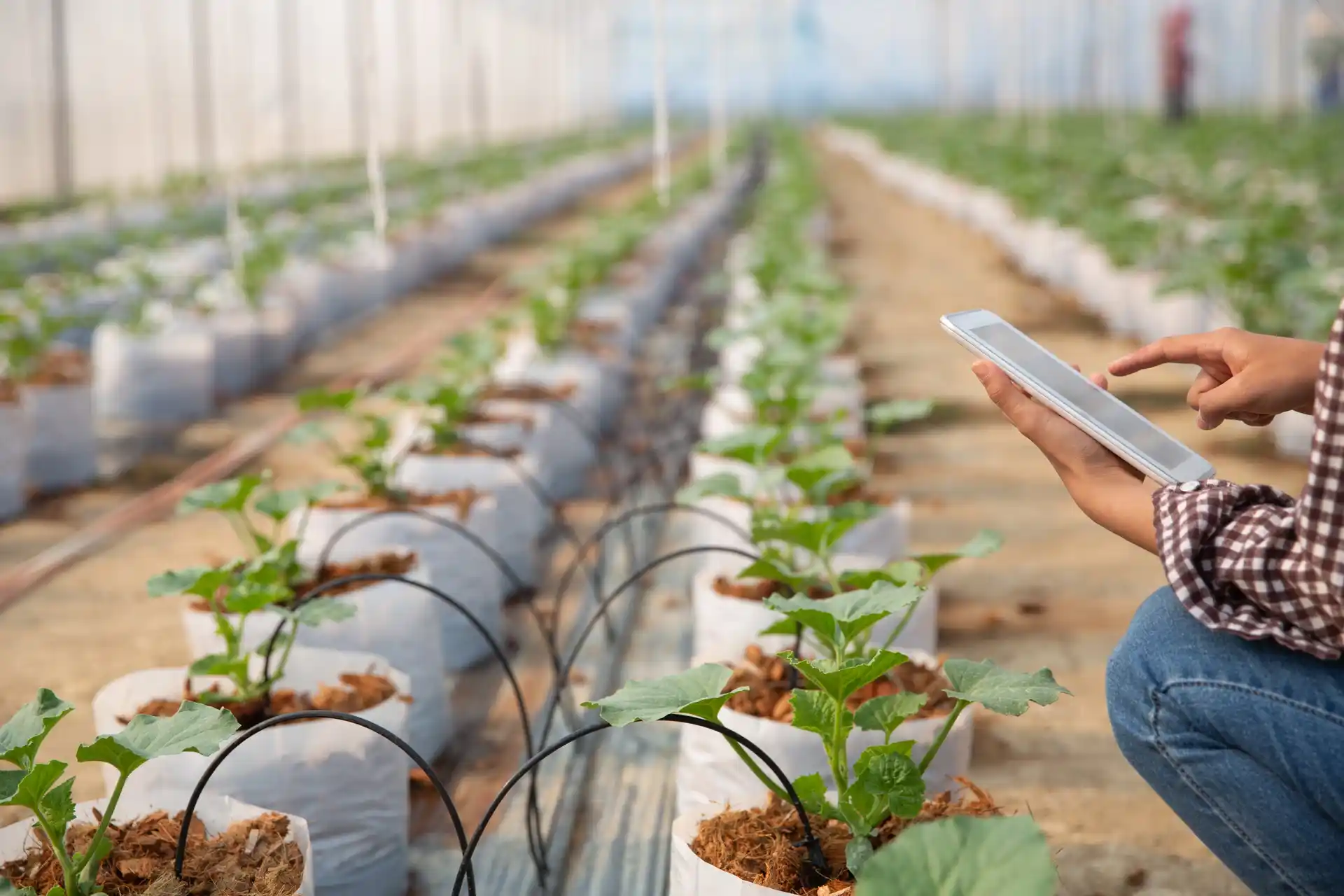
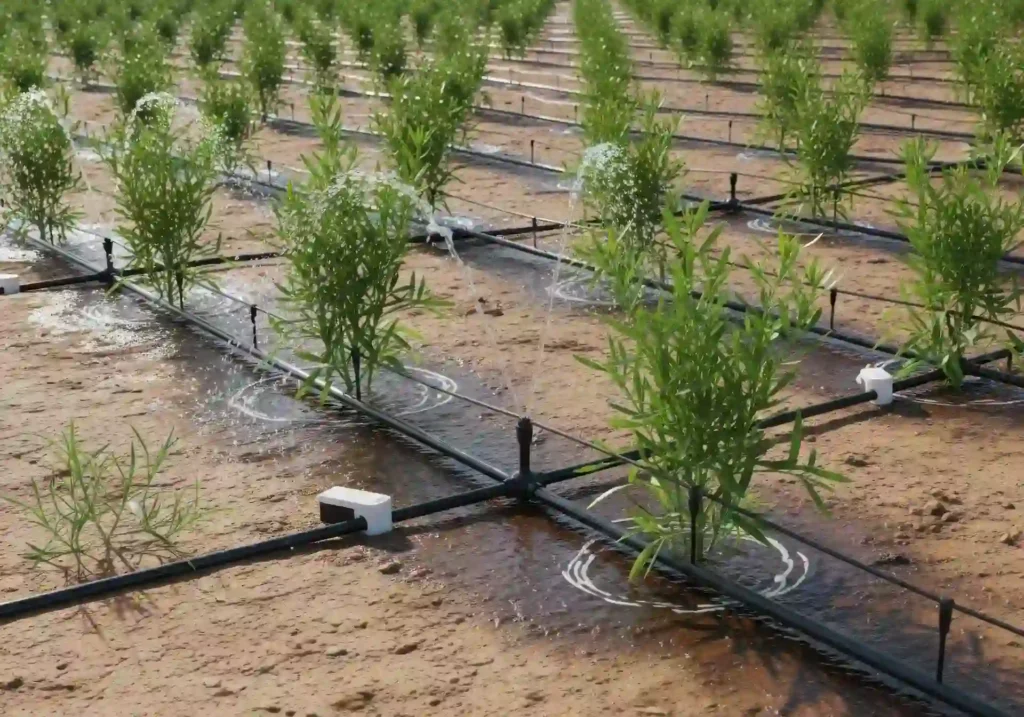
The system typically runs along the soil surface or sits just below it. Water travels from a main supply line through smaller distribution tubes, and then drips out through emitters placed near each plant. The whole thing can be connected to a timer so it runs automatically without you lifting a finger.
How Drip Irrigation Works
Water enters the system from a standard outdoor faucet or a dedicated irrigation valve. It first passes through a filter, which removes debris that could clog the small emitters downstream. Then it moves through a pressure regulator, which drops the water pressure to the 15–30 PSI range most drip systems need.
From there, water flows into the main supply line (usually 1/2-inch polyethylene tubing) that runs through your garden or landscape. Smaller 1/4-inch micro-tubing branches off to individual plants, each ending at an emitter. The emitter releases water at a controlled rate, usually between 0.5 and 2 gallons per hour.
A simple battery-powered timer connected at the faucet automates the whole process. You set it, and the system runs whether you’re home or not.
Pros of Drip Irrigation Systems
Drip irrigation offers some clear, measurable advantages over other watering methods, especially for homeowners trying to conserve water or reduce maintenance time.
Here’s what makes these systems worth considering:
- Water efficiency: Drip systems use 30–50% less water than traditional sprinklers, according to the U.S. Environmental Protection Agency (EPA). Water goes to the roots, not the sidewalk or the air.
- Healthier plants: Wet foliage invites fungal disease. Drip irrigation keeps leaves dry, which means fewer problems like powdery mildew and leaf spot.
- Weed control: Watering only the root zone of your plants means weed seeds in between plants stay dry and are less likely to sprout.
- Flexible installation: You can install a drip system in vegetable gardens, flower beds, container plants, slopes, and even raised beds.
- Automated scheduling: When paired with a timer, you never have to remember to water. It runs on a set schedule whether you’re at work or on vacation.
Reduced runoff: Because water is delivered slowly, the soil absorbs it more effectively. There’s less pooling and runoff, which also means fewer nutrients washing away.
Cons of Drip Irrigation Systems
No system is perfect, and drip irrigation has its limitations too.
- Clogging: Emitters are small, so they clog more easily than larger sprinkler heads. Regular flushing and a good filter help, but it’s something you’ll deal with over time.
- Initial setup time: Installing a drip system takes more planning than staking down a sprinkler. You need to map out your plant layout and cut tubing to size.
- Upfront cost: A complete drip system with a timer costs more at the start than a basic sprinkler setup. However, lower water bills and healthier plants tend to offset that over a season or two.
- Rodent damage: Animals sometimes chew through the soft polyethylene tubing. This is more common in rural areas and can be managed with protective covers or by burying the lines.
- Not ideal for lawns: Drip irrigation works best for defined plant areas. For large turf areas, sprinklers are still the more practical choice.
- Requires maintenance: At the start and end of each season, you should flush the lines, inspect emitters, and check for leaks or damage.
Why homeowners choose drip irrigation and its benefits
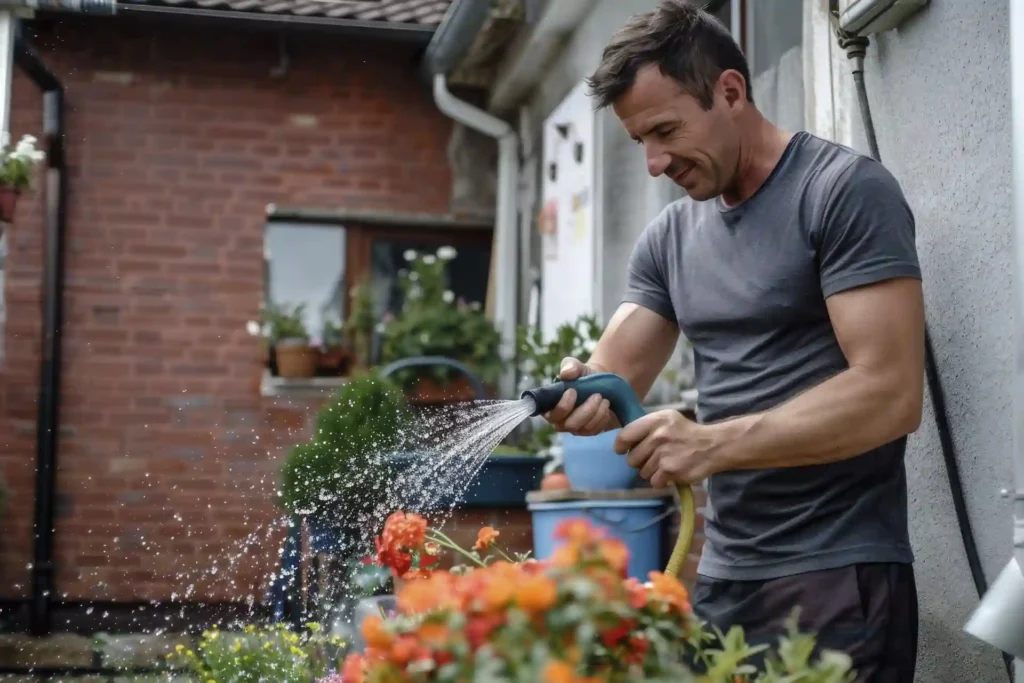
Most homeowners switch to drip irrigation for one of three reasons: their water bill is too high, their plants keep struggling, or they’re tired of spending time hand-watering every other day.
Drip irrigation solves all three. It cuts water use, improves plant health, and runs on autopilot once it’s set up. For homeowners with vegetable gardens or established landscaping, the return on investment is real and comes quickly.
Many cities and counties also offer rebates or credits for switching to water-efficient irrigation. That’s worth checking before you buy anything.
Beyond savings, there’s a consistency benefit that’s hard to replicate with a hose. Plants respond well to regular, predictable watering schedules. A drip system on a timer delivers that every single day without variation.
4 Types of Drip Irrigation Systems
Not all drip systems are built the same. Here are the four main types you’ll come across:
1. Surface Drip Irrigation
This is the most common type for home gardens. Tubing and emitters sit on top of the soil, usually covered by a layer of mulch. It’s easy to install, inspect, and adjust. Most DIY drip kits sold at hardware stores are surface drip systems.
2. Subsurface Drip Irrigation (SDI)
The tubing is buried 2–6 inches below the soil surface. Water is delivered directly to the root zone underground. This type reduces surface evaporation even further and protects the tubing from UV damage and foot traffic. It’s more work to install but more durable long-term.
3. Micro-Spray or Mini-Sprinkler Systems
These aren’t technically “drip” in the traditional sense, but they’re part of the same low-volume irrigation family. Instead of a single-point emitter, they spray a small area (usually 2–4 feet in diameter). They’re often used for groundcovers, shrubs, and densely planted beds where individual emitters aren’t practical.
4. Soaker Hose Systems
A soaker hose is a porous tube that sweats water along its entire length. It’s a simpler, cheaper alternative to a full drip system and works well in vegetable rows or along hedge lines. It’s less precise than emitter-based drip irrigation but far easier to set up.
Drip Irrigation vs Sprinkler Systems
Many homeowners ask about drip irrigation vs sprinkler systems.
| Feature | Drip Irrigation | Sprinklers |
| Water efficiency | Very high | Moderate |
| Water waste | Low | Higher |
| Weed control | Excellent | Limited |
| Best use | Gardens, landscaping | Lawns |
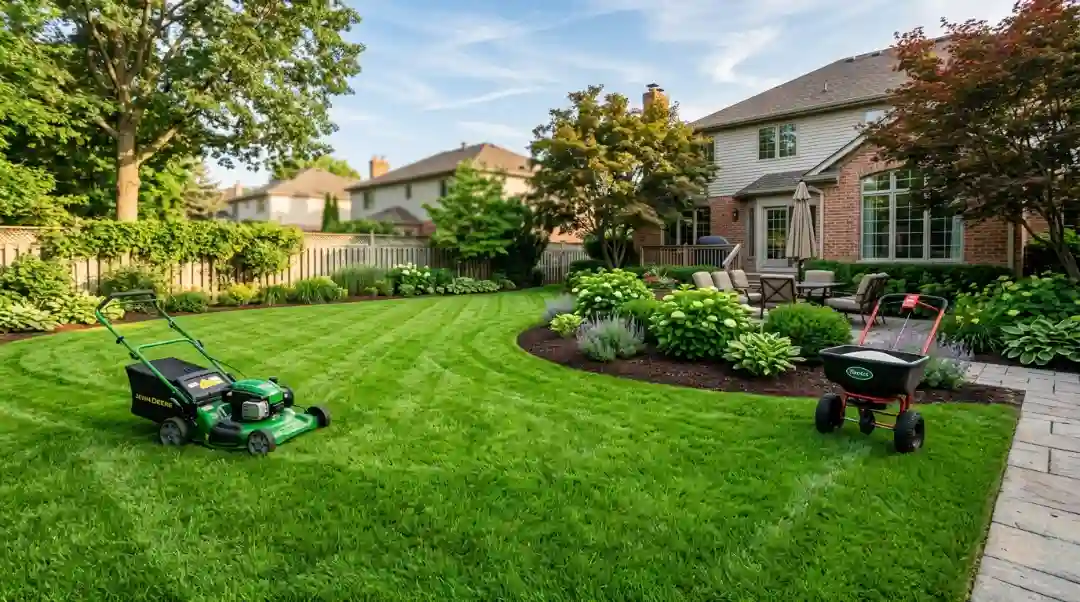
Drip irrigation gives you more control, but sprinklers are excellent for grassy areas.
Installing and Maintaining a Drip Irrigation System
How to Install Drip Irrigation
The first step in setting up a drip irrigation system is to plan where everything will go based on the needs of the plants. After that, connect a filter and a pressure regulator, lay tubing close to the roots of the plants, add emitters, and test the system to make any changes. Professional irrigation installation helps make sure that complicated landscapes are designed correctly and will work well for a long time.
Maintenance Tips for Drip Irrigation Systems
Your drip system will operate better if you take care of it regularly. As the seasons change, you should clean the filters often, check the emitters for clogging, look for leaks in the tubing, and modify the water flow. Simple maintenance can help your system last longer and stop water from going to waste.
What Size Drip System Do You Need?
This is a question a lot of people overlook until they’re already knee-deep in tubing.
For a small vegetable garden (up to 200 square feet), a basic kit from the hardware store is enough. For larger landscape areas or multiple garden zones, you’ll want a multi-zone setup with an automatic controller.
The key numbers to keep in mind:
- Emitter flow rate: Match it to your plant’s water needs. Succulents do fine with 0.5 GPH emitters. Tomatoes and squash may need 1–2 GPH.
- Tubing run length: Don’t run a single line longer than 200 feet without checking the pressure loss calculations. Long runs lose pressure, which means uneven watering at the far end.
- Zone capacity: Each zone should have a total flow rate that doesn’t exceed 75% of your water supply’s capacity.
Is it worth it to use drip irrigation?
For most types of landscapes, drip irrigation is a good investment. Even though the initial cost may be higher than that of typical watering systems, the long-term savings on water bills and the better health of the plants generally make up for the price. Drip irrigation is very useful in places where water is scarce or where water use is very important.
Drip Irrigation for Specific Applications
Vegetable Gardens
Drip irrigation is ideal for vegetables. Row crops like tomatoes, peppers, cucumbers, and squash all benefit from consistent root-zone moisture. It also keeps the soil surface drier, which reduces slug and snail pressure.
Raised Beds
Raised beds drain faster than in-ground beds, which means they need more frequent watering. A drip system on a timer handles this automatically and prevents the soil from drying out between manual watering sessions.
Slopes and Hillsides
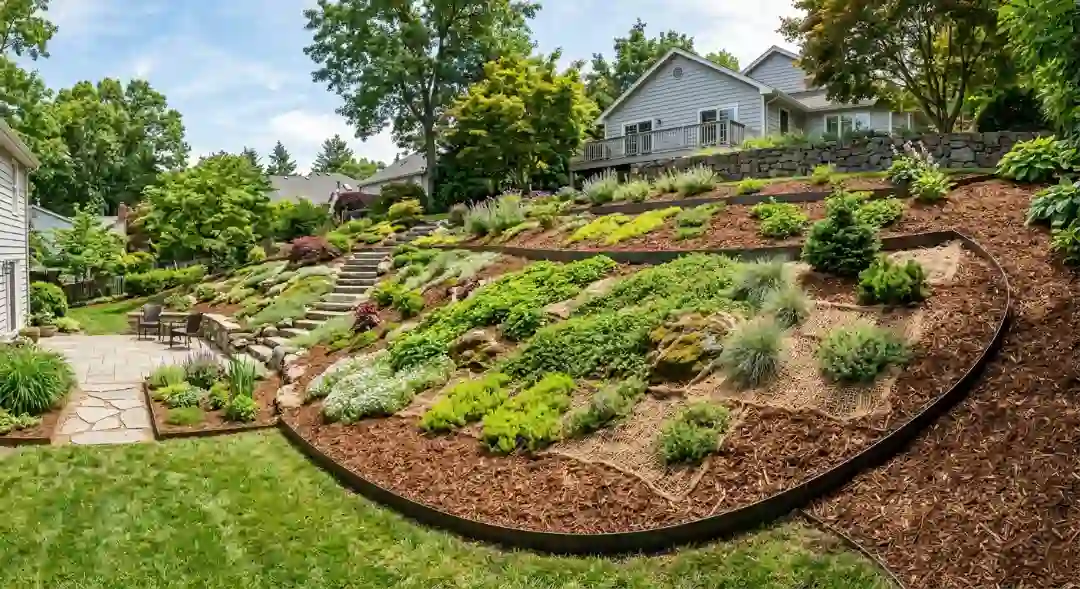
Sprinklers on a slope often create runoff before the water soaks in. Drip systems deliver water slowly enough for even steep slopes to absorb it. This is one of the best use cases for drip irrigation in residential landscaping.
Container Plants
Drip systems can be set up for containers using individual emitters per pot. This is especially useful for patios or decks where containers are grouped together.
Why Choose Us
We at Robert’s Complete Care know how crucial it is to water your plants correctly to keep them healthy. Our team builds and puts in place solutions that are specific to your property and work well. We offer professional Irrigation System Services in Whittier that save water and protect your investment.
We also suggest that you read our article on What Is a Irrigation System? to learn more about how different watering systems operate together in modern landscaping.
Conclusion
If you know what are drip irrigation systems, you can make better choices for your landscape. These systems are a great solution for gardens, shrubs, and modern landscapes since they water plants more efficiently, keep them healthier, and save water in the long term. Drip irrigation is good for the environment and saves money on water and continuing expenditures if it is designed, installed, and maintained correctly.
If you want to install or upgrade a drip irrigation system and need help from a professional, contact us immediately. Our team is ready to help you pick the best option for your property and make sure your irrigation system functions well for many years to come.
FAQs
How does drip irrigation work?
Drip irrigation sends water directly to plant roots using tubes and emitters at a slow, steady rate.
What are the good things about drip irrigation?
It keeps the soil from eroding, saves water, makes plants healthier, and cuts down on weeds.
What are the downsides of drip irrigation?
More expensive to buy and needs regular maintenance.
Is the cost of drip irrigation worth it?
Yes, especially in gardens and other areas with landscaping where water efficiency is important.
What do you do to keep a drip irrigation system working?
Check the filters, emitters, and tubing, and make seasonal adjustments.