What Is Landscape Horticulture? Guide by Robert’s Complete Care
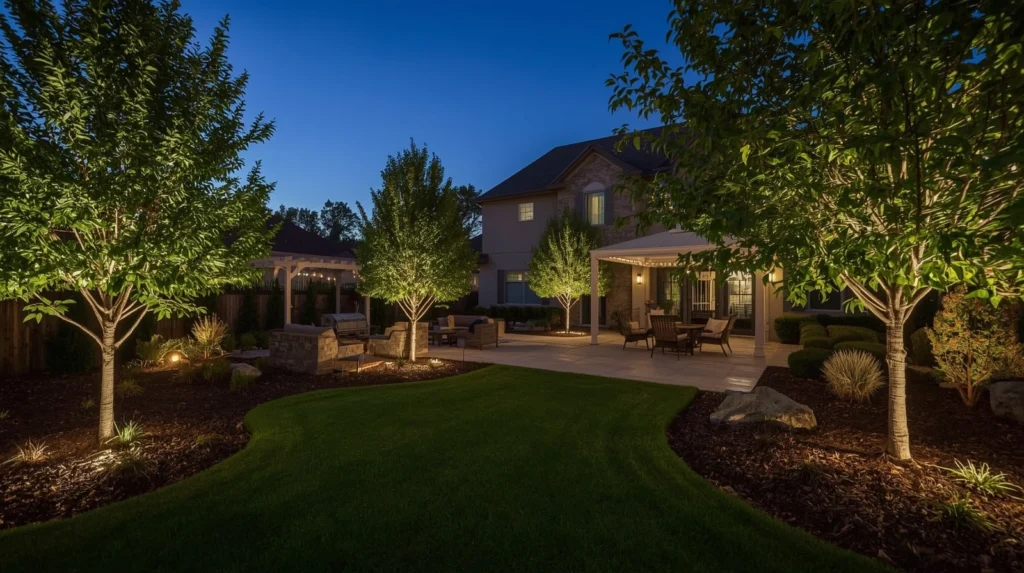
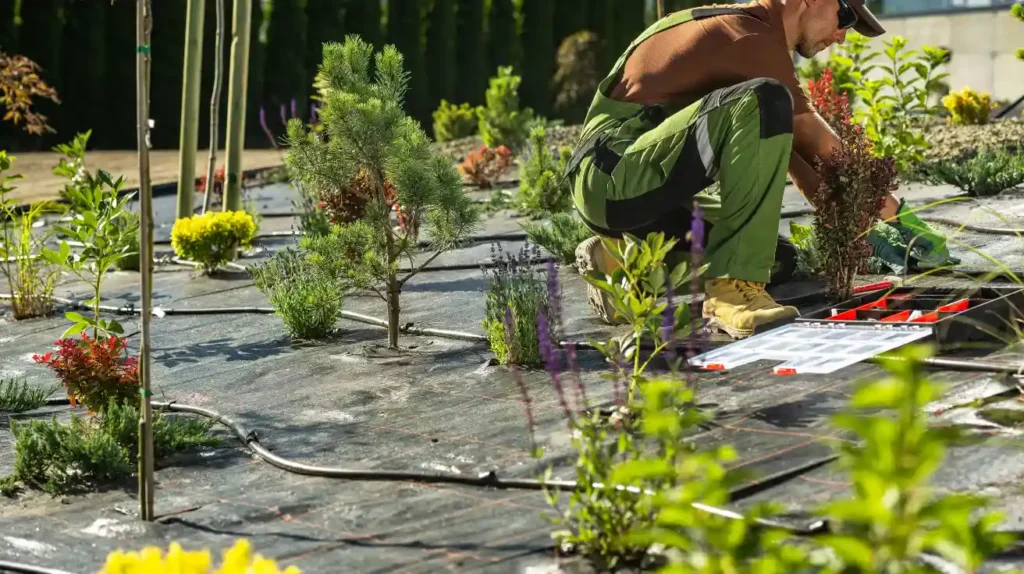
Have you ever walked through a park or garden that was wonderfully landscaped and thought about how nature and art fit together so well? Landscape horticulture is all about finding the right mix of plants, design, and structure. But what is landscape horticulture, really? Landscape horticulture is the study of plants and design that come together to make outdoor areas that look great, last a long time, and work well. We use this technology at Robert’s Complete Care to turn ordinary outdoor spaces into beautiful places that make homes, neighbourhoods, and businesses better. Understanding: What Is Landscape Horticulture? At its most basic level, landscape horticulture is the art and science of growing, arranging, and caring for plants in outside areas. It is more than just planting trees or flowers; it is about designing, installing, and maintaining landscapes to make them look good, work well, and be good for the environment. This field combines aspects of horticulture, which is the study of growing plants, and landscape design, which is the study of making outdoor places that work well together. Together, they make up the basics of horticulture and landscape management, which help homes and businesses grow all year round. Key Components of Landscape Horticulture Plant Selection and Cultivation: Choosing the right plants for specific climates, soil conditions, and design goals. Landscape Design and Planning: Creating a layout that balances visual appeal, accessibility, and sustainability. Soil and Water Management: Ensuring healthy growth through proper irrigation systems and soil conditioning. Maintenance and Care: Regular pruning, fertilization, and pest management for long-term landscape health. Environmental Sustainability: Implementing eco-friendly practices like drip irrigation and native plant landscaping. At Robert’s Complete Care, we emphasize sustainable and modern approaches that bring both beauty and ecological balance to every project. Our team offers modern landscape design services in Whittier, helping homeowners and businesses achieve landscapes that thrive naturally. The Connection Between Horticulture Landscaping and Design Horticulture landscaping is more than just gardening; it’s a carefully planned process that combines knowledge of plants with design. Every choice, from where to put the plants to how to light the room, changes how it feels and works. It becomes a creative science when you combine it with landscape design and gardening. The proper colours, textures, and layouts of plants may make a garden feel warm, serene, or lively. Why Design Matters in Landscape Horticulture Creates Visual Harmony: Strategic design ensures plants, structures, and pathways flow naturally. Improves Functionality: Proper planning allows for easier maintenance and long-term sustainability. Enhances Property Value: Professionally designed landscapes can increase property worth by up to 20%. For example, a well-thought-out front yard featuring native shrubs, decorative stones, and efficient irrigation doesn’t just look beautiful it also reduces water use and maintenance costs. That’s the power of combining horticulture landscaping with expert design. Horticulture & Landscape Architecture: The Artistic Science Horticulture and landscape architecture are two fields that require both creativity and technical skill. Landscape architects use their knowledge of plants and ecosystems to make landscapes that not only look great but also work well. These experts need to know everything from the makeup of the soil to the microclimates to make sure that every plant and structure fits in with its surroundings. Landscape architecture makes a space feel balanced between natural and artificial design, whether it’s a backyard, a public park, or a commercial plaza. Examples of Horticulture & Landscape Architecture in Action Urban Green Spaces: Designing parks and community gardens that improve air quality and well-being. Sustainable Campuses: Integrating native plants to reduce water use and support local wildlife. Outdoor Living Areas: Creating patios, walkways, and gardens that encourage outdoor gatherings. At Robert’s Complete Care, our landscape professionals use these principles to design outdoor spaces that are both beautiful and environmentally responsible reflecting the very best of horticulture and landscape management. Landscape Horticulture Education: Exploring a Landscape Course Suppose you want to work in this profession. In that case, taking a landscape course or a horticultural landscaping program is a fantastic place to start. These classes include both the science and art of landscaping, from identifying plants to design concepts and protecting the environment. What You Learn in a Landscape Course Plant Science & Propagation: Understanding how plants grow and how to maintain them. Landscape Design Principles: Learning how to plan and draw outdoor layouts. Irrigation & Soil Management: Techniques for efficient water use and healthy soil maintenance. Pest & Disease Control: Managing plant health without harming the environment. Project Planning & Maintenance: Executing and sustaining landscape projects professionally. Graduates can work in landscaping companies, botanical gardens, or as independent designers. Many successful experts, like those at Robert’s Complete Care, have blended formal education with hands-on experience to deliver exceptional landscaping results. The Role of Horticulture and Landscape Management Horticulture and landscape management ensure that landscapes stay beautiful and functional long after they’re created. It’s not just about planting it’s about long-term care and maintenance. Key Aspects of Landscape Management Irrigation System Maintenance: Regularly checking and optimizing water systems for efficiency. Seasonal Planting: Replacing and rotating plants based on seasonal needs. Pest and Weed Control: Using eco-friendly solutions to protect plants and soil health. Soil Fertility Management: Maintaining nutrient-rich soil for continuous plant growth. In climates like Whittier’s, where heat and dryness can be hard on even the healthiest plants, it’s very important to take care of the landscape properly. That’s why homeowners often turn to professionals like Robert’s Complete Care, who provide expert solutions and modern landscape design services in Whittier that keep outdoor spaces thriving year-round. Why Landscape Horticulture Matters Landscape horticulture plays a vital role in today’s world environmentally, socially, and economically. It’s not just about aesthetics; it’s about creating harmony between humans and nature. Environmental Benefits Reduces air pollution and heat through strategic planting. Promotes biodiversity by using native plant species. Improves soil and water conservation. Social & Economic Benefits Enhances property appeal and market value. Encourages outdoor activities and community interaction. Provides green jobs and supports local economies. By
What Is Landscape Horticulture? Guide by Robert’s Complete Care Read More »