
Landscape Design

Explore expert tips and inspiration on creating custom landscape designs for front yards, backyards, and full outdoor transformations.

Top 10 Landscaping Trends in 2025

Top 10 Landscaping Trends in 2025 for Modern Homes – Sustainable & Stylish Ideas

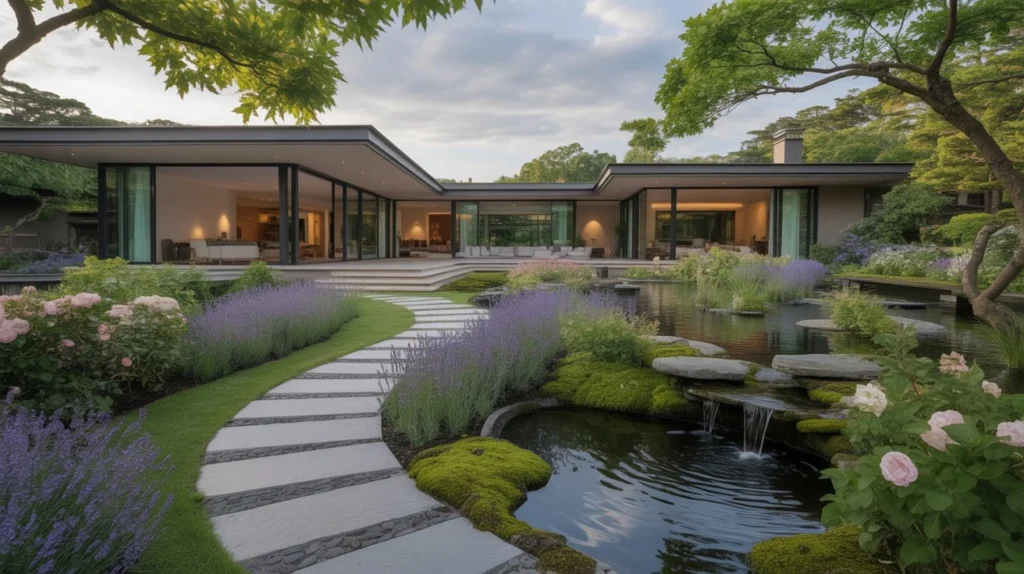
Landscaping is more than just about making your outdoor space look pretty. In 2025, it’s all about sustainability, functionality, and design elements that merge effortlessly with modern architecture. Whether you have a sprawling backyard or a compact front yard, these landscaping trends are transforming how we connect with nature in our homes. Let’s dive into the Top 10 Landscaping Trends in 2025 for Modern Homes and see how these ideas can bring your outdoor spaces to life. 1. Sustainable Landscaping Practices As eco-consciousness continues to grow, sustainable landscaping has become one of the top priorities for homeowners. More and more people are looking to reduce their environmental impact by using drought-resistant plants, xeriscaping, and eco-friendly materials. These sustainable practices not only save water but also minimize the use of harmful chemicals in your garden. Eco-friendly designs don’t have to be expensive. Check out our guide on how much does landscaping cost to plan your sustainable upgrade wisely. 2. Native Plants Are Taking Over Native plants have been gaining popularity, and in 2025, they’re expected to dominate the landscaping scene. By using plants that naturally thrive in your region, you’ll not only reduce the need for maintenance but also create a habitat for local wildlife. Whether it’s wildflowers, grasses, or shrubs, native plants are perfect for homeowners looking to enhance their yard’s biodiversity. 3. Outdoor Living Spaces In 2025, outdoor living spaces are no longer just a luxury; they’re essential. People are investing more in creating functional and stylish outdoor areas that feel like an extension of their homes. Think cozy patios, fire pits, comfortable seating, and well-designed kitchens. These areas serve as the perfect spot for entertaining friends or simply unwinding after a long day. 4. Smart Technology in Landscaping Technology continues to evolve in landscaping, with smart irrigation systems, automated lighting, and even robotic lawnmowers becoming more common. These innovations save time and energy, allowing you to enjoy a beautifully maintained yard without the hassle. In 2025, integrating these technologies will be essential for modern homes, offering both convenience and efficiency. 5. Minimalistic Design Minimalism is not just a trend in interior design but also in landscaping. The focus in 2025 is on clean lines, simple layouts, and low-maintenance plantings. Modern homeowners are choosing sleek designs that allow for easy upkeep while still offering a beautiful, tranquil environment. Think geometric garden beds, simple stone paths, and carefully placed plants. 6. Vertical Gardens and Green Walls Space is becoming more of a premium, especially in urban areas. To make the most of smaller yards or apartment terraces, vertical gardens and green walls are a great option. These structures allow homeowners to grow plants vertically, creating a lush green environment in areas where horizontal space is limited. In 2025, these living walls will be a key feature in many modern landscaping designs. 7. Water Features with a Purpose Water features, like fountains or small ponds, are no longer just decorative; they now serve a more practical role. In 2025, homeowners are opting for water-efficient features that can help with irrigation or even be used to filter rainwater for garden use. These eco-friendly water features combine aesthetics with sustainability, creating a calming atmosphere while reducing water consumption. 8. Edible Landscaping The edible landscaping trend is not new, but it’s definitely growing in popularity. People want to transform their outdoor spaces into areas that provide fresh produce, whether it’s herbs, fruits, or vegetables. This trend is especially relevant in 2025 as more homeowners prioritize growing their own food. Imagine having a beautiful garden filled with edible plants that also provide you with fresh ingredients for your meals. 9. Natural Materials Over Synthetic In 2025, natural materials are taking center stage. Homeowners are moving away from synthetic options like plastic turf and opting for organic materials like wood, stone, and gravel. These materials are not only more sustainable but also blend seamlessly with the environment, creating a more harmonious outdoor space. Whether it’s for pathways, garden borders, or furniture, natural materials are the go-to choice for landscaping in 2025. 10. Low-Impact, Wildlife-Friendly Landscaping Finally, there is a growing shift towards landscaping that encourages biodiversity. Homeowners are designing their outdoor spaces to support local wildlife by planting pollinator-friendly flowers, creating birdhouses, and incorporating other elements that attract insects, birds, and small animals. This low-impact, wildlife-friendly approach not only enhances your garden’s beauty but also plays a critical role in preserving local ecosystems. Conclusion The Top 10 Landscaping Trends in 2025 for Modern Homes clearly show a shift towards eco-conscious, functional, and minimalist designs. Whether you’re embracing native plants, installing smart systems, or designing an outdoor kitchen, there’s no better time than now to rethink your landscaping approach. Modern homes are evolving, and your outdoor spaces should reflect that transformation. By adopting some of these trends, you’ll not only improve the look and feel of your home but also contribute to a more sustainable and enjoyable environment for years to come. Transform Your Landscape in 2025 Upgrade your outdoor space with sustainable, stylish, and modern landscaping solutions tailored for your home. Call (562) 208-0148  Get Landscape Design Services

Top 10 Landscaping Trends in 2025 for Modern Homes – Sustainable & Stylish Ideas Read More »
how much does landscaping cost

How Much Does Landscaping Cost? | Average Pricing Guide for Landscaping Services

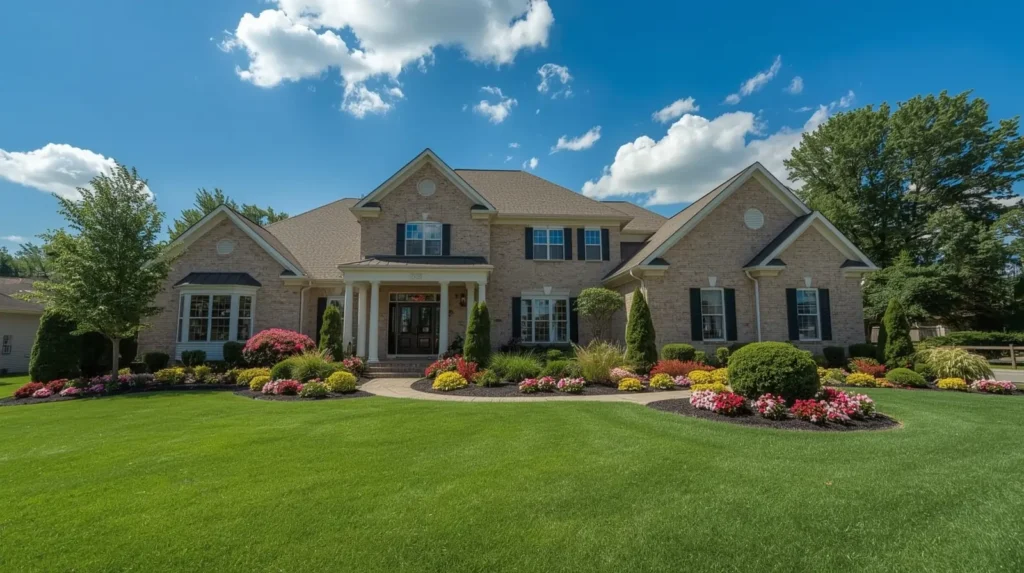
Last spring, my yard looked like a wild jungle if I’m being honest. Overgrown grass, decrepit bushes, nothing but dirt. So I did the usual: I called over three landscapers to come help me out. The first guy gave me a bid of $2,100. The second was $800. The third was for $4,500. I didn’t know what was fair. That’s when I started really looking into how much does landscaping cost and decided there’s no one answer. Landscaping costs vary widely, and if you don’t know what the numbers represent, you could end up paying too much — or too little and wishing later you’d paid more. Average Landscaping Cost: Why the Numbers Vary So Much The majority of the landscapers I have talked to have said that the typical landscaping cost for a non-custom, average-sized home ranges from the low end of $1,400 to the high end of $3,650. But that range means almost nothing without context. Basic sort of clean or little deck can be $800 to $1,200. Tree removal alone can reach $2,000. A full yard makeover? Oh that’s $5,000 and definitely upwards. Every quote will be influenced by the size of the project, the time and materials that are required, and the complexity of your yard. What’s Really Eating Your Landscaping Budget Here’s the part that most people don’t realize: labor is the largest cost. Typically, landscaping labor costs account for 70 to 80 percent of the total bill, rather than plants and materials. A small crew of two workers can charge $50–$100 per hour and can accumulate: $400–$800 in labor every day $2,000+ in just a few days And that’s why even “simple” projects can add up in no time. Landscaping Cost Breakdown: Labor vs Materials Here’s a landscaping cost breakdown that’s more realistic based on what I learned: Labor: 70–80% Plant and materials: 20–30% Plants can actually be less expensive than you think. It’s the time, the expertise, and the manual labour that makes things expensive. Landscaping Cost Per Square Foot Explained Some landscapers calculate the cost of projects by the landscaping square foot price, which, I found helpful. Typical pricing: $4 to $12 a square foot To give an example: 1,000 sq ft × $8 = $8,000 total This approach is clear and straightforward, so it’s particularly effective for high-budget projects where you don’t want to be left wondering what you are exactly paying for. Other contractors opt for flat-rate pricing, in which they come to your yard and give you an overall figure. This works best for complex or custom jobs. Residential Landscaping Pricing for Small Yards Here is something surprising: per square foot small yards are frequently more expensive. My front yard is about 500 square feet. I got quotes ranging from: $800 for the basics sod and mulch $2,200 for intricate, exact work One contractor said small spaces are no place for error. It all needs to be perfect which leads to further labor. Typical costs for residential landscaping: Small front yard: $500–$2,500 Back yard projects: $800–$3,500 The upside? Smaller yards usually get finished faster. Landscape Design Costs: The Hidden Expense I didn’t see this part coming. Many landscapers charge extra for designing. Landscape design fees vary widely, depending on the community and complexity of the project: $75–$150 per hour $1,900–$6,800 for full plans Sometimes free (with plant markup) Design services can be something as simple as a consultation, or can involve detailed blueprints with specifically mapped plant placement, drainage and materials. I initially thought design was an unnecessary expense-until I found out how much money poor planning wastes. Improper drainage, bad plant selections, and design errors are much more expensive to correct down the road. Robert Complete Care also offers landscape installation services in Whittier including design consultations, which can save thousands up front. What Specific Landscaping Services Actually Cost These are a few real-world numbers I rounded up: Lawn mowing and cleanup: from $150 to $350 for each visit. Lay new sod: $1-$2 per sq ft. Mulch: $75-$200 a yard in volume. Shrubs: $25 to $150 each. Trees: $700 to $1,000 installed. Patios and walkways: $50 and $100 per square foot. Sprinkler systems: $2,500 to $5,000. Ditch irrigation range:300-800 per zone. Now that explains why my quotes were so different — each contractor was quoting me on a completely different job. 8 Real Ways I Saved Money on Landscaping Here’s what actually worked: Finished the job in increments rather than all at once Used native plants that required less water and attention Purchased smaller plants that mature over time Passed on paying for a professional design for a straightforward job Did some of the work myself planting and mulching Recycled materials we already had, like bricks and stone Received multiple quotes to find the outliers Teamed up with your accountant to ensure that certain costs involved with the plants were taken care of when it made sense to buy them yourself. Each time, I was whittled down by hundreds from my final bill. You may read Does Landscaping Increase Home Value? What Factors Change Landscaping Costs the Most If you’re trying to figure out how much does landscaping cost, these are the things that matter most: Yard size Existing conditions (grading, drainage) Materials selected Difficulty of the project Location (California is more expensive than rural areas) Time of Year (Spring/Summer is more expensive than Fall/Winter) Even the timing of your project could save you money — contractors tend to be more negotiable in the off-season. Why Quality Installation Is Worth Paying For Poor landscaping can be a false economy and end up costing you more. Good contractors: Understand drainage Select the right plants Construct buildings properly Stand behind their work Robert Complete Care is all about the right installation in Whittier, That means your landscapes last years — not months. Additional Costs No One Tells You About Extra Costs Nobody Warns You About Watch out for: Permits: $20–$700 soil tests: $15–$100 Site cleanup: $1,150–$3,680 Debris hauling Water features: $2,000–$30,000 They add up if you’re not planning ahead. Ongoing Maintenance Costs Most homeowners spend the following after installation:  From $200 to $300 a month to maintain it Or acquire money to purchase time by doing it yourself. Landscaping is a recurring expense, not a one-and-done. Final Thoughts: So, How Much Does Landscaping Cost? Landscaping costs between $1,400 and $3,650 for most homeowners, but it varies by yard size, materials, design, and location. Start with a clear budget, know what you want, and get multiple quotes — because

How Much Does Landscaping Cost? | Average Pricing Guide for Landscaping Services Read More »