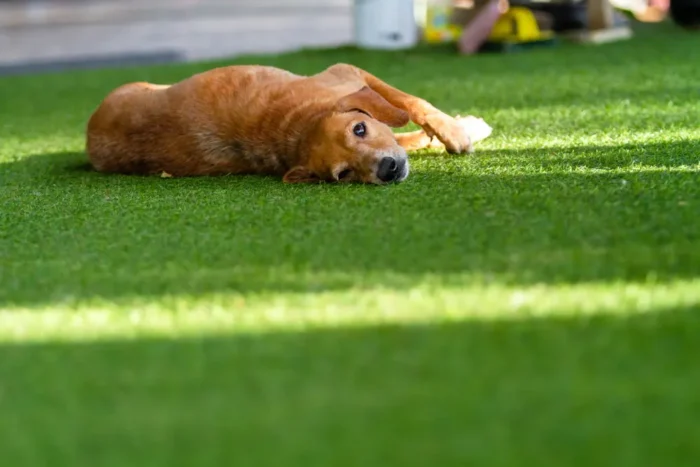
Dog owners know that a clean, safe, and durable outdoor space is a must. Many homeowners today are opting for the practicality and longevity of artificial grass. But the question is often asked: Is artificial turf good for dogs? The answer is yes — when installed properly and selected with appropriate features, artificial grass is a very pet-friendly option. It delivers a comfortable playing surface, is built to withstand high traffic, and helps reduce mud, odors, and maintenance headaches. This guide covers everything you need to know — including safety, benefits, maintenance, and how to select the best one for your home.
Table of Contents
ToggleWhy Dog Owners Consider Artificial Turf
Artificial turf is popular with pet owners now because it is more durable and easier to clean. Traditional turf grass is often challenged by the digging, urine spots, heavy traffic, and weather fluctuations. Dogs can do a number on natural grass, creating bare dirt patches and uneven ground. Meanwhile, artificial turf remains green all year long, resists wear and tear from active play, and simplifies yard work.
Another big reason why people are interested in synthetic grass is to cut down on mud and mess. Soft, muddied spots in natural lawns can be created by rain and watering. Dogs stroll or play in these places, and then they bring the dirt into your home. For artificial turf, drainage systems allow the surface to stay dry, so you’re not dealing with muddy footprints.
Is Artificial Turf Safe for Dogs?
The safety is highest for the pet owners, and the good news is that artificial grass for pets is non-toxic. Most contemporary products are left with no poisonous chemicals, no lead, and no allergens. When you buy dog-safe artificial turf, you’re providing your pets with the most comfortable and clean environment possible to play on.
Under-turf infill is another significant safety component. There are also a number of pet-friendly infill products available, which help reduce odors and allow for better drainage. These products are also dog safe to walk, roll, and play on. If you are opting for high-quality turf material and a top-notch installation process, then there is no reason why your pets will not be safe or happy on artificial grass.
Benefits of Artificial Turf for Dogs
There are many benefits of installing synthetic grass for dogs and pet owners in general. The power of benefits of artificial turf for dogs can influence your decision on whether or not it’s the right option for your yard.
1. No More Mud or Mess
One of the greatest benefits is that you don’t have any mud anymore. Dogs can run around outside in the rain, and your home is much cleaner for it. Synthetic grass prevents puddles, dries up quickly, and is smooth year-round.
2. Durable Enough for Heavy Use
Dogs love to run, dig, play, and explore. Natural grass is also susceptible to rips and bare patches. Synthetic grass has much more durability and can stand constant running without turning your garden into a mud pit.
3. Reduced Odor
A lot of the artificial grass for dogs types have drainage layers and odor-resistant infill. They work to digest pet urine and reduce the odors in your yard. When properly maintained, it makes your turf smell fresh.
4. Comfortable for Paws
The turf is soft and cushioned. The new turf feels more like real grass than the old one. Dogs can comfortably walk on them, lie down on them, and even play on them.
You may read How to Clean Artificial Turf?
Choosing Pet-Friendly Turf for Your Yard
Not all artificial grass is created equal. To keep your yard safe and comfortable, you need to purchase pet-friendly turf that is made for dogs.
Pile Height and Thickness
Pet turf is often a smaller pile size for easier cleaning and greater durability. There is also a need for a thicker turf as it endures frantic activity and motion.
Strong Backing Material
Select a high-quality, dense artificial grass that has a tightly woven, strong, and permeable backing to allow quick drainage. Backing quality impacts the performance of the turf in dealing with urine and rainwater.
Safe, Non-Toxic Materials
Always make sure that the turf has no toxic substances in it. High-grade goods are designed with pets and children in mind.
Pet-Specific Infill
It makes turf stay in place and look natural, but regular infills could retain odor. Infills for pets contribute to reducing odours and increasing airflow.
Installation Considerations for Dog Owners
Installation is as important as the quality of turf. Quality workmanship leads to durability, ease of maintenance, and long-term performance.
Strong Base Layer
A solid base is essential to keep the ground from sinking and getting bumpy. For busy dog-laden yards, they often install crushed rock that has been compacted.
Effective Drainage System
Dogs urinate outside often, so drainage is vital. A good system drains away water and reduces odor buildup, making your yard cleaner.
Secure Edges
Dogs sometimes try digging on natural lawn edges. Professional installers will securely fasten the edges of artificial grass to keep it from pulling up or lifting.
Quality Infill
The right infill can help reduce odors, make the turf safer to play on, and keep the turf looking great, even long after it’s been installed.
Maintenance Tips for Artificial Turf with Dogs
Artificial turf requires less upkeep than real grass, but it still needs a little attention to keep it clean and looking its best.
Regular Rinsing
Rinse the turf with water every couple of days or once a week for urine and dirt. This can help keep odor from forming.
Brushing the Grass
Lift the fibers at the top with a stiff brush to keep your turf looking natural. Brushing also aids in the uniform distribution of infill.
Cleaning Solid Waste
Scrape up the solid waste just as you normally would. After you’ve wiped it away, rinse the spot to prevent it from getting dirty again.
Odor Treatment
Safe pet cleaners or enzyme sprays destroy bacteria and keep things smelling fresh.
Common Misconceptions About Artificial Turf for Dogs
Many dog owners are reluctant or confused by myths or outdated information. Some common myths debunked:
Artificial turf gets too hot.
Today’s turf breeds are cooler than those we had in the past. Some use shade, water sprays, or light colored products to help with heat management.
Dogs can’t dig on artificial turf.
They can try, but a good installation makes it virtually impossible to lift the turf, making it hard to dig and discouraging the behavior.
Artificial turf is uncomfortable.
The best products are soft, cushioned, and very dog-friendly.
It’s hard to clean.
Turf is actually easier to clean than natural grass, particularly when you have a good drainage system.
Is Artificial Turf Good for Dogs Overall?
Durability, comfort, and cleanliness considered, the answer is yes — for the majority of dog owners, artificial turf is a good choice. It creates a safe place, limits yard work, and keeps your outdoors looking clean and green. With the right product choices and installation, you can have a yard that your pets love and that looks great at all times of the year.
Conclusion
Artificial turf has become a trusted choice for pet owners wanting a cleaner and safer yard. To answer the question Is artificial turf good for dogs, the answer is yes—especially when paired with premium, dog-friendly materials that withstand digging, potty habits, and daily wear. With strong drainage, antimicrobial backing, and soft blades, modern turf reduces bugs, allergens, mud, and odors while keeping your lawn green year-round. For homeowners seeking dependable landscaping services in Whittier, this option delivers both comfort and durability. Choose the right product and installation for long-lasting results. For expert guidance and a pet-safe outdoor upgrade, contact Robert’s Complete Care today!
FAQs
Is artificial turf safe for every breed of dog?
Yes. Good quality artificial grass is safe for dogs of all breeds and sizes as long as it’s non-toxic.
Does artificial turf have a smell because of the urine of the dog?
No, not if you clean it properly. Special Pet infill and good drainage will discourage odors.
Are dogs capable of damaging turf?
Although dogs may attempt to dig, turf that is securely laid with adequate backing is very hard to damage.
What if artificial grass gets too hot in the summer?
Although it may warm up, shading, cooling turf materials, and simple rinsing can mitigate heat.
How long does artificial turf need to be cleaned?
Once or twice a week, a simple rinse is fine. The area of heavy use may require more frequent cleaning.