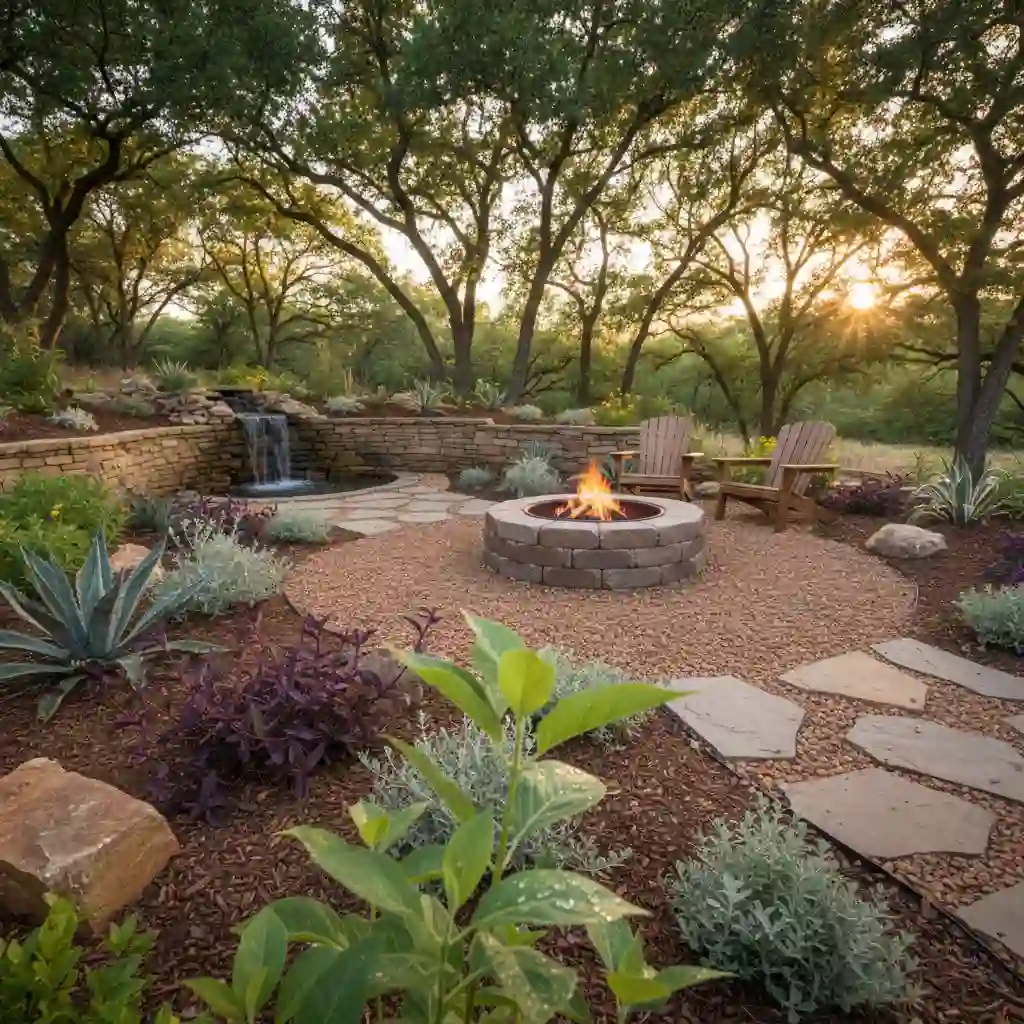
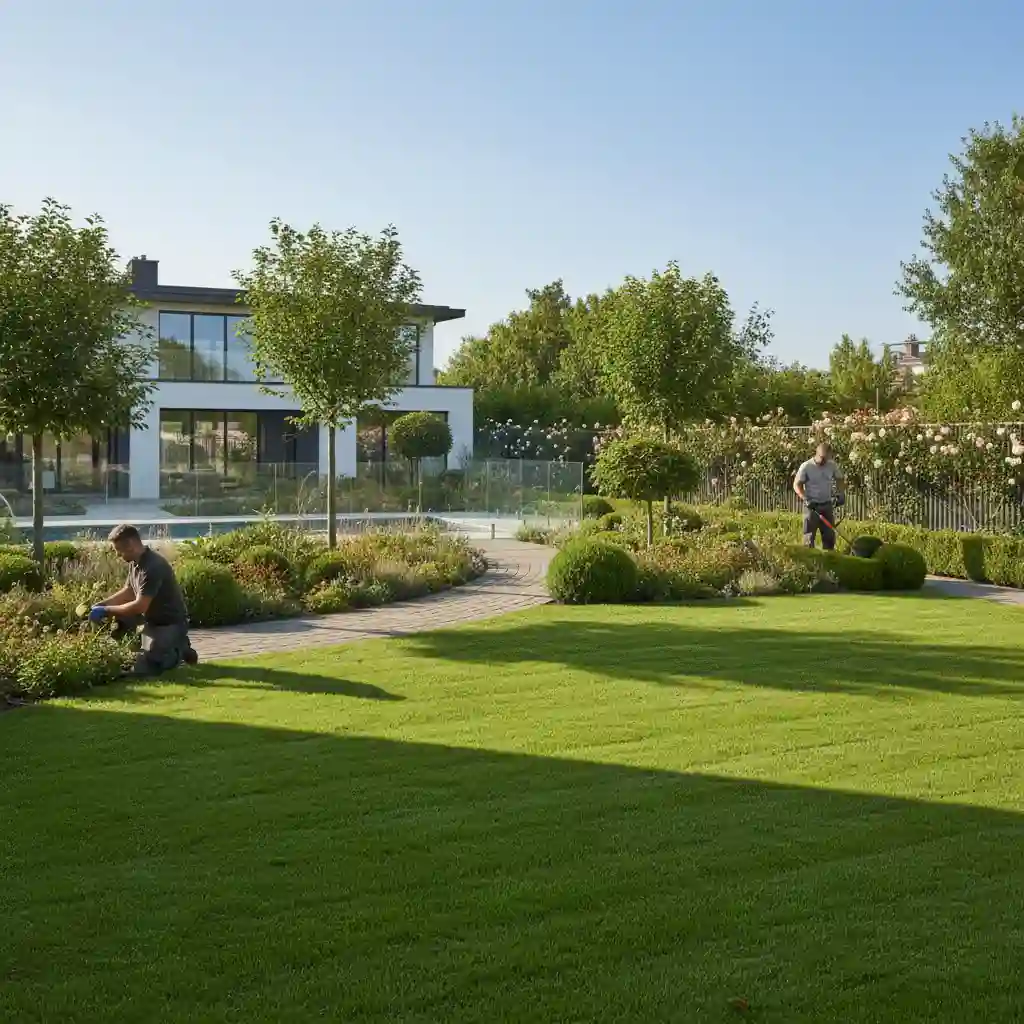
Your lawn is the first thing people see. And if it looks neglected, it reflects poorly on the entire property. But here’s the truth: most people have no idea how much work goes into a beautiful outdoor space, or what landscape maintenance actually covers. You’re not alone if you’ve been wondering what is landscape maintenance and whether it’s worth the cost.
In this article, we’ll walk through everything from what landscape maintenance includes day-to-day, to the real-world landscape maintenance cost you should budget for. By the end, you’ll have a clear picture of what services your property needs and how to get the best results for your money.
Understanding Landscape Maintenance
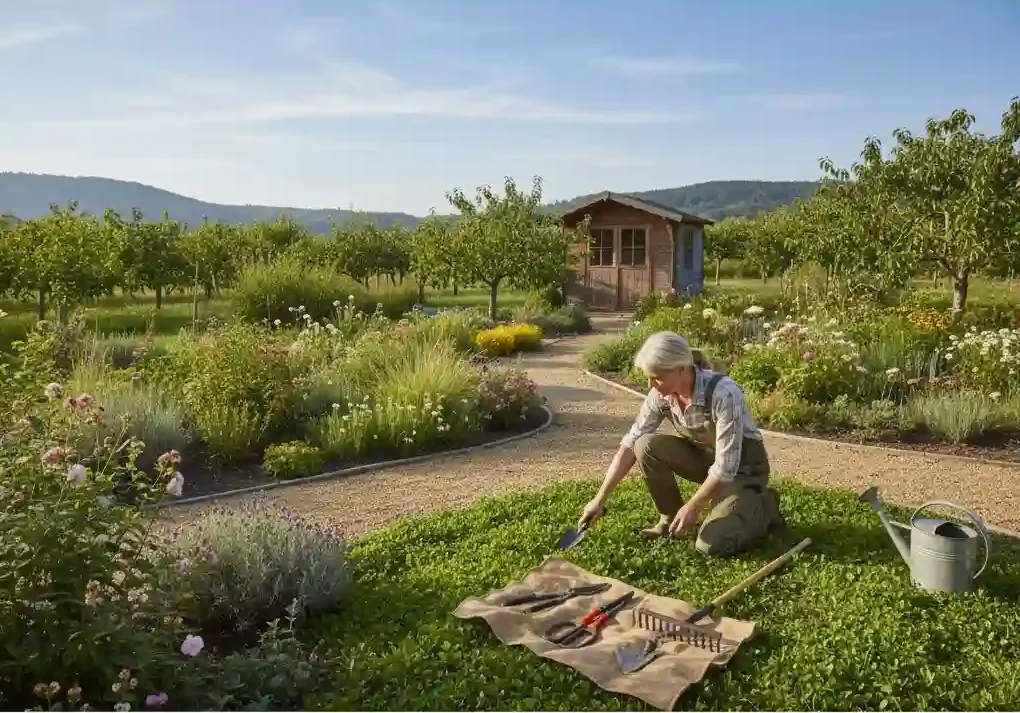
Taking care of your outdoor spaces on a regular basis is called landscape maintenance. This includes mowing the lawn, trimming it, fertilising it, pruning it, managing the irrigation, controlling pests, and cleaning up after the seasons. Regular, planned work is what keeps a property looking good, tidy, and well-managed all year round.
You can think of it as taking care of your car. You don’t merely fix your car when it breaks down. You get regular check-ups, oil changes and tyre rotations. The same goes for maintaining a landscape.
What is the main idea of landscape maintenance? It’s a system. A list of things to do that keep small problems from turning into big ones. Even the best-planned garden will develop into a jumble of weeds in just a few seasons without it.
What’s the Difference Between Landscaping and Lawn Maintenance?
Landscaping refers to the design and installation of outdoor features, such as planting trees, building retaining walls, or creating garden beds. Lawn maintenance, on the other hand, is the routine upkeep of those existing features. In short, landscaping is what you build; lawn maintenance is how you preserve it.
A lot of people use these terms interchangeably, but they’re quite different in scope and cost. Landscaping is typically a one-time or project-based investment. Maintenance is recurring.
For example, installing a new irrigation system is landscaping. Checking and adjusting that system every spring is maintenance. Both matter, but they serve different purposes.
What Does Landscape Maintenance Include?
Landscape maintenance includes mowing, edging, fertilization, weed control, pruning, mulching, pest and disease management, irrigation system checks, leaf removal, and seasonal planting. The exact services depend on the property type, size, and the maintenance plan you choose.
Here’s a breakdown of the most common services included in a standard residential landscape maintenance services package:
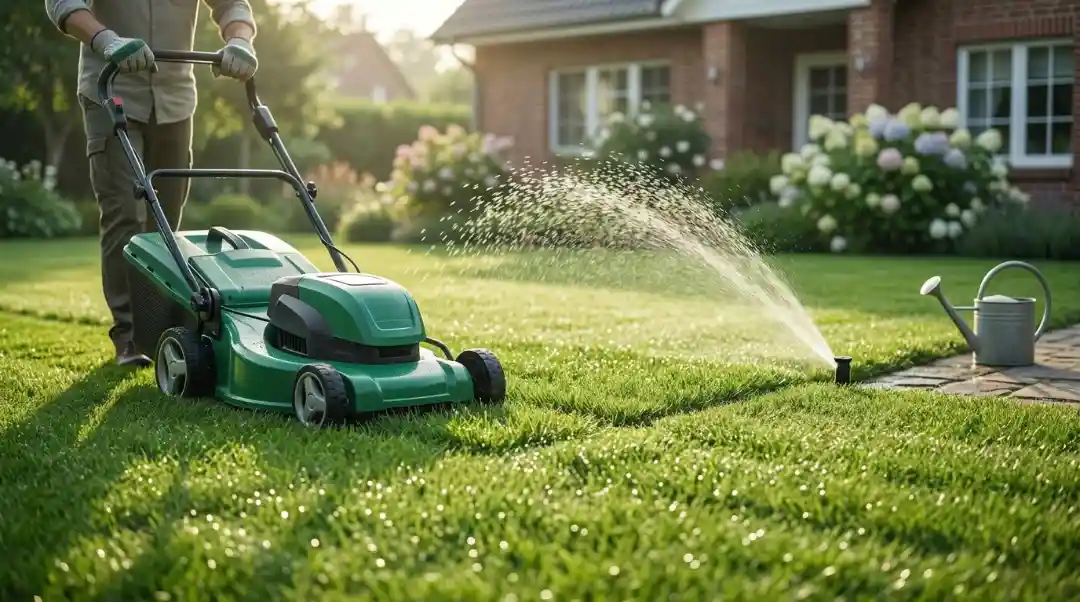
- Lawn mowing and edging: Typically done weekly or bi-weekly during the growing season
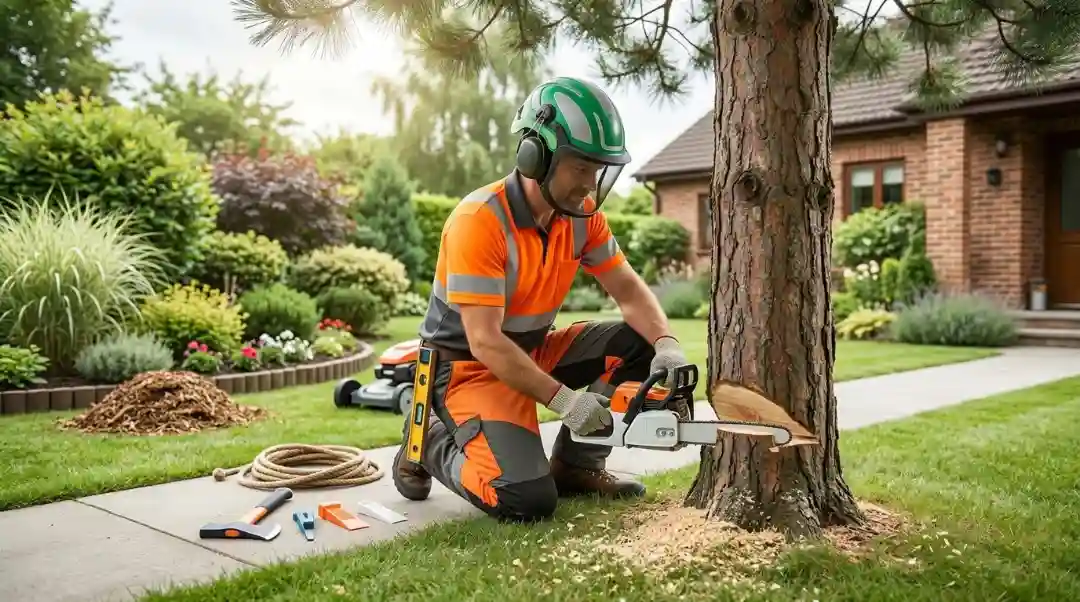
- Trimming and pruning: Keeping shrubs, hedges, and trees shaped and healthy
- Fertilization programs: Seasonal treatments to feed grass and plants
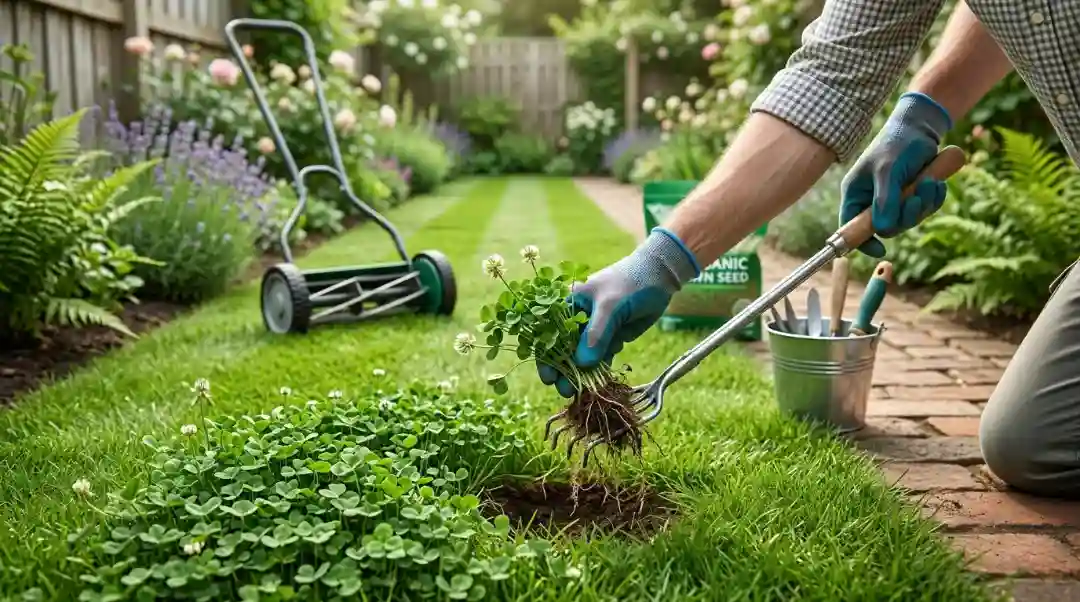
- Weed control: Pre-emergent and post-emergent applications to suppress weeds
- Mulching: Replenishing mulch in beds to retain moisture and prevent weeds
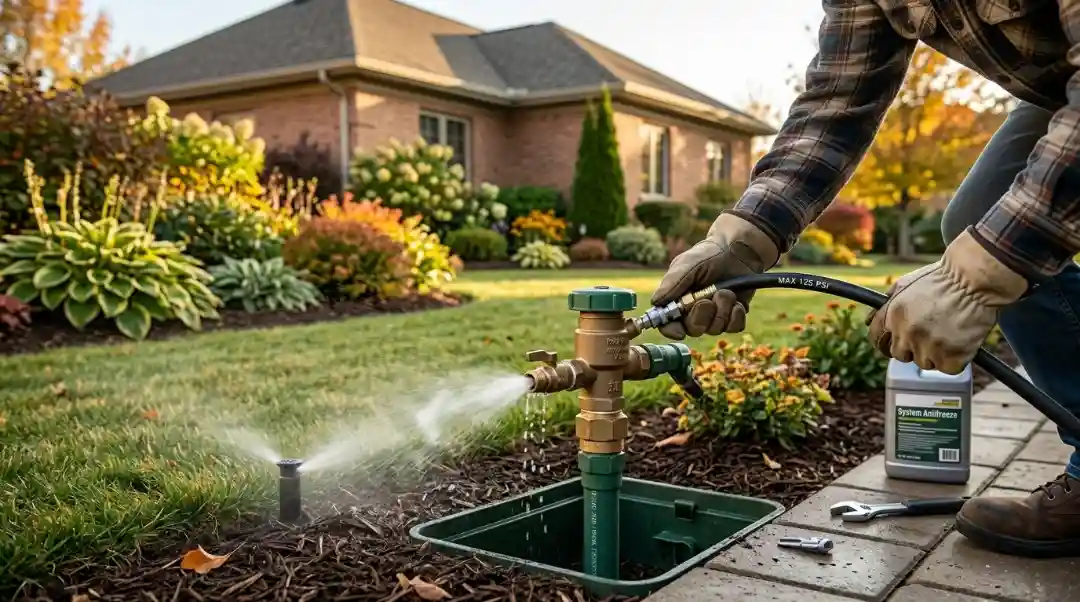
- Irrigation management: Adjusting and maintaining sprinkler and drip systems
- Seasonal cleanups: Spring and fall removal of leaves, debris, and dead plant material
- Pest and disease control: Treating infestations before they spread
- Aeration and overseeding: Improving soil health and lawn density
What Are the Benefits of Landscape Maintenance?
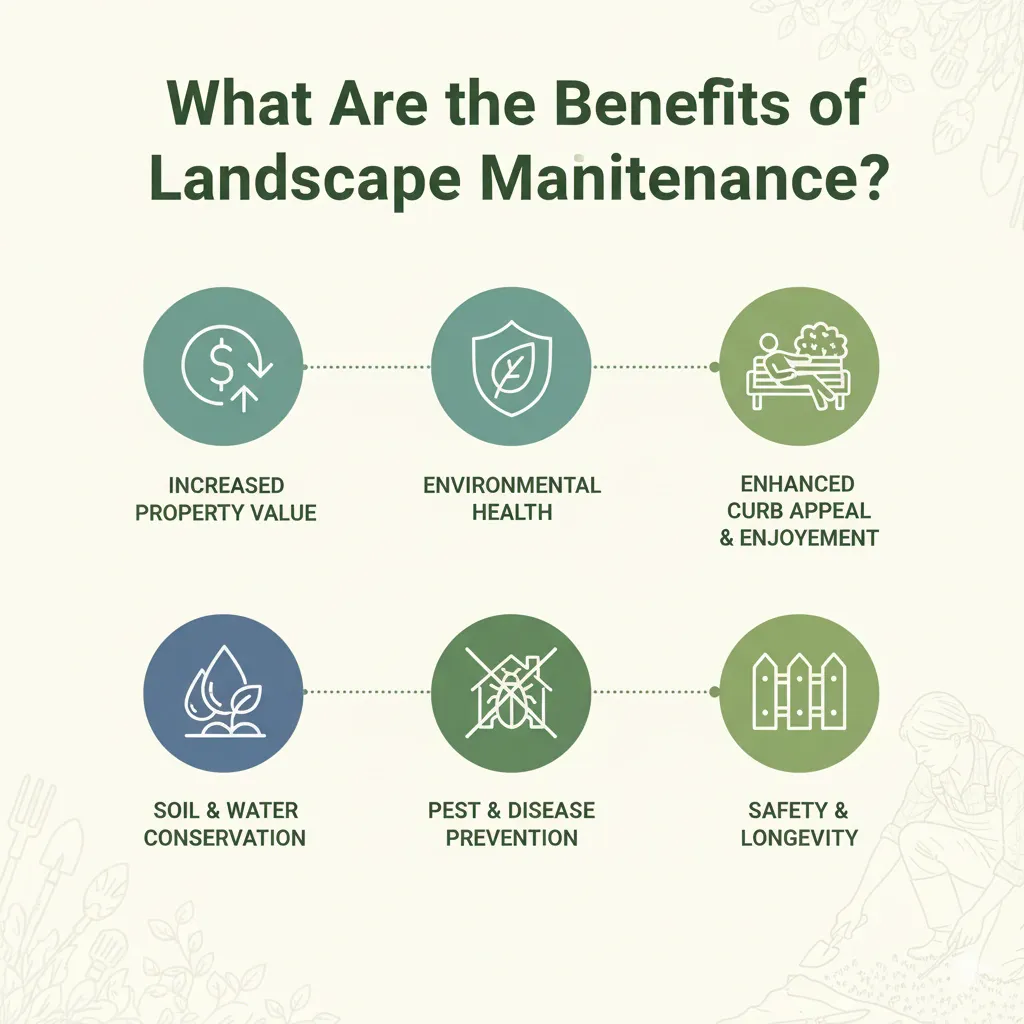
Regular landscape maintenance improves curb appeal, increases property value, prevents costly repairs, supports plant health, and creates a safer, more enjoyable outdoor space. Consistent upkeep is always more cost-effective than neglect followed by restoration.
Here’s why property owners who invest in routine maintenance come out ahead:
1. Higher Property Value
Studies from the American Society of Landscape Architects show that well-maintained landscaping can add up to 15% to a home’s value. That’s a significant return on a relatively modest investment.
2. Lower Long-Term Costs
Catching problems early, whether it’s a dying tree, a broken irrigation line, or spreading weeds, is far cheaper than addressing them after the damage is done. The average cost of landscaping maintenance is a fraction of what restoration typically runs.
3. Better Curb Appeal
First impressions matter, especially if you’re planning to sell or rent your property. A clean, maintained yard signals that the entire property is well cared for.
4. Healthier Plants and Lawn
Lawns and plants thrive under consistent care. Proper fertilization, watering, and pruning lead to stronger root systems, thicker turf, and more vibrant plant growth.
5. Fewer Pest and Weed Problems
Regular maintenance disrupts the conditions that pests and weeds need to establish themselves. Prevention is always easier than treatment.
How Often Do You Need Landscape Maintenance?
Most residential properties need landscape maintenance every one to two weeks during the growing season (spring through fall), and monthly or as needed during winter. The frequency depends on your climate, grass type, plant density, and the level of appearance you want to maintain.
Here’s a general frequency guide:
- Weekly: Mowing during peak growth, especially in warm, wet months
- Bi-weekly: Edging, blowing, minor trimming
- Monthly: Fertilization, weed treatment, irrigation check
- Seasonally: Pruning, mulching, aeration, overseeding, cleanup
- Annually: Deep root fertilization, soil testing, large pruning jobs
Most landscape companies offer service packages that bundle these into a monthly plan. That’s often the most cost-effective route for homeowners who want consistent results without managing it themselves.
How Much Does Landscape Maintenance Cost?
On average, residential landscape maintenance costs between $100 and $350 per month for standard services. The monthly landscape maintenance cost varies based on property size, service frequency, regional labor rates, and the specific services included in your plan.
If you’re asking how much does landscaping cost for a full-service maintenance plan, here’s a realistic breakdown:
| Service | Average Cost | Frequency |
| Lawn mowing | $30–$80 per visit | Weekly / Bi-weekly |
| Edging and blowing | Included in mow | Per visit |
| Fertilization | $50–$150 per treatment | Seasonal |
| Weed control | $50–$100 per application | Monthly |
| Pruning and trimming | $75–$200 per session | Monthly / Seasonal |
| Mulching | $100–$300 per bed refresh | Annually / Seasonally |
| Full monthly plan | $100–$350/month | Monthly |
Keep in mind that how much landscaping cost also depends on your region. Labor costs in California or New York tend to run higher than in the Midwest or Southeast. Always get at least three quotes before signing a contract.
Why Landscape Maintenance Is Important
Taking care of your landscape is important since it protects your investment. A property that is well-maintained keeps its value, lowers risks (such overgrown branches or broken sidewalks), helps the environment, and makes a space you want to use.
Beyond aesthetics, there are real practical reasons to take maintenance seriously:
- Prevents structural damage: Overgrown tree roots and unchecked vegetation can damage foundations, sidewalks, and drainage systems
- Reduces liability: Unmaintained properties with hazardous trees or obstructed sightlines can create legal risk for homeowners
- Supports water conservation: Properly maintained irrigation systems use water efficiently, reducing waste and utility bills
- Improves mental health: Research from the American Psychological Association shows that access to well-maintained green spaces reduces stress and improves wellbeing
- Increases neighbor goodwill: A well-kept yard doesn’t just benefit you. It improves the overall look and feel of your street
What Is the Rule of 3 in Landscaping?
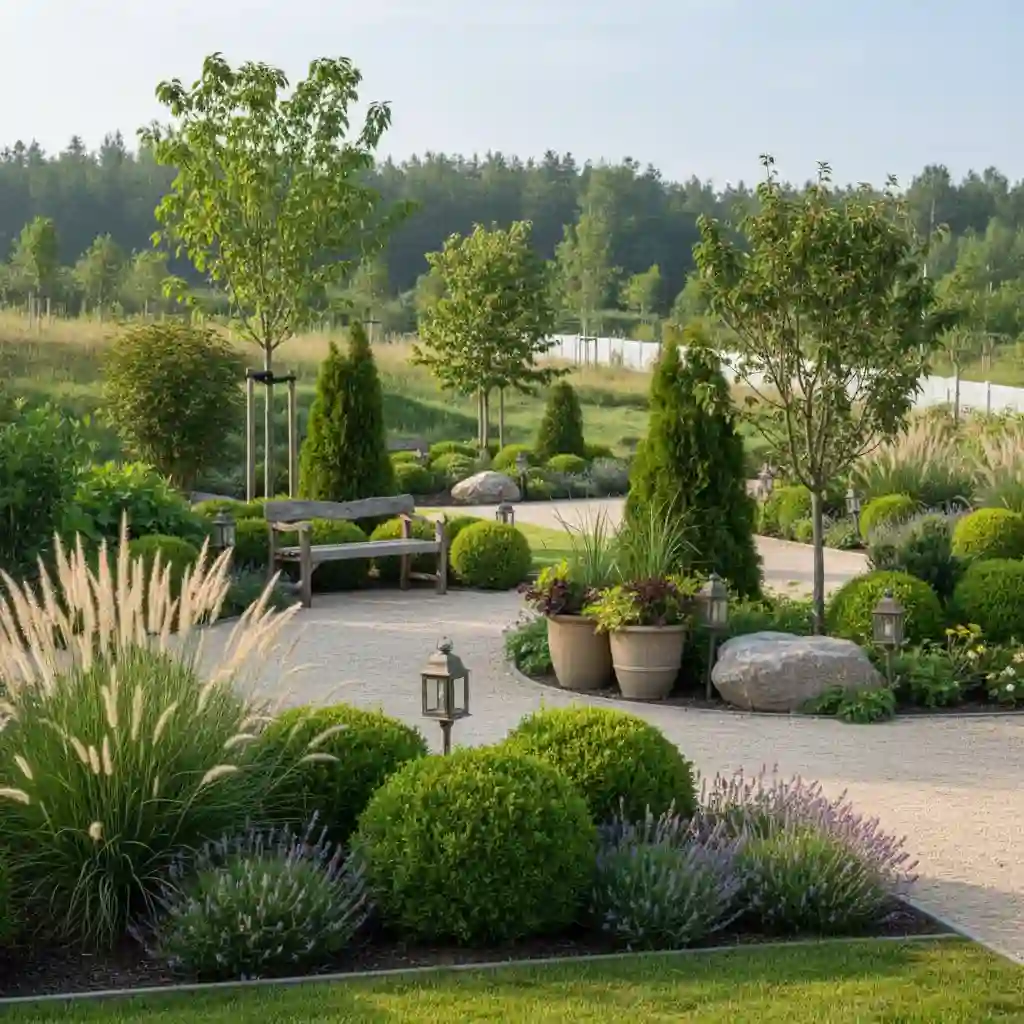
In landscaping, the rule of three involves putting plants, objects, or design elements together in groups of three. Odd numbers look more natural and balanced than even numbers. Professional landscapers employ this basic design rule to make outdoor spaces feel planned instead of random.
In practical terms, this might mean:
- Planting three ornamental grasses instead of two or four
- Using three different heights in a garden bed: ground cover, mid-height shrubs, and a focal point tree
- Grouping three accent boulders in a rock garden
This principle doesn’t just apply to plants. It works for hardscape elements, lighting fixtures, and container arrangements too. If your yard feels ‘off’ visually, try applying the rule of 3 to your next design decision.
Residential vs. Commercial Landscape Maintenance
Residential landscape maintenance focuses on individual homes and smaller properties, while commercial maintenance covers office parks, retail centers, HOA communities, and large complexes. Commercial maintenance typically involves larger crews, more frequent visits, and stricter appearance standards tied to brand or lease requirements.
Here’s a quick comparison:
- Residential: More flexibility on scheduling, lower volume, often relationship-based
- Commercial: Stricter SLAs (service level agreements), higher liability standards, year-round contracts
- Cost difference: Commercial contracts start higher but often come with bulk pricing advantages
The landscape maintenance cost for commercial properties varies widely, from $500/month for a small professional office to $5,000+ per month for a large corporate campus or HOA community.
How to Choose a Landscape Maintenance Company
Choose a landscape maintenance company based on their licensing, insurance, service offerings, local reputation, and willingness to provide a written contract with clear pricing. A reliable company should be transparent about what’s included and what costs extra.
Here’s what to check before hiring:
- Licensing and insurance: Make sure they carry general liability and workers’ comp. If someone gets hurt on your property and they’re uninsured, you could be liable
- References and reviews: Look for consistent patterns in Google reviews. A few bad reviews are normal, but repeated complaints about missed visits or poor communication are red flags
- Clear scope of work: Get everything in writing. ‘Full service’ means different things to different companies. Ask specifically what’s included in the quoted price
- Local experience: A company familiar with your region’s soil types, climate, and plant species will do a better job than a national chain with little local knowledge
- Communication: Do they answer calls? Do they send visit confirmations? Good communication is a strong predictor of overall service quality
When comparing bids, don’t just look at price. A low how much does landscaping cost quote that leaves out key services ends up costing more when you add those back in. Compare apples to apples.
Landscaping Maintenance in Whittier, CA
If you’re looking for professional Landscaping Maintenance in Whittier, CA, the local climate creates specific challenges and opportunities. Whittier’s warm, dry summers and mild winters mean lawns and plants need smart watering schedules, heat-tolerant plant selections, and consistent care during the dry season.
Robert’s Complete Care specializes in residential landscape maintenance services across Whittier and the surrounding areas. Their team understands the local conditions, offers transparent pricing, and builds long-term maintenance plans tailored to each property.
Whether you need weekly mowing, seasonal pruning, or a full-service monthly plan, Robert’s Complete Care provides the consistency and quality that makes a real difference in how your property looks and functions year-round. Get in touch to find out about your monthly landscape maintenance cost and what’s included.
Wrapping It Up
Landscape upkeep keeps outside areas healthy, neat, and balanced all year long. Taking care of plants by mowing, pruning, checking the irrigation system, and caring for the soil regularly keeps them safe and saves money on repairs later. Robert’s Complete Care offers reliable home landscape care services that are tailored to the needs of local properties. Contact us today to set up a consultation and obtain a clear estimate for how much help you need with your grass, trees, irrigation system, or garden beds.
Frequently Asked Questions About Landscape Maintenance
What is meant by landscape maintenance?
Landscape maintenance includes taking care of your outdoor property on a regular basis. It involves things like mowing, fertilising, trimming, controlling weeds, and managing irrigation. The goal is to make sure that your lawn, plants, and outside features appear healthy and well-kept all year round.
What is the difference between landscaping and lawn maintenance?
Landscaping includes things like planting fresh trees or creating garden beds. Taking care of your lawn means keeping it in good shape all the time. Landscaping is usually a one-time job, while lawn care is something that needs to be done on a regular basis.
What is included in landscaping maintenance?
Standard landscape maintenance includes mowing, edging, fertilization, weed control, pruning, mulching, irrigation checks, pest management, and seasonal cleanups. The specific services depend on your plan and provider.
What is the rule of 3 in landscaping?
The rule of 3 means grouping plants or design elements in sets of three. Odd-numbered groupings look more natural and balanced than even groupings. It’s one of the most widely used principles in landscape design.
How often do you need landscape maintenance?
Most lawns need maintenance every one to two weeks during the growing season. Off-season maintenance is typically monthly or seasonal depending on your climate and what services are needed.
How much does landscape maintenance cost per month?
The monthly landscape maintenance cost for a standard residential property ranges from $100 to $350, depending on property size, service frequency, and location. Full-service commercial plans can run significantly higher.
Is landscape maintenance worth the cost?
Yes. How much landscaping cost is a common concern, but the return on investment is well documented. Maintained landscapes improve property value, reduce long-term repair costs, and make properties far more pleasant to live in or work at.