A lot of homeowners spend a lot of time thinking about their flowers, plants, and lawn. But here’s the thing: if your yard doesn’t have any structure, all that green stuff looks like a mess with no place to sit. That’s where hardscaping comes in, and it’s the part of any outdoor renovation that gets the least attention.
What is hardscaping, then? In short, it’s everything in your outdoor space that is solid and not alive, like your patio, driveway, walkways, retaining walls, and more. This guide goes over everything from costs and materials to common mistakes, so by the end, you’ll know exactly what to expect before you start a project.
What Does Hardscaping Mean?
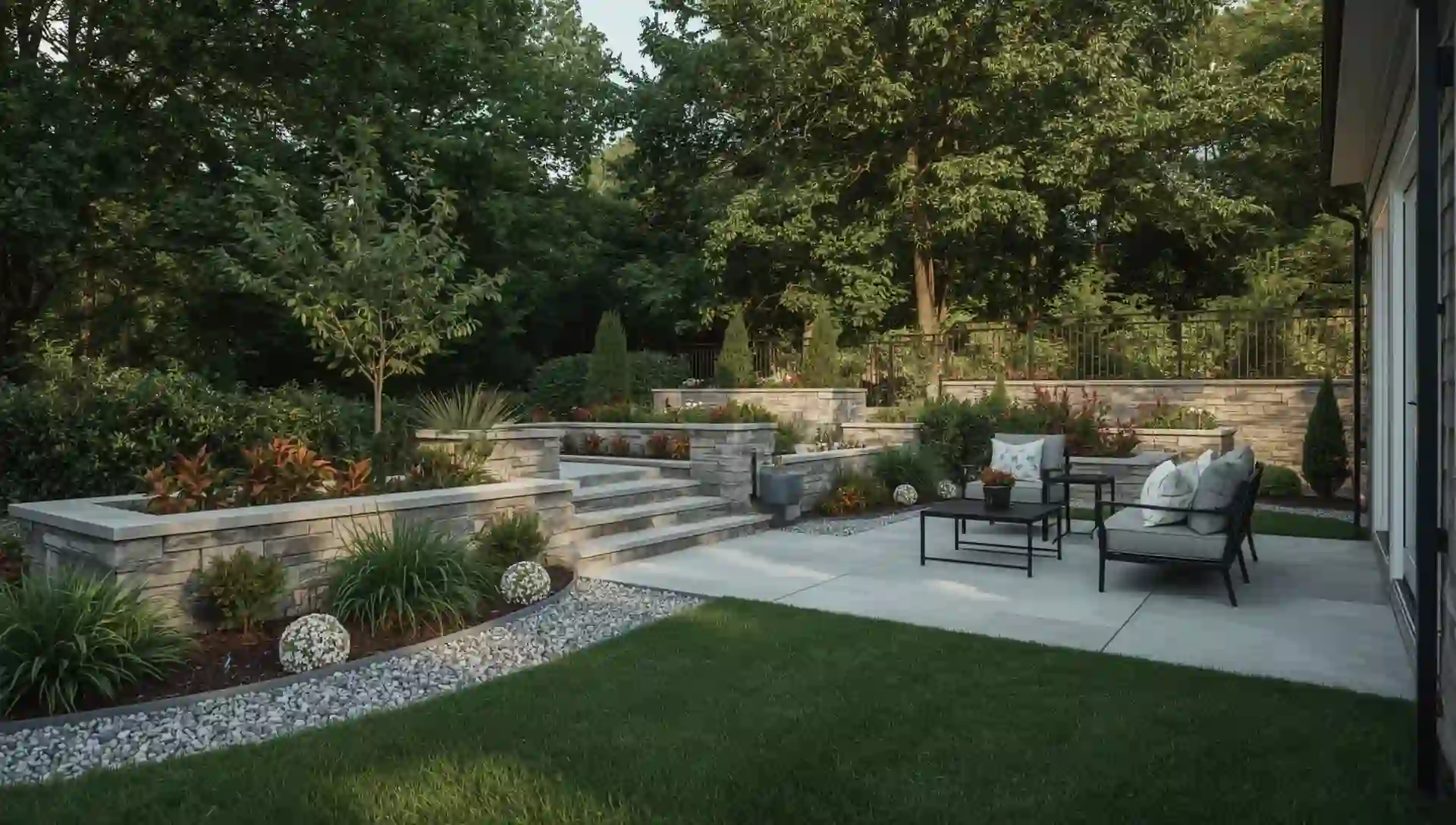
Hardscaping refers to the structural, non-living elements built into a landscape using solid materials like concrete, stone, brick, or wood. It includes features like patios, driveways, walkways, retaining walls, fire pits, and outdoor kitchens. These elements give your yard shape, function, and long-term durability.
Think of it like the bones of your outdoor space. Without a solid frame, everything else, the plants, the grass, the garden beds, has no real place to live. Hardscaping gives your yard an actual layout that makes sense to move through and use.
The word “hardscape” itself comes from landscape design. Landscape architects use it to separate the built environment (hard) from the growing environment (soft). It’s a straightforward term, but the impact it has on your property is anything but small.
Hardscape vs. Softscape: What’s the Difference?
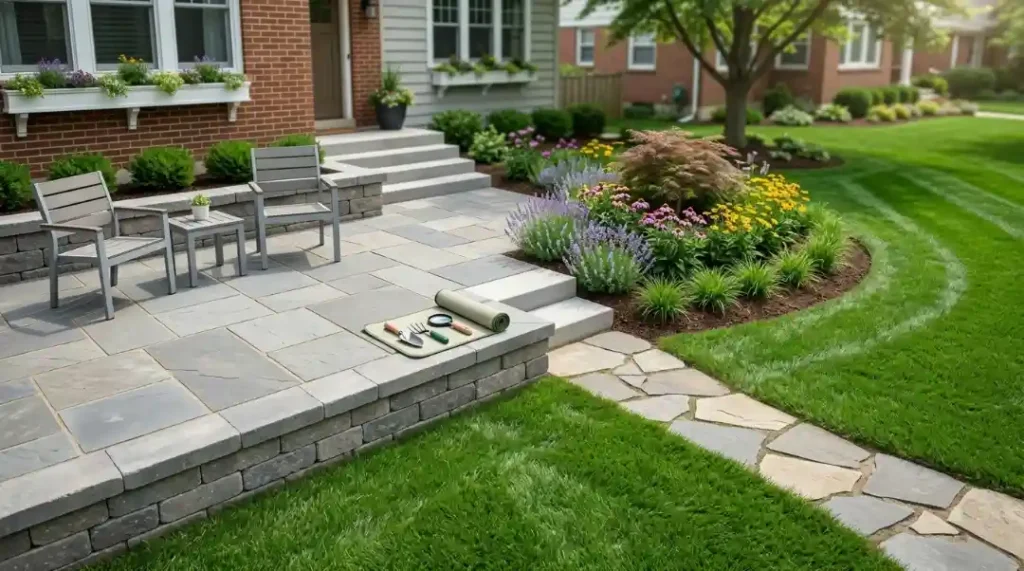
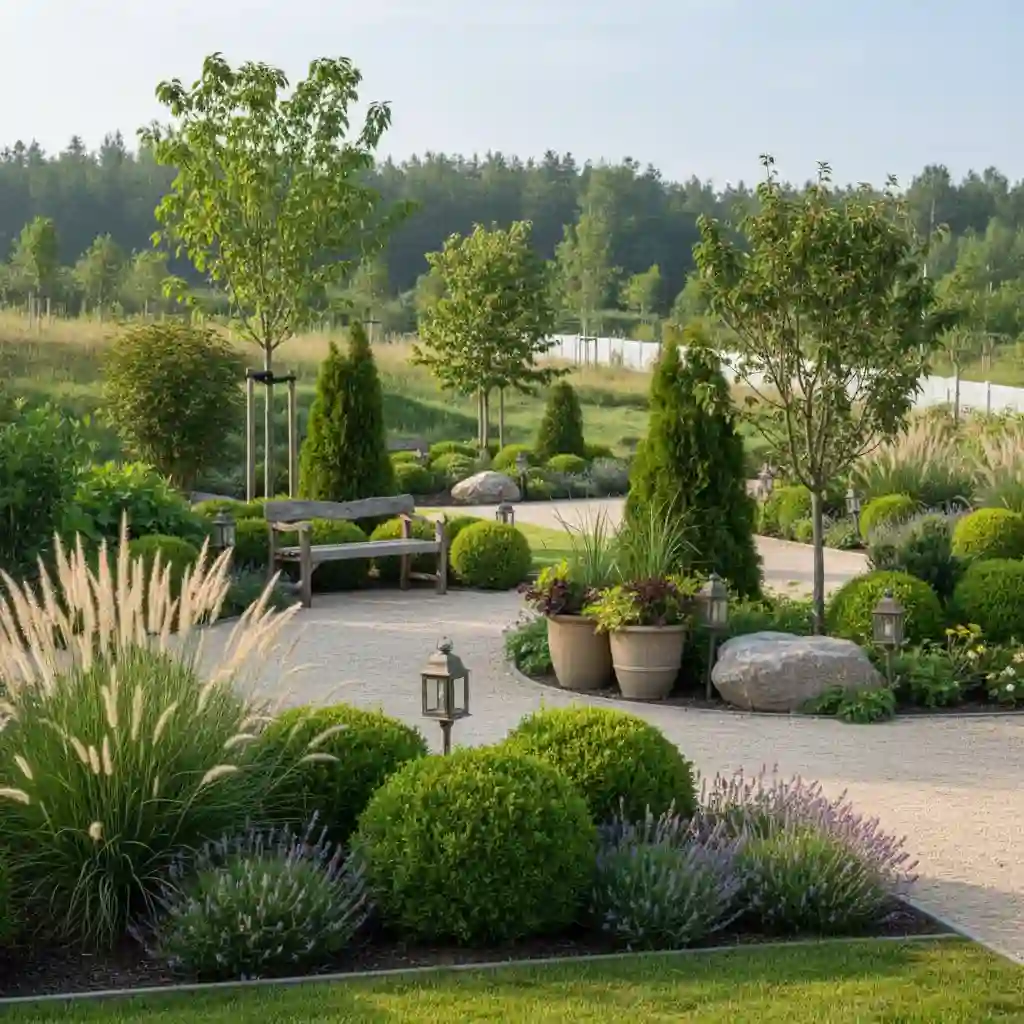
Softscaping is everything living and growing in your yard: trees, shrubs, grass, flowers, and garden beds. Hardscaping is the opposite: solid, inorganic materials that hold their shape year-round. The two work together to create a balanced, functional outdoor space.
A yard with only softscaping can feel like a mess. There are a lot of plants, but there is no path to walk on, no place to sit, and no clear areas. A yard with only hardscaping, on the other hand, feels cold and industrial, like a parking lot with good lighting.
There is always a mix of both in the sweet spot. Hardscaping gives the space shape, and softscaping brings it to life. In colder places like most of Canada, a strong hardscape foundation can also handle freeze-thaw cycles when plants go dormant. This means that your yard will still look planned even in November.
What Are the Benefits of Hardscaping?
Hardscaping adds structure, reduces maintenance, increases property value, and extends the usable area of your outdoor space. It’s one of the highest-return investments a homeowner can make, both for lifestyle and resale value.
Here’s why homeowners across Canada keep choosing it:
- Low maintenance: Unlike a lawn that needs mowing, watering, and fertilizing, a stone patio or concrete driveway just needs occasional cleaning. No weekly upkeep.
- Durability: Quality hardscape materials especially concrete pavers and natural stone are built for decades, not seasons.
- All-season usability: A proper patio or walkway stays functional whether it’s dry July or a slushy March.
- Erosion control: Retaining walls and permeable pavers actively manage stormwater runoff, keeping soil in place and reducing the risk of flooding near your foundation.
- Curb appeal: A well-designed hardscape instantly lifts the look of any property.
Does Hardscaping Add Value to a Home?
Yes, hardscaping adds real monetary value to a home. Studies show that professional landscaping including hardscape features can increase property value by 10% to 15%. A finished patio, paver driveway, or retaining wall is a selling point that buyers actively look for.
It’s not only about the money. When people walk through a property, they decide whether or not to buy it based on how it makes them feel. A finished patio, a clean walkway, and a well-placed retaining wall in the backyard tell a story: this home is taken care of. That emotional response is important when you are negotiating.
In Canada, homes with strong hardscape features tend to sell faster in the spring and summer, which is the best time to buy. People who want to buy homes in cities like Whitby, Mississauga, and the Greater Toronto Area always say that outdoor space is very important to them.
What is the Best Hardscaping Material?
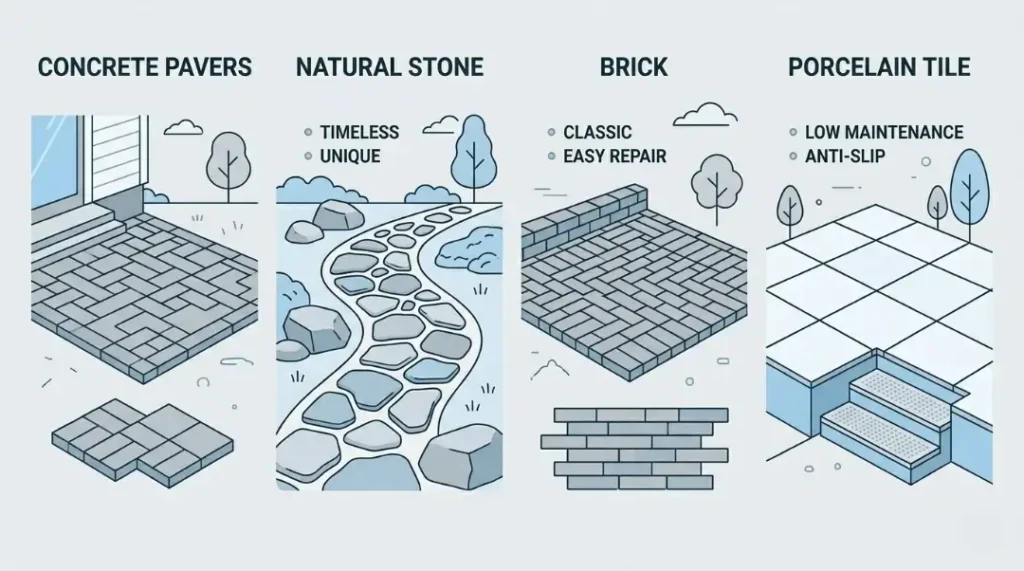
Most people think that concrete pavers are the best all-around material for hardscaping. They last a long time, are inexpensive, come in a wide range of styles and finishes, and can be replaced one at a time if one gets damaged without having to tear up the whole surface.
That said, “best” really depends on what you’re building and where. Here’s a quick breakdown of the most common options:
Concrete Pavers
The most common choice for driveways and patios. Concrete pavers don’t break as easily as poured concrete because they can bend a little when the ground moves. They don’t need to be sealed, but re-sealing them every three to five years keeps them looking good.
Natural Stone
Flagstone, granite, limestone and natural stone are aesthetically strong and extremely durable. It handles freeze-thaw cycles well, which matters a lot in Canadian winters. It’s pricier than concrete, but the look is hard to match.
Brick
Brick pavers offer a classic, timeless appeal. They’re especially popular for walkways and front entrances. Brick holds color well over time and is very durable, though it can be more expensive to install due to labor.
Porcelain Tile
A newer option in outdoor hardscaping. Porcelain tile is elegant, low-maintenance, and works well on pool decks and covered patios. It’s not recommended for driveways or high-traffic areas in freeze-thaw climates.
Gravel and Permeable Pavers
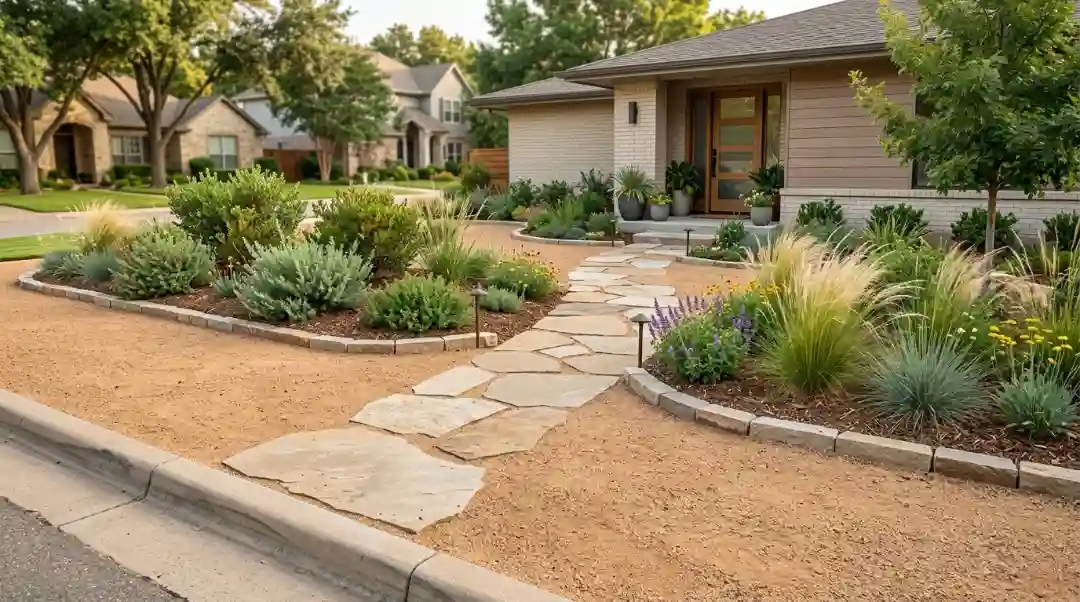
Gravel is one of the cheapest ways to hardscape. It is semi-permeable, which helps with stormwater management and makes it a good choice for the environment. Permeable pavers go a step further by soaking up rainwater and sending it back into the ground, which cuts down on runoff and keeps pollutants from getting into nearby waterways. Some cities and towns in Canada even give people money to use permeable apps.
Why Hardscaping Matters for Your Landscape
Your yard is only as functional as its layout allows. Without hardscaping, even the most beautifully planted garden can feel like a space you’re afraid to walk through, no clear paths, no defined areas, nowhere to actually spend time.
Hardscaping gives your landscape a flow. It tells people where to walk, where to sit, where to gather. It also handles the practical problems most homeowners ignore until they become serious drainage issues, soil erosion, uneven terrain, and slopes that make your yard hard to use.
In regions with heavy rainfall or snow, proper hardscape design also directs water away from your home’s foundation. A retaining wall on a sloped property, for example, can prevent thousands of dollars in erosion damage over time.
Popular Hardscaping Features
These are the most requested hardscape elements by Canadian homeowners:
Patios and Outdoor Seating Areas
A patio is the foundation of outdoor living. Whether it’s a simple concrete slab or an intricate interlocking brick design, a well-built patio gives your backyard a clear purpose. It’s where summer dinners happen, where kids play, and where mornings start with coffee.
Walkways and Garden Paths
Walkways connect the dots in your yard. They guide movement, protect your lawn from foot traffic, and add visual structure. Stone or brick paths through a garden can make a yard feel intentional and polished.
Retaining Walls
IIf your land has any slope, a retaining wall is more than just a pretty thing; it’s a must-have. It keeps soil in place, stops erosion, controls drainage, and can even serve as extra seating around a patio.
Fire Pits and Outdoor Fireplaces
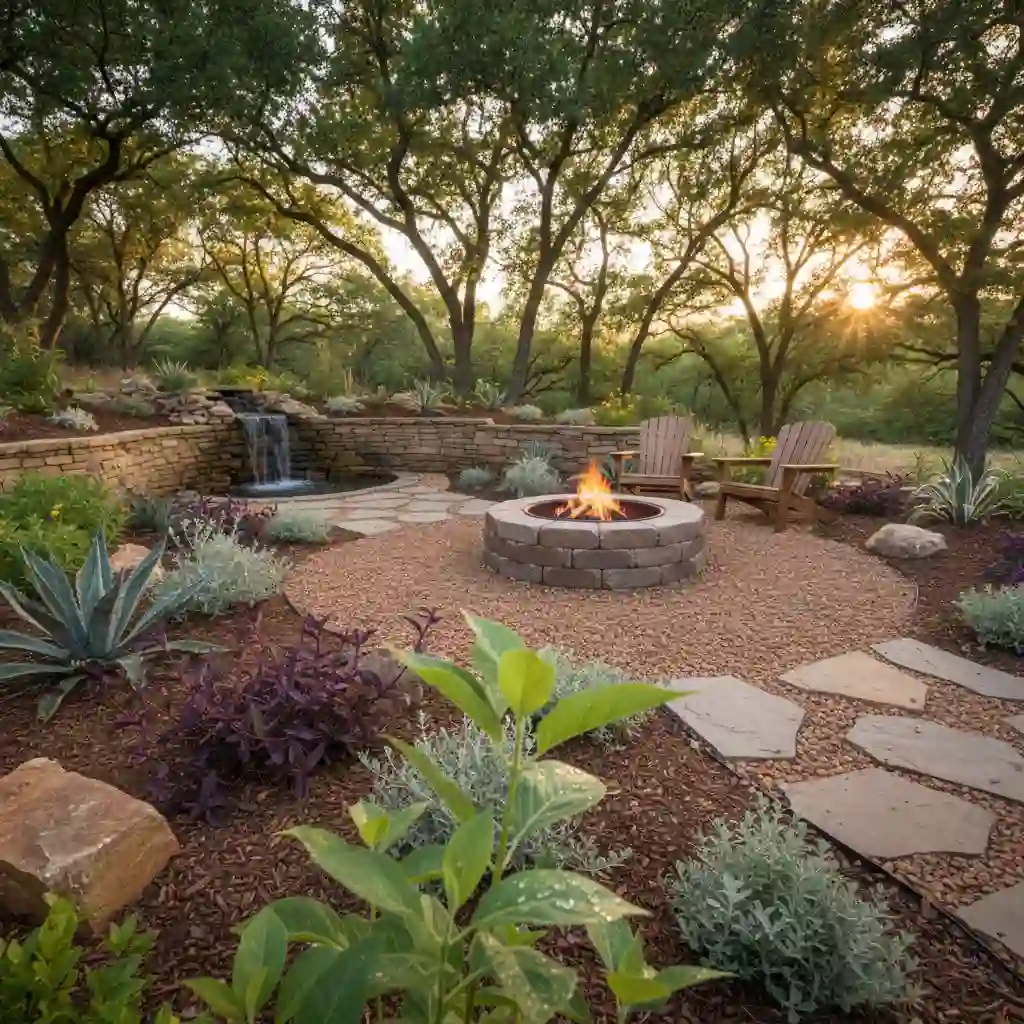
Fire features extend the usable season of your backyard by weeks. They create a natural gathering point and add warmth during cooler Canadian evenings in spring and fall.
Water Features
Fountains, ponds, and water walls add both sound and visual interest. A well-placed water feature can make a backyard feel like a completely different space.
Pergolas and Shade Structures
Pergolas define outdoor areas and provide partial shade. They’re a great way to anchor a dining or lounge zone and add vertical interest to a flat yard.
Driveways
Your driveway is often the first thing people see. A paver or natural stone driveway upgrades curb appeal dramatically compared to cracked poured asphalt.
What Can You Use Instead of Concrete for a Hardscape Project?
Homeowners can use natural stone, brick, porcelain tile, gravel, or permeable pavers as alternatives to concrete. Each has different costs, aesthetics, and maintenance needs. The right choice depends on the project type, your climate, and your budget.
Here’s how each alternative stacks up:
- Natural Stone Slabs: Beautiful, durable, and freeze-thaw resistant. Best for patios, pool decks, and step treads. Higher upfront cost, but very long lifespan.
- Brick Pavers: Classic appearance, solid durability. Common in front entrances and walkways. Mid-range cost.
- Porcelain Tile: Sleek and modern. Works on covered patios and wood deck overlays. Not ideal for driveways.
- Gravel: Budget-friendly, permeable, and easy to install. Good for low-traffic areas and informal paths.
- Permeable Pavers: Eco-friendly and stylish. These absorb water rather than redirecting it, which helps with stormwater management and can reduce flood risk around your home.
- Poured Concrete: Still a solid, low-cost option. It can be stamped to resemble stone or brick. It requires more upkeep over time and is harder to repair if it cracks.
Common Mistakes in Hardscaping
The most common hardscaping mistakes include poor drainage planning, skipping a proper base, choosing materials that don’t suit the climate, and underestimating project costs. These errors often lead to cracking, shifting, or flooding within just a few years of installation.
Here are the ones to watch out for:
- No drainage plan. Water has to go somewhere. If your hardscape isn’t graded properly, rainwater pools on your patio, pushes against your foundation, or floods your garden beds. A 1-2% slope away from your home is the standard fix.
- Weak base preparation. The material on top is only as stable as what’s underneath. Skimping on the gravel sub-base leads to shifting, sinking, and cracking especially in climates with freezing winters.
- Wrong material for the climate. Not every material handles freeze-thaw cycles well. Using non-rated tile or low-quality concrete in a Canadian climate is a recipe for cracking within a few years. Always choose materials rated for your region.
- Ignoring permits. Some hardscape projects, especially retaining walls over a certain height and driveway modifications require permits. Skipping this step can create problems when you go to sell.
- DIY-ing complex projects. Simple gravel paths are one thing. A multi-level retaining wall or a patio with embedded drainage? Those need a professional.
Cost Considerations
Hardscaping costs in Canada typically range from $15 to $50+ per square foot, depending on the material, project complexity, and your location. A basic patio starts around $3,000-$5,000, while a full backyard design with multiple features can run $20,000-$50,000 or more.
Factors that affect your final cost:
- Size of the project
- Material choice
- Site prep and grading required
- Accessibility of the work area
- Permit fees (if applicable)
- Labor rates in your region
It’s worth getting at least two or three quotes from local contractors before committing. Always ask for a written breakdown so you know exactly what’s included base prep, materials, labor, and cleanup.
Hardscaping by Professionals in Whittier
If you’re in the Whittier area and thinking about starting a hardscape project, working with an experienced local contractor makes all the difference. At Robert’s Complete Care, we’ve helped dozens of homeowners build outdoor spaces that are both functional and long-lasting.
From interlocking stone patios to full backyard designs with retaining walls and walkways, we handle projects of all sizes. We know the local soil conditions, weather patterns, and permit requirements so your project gets done right the first time.
Contact Robert’s Complete Care to book a consultation and start planning your outdoor space today.
Final Thoughts
Expert Hardscaping in Whittier: When it comes to hardscaping, the person who does the work is just as important as the materials they use. A professional hardscaping team in Whittier has the right tools, knows the area well, and has worked on similar projects before, so they won’t make any expensive mistakes. This means that your project will be built for your specific soil, climate, and property from the start.
One of the best things you can do for your home is to invest in hardscaping. It makes a yard that isn’t used much into a place where your family wants to be. It keeps your property safe from seasonal wear, erosion, and drainage problems. And if you do it right, it will really add value to your home when you sell it.
If you’re starting to learn about hardscaping and what it entails, the most important thing to do first is to figure out what your goals are. Are you trying to fix a drainage issue, create an outdoor living space, or make your home look better from the street? That answer affects every choice about materials and design that comes after it.
Frequently Asked Questions About Hardscaping
What is considered hardscaping?
Hardscaping is the part of a landscape that is not living and is made up of structures like patios, driveways, walkways, retaining walls, fire pits, water features, pergolas, and outdoor kitchens. These are the parts of a yard that are made of stone, concrete, brick, or wood and give it its shape and purpose.
What is the least expensive hardscape?
Poured concrete and gravel are the most affordable hardscaping options. Gravel can cost as little as $1-$3 per square foot installed, making it one of the cheapest ways to create a path or low-traffic surface. Poured concrete is slightly more but still one of the most budget-friendly choices for patios and driveways.
What is an example of a hardscape?
One of the most common types of hardscaping is a patio made of brick pavers that fit together. A stone walkway, a concrete driveway, a wooden deck, a retaining wall, or a built-in fire pit are other clear examples. Hardscape is anything that is a solid, structural part of the outdoors that is not a plant or living thing.
What are some common mistakes people make when hardscaping?
Not getting the right permits, not planning for drainage correctly, not preparing the base properly, and using materials that aren’t rated for the local climate are all common mistakes. These problems can lead to cracks, sinking, and water damage that happen too soon, all of which are expensive to fix later.
What are the bad things about hardscape?
Hardscaping can be expensive at first, and features that aren’t put in correctly can cause drainage problems or make the area too hot in the summer. Hard surfaces don’t soak up rainwater, which can make stormwater runoff worse. That being said, most of these problems can be solved with good design. For example, permeable pavers can help with drainage problems, and a good contractor will plan for runoff in the first place.